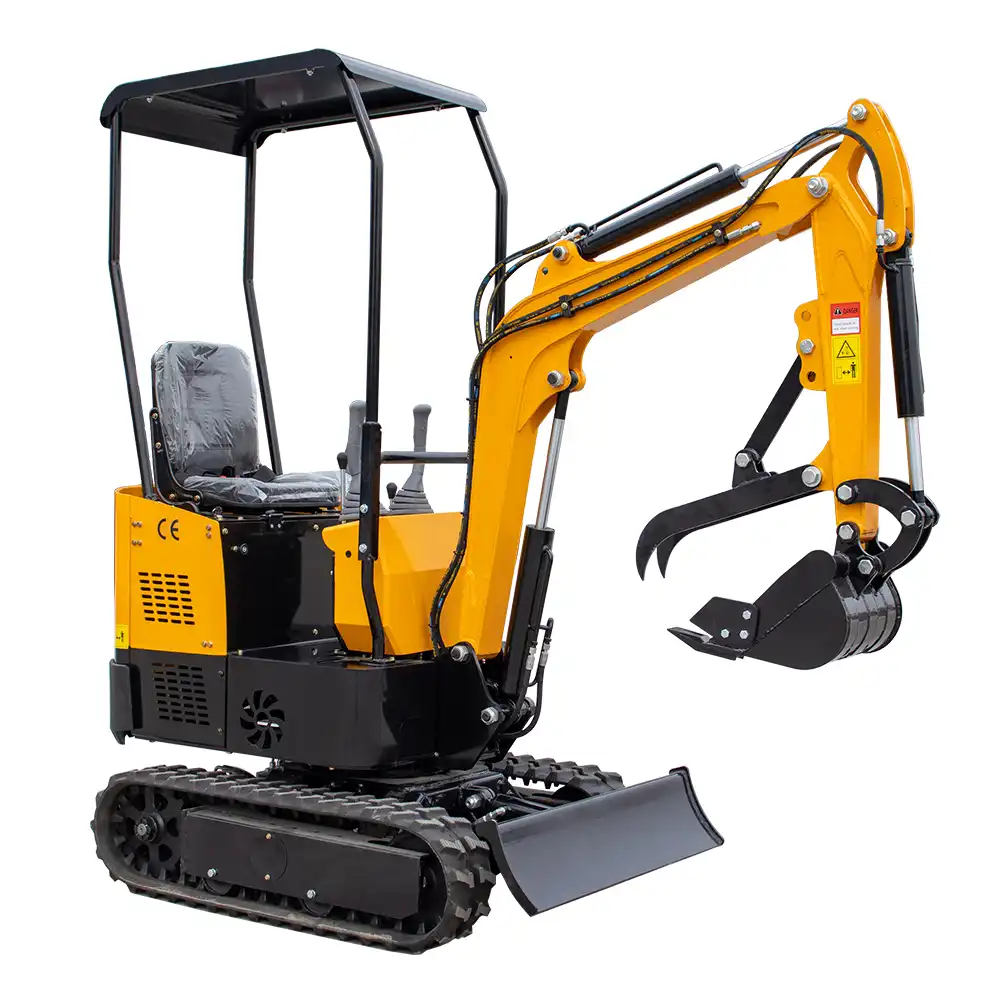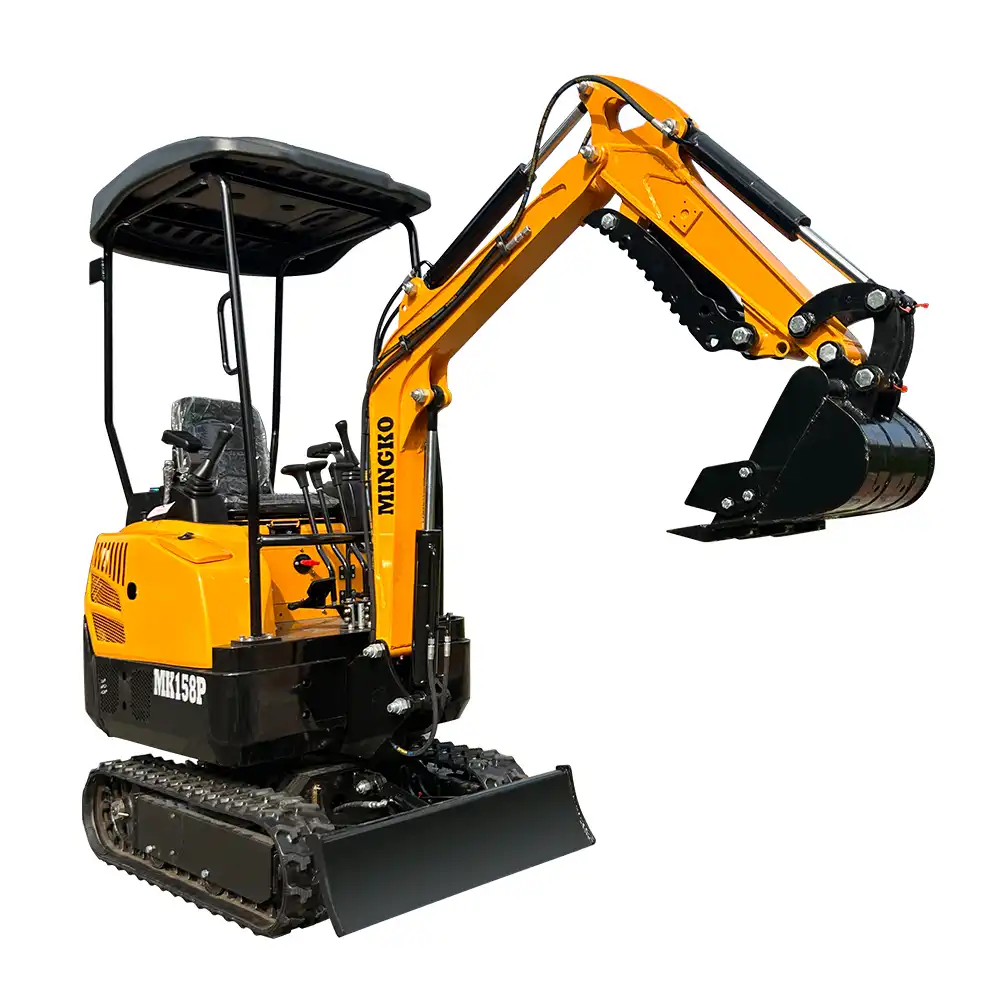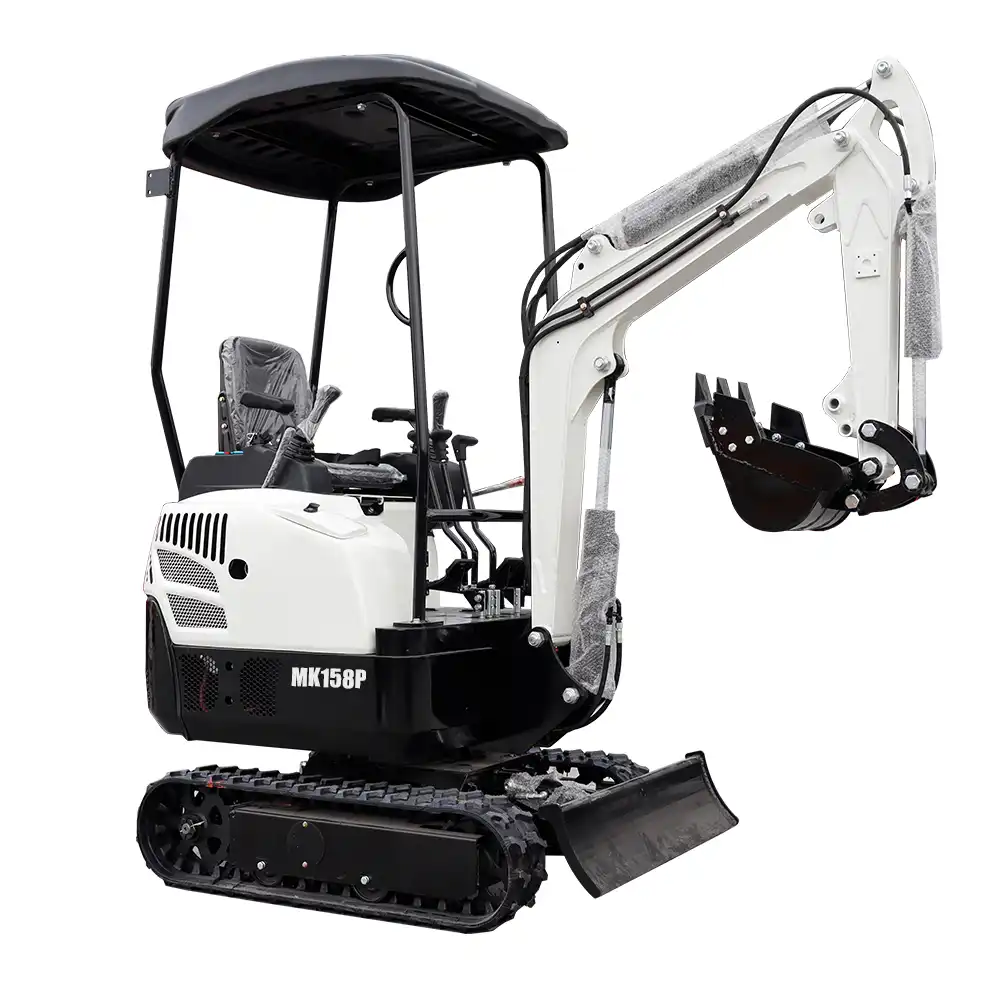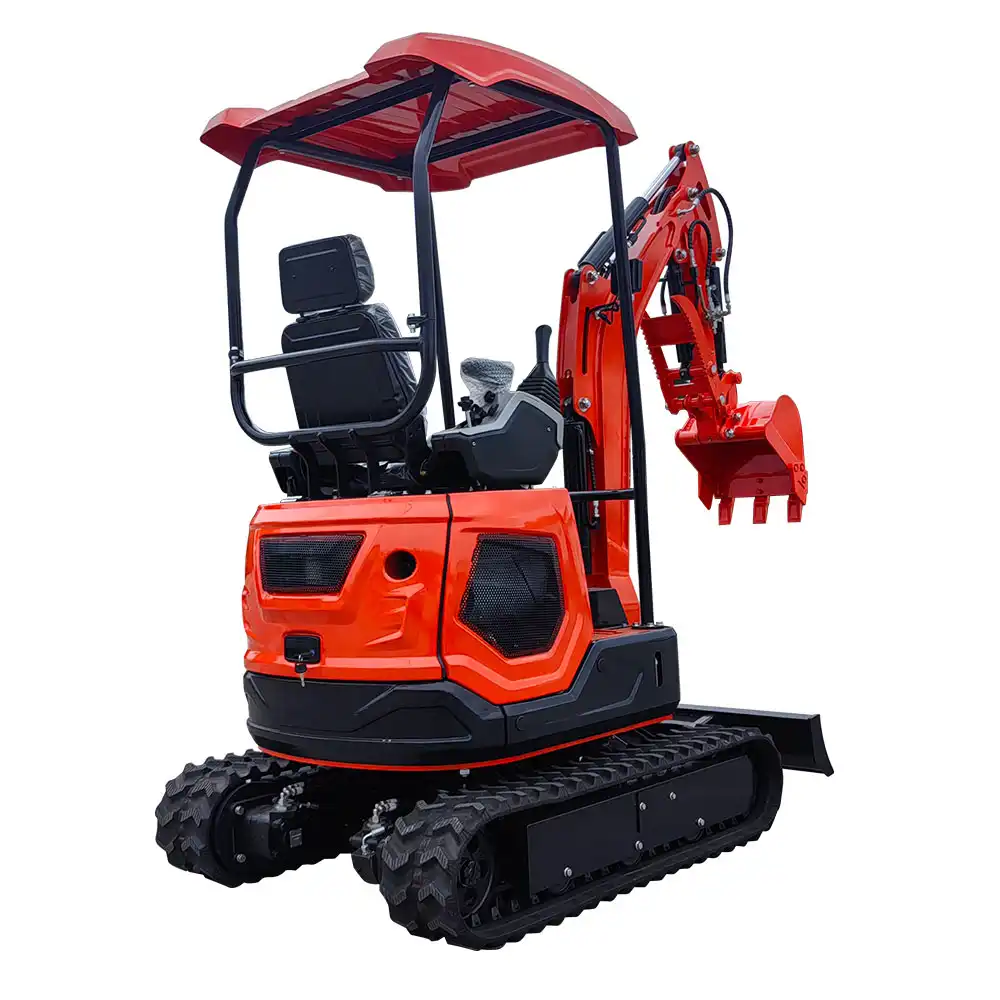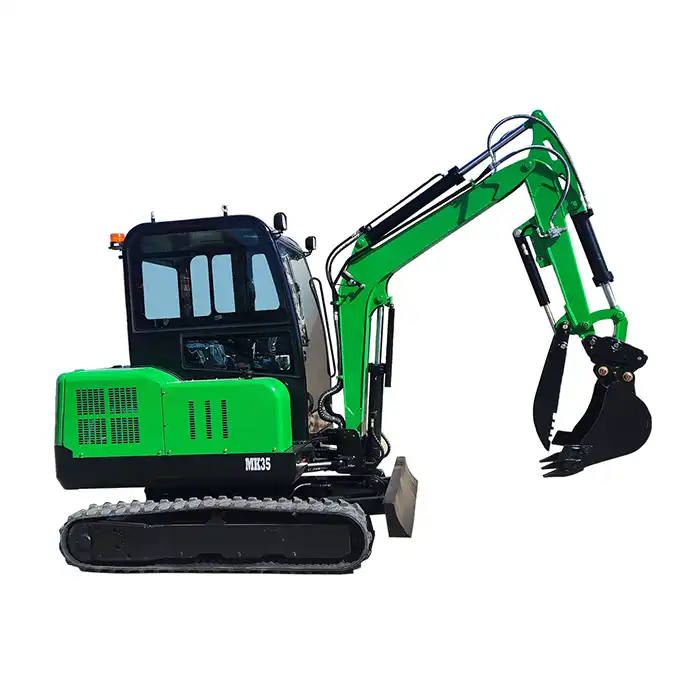
3.5 T Digger Specs, Load Capacity, and Application Scenarios
A 3.5 T Digger is the best piece of construction tools for getting the job done with the right amount of power and versatility. The operating weights of these small excavators make them perfect for medium-sized building projects. They usually weigh between 3,500 and 3,800 kilograms. With impressive digging depths of over 3,200 mm and maximum digging heights of about 4,800 mm, these tools work very well in a wide range of situations. The normal bucket capacity of 0.12 cubic meters and strong hydraulic systems make sure that contractors looking for reliable earthmoving solutions can move materials quickly and easily.
Understanding 3.5 Ton Excavator Specifications
When contractors are looking at building equipment, knowing the exact specs helps them make smart choices. Advanced engineering has made our MK35U-7 model a great example of what current compact excavators can do. The engine is the heart of any excavator. Our 3.5-ton digger has a Kubota D1703 engine that is Euro 5 EPA approved and makes 18.2KW of power. This engine design uses the least amount of fuel while still performing well over long periods of time. The three-cylinder, water-cooled design makes sure that the machine works reliably in all kinds of weather. Hydraulic systems determine what a digger can do. Our model works with a system pressure of 22.5MPa, which gives it a maximum digging force of 30.4KN for the bucket and 18.2KN for the arm. These specs mean that you can dig efficiently in difficult soil and reliably move materials throughout the day. Track systems make machines much more stable and easier to move around. The 300mm steel track shoes have good touch with the ground and keep the ground pressure at 32Kpa. Because of this, the machines can be used in landscaping projects and urban construction sites where protecting the ground is important. The zero-turn tail design makes them more useful in small areas. Contractors don't have to worry about tail swing clearance when they put the machine close to walls, fences, or other buildings that are already there. This feature is very useful for urban construction projects where space is limited and normal excavators can't work as well.
Load Capacity and Performance Metrics
Load capacity encompasses multiple performance aspects beyond simple weight specifications. Our 3.5-ton excavator delivers comprehensive capabilities that address real-world construction challenges. The operating weight of 3,810kg provides excellent stability during lifting and digging operations. The machine maintains balance when handling materials at maximum reach, ensuring safe operation for experienced and novice operators alike. Weight distribution across the track system minimizes ground disturbance while maximizing traction on uneven terrain. Lifting capacity varies based on working radius and boom position. At close working distances, the hydraulic system can handle substantial loads while maintaining stability. As the working radius increases, the lifting capacity decreases proportionally, following standard safety protocols for excavator operations. The dual-speed travel system offers flexibility for different working conditions. High speed reaches 4.4km/h for efficient site positioning, while low speed provides 2.4km/h for precision work. Operators can seamlessly transition between speeds based on task requirements and site conditions. Boom swing capability extends operational versatility. The left and right swing angles of 55° and 65°, respectively, allow operators to position materials precisely without repositioning the entire machine. This feature significantly improves productivity during trenching and foundation excavation projects. Hydraulic pilot valve control ensures smooth, responsive operation. The system reduces operator fatigue during extended work sessions while providing precise control over boom, arm, and bucket movements. Modern hydraulic technology delivers consistent performance regardless of engine load or 3.5 T Digger operating temperature.
Essential Application Scenarios for Compact Excavators
Compact excavators serve diverse construction and landscaping applications. Understanding these scenarios helps contractors maximize equipment utilization and project efficiency.
Urban Construction and Foundation Work
Urban construction projects benefit enormously from compact excavator capabilities. These machines navigate tight city lots where larger equipment cannot operate effectively. Foundation excavation requires precision and power, qualities that define modern 3.5 ton diggers. Basement excavations challenge contractors with space constraints and soil removal requirements. Compact excavators excel in these conditions through superior maneuverability and efficient digging cycles. The zero-turn design allows positioning against existing structures while maintaining full operational capability. Utility connections often require precise trenching around existing infrastructure. The controlled digging force prevents damage to underground utilities while ensuring proper depth and width specifications. Operators appreciate the responsive hydraulic controls when working near sensitive installations.
Landscaping and Site Preparation
Professional landscaping projects demand equipment that combines power with surface protection. Our 3.5 ton excavator meets these requirements through thoughtful engineering and design optimization.]Grading operations require consistent material movement and precise elevation control. The smooth hydraulic response allows operators to achieve accurate grades while minimizing surface compaction. Low ground pressure preserves existing vegetation and soil structure during site preparation. Tree and shrub installation benefits from precise hole excavation capabilities. The compact size allows access to established landscape areas without damaging existing features. Contractors can complete installations efficiently while maintaining landscape integrity. Pond and water feature construction showcases excavator versatility. The precise control enables accurate excavation of complex shapes and varying depths. Soil removal and placement become manageable tasks with appropriate bucket selection and hydraulic responsiveness.
Agricultural and Rural Applications
Agricultural applications extend compact excavator utility beyond traditional construction roles. Rural contractors find these machines invaluable for diverse farm improvement projects. Drainage ditch maintenance requires regular excavation and debris removal. Compact excavators handle these tasks efficiently while navigating between crop rows and existing infrastructure. The narrow width and low ground pressure minimize field damage during operations. Barn and building construction benefits from excavator versatility. Foundation preparation, utility trenching, and material handling become streamlined processes. Contractors can complete multiple project phases with a single machine, reducing equipment rental costs and scheduling complexity. Fence line 3.5 T Digger clearing and maintenance tasks utilize excavator reach and digging capabilities. Operators can remove old posts, clear vegetation, and prepare installation sites efficiently. The precision controls allow careful work around existing structures and landscape features.
Road Construction and Maintenance
Highway and road projects utilize compact excavators for specialized applications where larger equipment proves impractical. These machines handle detailed work that complements larger construction operations. Shoulder maintenance and drainage improvements require precision excavation along existing roadways. Compact excavators provide necessary power while maintaining traffic safety through controlled operation near active lanes. Operators can complete maintenance tasks during limited closure windows. Bridge and culvert work often occurs in confined spaces with strict clearance requirements. The compact dimensions and zero-tail design allow access to restricted work areas. Contractors can complete structural improvements without extensive site modifications for equipment access. Signage and barrier installation involve precise excavation for foundation placement. The controlled digging force ensures proper depth and dimensions while preventing damage to underground utilities. Quick positioning capability improves productivity during multiple installation sequences.
Demolition and Site Cleanup
Demolition projects benefit from compact excavator precision and power. These machines handle selective demolition tasks while minimizing collateral damage to surrounding structures.
Interior demolition work utilizes compact dimensions and precise control capabilities. Operators can remove specific building elements while preserving structural integrity elsewhere. The reduced noise levels compared to larger equipment benefit urban demolition projects. Debris removal and site cleanup become efficient processes with appropriate attachment selection. Different bucket configurations handle various material types and loading requirements. Contractors can adapt the machine to changing project needs throughout demolition phases. Concrete breaking and removal tasks utilize excavator hydraulic power effectively. Hammer attachments transform the machine into a powerful breaking tool while maintaining positioning accuracy. The combination of power and precision proves invaluable during structural modifications.
Utility Installation and Maintenance
Utility companies rely on compact excavators for installation and maintenance operations. These machines provide necessary capabilities while minimizing service disruptions and surface damage. Cable and fiber optic installation requires precise trenching with minimal surface disturbance. The controlled digging force prevents damage to existing utilities while ensuring proper installation depth. Operators can complete installations efficiently in established neighborhoods. Water and sewer line maintenance benefits from excavator versatility and precision. Selective excavation around existing lines prevents unnecessary damage while providing access for repairs. The compact size allows work in residential areas without major traffic disruptions. Gas line installations demand careful excavation techniques and precise depth control. The responsive hydraulic systems enable gradual soil removal while monitoring for existing infrastructure. Safety protocols integrate seamlessly with machine capabilities for secure operations.
Comparing Engine Power and Fuel Efficiency
Engine performance directly impacts operational costs and project efficiency. Understanding power specifications helps contractors evaluate equipment suitability for specific applications. The Kubota D1703 engine represents proven reliability in compact equipment applications. This three-cylinder design delivers consistent power output while maintaining fuel efficiency standards. Regular maintenance schedules ensure continued performance throughout 3.5 T Digger's operational life. Fuel consumption rates affect project budgeting and environmental considerations. Modern engines incorporate advanced combustion technology that reduces consumption without sacrificing power output. Contractors can complete more work per fuel gallon compared to older equipment generations. Emission compliance ensures equipment acceptability across diverse work environments. Euro 5 and EPA certifications demonstrate environmental responsibility while meeting regulatory requirements. Urban projects particularly benefit from reduced emission profiles during operation. Power-to-weight ratios influence machine capability and efficiency. Our 3.5 ton excavator optimizes this relationship through careful component selection and design integration. Operators experience responsive performance without excessive fuel consumption or operational complexity.
Advanced Hydraulic Systems and Control Features
Modern hydraulic technology transforms operator experience and machine capability. Understanding these systems helps contractors appreciate equipment value and operational potential. Pilot valve control reduces physical effort while improving precision. Operators can work extended periods without fatigue while maintaining accurate control over machine functions. The system responds proportionally to input commands, enabling smooth operation transitions. Hydraulic flow management optimizes performance across different operating conditions. The system automatically adjusts flow rates based on load requirements and operator input. This technology ensures consistent performance while protecting system components from excessive pressure. Multi-function capability allows simultaneous operation of different hydraulic circuits. Operators can combine boom, arm, and bucket movements for efficient work cycles. The coordinated control reduces cycle times while maintaining smooth operation characteristics. System pressure monitoring protects components while maintaining performance standards. Automatic pressure relief prevents damage during overload conditions while alerting operators to potential issues. Regular pressure testing ensures continued system reliability throughout equipment life.
Maintenance Requirements and Operational Longevity
Proper maintenance extends equipment life while ensuring consistent performance. Understanding maintenance requirements helps contractors budget operational costs and schedule preventive services. Daily maintenance checks include fluid levels, track tension, and visual component inspection. These routine tasks prevent minor issues from developing into major problems. Operators can complete most daily maintenance within minutes using standard tools and procedures. Scheduled service intervals address engine, hydraulic, and drive system requirements. Professional service ensures proper procedures and genuine parts utilization. Regular maintenance preserves warranty coverage while optimizing equipment reliability and performance. Component wear patterns help predict replacement needs and maintenance scheduling. Tracks, buckets, and hydraulic cylinders experience predictable wear based on operating conditions and applications. Proactive replacement prevents unexpected failures and costly downtime. Seasonal preparation requirements vary based on climate and storage conditions. Winter preparation includes fluid changes, battery maintenance, and protection from freezing temperatures. Proper seasonal care extends equipment life while ensuring a reliable spring startup.
Why Choose Meeko for Your Construction Equipment Needs
Choosing Shandong Mingko Industry Corporation means investing in quality, reliability, and customer satisfaction. We bring more than 15 years of experience in designing and manufacturing compact excavators that meet international standards. Factory direct sales eliminate middleman costs while ensuring competitive pricing. Our customization services support MOQ 1 unit modifications to meet unique project requirements. ISO 9001 certification demonstrates our commitment to quality excellence in every product. As a National High-Tech Certified Enterprise, we continuously invest in technological innovation and product improvement. Our comprehensive after-sales support includes 12-month warranty coverage plus lifetime technical assistance. Professional sales and service teams remain available 24/7 via sales@mingkomach.comOur 50,000 square meter production facility enables efficient manufacturing and quality control processes. We assist customers with customs clearance procedures, ensuring smooth international transactions for buyers without import experience. Partner with us today for reliable construction equipment solutions.
Conclusion
The 3.5 ton excavator market continues evolving through technological advancement and application diversity. These versatile machines serve contractors across construction, landscaping, and agricultural sectors through superior performance and operational flexibility. Understanding specifications, applications, and maintenance requirements enables informed equipment decisions that impact project success and operational profitability. Modern compact excavators like our MK35U-7 model demonstrate how advanced engineering creates equipment that meets diverse customer needs while maintaining reliability and efficiency standards. Successful contractors recognize the value of quality equipment backed by comprehensive support services and proven manufacturing expertise.
FAQ
1. What applications work best with 3.5-ton excavators?
These machines excel in urban construction, landscaping, utility installation, and agricultural applications. The compact size and zero-tail design make them ideal for confined spaces where larger equipment cannot operate effectively. Foundation work, trenching, and material handling represent primary applications.
2. How does hydraulic pilot control improve operation?
Pilot control reduces operator fatigue while providing precise machine control. The system responds proportionally to operator input, enabling smooth movements and accurate positioning. Operators can work extended periods with less physical strain compared to mechanical control systems.
3. What maintenance schedule should I follow?
Daily checks include fluid levels, track condition, and visual inspections. Engine service intervals typically occur every 250 hours, while hydraulic system service happens every 500 hours. Regular maintenance prevents costly repairs while ensuring optimal performance throughout equipment life.
4. Can I use different attachments with the excavator?
Yes, hydraulic quick-connect systems allow rapid attachment changes for different applications. Common attachments include various bucket sizes, hydraulic hammers, augers, and grapples. Proper attachment selection maximizes machine versatility and project efficiency.
Ready to Transform Your Construction Projects with Meeko's 3.5 T Digger?
Meeko delivers exceptional compact excavators that 3.5 T Digger combines advanced technology with proven reliability. Our 3.5 T Digger manufacturer specifications meet the demanding requirements of professional contractors worldwide. Contact our team at sales@mingkomach.com to discuss your project needs and discover how our equipment solutions can enhance your operational efficiency and project success.
References
1. Construction Equipment Magazine. "Compact Excavator Market Analysis: Size, Performance, and Application Trends in Modern Construction." Industrial Publishing Group, 2023.
2. Johnson, Michael R. "Hydraulic Systems in Construction Equipment: Design Principles and Performance Optimization." McGraw-Hill Engineering Publications, 2022.
3. International Association of Equipment Distributors. "Compact Equipment Specifications Guide: Performance Standards and Application Guidelines." IAED Technical Publications, 2023.
4. Williams, Sarah Chen. "Fuel Efficiency and Emission Control in Modern Construction Machinery." Cambridge University Press, 2022.
5. Heavy Equipment Research Institute. "Maintenance Best Practices for Compact Excavators: Extending Equipment Life and Performance." Technical Research Publications, 2023.
6. Anderson, Robert K. "Construction Site Safety and Equipment Operation: Guidelines for Compact Machinery." Wiley Professional Development, 2022.