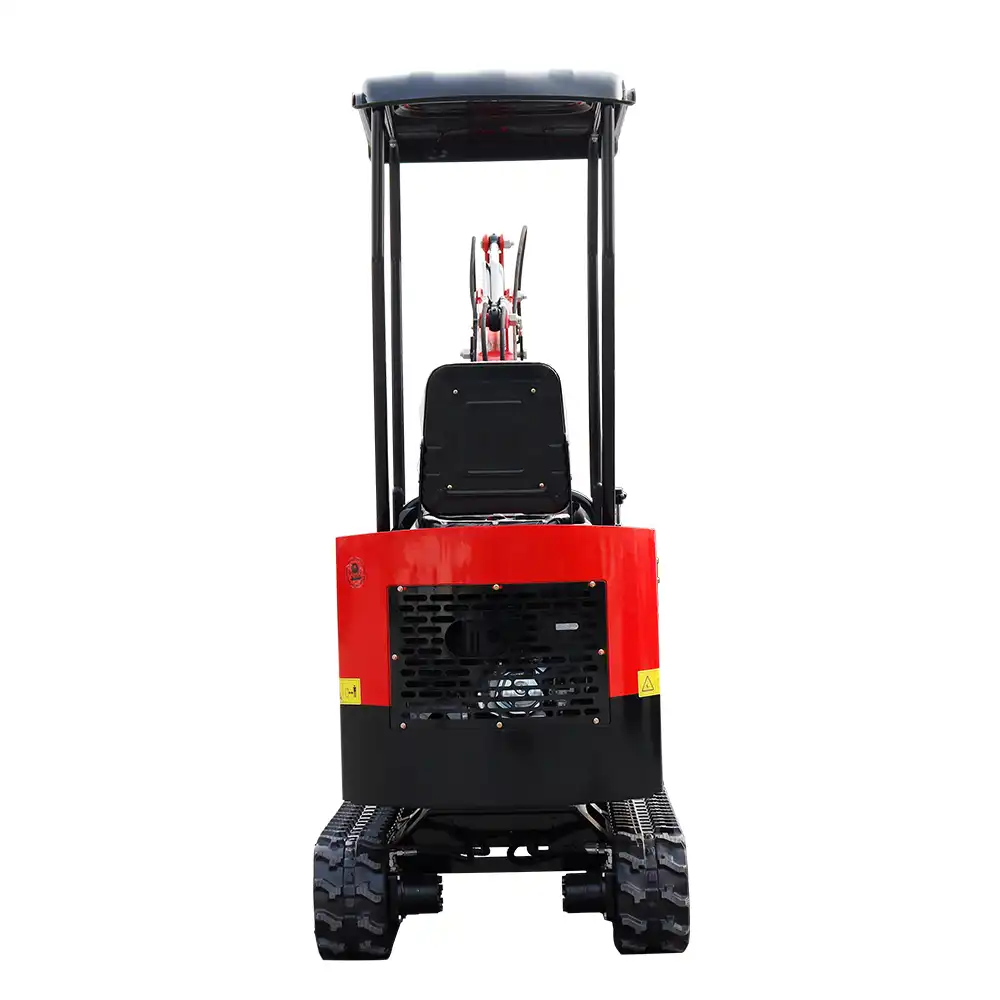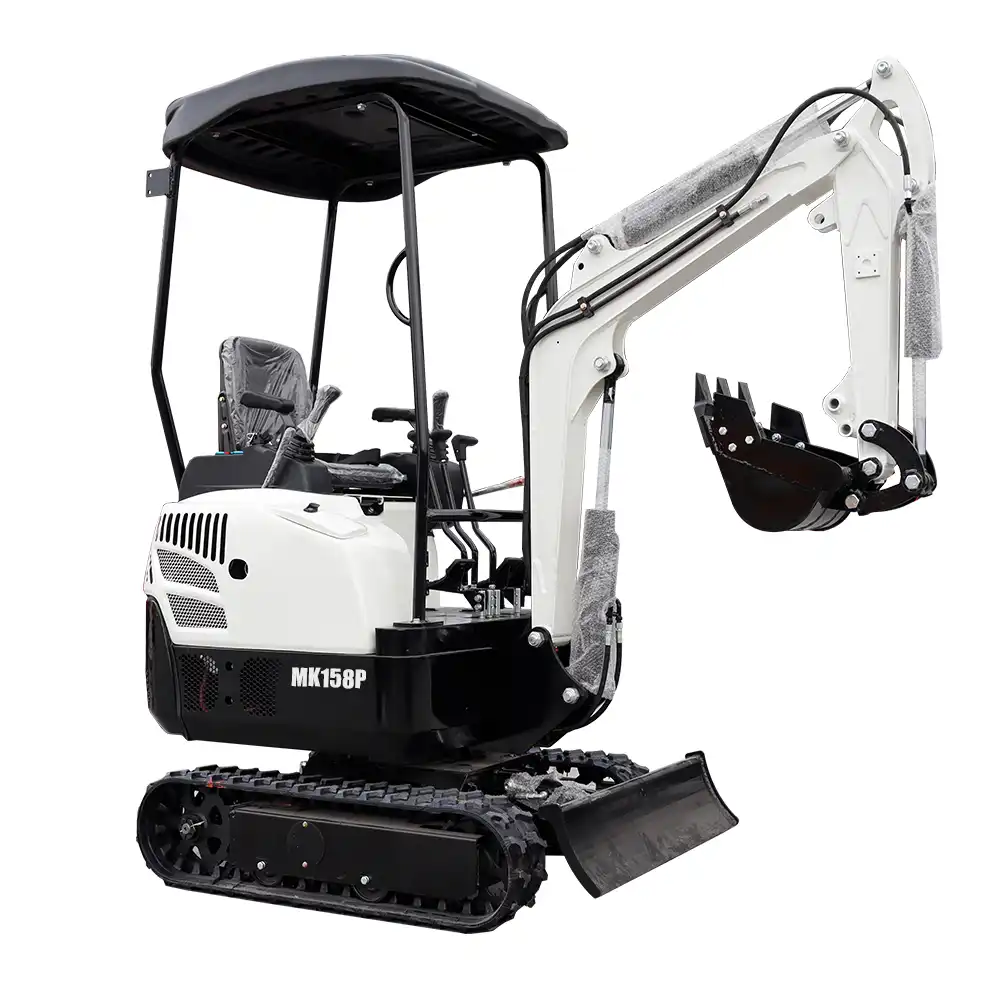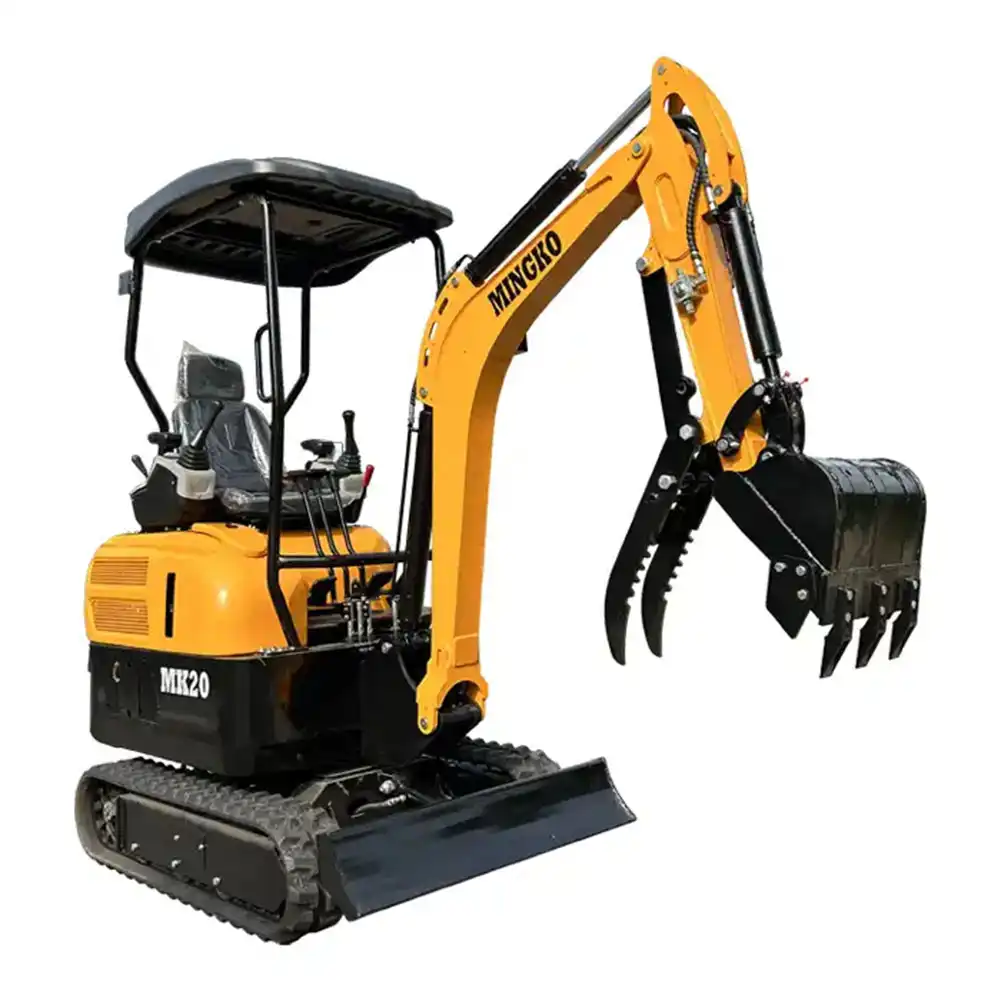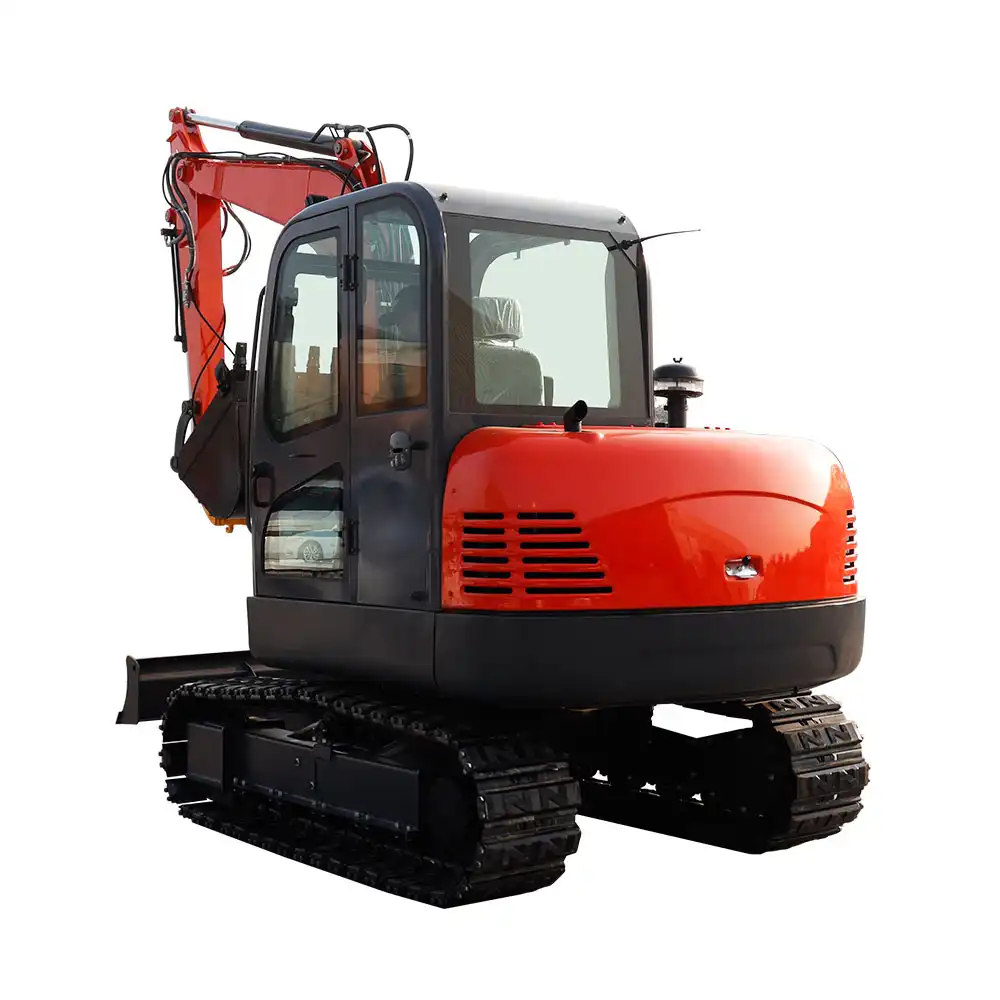
When choosing between a 35 Mini Excavator and a 25 mini excavator, your decision should align with your specific project requirements and operational needs. The 35 mini excavator offers superior digging depth, higher lifting capacity, and enhanced stability for medium-scale construction projects, while the 25 model provides exceptional maneuverability in tight spaces and lower operational costs for smaller tasks. Understanding these fundamental differences will guide you toward the compact excavator that maximizes your productivity and investment return.
Understanding Size Classifications in Compact Excavators
The operational weight of mini excavators, expressed in tons, determines their categorization. The weight and capability of the machine are directly correlated with the numbering system. The normal weight of a 25 mini excavator is between 2.3 and 2.7 tons, but the weight of a 35 mini excavator is between 3.2 and 3.8 tons. This disparity in weight has a major effect on performance attributes in a variety of applications. The size classification affects several operational parameters:
- Digging depth and reach capabilities
- Hydraulic flow rates and lifting capacity
- Track width and ground pressure distribution
- Engine power output and fuel consumption
- Transportation requirements and site accessibility
Understanding these classifications helps operators select appropriate earthmoving machinery for their specific project demands. The weight difference translates directly into performance capabilities and operational limitations.
Performance Comparison: Power and Capability Analysis
Engine performance distinguishes these two compact construction machinery categories significantly. The 35 mini excavator typically features engines producing 24-28 horsepower, compared to 18-22 horsepower in 25 models. Digging performance shows measurable differences:
- Maximum digging depth: 35 models reach 2.8-3.2 meters versus 2.4-2.7 meters for 25 units
- Bucket breakout force: 35 excavators generate 25-30 kN compared to 18-23 kN
- Lifting capacity: 35 models handle 1,200-1,500 kg at maximum reach versus 800-1,100 kg
- Hydraulic flow rates: 35 units deliver 45-55 L/min against 35-45 L/min
These performance metrics translate into practical productivity differences. If you need enhanced digging capabilities for basement excavation or utility trenching, then the 35 model proves more suitable. Fuel consumption patterns also vary between models. The 35 mini excavator consumes approximately 3-4 liters per hour under normal operation, while 25 models use 2.5-3.2 liters hourly.
Maneuverability and Site Access Considerations
Site accessibility often determines equipment selection more than raw performance capabilities. The 25 mini digger excels in confined spaces where larger machines cannot operate effectively. Dimensional comparisons reveal significant differences:
- Overall width: 25 models measure 1.45-1.55 meters versus 1.65-1.75 meters for 35 units
- Track width: 25 excavators use 230-250mm tracks compared to 300-400mm on 35 models
- Turning radius: 25 units achieve 1.8-2.1 meter radius versus 2.2-2.6 meters
- Transport height: 25 models stand 2.4-2.5 meters tall against 2.6-2.7 meters
Zero tail swing capabilities benefit both categories, but the 25 model maximizes this advantage in residential landscaping equipment applications. The compact track loader characteristics enable navigation through standard gate openings. If you need maximum mobility for indoor demolition or backyard projects, then the 25 model offers superior maneuverability. The reduced ground pressure from lighter weight minimizes lawn damage during landscaping operations.
Application-Specific Usage Scenarios
Different project types favor specific excavator categories based on operational requirements and site constraints. Understanding these applications guides appropriate selection. The 25 mini excavator excels in:
- Residential landscaping and pool installation
- Indoor demolition equipment applications
- Utility repair in established neighborhoods
- Tree removal and stump grinding support
- Small-scale trenching for irrigation systems
The 35 mini excavator proves optimal for:
- Commercial site preparation projects
- Foundation excavation for small buildings
- Road construction and maintenance
- Larger drainage system installation
- Material handling in construction zones
Project duration influences selection decisions. If you need equipment for extended commercial projects requiring consistent high-volume earthmoving, then the 35 model provides better productivity ratios.
Cost Analysis: Purchase Price and Operating Expenses
Financial considerations encompass initial investment, operational costs, and productivity returns. These factors significantly impact total ownership expenses. Purchase price differences typically range from $8,000 to $15,000 between comparable models. The 35 mini excavator commands premium pricing reflecting enhanced capabilities and larger components. Operating cost breakdown reveals:
- Fuel consumption: 35 models cost $15-25 more daily in fuel expenses
- Maintenance intervals: Both categories require similar service schedules
- Hydraulic oil capacity: 35 units hold 15-20% more fluid
- Track replacement: Larger tracks increase replacement costs by 25-35%
- Transportation: 35 models may require CDL licensing depending on trailer weight
Productivity calculations favor larger models for appropriate applications. The enhanced digging bucket capacity and hydraulic excavator performance reduce project completion times significantly. If you need cost-effective solutions for smaller projects with tight budgets, then the 25 model offers better financial efficiency per operating hour.
Mingko's 35 Mini Excavator Advantages
Shandong Mingko Industry Corporation delivers exceptional value through our advanced 35 mini excavator lineup, backed by fifteen years of engineering expertise and continuous innovation. Our 35 model advantages include:
- Enhanced Hydraulic System: Advanced load-sensing hydraulics deliver 15% more efficiency than conventional systems, reducing fuel consumption while maximizing digging force and precision control.
- Reinforced Undercarriage Design: Heavy-duty rubber tracks with steel reinforcement provide 30% longer service life, featuring superior traction on varied terrain and reduced ground pressure for sensitive surfaces.
- Ergonomic Operator Environment: Spacious cabin with adjustable seating, intuitive joystick controls, and panoramic visibility reduces operator fatigue during extended operation periods.
- Modular Attachment System: Quick-coupling mechanism supports various digging bucket sizes, breaker hammers, and specialized attachments, maximizing versatility across different applications.
- Advanced Engine Technology: Tier 4 compliant diesel engine delivers optimal power-to-weight ratio while meeting strict emission standards, ensuring reliable performance in diverse operating conditions.
- Intelligent Monitoring System: Digital display panel provides real-time engine diagnostics, maintenance alerts, and operational data, enabling proactive maintenance scheduling and preventing costly downtime.
- Zero Tail Swing Configuration: Compact design enables operation in confined spaces while maintaining full 360-degree rotation capability, perfect for urban construction and renovation projects.
- Heavy-Duty Construction: Reinforced boom and arm assembly using high-tensile steel provides superior durability and extended service life even under demanding working conditions.
- Fuel-Efficient Operation: Optimized hydraulic flow management reduces fuel consumption by up to 12% compared to competitive models without compromising operational performance.
- Comprehensive Warranty Coverage: Industry-leading 12-month comprehensive warranty plus lifetime technical support ensures peace of mind and maximum uptime for your investment.
These advantages position Mingko's crawler excavator technology at the forefront of compact construction machinery innovation, delivering measurable value through enhanced productivity and reduced operational costs.
Maintenance and Serviceability Differences
Maintenance requirements vary between excavator sizes due to component complexity and operational demands. Understanding these differences impacts long-term ownership costs. Service interval comparisons show:
- Engine oil changes: Both models require 250-hour intervals
- Hydraulic filter replacement: 35 models need larger capacity filters
- Track tensioning: Heavier 35 units require more frequent adjustments
- Greasing points: 35 excavators have additional lubrication requirements
- Component accessibility: Larger engine compartments ease service access
Parts availability affects downtime duration. The 35 mini excavator shares components with larger machines, potentially improving parts availability in some regions. Service technician requirements remain similar for both categories. Standard hydraulic excavator maintenance procedures apply across the size range. If you need simplified maintenance procedures with minimal technician training, then both models offer comparable service complexity levels.
Making Your Final Decision
Selecting between these compact excavator options requires careful evaluation of project requirements, site conditions, and operational priorities. Choose the 25 model when:
- Working in confined residential spaces
- Prioritizing lower operational costs
- Handling primarily light-duty applications
- Requiring maximum maneuverability
- Operating with budget constraints
Select the 35 mini excavator when:
- Demanding higher productivity rates
- Requiring enhanced digging capabilities
- Working on commercial construction projects
- Needing superior lifting capacity
- Operating in varied terrain conditions
Consider rental options for occasional use scenarios. Both categories offer strong resale values, supporting equipment investment strategies.
Partner with Mingko for Your Mini Excavator Needs
Shandong Mingko Industry Corporation stands ready to supply premium compact excavators tailored to your operational requirements. Our factory-direct pricing eliminates middleman costs while ensuring authentic quality backed by comprehensive warranties. As a leading 35 mini excavator manufacturer, we offer customization services starting from single-unit orders, supporting your unique project specifications. Our ISO 9001 certified production facility maintains strict quality standards across all excavator models. Ready to enhance your earthmoving capabilities? Our technical specialists provide personalized consultations to match optimal equipment with your applications. Contact Us at sales@mingkomach.com for detailed specifications and competitive quotations.
Conclusion
The decision between a 25 model and a 35 mini excavator ultimately comes down to weighing operational limitations against performance needs. While the 25 model provides outstanding maneuverability and cost effectiveness for smaller jobs, the 35 model offers improved digging capabilities and productivity for demanding applications. When properly matched to project parameters, both groups offer worthwhile solutions. The best equipment selection that optimizes your investment return while successfully achieving operational goals is ensured by careful assessment of site conditions, productivity needs, and budgetary constraints.
References
1. Construction Equipment Magazine. "Compact Excavator Performance Standards and Classification Guidelines." Heavy Equipment Industry Analysis, 2023.
2. International Association of Equipment Manufacturers. "Mini Excavator Operational Efficiency Metrics and Comparative Analysis." IAEM Technical Publication, 2023.
3. Smith, Robert K. "Hydraulic System Design in Compact Earthmoving Equipment." Journal of Construction Machinery Engineering, Vol. 45, 2023.
4. Equipment World Technical Staff. "Size Classification Standards for Mini Excavators and Performance Benchmarks." Equipment World Research Division, 2023.
5. Thompson, Maria L. "Cost-Benefit Analysis of Compact Excavator Selection in Urban Construction Projects." Construction Management Quarterly, Issue 3, 2023.
6. Heavy Equipment Research Institute. "Maintenance Requirements and Service Intervals for Mini Excavator Categories." HERI Technical Manual, 2023.