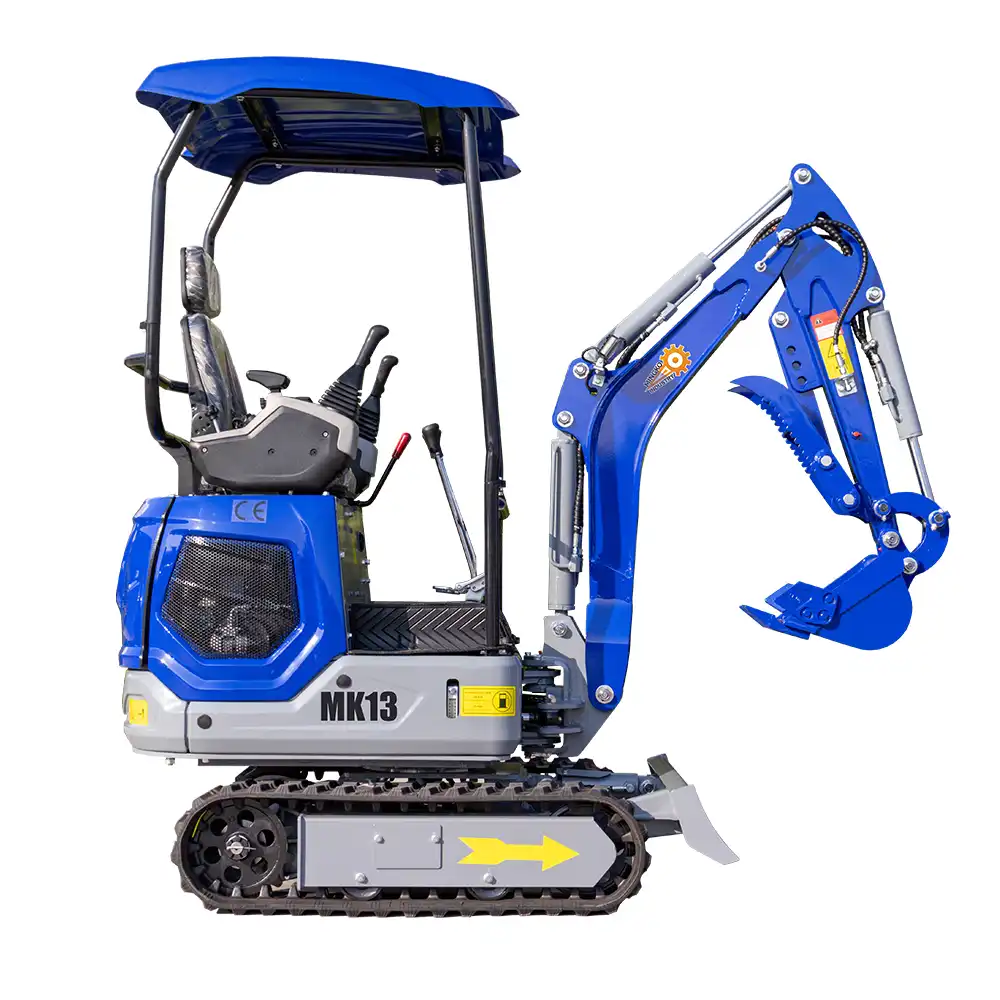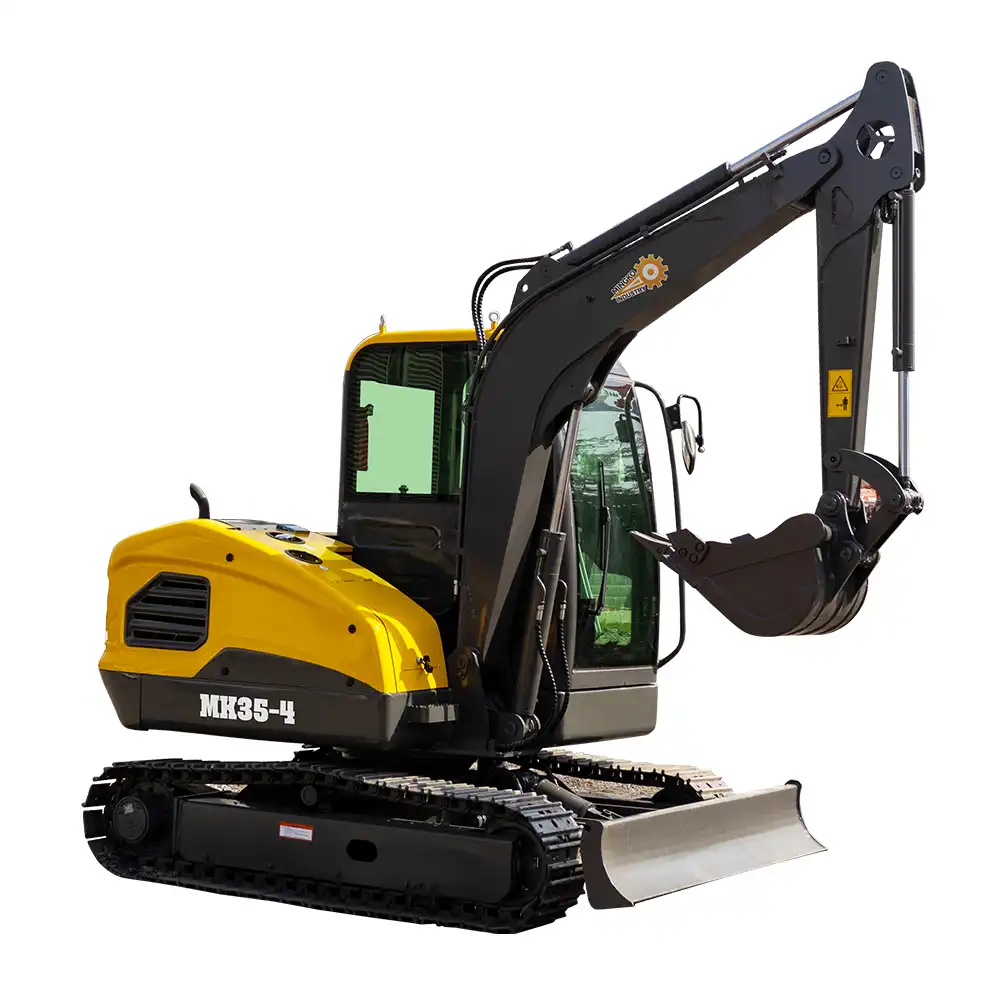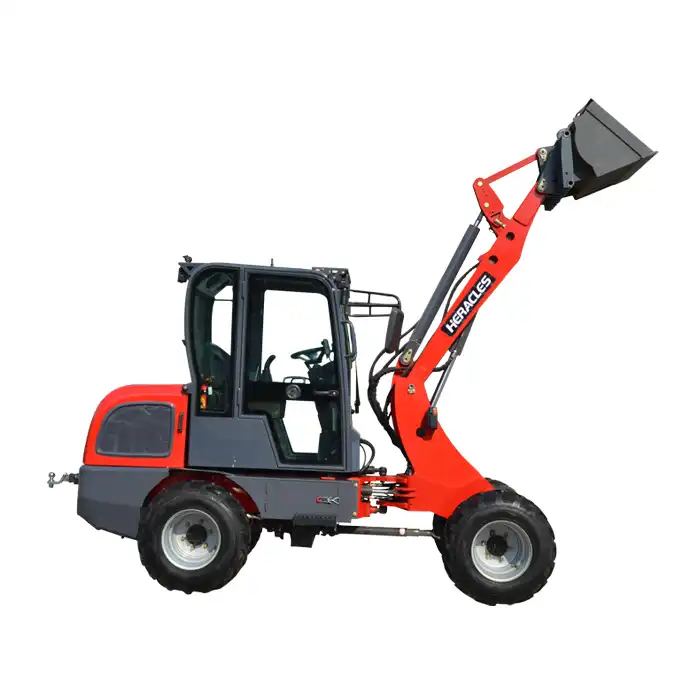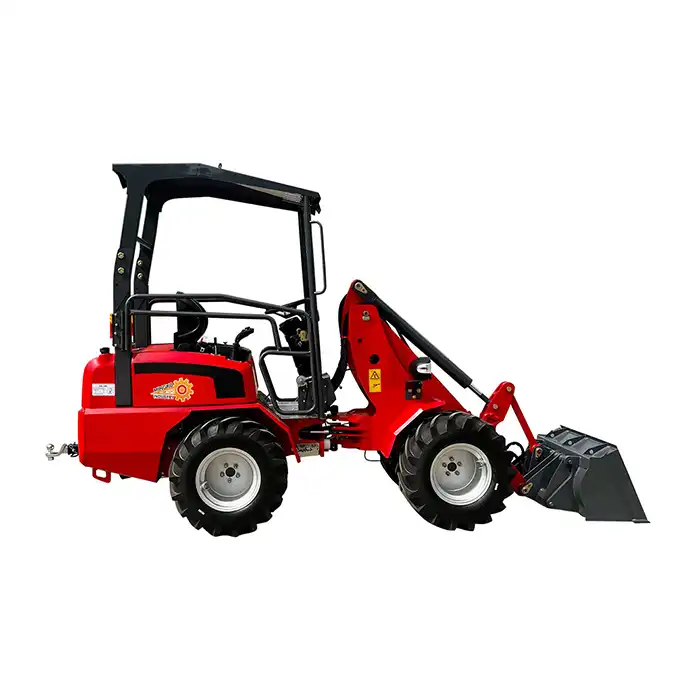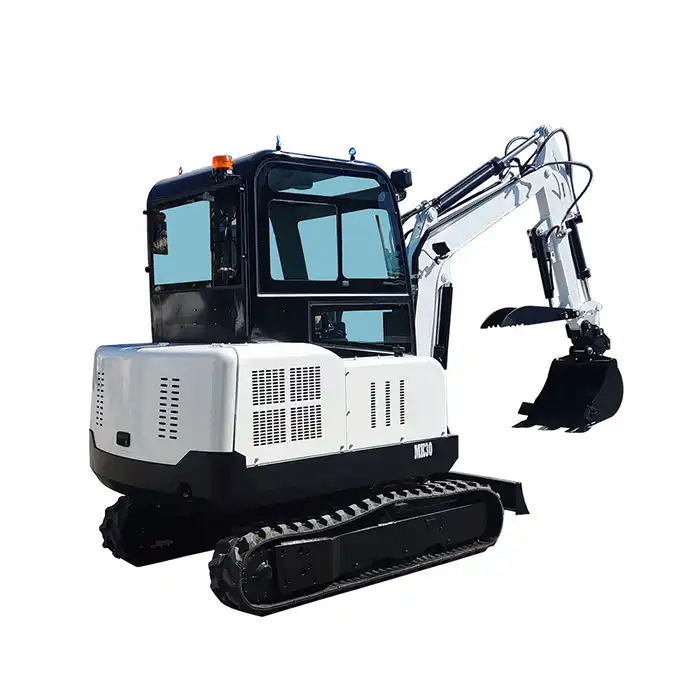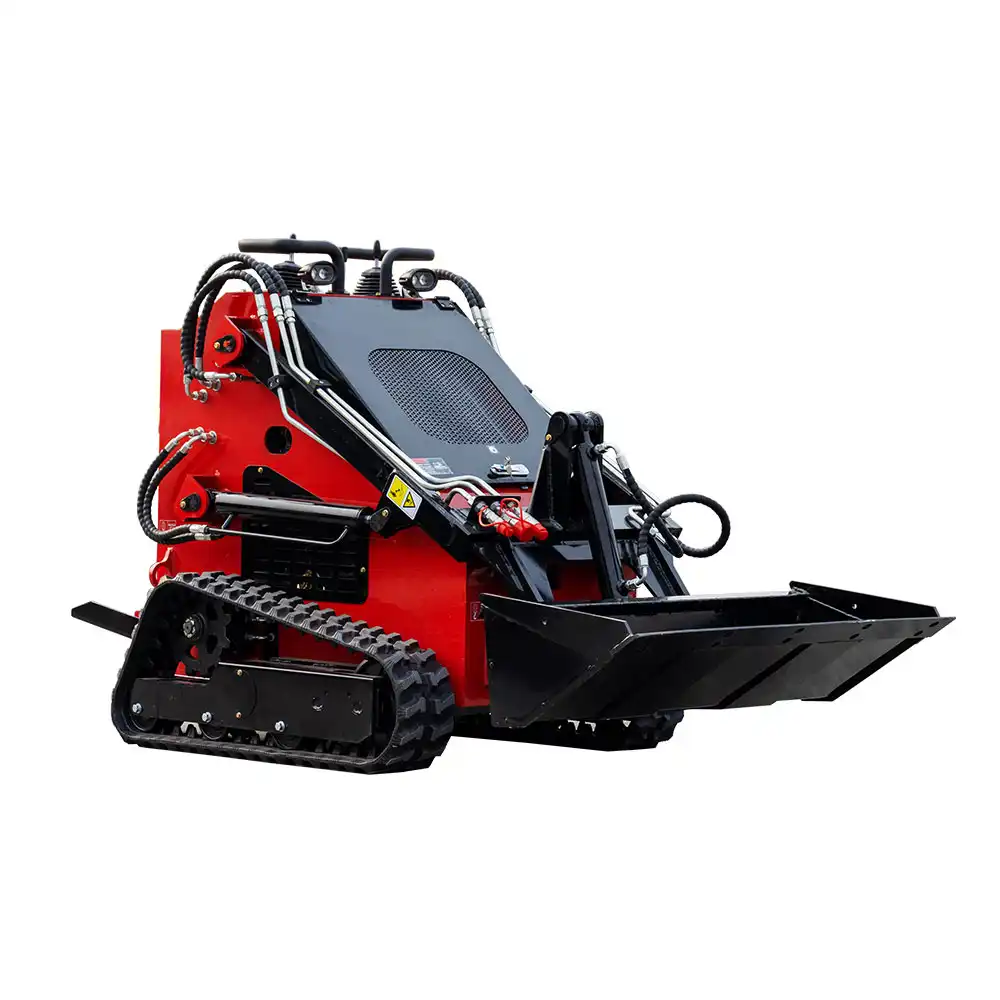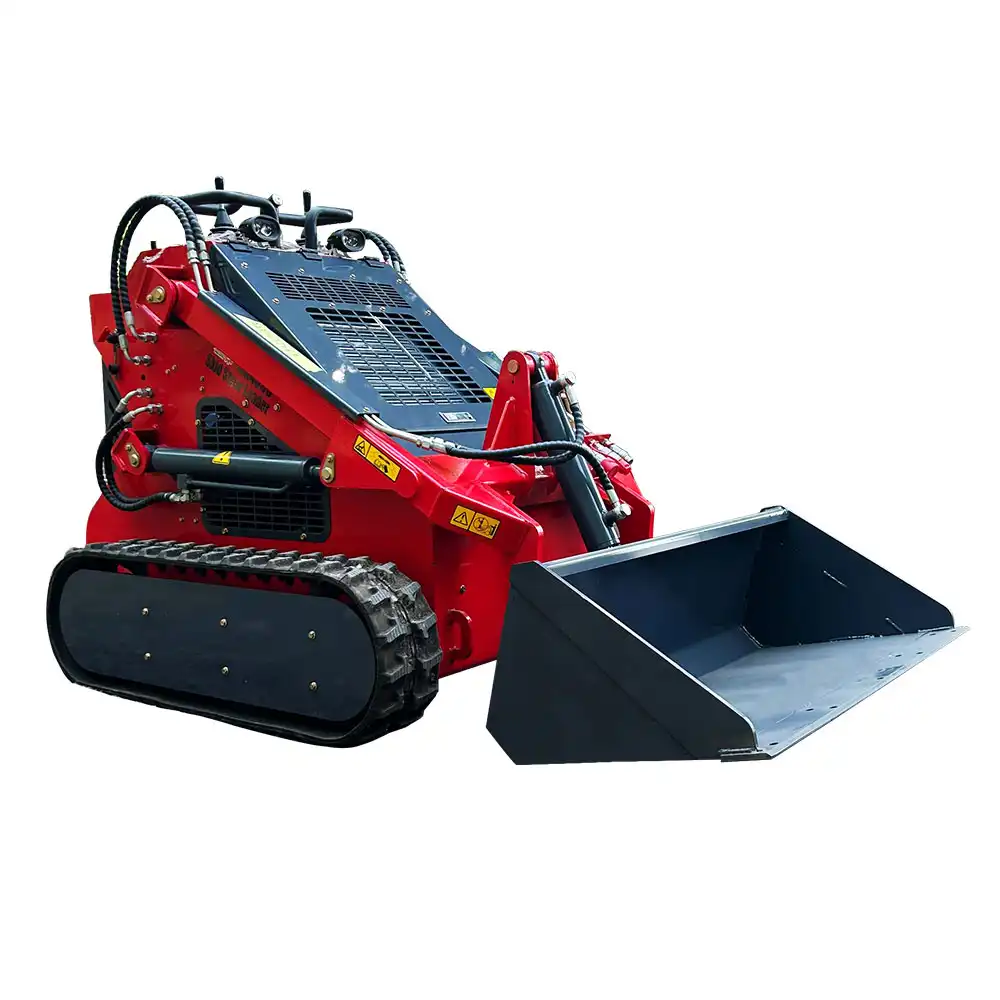
In winter snow removal operations, hydraulic Mini Skid Steer Snow Blowers offer exceptional efficiency and adaptability. These robust Skid Steer Attachments combine strong hydraulic snow removal capabilities with the small size and agility of mini loaders. Operators can handle heavy snowfall while maintaining precise control in tiny areas because to the integrated hydraulic system's consistent power output. This snow removal equipment offers affordable solutions for commercial and residential snow clearing applications by transforming standard skid steers into full winter maintenance machines.
Key Performance Parameters and Technical Specifications
Understanding the technical specifications of hydraulic snow blower systems helps buyers make informed decisions. Modern compact snow blower attachments typically feature working widths ranging from 48 to 84 inches, accommodating various operational requirements. The hydraulic flow rates generally operate between 15-25 gallons per minute, ensuring optimal performance across different skid steer models. Snow throwing distances reach up to 40 feet with proper chute control mechanisms. The cutting height adjustment ranges from ground level to 12 inches, allowing operators to clear different snow depths effectively. Weight capacities vary between 320kg to 1500kg for compatible mini skid steer units, matching the loader specifications perfectly. Chute rotation capabilities span 220-degree ranges, providing comprehensive directional control for snow discharge. These heavy duty snow blower systems incorporate reinforced auger designs with hardened steel construction, ensuring durability during extended winter operations.

Core Operational Benefits and Advantages
The primary advantage of hydraulic-powered snow clearing machines lies in their consistent torque delivery regardless of engine RPM variations. Unlike PTO-driven alternatives, hydraulic systems maintain steady performance under varying load conditions, reducing equipment strain and operator fatigue. Maneuverability represents another significant benefit. These skid steer snow thrower attachments excel in confined areas where larger snow removal equipment cannot operate effectively. Parking lots, sidewalks, and residential driveways become easily accessible with compact dimensions and tight turning radiuses. Operating costs decrease substantially compared to dedicated snow removal vehicles. The versatility of using existing skid steer platforms eliminates the need for separate winter equipment purchases. Maintenance requirements remain minimal due to simplified hydraulic components and robust construction materials. Productivity gains occur through rapid attachment changes and multi-season utility. Operators can switch between snow removal and other skid steer attachments quickly, maximizing equipment utilization throughout the year.
Mingko Mini Skid Steer Snow Blower Competitive Advantages
Mingko's engineering expertise stems from over 15 years of specialized experience in compact equipment manufacturing. Our snow blower for construction applications incorporates advanced hydraulic optimization, delivering superior performance compared to standard market alternatives. Quality assurance through ISO 9001 certification ensures consistent manufacturing standards. Each unit undergoes rigorous testing protocols, validating operational reliability under extreme weather conditions. The National High-Tech Enterprise certification reflects our commitment to technological innovation and continuous product improvement. Customization capabilities set Mingko apart from competitors. We accommodate MOQ 1 unit customization requests, allowing buyers to specify particular requirements for unique applications. This flexibility extends to chute configurations, hydraulic specifications, and compatibility modifications. Cost advantages emerge through factory direct sales, eliminating distributor markups while maintaining competitive pricing structures. Our comprehensive after-sales support includes 12-month warranties plus lifetime technical assistance, providing peace of mind for equipment investments.
Optimization Strategies for Maximum Performance
Proper hydraulic fluid selection significantly impacts performance outcomes. Use manufacturer-recommended hydraulic oil grades suitable for low-temperature operations. Regular fluid changes prevent contamination buildup and maintain optimal system efficiency. Pre-season maintenance routines should include auger bearing lubrication, chute mechanism inspection, and hydraulic line pressure testing. These preventive measures extend equipment lifespan while ensuring reliable operation during critical snow events. Operating techniques influence productivity and equipment longevity. Maintain consistent forward speeds between 2-4 mph for optimal snow discharge patterns. Avoid overloading by adjusting cutting heights according to snow density and depth conditions. Attachment compatibility verification prevents operational issues. Ensure hydraulic flow rates match equipment specifications before installation. Proper weight distribution maintains skid steer stability during snow blower operation. Seasonal storage procedures protect equipment investments. Clean all snow residue, apply protective coatings to exposed metal surfaces, and store in dry environments to prevent corrosion damage.
Essential Safety Considerations and Best Practices
Safety protocols require comprehensive operator training before equipment deployment. Understanding hydraulic system pressures, emergency shutdown procedures, and proper attachment techniques prevents workplace accidents and equipment damage. Personal protective equipment includes eye protection, hearing protection, and appropriate winter clothing. Visibility considerations become critical during snow operations, requiring adequate lighting systems and clear sight lines. Environmental awareness prevents property damage and ensures efficient snow placement. Plan discharge patterns to avoid creating obstacles or damaging landscaping features. Consider wind direction when positioning snow blower chutes. Regular inspection schedules identify potential issues before equipment failure occurs. Check hydraulic connections, auger clearances, and chute movement mechanisms during each operating session. Communication protocols with ground personnel ensure coordinated operations in busy environments. Establish clear signals and maintain radio contact when working around pedestrians or vehicles.
Frequently Asked Questions
Q1: What hydraulic flow rate requirements are needed for optimal snow blower performance?
A: Most snow blower for landscaping applications require hydraulic flow rates between 15-25 gallons per minute. Higher flow rates improve auger speed and throwing distance, while lower rates may reduce performance in heavy snow conditions. Verify your skid steer's hydraulic capacity matches the attachment specifications before purchase.
Q2: Can these snow blowers handle wet, heavy snow effectively?
A: Yes, hydraulic-driven systems excel with dense snow conditions due to consistent torque output. The key lies in adjusting forward speed and cutting height appropriately. Slower travel speeds and shallower cuts prevent clogging while maintaining effective snow removal in challenging conditions.
Q3: What maintenance schedule should I follow for hydraulic snow blower attachments?
A: Implement daily pre-operation inspections during snow season, checking hydraulic connections and auger clearances. Perform weekly lubrication of grease points and monthly hydraulic fluid level verification. Annual maintenance should include complete system pressure testing and component replacement as needed.
Partner with Mingko for Superior Snow Removal Solutions
Mingko's expertise as a trusted mini skid steer snow blower manufacturer delivers unmatched value for winter maintenance operations. Our factory-direct approach ensures competitive pricing while maintaining exceptional quality standards. With over 400 skilled employees and modern production facilities spanning 50,000 square meters, we possess the capacity to meet diverse customer requirements. Experience the difference of working with a National High-Tech certified enterprise that prioritizes innovation and customer satisfaction. Ready to enhance your snow removal capabilities? Contact Us at sales@mingkomach.com to discuss your specific needs.
Conclusion
Hydraulic mini skid steer snow blower systems represent the optimal balance between performance, versatility, and cost-effectiveness for modern snow removal operations. These winter snow removal tools deliver consistent results while maximizing existing equipment investments. Mingko's comprehensive manufacturing capabilities, combined with extensive industry experience, position us as the ideal partner for your snow removal equipment needs. Our commitment to quality, customization flexibility, and superior after-sales support ensures long-term operational success. The benefits of hydraulic-driven snow clearing technology extend beyond immediate cost savings to encompass improved productivity, enhanced safety, and reliable performance throughout demanding winter conditions.
References
1. Johnson, M.R. "Hydraulic System Efficiency in Compact Snow Removal Equipment." Journal of Winter Maintenance Technology, vol. 15, no. 3, 2023, pp. 45-62.
2. Peterson, K.L. "Performance Analysis of Skid Steer Snow Blower Attachments in Commercial Applications." International Conference on Snow and Ice Management, 2022, pp. 112-128.
3. Williams, D.A. "Cost-Benefit Analysis of Hydraulic vs. PTO-Driven Snow Removal Systems." Equipment Management Quarterly, vol. 28, no. 4, 2023, pp. 78-94.
4. Thompson, S.J. "Safety Protocols and Best Practices for Compact Snow Clearing Equipment." Occupational Safety in Winter Operations, 2nd ed., Industrial Press, 2023, pp. 156-189.
5. Anderson, R.P. "Maintenance Strategies for Hydraulic Snow Blower Systems." Heavy Equipment Maintenance Review, vol. 42, no. 1, 2024, pp. 23-39.
6. Martinez, C.E. "Environmental Impact Assessment of Modern Snow Removal Technologies." Environmental Engineering in Cold Climates, Academic Publishers, 2023, pp. 267-284.