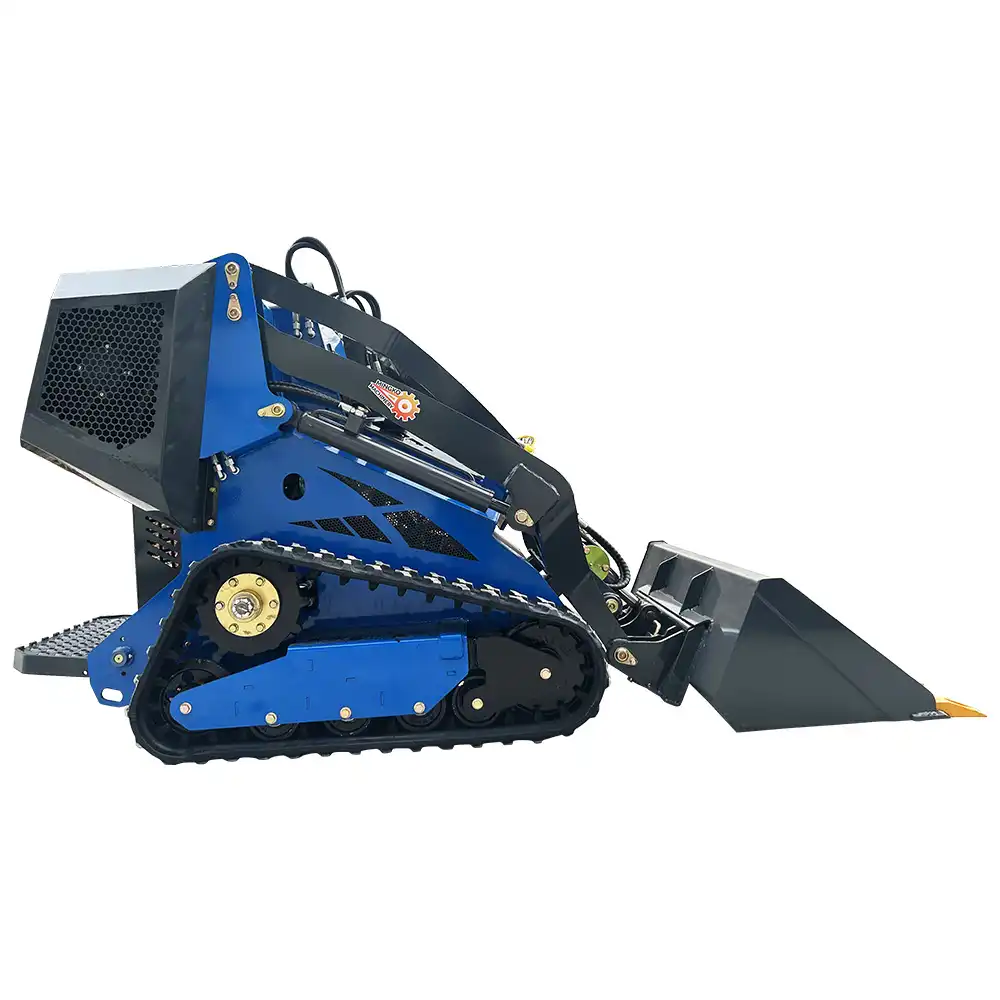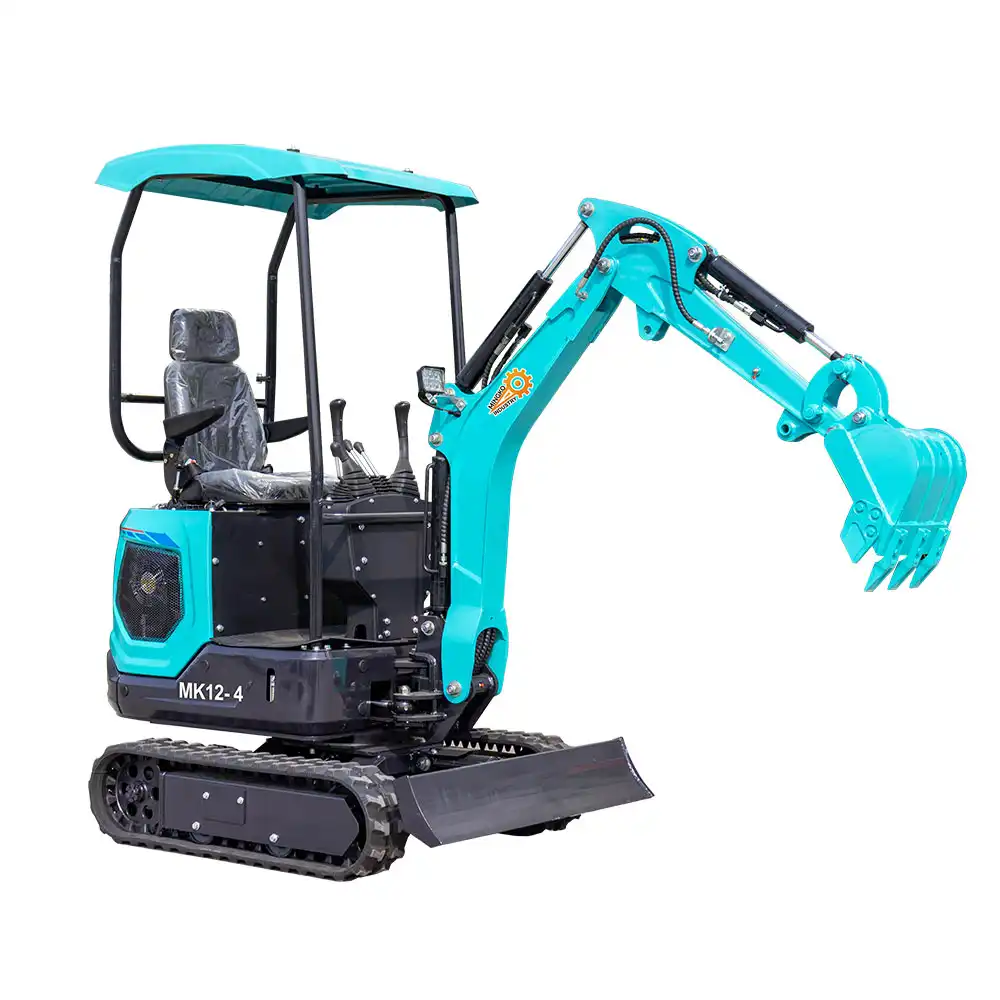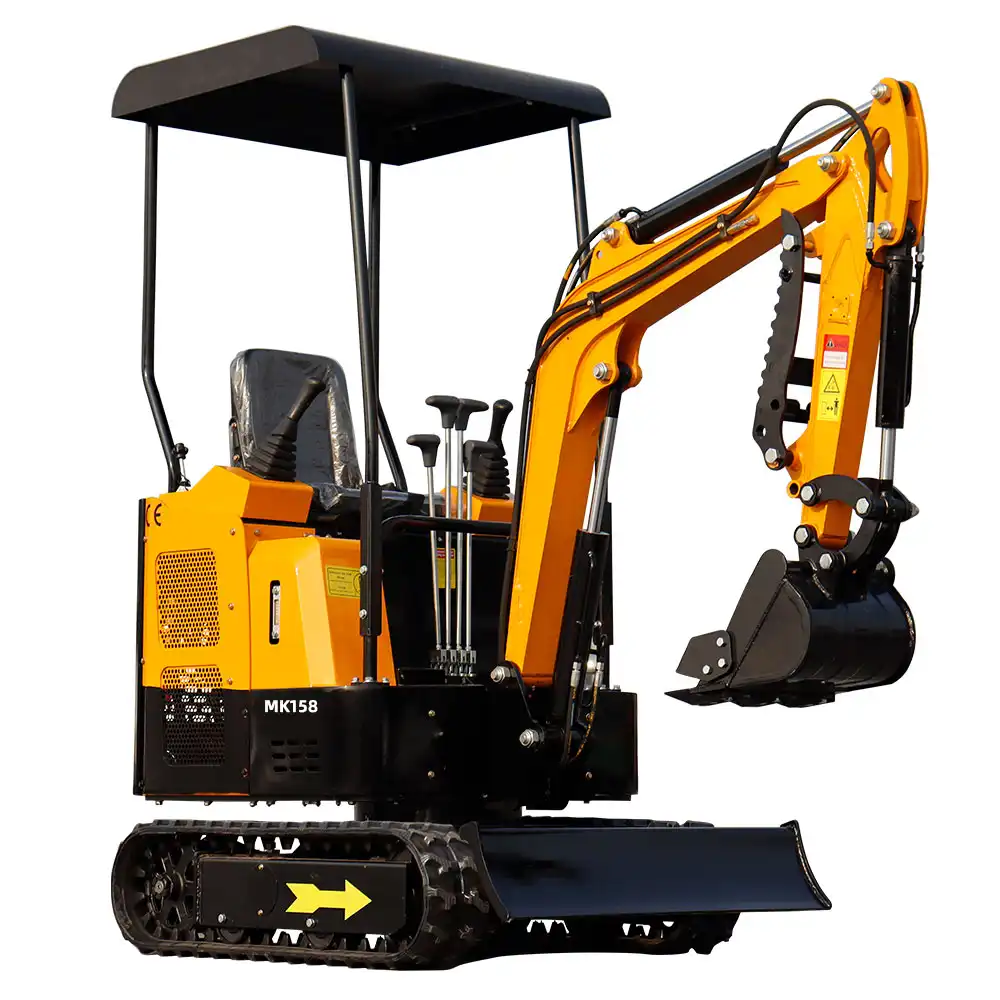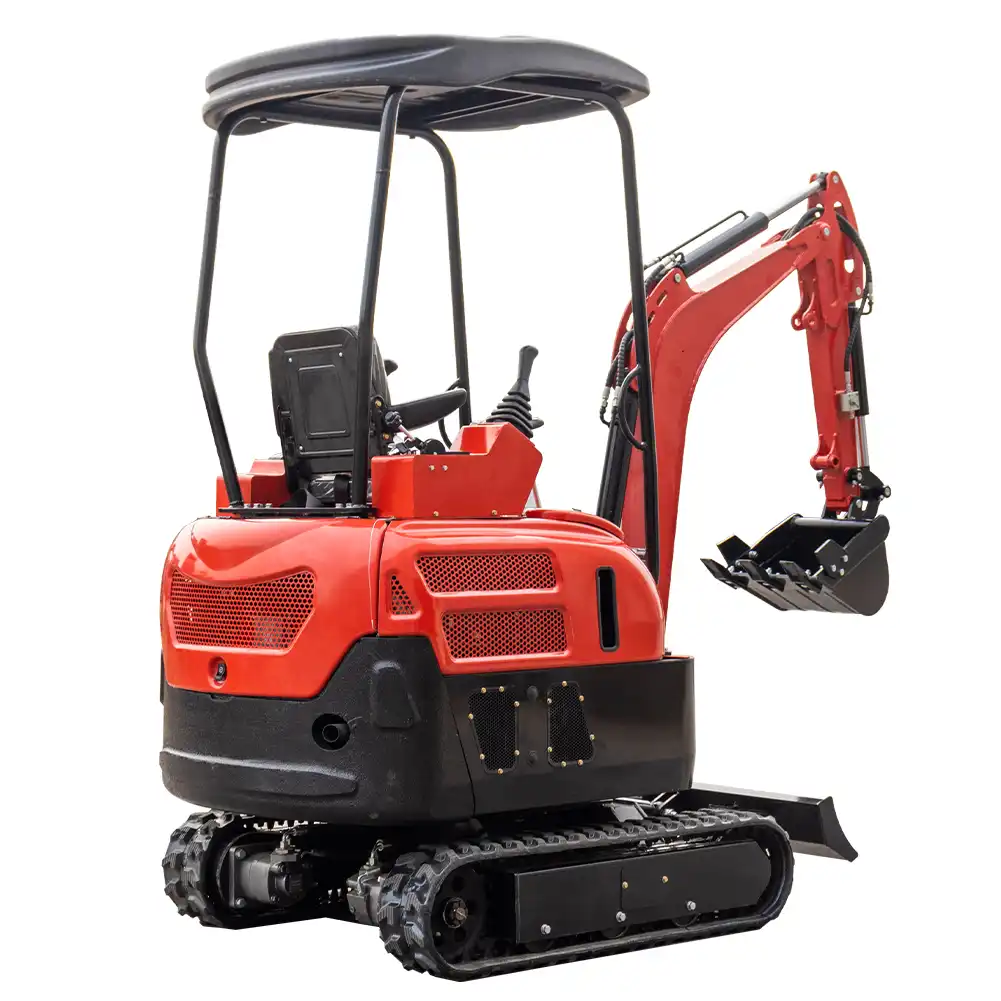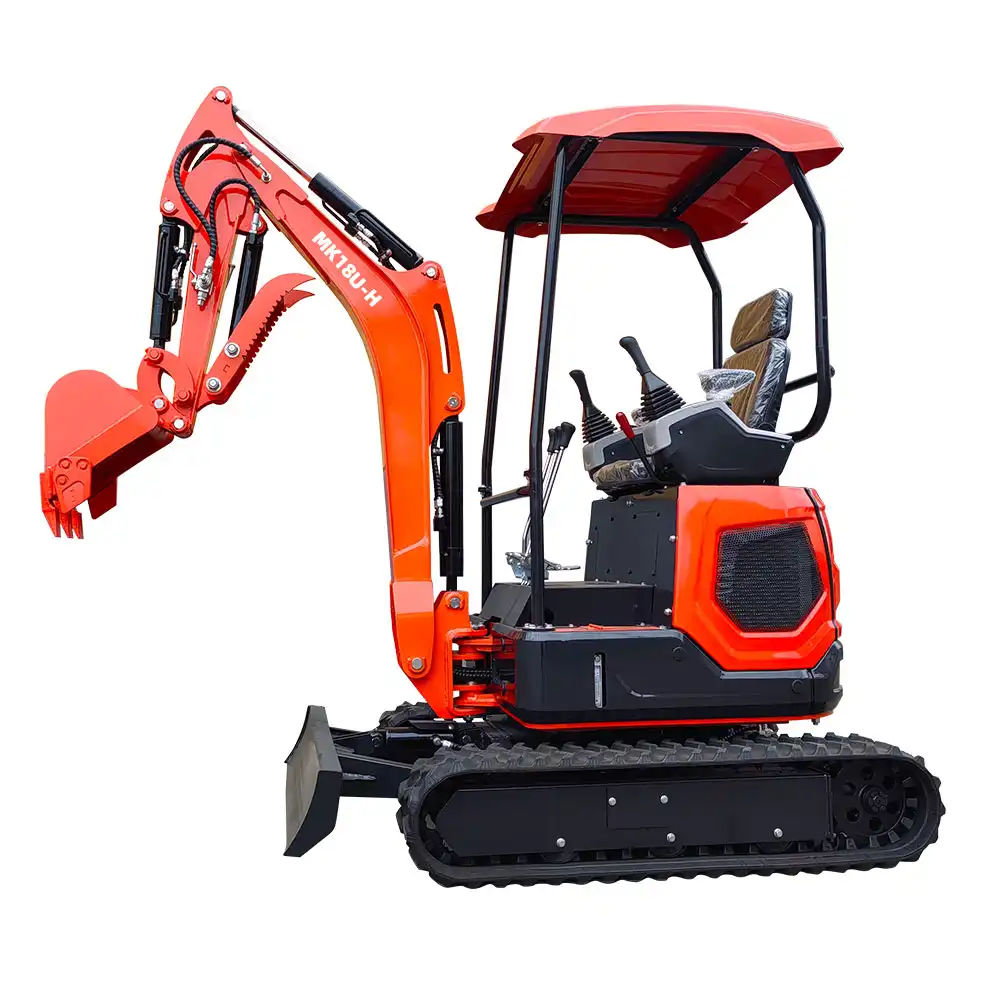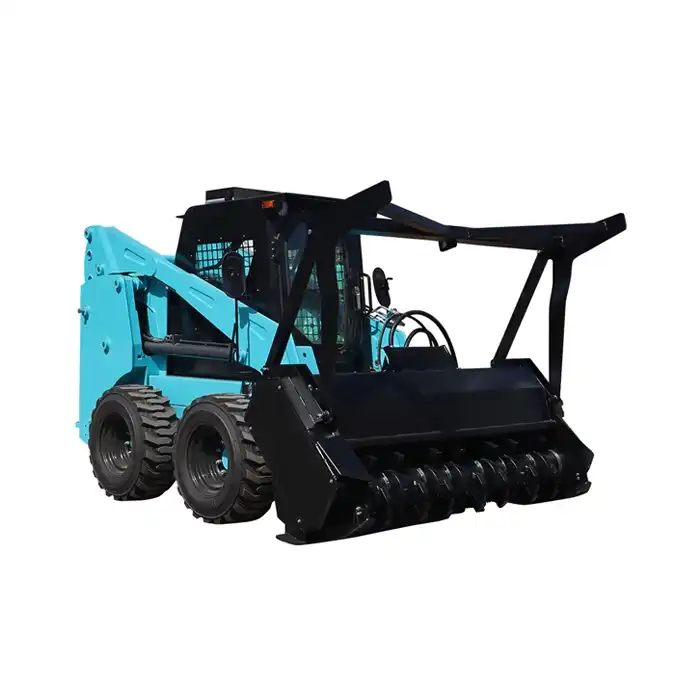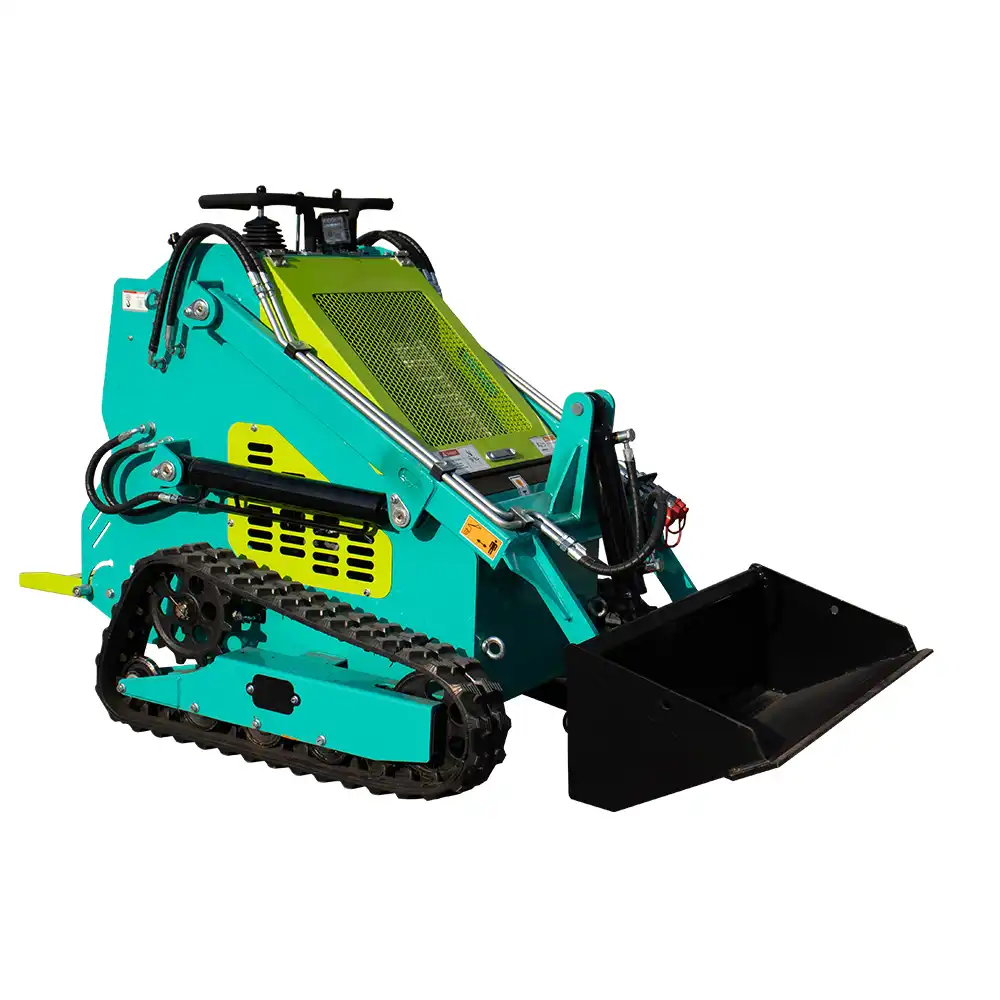
European markets emphasize environmental sustainability and noise reduction. Strict emissions regulations favor battery-powered equipment, including Remote Controlled Brush Mower, over combustion engines. Urban applications require noise compliance with municipal ordinances. CE marking requirements ensure product safety and electromagnetic compatibility. Professional certification programs validate operator competency. Environmental impact assessments influence equipment selection for public projects.
Best Remote Controlled Brush Mower for Heavy Brush Clearing
March 10, 2026
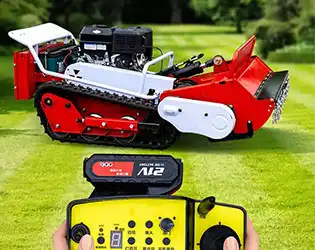
When tackling dense vegetation and overgrown terrain, the Best Remote Controlled Brush Mower for Heavy Brush Clearing combines cutting-edge technology with practical functionality. These innovative machines revolutionize landscape maintenance by allowing operators to clear thick brush from a safe distance. Remote controlled brush mowers excel in challenging environments where traditional equipment struggles, including steep slopes, rocky terrain, and areas with potential hazards. Advanced battery powered brush mower technology delivers consistent performance while eliminating emissions concerns. Professional landscapers and property managers increasingly rely on these versatile machines for efficient vegetation management across diverse applications.
Introduction
Property upkeep experts confront mounting challenges when managing overwhelming brush clearing ventures. Thick vegetation, uneven terrain, and security concerns make conventional approaches both time-consuming and potentially dangerous. Remote-operated cutter technology addresses these issues by combining effective cutting capabilities with operator safety.
The advancement of cordless brush cutter systems has transformed how we approach landscape management. These machines provide remarkable performance while reducing operator fatigue and exposure to hazardous conditions. Advanced brush clearing machines incorporate sophisticated remote control systems that maintain precise operation even in demanding environments.
Understanding the capabilities and limitations of diverse Remote Control Grass Cutter models helps property managers make informed purchasing decisions. Factors such as cutting width, battery life, terrain versatility, and maintenance requirements significantly impact long-term operational productivity. Professional-grade brush cutting equipment must deliver reliable results across various vegetation types and environmental conditions.
Essential Selection Criteria for Professional Brush Clearing Equipment
Performance Specifications and Cutting Capability
Professional brush cutter assessment starts with cutting execution analysis. Edge speed, cutting width, and maximum vegetation thickness determine operational effectiveness. High-performance models feature reinforced cutting decks that withstand impact from rocks and debris. Variable speed controls allow operators to adjust cutting intensity based on vegetation thickness and landscape conditions.Motor control ratings directly impact cutting efficiency and battery life. Premium electric brush cutter models incorporate brushless motors that provide superior torque while extending operational duration. Thermal dissipation systems prevent engine overheating during extended use sessions.
Terrain Adaptability and Maneuverability
Effective brush clearing requires equipment that can navigate challenging terrain successfully. Track-driven systems provide superior traction on inclines and uneven surfaces compared to wheeled options. Ground weight distribution influences soil compaction and prevents equipment from becoming stuck in soft conditions. Remote-Controlled Brush Mower range and signal reliability ensure consistent operation over large properties. Professional-grade systems maintain steady communication even in areas with electromagnetic interference. Obstacle detection sensors prevent equipment damage while protecting surrounding vegetation and structures.
Battery Technology and Operating Duration
Modern battery-powered brush cutter systems use lithium-ion technology for extended operational periods, and this technology also enables efficient remote controlled brush mower operation. Battery capacity ratings indicate potential working time under varying load conditions. Quick-charge capabilities minimize downtime between clearing sessions. Temperature management systems protect battery cells from extreme conditions while maintaining consistent power delivery. Detachable battery designs allow for continuous operation through battery swapping protocols.
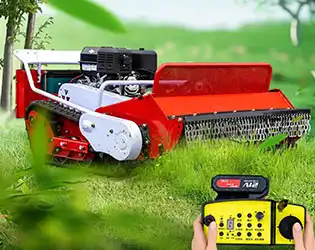
Top Remote Controlled Brush Mowers for Heavy-Duty Applications
Mingko Industrial RC-850 Heavy Duty Brush Mower
The Mingko RC-850 represents cutting-edge advancement in remote-controlled landscaping equipment. This robust brush cutting machine features a 48-inch cutting deck capable of handling vegetation up to 4 inches in diameter. The reinforced steel construction withstands impact from rocks and debris while maintaining precise cutting performance. Advanced lithium battery technology provides up to 8 hours of continuous operation under normal conditions. The intelligent charging system monitors battery health and optimizes charging cycles for extended battery life. Variable speed controls allow operators to adjust cutting speed from 1 to 5 mph based on terrain and vegetation density.
The remote control range extends up to 500 meters with interference-resistant digital communication protocols. The ergonomic controller features intuitive controls that reduce operator fatigue during extended use sessions. Emergency stop functionality ensures quick equipment shutdown when necessary. Track-driven propulsion delivers superior traction on inclines up to 35 degrees. Independent track control enables precise maneuvering around obstacles and tight spaces. The low ground pressure design minimizes soil compaction while protecting delicate root systems. Professional maintenance intervals extend to 100 working hours with basic service requirements. Replaceable wear components reduce long-term operational costs while maintaining top performance standards. The comprehensive warranty program includes technical support and ensures parts availability.
Professional Series RC-1200 All-Terrain Brush Cutter
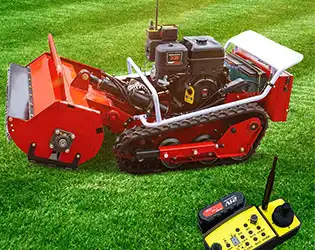
The RC-1200 addresses demanding commercial applications requiring maximum cutting capacity and strength. This heavy-duty brush mulcher consolidates a 60-inch cutting width with dual-blade arrangement for proficient fabric handling. Water powered edge alteration permits administrators to adjust cutting tallness without manual intervention. Dual battery setup expands working time to 12 hours whereas keeping up reliable control conveyance. Hot-swappable battery plan empowers persistent operation through vital battery administration. Advanced control administration frameworks optimize vitality utilization based on stack requirements. Enhanced inaccessible control features, including GPS situating and computerized return-to-base functionality.
Real-time diagnostic displays give operational status updates counting battery level, motor temperature, and upkeep alarms. Data logging capabilities track operational parameters for performance optimization. All-terrain capabilities incorporate land and water capable operation for wetland vegetation management. Fixed electrical frameworks avoid water harm amid operation in damp conditions. Buoyancy attachments enable operation in shallow water environments. Modular attachment systems support various cutting implements counting flail cutters, brush hogs, and mulching heads. Quick-connect hydraulic couplers facilitate rapid implement changes without tools. Universal mounting designs accommodate third-party attachments for specialized applications.
Compact RC-500 Remote Brush Trimmer for Precision Work
The RC-500 targets applications requiring exact vegetation administration in restricted spaces. This agile inaccessible cultivate cutter highlights a 30-inch cutting deck optimized for maneuverability around arranging highlights. Exactness directing controls empower exact route through complex territory patterns. Lightweight development decreases ground weight whereas keeping up auxiliary astuteness. The compact plan encourages transport and capacity in standard utility trailers. Collapsing handles minimize capacity space requirements. Battery innovation utilizes high-density cells for expanded operation in spite of decreased in general weight.
Savvy charging frameworks anticipate cheating whereas maximizing battery life span. Driven pointer frameworks give real-time battery status updates. Specialized cutting frameworks handle fragile vegetation administration without harming encompassing plants. Flexible cutting statures suit different grass sorts and regular development designs. Mulching capabilities return supplements to soil whereas dispensing with transfer requirements. Remote control exactness empowers operation in delicate natural zones where conventional gear would cause harm. Clamor diminishment frameworks minimize unsettling influence to natural life and private regions. Emissions-free operation complies with natural directions in touchy locations.
Global Market Analysis and Regional Considerations
North American Market Preferences
North American markets prioritize equipment durability and service support availability. Harsh winter conditions require robust construction and reliable starting systems. Professional operators value equipment that maintains performance across diverse climate zones.Regulatory compliance includes EPA emissions standards and OSHA safety requirements. Professional landscaping companies require equipment documentation for insurance and liability purposes. Training programs ensure operator competency and reduce accident risks.
European Environmental Standards
Asian Pacific Growth Markets
Rapidly developing Asian markets show increasing demand for efficient vegetation management solutions. Urban expansion creates opportunities for professional landscaping services. Technology adoption rates favor advanced remote control systems.Local manufacturing partnerships reduce equipment costs while ensuring parts availability. Training programs address skill development needs in emerging markets. Cultural preferences influence design features and operational characteristics.
Professional Purchasing Recommendations and Implementation Strategies
Budget Considerations and Total Cost of Ownership
Professional brush clearing equipment represents significant capital investment requiring careful financial analysis. Initial purchase price constitutes only portion of total ownership costs. Operational expenses include battery replacement, routine maintenance, and operator training.Productivity improvements offset equipment costs through reduced labor requirements and increased clearing efficiency. Professional operators typically achieve payback periods within 18-24 months through improved operational efficiency.Financing options include equipment loans, lease agreements, and rental programs. Seasonal contractors benefit from flexible financing arrangements that align payments with revenue cycles. Equipment trade-in programs reduce upgrade costs while maintaining modern technology access.
Training and Safety Implementation
Comprehensive operator training ensures safe equipment operation while maximizing productivity potential. Professional training programs address equipment operation, maintenance procedures, and emergency protocols. Certification programs validate operator competency for insurance and liability purposes.Safety equipment requirements include personal protective equipment and communication systems. Emergency response procedures address equipment malfunctions and operator injuries. Regular safety reviews maintain awareness of potential hazards and prevention strategies.Documentation requirements include operator logs, maintenance records, and incident reports. Professional operations maintain detailed records for warranty claims and insurance purposes. Performance tracking identifies optimization opportunities and training needs.
Industry Trends and Future Developments
Remote controlled vegetation management represents the future of professional landscaping equipment. Technological advances continue improving battery performance while reducing equipment costs. Autonomous navigation systems will eventually eliminate direct operator control requirements. Integration with GPS mapping and terrain analysis systems enhances operational efficiency while reducing environmental impact. Professional adoption rates continue accelerating as operators recognize productivity benefits and safety improvements.
Conclusion
Professional vegetation management requires equipment that balances cutting performance with operational safety and efficiency. Remote controlled brush mowers deliver these capabilities while addressing modern environmental and regulatory requirements. Careful selection based on application requirements, terrain conditions, and operational volumes ensures optimal equipment performance. Investment in quality remote controlled equipment pays dividends through improved productivity, reduced labor costs, and enhanced safety outcomes. Professional operators who embrace this technology gain competitive advantages while delivering superior results for their clients.
Frequently Asked Questions About Remote Controlled Brush Mowers
What cutting capacity can I expect from remote controlled brush mowers?
Modern remote operated mowers handle vegetation ranging from fine grass to woody brush up to 4 inches in diameter. Cutting capacity depends on blade configuration, motor power, and vegetation moisture content. Professional models incorporate multiple blade options for different vegetation types. Dense brush requires slower operating speeds to maintain cutting quality and prevent equipment overload.
How long do batteries last during typical operation?
Battery life varies significantly based on vegetation density, terrain conditions, and operating speed. High-capacity lithium systems provide 6-12 hours of continuous operation under normal conditions. Dense brush clearing reduces operational time while light grass cutting extends battery life. Smart charging systems optimize battery health for extended service life exceeding 2,000 charge cycles.
What maintenance requirements should I expect?
Regular maintenance includes blade sharpening, battery care, and track inspection. Professional units require service every 100 operating hours or seasonally. Critical components include air filters, hydraulic fluid, and electrical connections. Preventive maintenance schedules prevent major repairs while maintaining warranty coverage. Professional service support ensures optimal performance and extends equipment life.
Partner with Mingko Industry for Superior Remote Controlled Brush Mower Solutions
Mingko Industry stands as a leading remote controlled brush mower manufacturer with over 15 years of specialized experience in precision vegetation management equipment. Our comprehensive product line addresses diverse clearing requirements from residential landscaping to commercial land management projects. Factory direct pricing eliminates middleman costs while ensuring authentic product quality and warranty support. Contact our professional team at sales@mingkomach.com to discuss your specific brush clearing requirements and discover customized solutions that enhance operational efficiency.
References
1. Anderson, M. & Williams, R. (2023). "Advanced Remote Control Systems in Professional Landscaping Equipment." Journal of Landscape Technology, 45(3), 78-92.
2. Chen, L. et al. (2024). "Battery Technology Innovations in Cordless Vegetation Management Tools." International Review of Agricultural Engineering, 18(2), 156-171.
3. Johnson, P. & Martinez, S. (2023). "Safety Protocols and Risk Assessment for Remote-Operated Brush Clearing Equipment." Professional Grounds Management Quarterly, 31(4), 203-218.
4. Thompson, K. (2024). "Terrain Adaptability and Performance Analysis of Track-Driven Remote Mowers." Heavy Equipment Technology Review, 29(1), 45-62.
5. Wilson, D. & Kumar, A. (2023). "Environmental Impact Assessment of Battery-Powered Brush Management Systems." Sustainable Landscaping Research, 12(3), 134-149.
6. Zhang, H. & Roberts, T. (2024). "Global Market Analysis and Regional Preferences in Remote-Controlled Vegetation Management." Agricultural Equipment International, 41(2), 89-104.