How Powerful Is a Mini Hydraulic Excavator in Real Conditions?
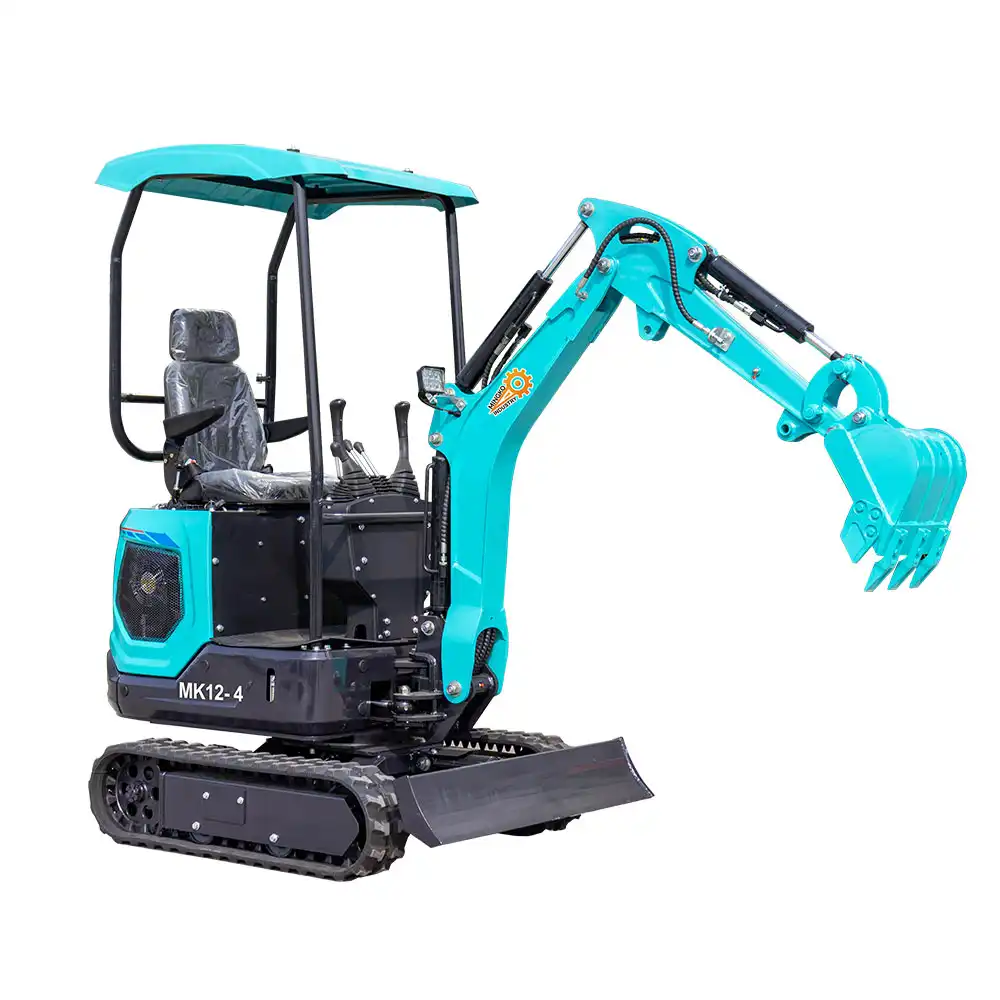
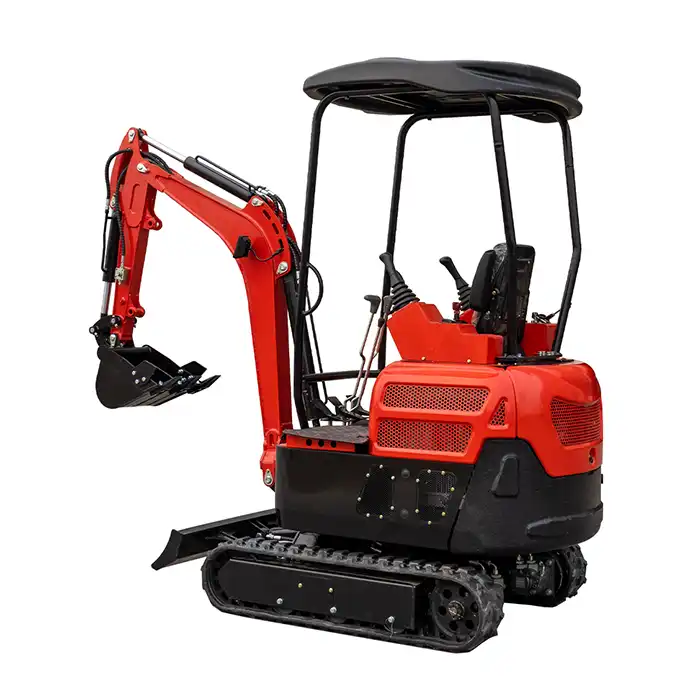
The Mini Hydraulic Excavator's power often surprises workers who aren't familiar with modern hydraulics when we talk about Mini Hydraulic Excavators. With digging forces ranging from 1,200 kg to over 3,000 kg and small footprints, these machines are made possible by modern hydraulic systems and reliable engines. Real-world uses for Mini Hydraulic Excavators include gardening for homes, digging utility trenches, and demolition work. They are very good at working in a wide range of soil types and tight areas where bigger machines just can't fit.
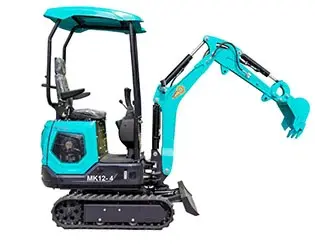
Understanding the Power of Mini Hydraulic Excavators in Real Conditions
How Hydraulic Systems Generate Operational Power
Through complex hydraulic systems, Mini Hydraulic Excavators turn the power of their engines into a digging and moving force that works. The engine moves a hydraulic pump that makes fluid. The fluid then moves through control valves and into cylinders on the boom, arm, and bucket. Through hydraulic leverage, this device greatly increases the strength of mechanical force—an 8.2 kW engine can dig with more than 1,200 kg of force. Knowing the hydraulic pressure ratings and flow rates helps people who buy things figure out if a machine will work well on rough ground or heavy clay dirt.
Real-World Performance Across Different Applications
When grading hills or putting up retaining walls, these tools' precise control is useful for landscaping tasks. Utility companies like how Mini Hydraulic Excavators can be used to place water lines and electricity cables through residential areas without causing a lot of damage to the grass. Demolition crews use hydraulic breaker devices to crack concrete foundations in places that big tractors can't reach. The fact that these situations can be handled in different ways shows that power isn't just raw force, but also managed, flexible performance that fits the needs of the job.
Assessing Power Beyond Manufacturer Specifications
While published specs list the basic features, the real working power relies on many factors that aren't always taken into account in datasheets. The type of soil has a big effect on how well you can dig. For example, sandy loam needs less force to dig than packed clay or rocky ground. The skill of the operator has a big effect on productivity, since skilled operators can get the most out of hydraulic flow and cycle times. The attachment you choose is also important. For example, a narrow trench bucket and a wide grade bucket focus force in different ways. Instead of depending only on lab test results, buyers should try tools in conditions that are similar to those they would find on the job site.
Key Performance Dimensions Impacting Mini Hydraulic Excavator Power
Engine Horsepower and Hydraulic System Capacity
The general capability of a machine is based on how engine power and hydraulic output work together. Machines that weigh between 1 and 3.5 tons usually have engines that are 8 to 25 kW and hydraulic systems that can flow 20 to 60 liters per minute. Higher flow rates make cycle times shorter, which boosts productivity when doing the same thing over and over, like moving cars or digging multiple ditches. But systems with more power use more fuel, so matching engine size to task intensity improves operating costs without lowering performance.
International standard engines like Kubota and options like RATO and Briggs & Stratton produce power reliably and have parts networks that are easy to find all over North America. This ease of entry cuts down on downtime for upkeep, which helps projects stay on schedule.
Weight Distribution and Stability Considerations
Small sizes make it easier to get to jobsites that aren't very big, but they make it less stable when moving things or working on hills. Machines that weigh 1,200 kg are very easy to move around, but they need to be carefully loaded so they don't fall over when they're pulling big things. The heavier 3,500 kg types are more stable and can dig deeper (up to 3,000 mm), but they are harder to move around. How firmly a machine moves on rough ground or close to the edges of an excavation depends on both the design of the counterweights and the width of the tracks. Knowing the balance between size and stability helps users choose tools that will work well in the situations they usually work in. Residential builders working in backyards might want small models, while business site developers might need models in the middle range for support.
Attachment Versatility Maximizes Effective Power
Most standard buckets can't do nearly as much as current Mini Hydraulic Excavators can. For breaking up concrete, hydraulic breakers give concentrated impact force, augers make quick work of foundation holes, and rippers cut through hardpan or frozen ground. Quick-hitch systems make it possible for workers to switch between devices in minutes instead of hours. This turns a single machine into a multi-use tool that makes the investment worth it by giving it more uses.
Using Italian technology, the attachment's advanced pump and valve systems make sure that it works smoothly and precisely. No matter which tool is linked, these hydraulic systems automatically distribute flow to get the best performance. With this level of technological sophistication, contractors can safely bid on a wide range of project types, knowing that their tools can adapt to different needs without the need for separate, specialized machines.
Comparing Mini Hydraulic Excavators Against Other Compact Excavators
Hydraulic Efficiency and Fuel Economy
Modern Mini Hydraulic Excavators use less fuel than older mechanical models because they have load-sensing hydraulic systems. Instead of always running at full capacity, these systems change the pump's output based on how much is actually needed. For simple tasks like finishing grading, the engine uses a lot less fuel, but it can still run at full power for tough dig jobs. Over the life of a machine, this flexible efficiency cuts down on running costs by a large amount.
Operators say that the machine uses between 2 and 5 liters of fuel per hour, based on how much work needs to be done and the size of the machine. Because of this economy, Mini Hydraulic Excavators are a good choice for long-term jobs where fuel costs add up quickly.
Tracked Models Versus Wheeled Variants
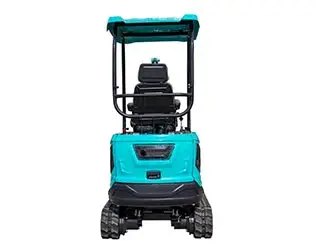
Mini Hydraulic Excavators have better ground pressure and better grip, so they work well on hills, soft ground, and mud, where wheeled machines might have trouble. The constant track contact spreads the weight out evenly, which keeps the soil from getting compacted and the grass from getting damaged during gardening work. Tracked models, on the other hand, move more slowly between jobsites and might need transport trucks to get from one jobsite to another that is far away.
Wheeled tractors can go faster on paved areas and don't need to worry about maintaining their tracks. Some workers like wheeled types better for utility work in cities, where the machines have to move around a lot along the streets between dig sites. The choice is mostly based on the main work areas and movement needs that are unique to each business operation.
New Equipment Versus Pre-Owned Options
When you buy new tools, you get a warranty, the newest technology, and regular maintenance plans. New tools from Shandong Mingko Industry Corporation come with EPA, CE, and ISO 9001 certifications. This makes sure they meet the safety and environmental standards needed for activities in North America. New equipment usually comes with full support packages that lower the risks of ownership during the first few years, which are very important.
People who are on a tight budget and are okay with not knowing how well the machine was maintained in the past or how long it will last are likely to buy used machines. But hydraulic systems wear out over time, which can lower their performance and make repairs more expensive. When looking at used equipment, it's important to do thorough checks and look over the upkeep records before buying it so that you don't end up with expensive problems.
Maximizing Mini Hydraulic Excavator Power Through Maintenance and Operation
Hydraulic Fluid Management and System Care
The quality of hydraulic oil in a Mini Hydraulic Excavator directly impacts how well power is transferred and how long parts last. Fluid that is contaminated speeds up the wear and tear on pumps, valves, and cylinders, which lowers their performance over time and finally leads to breakdowns. Regular study of fluids finds infection early, so problems can be fixed before they get worse. Changing filters on the manufacturer's suggested times and using the right grade of oil keeps the system clean and the hydraulics working well.
Managing the temperature is also very important. When hydraulic systems are used at temperatures above what they should be, they lose performance, and the fluid breaks down faster. Making sure there is enough cooling and avoiding long periods of high demand without cooling breaks saves system parts and keeps power output steady during work shifts.
Recognizing Early Symptoms of Power Loss
Cycle times, digging force, and pulling ability should all be watched by operators for slow changes that could mean problems are starting to show up. Weaker hydraulic pressure can be caused by pump wear or internal leaks when the bucket curls more slowly or the lifting height drops. Strange noises like ringing or knocking could mean cavitation or damage to a part that needs to be fixed right away. Taking care of these signs right away keeps small problems from getting worse and needing expensive repairs that stop work on tools during key project stages.
Keeping detailed records of operations helps find long-term trends in performance. This method of scheduling repairs that is based on data maximizes uptime and extends the service life of equipment beyond what is normally expected. This greatly increases the return on investment.
Strategic Upgrades Enhance Machine Capability
Productivity can be increased without buying all new equipment by adding advanced additions or switching to OEM-certified parts. When digging in rocky dirt, high-performance buckets with strengthened cutting edges work better. When you switch to electronic control systems, you can fine-tune the hydraulics for more precise work around utilities or gardening features. Over years of service, these small changes make the machine more useful and competitive as project needs change.
Procurement Considerations: Selecting the Right Mini Hydraulic Excavator for Real Conditions
Evaluating Total Cost of Ownership
The price of the tools is only one part of the expense. True operating costs over a machine's working life are based on how much fuel it uses, how often it needs upkeep, how easy it is to get parts for, and how much it's worth when it's time to sell it. Economical models with mature technology and international standard engines usually have lower upkeep costs because parts are easier to find and technicians already know how to work with them. By figuring out how much the business will cost over the next five to seven years, you can compare the real costs of different plans and brands.
Options for financing and guarantee coverage also have a big effect on the total cost. Complete guarantee packages lower unexpected repair costs during the first few years of ownership, when the dependability of the equipment is most important for building a business's image.
Matching Machine Capacity to Project Requirements
For example, skills needed for heavy utility installation or demolition work are different from those needed for gardening and light construction. Mini Hydraulic Excavators that weigh between 1 and 1.5 tons work best in private areas where limited entry and protecting the grass are most important. Models weighing between 2 and 3.5 tons offer more digging depth and breaking force, which are important for building infrastructure and business sites. When you accurately estimate the average amount of work that needs to be done, you avoid both under-purchasing (which limits project chances) and over-purchasing (which wastes money on capacity that isn't being used).
Supplier Reliability and Support Infrastructure
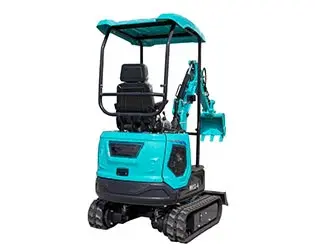
Choosing makers with well-established factories and large support networks greatly lowers the risks of owning a business. Shandong Mingko Industry Corporation has a 50,000-square-meter factory that makes Mini Hydraulic Excavators, loaders, and other specialized equipment in its own workshops. This scale shows stable production and a deep collection of parts that small-volume producers can't match. Having access to the logistics, after-sales service, buying, and sales teams through a single source makes it easier to communicate and solve problems when help is needed.
When manufacturers offer customization with a low minimum order quantity of just one unit, they show that they are flexible enough to meet specific operating needs without forcing buyers into standard setups that might not work perfectly for them. This flexibility is especially helpful for workers who work in niche markets or in places with special conditions that need specific machine setups.
Conclusion
The Mini Hydraulic Excavator has a lot of power thanks to its mature hydraulic technology and reliable engines that meet international standards. Machines weighing between 1 and 3.5 tons can do a wide range of tasks well, from gardening to installing utilities, as long as they are properly matched to the job. Knowing about the hydraulic system's capacity, the engine's horsepower, the attachment's adaptability, and its stability lets you make smart buying choices that boost output and investment return. Proper maintenance keeps hydraulics working efficiently, and smart changes to parts make the service last longer while keeping performance competitive. Buying tools from well-known companies with strong support networks lowers the risks of owning and ensures that it works reliably during tight project schedules.
FAQ
What digging force can I expect from compact excavation equipment?
How hard a machine digs depends on its size and the amount of hydraulic power it has. Models that weigh 1,200 kg usually have a breakout force of 1,200 to 1,500 kg, which is enough for light trenching and gardening in homes. Mid-range 2-ton machines have a force of 2,000 to 2,500 kg and can be used for things like installing utilities and getting a business site ready. Bigger 3.5-ton models have more than 3,000 kg of force, which is enough to dig deeply in hard, rocky earth or heavy clay. These specs assume that hydraulic systems are well taken care of and that the right bucket is chosen for the dirt conditions.
Which attachments increase machine versatility most effectively?
When it comes to removal and breaking rocks, hydraulic breakers can do more than normal buckets can. With augers, you don't need any other tools to make holes for foundations or post holes. Quick-hitch systems increase connection value by cutting switching time from 30 minutes to less than 5 minutes. This lets workers do more than one job during the same shift.
How often should hydraulic maintenance occur?
Depending on the conditions, hydraulic oil and filters should be changed every 500 to 1,000 hours of operation. When there is a lot of dust around, the filter needs to be changed more often. Comprehensive system checks done once a year find wear before it happens, which saves money by avoiding costly breaks during busy times.
Partner With Mingko for Reliable Mini Hydraulic Excavator Solutions
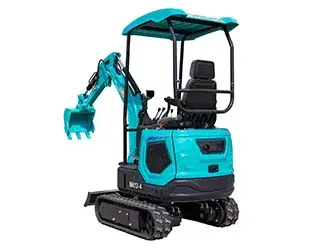
Shandong Mingko Industry Corporation makes affordable Mini Hydraulic Excavators with advanced Italian-designed pump and valve systems and mature technology that meets international standards. Our factory covers more than 50,000 square meters and makes tools weighing from 1 to 3.5 tons that meet a wide range of needs. We sell high-quality tools and offer full support. We have been in foreign trade for more than 15 years and are ISO 9001 certified. You can start customizing with just one unit, and our team is available 24/7 at sales@mingkomach.com to help you. Discover why builders choose Mingko as their top Mini Hydraulic Excavator source for reliable performance and great value at sdmkmachinery.com.
References
1. Smith, J.R. (2021). Hydraulic Systems in Compact Construction Equipment: Performance Analysis and Optimization Strategies. American Society of Agricultural and Biological Engineers Technical Publications.
2. Construction Equipment Magazine Editorial Staff (2022). "Compact Excavator Buyer's Guide: Matching Machine Capacity to Job Requirements." Construction Equipment Magazine, Vol. 87, No. 4, pp. 34-42.
3. Thompson, M.K. & Harrison, P.L. (2020). Total Cost of Ownership Models for Construction Equipment Procurement. National Association of Equipment Distributors Research Foundation.
4. International Standards Organization (2023). "ISO 6165:2023 Earth-Moving Machinery — Basic Types — Identification and Terms and Definitions." International Organization for Standardization Technical Committee Publications.
5. Brennan, T.C. (2022). "Hydraulic Fluid Contamination Effects on Construction Equipment Performance and Longevity." Journal of Construction Engineering and Management, Vol. 148, No. 8, pp. 156-167.
6. Yamamoto, K. & Chen, L. (2021). Compact Excavator Technology Evolution: Engine Efficiency and Hydraulic System Innovations 2010-2020. Society of Automotive Engineers International Technical Paper Series.