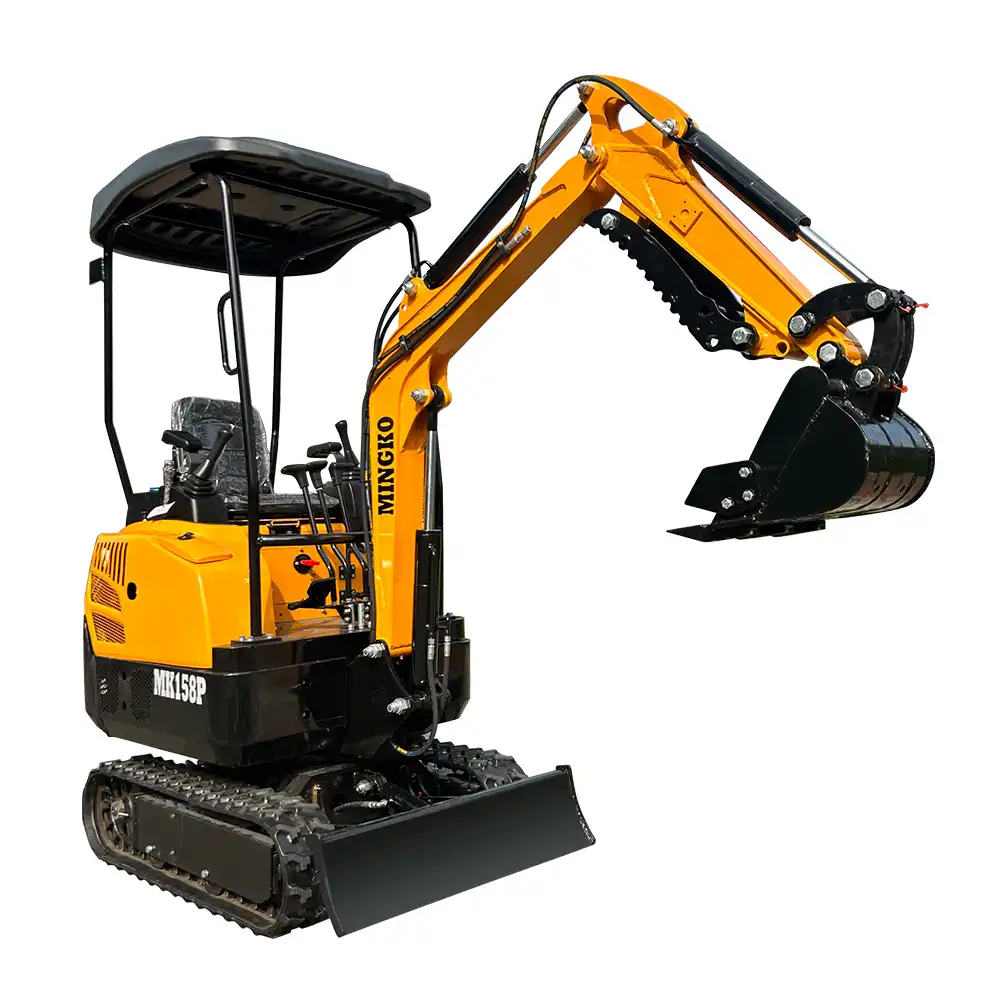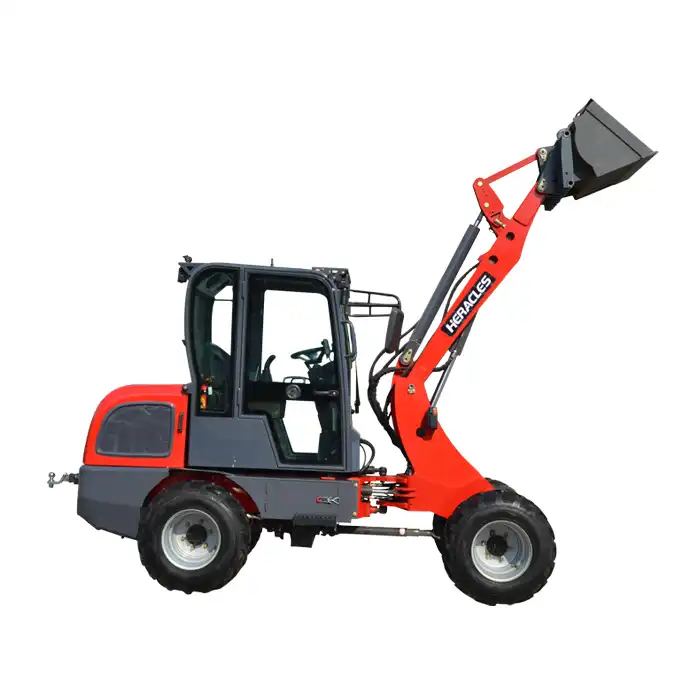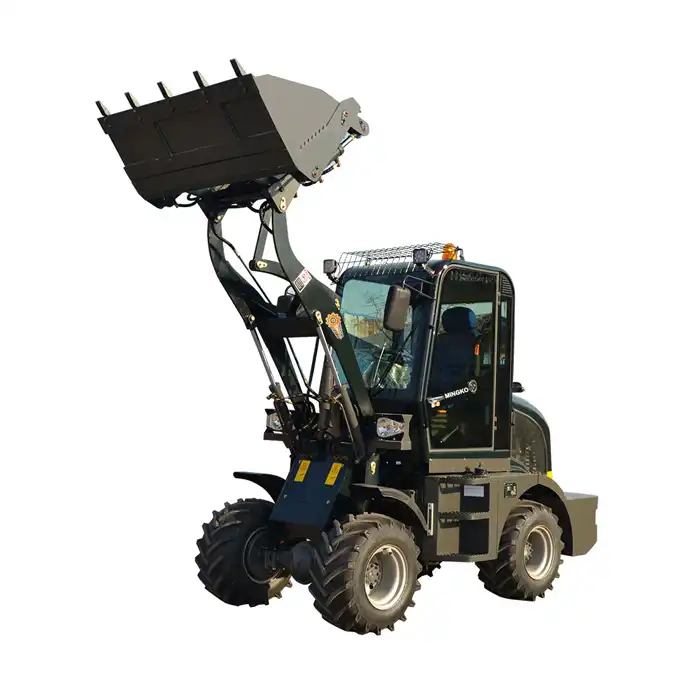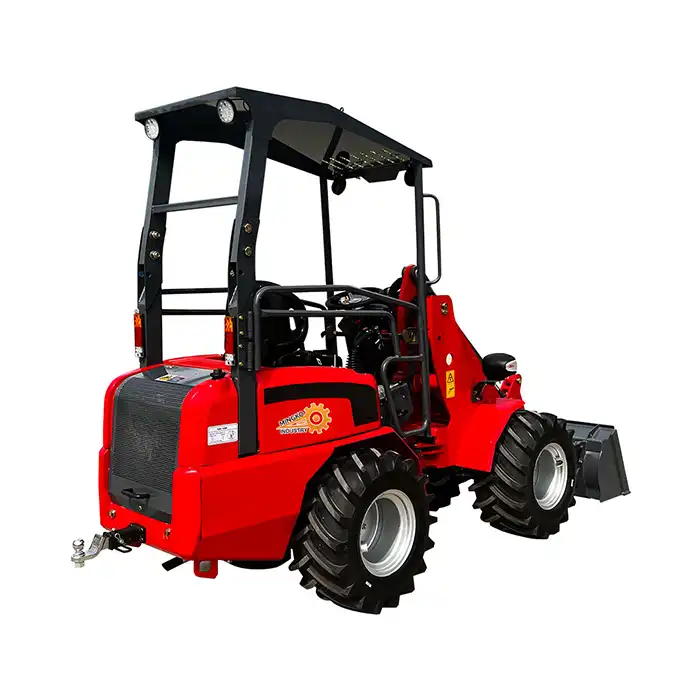
How to Choose the Right Small Track Skid Steer for Your Needs?
Picture this scenario: You're standing on a construction site where tight spaces, uneven terrain, and multiple tasks demand a versatile solution. Traditional excavators are too large, and manual labor is too slow and costly. You need equipment that combines compact size with powerful performance, exceptional maneuverability with heavy-duty capabilities. This is where choosing the right Small Track Skid Steer becomes critical for your operational success. Whether you're a contractor tackling complex job sites, a landscaper managing diverse terrain, or a facility manager maintaining large properties, selecting the appropriate Small Track Skid Steer can make the difference between project delays and efficient completion. This comprehensive guide will walk you through every essential consideration to ensure you invest in the perfect Small Track Skid Steer that matches your specific operational requirements, budget constraints, and performance expectations.
Understanding Small Track Skid Steer Fundamentals
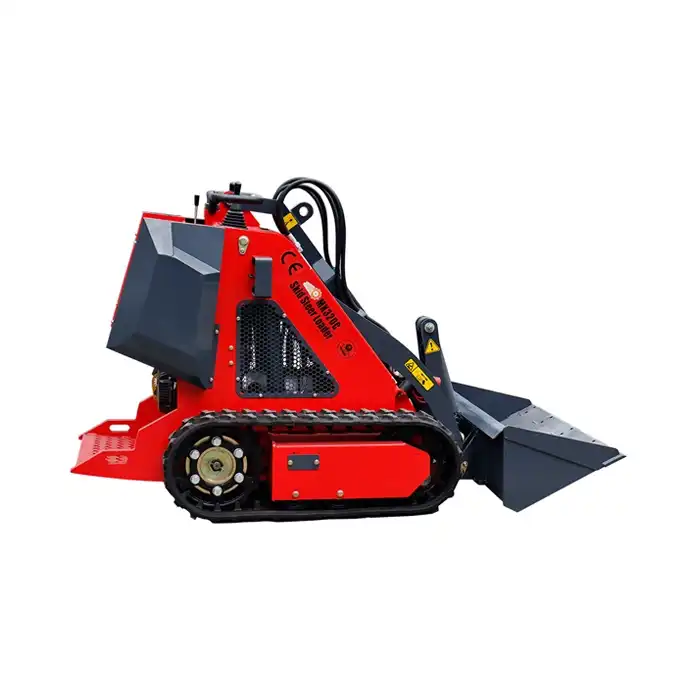
Small Track Skid Steers represent a revolutionary advancement in compact construction equipment, combining the maneuverability of traditional skid steers with enhanced traction and stability provided by rubber track systems. These machines have become indispensable across various industries due to their unique ability to navigate challenging terrain while maintaining exceptional lifting capacity and operational efficiency. The fundamental design principle behind Small Track Skid Steers focuses on maximizing productivity within confined spaces where conventional equipment cannot operate effectively. The track system distinguishes Small Track Skid Steers from their wheeled counterparts by distributing machine weight over a larger surface area, significantly reducing ground pressure and minimizing surface damage. This characteristic makes them particularly valuable for projects requiring work on delicate surfaces such as landscaped areas, finished pavements, or environmentally sensitive locations. Modern Small Track Skid Steers feature sophisticated hydraulic systems that power both the drive mechanism and various attachments, creating a versatile platform capable of performing multiple functions with quick attachment changes.
Key Performance Characteristics
When evaluating Small Track Skid Steer performance characteristics, several critical factors determine operational effectiveness and project suitability. Operating weight typically ranges from 800 to 1,500 kilograms, with machines like the MK380H model weighing 870kg, providing an optimal balance between stability and maneuverability. The rated operating capacity, which represents the maximum safe lifting weight, varies considerably based on machine size and design, with compact models offering capacities from 380kg to over 1,500kg depending on specific requirements. Engine specifications play a crucial role in determining operational capabilities and fuel efficiency. Modern Small Track Skid Steers utilize advanced engine technologies, including EPA-certified petrol engines ranging from 13.5HP to 23HP, designed to deliver maximum power output while maintaining low fuel consumption rates. These engines incorporate sophisticated cooling systems and emission control technologies to ensure reliable operation across diverse environmental conditions and regulatory compliance requirements.
Track System Advantages
The track system represents the most significant technological advancement in Small Track Skid Steer design, offering substantial advantages over traditional wheeled configurations. Rubber tracks provide superior traction on soft, uneven, or sloped surfaces, enabling operators to maintain productivity in conditions where wheeled machines would struggle or become immobilized. The increased surface contact area distributes machine weight more evenly, reducing ground pressure to approximately 1,200 kg/m², which minimizes surface damage and allows operation on sensitive terrain. Track systems also enhance machine stability during lifting operations, particularly when handling materials at maximum reach or operating on uneven surfaces. This stability improvement translates directly into increased productivity and enhanced operator confidence, especially when performing precision tasks or working near obstacles. Additionally, tracks provide superior climbing ability on slopes and improved performance in muddy, sandy, or snow-covered conditions, extending the operational season and expanding potential applications.
Essential Selection Criteria for Your Small Track Skid Steer
Selecting the appropriate Small Track Skid Steer requires comprehensive evaluation of multiple factors that directly impact operational efficiency, cost-effectiveness, and project success. The selection process should begin with a thorough assessment of intended applications, operating environment characteristics, and specific performance requirements. Understanding these fundamental parameters enables informed decision-making and ensures the chosen Small Track Skid Steer delivers optimal value throughout its operational lifecycle. Operating capacity represents the most critical selection criterion, as it determines the machine's ability to handle required loads safely and efficiently. The rated operating capacity should align with typical load weights while providing adequate safety margins for varying conditions. For example, if typical loads range from 200-300kg, selecting a Small Track Skid Steer with 380kg capacity provides appropriate operational flexibility without unnecessary over-specification that increases acquisition and operating costs.
Size and Maneuverability Considerations
Machine dimensions directly influence operational effectiveness in confined spaces and determine accessibility to work areas. Width represents a particularly important specification, as it affects the machine's ability to navigate through doorways, gates, and narrow passages. The MK380H model's 880mm width exemplifies optimal sizing for versatile applications, providing sufficient stability while maintaining access to restricted areas commonly encountered in construction, landscaping, and maintenance operations. Ground clearance and overall height specifications impact the machine's ability to navigate obstacles and operate under low-clearance conditions such as bridges, overhangs, or indoor environments. Compact Small Track Skid Steers typically offer superior maneuverability compared to larger alternatives while maintaining adequate ground clearance for outdoor applications. Travel speed capabilities, ranging from 4-5 km/h, provide efficient transportation between work areas while maintaining operator control and safety.
Power and Performance Specifications
Engine power specifications must align with intended applications and operational demands to ensure adequate performance without unnecessary complexity or fuel consumption. Small Track Skid Steers typically offer multiple engine options, such as the dual-power configuration featuring 13.5HP and 23HP alternatives, allowing operators to select appropriate power levels based on specific requirements. Higher power ratings generally correlate with improved hydraulic system performance, faster cycle times, and enhanced attachment functionality. Hydraulic system capabilities determine attachment performance and operational versatility. Auxiliary hydraulic flow rates, typically ranging from 20-43 L/min, directly impact attachment functionality and operational efficiency. Higher flow rates enable more powerful attachments and faster cycle times, while lower flow rates may limit attachment selection but provide improved fuel economy. The hydraulic oil tank capacity of 25 liters ensures adequate fluid volume for sustained operations while maintaining compact machine dimensions.
Fuel Efficiency and Operating Costs
Fuel efficiency represents a critical economic consideration, particularly for high-utilization applications where fuel costs significantly impact operational profitability. Modern Small Track Skid Steers incorporate advanced engine management systems and efficient hydraulic designs to minimize fuel consumption while maintaining performance standards. Petrol engines offer advantages in terms of fuel availability, cold-weather starting, and maintenance simplicity, making them suitable for diverse operational environments. Operating cost evaluation should encompass fuel consumption, maintenance requirements, replacement part availability, and expected service life. Quality Small Track Skid Steers from established manufacturers typically offer lower total ownership costs through improved reliability, longer service intervals, and comprehensive parts support. The 6.6-liter fuel tank capacity provides adequate runtime for typical applications while maintaining compact machine dimensions and optimal weight distribution.
Attachment Versatility and Application Matching
The true value proposition of Small Track Skid Steers lies in their exceptional attachment versatility, which transforms a single machine into a comprehensive solution capable of performing diverse tasks across multiple applications. Modern Small Track Skid Steers support an extensive range of attachments through standardized quick-connect systems, enabling rapid reconfiguration for different tasks without requiring specialized tools or extended downtime. This versatility dramatically improves operational efficiency and return on investment by eliminating the need for multiple specialized machines. Attachment selection should align with primary operational requirements while considering occasional or seasonal needs that might benefit from additional capability. The comprehensive attachment range available for Small Track Skid Steers includes loader buckets, hydraulic grapples, concrete mixers, trailers, high dump buckets, 4-in-1 buckets, shell grapples, multi-function tools, rotary plows, digging buckets, forks, stump grinders, bulldozer blades, trenchers, mixer buckets, rippers, levelers, wood chippers, snow throwers, sand buckets, snow sweepers, closed sweepers, and 35-inch break hammers.
Primary Attachment Categories
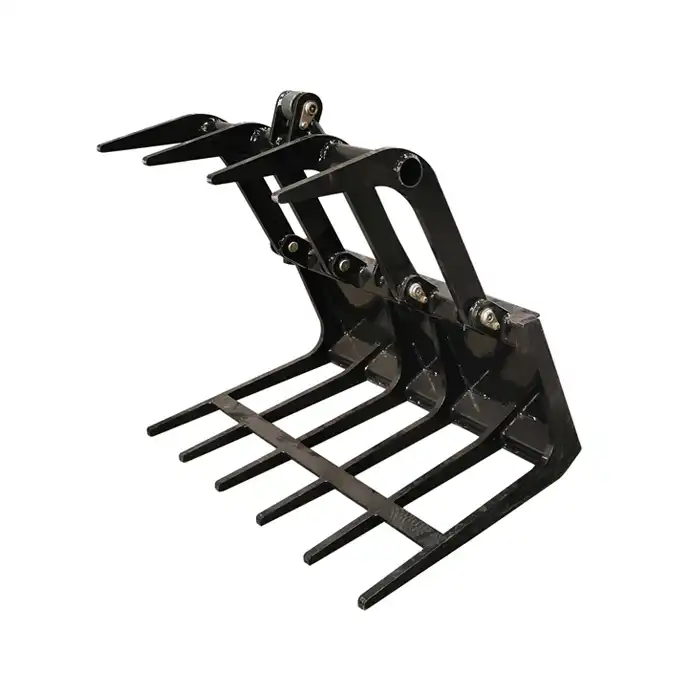
Loader buckets represent the most fundamental attachment category, available in various capacities and configurations to match specific material handling requirements. Standard loader buckets typically range from 0.15 cubic meters for compact applications to larger capacities for higher-volume operations. Specialized bucket designs include high-dump configurations for elevated discharge, 4-in-1 buckets combining loading, dozing, clamping, and leveling functions, and perforated designs for material separation applications. Hydraulic grapples provide enhanced material handling capabilities for irregular or loose materials that cannot be effectively managed with conventional buckets. These attachments utilize the machine's auxiliary hydraulic system to operate powerful jaws capable of securely gripping logs, debris, scrap materials, and other challenging loads. Multi-function tools combine several attachment functions into a single unit, maximizing versatility while minimizing attachment inventory requirements and changeover time.
Specialized Application Attachments
Construction applications benefit from specialized attachments such as trenchers for utility installation, break hammers for concrete demolition, and mixer buckets for on-site concrete preparation. These attachments transform the Small Track Skid Steer into a specialized construction tool capable of performing tasks typically requiring dedicated equipment. The 35-inch break hammer attachment provides substantial demolition capability while maintaining the machine's compact footprint and maneuverability advantages. Landscaping applications utilize attachments including stump grinders for tree removal, rotary plows for soil cultivation, and various grading tools for surface preparation and finishing. Snow removal applications benefit from specialized snow throwers, snow sweepers, and pushing blades designed to handle different snow conditions and clearing requirements. This attachment diversity enables year-round utilization and maximizes equipment return on investment across seasonal applications.
Hydraulic System Requirements
Attachment functionality depends heavily on the Small Track Skid Steer's hydraulic system capabilities, particularly auxiliary flow rates and pressure specifications. Standard auxiliary flow rates of 26 L/min support most common attachments, while higher flow requirements may necessitate upgraded hydraulic systems or specialized attachments designed for lower flow applications. Understanding hydraulic requirements ensures optimal attachment performance and prevents compatibility issues that could limit operational effectiveness. Hydraulic system maintenance becomes increasingly important with diverse attachment usage, as different attachments may impose varying demands on the hydraulic components. Regular hydraulic fluid analysis, filter replacement, and system inspection help maintain optimal performance and prevent costly repairs. The 25-liter hydraulic oil tank capacity provides adequate fluid volume for most attachment applications while supporting efficient heat dissipation and system longevity.
Terrain and Environmental Considerations
Environmental conditions significantly influence Small Track Skid Steer selection and operational effectiveness, requiring careful evaluation of typical operating surfaces, weather conditions, and site-specific challenges. Track-equipped machines excel in soft, muddy, or uneven conditions where wheeled alternatives might struggle, but understanding specific terrain characteristics helps optimize machine selection and attachment configuration for maximum productivity and minimal operational challenges. Soil conditions represent a primary environmental consideration, as different soil types impose varying demands on the track system and overall machine performance. Clay soils can create challenging conditions due to material buildup on tracks and undercarriage components, while sandy conditions may require enhanced filtration systems to prevent abrasive wear. Rocky terrain demands robust track construction and enhanced undercarriage protection to prevent damage from impact and abrasion.
Ground Pressure and Surface Protection
The distributed weight characteristics of Small Track Skid Steers provide significant advantages for surface protection compared to wheeled alternatives, with ground pressure ratings typically around 1,200 kg/m² minimizing surface damage on delicate or finished surfaces. This low ground pressure enables operation on landscaped areas, athletic fields, and other sensitive surfaces where conventional equipment would cause unacceptable damage. Understanding ground pressure implications helps determine appropriate applications and operational limitations. Surface protection requirements vary significantly across different applications, with some projects demanding minimal surface disturbance while others may tolerate more aggressive operating conditions. Track selection can further optimize surface protection characteristics, with specialized low-ground-pressure tracks available for extremely sensitive applications. Rubber track construction provides inherent surface protection advantages compared to steel tracks while maintaining adequate traction and durability for most applications.
Weather and Seasonal Considerations
Weather conditions significantly impact Small Track Skid Steer operation and attachment selection, particularly in regions experiencing extreme seasonal variations. Cold weather operation requires consideration of engine starting systems, hydraulic fluid specifications, and battery capacity to ensure reliable performance in low-temperature conditions. The wind-cooled engine design provides advantages in cold weather by reducing complexity and improving reliability compared to liquid-cooled alternatives. Snow and ice conditions demand specialized attachments and operational procedures to maintain productivity and safety. Snow removal attachments including throwers, sweepers, and plows transform the Small Track Skid Steer into an effective snow management tool, while track systems provide superior traction compared to wheeled alternatives in slippery conditions. Proper tire chains or track selection can further enhance winter performance and operational safety.
Indoor and Confined Space Operation
Indoor operation presents unique challenges including ventilation requirements, noise limitations, and space constraints that influence machine selection and configuration. Electric or low-emission engine options may be necessary for indoor applications, while compact dimensions become critical for navigating doorways, corridors, and confined work areas. The 880mm width specification of compact Small Track Skid Steers enables operation in standard doorways while providing adequate stability for most indoor applications. Noise considerations become particularly important in urban environments, residential areas, and noise-sensitive facilities where sound levels must comply with local regulations or facility requirements. Modern Small Track Skid Steers typically generate noise levels below 65 decibels, meeting most regulatory requirements while enabling operation in noise-sensitive environments. Understanding noise implications helps ensure regulatory compliance and community acceptance.
Economic Analysis and Total Cost of Ownership
Comprehensive economic analysis represents a critical component of Small Track Skid Steer selection, encompassing acquisition costs, operational expenses, maintenance requirements, and residual value considerations throughout the equipment lifecycle. Total cost of ownership analysis provides a more accurate assessment of long-term financial implications compared to initial purchase price evaluation alone, enabling informed decision-making that optimizes financial performance and operational effectiveness. Acquisition costs vary significantly based on machine specifications, manufacturer reputation, and optional equipment selections. While premium manufacturers may command higher initial prices, superior build quality, comprehensive warranty coverage, and extensive dealer support networks often justify additional investment through reduced operating costs and improved reliability. Factory-direct sales opportunities can provide cost advantages by eliminating distributor markups while maintaining quality standards and warranty coverage.
Operating Cost Components
Fuel consumption represents the most significant variable operating cost, directly influenced by engine efficiency, hydraulic system design, and operational practices. Modern Small Track Skid Steers achieve fuel consumption rates of approximately 2-4 liters per hour depending on application intensity and engine loading. The 6.6-liter fuel tank provides 2-3 hours of continuous operation under typical conditions, enabling full-day productivity with minimal refueling interruptions. Maintenance costs encompass routine service intervals, replacement parts, and scheduled component replacements throughout the equipment lifecycle. Quality Small Track Skid Steers typically require service intervals of 50-100 operating hours for routine maintenance, with major component services occurring at 500-1000 hour intervals. Preventive maintenance programs significantly reduce unexpected repair costs and extend equipment life, making maintenance cost evaluation critical for total ownership cost analysis.
Financing and Depreciation Considerations
Equipment financing options significantly impact cash flow and tax implications, with various lease and purchase alternatives available to match specific financial requirements. Lease options provide advantages including predictable monthly payments, maintenance coverage, and equipment upgrade flexibility, while purchase options offer long-term cost advantages and asset ownership benefits. Understanding financing implications helps optimize financial performance and cash flow management. Depreciation schedules vary based on equipment type, utilization levels, and market conditions, with Small Track Skid Steers typically depreciating 15-20% annually during the first five years. Higher-quality machines from established manufacturers typically maintain superior residual values compared to lower-cost alternatives, offsetting higher initial acquisition costs through improved resale values. Market demand for quality used equipment provides additional financial security for premium equipment investments.
Return on Investment Calculation
Return on investment analysis should consider productivity improvements, labor cost reductions, and revenue generation capabilities enabled by Small Track Skid Steer acquisition. These machines often replace multiple manual laborers or less efficient equipment, generating immediate labor cost savings that can justify acquisition costs within 6-18 months depending on utilization levels. Enhanced productivity and capability expansion often enable revenue growth that further improves return on investment calculations. Productivity improvements stem from faster cycle times, reduced setup requirements, and attachment versatility that eliminates equipment changes between tasks. A single Small Track Skid Steer with appropriate attachments can replace multiple specialized tools while providing superior performance and reduced operational complexity. These productivity gains translate directly into improved profitability and competitive advantages in bidding and project execution.
Maintenance and Service Considerations
Maintenance requirements significantly impact Small Track Skid Steer total ownership costs and operational reliability, making service accessibility and maintenance complexity critical selection criteria. Modern Small Track Skid Steers feature user-friendly maintenance designs that enable routine service tasks without specialized tools or extensive technical knowledge. However, understanding maintenance requirements and establishing appropriate service protocols ensures optimal performance and equipment longevity. Routine maintenance includes engine oil changes, hydraulic fluid service, air filter replacement, and general lubrication according to manufacturer specifications. The single-cylinder engine design simplifies maintenance requirements while reducing complexity and potential failure points compared to multi-cylinder alternatives. Wind-cooled engine systems eliminate cooling system maintenance requirements while providing reliable operation across diverse environmental conditions.
Track System Maintenance
Track systems require specific maintenance procedures to ensure optimal performance and longevity, including regular inspection for damage, proper tension adjustment, and debris removal. Rubber tracks typically provide 1,000-2,000 hours of service life depending on operating conditions and maintenance practices. Understanding track maintenance requirements helps establish appropriate service schedules and budget for replacement costs throughout the equipment lifecycle. Track tension adjustment represents a critical maintenance task that affects both performance and track life. Improper tension can cause premature wear, reduced traction, and potential track failure, while correct tension ensures optimal performance and maximum service life. Regular inspection and adjustment according to manufacturer specifications prevents costly repairs and maintains operational efficiency.
Hydraulic System Service
Hydraulic system maintenance includes fluid changes, filter replacement, and system inspection at specified intervals to prevent contamination and component wear. The 25-liter hydraulic oil tank capacity requires complete fluid changes every 1,000-2,000 hours depending on operating conditions and fluid quality. High-quality hydraulic fluids and regular filtration system maintenance significantly extend component life and prevent costly repairs. Hydraulic system contamination represents the primary cause of premature component failure, making fluid cleanliness and filtration system maintenance critical for long-term reliability. Regular fluid analysis helps identify potential problems before they cause expensive damage, while proper storage and handling procedures prevent contamination during service operations. Understanding hydraulic system requirements enables preventive maintenance programs that maximize equipment reliability and minimize unexpected downtime.
Parts Availability and Service Support
Parts availability and service support quality significantly impact equipment uptime and operating costs throughout the ownership period. Established manufacturers typically maintain comprehensive parts inventories and extensive dealer networks that provide rapid parts delivery and technical support. Factory-direct relationships can enhance parts availability while providing cost advantages through elimination of distributor markups. Technical support availability becomes particularly important for complex repairs or operational issues that require specialized knowledge. Manufacturers offering 24/7 technical support and comprehensive training programs provide significant advantages in maintaining operational efficiency and resolving problems quickly. Understanding service support quality helps evaluate total ownership costs and operational risk factors associated with different equipment alternatives.
Conclusion
Selecting the right Small Track Skid Steer requires comprehensive evaluation of operational requirements, environmental conditions, economic factors, and long-term service considerations. The decision process should prioritize matching machine capabilities with specific application needs while considering total ownership costs and operational flexibility. Quality Small Track Skid Steers from established manufacturers provide superior value through enhanced reliability, comprehensive service support, and extensive attachment versatility that maximizes productivity and return on investment across diverse applications.
Cooperate with Shandong Mingko Industry Corporation
Ready to transform your operational efficiency with a premium Small Track Skid Steer? Partner with Shandong Mingko Industry Corporation, China's leading Small Track Skid Steer factory with over 15 years of manufacturing excellence. As a trusted China Small Track Skid Steer supplier and China Small Track Skid Steer manufacturer, we offer factory-direct China Small Track Skid Steer wholesale pricing and High Quality Small Track Skid Steer solutions. Our competitive Small Track Skid Steer price and comprehensive Small Track Skid Steer for sale options ensure maximum value for your investment. Contact our expert team at sales@mingkomach.com for personalized solutions, technical specifications, and exclusive pricing. Bookmark this guide for future reference and share it with your team!
FAQ
Q: What is the typical operating weight range for small track skid steers?
A: Small track skid steers typically range from 800-1,500kg, with models like the MK380H weighing 870kg, providing optimal balance between stability and maneuverability.
Q: How do I determine the right lifting capacity for my applications?
A: Assess your typical load weights and select a machine with 20-30% higher capacity for safety margins. For loads around 250-300kg, choose a 380kg capacity machine.
Q: What maintenance intervals should I expect for small track skid steers?
A: Routine maintenance occurs every 50-100 operating hours, with major services at 500-1000 hours. Proper maintenance extends equipment life and reduces operating costs.
Q: Can small track skid steers operate effectively in all weather conditions?
A: Yes, with proper attachments and maintenance. Track systems provide superior traction in snow, mud, and soft conditions compared to wheeled alternatives.
References
1. "Compact Track Loader Selection and Application Guidelines" - Construction Equipment Association, Technical Publication Series
2. "Small Equipment Productivity Analysis in Construction Applications" - American Society of Civil Engineers, Equipment Performance Standards
3. "Track System Performance Evaluation for Compact Construction Equipment" - International Association of Equipment Manufacturers, Research Publication
4. "Economic Analysis of Compact Construction Equipment Ownership" - Equipment Leasing Association, Financial Analysis Guidelines