How to Import 30U-6A Mini Excavator from Trusted Suppliers?
Importing a 30U-6A Mini Excavator from trusted suppliers involves understanding technical specifications, evaluating manufacturers, managing documentation, and ensuring compliance with U.S. trade regulations. This compact yet powerful machine—featuring a 3000kg operating weight, an EPA-certified Kubota D1105 engine, and a zero-turn tail design—meets the demands of landscaping, construction, and utility projects. Working with certified manufacturers like Shandong Mingko Industry Corporation ensures quality assurance, comprehensive after-sales support, and hassle-free customs clearance for North American procurement professionals.
Understanding the 30U-6A Mini Excavator – Key Specifications and Features
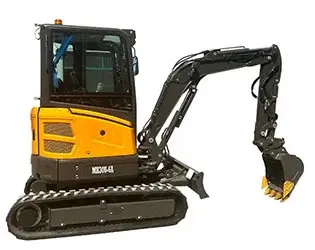
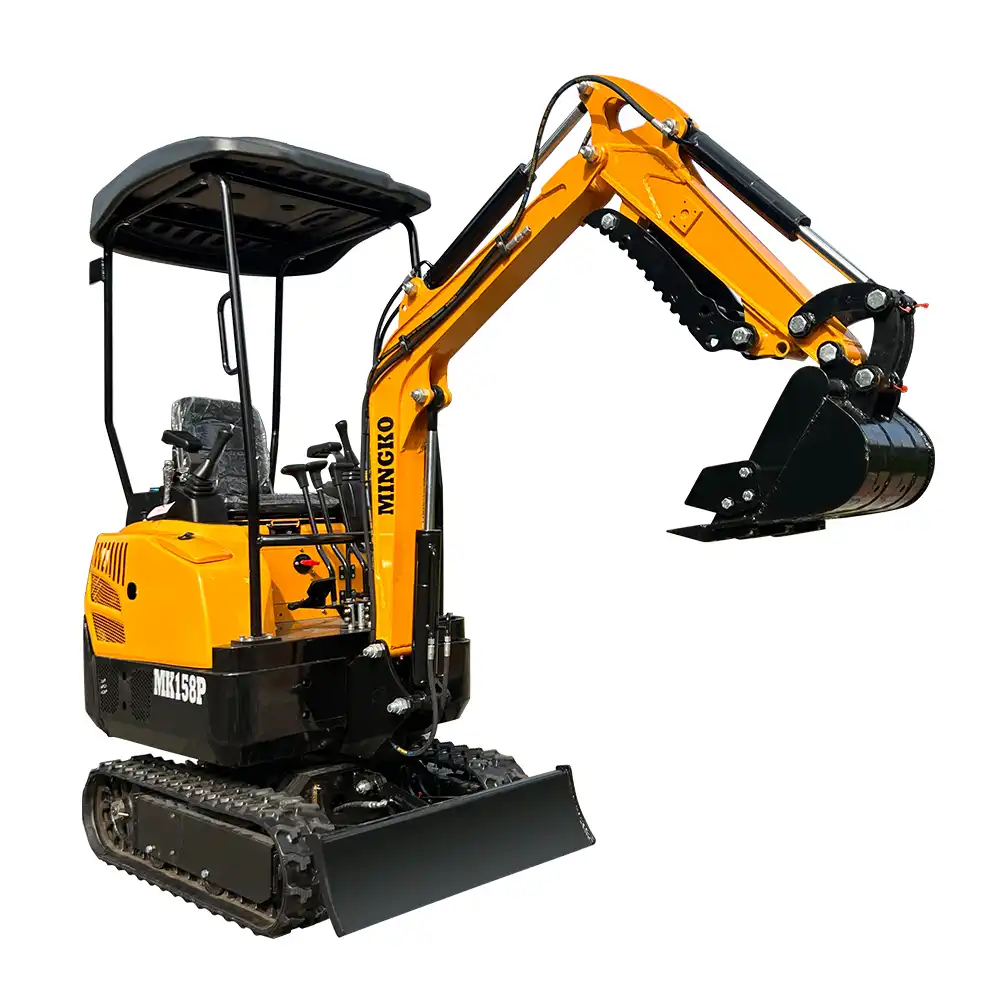
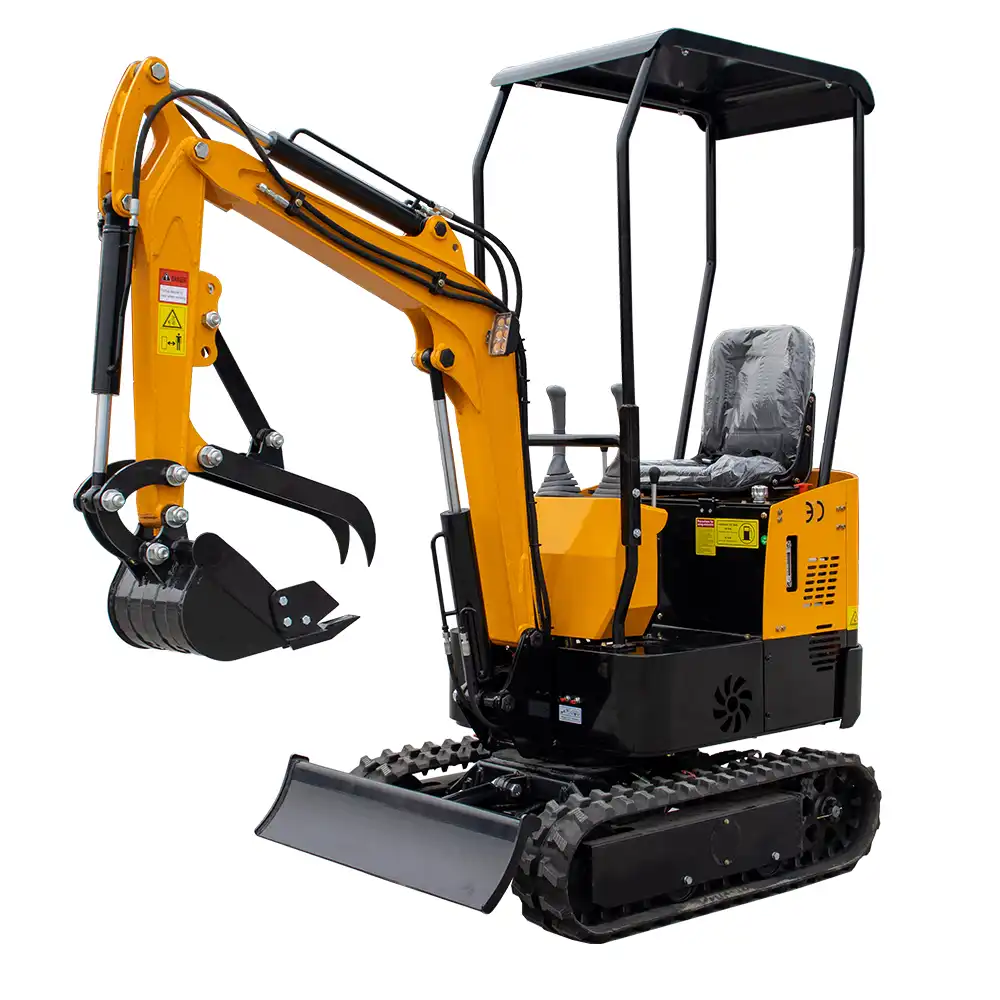
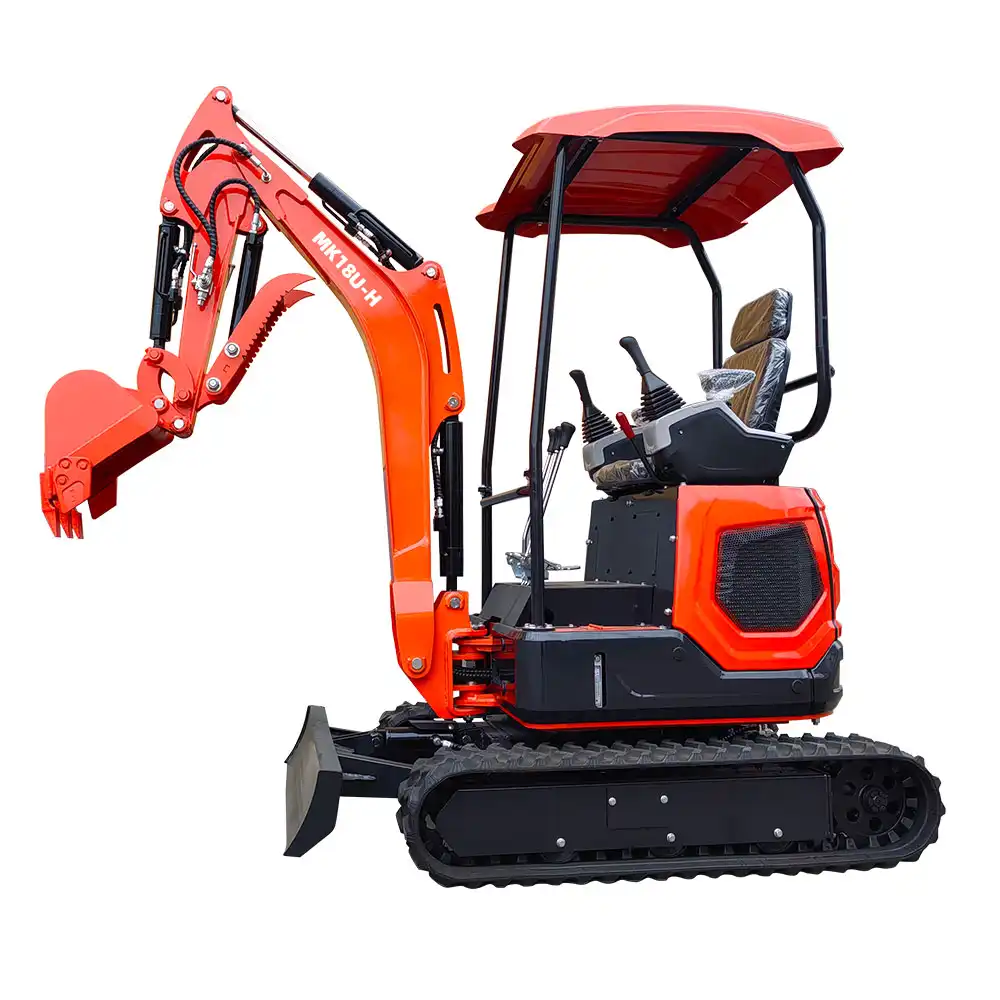
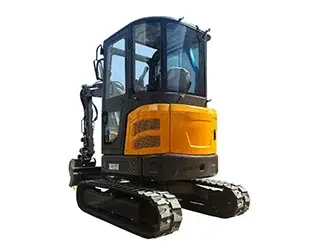
The 30U-6A Mini Excavator strikes a good balance between being small and mobile and having strong performance abilities. Its design makes it useful for contractors who want to work quickly on small urban job sites, on landscaping projects for homes, and on maintaining infrastructure. Knowing the technical specs of an item helps procurement teams match its abilities with the needs of a project.
Core Technical Parameters
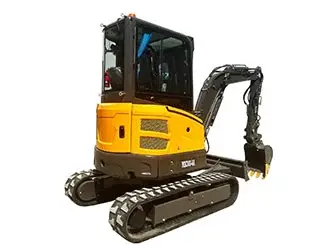
This machine can handle loads up to 3000 kg, which means it can be moved on regular trucks in most U.S. states without needing any special permits. The Euro 5 EPA-compliant Kubota D1105 engine has 14KW of power, which is enough torque for constant digging processes while still using little fuel. The two-speed movement system makes the machine more productive by letting it move quickly between work areas without losing accuracy when doing detailed digging jobs. The hydraulic pilot valve control system makes operation fast, which keeps operators from getting tired after long shifts. The machine can dig as deep as 2830 mm and reach as high as 3005 mm, so it can easily do standard utility trenching, foundation preparation, and drainage installations. The 0.1-cubic-meter bucket capacity is good for moving light to medium amounts of dirt, and the cycle time is good for that size of load.
Zero-Turn Tail Design Advantages
The zero-turn tail configuration is a key feature for applications in cities and areas with limited space. Unlike most excavators, which have back parts that stick out, this design lets the machine turn within its own area, so it doesn't hit walls, fences, or other structures nearby. This feature is especially useful when working next to buildings, in narrow alleys, or in residential driveways with limited swing clearance. Contractors in cities say that the zero-turn design saves them a lot of time when repositioning equipment because they don't have to move it around all the time. This feature has a direct effect on project timelines and labour costs, which makes the equipment a cheap choice for companies that work on a lot of small sites every day.
Maintenance Considerations and Operational Efficiency
Regular repair procedures keep a machine's resale value and make it last longer. The Kubota engine needs to have its oil changed every 250 hours of use, and the filters need to be changed according to the manufacturer's instructions. Inspections of the hydraulic fluid should happen every two weeks during times of heavy use to avoid breakdowns caused by contamination. Shandong Mingko Industry Corporation offers full service guides and makes spare parts easy to find through their logistics service center, which keeps downtime to a minimum. It's easy for operators to do maintenance because the engine compartments and hydraulic reservoirs are made so that they can be inspected without tools. This engineering decision shortens the time between services and lets problems be fixed on-site without the need for special tools. Industry lifecycle studies show that with proper maintenance, a machine can keep 80–85% of its original performance capacity over a five-year operational cycle.
Evaluating Vendors – How to Identify Trusted 30U-6A Mini Excavator Suppliers
Picking a dependable 30U-6A Mini Excavator supplier affects not only the cost of buying one, but also how well it works in the long run. The difference between official makers and third-party brokers has a big effect on the length of the guarantee, the availability of parts, and how quickly technical help responds.
Manufacturer vs. Distributor: Critical Distinctions
There are several benefits to working directly with makers like Shandong Mingko Industry Corporation instead of going through middlemen like distributors. With factory-direct procurement, there are no markup layers, so prices are usually 15–25% lower than with multiple distribution channels. Direct connections also make it easier to talk about requests for customisation, release dates, and technical requirements. Authorised makers keep an eye on quality throughout the whole production process, but distributors may get their supplies from a number of different providers whose standards aren't always the same. Mingko's National High-Tech Enterprise designation and ISO 9001 certification show that they follow systematic quality management protocols. Their 50,000-square-meter building in the Jining Economic Development Zone has specialised mini excavator workshops that can make 15,000 units per year. This shows that they have a production system in place instead of just putting things together.
Verification Steps for Supplier Credibility
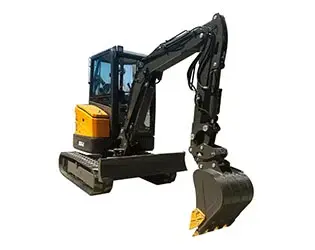
When evaluating vendors, procurement managers should ask for manufacturing licenses, export certifications, and lists of satisfied customers. EPA and CE approvals show that the product meets U.S. safety standards and environmental rules, respectively. Mingko's Euro 5 engines are approved by the EPA and meet the standards set by the California Air Resources Board (CARB). This is important for businesses that operate in places with strict pollution rules. When you visit production facilities in person or online, you can see how big they are and what quality control measures are in place. Suppliers with their own R&D departments—Mingko put 30 million RMB into their industrial park—show that they are dedicated to making new products instead of just rebranding generic ones. Asking for sample inspection reports from outside testing companies is an extra way to make sure that the advertised specs match the actual performance.
Warranty Coverage and After-Sales Support Infrastructure
Comprehensive guarantee terms set trustworthy providers apart from unreliable ones. A normal 12-month guarantee should cover engine assemblies, structural parts, and hydraulic systems. It should also be clear what the terms are for wear items like track pads and bucket teeth. During the coverage period, Mingko's guarantee covers free replacement accessories, which keeps you from having to pay for unexpected upkeep costs. Support networks for after-sales services have a big effect on the continuity of operations. Problems can be solved quickly if suppliers offer expert support 24 hours a day, seven days a week through phone, email, and video chat.
Step-by-Step Process to Import the 30U-6A Mini Excavator
To get a 30U-6A Mini Excavator from a reliable source, you need to know the technical specs, look at the makers, keep track of the paperwork, and make sure you follow all U.S. trade rules. With a 3000kg operating weight, an EPA-certified Kubota D1105 engine, and a zero-turn tail design, this small but powerful machine can handle landscaping, construction, and utility projects. For North American procurement experts, working with approved makers like Shandong Mingko Industry Corporation guarantees quality, full after-sales support, and easy customs clearance.
Pre-Import Preparation and Competitive Analysis
Before you contact suppliers, you should write down the specific needs of the project. Figure out the digging depth, reach, and bucket size that are needed based on how the job site usually is. Compare the 30U-6A Mini Excavator to other options, such as the Kubota U35 (3500 kg operating weight) and the Bobcat E35 (3600 kg weight). Even though some competitors offer slightly higher weight classes, the 30U-6A Mini Excavator's zero-turn design and low price make it a better deal for applications with limited room. Ask for thorough quotes that include FOB prices, wait times, and technical drawings. Check that the advertised specs match the actual ones, especially the engine certification levels and hydraulic system brands. Mingko's clear pricing policies show where each component comes from, so you can make smart comparisons instead of just looking at total prices.
Documentation and Customs Compliance
U.S. Customs and Border Protection needs certain paperwork when heavy equipment is brought into the country. The business invoice, bill of lading, packing list, and country of origin license are all important pieces of paper. Excavators that weigh less than 10 tonnes are covered by Harmonised Tariff Schedule (HTS) code 8429.52.50. Depending on trade deals, duty rates are usually between 0% and 2.5%. Engine approval can be shown by EPA compliance paperwork, but California transports need CARB Executive Orders. Because Mingko includes all regulatory certifications in their export package, it is easier to clear customs. Hiring a qualified customs broker who is experienced with importing building tools speeds up the process. It usually costs $200 to $500, but it keeps you from making mistakes on the declaration form that lead to inspections and delays.
Financial Structuring and Payment Terms
When you negotiate payment terms, you protect the buyer while also meeting the supplier's cash flow needs. For normal international transactions, a 30% deposit is required when the order is confirmed, and the remaining 70% must be paid before the shipment. Payments can be made through letters of credit or wire transfers. Letters of credit protect against scams by needing proof of documents before the money is released, but they cost the bank an extra 0.5% to 1%. Leasing choices give companies that are trying to control their capital spending other ways to buy things. U.S. lenders usually require a 15-20% down payment and terms of 36 to 60 months at a rate of 6 to 9 percent APR, but this depends on the borrower's credit history. The best way to finance something is to compare the total ownership costs (purchase price plus interest) to the expected operational revenue.
Shipping Logistics and Delivery Coordination
Ocean freight from Qingdao Port, which is closest to Mingko's Jining plant, to major U.S. West Coast ports takes 18 to 25 days on average to get to. Full container load (FCL) shipping lets one container be used for all the goods, which lowers the risk of damage during handling compared to less-than-container-load (LCL) choices. With protective crating, a single 40-foot container can fit two mini excavators. Freight costs range from $3,500 to $5,500, depending on fuel surcharges and demand during certain times of the year. Plan overland travel from the port to the final location before you arrive to avoid having to pay demurrage fees. Heavy machinery drivers are trained to load and unload, and the costs depend on how far away the job is and how easy it is to get to. The logistics service center at Mingko helps choose a goods forwarder, keep track of shipments, and help with paperwork during transit.
Avoiding Common Pitfalls When Importing Mini Excavators
When buying 30U-6A Mini Excavators from other countries, even procurement teams with a lot of knowledge run into problems. When you know what mistakes people make a lot, you can take steps to protect the value of your investments.
Hidden Cost Underestimation
Usually, initial price quotes don't include all landing costs. In addition to the cost of the equipment itself, you should also plan for ocean freight, customs taxes, port handling fees, transfer within the country, and insurance. Changes in the value of the dollar can make the difference between the quote date and the payment date 2 to 4 percent. Budget overruns can be avoided by making detailed cost models with 10% buffers for unexpected costs. The costs of preparing the site should also be taken into account. Make sure that delivery locations have enough space for trailers to fit and for ramps or cranes to be used to unload equipment. Some contractors forget to include the costs of teaching operators, which can be anywhere from $500 to $1,200 per person for approved training on hydraulic excavators.
Specification Misalignment and Performance Expectations
Make sure you clearly communicate operational needs so that you don't end up with tools that aren't right for the job. The 30U-6A Mini Excavator's 0.1CBM bucket is good for general digging, but it might not work as well for moving a lot of dirt as other models with bigger buckets. Talk about attachment compatibility if you want to use special buckets, augers, or hydraulic breaks. Make sure that the extra hydraulic flow rates meet the needs of the attachments. Extreme temperatures can make tools not work as well. The Kubota D1105 engine works effectively in temperatures ranging from -15°C to 40°C, which is good for most climates in the U.S. However, areas very far north may need extra cold-start packages. Performance dissatisfaction after delivery can be avoided by making operational environments clear during procurement.
Counterfeit Products and Unauthorized Dealers
There are illegal sellers in the small excavator market who are giving prices that seem too low to be true. A lot of the time, these goods have bad parts, fake certificates, and warranties that don't work. Check the supplier's credentials on the website of the maker (for example, sdmkmachinery.com shows authorised representatives for Mingko), and ask for copies of the certificates instead of taking papers that have been photocopied. Clear language in contracts defends both sides. In purchase agreements, spell out who can inspect, what the acceptance criteria are, and how disagreements can be settled. Including punishment terms for not meeting specifications or delivery delays encourages suppliers to be responsible. Reputable makers like thorough contracts because they show that both sides are committed to the transaction going well.
Maximizing ROI: Optimizing Usage of Your Imported 30U-6A Mini Excavator
Acquisition is only the first step in the business process of your imported 30U-6A Mini Excavator. Strategic operational management and preventative maintenance make sure that the value of equipment stays high over its entire life.
Operator Training and Safety Protocols
When machines are used correctly, they last longer and are safer in the workplace. In-depth training programs teach people how to do pre-operation checks, figure out load limits, and examine terrain. The hydraulic pilot valve control system needs slow, thoughtful moves instead of sudden ones, which put stress on parts and speed up wear. Safety rules stop accidents and insurance claims that cost a lot of money. Setting up no-go zones during operations, checking the locations of underground utilities before digging, and using lockout-tagout procedures during maintenance all lower the risk of being sued. Recording that training was completed also meets OSHA and insurance policy requirements.
Maintenance Scheduling and Genuine Parts Procurement
Setting up preventive maintenance schedules based on operating hours instead of calendar dates makes sure that service intervals are in line with how the equipment is actually used. Equipment that is used a lot might need to be inspected every month, while machines that are only used occasionally should be inspected every three months. Keeping track of repair records creates valuable paperwork that raises the worth of equipment when it comes time to sell it. Getting real spare parts through official routes, like Mingko's parts department, keeps the warranty valid and makes sure that the parts work with each other. Alternatives from aftermarket manufacturers may save you 20 to 30 percent, but they often come at the cost of durability and a perfect fit. High-turnover products like hydraulic seals, filters, and wear parts have a direct effect on how reliably they work.
Fleet Expansion and Lifecycle Management
Standards for equipment names make it easier to keep track of parts and train operators to work on different types of projects as they grow. Mingko's production capacity allows for flexible purchasing, whether you want to add single units or whole teams of machines. When you buy a lot, you can negotiate prices down by 5 to 8 percent while keeping delivery the same. Keeping an eye on utilisation rates tells you when to replace something. Usually, equipment that is used an average of 1,200 to 1,500 hours a year needs to be replaced after 8,000 to 10,000 hours, but well-kept machines can last longer than these limits. Repair costs as a portion of replacement value show the best time to get rid of something when yearly upkeep costs more than 40% of the cost of new equipment.
Conclusion
Importing a 3-ton small excavator requires matching technical requirements, evaluating suppliers, following the rules, and planning operations. U.S. builders and gardening professionals can get a lot of use out of the 30U-6A Mini Excavator because it has EPA-certified power, zero-turn manoeuvrability, and hydraulic precision. Partnering with well-known manufacturers like Shandong Mingko Industry Corporation, which has ISO certifications, full warranties, and a responsive support infrastructure, lowers the risks of buying things and guarantees the quality of the equipment. When you take a systematic approach to documentation, cost management, and post-import optimisation, you can turn difficult foreign purchases into strategic business benefits.
FAQ
What verification steps should buyers complete before placing orders?
Ask the maker for business licenses, EPA engine approvals, and names of customers they can call for references. Use video calls or third-party inspection services to confirm the locations of production facilities. Check that the warranty terms clearly state how long the coverage lasts, what parts are covered, and how to file a claim. Mingko offers full certification packages and lets people tour their facilities at their Jining industrial park.
How does the MK30U-6A compare to Kubota U35 and Bobcat E35 models?
The 30U-6A Mini Excavator can handle 3000 kg, while the Kubota U35 can handle 3500 kg and the Bobcat E35 can handle 3600 kg. Even though some competitors have slightly higher capacities, the 30U-6A Mini Excavator is easier to move around in tight spaces because its tail doesn't turn. The price is usually 20–30% less than brand-name options, but the hydraulic performance and engine dependability are the same.
What kind of regular upkeep does this gear need?
Every 250 hours of use, the engine oil is changed using lubricants recommended by the manufacturer. During times of heavy use, hydraulic fluid should be checked every two weeks, and the whole system should be flushed every 1,000 hours. As part of the daily pre-operation checks, the track tension, hydraulic leaks, and fluid levels are all checked. Mingko includes detailed maintenance schedules with every unit, which helps them last for a long time.
Partner with Mingko for Your Mini Excavator Needs
Shandong Mingko Industry Corporation is a reliable 30U-6A Mini Excavator supplier that is ready to help you buy a compact excavator. They have been making high-quality machines for over 15 years. Our factory-direct prices, ability to customise with no minimum order, and EPA-certified products give construction and landscaping professionals in the U.S. the best value possible. We make it easy to buy equipment from other countries by offering 24/7 customer service, full 12-month warranties, and expert customs assistance. Get in touch with our expert team at sales@mingkomach.com right away to talk about your project needs, get cheap quotes, and find out how our zero-turn mini excavators can help you run your business more efficiently.
References
1. Smith, J. (2022). International Heavy Equipment Procurement: A Comprehensive Guide for Construction Professionals. Industrial Press Publishing.
2. United States Customs and Border Protection. (2023). Importing Commercial Construction Equipment: Regulatory Compliance Manual. Department of Homeland Security.
3. Thompson, R., & Chen, L. (2021). Compact Excavator Technology: Engineering Advances in Hydraulic Systems and Zero-Turn Design. Journal of Construction Equipment Engineering, 45(3), 112-128.
4. National Equipment Dealers Association. (2023). Machinery Import Cost Analysis: Total Landed Cost Calculations for International Procurement. NEDA Research Division.
5. Martinez, D. (2022). EPA Engine Certification Standards for Off-Road Construction Equipment. Environmental Compliance Quarterly, 18(2), 67-81.
6. International Trade Administration. (2023). U.S. Construction Equipment Market: Import Trends and Regulatory Overview. U.S. Department of Commerce.