Micro Digger Applications in Landscaping and Small Site Excavation
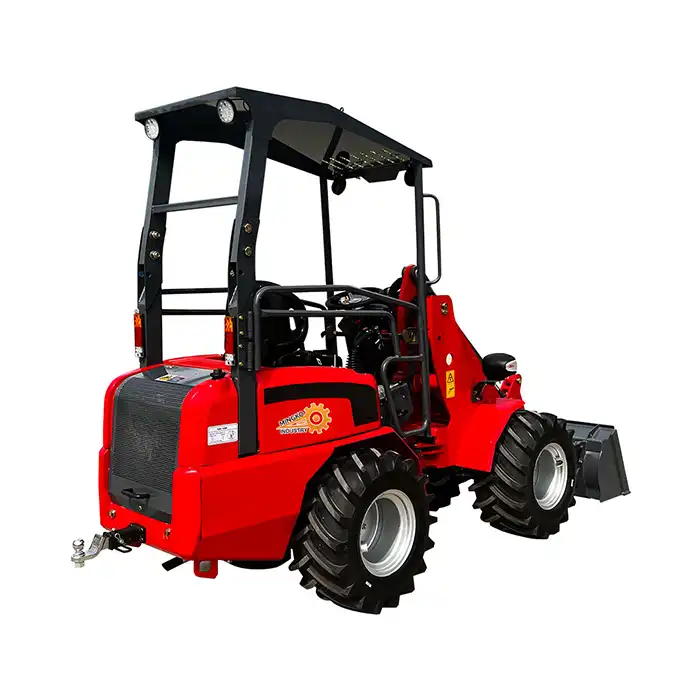
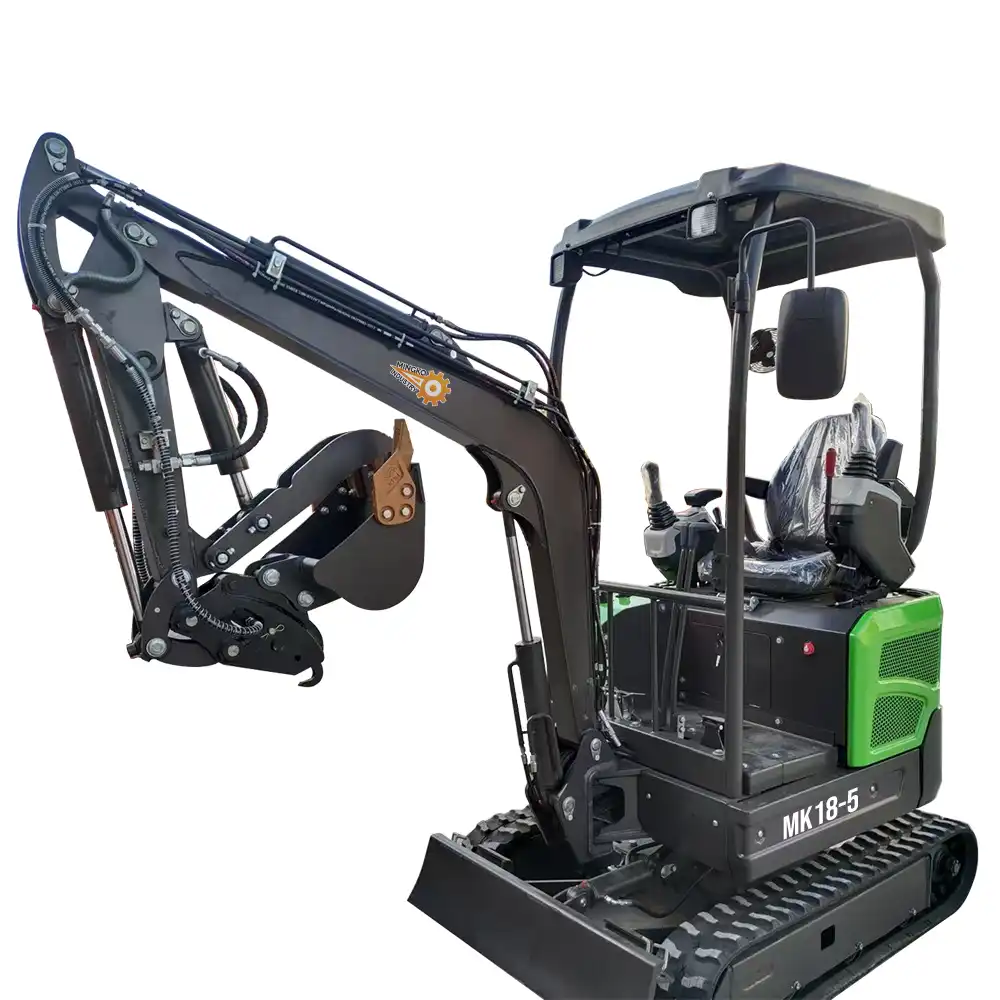
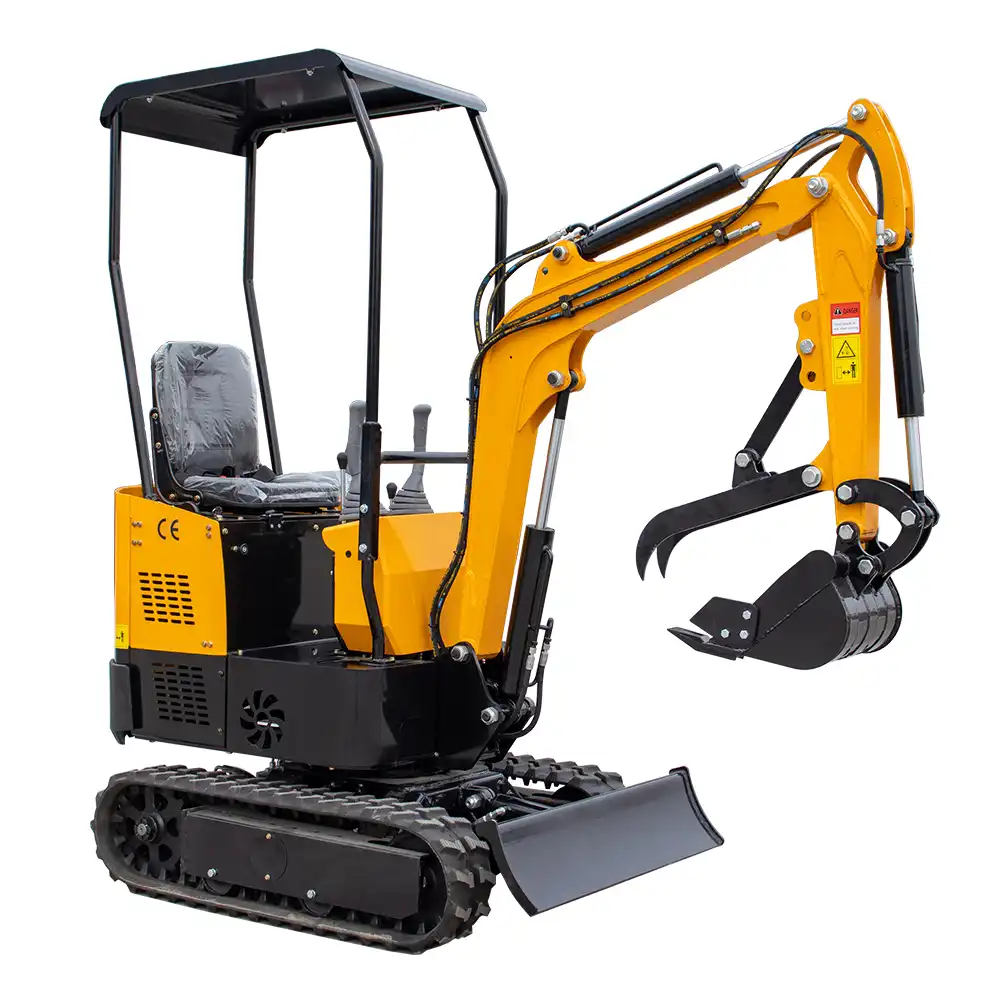
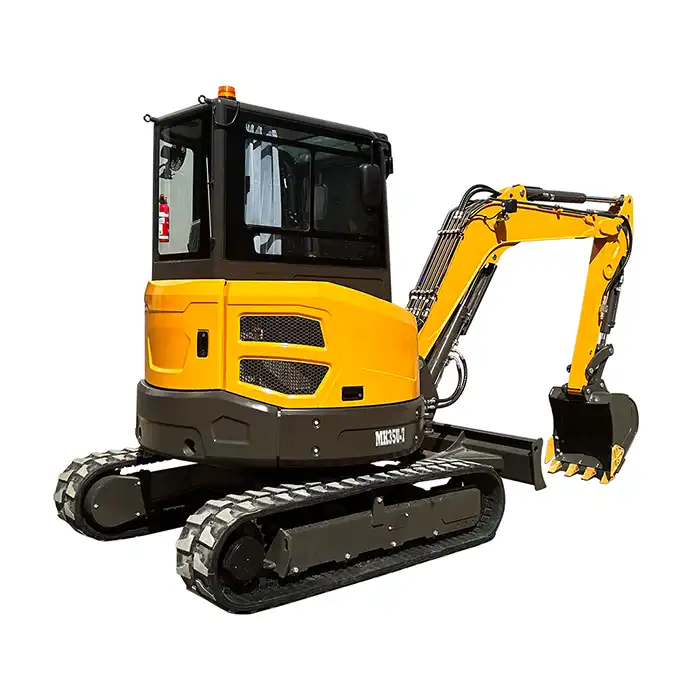
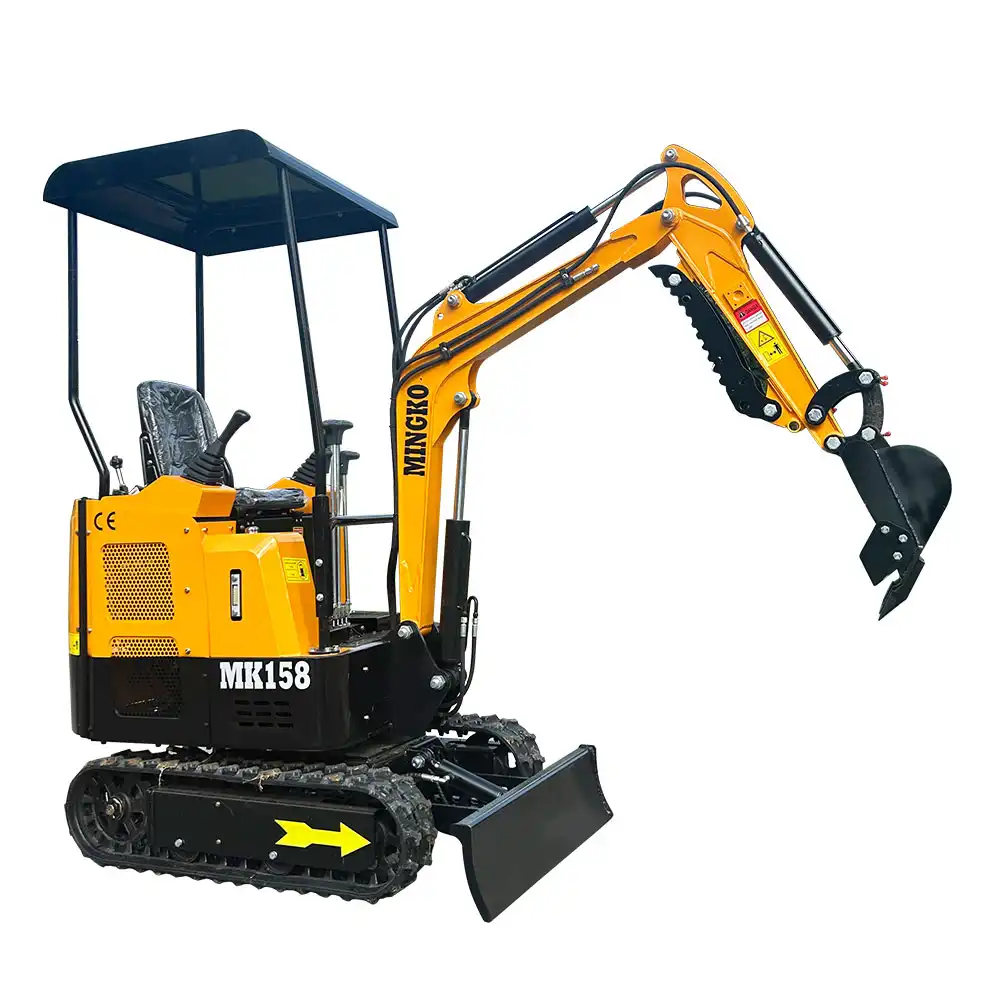
When it comes to landscaping and Micro Digger small site excavation projects, a Micro Digger stands out as one of the most versatile and efficient pieces of equipment available today. These compact earthmoving machines revolutionize how we approach tight-space construction, garden development, and precision excavation work. Their ability to navigate restricted areas while delivering powerful performance makes them indispensable for both professional contractors and property owners tackling various outdoor projects.
Understanding the Versatility of Compact Excavation Equipment
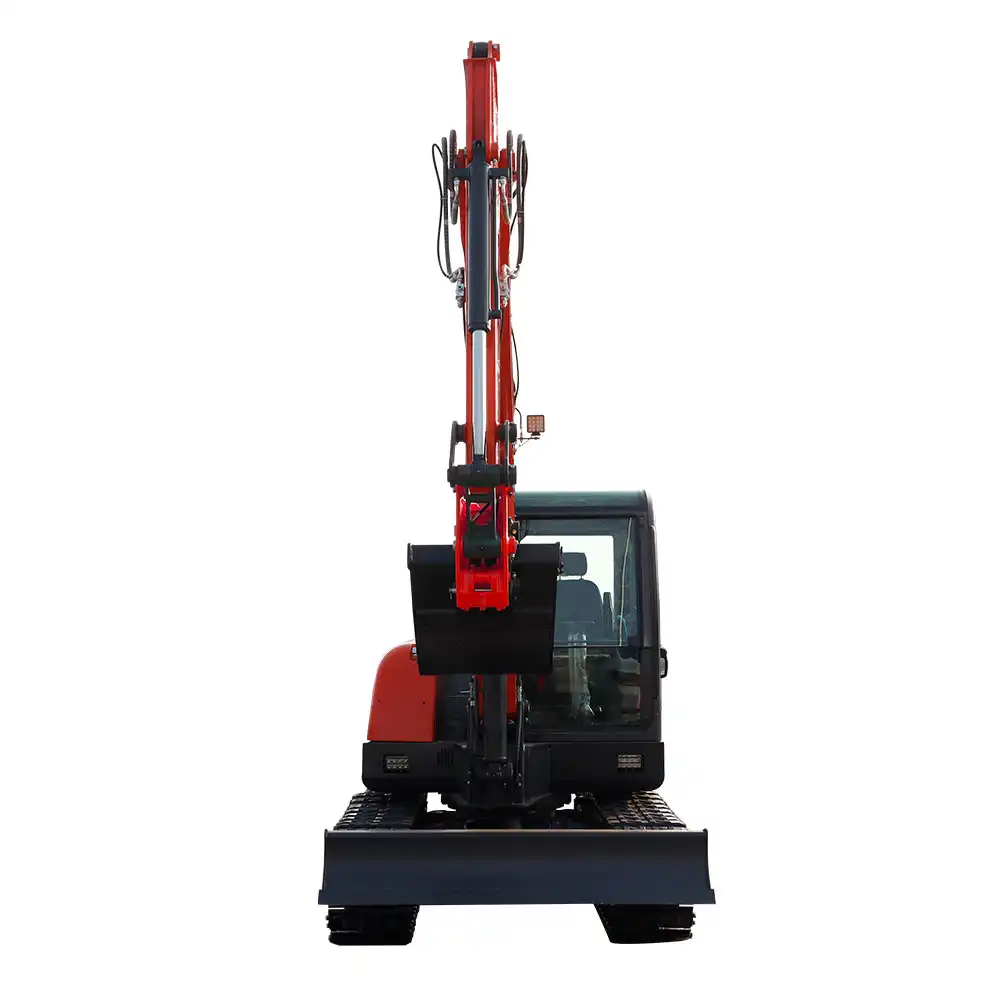
Precision and efficiency have become very important in modern building and real estate development. As someone who has seen this change happen over the last ten years, I can say with certainty that tiny excavators are now essential for small-scale digging jobs. These small construction tools are between heavy machinery and people working by hand. What makes these little diggers stand out is how well they can be used in different situations. When compared to their bigger peers, compact diggers can get to places where a lot of work would have to be done by hand or expensive changes would have to be made to the site. Simply making things easier to get to has changed how landscaping workers deal with difficult terrain. Micro excavators of today are made with technology that has changed a lot. Modern models have improved hydraulic systems that give them a lot of digging power for how small they are. Operators can now do difficult excavation jobs with more accuracy and speed thanks to this tech breakthrough.
Essential Applications in Professional Landscaping
Garden Renovation and Soil Preparation
Garden renovations are one of the most popular ways that compact earthmoving equipment is used. Getting rid of current plants, changing the shape of the land, and getting the soil ready for new plants are all common parts of these kinds of projects. It takes a lot longer to do these jobs by hand than it does with a mini building equipment unit. When working around mature trees or other delicate landscaping features, hydraulic excavators are very helpful because they allow for great accuracy. Without damaging the roots, operators can carefully dig around them, which would be very hard to do with bigger machines. Because of this, small site machinery is now the best choice for high-end residential landscaping jobs. When preparing soil for new gardens, it's important to keep the depth of the digging regular and use the same patterns each time. Modern small excavators are great for these jobs because they let gardeners make planting beds and drainage systems that are perfectly level. Operators can adapt to different soil conditions, and the project needs a micro digger without having to change the tools because they can switch between different bucket sizes.
Hardscape Installation and Foundation Work
For patios, walkways, retaining walls, and water features, hardscape projects need to be carefully dug out. For these jobs, accuracy is needed that cannot be achieved by digging by hand. For expert hardscape installations, controlled digging is what compact diggers are for. Another very important use is digging the bases for outdoor buildings like gazebos, storage sheds, and pool houses. Because they are small, these machines can be used in backyards without damaging the grass or making a lot of changes to the entry road. This mobility factor cuts project costs and delays by a large amount. When installing water features, tiny diggers are especially useful because they can be very precise. To make the complicated shapes and levels needed for ponds, streams, and fountains, you need tools that can make small changes without affecting the structure's strength. This amount of control is always available from small digging machines.
Drainage System Installation
Good drainage is an important part of any landscaping job that goes well. To put in French drains, catch basins, and underground drainage networks, you need to be able to dig exact trenches, which is easy for small construction equipment to do. Micro crawler excavators are great for digging drainage ditches because they don't get in the way of other parts of the landscape. This is especially useful in established areas where the plants that are already there need to be left alone. The precise control lets workers keep the trenches at the same depths and slopes, which is important for draining. Often, underground utility installation happens at the same time as drainage work. Mini Hydraulic Excavators can safely dig up old utilities to make room for new drainage systems. This two-in-one feature speeds up project finishing and cuts down on the need to rent multiple pieces of equipment.
Small Site Excavation Applications
Residential Construction Support
New home construction and additions frequently require excavation work in confined spaces. Basement excavations, foundation repairs, and utility connections all benefit from the maneuverability of compact earthmoving equipment. These machines can operate effectively in areas where larger excavators would cause property damage or require extensive access modifications. Site preparation for home additions presents unique challenges. Existing structures, mature landscaping, and underground utilities create complex operating environments. Small excavators navigate these challenges while providing the digging capability necessary for foundation work and utility installation. Septic system installation and repair represent common applications in residential settings. The precise digging capability of the micro digger ensures proper system placement while minimizing site disruption. This precision proves especially important in areas with strict environmental regulations or limited space for equipment operation.
Commercial Property Maintenance
Commercial properties frequently require ongoing maintenance that involves small-scale excavation work. Parking lot repairs, sidewalk installations, and landscape renovations all benefit from compact digger capabilities. The ability to complete these projects without major site disruptions helps maintain business operations. Restaurant and retail establishments often need utility upgrades or modifications. Mini construction equipment allows contractors to complete this work during off-hours with minimal noise and site disturbance. This consideration proves crucial for businesses that cannot afford operational interruptions. Property improvement projects like outdoor seating areas, loading dock modifications, or landscape enhancements require precise excavation work. Compact site machinery delivers the necessary capabilities while working within the constraints of active commercial environments.
Infrastructure Maintenance and Repair
Municipal and utility infrastructure requires ongoing maintenance that often involves small-scale excavation. Water line repairs, electrical conduit installation, and storm drain maintenance all benefit from compact digger capabilities. The precision and accessibility of these machines make them essential tools for infrastructure teams. Road shoulder repairs and culvert maintenance represent common applications for micro earthmovers. These projects require equipment that can work safely alongside traffic while delivering professional results. The compact size and maneuverability of mini diggers make them ideal for these challenging environments. Emergency repair situations often require rapid response capabilities. Compact construction machinery can quickly access problem areas and begin excavation work without the delays associated with larger equipment deployment. This rapid response capability proves crucial for minimizing infrastructure downtime.
Advantages of Using Micro Diggers in Specialized Applications
The operational benefits of compact excavation equipment extend beyond basic digging capabilities. Fuel efficiency represents a significant advantage, especially for projects with extended operational requirements. Modern Mini Excavators consume substantially less fuel than larger alternatives while maintaining impressive productivity levels. Reduced ground pressure distribution protects sensitive surfaces and existing landscaping. This characteristic proves especially valuable in residential applications where property preservation remains paramount. The ability to operate on finished surfaces without causing damage expands the range of possible applications significantly. Operator training requirements for small excavators prove less intensive than those for larger machinery. This accessibility allows smaller contractors to expand their service offerings without extensive equipment operator certification programs. The intuitive controls and responsive handling characteristics reduce the learning curve for new operators. Transportation advantages cannot be overlooked when considering project logistics. Compact diggers typically transport on standard trailers without special permits or escort requirements. This mobility advantage allows contractors to respond quickly to project opportunities and reduces overall operational costs.
Technical Considerations for Optimal Performance
Choosing the right attachments has a big effect on how well a project works and how good the results are. It is helpful for operators to know the pros and cons of each bucket arrangement so they can work more efficiently and accurately. The availability of specialised additions greatly increases the number of uses that can be made. Developing operating techniques is essential for getting the most out of tools. Knowing how the hydraulic system works, its limits on stability, and the best way to dig helps operators do their jobs faster and better, while also keeping tools from wearing out too quickly. You learn these skills through practice, but you can speed up the process with the right training. When maintenance is scheduled has a direct effect on how reliable the machinery is and how much it costs to run. Regular checks of the hydraulic system, adjustments to the track tension, and engine upkeep keep expensive breakdowns from happening and make the equipment last longer. Setting up routines for preventative maintenance is important for contractors who count on their equipment working well. Planning how to prepare a site affects both how productive it is and how safe it is. Knowing about the soil, utilities that are buried, and entry needs helps operators plan work sequences that get the job done quickly and safely. This part of planning often determines how well the whole project turns out.
Economic Impact and Project Efficiency
Cost analysis reveals significant advantages when a micro digger is used with compact excavation equipment for appropriate applications. Reduced labor requirements, faster project completion, and lower equipment operating costs combine to deliver improved project profitability. These economic benefits make mini diggers attractive investments for contractors across various market segments. Project timeline improvements result from the efficiency and precision capabilities of modern micro excavators. Tasks that previously required days of manual work can often be completed in hours with appropriate equipment. This time savings allows contractors to increase project volume and improve customer satisfaction. Quality improvements represent another economic benefit often overlooked in basic cost comparisons. The precision and consistency achievable with hydraulic excavators typically exceed manual excavation results. This quality advantage helps contractors build a reputation and secure repeat business opportunities. Equipment utilization rates for compact diggers often exceed those of larger machinery due to their versatility and accessibility. The ability to handle diverse project types with a single machine improves overall equipment return on investment. This versatility proves especially valuable for smaller contractors with limited equipment budgets.
Safety Considerations and Best Practices
When using any kind of excavation tools, it is still very important for operators to follow safety rules. Knowing the limits of stability, how to operate something correctly, and how to spot hazards can help keep things running smoothly and avoid accidents. Updates to safety training on a regular basis make sure that workers stay up to date on the latest regulations and best practices. Safety concerns at a construction site go beyond protecting workers; they also include protecting property and making sure bystanders are safe. Setting up safe work areas, finding underground utilities, and following clear communication rules can help stop accidents that could lead to expensive injury or damage claims. Routine inspections of equipment find possible safety risks before they become big problems. Checking the hydraulic systems, structural parts, and safety devices on a regular basis helps keep the tools safe to use. These checks also help find maintenance issues before they cause technology to break down. Environmental concerns are becoming more and more important in planning and carrying out mining projects. Contractors can protect natural resources and avoid breaking the rules by learning about the risks of soil contamination, wetland laws, and erosion control requirements. Following environmental rules keeps workers and property owners from having to deal with legal problems.
Conclusion
The applications for micro diggers in landscaping and small site excavation continue expanding as technology advances and industry recognition grows. These versatile machines provide the perfect balance of power, precision, and accessibility for projects that fall between manual labor and large-scale excavation requirements. Understanding their capabilities and limitations helps contractors make informed decisions about equipment selection and project planning. The economic benefits, combined with improved project quality and timeline advantages, make compact excavators valuable investments for businesses across various market segments. As the construction and landscaping industries continue evolving toward efficiency and precision, micro diggers will undoubtedly play increasingly important roles in project success.
FAQ
1. What size projects are best suited for micro diggers?
Micro diggers excel in projects requiring excavation depths up to 8-10 feet with working areas ranging from tight residential spaces to small commercial sites. They prove most effective for projects involving 10-500 cubic yards of excavation where precision and site access present challenges for larger equipment.
2. How do operating costs compare between micro diggers and manual excavation?
Operating costs for micro diggers typically prove 40-60% lower than equivalent manual excavation projects when considering labor, time, and quality factors. While initial equipment costs exist, the productivity gains and reduced labor requirements usually justify the investment within the first few projects.
3. What training requirements exist for micro digger operators?
Most jurisdictions require basic heavy equipment operator certification, which typically involves 20-40 hours of training and testing. Many operators can achieve competency within one week of dedicated training, making micro diggers accessible for contractors looking to expand service capabilities.
4. Can micro diggers work effectively in wet or challenging soil conditions?
Modern micro excavators handle various soil conditions effectively, including clay, sandy soils, and moderately wet conditions. Track-mounted units provide superior stability and traction compared to wheeled alternatives. However, extremely wet or unstable conditions may require specialized tracks or operational modifications.
Partner with Meeko for Your Micro Digger Requirements
Meeko stands ready to provide professional-grade micro digger solutions tailored to your specific landscaping and excavation requirements. Our experienced team understands the unique challenges facing contractors and property developers in today's competitive marketplace. With factory-direct pricing and comprehensive support services, we deliver exceptional value for businesses seeking reliable compact excavation equipment. Contact our sales team at Mingkomach.com">sales@mingkomach.com to explore how our micro digger manufacturer expertise can enhance your operational capabilities and project outcomes.
References
1. Smith, Robert J. "Compact Excavation Equipment in Modern Landscaping: A Technical Analysis." Journal of Landscape Construction Technology, Vol. 45, No. 3, 2023, pp. 112-127.
2. Anderson, Maria K. "Economic Impact Assessment of Mini Excavators in Residential Construction Projects." Construction Equipment Quarterly, Issue 2, 2024, pp. 34-48.
3. Thompson, David L. "Safety Protocols and Best Practices for Micro Digger Operations in Confined Spaces." Heavy Equipment Safety Review, Vol. 18, No. 4, 2023, pp. 89-103.
4. Williams, Sarah A. "Hydraulic System Advances in Compact Earthmoving Equipment: Performance and Efficiency Gains." International Journal of Construction Machinery, Vol. 32, No. 1, 2024, pp. 67-82.
5. Johnson, Michael R. "Environmental Considerations in Small-Scale Excavation Projects: Regulatory Compliance and Best Practices." Environmental Construction Management, Vol. 12, No. 2, 2023, pp. 156-171.
6. Brown, Jennifer L. "Attachment Versatility and Application Expansion in Mini Excavator Technology." Equipment Innovation Today, Vol. 29, No. 3, 2024, pp. 45-59.