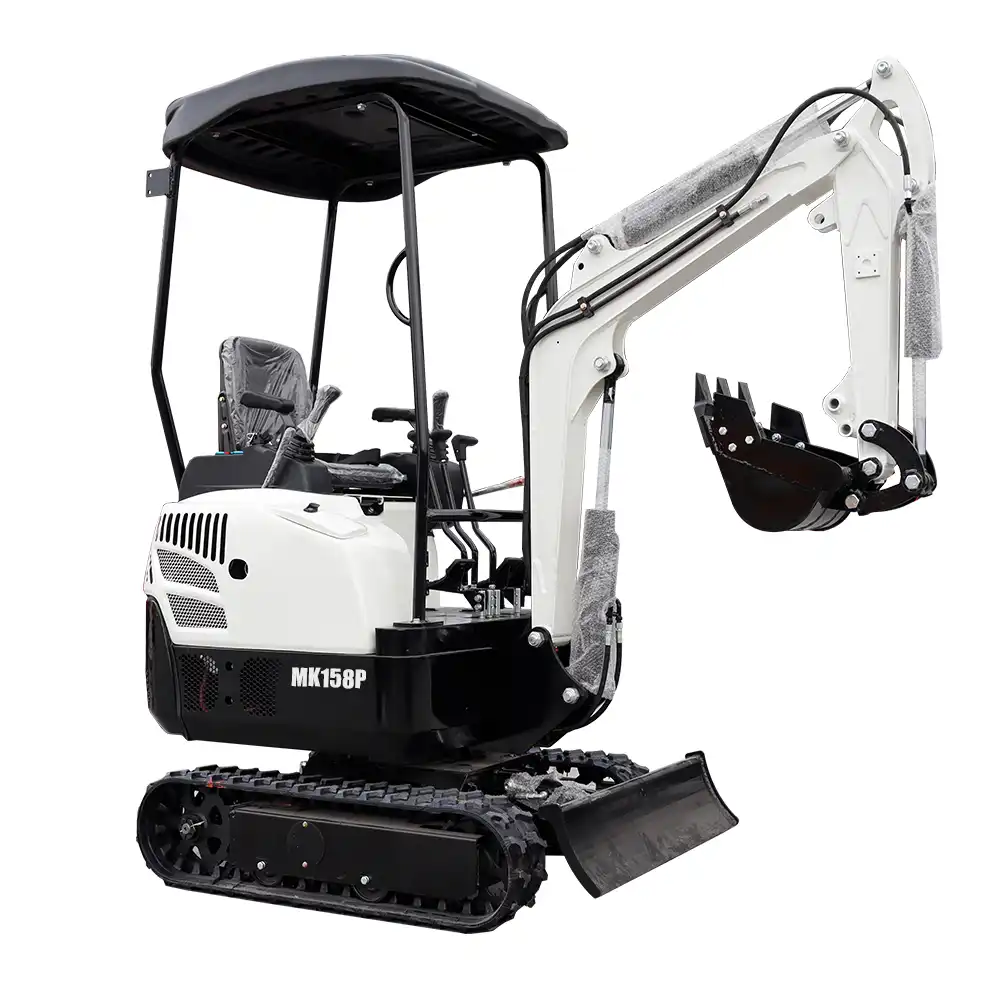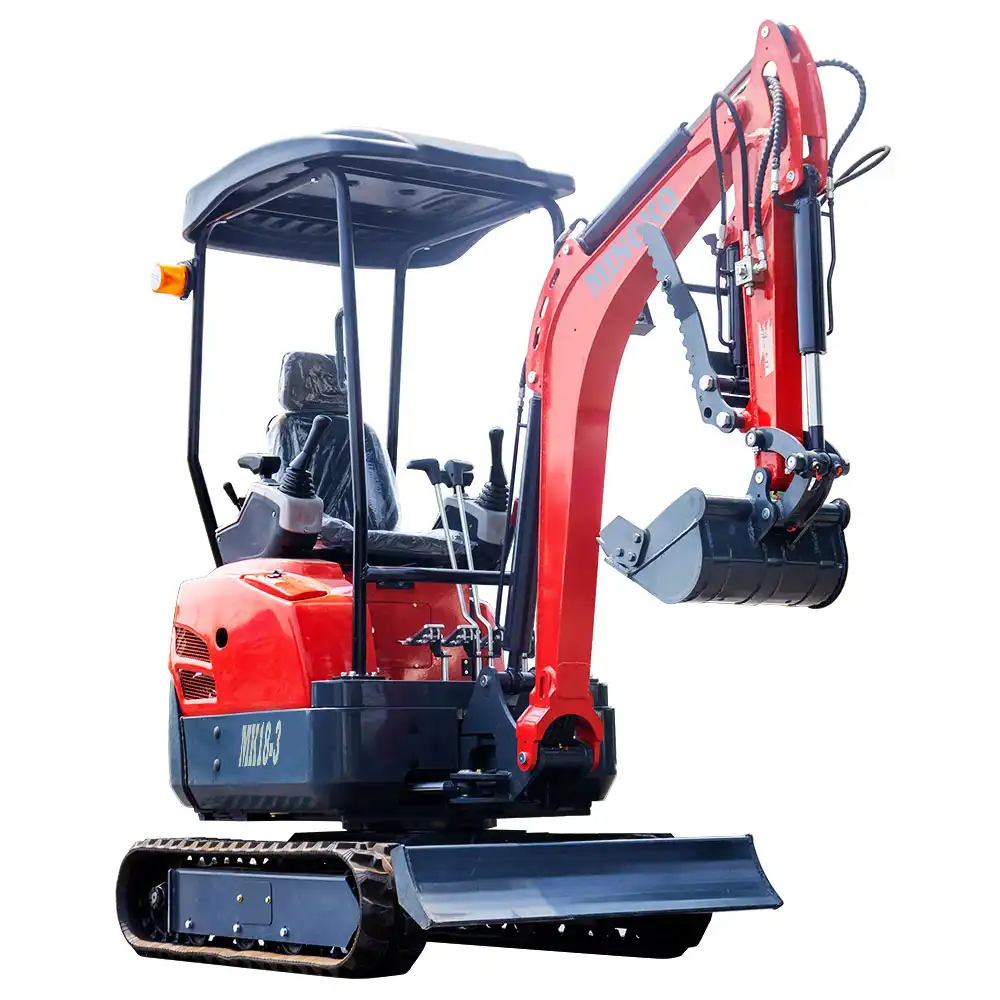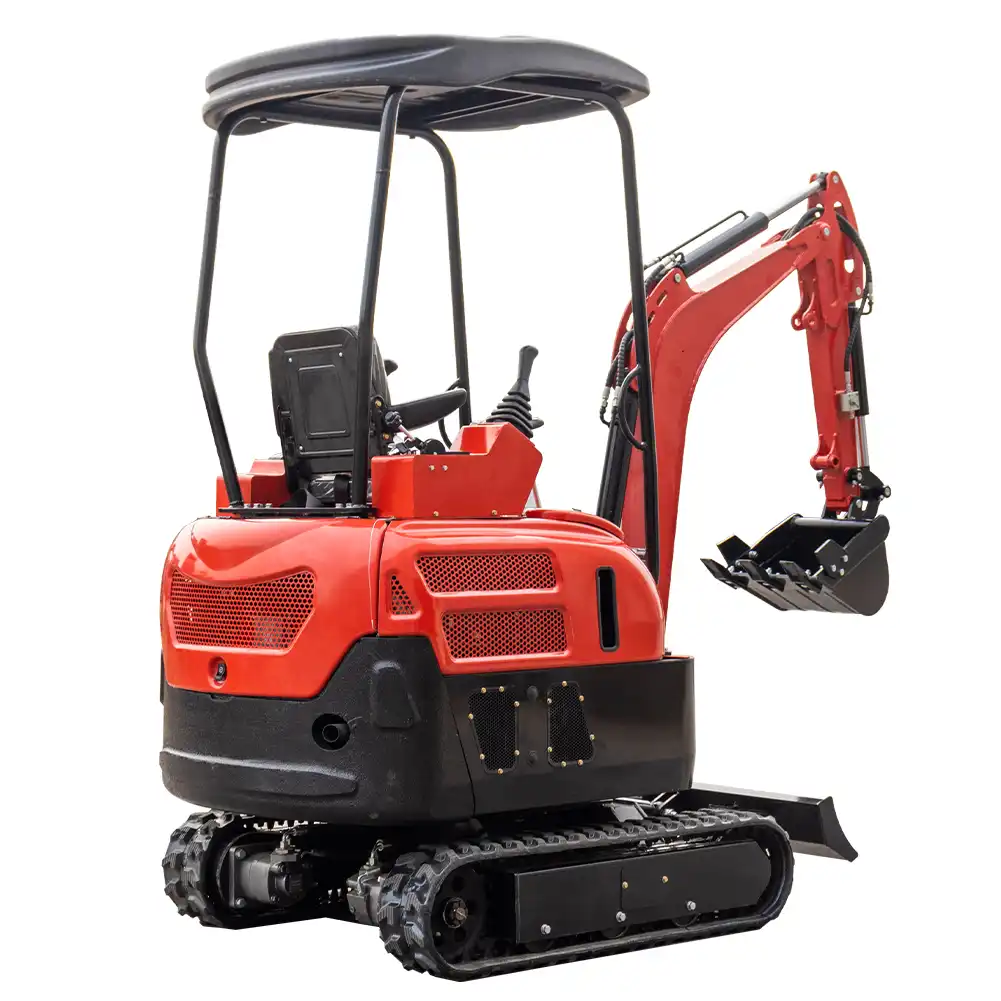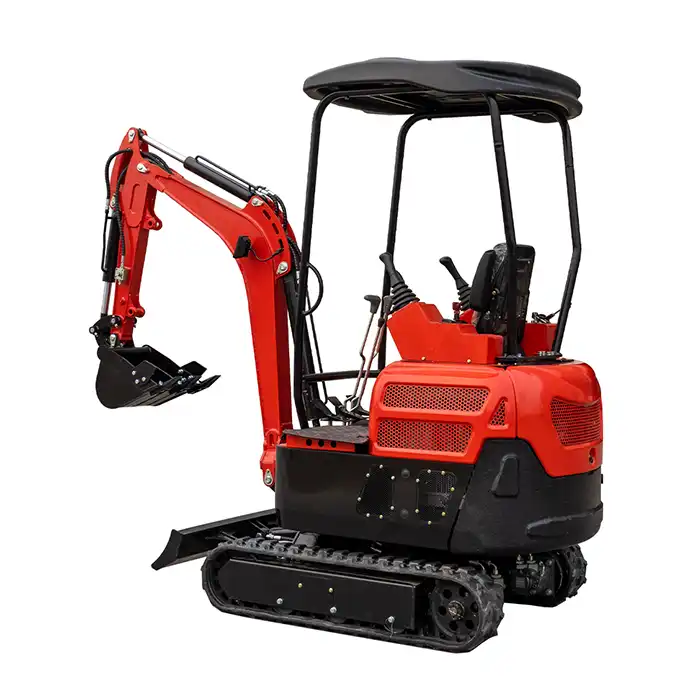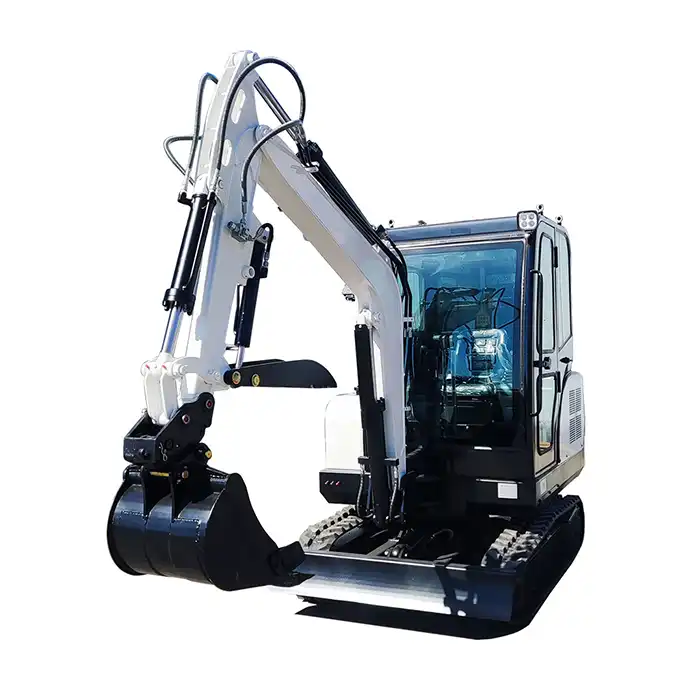
Mini Bagger Excavator Price Trends and Purchase Advice 2026
The global small bagger excavator market is still growing at a speed that has never been seen before. Prices are changing all the time because of new technologies, changes in the supply chain, Mini Bagger Excavator, and differences in regional demand. Construction companies, contractors, and equipment sellers need to know about these trends in compact excavator prices in order to plan their investments for 2026. New technologies and environmentally friendly manufacturing methods are changing the prices of all earthmoving equipment.
Global Price Breakdown Analysis
Minimum Order Quantities and Volume Discounts
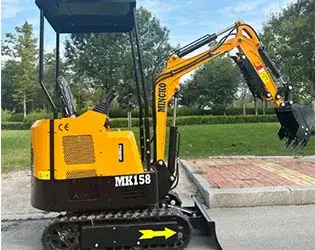
Most well-known companies that make earthmoving equipment need minimum order quantities (MOQs) of 5 to 20 units for basic models. Volume prices usually start at 10 units and offer savings of 3–8%. Orders of 50 or more units can get discounts of 12 to 18%. This is especially helpful for equipment hire companies and big contractors who are adding more portable excavators to their fleets. Seasonal trends of buying have a big effect on discount structures. Manufacturers often offer bigger discounts during slower times, like October through February, in markets in the Northern Hemisphere. Smart buyers use these timing benefits to Mini Bagger Excavator to get the most out of their investments in construction mini machines.
Key Factors Influencing Pricing Dynamics
Raw Material Costs and Manufacturing Variables
The main thing that affects the cost of digger attachments and structural parts is still the price of steel. Recent changes in the iron ore market caused changes in the prices of base materials of 15 to 25 percent throughout 2024. The prices of hydraulic parts depend on how readily available semiconductors are around the world. Supply chain problems can be especially bad for electrical control systems. Labour costs vary a lot from one manufacturing area to another. Chinese production areas stay ahead by investing in automation and having a lot of skilled workers available. Higher labour standards and more modern manufacturing technologies in Europe make facilities there more expensive. These differences between regions have a direct effect on how small building equipment is priced in the end.
Currency Exchange Rate Impacts
When the exchange rate changes, prices for goods bought by people in other countries can change a lot. To lower these risks, buyers are using forward contracts and currency hedging techniques more and more. The policies of central banks and economic data continue to have an effect on the stability of the exchange rate. Import prices for Mini Bagger Excavator equipment are always uncertain because of things like trade talks, political events, and inflation rates in major countries.
Regional Price Comparisons
Asian Manufacturing Advantages
Asian manufacturers, especially those from China and Japan, can keep their prices low thanks to integrated supply lines and economies of scale in production. Chinese companies that make compact crawler excavators have reasonable prices and are always improving their quality standards and technological abilities. Japanese companies make cars for high-end customers, putting a lot of emphasis on dependability, fuel economy, and high-tech hydraulic systems. Their small-scale mining equipment, Mini Bagger Excavator, costs 20–35% more than similar equipment on the market, but it lasts longer and costs less to run.
European Premium Positioning
European makers target high-end markets by providing advanced features for operator comfort, complex electronic controls, and extensive service networks. Their equipment for preparing sites usually costs 30–50% more than Asian options, but it is more productive and needs less upkeep. German and Italian companies are the best at making specialised machines that need fine hydraulic control and high-quality construction. Their remote control tractor systems often use cutting-edge technology, which is why they cost more to buy.
North American Market Dynamics
Manufacturers in North America focus on making products that last, are practical to use, and comply with regulations. Their Mini Bagger Excavator bucket systems and attachment compatibility receive significant attention, creating value propositions that go beyond the initial purchase price. Being close to major construction markets helps streamline logistics and speeds up access to replacement parts. However, due to higher production costs, these products usually cost 25–40% more than imported alternatives.
Optimization Strategies for Best Pricing
Supplier Negotiation Techniques
To negotiate well, you need to know how manufacturers set their prices and how they place their products in the market. When you build long-term ties with Skid Steer Loader suppliers, you can often get better prices than when you just buy from them once. By signing multi-year buying agreements, you can show your commitment and get big discounts. Negotiations that happen around the end of a manufacturer's fiscal year, which for many Asian sources is usually in March or December, usually lead to good results. During these times, manufacturers often offer better terms to meet their yearly sales goals.
OEM and ODM Customization Benefits
Integrating Mini Bagger Excavator into Original Equipment Manufacturer (OEM) relationships lets buyers be very specific about what they need while removing the need for dealers to add a markup. For small extra prices, you can get different paint jobs, different hydraulic configurations, and different attachment mounting systems. When a buyer needs a certain feature, Original Design Manufacturer partnerships give them even more options. These deals are especially good for hire companies and specialised contractors whose fleets of earthmoving equipment need to have certain features.
2026 Price Forecast and Market Outlook
Technology-Driven Cost Evolution
Electrification trends are reshaping compact excavator manufacturing, Mini Bagger Excavator costs, and pricing structures. Electric powertrains initially command 25-40% premiums but offer substantially reduced operating costs over equipment lifecycles. Battery technology improvements and scale production effects should narrow this price gap throughout 2026. Autonomous operation capabilities are becoming standard features rather than premium options.
Supply Chain Stabilization
Global supply chain disruptions that plagued 2022-2024 are gradually resolving, leading to more predictable pricing patterns. Component availability improvements should reduce lead times from the current 12-16 weeks to more typical 6-8 week delivery schedules. Raw material price volatility is expected to moderate as mining operations expand capacity and recycling systems mature. Steel price fluctuations should narrow to 8-12% ranges compared to the recent 20-25% swings.
Conclusion
The mini bagger excavator market enters 2026 with cautious optimism as supply chain disruptions stabilize and technological innovations mature. Price trends indicate modest increases of 3-7% annually, primarily driven by advanced emission controls and electrification technologies. Smart buyers who understand regional manufacturing advantages, optimize their purchasing timing, and build strategic supplier relationships will achieve the best value propositions. Regional price differentials remain significant, with Asian manufacturers maintaining cost leadership while European and North American producers focus on premium segments. Exchange rate management and total cost of ownership calculations become increasingly important as equipment becomes more sophisticated and service requirements evolve.
FAQ
1. What affects mini bagger excavator pricing most significantly?
Raw material costs, particularly steel pricing, represent the largest cost component affecting final prices. Exchange rate fluctuations, manufacturing labor costs, and regulatory compliance requirements also substantially impact pricing structures. Seasonal demand patterns and supply chain efficiency contribute additional variability to market pricing.
2. How do regional manufacturers compare in terms of value proposition?
Asian manufacturers excel in cost-effectiveness and rapid innovation adoption, offering competitive pricing with improved quality standards. European manufacturers provide premium features, superior build quality, and comprehensive service networks, justifying higher prices. North American producers emphasize durability, regulatory compliance, and parts availability for demanding applications.
3. What hidden costs should buyers consider when importing equipment?
Ocean freight, customs duties, insurance, and port handling fees typically add 25-40% to factory pricing. Currency exchange risks, financing costs, and destination delivery expenses require careful planning. Spare parts inventory, operator training, and warranty service arrangements also impact total ownership costs significantly.
4. When is the best time to purchase equipment for optimal pricing?
Manufacturer fiscal year-ends, typically December and March, often provide enhanced negotiating opportunities. Seasonal slowdowns between October and February frequently yield better pricing and terms. Economic cycles, exchange rate trends, and supply chain conditions also influence optimal purchasing timing.
Partner with Meeko for Superior Mini Bagger Excavator Solutions
Meeko stands as your trusted mini bagger excavator supplier, delivering exceptional value through our comprehensive manufacturing capabilities and customer-focused approach. Our Shandong facility spans over 50,000 square meters with advanced production lines capable of manufacturing 15,000 units annually, ensuring reliable supply chain management and competitive pricing structures.
With more than 15 years of manufacturing Mini Bagger Excavator expertise, Meeko offers factory-direct pricing that eliminates middleman markups while maintaining ISO 9001 certified quality standards. Our engineering team provides customization services starting from single-unit orders, allowing buyers to specify exact requirements for their compact excavator applications. The comprehensive product range covers 1-8 ton capacity models with hydraulic systems designed for maximum efficiency and durability.
Our customer support extends beyond initial purchase through 24/7 technical assistance and comprehensive warranty coverage. The dedicated sales team at Mingkomach.com" target="_blank">sales@mingkomach.com provides detailed quotations, technical specifications, and logistics coordination for seamless international shipping. Contact Meeko today to discover how our advanced manufacturing capabilities and customer-centric approach can optimize your equipment acquisition strategy.
References
1. International Construction Equipment Market Analysis Report 2024, Global Industry Research Institute
2. Compact Excavator Technology Trends and Price Forecasting Study, Earthmoving Equipment Quarterly Journal
3. Supply Chain Impact Assessment on Construction Machinery Pricing, Manufacturing Economics Review
4. Regional Manufacturing Cost Analysis for Heavy Equipment Industry, Industrial Development Research Council
5. Construction Equipment Import-Export Trade Statistics Annual Report, International Trade Commission
6. Hydraulic Excavator Market Segmentation and Pricing Strategy Analysis, Construction Machinery Business Intelligence