Mini Excavator 3.5 Ton Specs, Load Capacity, and Applications Guide
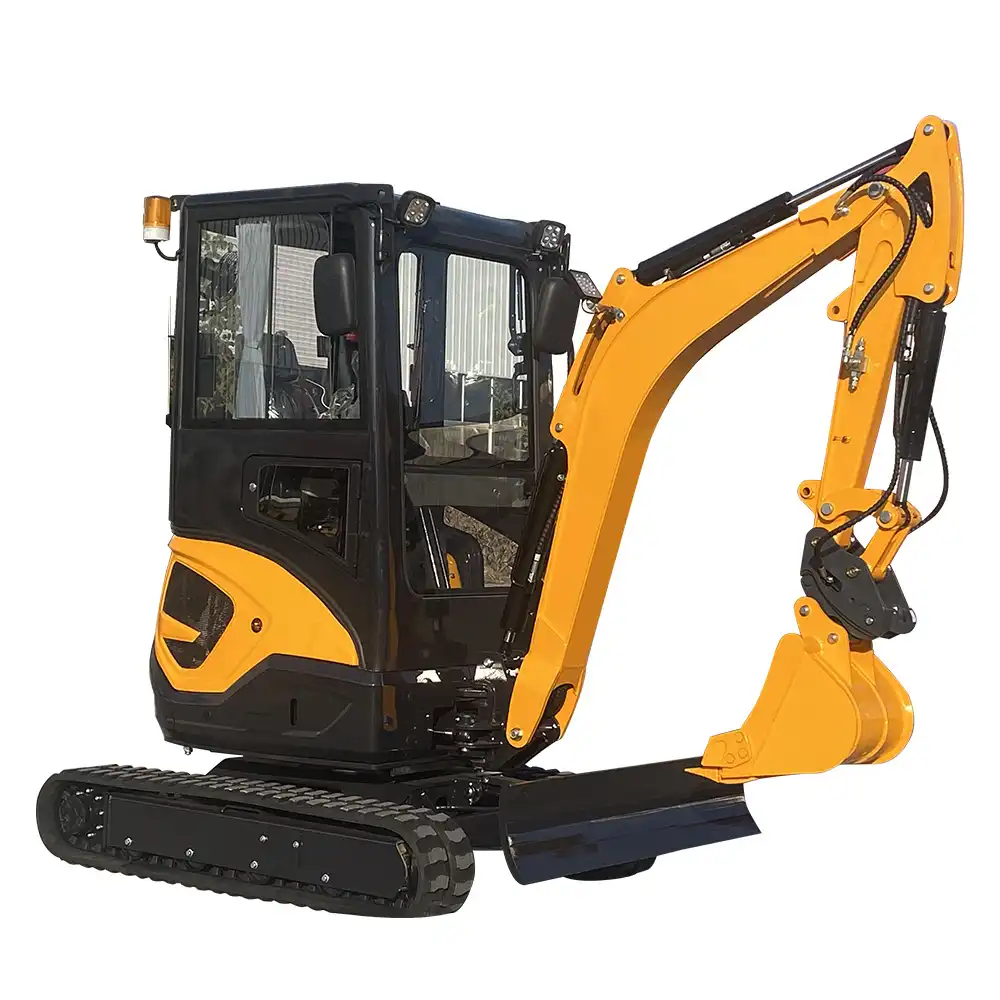
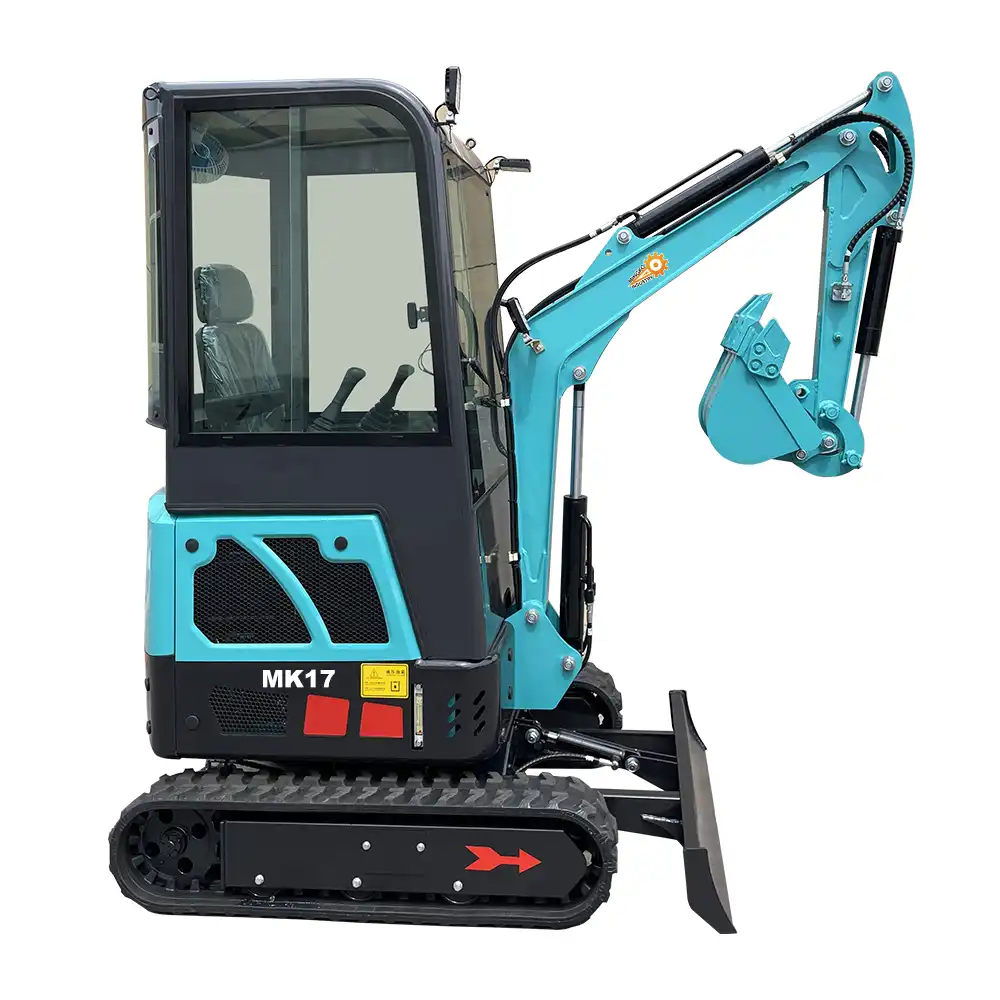
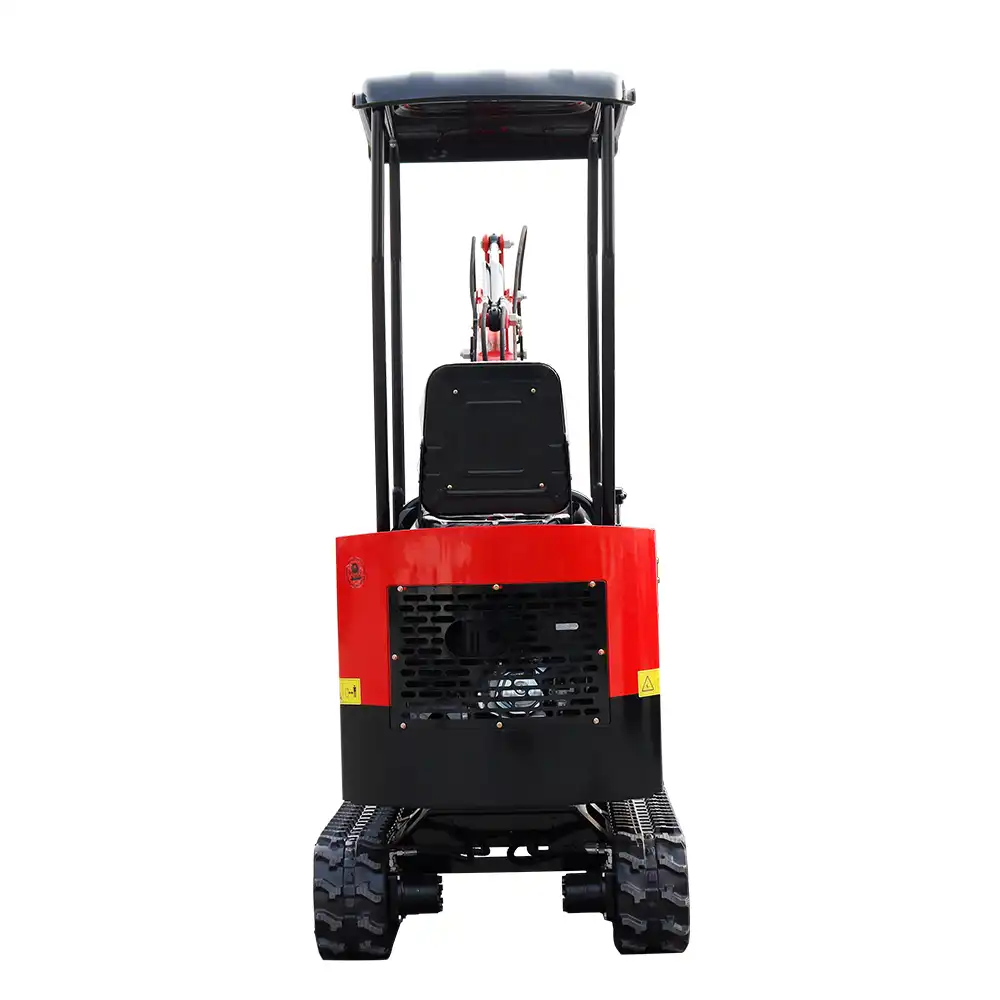
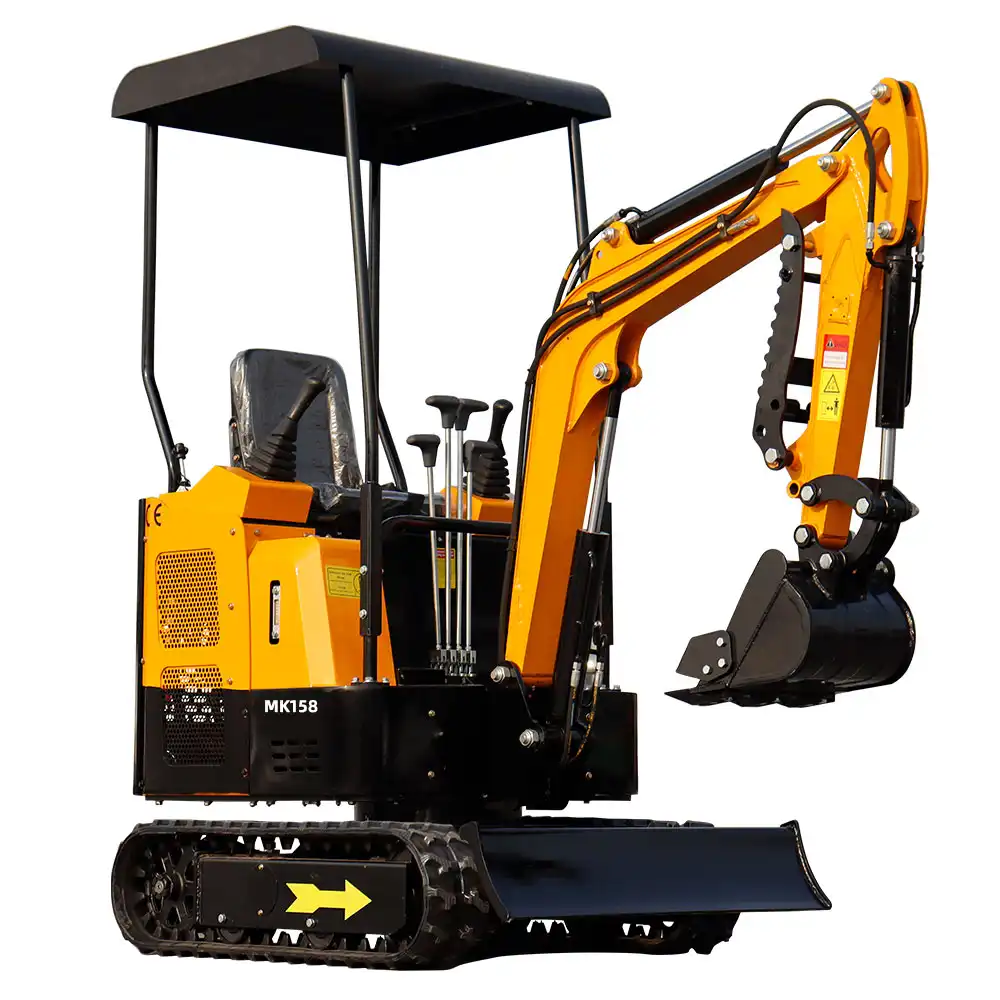
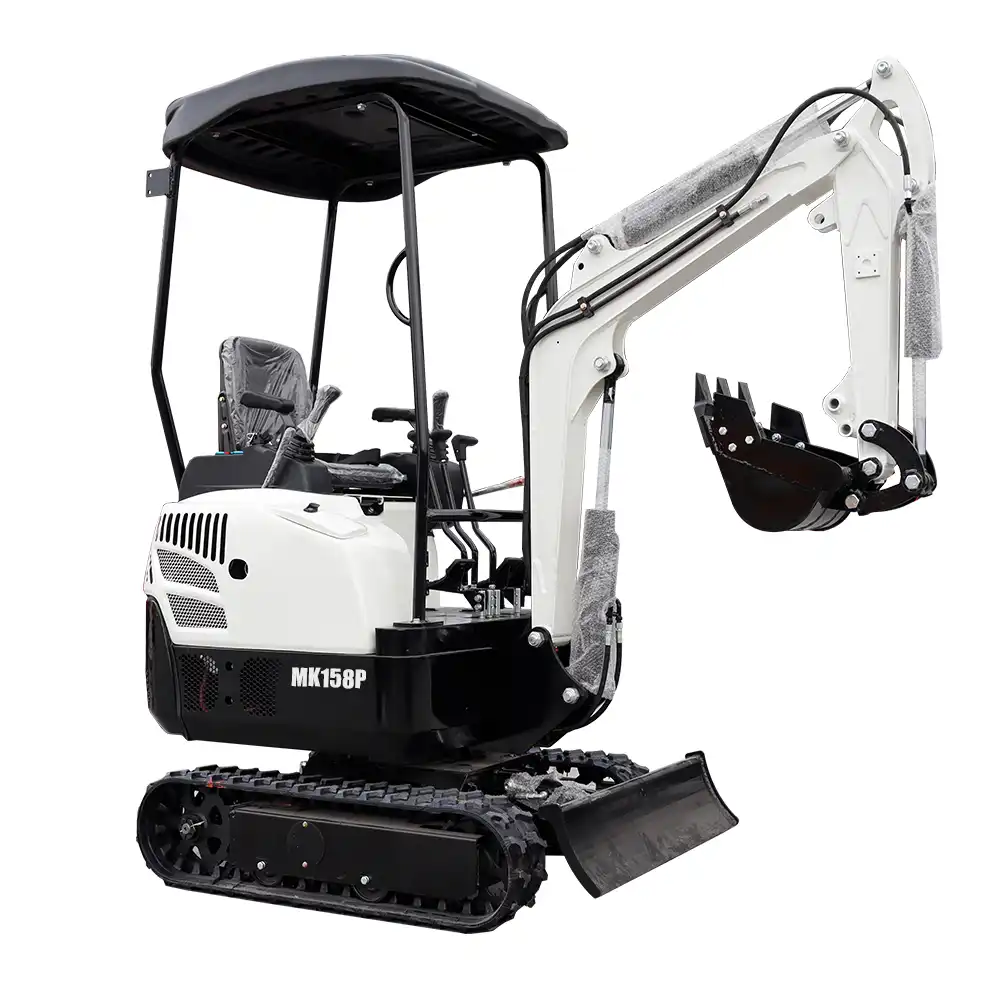
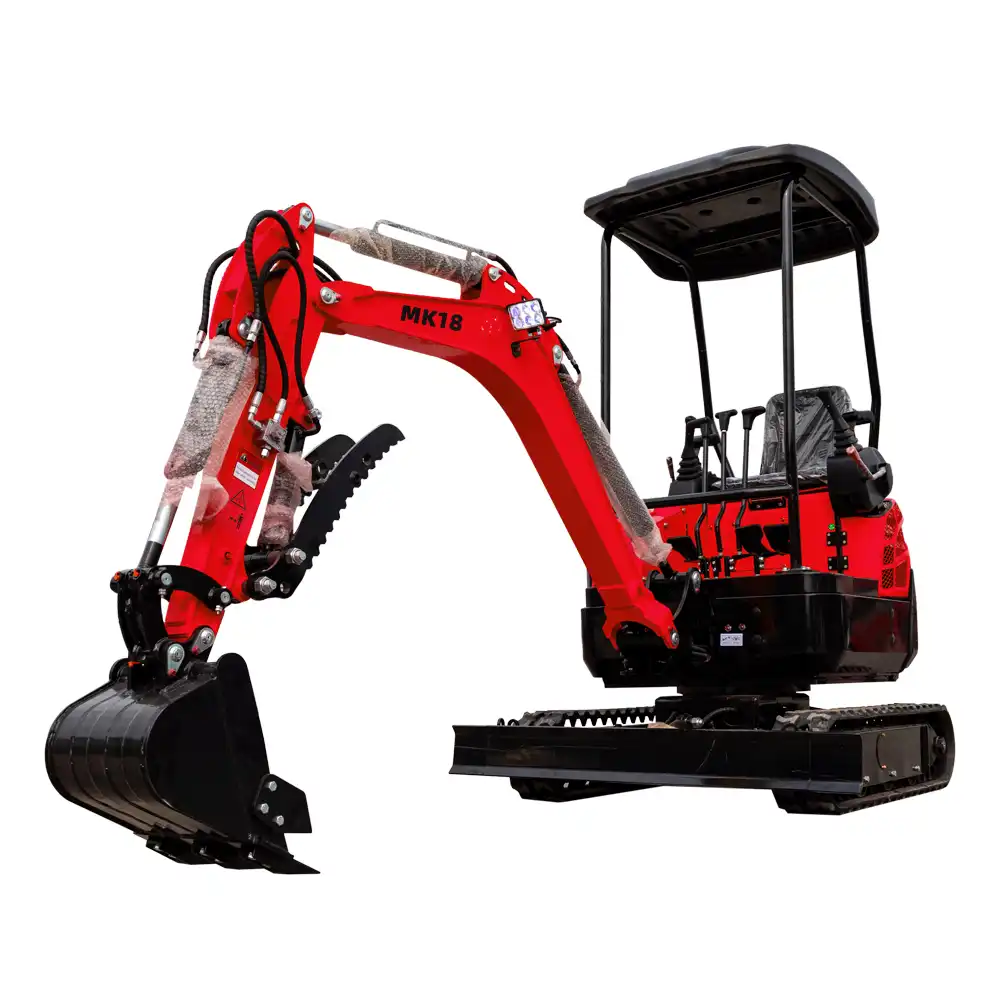
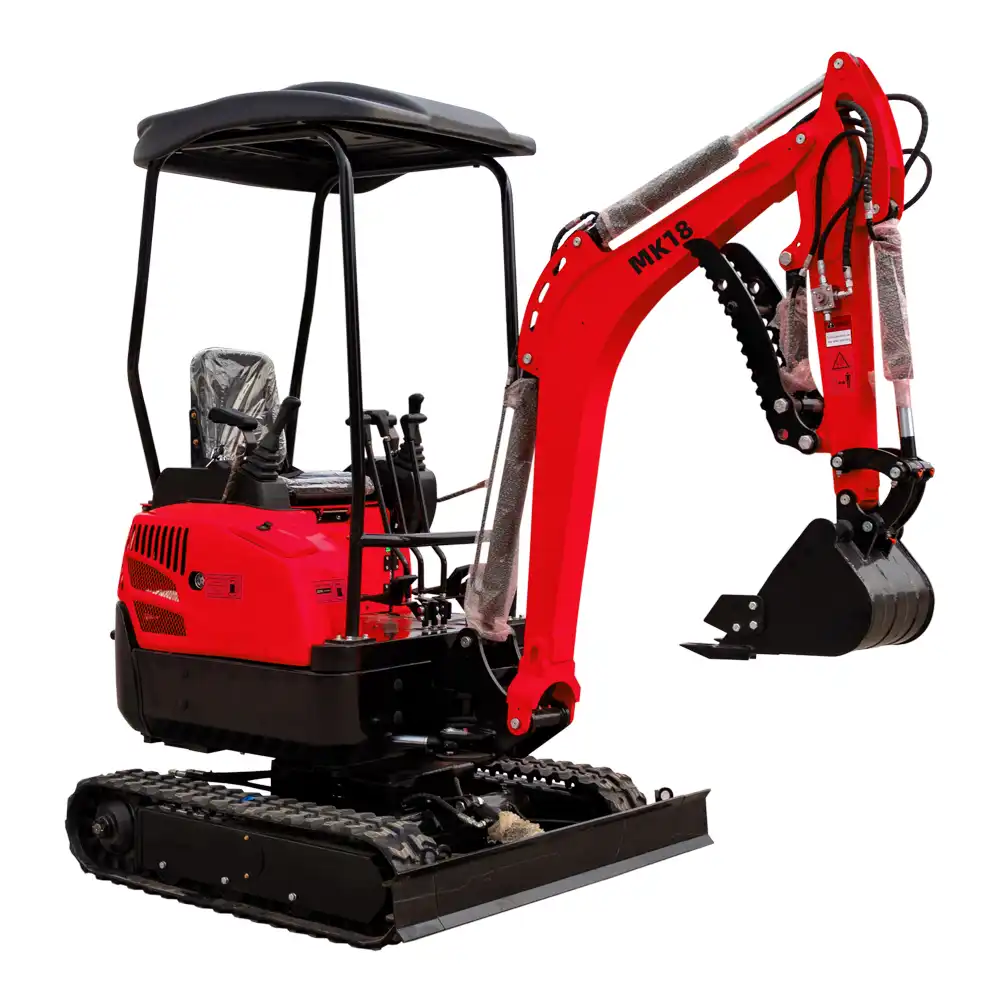
A Mini Excavator 3.5 Ton represents the perfect balance between power and portability in compact construction machinery. These versatile earthmoving machines typically feature operating weights around 3,500-3,800 kg, bucket capacities of 0.12-0.15 m³, and maximum digging depths reaching 3,200mm. Modern 3.5-ton compact excavators deliver exceptional performance across construction sites, landscaping projects, and utility installations while maintaining the maneuverability essential for confined workspace operations.
Understanding 3.5 Ton Compact Excavator Specifications
The technical details of a 3.5-ton hydraulic excavator tell you what it can do and whether it's right for a job. Modern excavators in this weight range usually have engines that are Euro 5 or EPA-compliant and make 18 to 25 horsepower. The Kubota D1703 engine is still a popular choice because it gets 18.2kW of power while using little fuel. Operating weight is a very important specification because it affects ground pressure and transport needs immediately. Most 3.5-ton models keep the ground pressure below 35 kPa, which means they can be used on delicate surfaces without doing too much harm.
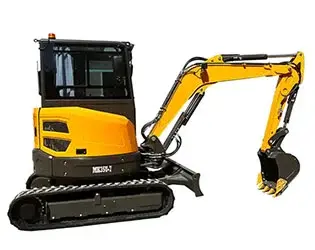
The width of the track is usually 300 mm, which makes it stable during drilling while keeping the size small enough for use on urban job sites. In high-end types, the hydraulic system pressure goes up to 22.5 MPa, which makes for strong digging forces. The most force that a bucket can exert is usually between 28 and 32 kN, and the most force that an arm can exert is between 18 and 20 kN. These specs make it possible to dig effectively in a range of soil types, from loose dirt to tightly packed clay.
The working range is greatly affected by the size of the boom and arm. It comes with arms that are 1,400 mm long and a boom that is 2,535 mm long. This setup allows for maximum digging depths of more than 3,200 mm and a working radius of more than 5,400 mm. Zero-tail swing designs make it easier to move around in small areas because there is no need to worry about the back overhanging when turning.
Load Capacity and Performance Capabilities
The term "load capacity" refers to more than just the amount of a bucket. With a standard bucket size of 0.12 m³, the machine is stable and productive at the same time. Trenching buckets, on the other hand, may limit the volume to 0.08 m³ while making digging more precise for utility work. The working radius and lift height have a big effect on the lifting ability. Lifting ability may drop to 500–700 kg at maximum reach, but it can go over 1,200 kg when lifting close up.
These specifications are very important for jobs like moving things and using attachments. Travel speed capabilities improve productivity and mobility on the work site. Dual-speed travel methods let you work at 2.4 km/h for accuracy and 4.4 km/h for quick moves. Gradeability usually goes up to 30 degrees, Mini Excavator 3.5 Ton, which lets it work on sloped ground that is popular in landscaping and construction. The speed of the swing affects how efficiently it works when adding and moving things. Modern compact excavators can swing at 12 rpm, which cuts down on cycle times and boosts output.
Hydraulic pilot valve control makes sure that the machine works correctly and keeps the person from getting too tired after long hours of work. The amount of fuel used has a direct effect on both operating prices and environmental concerns. Premium 3.5-ton cars use about 2 to 3 litres of fuel per hour when they are running normally. Advanced engine control systems and well-tuned hydraulic circuits make this possible.
Primary Applications and Industry Uses
The most common place for 3.5-ton excavation tools to be used is on construction sites. The machine's precise digging abilities are used for jobs like digging foundations, laying utility trenches, and getting the site ready. The small size makes it possible to work between existing buildings while keeping the rate of excavation high. Zero-tail swing designs and lower noise pollution are especially good for building projects in cities. In places with a lot of people, it's possible to replace sidewalks, fix underground utilities, and tear down small buildings. The machines can go through normal gates and work within the rules of the parking lot.
Landscaping projects show how flexible small building equipment can be. The exact control and moderate digging forces are used for projects like digging ponds, installing drainage systems, and changing the shape of the land. Rubber tracks are better for lawns and paved places because they don't damage the surface as much. Agricultural uses include putting in drainage tiles, building ponds, and cleaning up the field. These tools are great for working around crops and sensitive agricultural areas because they can dig and put light pressure on the ground. Quick attachment methods make it easy to switch between digging and moving things quickly.3.5-ton excavators are used by utility companies to fix water lines, put in electrical cables, and build telecommunications infrastructure.
The accurate digging feature keeps current utilities from getting damaged and makes it possible to dig quickly in utility corridors that are limited in space. This size of equipment is very popular with rental businesses because it can be used in many ways and is easy to move. Contractors like that they can work on a variety of jobs without having to buy bigger, more expensive tools. When capabilities and running costs are balanced, rental economics are good.
Attachment Options and Versatility
Hydraulic attachments dramatically expand the functional capabilities of compact excavators beyond basic excavation tasks. Standard digging buckets range from 0.08 m³ trenching buckets to 0.15 m³ general-purpose configurations. Rock buckets feature reinforced construction and reduced capacity for challenging excavation conditions. Hydraulic breakers transform excavation machines into concrete demolition tools. Breaker attachments suited for 3.5-ton carriers typically deliver 200-400 blows per minute with impact energy reaching 150 joules.
This capability proves essential for pavement removal and light demolition work. Auger attachments enable precise hole drilling for fence posts, sign installation, and foundation piers. Auger diameters range from 150mm to 600mm, with drilling depths exceeding 2 meters in suitable soil conditions. Planetary drive systems ensure consistent torque delivery throughout the drilling process. Grapple attachments facilitate material handling and debris removal operations. Hydraulic grapples handle logs, rocks, and construction debris with precision impossible using bucket attachments alone. Rotation capabilities further enhance positioning accuracy and operational efficiency. Quick hitch systems enable rapid attachment changes without leaving the operator cab.
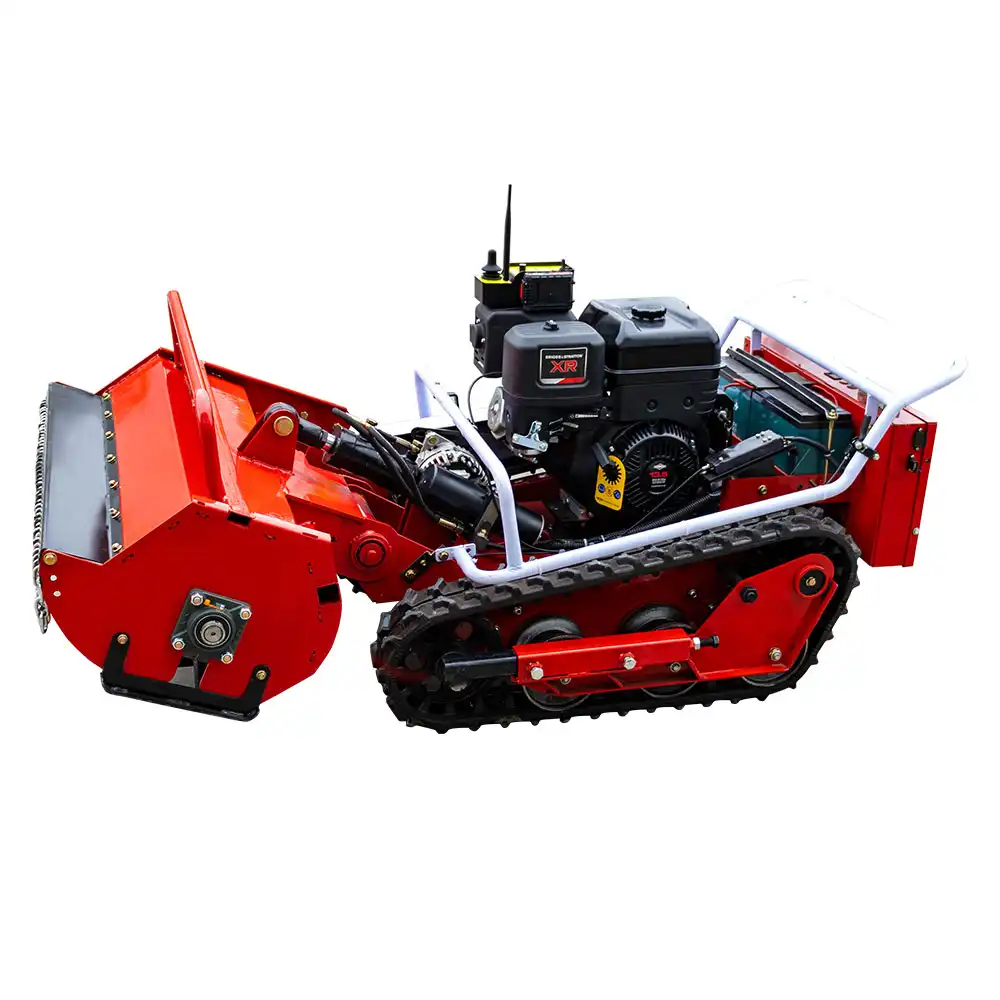
This technology reduces downtime and improves productivity when projects require multiple attachment types. Modern quick hitch designs maintain full hydraulic functionality, Mini Excavator 3.5 Ton, while ensuring secure attachment. Specialized attachments address niche applications, including brush cutters, stump grinders, and compaction plates. These attachments transform excavation equipment into multi-functional tools capable of handling complete project requirements with minimal equipment mobilization.
Operating Costs and Maintenance Considerations
Fuel efficiency directly impacts long-term operating costs and project profitability. Modern 3.5-ton excavators achieve 15-20% better fuel economy compared to previous generation models. Advanced engine management systems optimize fuel delivery based on load requirements and operating conditions. Maintenance intervals and requirements significantly influence total ownership costs. Premium models feature extended service intervals reaching 500 hours between major maintenance events.
Centralized lubrication systems and easy-access service points reduce maintenance time and associated labor costs. Track maintenance represents a significant ongoing expense for rubber track machines. Proper track tension, debris removal, and operating technique significantly impact track life. Quality rubber tracks typically provide 1,200-1,500 hours of service under normal conditions. Hydraulic system maintenance requires attention to fluid quality and filter replacement schedules. Contaminated hydraulic fluid causes premature component wear and reduced system efficiency. Regular fluid analysis helps identify potential issues before costly failures occur. Engine maintenance follows manufacturer specifications for oil changes, filter replacements, and cooling system service.
Proper maintenance ensures emission compliance and maximizes engine longevity. Neglected maintenance quickly degrades performance and increases fuel consumption. Insurance costs vary based on equipment value, application, and operator experience. Comprehensive coverage typically costs 3-5% of equipment value annually. Safety training and proper operation help minimize insurance premiums and accident-related expenses.
Selecting the Right 3.5 Ton Excavator
Project requirements should drive equipment selection decisions rather than Mini Excavator 3.5 Ton initial purchase price considerations. Urban construction demands zero tail swing designs and low noise emissions. Rural applications may prioritize maximum digging force and hydraulic flow rates over compact dimensions. Engine specifications must align with local emission requirements and fuel availability. EPA Tier 4 and Euro Stage V engines provide environmental compliance but may require specific fuel and maintenance procedures. Simpler engine designs offer reduced complexity but may limit market access.
Hydraulic system capabilities determine attachment compatibility and operational efficiency. Higher hydraulic flow rates enable more powerful attachments but increase fuel consumption. Balancing capability with efficiency requirements ensures optimal long-term performance. Track configuration affects both performance and operating costs. Steel tracks provide maximum durability and traction, but damage paved surfaces. Rubber tracks protect sensitive surfaces but require careful maintenance and have limited life spans.
Operator comfort and visibility features impact productivity and safety outcomes. Enclosed cabs with climate control enable comfortable operation in extreme weather. Excellent visibility reduces accident risk and improves operational precision. Service support availability influences equipment selection, particularly for international purchases. Local dealer networks provide rapid parts availability and technical support. Comprehensive warranty coverage protects against unexpected repair costs during initial ownership periods.
Conclusion
The 3.5-ton excavator segment offers compelling advantages for contractors seeking versatile, efficient earthmoving capability. Proper specification analysis ensures equipment selection aligns with project requirements and operational constraints. Understanding load capacities, application suitability, and maintenance requirements enables informed purchasing decisions. Modern compact excavators deliver impressive productivity while maintaining the portability essential for diverse construction environments. Investment in quality equipment from established manufacturers provides long-term value through reliable performance and comprehensive support services.
Partner with Meeko for Premium 3.5 Ton Mini Excavator Solutions
Meeko delivers exceptional value through our comprehensive Mini Excavator 3.5 Ton supplier capabilities and decades of manufacturing expertise. Our factory-direct pricing eliminates middleman costs while ensuring premium quality through ISO 9001 certification and rigorous testing protocols. Contact our professional team at Mingkomach.com">sales@mingkomach.com to explore customized solutions.
References
1. International Construction Equipment Standards Association. "Compact Excavator Performance Guidelines and Safety Standards." Construction Equipment Technical Manual, 2023.
2. Thompson, R.J., and Mitchell, K.L. "Hydraulic System Design in Modern Mini Excavators: Performance and Efficiency Analysis." Journal of Construction Machinery Engineering, Vol. 45, No. 3, 2023, pp. 127-142.
3. Peterson, A.C., et al. "Environmental Impact Assessment of Small Excavation Equipment in Urban Construction Projects." Environmental Construction Technology Review, 2022.
4. Construction Industry Research Board. "Economic Analysis of Compact Excavator Applications Across Multiple Industries." Heavy Equipment Market Analysis Report, 2023.
5. Williams, D.M. "Maintenance Optimization Strategies for Small Construction Equipment Fleets." Equipment Management Quarterly, Vol. 18, No. 2, 2023, pp. 45-58.
6. European Construction Equipment Association. "Technical Specifications and Performance Standards for Mini Excavators Under 4 Tons." ECEA Technical Publication No. 2023-07, Brussels, 2023.