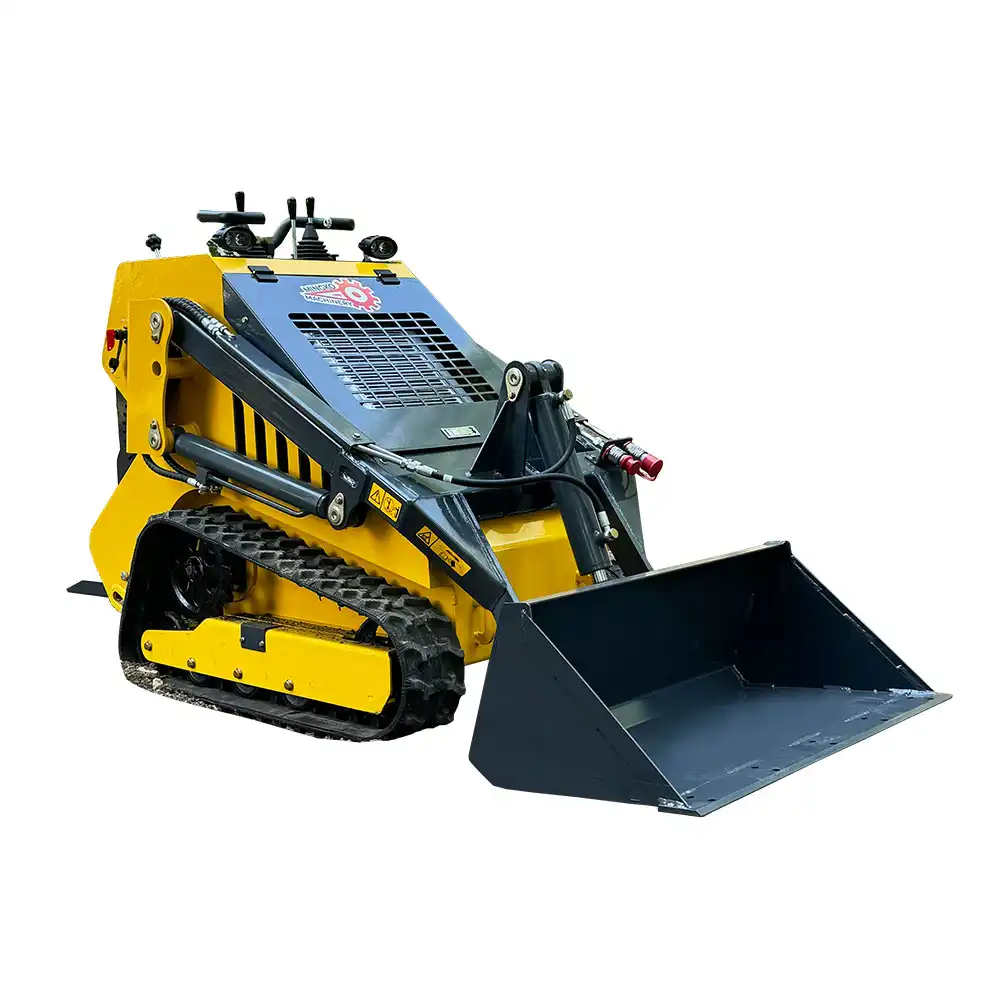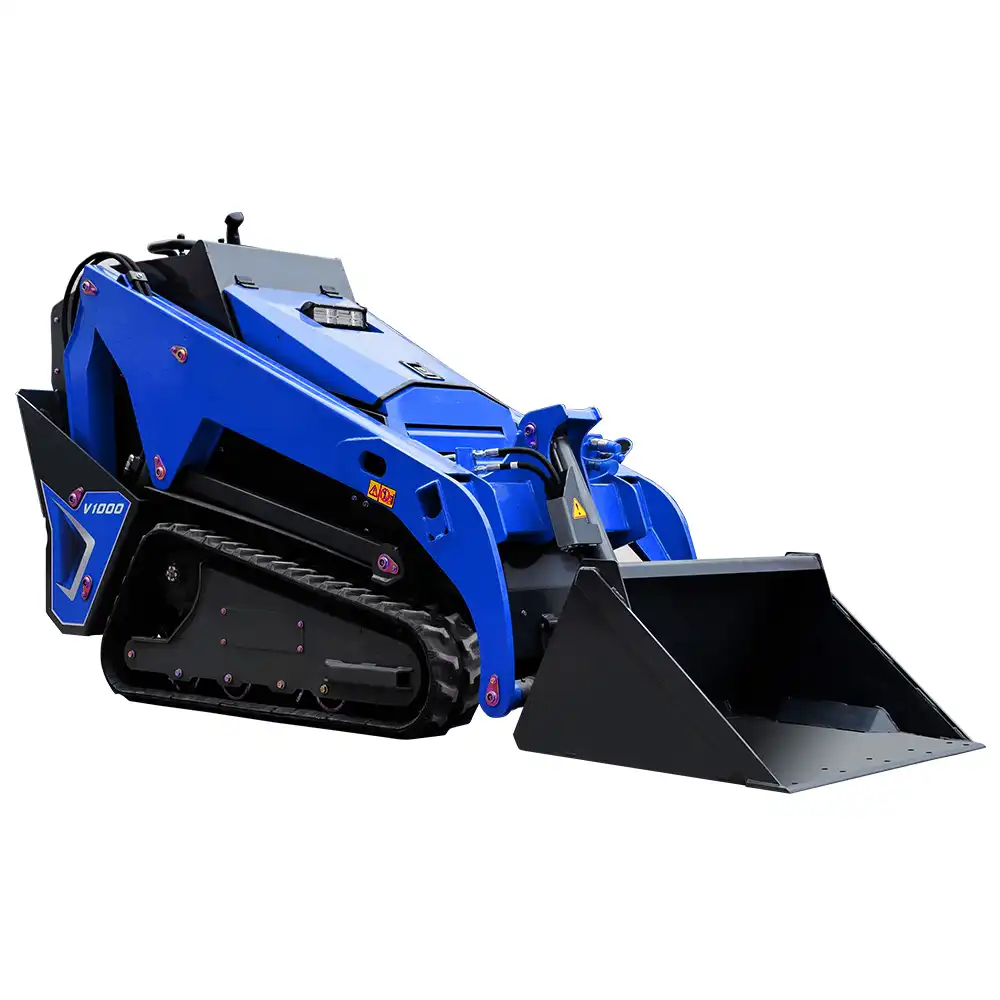
Municipal fleets must constantly manage strict budgets and demanding schedules while maintaining hygienic, secure public areas. With its adaptable cleaning capabilities, affordable maintenance options, and dependable performance in a range of applications, a Mini Skid Steer Angle Broom offers outstanding value for cities, municipalities, and municipal operations. With the help of these little cleaning add-ons, ordinary skid steer equipment may be transformed into strong sweeping machines that are excellent at activities like dust management, debris removal, and surface preparation that are crucial to municipal operations.
Understanding Key Performance Parameters
Effectiveness and operating efficiency are determined by several technical characteristics when assessing a Small Skid Steer sweeper for municipal use. The ideal range of brush width for sidewalks, parking lots, and road maintenance is between 72 and 84 inches. The majority of compact skid steer units are compatible with hydraulic flow requirements, which typically operate between 15 and 25 gallons per minute. Specifications for working pressures range from 2,000 to 3,500 PSI, providing sufficient force for difficult cleaning jobs. When properly equipped, the majority of angle broom attachments weigh between 800 and 1,200 pounds, thus weight is an important concern. Operators can modify cleaning intensity according to surface conditions and particle kinds thanks to the range of brush rotation rates, which range from 50 to 150 RPM. Adjustable angle settings, which usually provide 30-degree positioning in both directions, are very advantageous to municipal operators. Cleaning around parked cars, maneuvering through confined places, and guiding debris flow toward collection stations all benefit greatly from this flexibility.
Core Municipal Fleet Benefits
When municipal fleets integrate skid steer broom attachments into their operations, they find many benefits. Because a single operator can cover large areas that formerly required numerous workers using hand tools, labor efficiency increases considerably. Compared to hand sweeping techniques, a compact skid steer broom usually cleans three to five times faster. Versatility is by far the main benefit. These attachments are excellent at clearing a variety of surfaces of leaves, snow, mud, gravel, and construction debris. Using the same tools, municipal workers may move between sweeping the streets, cleaning the sidewalks, and maintaining parking lots with ease. Year-round functionality makes these tools particularly valuable for municipal budgets. Spring cleanup operations benefit from powerful debris removal capabilities. Summer maintenance tasks like dust control and surface preparation become routine. Fall leaf removal happens efficiently without damaging underlying surfaces. Winter snow clearing provides an alternative to traditional plowing methods, especially in pedestrian areas. Cost savings accumulate through reduced labor requirements, decreased equipment variety needs, and improved operational efficiency. Municipal departments report significant budget improvements when replacing multiple specialized tools with versatile skid steer cleaning attachments.
Mingko's Competitive Advantages in Municipal Markets
Shandong Mingko Industry Corporation brings unique value propositions to municipal fleet managers seeking reliable skid steer brush solutions. Our 15+ years of manufacturing experience translates into proven designs that withstand demanding municipal environments. Factory-direct pricing eliminates middleman costs, allowing municipal budgets to stretch further while maintaining quality standards. ISO 9001 certification ensures consistent manufacturing processes and reliable product performance that municipal operations depend upon. Customization capabilities set Mingko apart from competitors. Municipal fleets often have specific requirements based on local conditions, budget constraints, or existing equipment compatibility. Our minimum order quantity of just one unit allows departments to test configurations before committing to larger purchases. Comprehensive warranty coverage includes 12-month protection plus lifetime technical assistance. Municipal operations cannot afford extended downtime, making reliable support crucial for fleet managers. Our professional sales and service team remains available around the clock to address operational concerns. National High-Tech Enterprise certification demonstrates our commitment to continuous innovation. Municipal needs evolve constantly, and our research and development capabilities ensure products adapt to changing requirements.
Maximizing Municipal Fleet Value Through Strategic Implementation
Municipal departments achieve optimal results by following proven implementation strategies. Begin with thorough operator training focusing on proper attachment procedures, hydraulic system operation, and safety protocols. Well-trained operators extend equipment life while improving cleaning effectiveness. Develop maintenance schedules aligned with usage patterns. Heavy-use periods like fall cleanup or winter storm response require more frequent inspections. Regular brush replacement prevents damage to underlying surfaces while maintaining cleaning efficiency. Match attachment specifications to primary applications. Departments focusing on fine debris removal benefit from softer brush materials. Operations dealing primarily with heavy debris require more aggressive brush configurations. Consider seasonal storage requirements. Proper storage extends attachment life and ensures reliable performance when needed. Clean attachments thoroughly after each season, inspect hydraulic connections, and store in dry, protected environments. Budget planning should account for brush replacement cycles, typically required after 200-300 hours of operation depending on surface types and debris characteristics. Proactive replacement scheduling prevents emergency situations during critical cleaning periods.
Essential Operational Guidelines for Municipal Success
Municipal operators must understand proper technique for achieving optimal results with their skid steer power broom. Surface speed affects cleaning quality significantly. Slower speeds provide more aggressive cleaning action, while faster speeds work better for light debris removal or dust control applications. Brush pressure adjustment requires careful attention. Excessive pressure damages both the attachment and cleaned surfaces. Insufficient pressure reduces cleaning effectiveness. Operators should start with light pressure and gradually increase until achieving desired results. Debris management planning prevents operational complications. Position the angle broom to direct debris toward collection points or areas where pickup equipment can access easily. Avoid pushing debris into storm drains, landscaped areas, or private property. In municipal operations, safety is still of utmost importance. Clearly define work areas, employ suitable traffic control techniques, and make sure operators can see both cars and pedestrians. Frequent equipment checks stop potential safety risks caused by mechanical problems. Operational decisions are influenced by weather awareness. Wet circumstances can harm some surface types and decrease cleaning efficacy. The performance of hydraulic systems and the flexibility of brush materials are impacted by extreme temperatures.
Frequently Asked Questions
Q1: What size skid steer is required for municipal angle broom attachments?
A: Most municipal angle broom attachments work effectively with skid steers rated between 1,500-3,000 pounds operating capacity. The key requirement is adequate hydraulic flow, typically 15-25 gallons per minute, rather than pure lifting capacity.
Q2: How often do brush replacements occur in municipal applications?
A: Brush replacement frequency depends on surface types and usage intensity. Municipal fleets typically replace brushes every 200-300 operating hours when used on concrete and asphalt surfaces. Rough surfaces or heavy debris loads may require more frequent replacement.
Q3: Can angle brooms handle snow removal effectively?
A: Yes, angle brooms excel at light to moderate snow removal, particularly in pedestrian areas where traditional plowing is impractical. They work best with snow depths under 6 inches and provide excellent control around delicate surfaces like decorative pavement or near parked vehicles.
Partner with Mingko for Superior Municipal Cleaning Solutions
Municipal fleet managers seeking a reliable Mini Skid Steer Angle Broom supplier will find exceptional value in Mingko's proven solutions. Our manufacturing expertise, competitive pricing, and comprehensive support services make us the ideal partner for municipal operations nationwide. Backed by ISO 9001 certification and 15+ years of industry experience, we deliver the quality and reliability your community deserves. Contact Us at sales@mingkomach.com to discuss your specific requirements and discover how our municipal-grade equipment can transform your fleet operations.
Conclusion
Mini skid steer angle brooms are a great addition to the operating plans of municipal fleets. These adaptable attachments provide the year-round functionality that municipal budgets require, along with outstanding cleaning performance and labor cost savings. Maximum return on investment is ensured while upholding the hygienic, secure public areas that communities need through proper implementation, operator training, and maintenance procedures. Selecting the ideal manufacturer partner who is aware of municipal requirements and offers continuous assistance for the duration of the equipment lifecycle is essential to success.
References
1. Municipal Equipment Research Institute. "Cost-Benefit Analysis of Compact Cleaning Equipment in Public Works Departments." Journal of Municipal Operations, Vol. 34, 2023.
2. American Public Works Association. "Best Practices for Skid Steer Attachment Selection in Municipal Fleets." Public Works Management Guidelines, 2023.
3. Johnson, Michael R. "Efficiency Improvements in Municipal Street Cleaning Operations Through Equipment Standardization." Public Administration Quarterly, Issue 3, 2023.
4. National Institute of Municipal Equipment. "Hydraulic Attachment Safety and Maintenance Protocols for Government Fleets." Safety Standards Publication, 2023.
5. Davis, Sarah L. and Thompson, James K. "Economic Impact of Versatile Cleaning Equipment on Municipal Budget Allocation." Government Fleet Management Review, Vol. 18, 2023.
6. International Association of Public Works Directors. "Technology Integration Strategies for Small Municipality Equipment Procurement." Annual Conference Proceedings, 2023.