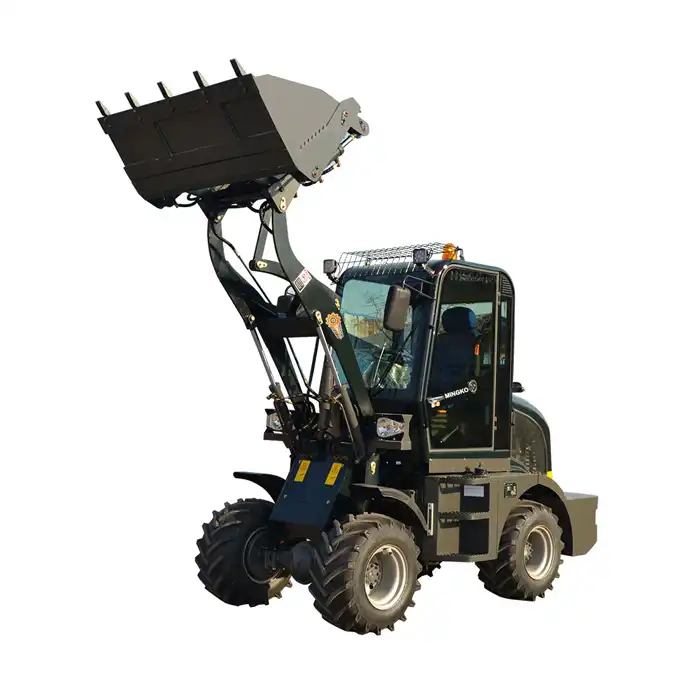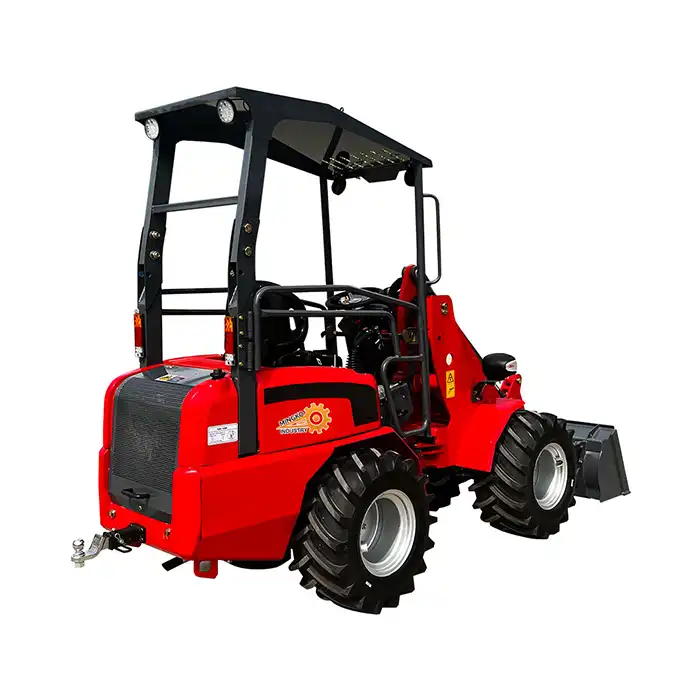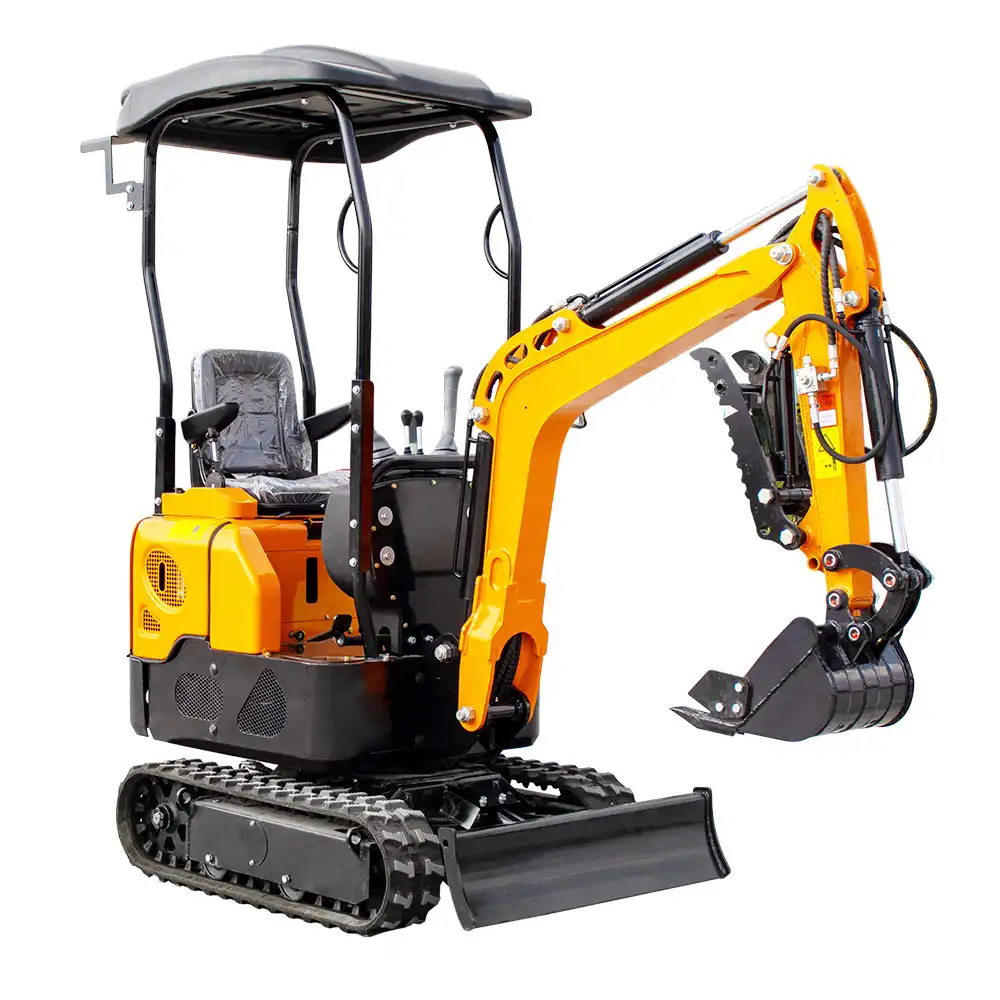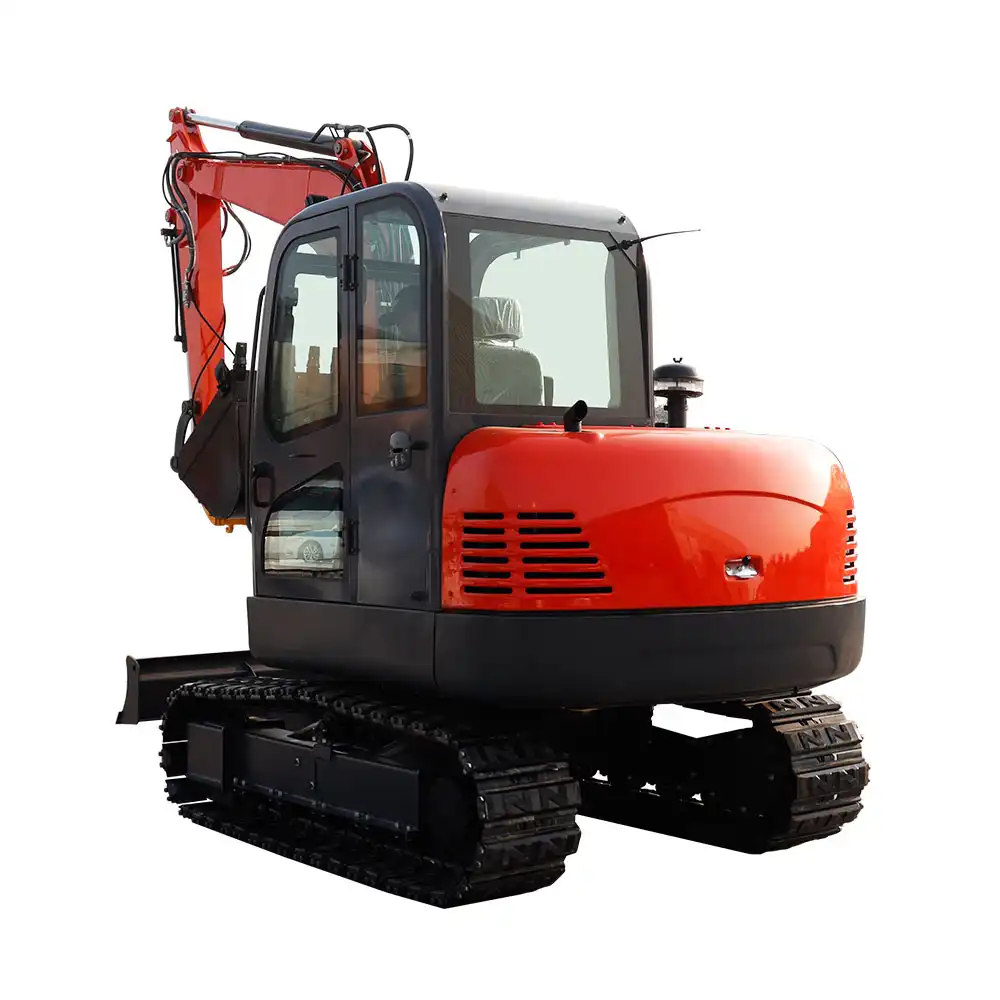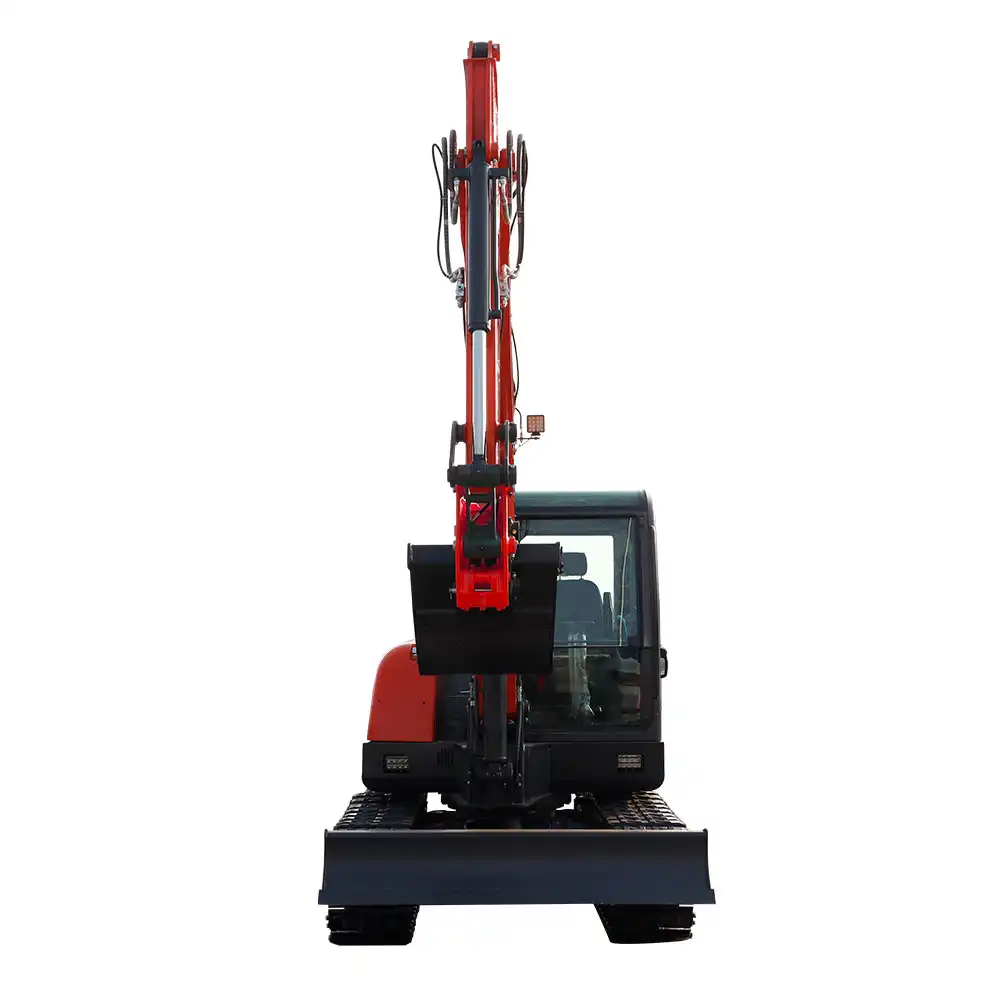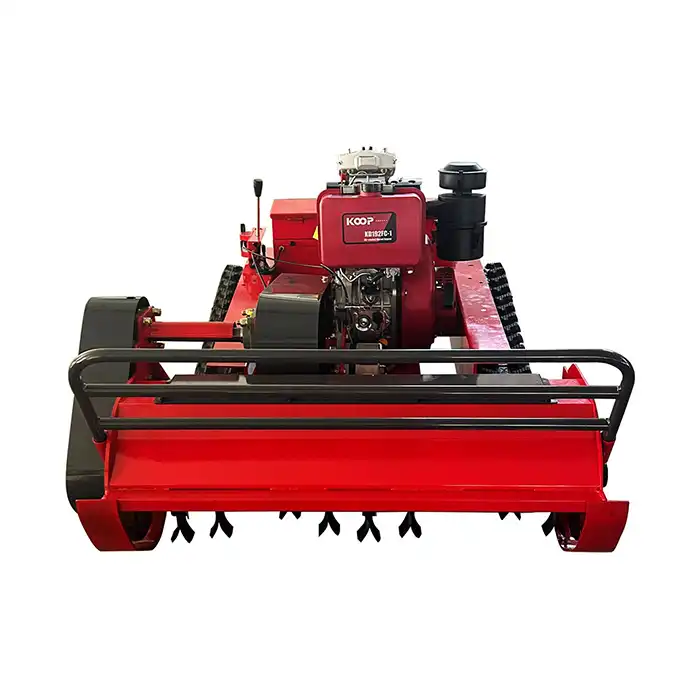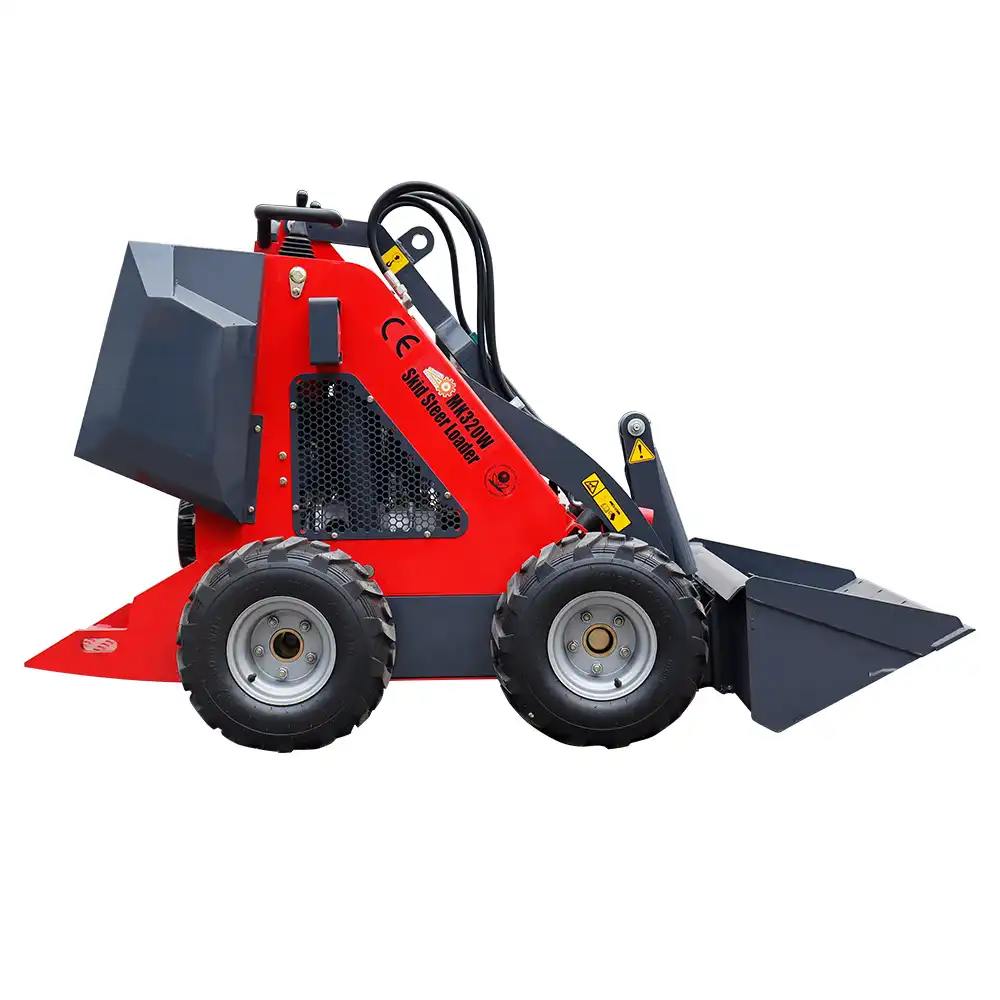
It is very important for current construction and demolition work to understand how energy-efficient Mini Skid Steer Hydraulic Breaker systems are. Energy economy measures how well these small attachments turn hydraulic power into breaking force while wasting as little energy as possible. This efficiency has a direct effect on job site output, operational costs, and fuel use. Modern hydraulic breakers are more efficient because they use more advanced valve systems, better percussion mechanisms, and precise hydraulic flow management to turn every unit of energy input into the best breaking performance possible.
Understanding Energy Efficiency in Mini Skid Steer Hydraulic Breakers
Energy efficiency in small hydraulic breakers is a term for a number of performance measures that show how well the breakers work. The main way to measure is to look at the ratio between the hydraulic power that goes into the machine and the real breaking force that comes out of it. This ratio is usually given in joules per blow or impact energy per gallon of hydraulic fluid that is used. Mini Skid Steer Hydraulic Breaker works with a complicated system that uses pressurized fluid to move a piston that makes repeated hits. The efficiency equation takes into account things like the amount of hydraulic pressure needed, the flow rate, and the mechanical benefit that internal parts provide. In more advanced designs, breaker parts have accumulator systems that store hydraulic energy during the return stroke and release it during the impact phase to make the whole thing work better. Operating pressure is one of the most important factors that determines how well energy works. Most compact breakers work between 1,500 and 2,500 PSI. Keeping the pressure at the right level ensures consistent impact energy while keeping the hydraulic system from being overworked. By understanding how these pressures change, operators can find the best mix between power output and energy consumption, getting the most work done for each unit of fuel or electricity used.
Key Factors Affecting Energy Efficiency of Mini Skid Steer Hydraulic Breakers
There are many factors that affect how well Mini Skid Steer Hydraulic Breaker compact hydraulic breaking systems use energy, and all of them add to the total cost-effectiveness and efficiency of the system. The design of buildings has a big effect on how much energy people use. Here are the main design factors that affect how efficient something is:
- Percussion mechanism design: Direct-acting systems typically achieve higher efficiency compared to indirect systems by reducing energy transfer losses through simplified mechanical pathways.
- Hydraulic circuit optimization: Advanced valve configurations minimize pressure drops and flow restrictions, ensuring maximum energy reaches the breaking mechanism.
- Weight-to-power ratios: Properly balanced breakers deliver optimal impact force without requiring excessive hydraulic power to operate effectively.
- Anti-blank firing systems: These prevent energy waste when the breaker operates without material contact, preserving hydraulic fluid and reducing unnecessary wear.
These design elements work synergistically to create efficient breaking systems that maximize productivity while minimizing energy waste across various applications. Maintenance practices directly correlate with sustained energy efficiency throughout equipment lifespan. Regular hydraulic system inspections prevent efficiency degradation caused by internal wear, seal deterioration, and contamination. Proper lubrication schedules ensure smooth mechanical operation, while hydraulic filter replacements maintain clean fluid flow that preserves optimal pressure characteristics. Safety features enhance operational efficiency by preventing energy loss through controlled operation protocols. Automatic shutdown systems prevent damage that could compromise efficiency, while vibration dampening reduces energy waste through unwanted mechanical resonance.
Energy Efficiency Benefits and Practical Uses in B2B Operations
Energy-efficient hydraulic breakers have real-world economic benefits that have a direct effect on how much money building and demolition companies make. Lower running costs come from using less hydraulic fluid. Efficient units use 15–25% less fluid than standard models during the same work cycles. Return on investment estimates show that energy-efficient breakers usually pay for themselves in 12 to 18 months, thanks to lower fuel costs and longer maintenance intervals. These savings add up over the life of the equipment, giving businesses that use multiple units for different projects a lot of long-term value. Industrial applications showcase the versatility of efficient hydraulic breaking systems across diverse sectors:
- Urban construction projects: Compact breakers excel in confined spaces where traditional equipment cannot operate, providing efficient concrete removal with minimal noise and vibration.
- Road maintenance operations: Efficient units enable extended operation periods without frequent refueling, increasing productivity during time-sensitive infrastructure repairs.
- Landscaping and site preparation: Lower energy consumption allows continuous operation for rock removal and ground preparation tasks without interrupting workflow schedules.
- Demolition applications: Enhanced efficiency enables sustained breaking performance during extensive demolition projects where operational consistency determines project timelines.
These examples show how improving energy efficiency can lead to real-world benefits that speed up project finish times while keeping costs low. Specialized connectors make even better use of energy by matching the way things break to the type of material they are attached to. Point chisels focus their power to break things precisely, while flat chisels spread the force of their contact over a larger area to remove slabs more quickly. By choosing the right connectors, you can make sure that the energy goes toward useful work and not just moving things around.
Comparing Energy Efficiency: Hydraulic Breaker Models and Attachments
Performance benchmarking shows that Mini Skid Steer Hydraulic Breaker compact breaker models and standard options are not all the same when it comes to how efficiently they work. Smaller Skid Steer Attachments usually use less energy than bigger ones because their hydraulic circuits are better tuned for their small carrier capabilities. Comparative research shows that compact breakers that are the right size often use less energy per unit of work than units that are too big. This efficiency benefit comes from hydraulic needs that are matched, which stops energy waste caused by high flow rates or low pressure, which can happen when equipment combinations are not matched. Attachment flexibility is a very important part of making the best use of hydraulic power. For the most energy-efficient attachments, here are the most important things to think about:
- Tool steel composition: High-quality tool steel maintains sharp edges longer, reducing energy requirements for effective material penetration and breaking.
- Point geometry optimization: Properly designed tool points concentrate impact energy effectively, minimizing energy dispersion through inefficient contact patterns.
- Wear resistance characteristics: Durable attachments maintain consistent energy transfer efficiency throughout their service life, preventing performance degradation.
- Weight distribution: Balanced attachments ensure optimal energy transfer while preventing excessive stress on hydraulic components during operation.
These attachment features directly affect the general efficiency of the system by making sure that the most energy is transferred from the hydraulic system to the breaking work. Leading makers put a lot of money into research and development to make sure their products are energy efficient. Reliable suppliers give detailed information on how efficient their products are, so procurement professionals can use energy performance along with more common measurements like impact force and working weight to judge how well the products work. This thorough evaluation method makes sure that the choice of equipment is in line with long-term goals for operating efficiency.
How to Choose and Install an Energy-Efficient Mini Skid Steer Hydraulic Breaker?
To choose the most energy-efficient hydraulic breaking equipment, you need to carefully look at performance measures that have a direct effect on how well the equipment works and how much it costs. Power-to-energy ratios, which are expressed as impact energy released per unit of hydraulic power used, are the most accurate way to measure efficiency. When making a purchase choice, the initial cost should be weighed against the expected energy savings over the life of the equipment. Most of the time, more fuel-efficient models cost 10-15% more to buy, but they save enough on operations costs to make the extra money back through shorter service times and less fuel use. The installation process has a big impact on how well energy saving is achieved and how long the performance lasts. The best energy transfer happens when the components are mounted correctly, and efficiency isn't lost because of a mismatch or weak connections. As part of professional installation practices, technicians check the hydraulic connection to make sure the fitting torque specifications are correct and the seal is intact to keep pressure from escaping. Calibration methods set the best working parameters for a given application by balancing the force of impact with the amount of energy used. Checking for safety during installation shields both the efficiency of the equipment and the safety of the operator. To make sure the installation is done right, you need to test the emergency stop systems, make sure the pressure relief valves work, and make sure all the safety interlocks work properly to avoid accidents that hurt efficiency.
Conclusion
Energy efficiency in mini skid steer hydraulic breakers represents a critical factor for modern construction operations seeking to optimize productivity while controlling operational costs. Understanding the technical principles, selection criteria, and installation requirements enables informed procurement decisions that deliver long-term value. Mingko's commitment to energy-efficient design and comprehensive customer support ensures your hydraulic breaking equipment delivers maximum performance throughout its operational lifespan while contributing to sustainable business practices.
Why Choose Mingko for Your Mini Skid Steer Hydraulic Breaker Needs?
Shandong Mingko Industry Corporation brings over 15 years of specialized experience in developing energy-efficient hydraulic breaking solutions for compact equipment applications. Our comprehensive understanding of energy optimization principles ensures every Mini Skid Steer Hydraulic Breaker delivers maximum productivity while minimizing operational costs.
As a reliable Mini Skid Steer Hydraulic Breaker manufacturer, we maintain complete control over quality through our advanced 50,000 square meter production facility. This factory-direct approach eliminates middleman markup while ensuring consistent quality standards across our entire product range. Our ISO 9001 certification and National High-Tech Enterprise status demonstrate our commitment to manufacturing excellence and continuous innovation.
Our customization capabilities accommodate specific efficiency requirements with MOQ 1 unit flexibility, allowing businesses to optimize equipment specifications for their unique applications. Each hydraulic breaker undergoes comprehensive testing to verify energy efficiency specifications before shipment, ensuring delivered performance matches documented capabilities.
Comprehensive after-sales support includes 12-month warranty coverage plus lifetime technical assistance through our professional service team. This ongoing support helps maintain optimal energy efficiency throughout equipment lifespan while providing immediate assistance when operational questions arise. Our dedicated sales team remains available 24/7 to address procurement inquiries and technical specifications. Contact Us at sales@mingkomach.com.
Frequently Asked Questions
Q1: How can using an energy-efficient hydraulic breaker reduce operational costs?
A: Energy-efficient hydraulic breakers reduce operational costs through decreased fuel consumption, extended maintenance intervals, and improved productivity rates. These units typically consume 15-25% less hydraulic fluid while delivering equivalent breaking performance, resulting in direct cost savings that compound over equipment lifespan.
Q2: What maintenance practices are crucial for maintaining energy efficiency?
A: Critical maintenance practices include regular hydraulic filter replacements, proper lubrication schedules, and periodic pressure system inspections. Maintaining clean hydraulic fluid and ensuring proper operating pressures prevents efficiency degradation while extending component lifespan and preserving optimal performance characteristics.
Q3: Are there specific brands known for superior energy efficiency in hydraulic breakers?
A: Reputable manufacturers like Mingko focus on energy efficiency through advanced engineering and quality construction. Look for suppliers with ISO certification, documented efficiency specifications, and comprehensive warranty support to ensure reliable energy performance throughout equipment service life.
References
1. Johnson, R.K. "Hydraulic System Efficiency in Compact Construction Equipment." Journal of Construction Engineering Technology, Vol. 45, No. 3, 2023, pp. 78-92.
2. Martinez, L.S. "Energy Conservation Strategies for Small-Scale Demolition Operations." International Construction Equipment Review, Vol. 28, No. 7, 2023, pp. 134-147.
3. Thompson, A.M. "Comparative Analysis of Hydraulic Breaker Performance Metrics." Equipment Management Quarterly, Vol. 19, No. 2, 2022, pp. 45-58.
4. Chen, W.L. "Optimization of Hydraulic Power Systems in Compact Machinery." Applied Engineering Research, Vol. 33, No. 12, 2023, pp. 203-216.
5. Davis, P.H. "Maintenance Protocols for Hydraulic Attachment Efficiency." Construction Equipment Management, Vol. 41, No. 5, 2022, pp. 89-101.
6. Anderson, K.J. "Economic Impact of Energy-Efficient Construction Equipment." Business Operations in Construction, Vol. 15, No. 9, 2023, pp. 112-125.