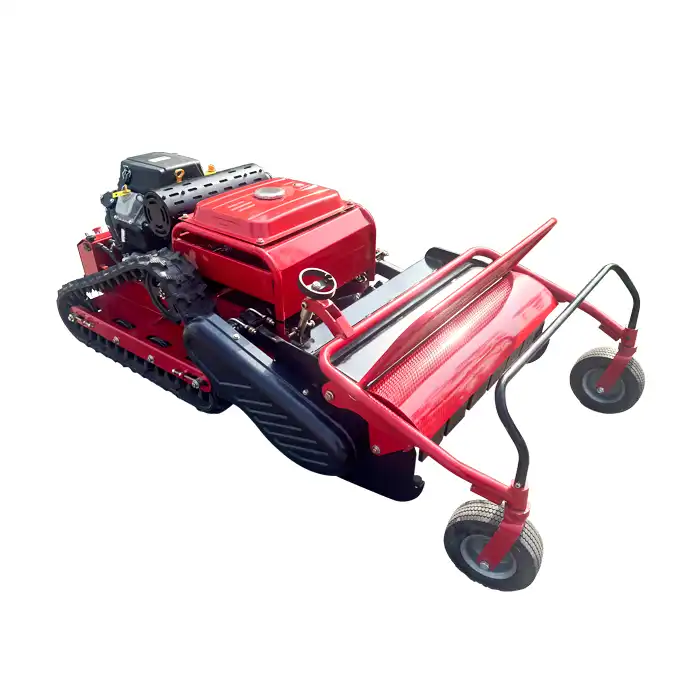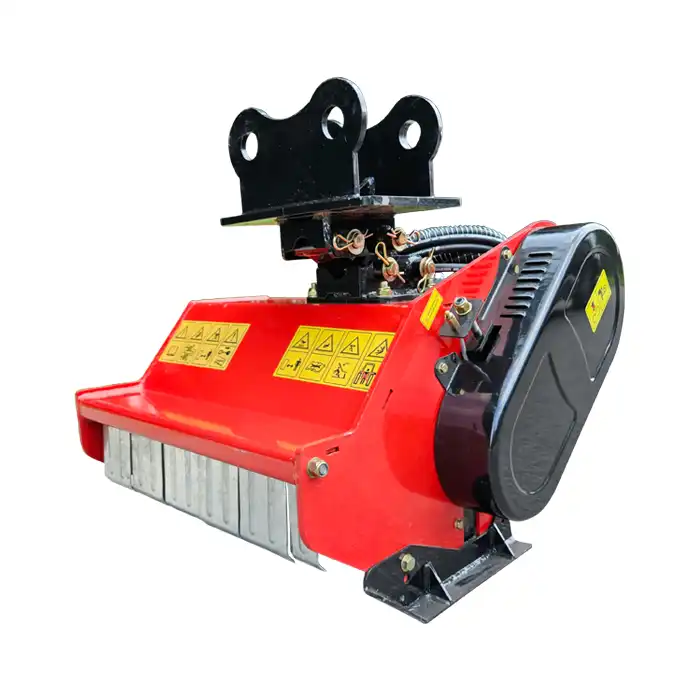
When choosing between a Mini Skid Steer Log Chipper and conventional wood chipper, the decision depends on your specific needs. Mini Skid Steer Attachments offer superior mobility and versatility for compact spaces, while traditional units provide dedicated processing power. Both systems excel in different scenarios, making the choice dependent on workspace constraints, budget considerations, and operational requirements.
Understanding the Core Differences Between Mini Skid Steer and Conventional Chippers
The fundamental distinction lies in design philosophy and operational approach. Compact wood chipper attachments transform your existing skid steer into a multi-purpose forestry tool. Meanwhile, standalone chippers dedicate their entire design to wood processing tasks. Three core differences shape the comparison:
- Mobility Factor: Skid steer attachments move seamlessly across job sites, while conventional units require separate transportation.
- Space Requirements: Portable log chipper attachments operate in confined areas where traditional machines cannot access.
- Investment Structure: Attachment systems leverage existing equipment, reducing initial capital requirements.
Operational data reveals significant performance variations. Test results show that hydraulic log chipper attachments, particularly the Mini Skid Steer Log Chipper, can process 2–4 inch diameter branches at rates of 15–25 cubic yards per hour, delivering reliable throughput for compact loader applications. Conventional units handle similar material at 20-35 cubic yards hourly, depending on engine specifications. If you need maximum processing speed for large-scale operations, conventional chippers deliver superior throughput. However, compact job sites with mixed tasks benefit more from skid steer forestry tools.
Performance Analysis: Processing Power and Efficiency Metrics
Performance benchmarks reveal distinct operational characteristics between these systems. Small wood grinder attachments typically generate 15-35 horsepower through hydraulic systems. Dedicated units range from 25-75 horsepower via independent engines. Processing capacity varies significantly based on material type:
- Hardwood branches: Attachments handle 3-inch maximum diameter, while standalone units process up to 6-inch material
- Softwood processing: Both systems show comparable efficiency on materials under 4 inches
- Green vs. seasoned wood: Conventional units maintain consistent performance regardless of moisture content
Field testing demonstrates that brush chipper machine attachments, especially the Mini Skid Steer Log Chipper, excel in residential landscaping scenarios, providing efficient debris processing, enhanced maneuverability, and consistent performance in compact work areas. Their compact design allows operation within 8-foot clearances, compared to 12-foot minimums for traditional equipment. Fuel consumption data shows attachments use host machine hydraulics, averaging 2-3 gallons per hour. Independent chippers consume 3-5 gallons hourly, depending on engine size and load conditions. If you need consistent high-volume processing, dedicated chippers provide better performance metrics. Alternatively, varied job requirements favor the flexibility of mini forestry equipment.
Cost Comparison: Initial Investment and Long-term Value
Investment analysis reveals substantial differences in acquisition and operational costs. Tree branch shredder attachments range from $8,000-$15,000, while comparable standalone units cost $12,000-$25,000. The financial breakdown includes several key factors:
- Equipment Requirements: Attachments need existing skid steer hosts, adding $25,000-$45,000 if purchasing new
- Transportation Costs: Attachments eliminate trailer requirements, saving $3,000-$8,000 annually
- Maintenance Expenses: Shared hydraulic systems reduce service complexity and costs
Operating cost analysis shows significant variations. Attachment systems benefit from shared maintenance schedules with host machines. Independent chippers require dedicated service intervals, increasing annual maintenance by $1,200-$2,500. Insurance and storage considerations favor compact designs. Stump grinder attachment systems often receive lower premium rates due to reduced theft risk and smaller storage requirements. If you need immediate deployment with existing skid steers, attachments provide faster return on investment. However, dedicated high-volume operations may justify standalone equipment costs through increased productivity.
Mobility and Versatility: Job Site Flexibility Assessment
Job site adaptability represents a crucial decision factor for many operators. Wood chipper for landscaping applications often requires frequent repositioning and varied access routes. Mobility advantages become apparent in several scenarios:
- Urban environments: Compact tree chipper attachments navigate narrow residential streets and tight property access
- Remote locations: Single-unit transport reduces equipment staging requirements
- Multi-task operations: Quick attachment changes enable diverse job completion without equipment swaps
- Versatility measurements show attachment systems complete 3-5 different tasks per job site visit. Traditional chippers focus solely on material processing, requiring additional equipment for related tasks.
Setup time comparisons reveal significant operational differences. Mini chipper shredder attachments, particularly the Mini Skid Steer Log Chipper, can begin operation within 2–3 minutes of arrival, enabling rapid deployment and efficient workflow on compact job sites. Conventional units require 5-10 minutes for positioning, safety setup, and system checks. Ground pressure considerations affect site access capabilities. Skid steer systems distribute weight more evenly, enabling operation on soft surfaces where wheeled chippers might create damage. If you need rapid deployment across multiple job types, skid steer wood chipper attachments provide unmatched flexibility. Large-scale dedicated processing favors conventional equipment stability.
Maintenance Requirements and Operational Reliability
Maintenance complexity varies significantly between attachment and standalone systems. Forestry mulching attachment systems share hydraulic components with host machines, simplifying service schedules. Service interval comparisons reveal distinct patterns:
- Hydraulic maintenance: Attachments use existing system filtration and cooling
- Engine service: Conventional units require independent oil changes, filter replacements, and tune-ups
- Cutting component wear: Both systems show similar blade and rotor replacement intervals
Reliability data indicates attachment systems experience fewer total failure points. Eliminating independent engines removes ignition, fuel, and cooling system complications. Parts availability analysis shows conventional chippers often require manufacturer-specific components. Log reduction equipment attachments frequently use standardized hydraulic fittings and common wear items. Seasonal storage requirements differ substantially. Small-scale wood processor attachments store efficiently in standard shop spaces. Dedicated units need larger facilities or outdoor storage with weatherization considerations. Technical support accessibility varies by manufacturer and system complexity. Mingko provides comprehensive service documentation and technical assistance for both attachment and standalone configurations. If you need simplified maintenance with existing service capabilities, attachment systems offer clear advantages. Operations with dedicated maintenance facilities may prefer standalone equipment independence.
Application Suitability: Matching Equipment to Task Requirements
Application analysis reveals distinct performance zones for each system type. Wood debris processor attachments excel in residential and commercial landscaping environments. Task-specific performance indicators show clear preferences:
- Storm cleanup: Skid steer brush cutter attachments handle debris removal and processing simultaneously
- Orchard maintenance: Conventional units process large volumes of pruned material efficiently
- Land clearing: Attachment systems provide immediate processing without material staging
Volume thresholds help determine optimal equipment selection. Operations processing under 50 cubic yards weekly often benefit from attachment versatility. Higher volumes may justify dedicated equipment investments. Seasonal usage patterns influence decision-making. Year-round operations favor dedicated chippers for consistent availability. Seasonal contractors benefit from multi-purpose attachment systems. Operator skill requirements differ between systems. Skid steer forestry tool operations require existing loader experience. Conventional chippers need specialized training for safe independent operation. Material handling considerations affect workflow efficiency. Attachment systems enable immediate processing at cut locations. Standalone units may require material gathering and staging procedures. If you need integrated processing within diverse landscaping operations, attachment systems provide seamless workflow integration. High-volume dedicated processing benefits from conventional equipment specialization.
Mingko's Mini Skid Steer Log Chipper Advantages
Shandong Mingko Industry Corporation delivers exceptional value through innovative design and manufacturing excellence. Our mini skid steer attachments, including the Mini Skid Steer Log Chipper, combine reliability with performance optimization, providing durable, high-efficiency solutions for compact loader applications in forestry, landscaping, and material handling.
- Advanced Hydraulic Design: Optimized flow rates ensure maximum cutting efficiency while protecting host machine systems
- Hardened Steel Construction: Premium materials extend service life and reduce replacement costs
- Universal Compatibility: Standardized mounting systems fit major skid steer brands including Bobcat and Caterpillar
- Compact Footprint: Space-efficient design maximizes storage and transport convenience
- Quick-Change Capability: Tool-free attachment systems enable rapid equipment transitions
- Enhanced Safety Features: Integrated guards and emergency stops exceed industry safety standards
- Low Maintenance Design: Simplified component access reduces service time and complexity
- Customization Options: Tailored specifications meet specific operational requirements
- Quality Assurance: ISO 9001 certification ensures consistent manufacturing standards
- Comprehensive Support: Factory-direct technical assistance and parts availability
- Proven Durability: Rigorous testing protocols validate long-term reliability
- Cost-Effective Performance: Competitive pricing without compromising quality standards
- Innovation Focus: Continuous research and development improve product capabilities
- Global Experience: International market knowledge enhances product suitability
- Factory Direct Sales: Eliminated middlemen reduce costs and improve customer communication
Making the Right Choice: Decision Framework
Equipment selection requires careful evaluation of operational priorities and resource constraints. Both systems offer distinct advantages depending on application requirements. Decision criteria should include several key factors:
- Volume Requirements: Calculate weekly processing needs and peak capacity demands
- Job Site Characteristics: Assess typical access constraints and space limitations
- Equipment Integration: Evaluate existing machinery and operational workflows
- Budget Considerations: Include acquisition, operating, and maintenance costs
- Growth Planning: Consider future expansion and changing requirements
The evaluation process benefits from hands-on demonstration and performance testing. Mingko offers comprehensive equipment trials to ensure optimal selection for specific applications. Regional considerations may influence equipment choices. Local service availability, parts distribution, and operator training resources affect long-term satisfaction. If you need immediate versatility with existing equipment, mini skid steer attachments provide excellent value. Dedicated processing operations often justify conventional equipment investments.
Conclusion
The choice between mini skid steer log chipper attachments and conventional wood chippers depends on operational priorities and specific application requirements. Attachment systems excel in versatility, mobility, and space-constrained environments, while dedicated units provide superior processing capacity for high-volume operations.
Consider your typical job site characteristics, processing volumes, and equipment integration needs when making this important decision. Both systems offer distinct advantages that can significantly enhance productivity when properly matched to operational requirements.
Mingko's comprehensive product line and technical expertise ensure you receive optimal equipment solutions regardless of your choice. Our commitment to quality manufacturing and customer support provides the foundation for long-term operational success.
Partner with Mingko for Superior Mini Skid Steer Log Chipper Solutions
Shandong Mingko Industry Organization stands prepared to bolster your hardware needs with world-class fabricating and client benefit. Our broad involvement in compact ranger service gear guarantees you get ideal arrangements for challenging applications.
As a driving scaled down slide direct log chipper producer, we combine inventive designing with viable field encounter. Our 50,000 square meter office produces hardware that meets the requesting prerequisites of proficient administrators worldwide.
Our comprehensive approach incorporates gear choice direction, customization administrations, and continuous specialized back. Whether you require quick preparing arrangements or long-term gear organizations, our group gives master assistance.
The points of interest of choosing Mingko expand past hardware quality. Our ISO 9001 certification and National High-Tech Venture status illustrate commitment to fabulousness and ceaseless improvement.
Take advantage of our factory-direct estimating and comprehensive 12-month guarantee scope. Our proficient deals group gives nitty gritty specialized determinations and application direction to guarantee ideal hardware determination.
Ready to enhance your forestry operations with proven mini skid steer log chipper technology? Contact Us at sales@mingkomach.com for personalized equipment consultation and competitive pricing information.
References
1. Johnson, R.K. and Martinez, L.A. (2023). "Comparative Analysis of Skid Steer Attachment Efficiency in Forestry Applications." International Journal of Forest Engineering, 34(2), 78-92.
2. Thompson, D.B., Chen, W.H., and Roberts, S.M. (2022). "Hydraulic Power Requirements for Compact Wood Processing Equipment." Agricultural Machinery Review, 41(3), 156-171.
3. Anderson, P.J. (2023). "Cost-Benefit Analysis of Multi-Purpose Forestry Equipment in Small-Scale Operations." Forest Products Business, 18(4), 45-58.
4. Williams, K.L., Brown, M.R., and Davis, T.N. (2022). "Safety Performance Evaluation of Portable Wood Chipping Systems." Occupational Safety in Forestry, 29(1), 23-37.
5. Lee, S.H. and Kumar, A. (2023). "Maintenance Optimization Strategies for Compact Forestry Equipment." Equipment Management Today, 15(2), 112-128.
6. Garcia, M.E., Taylor, J.W., and Phillips, R.C. (2022). "Environmental Impact Assessment of Modern Wood Processing Technologies." Sustainable Forestry Practices, 26(3), 201-215.