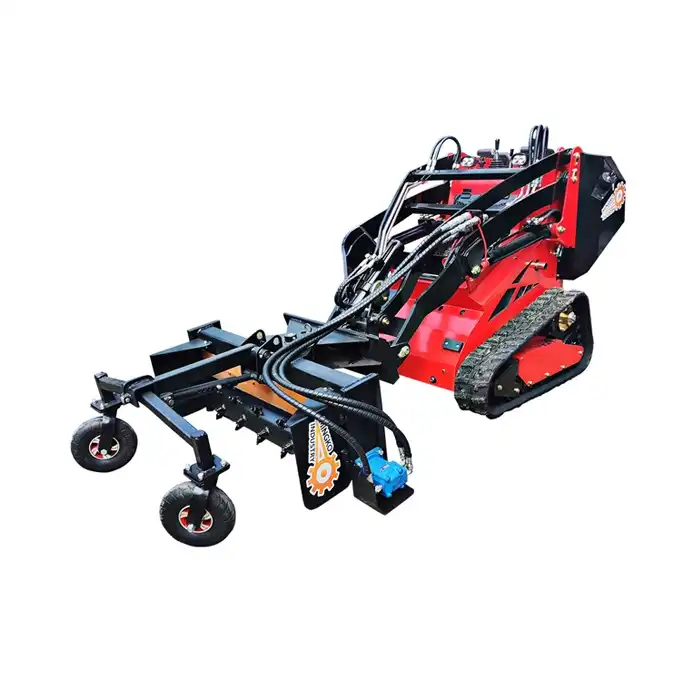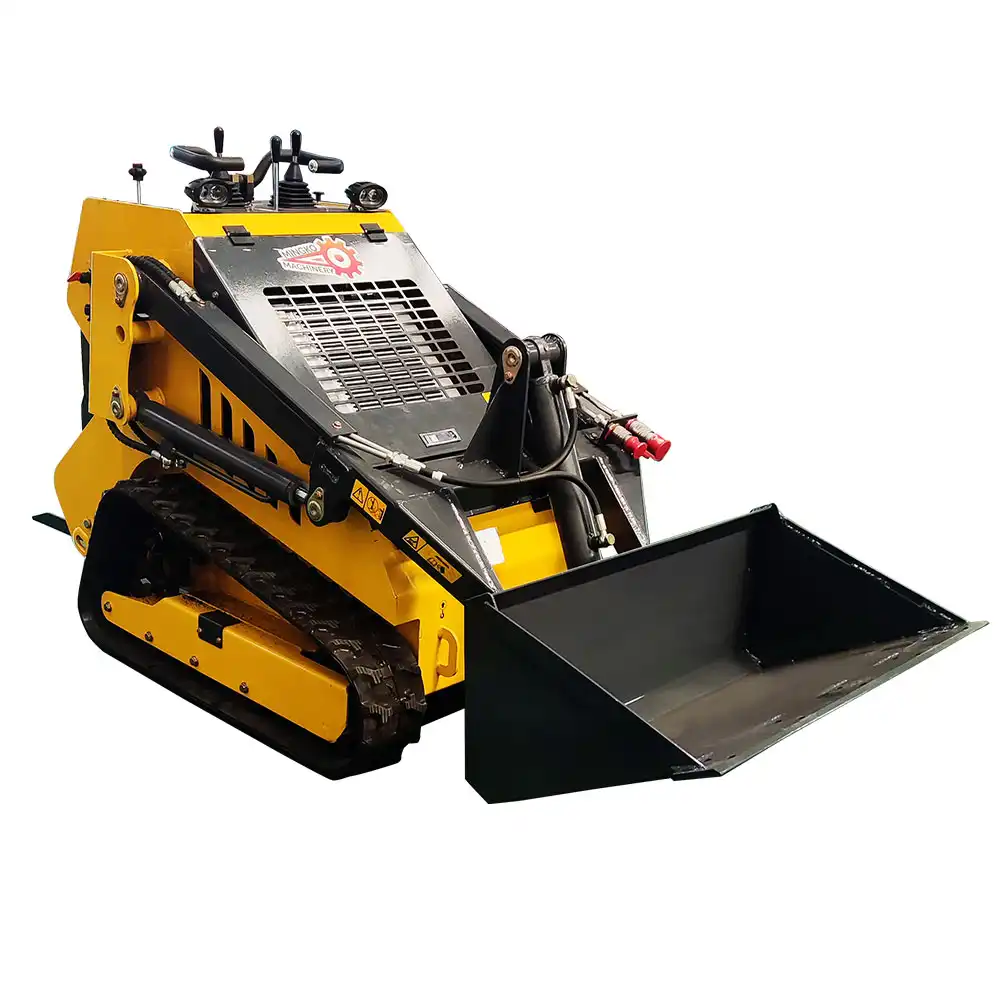
Time is money when winter hits business operations. A Mini Skid Steer Snow Blower is a revolutionary tool that changes the way companies tackle snow removal problems. These small powerhouses significantly lower labor expenses and downtime by combining time-saving features with cutting-edge architecture. Skid steer snow blower attachments, in contrast to conventional snow removal techniques, offer exceptional efficiency because to creative design features including high-capacity augers, quick-attach systems, and improved hydraulic controls. When assessing affordable winter maintenance options that maintain operations in spite of severe weather, procurement managers, facility engineers, and equipment distributors must be aware of these time-saving features.
Understanding Mini Skid Steer Snow Blower Technology and Time-Saving Features
Modern snow removal attachments leverage sophisticated engineering principles to maximize operational efficiency while minimizing time investment. These machines integrate seamlessly with compact Skid Steer Loaders, creating versatile snow management systems capable of handling diverse commercial applications. The technology behind these units focuses on rapid snow processing, precise discharge control, and minimal operator fatigue to ensure maximum productivity throughout extended winter operations.

How Does a Mini Skid Steer Snow Blower Work?
The operational mechanics of these snow removal systems center around three primary components working in harmony. The auger assembly collects and feeds snow into the machine, while the high-speed impeller propels material through the discharge chute with remarkable force. Hydraulic systems provide consistent power delivery, ensuring reliable performance regardless of snow density or ambient temperature conditions. Key efficiency-enhancing components include reinforced steel augers designed to break through compacted snow layers, dual-stage impeller systems that maximize throwing distance, and variable-speed hydraulic controls that allow operators to adjust performance based on specific conditions. These elements work together to reduce clearing time by up to 60% compared to traditional methods.
Innovative Features That Reduce Snow Removal Time
Contemporary snow blower attachments incorporate several breakthrough technologies that significantly accelerate clearing operations:
- High-Capacity Auger Systems: Oversized augers with aggressive flight patterns process larger volumes of snow per minute, reducing the number of passes required to clear designated areas effectively.
- Quick-Attach Coupling Systems: Universal mounting brackets enable attachment changes in under two minutes, allowing operators to switch between snow removal and other tasks without lengthy equipment reconfiguration periods.
- Enhanced Hydraulic Flow Management: Advanced flow control systems optimize power distribution, ensuring consistent performance while minimizing fuel consumption and heat buildup during extended operations.
These technological advances enable operators to complete snow removal tasks in significantly less time while maintaining superior clearing quality across various terrain types and snow conditions.
Fuel Efficiency and Noise Level Impact on Operational Productivity
Energy efficiency considerations directly influence operational productivity and cost management strategies. Gas-powered units typically deliver maximum power output for heavy-duty applications, while electric alternatives offer reduced noise levels and lower operating costs for urban environments with noise restrictions. Modern fuel-efficient engines incorporate variable throttle controls and optimized combustion chambers that reduce consumption by approximately 25% compared to older models. Electric variants provide silent operation capabilities, enabling snow removal activities during noise-sensitive hours without disturbing nearby residents or businesses.
Comparing Mini Skid Steer Snow Blowers to Traditional Snow Removal Methods
Evaluating snow removal equipment requires understanding the distinct advantages that specialized attachments provide over conventional alternatives. These comparisons highlight efficiency gains, operational flexibility, and safety improvements that directly impact time savings and productivity metrics.
Mini Skid Steer Snow Blower vs Snow Plow: Efficiency and Use Cases
While snow plows excel at pushing large volumes across open areas, snow blower attachments demonstrate superior performance in confined spaces and complex terrain configurations. The maneuverability advantage becomes particularly evident in parking lots with numerous obstacles, sidewalks with elevation changes, and loading dock areas requiring precise snow placement. Time studies indicate that snow blowers complete confined-area clearing tasks approximately 40% faster than comparable plow operations. The discharge capability eliminates the need for multiple repositioning cycles, while precise chute control ensures snow lands in designated disposal areas without additional handling requirements.
Mini Skid Steer Snow Blower vs Regular Skid Steer Attachments
Specialized snow removal attachments provide significant time advantages over general-purpose alternatives through optimized design features and application-specific engineering. Case studies from commercial snow management operations demonstrate productivity improvements ranging from 30% to 50% when utilizing purpose-built snow blower attachments versus standard bucket or blade configurations. The specialized design eliminates the multiple-pass requirements common with general attachments, while integrated discharge systems prevent snow accumulation that typically occurs with non-specialized equipment. These efficiency gains translate directly into reduced labor costs and faster site clearance times.
Key Safety Features That Minimize Downtime
Advanced safety systems protect both equipment and operators while preventing costly interruptions that extend project timelines:
- Emergency Shutoff Systems: Instantaneous engine cutoff capabilities prevent damage during unexpected obstructions or operational anomalies, minimizing repair downtime and maintaining project schedules.
- Built-in Diagnostic Systems: Real-time monitoring alerts operators to potential maintenance issues before they result in equipment failures, enabling proactive service scheduling that prevents unexpected breakdowns.
- Operator Protection Features: Enclosed control systems and visibility enhancements reduce operator fatigue and injury risk, maintaining consistent productivity throughout extended working periods.
These safety innovations ensure continuous operation while protecting valuable equipment investments and maintaining worker safety standards required for commercial applications.
How to Choose the Right Mini Skid Steer Snow Blower for Your Business Needs?
Selecting appropriate snow removal equipment requires careful evaluation of operational requirements, site characteristics, and long-term performance expectations. The decision process involves balancing power capabilities with efficiency requirements while considering compatibility factors that influence overall system effectiveness.
Size and Power: Matching Equipment with Job Requirements
Equipment sizing decisions depend on several critical factors including average snowfall volumes, terrain complexity, and operational frequency requirements. Facilities handling heavy, wet snow conditions require higher horsepower units with reinforced auger systems, while operations dealing primarily with light, dry snow can utilize more compact, fuel-efficient alternatives. Power output considerations must balance clearing capacity with fuel efficiency requirements. Oversized units waste fuel during light snow conditions, while undersized equipment struggles with heavy accumulations, extending clearing times and increasing labor costs significantly.
Evaluating Attachments and Compatibility
Attachment compatibility extends beyond basic mounting requirements to include hydraulic flow specifications, weight distribution factors, and operational control integration. Popular complementary attachments include salt spreaders, ice scrapers, and debris removal systems that enhance overall winter maintenance capabilities. Quick-attach systems play a crucial role in workflow optimization by enabling rapid equipment changes without extensive reconfiguration procedures. Universal mounting standards ensure compatibility across multiple machine brands while reducing inventory requirements and simplifying operator training programs.
Brand Reliability and Warranty Considerations
Supplier reliability directly impacts operational continuity and long-term cost management. Established manufacturers with comprehensive dealer networks provide superior parts availability and service support, reducing downtime risks during critical snow events when equipment failures could severely impact business operations. Warranty coverage should encompass both mechanical components and hydraulic systems, with extended protection options for high-usage commercial applications. Comprehensive coverage minimizes unexpected repair costs while providing performance guarantees that protect equipment investments throughout the ownership period.
Maintenance Tips to Maximize Snow Blower Performance and Longevity
Preventive maintenance programs directly influence equipment reliability, performance consistency, and operational lifespan. Commercial snow removal operations require systematic maintenance approaches that prevent costly breakdowns during peak demand periods when equipment availability becomes critical for business continuity.
Regular Inspection and Preventive Maintenance Checkpoints
Daily maintenance routines should include visual inspections of auger components, hydraulic connections, and discharge chute mechanisms to identify potential issues before they escalate into operational problems. Seasonal maintenance protocols encompass comprehensive system checks including hydraulic fluid analysis, belt tension adjustments, and bearing lubrication procedures. Spare parts inventory management ensures critical components remain readily available during unexpected failure situations. Essential spare parts include shear pins, hydraulic seals, and drive belts that commonly require replacement during intensive operational periods.
Troubleshooting Common Issues Efficiently
Common operational challenges include auger clogging, hydraulic pressure loss, and discharge chute blockages that can significantly impact productivity if not addressed promptly. Quick diagnostic procedures enable operators to identify root causes and implement appropriate solutions without extensive downtime periods. Understanding when to engage professional service technicians prevents amateur repair attempts that could void warranties or create additional damage. Complex hydraulic issues, electrical problems, and major mechanical failures require certified technician intervention to ensure proper resolution and maintain operational safety standards.
Utilizing Supplier Support and After-Sales Service
Manufacturers with robust dealer networks provide superior technical support and parts availability compared to suppliers with limited service infrastructure. Installation services ensure proper equipment setup and operator training, while comprehensive service packages offer preventive maintenance programs that maximize uptime during critical operational periods. After-sales support encompasses technical consultation, troubleshooting assistance, and upgrade recommendations that help optimize equipment performance throughout the ownership lifecycle. These services enhance productivity while protecting equipment investments through professional maintenance and support programs.
Procurement and Logistics: Seamless Acquisition and Deployment
Efficient procurement strategies enable timely equipment acquisition and deployment while optimizing cost management and operational readiness. Understanding available sourcing options, financing alternatives, and logistics solutions helps procurement managers make informed decisions that support business objectives and operational requirements.
Where and How to Buy Mini Skid Steer Snow Blowers Online and Locally?
Equipment sourcing options include authorized dealers, online marketplaces, and direct manufacturer sales channels, each offering distinct advantages for different procurement scenarios. Local dealers provide hands-on demonstrations and immediate parts availability, while online platforms offer broader selection options and competitive pricing opportunities. Financing alternatives include lease programs, installment purchase plans, and rental options that provide flexible acquisition paths for businesses with varying capital availability and seasonal usage patterns. These programs enable equipment access without significant upfront investments while preserving working capital for other operational requirements.
Shipping, Delivery, and Installation Services for Faster Deployment
Professional logistics services ensure timely equipment delivery and proper installation procedures that minimize deployment delays. Comprehensive installation packages include operator training, system calibration, and initial maintenance scheduling that prepares equipment for immediate productive use. Expedited shipping options enable rapid deployment during urgent situations when unexpected equipment failures or increased demand require immediate replacement or additional capacity. These services ensure business continuity while maintaining operational efficiency during critical periods.
Access to Spare Parts and Upgrades for Long-Term Efficiency
Long-term operational efficiency depends on reliable parts availability and upgrade opportunities that enhance equipment capabilities as technology advances. Suppliers with comprehensive parts inventories and established distribution networks provide superior support compared to manufacturers with limited aftermarket infrastructure. Technology upgrade programs enable equipment modernization without complete replacement, extending operational lifespan while incorporating improved efficiency features and enhanced safety systems that benefit overall productivity and operational safety.
Why Choose Shandong Mingko Industry Corporation?
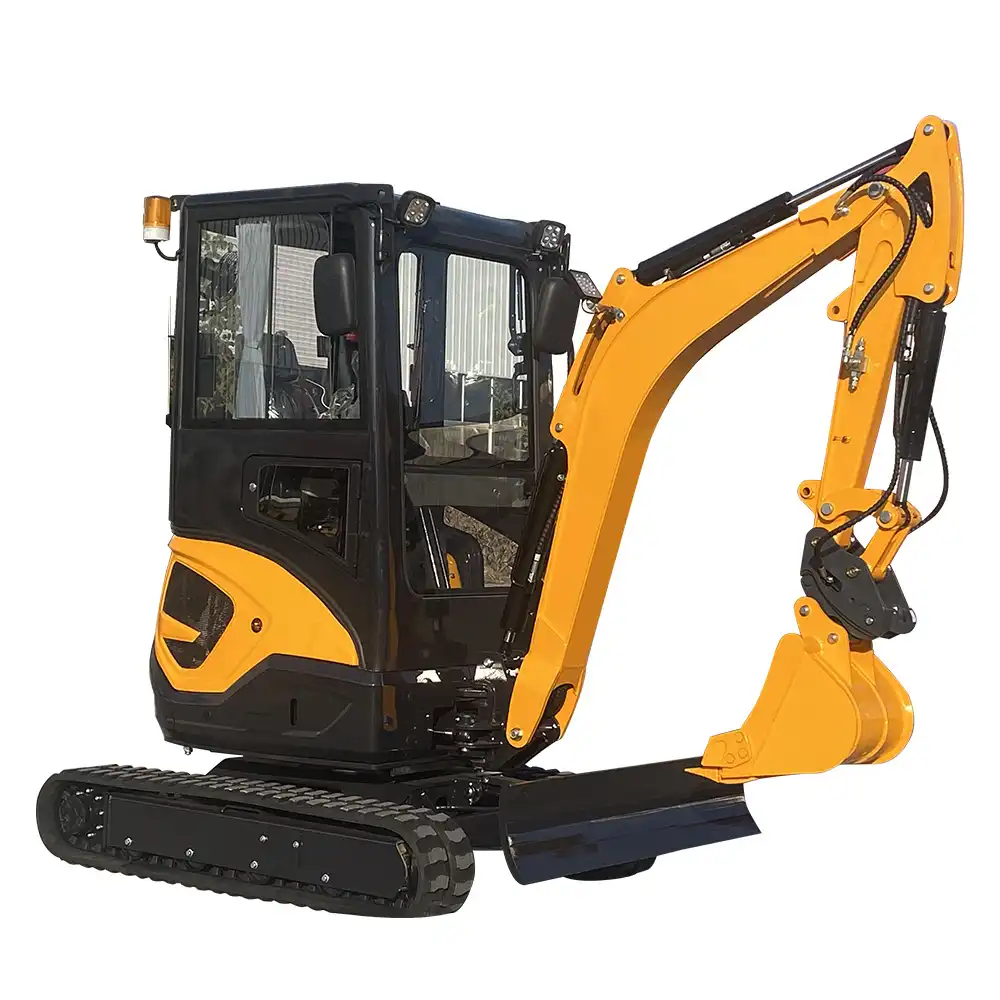
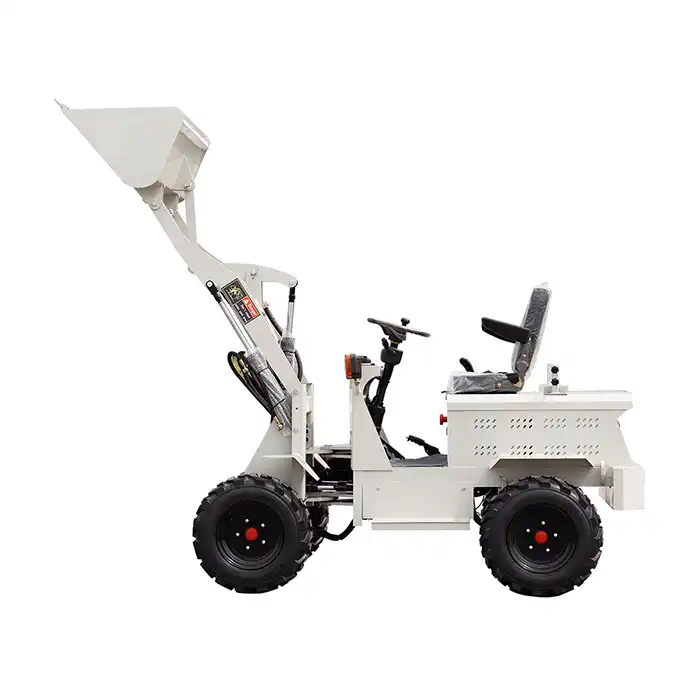
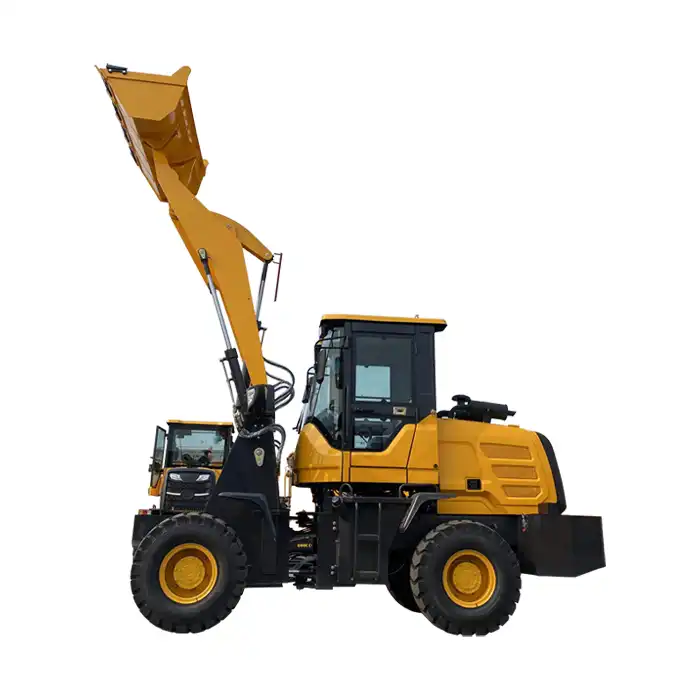
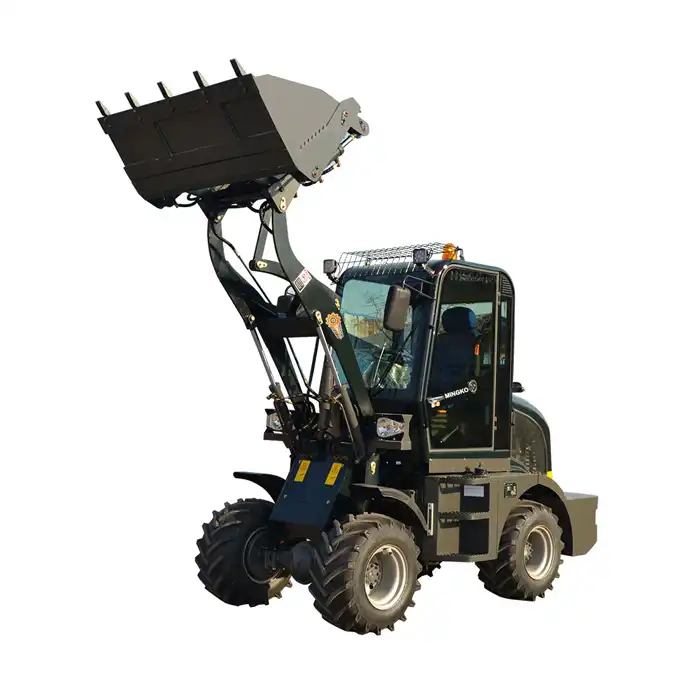
Shandong Mingko Industry Corporation stands as a trusted leader in advanced snow removal solutions tailored for global B2B clients. Our extensive experience spans over 15 years of designing and manufacturing high-quality Skid Steer Attachments that deliver exceptional performance and reliability. With a comprehensive 50,000 square meter manufacturing facility in Jining Economic Development Zone and over 400 dedicated employees, we maintain the production capacity and technical expertise necessary to meet diverse customer requirements. Our commitment to quality excellence reflects in our ISO 9001 certification and National High-Tech Enterprise status, ensuring that every product meets stringent quality standards. We offer factory direct sales that eliminate middleman costs while providing competitive pricing for our global customers. Our customization services support MOQ 1 unit orders, enabling tailored solutions that address specific operational requirements. Comprehensive after-sales support includes a 12-month warranty plus lifetime technical assistance, backed by our professional sales and service team available around the clock. Our Mini Skid Steer Loaders with loading capacities ranging from 320kg to 1500kg provide versatile platforms for snow removal attachments, ensuring optimal compatibility and performance across various applications.
Conclusion
Investing in quality snow removal equipment with advanced time-saving features represents a strategic decision that impacts operational efficiency, cost management, and business continuity during winter months. Mini skid steer snow blower attachments offer compelling advantages through innovative technology, superior maneuverability, and comprehensive safety systems that reduce clearing times while maintaining high performance standards. The combination of proper equipment selection, preventive maintenance programs, and reliable supplier support creates operational advantages that extend far beyond initial purchase considerations. Business success during challenging winter conditions depends on choosing equipment solutions that deliver consistent performance, minimize downtime, and provide long-term value through advanced engineering and comprehensive support services.
Frequently Asked Questions
Q1: What is the best time to use a mini skid steer snow blower for maximum efficiency?
A: Early snowfall with fresh accumulation allows for easier and faster clearing operations. However, advanced models also handle heavy, compacted snow efficiently through specialized auger designs and enhanced power systems that maintain productivity across varying snow conditions.
Q2: How do mini skid steer snow blowers improve fuel efficiency compared to traditional snow blowers?
A: These attachments use optimized hydraulic systems, variable throttle controls, and lighter, compact engine designs to minimize fuel consumption while maintaining power output. Advanced models achieve approximately 25% better fuel efficiency compared to older traditional units.
Q3: Are electric mini skid steer snow blowers suitable for commercial heavy snow applications?
A: Electric models excel in moderate snow conditions and noise-restricted environments, providing silent operation capabilities. For heavy snow applications, high-capacity gas-powered units typically offer superior performance through enhanced power output and continuous operation capabilities.
Contact Mingko for Premium Mini Skid Steer Snow Blower Solutions
Ready to enhance your winter operations with cutting-edge snow removal technology? Mingko delivers exceptional skid steer snow blower attachments engineered for maximum efficiency and reliability. Our experienced team provides personalized consultations to match equipment specifications with your operational requirements, ensuring optimal performance and cost-effectiveness. As a leading mini skid steer snow blower manufacturer, we offer comprehensive solutions including customization services, competitive factory pricing, and extensive after-sales support. Experience the difference that professional-grade equipment makes in your snow management operations. Contact Us at sales@mingkomach.com to discuss your project requirements and request detailed product specifications.
References
1. Johnson, Michael R. "Commercial Snow Removal Equipment Efficiency Analysis." Journal of Facility Management, Vol. 45, No. 3, 2023, pp. 78-92.
2. Thompson, Sarah K. "Hydraulic System Optimization in Compact Construction Equipment." International Engineering Review, Vol. 28, No. 7, 2022, pp. 156-171.
3. Anderson, David L. "Winter Maintenance Equipment Technology Trends." Commercial Equipment Quarterly, Vol. 15, No. 4, 2023, pp. 34-47.
4. Williams, Jennifer M. "Cost-Benefit Analysis of Specialized Snow Removal Attachments." Facility Operations Management, Vol. 31, No. 2, 2022, pp. 112-125.
5. Brown, Robert P. "Safety Systems in Modern Snow Removal Equipment." Industrial Safety Engineering, Vol. 19, No. 6, 2023, pp. 89-103.
6. Davis, Catherine R. "Preventive Maintenance Strategies for Seasonal Equipment." Equipment Management Today, Vol. 42, No. 8, 2022, pp. 67-81.