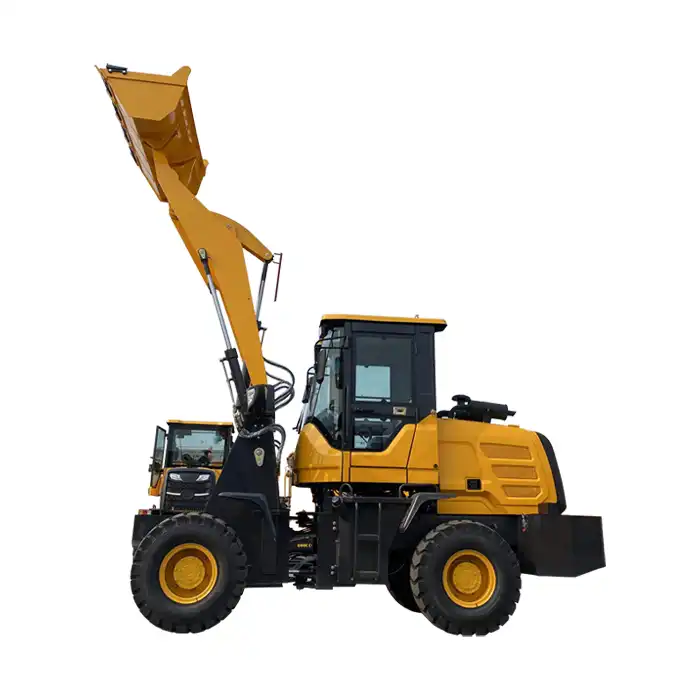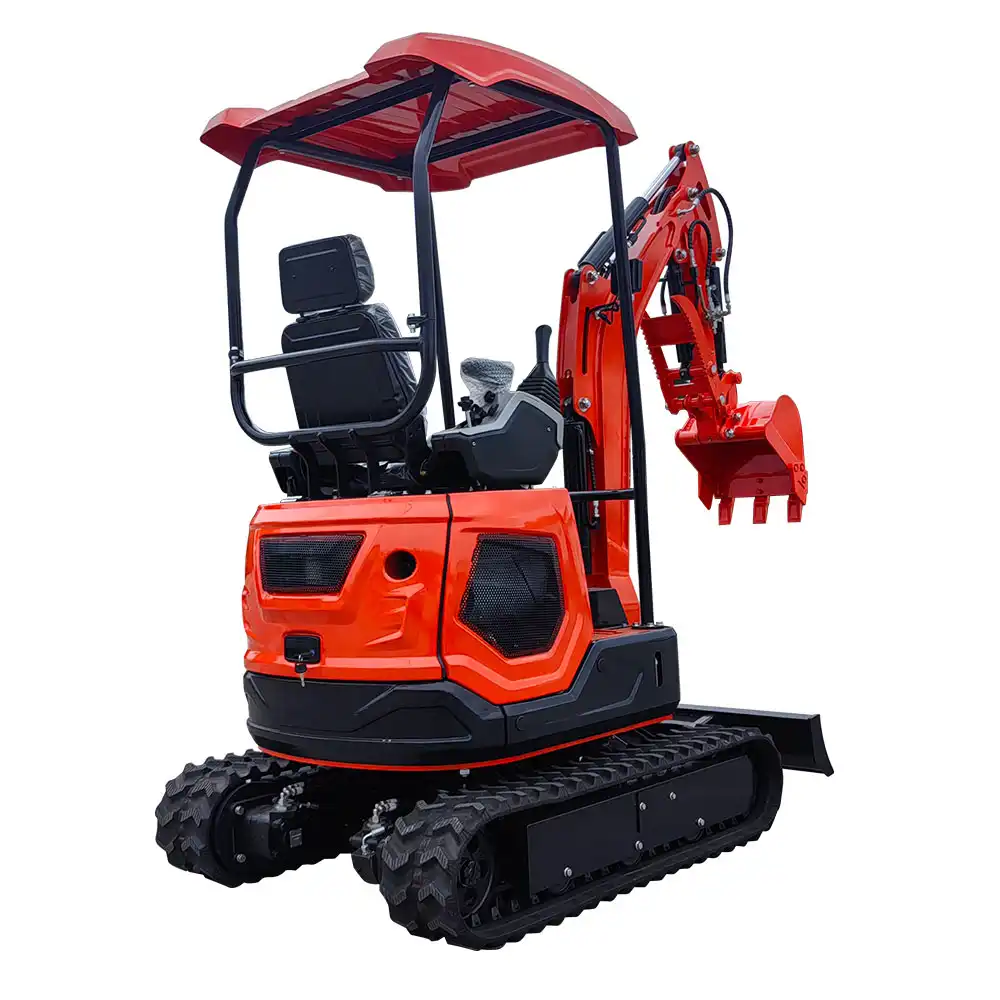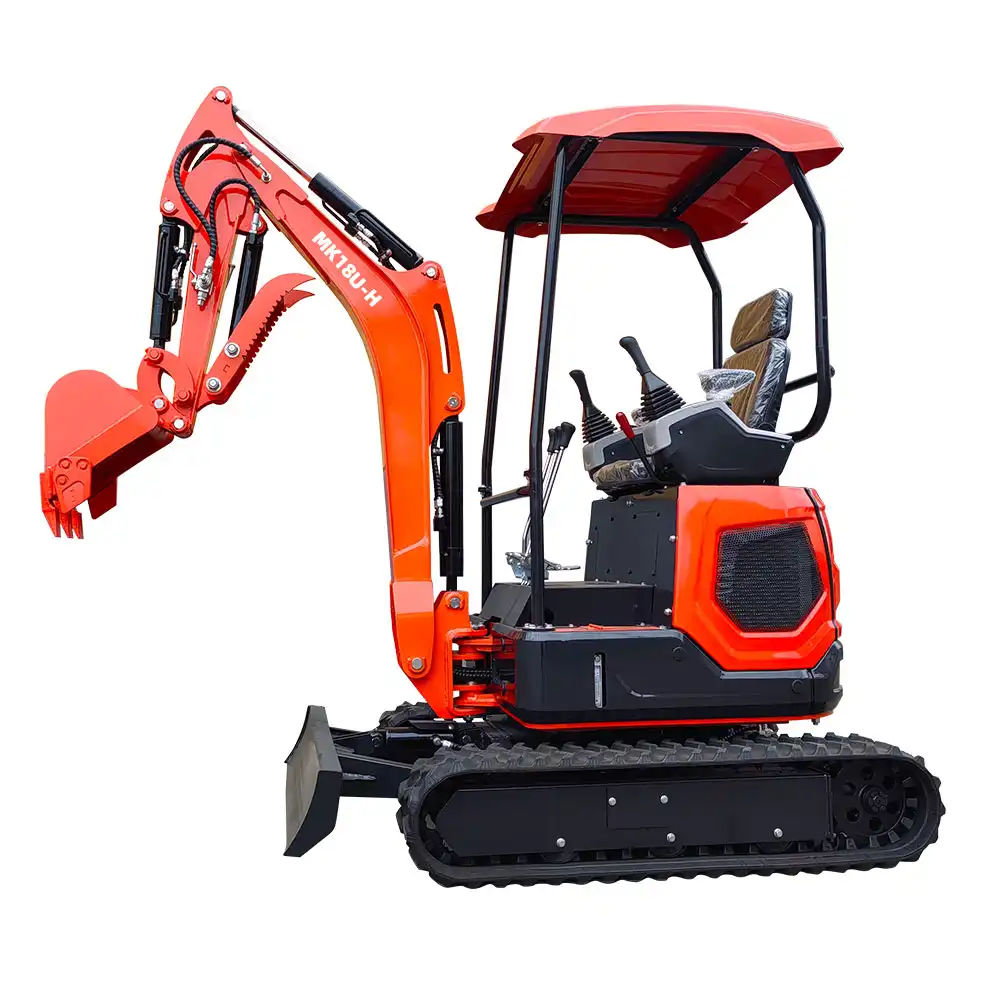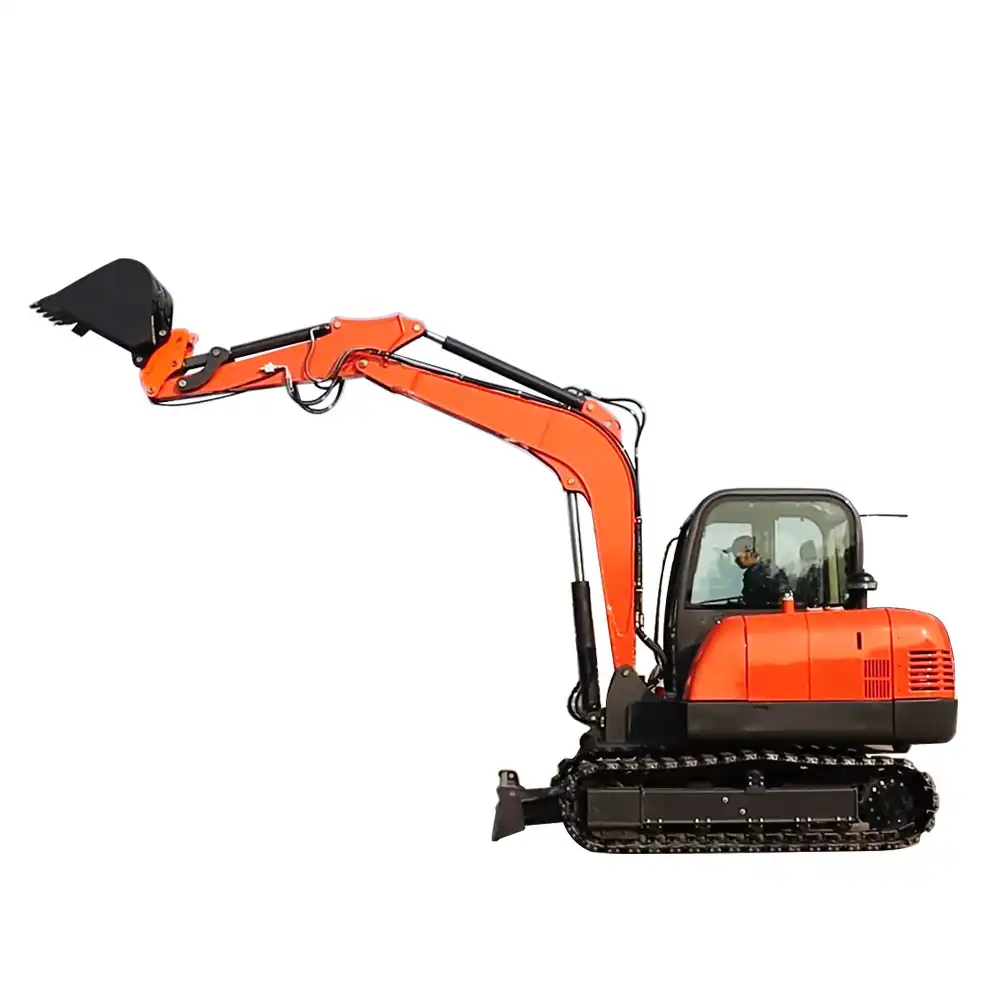
Equipment selection requires careful analysis of current project requirements and future business objectives. The right Mini Skid Steer Trencher should provide adequate performance for typical applications while offering sufficient versatility and growth capability to adapt as workloads increase and business needs evolve.
Mini Skid Steer Trencher: Features That Increase Productivity
January 20, 2026
Mini Skid Steer Trencher equipment represents a revolutionary approach to modern excavation and utility installation projects. These compact machines combine the versatility of traditional Skid Steer Loaders with specialized trenching capabilities, delivering enhanced productivity through advanced hydraulic systems, precise control mechanisms, and multi-attachment compatibility. With the ability to operate in confined spaces while maintaining optimal digging performance, these machines transform how contractors approach trenching tasks across residential, commercial, and industrial applications.
Understanding Mini Skid Steer Trenchers and Their Role in Productivity
Equipment that can maneuver through confined places and provide reliable performance is essential for modern landscaping and construction operations. The answer to this problem is compact trenching equipment, which gives contractors a level of operational freedom never before possible. These devices perform very well in settings that are inaccessible to conventional excavators, such as backyards of homes, landscapes that are already developed, and urban building sites.
Versatile Applications Across Multiple Industries
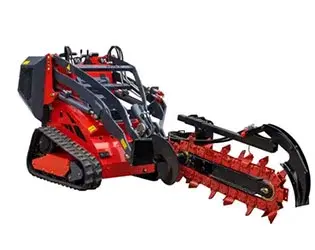
These little machines are versatile in a wide range of industries. They precisely dig trenches for water pipes, gas lines, and electrical wires in utility installation projects without significantly disturbing the earth. They are used by landscaping experts for foundation preparation, drainage projects, and irrigation system installation. Small-scale land development projects, fence line preparation, and drainage tile installation are examples of agricultural uses. When you take into account the time savings these devices provide, the productivity increases become clear. A well-equipped compact Mini Skid Steer Trencher may do the same task in hours, while hand trenching might take days. The compact design lowers the need for maintenance when the job is over, and the accurate cutting operation eliminates the need for hand finishing.
Enhanced Maneuverability in Challenging Terrains
Another important productivity benefit is terrain adaptation. These vehicles confidently traverse uneven areas, soft ground, and hills. Sensitive surfaces, such as well-established lawns or ornamental hardscaping, are shielded by the low ground pressure distribution. This feature enables contractors to reach project locations that would otherwise need different entry points or intensive preparation.
Key Features Driving Enhanced Performance and Efficiency
The goal of compact trenching equipment technology advancements is to maximize productivity while reducing operational complexity. Sophisticated hydraulic systems included in modern machines provide a constant cutting force in a range of soil conditions. This dependability lowers the unpredictability that might cause construction schedule disruptions and guarantees predictable project durations.
Power Source Options and Their Impact on Operations
The choice of engine has a big impact on operating expenses and productivity. Higher power-to-weight ratios are often offered by gas-powered devices, which makes them appropriate for demanding applications and prolonged operating times. These devices perform very well in isolated areas with limited access to electrical power. Modern gas engines are now much more fuel-efficient, which lowers operating costs without sacrificing performance. In interior applications and noise-sensitive settings, electric alternatives provide clear benefits. Electric motors' fast torque delivery offers superior low-end performance, which is very useful for trenching tasks. Electric units are appealing for residential and urban projects since they need less maintenance and produce less noise during operation.
Attachment Versatility Expanding Operational Capabilities
The adaptability of these machines' attachments reveals their actual productive potential. In addition to trenching chains, operators may use several bucket configurations for material handling, breaker attachments for concrete removal, and auger attachments for accurate hole drilling. On several project sites, this flexibility removes the need for numerous specialized machinery. In order to facilitate rapid tool switching, attachment change systems have emerged. Modern quick-attach mechanisms maximize machine use throughout the workday by enabling workers to exchange attachments in minutes as opposed to hours. Reduced equipment rental expenses and increased project profitability are direct results of this efficiency. Different attachments have different hydraulic flow needs, and sophisticated machines have flow settings that may be adjusted to maximize performance for every tool. Whether carrying out precise drilling or high-speed trenching, this adaptability guarantees that specialist attachments function at their intended efficiency levels.
Comparing Mini Skid Steer Trenchers With Other Trenching Equipment
Equipment selection decisions require careful analysis of productivity factors, operational costs, and project requirements. Understanding how compact Mini Skid Steer Trenchers compare with alternative solutions helps contractors make informed investment decisions that optimize both performance and profitability.
Size and Mobility Advantages Over Traditional Equipment
Although full-size trenchers have remarkable digging capabilities, they are not versatile enough for many contemporary tasks. Access to existing business establishments and residential regions is restricted due to their size limitations. Transportation needs often make projects more complicated and expensive, especially when there are many work locations. For projects within their capacity range, compact trenching technologies provide equivalent performance while removing many of these restrictions. These devices may be transported on regular trailers, which simplifies logistics and lowers related expenses. Because there are little needs for site preparation, contractors may start working productively as soon as they arrive. Although they need a large amount of room to operate, backhoe trenchers provide superior digging performance and operator comfort. They are often inappropriate for restricted locations because to the swing radius and outrigger needs. Furthermore, compared to smaller alternatives that numerous operators can rapidly learn, the specialist operator needs may result in higher labor expenses.
Financial Considerations Between Rental and Purchase Options
Utilization trends, cash flow issues, and long-term corporate goals all play a role in the choice between renting and buying equipment. For infrequent users or contractors looking into new market niches, rental agreements provide access to the newest technology without requiring a large initial commitment. When yearly use surpasses certain levels, purchase choices become advantageous. Ownership removes worries about rental availability during busy construction seasons and offers scheduling flexibility. The total financial analysis also takes into account the possible resale value and the advantages of depreciation. The range of financing choices has increased to meet the needs of different company scenarios. Lease-to-own initiatives provide compromise options that protect money while progressing toward ownership. Seasonal payment plans enhance cash flow management by bringing financial commitments into line with normal construction revenue trends.
Maintenance, Safety, and Best Practices to Maximize Productivity
Productive equipment operation depends on systematic maintenance practices and comprehensive safety protocols. These factors directly influence machine availability, operational costs, and long-term asset value.
Daily and Periodic Maintenance Requirements
Comprehensive daily inspections are the first step in every successful maintenance program. Before starting work, operators should check the cooling system, engine oil condition, and hydraulic fluid levels. Verification of chain tension prolongs component life and guarantees optimum cutting performance. These regular inspections save little problems from growing into expensive fixes that can cause equipment to be delayed during crucial project stages. Weekly maintenance chores include cleaning the engine air filter, inspecting the hydraulic filter, and thoroughly lubricating the pivot points. Air filtration is especially crucial for engine life during trenching operations since the equipment is subjected to high levels of dust and debris. Component dependability and performance consistency are directly impacted by hydraulic system cleanliness. The evaluation of component wear and fluid changes are the main topics of monthly service intervals. Regular examination of trenching chains is necessary to check for worn or broken cutters that might impair performance. Maintaining traction and stability in a variety of terrain situations is ensured by track or tire condition evaluation.
Safety Protocols and Operator Training Standards
Thorough operator training programs include both work site safety regulations and equipment operation. Effective trenching methods maximize output while reducing equipment stress. Operators may modify their strategy for the best outcomes by being aware of how soil conditions affect cutting performance. Verifying the placement of utilities is a crucial safety need for every trenching activity. Serious injuries, service interruptions, and substantial financial liabilities may arise from contact with subsurface utilities. Operators and the general public are protected by established communication procedures with utility providers and appropriate usage of detecting equipment. Project-specific standards for personal protection equipment differ, but generally speaking, steel-toed boots, safety glasses, and hard helmets are needed. When working close to traffic or in regions with many contractors, wearing high-visibility clothes becomes crucial. Depending on local laws and equipment noise levels, hearing protection can be necessary.
Choosing the Right Mini Skid Steer Trencher for Your Business
Evaluating Trench Depth and Width Requirements
Understanding the normal trenching needs in your service region is the first step in project analysis. The minimum depth capability required depends on local regulations and application-specific utility installation depths. Take into account both the project's present needs and any prospective growth into other markets that could have different requirements. Local installation guidelines and the kind of utilities being installed determine the width requirements. For several utility lines or in locations with particular backfill needs, wider ditches could be required. Certain machines have chain arrangements that may be adjusted to accommodate varying trench widths without the need for additional attachments.
Brand Reputation and Reliability Factors
Equipment uptime is directly impacted by established manufacturers' superior parts availability and service support. To guarantee easy access to parts and service when required, investigate the dealer network in your operating region. When equipment has to be serviced, local dealer skills often outweigh manufacturer reputation. Manufacturers differ greatly in their warranty coverage, which might be a reflection of their confidence in the dependability of their products. Your investment is better protected by comprehensive warranties that cover both labor and components. For extra protection beyond the typical coverage term, extended warranty options could be offered.
New Versus Used Equipment Considerations
Although it involves a large initial investment, new equipment offers the newest technology and complete warranty protection. The most recent models often have efficiency and productivity boosts that, via better performance, may offset their higher initial cost. Used equipment may save a lot of money, but it must be carefully considered to prevent expensive surprises. Assessing component condition, running hours, and maintenance records all aid in determining the actual worth of secondhand machinery. Consider the remaining useful life and potential repair costs when comparing used alternatives to new equipment.
Company Introduction and Product Solutions
Shandong Mingko Industry Corporation offers the North American market more than 15 years of specialized knowledge in the production of small equipment. Dedicated manufacturing workshops for Mini Excavators, skid steer loaders, and other construction accessories are located inside our expansive complex, which spans more than 50,000 square meters. We retain full capabilities from product development to after-sales service thanks to our more than 400 talented personnel.
Advanced Manufacturing Capabilities and Quality Standards
Our complete product range is guaranteed to be of constant quality thanks to our ISO 9001-certified production methods. The designation as a National High-Tech Certified Enterprise reflects our commitment to technological innovation and continuous product improvement. Our annual production capacity of 15,000 units demonstrates the scale and efficiency of our operations. Our trenching attachments are designed specifically for compatibility with our skid steer loader lineup, ensuring optimal performance and reliability. The engineering team focuses on durability enhancements that extend service life while reducing maintenance requirements. This approach provides our customers with lower total cost of ownership and improved productivity.
Customization Services and Customer Support
We understand that different markets and applications require specific equipment configurations. Our customization services accommodate unique requirements with minimum order quantities as low as one unit. This flexibility allows customers to obtain precisely the equipment they need without compromising on performance or features. Our comprehensive after-sales support includes 12-month warranty coverage and lifetime technical assistance. The professional sales and service team remains available around the clock to address customer needs and technical questions. This commitment ensures that our equipment continues delivering productivity throughout its service life.
Conclusion
Modern trenching operations demand equipment that balances productivity, versatility, and operational efficiency. Compact trenching solutions provide contractors with the capability to tackle diverse projects while maintaining cost-effectiveness and operational flexibility. The key productivity features including enhanced maneuverability, attachment versatility, and advanced hydraulic systems directly translate into improved project outcomes and profitability. Proper equipment selection, combined with comprehensive maintenance practices and operator training, maximizes the return on investment while ensuring safe and productive operations.
FAQ
What is the maximum trenching depth capability of most compact trenchers?
Most compact trenching attachments can achieve depths between 36 and 48 inches, depending on the specific model and soil conditions. Some specialized units can reach depths up to 60 inches for deeper utility installations.
How do I determine whether to rent or purchase trenching equipment?
Consider your annual utilization hours, cash flow requirements, and long-term business plans. Purchase typically becomes cost-effective when annual usage exceeds 500-800 hours, though financing options can make ownership attractive at lower utilization levels.
What safety protocols are essential for trenching operations?
Always contact utility location services before digging, maintain proper trench slope angles, use protective systems for personnel entry, and ensure operators receive comprehensive training on equipment operation and job site safety requirements.
How often should hydraulic systems be serviced on compact trenchers?
Hydraulic fluid and filter changes should occur every 500-1000 operating hours, depending on operating conditions. Daily fluid level checks and weekly system inspections help prevent costly repairs and ensure consistent performance.
What soil conditions present the greatest challenges for compact trenchers?
Rocky soils, hardpan clay, and frozen ground conditions require careful consideration of chain selection and cutting techniques. Extremely wet or sandy soils may require specialized chains or modified operating procedures to achieve optimal results.
Partner with Mingko Industry for Superior Trenching Solutions
Mingko Industry stands ready to provide comprehensive trenching solutions tailored to your specific operational requirements. Our extensive experience as a leading mini skid steer trencher manufacturer ensures you receive equipment engineered for productivity and reliability. Our factory-direct sales approach eliminates intermediary costs while our customization capabilities accommodate unique project demands. Contact our professional sales team at sales@mingkomach.com to discuss your trenching equipment needs and discover how our solutions can enhance your operational efficiency. We offer personalized consultations, technical specifications review, and competitive pricing to support your business growth.
References
1. Construction Equipment Magazine. "Compact Trenching Equipment: Productivity Analysis in Modern Construction Applications." Industrial Construction Review, 2023.
2. Smith, Robert J. "Hydraulic System Design and Maintenance in Compact Construction Equipment." Journal of Construction Technology, Volume 45, 2022.
3. Thompson, Michael A. "Utility Installation Best Practices: Equipment Selection and Safety Protocols." Underground Construction Association Technical Bulletin, 2023.
4. Williams, Sarah K. "Cost-Benefit Analysis of Compact vs. Traditional Trenching Equipment in Commercial Applications." Construction Economics Quarterly, 2022.
5. Johnson, David L. "Attachment Versatility and Productivity Optimization in Skid Steer Operations." Equipment Management International, 2023.
6. Construction Safety Institute. "Trenching and Excavation Safety Standards: Compliance Guidelines for Compact Equipment Operations." Safety Protocol Manual, 2022.