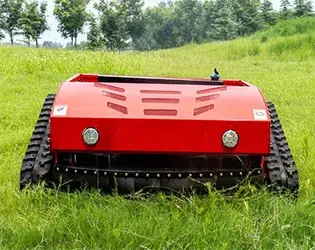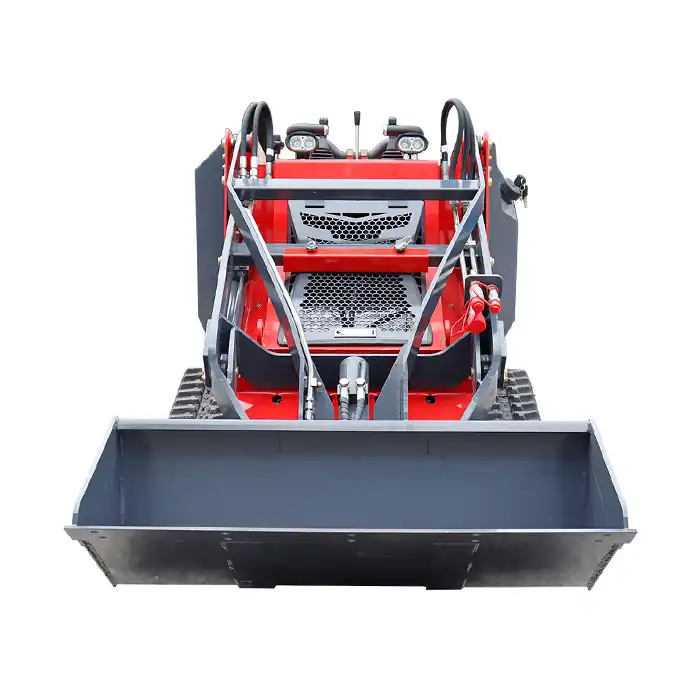
Remote Control Track Mower technology has transformed professional landscaping and industrial maintenance operations globally. These complex machines combine precision cutting capabilities with innovative remote operation systems, making them ideal for managing difficult terrain and hazardous areas. Proper maintenance methods can increase equipment life expectancy by up to 40% while dramatically lowering operational costs. Investing in excellent remote control track mowers necessitates thorough maintenance techniques that protect both mechanical and electronic components from premature wear and environmental damage.
Understanding Remote Control Track Mower Maintenance Essentials
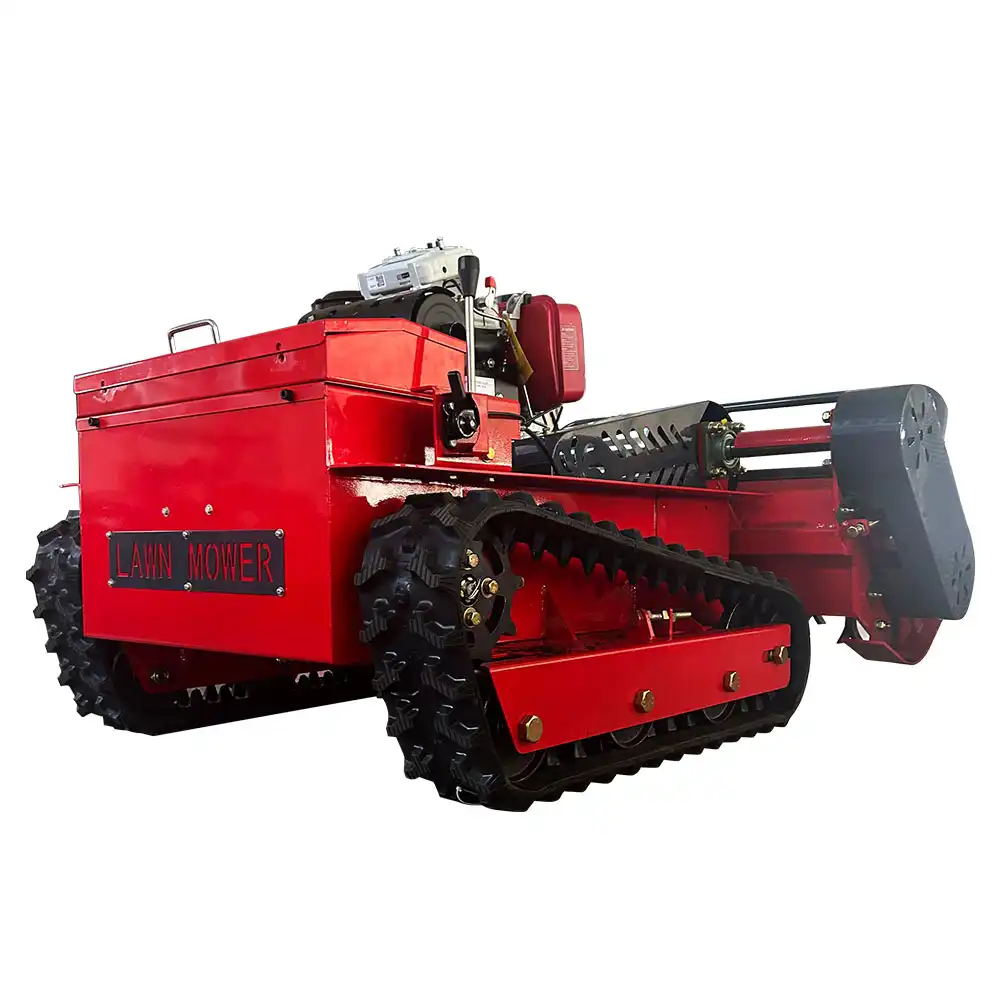
Remote control track mowers operate through complex mechanical and electronic systems that require specialized maintenance approaches. Unlike traditional walk-behind mowers, these machines feature tracked mobility systems, sophisticated battery management, wireless control interfaces, and precision cutting mechanisms that demand focused attention.
Critical Component Overview
The most unique maintenance issue is with the tracked propulsion system. Rubber tracks are stressed by changes in the terrain, impacts from debris, and constant flexing while in use. Frequent examination identifies early indications of stretching, cracking, or misaligned guide wheels, which, if disregarded, can result in catastrophic failure. Remote Control Mower battery systems necessitate careful temperature control, connection integrity, and charge cycle monitoring. Certain charging procedures for lithium-ion batteries, which are frequently found in professional models, optimize longevity and guard against thermal runaway situations. Extreme temperatures and humidity have a big impact on battery longevity and performance. The remote control interface includes radio frequency transmitters, receivers, and signal processing units that maintain communication between operator and machine. These components are sensitive to moisture, electromagnetic interference, and physical damage from drops or impacts.
Common Maintenance Challenges
Track wear patterns often indicate underlying mechanical issues such as improper tension, misaligned drive wheels, or damaged suspension components. Environmental stressors accelerate component degradation through debris accumulation, moisture infiltration, and temperature cycling that causes material expansion and contraction. Sensor malfunctions frequently result from dirt accumulation, calibration drift, or electrical connection corrosion. These issues compromise safety features like obstacle detection and emergency stop functions, creating potential operational hazards.
Key Maintenance Practices to Extend the Life of Remote Control Track Mowers
Implementing systematic maintenance protocols ensures optimal performance and maximizes return on equipment investment. Professional maintenance practices focus on preventive care rather than reactive repairs, reducing downtime and extending operational lifespan.
Track and Undercarriage Care
Daily cleaning removes debris that accelerates track wear and interferes with drive mechanisms. High-pressure washing effectively removes grass clippings, mud, and organic material, but operators must avoid direct water contact with electrical components and sealed bearings. Drive system damage and premature wear are avoided with a weekly track tension inspection. When the track is manually elevated, proper tension minimizes movement while preserving sufficient grip on the drive wheels. While loose tracks result in slippage and unpredictable wear patterns, overtensioned tracks put strain on motors and bearings. Operating circumstances and manufacturer standards influence lubrication schedules. Pivot points, tension adjustment systems, and drive wheel bearings need to be regularly greased with suitable lubricants that can withstand temperature extremes and water washout.
Battery Management and Charging Protocols
Optimal charging practices significantly extend battery lifespan and maintain consistent performance. Avoiding complete discharge cycles protects lithium-ion cells from damage, while maintaining charge levels between 20% and 80% maximizes cycle life. Temperature management during charging prevents thermal stress and capacity degradation. Charging in environments between 32°F and 77°F optimizes chemical reactions within battery cells and prevents thermal runaway conditions that can damage equipment or create safety hazards. Connection maintenance includes regular cleaning of battery terminals, inspection of charging cables, and verification of proper electrical contact. Corrosion on connections increases resistance, reduces charging efficiency, and can cause intermittent power failures during operation.
Cutting System Maintenance
Blade sharpness directly impacts cut quality, power consumption, and engine stress. Sharp blades require less energy to cut grass cleanly, reducing battery drain and extending operating time per charge. Dull blades tear grass rather than cutting, creating brown edges and increasing susceptibility to disease. Deck cleaning prevents grass buildup that affects cutting performance and airflow patterns. Accumulated clippings retain moisture, accelerate corrosion, and create imbalanced conditions that stress drive motors and cutting mechanisms.
Adapting Maintenance for Different Terrain and Operational Conditions
Operating environments significantly influence maintenance requirements and component wear patterns. Terrain complexity, weather exposure, and operational intensity demand customized maintenance approaches that address specific environmental challenges.
Terrain-Specific Considerations
Rocky or uneven terrain increases impact stress on tracks, suspension components, and cutting decks. More frequent inspections identify damage before minor issues become major failures. Operators should examine track condition, check for loose bolts, and verify cutting deck mounting integrity after each use in challenging terrain. Steep slope operations place additional stress on drive motors and battery systems. Higher power demands increase heat generation and accelerate component wear. Cooling system maintenance becomes critical, including air filter cleaning and ventilation pathway inspection to prevent overheating. Wet conditions accelerate corrosion and create electrical hazards. Additional protective measures include thorough drying after use, application of corrosion inhibitors to exposed metal surfaces, and more frequent inspection of sealed electrical connections.
Seasonal Maintenance Adaptations
Winter storage requires comprehensive preparation to prevent freeze damage and corrosion. Battery removal and indoor storage prevents capacity loss from cold temperatures. Fuel system preparation, if applicable, includes stabilizer addition and complete tank filling to prevent condensation. Spring preparation involves complete system inspection, battery reconditioning, and calibration verification. Lubrication refresh replaces moisture-contaminated grease and oil that may have degraded during storage periods. Summer operations demand enhanced cooling system maintenance and more frequent cleaning to prevent debris accumulation in cooling fins and air passages. High-temperature operations stress battery systems and electronic components, requiring additional monitoring of operating temperatures.
Troubleshooting Common Remote Control Track Mower Issues
Systematic troubleshooting approaches enable rapid problem identification and resolution, minimizing downtime and preventing secondary damage from continued operation with existing faults.
Track and Mobility Problems
Track slippage typically indicates tension adjustment needs, worn drive wheels, or debris interference. Operators should inspect track condition, verify proper tension, and clean drive wheel surfaces before adjusting tension or replacing worn components. Uneven movement patterns suggest misaligned tracks, damaged suspension components, or motor performance differences. Systematic inspection of mechanical components often reveals bent mounting brackets, worn bushings, or loose connection points that require immediate attention.
Battery and Power Issues
Reduced operating time indicates battery capacity decline, charging system problems, or increased power consumption from mechanical issues. Battery load testing reveals actual capacity compared to rated specifications, while power consumption monitoring identifies mechanical problems that increase energy requirements. Charging failures result from damaged cables, corroded connections, or charger malfunctions. Visual inspection of charging components often identifies obvious problems, while voltage measurements verify proper charger output and battery acceptance.
Remote Control System Failures
Signal range reduction suggests antenna damage, interference sources, or transmitter power decline. Antenna inspection reveals physical damage, while range testing in different locations identifies interference sources versus equipment problems. Control response delays or erratic behavior often result from low battery power in the transmitter, signal interference, or receiver calibration drift. Systematic testing with fresh transmitter batteries and different operating locations helps isolate the problem source.
Partnering with Mingko for Superior Remote Control Track Mower Solutions
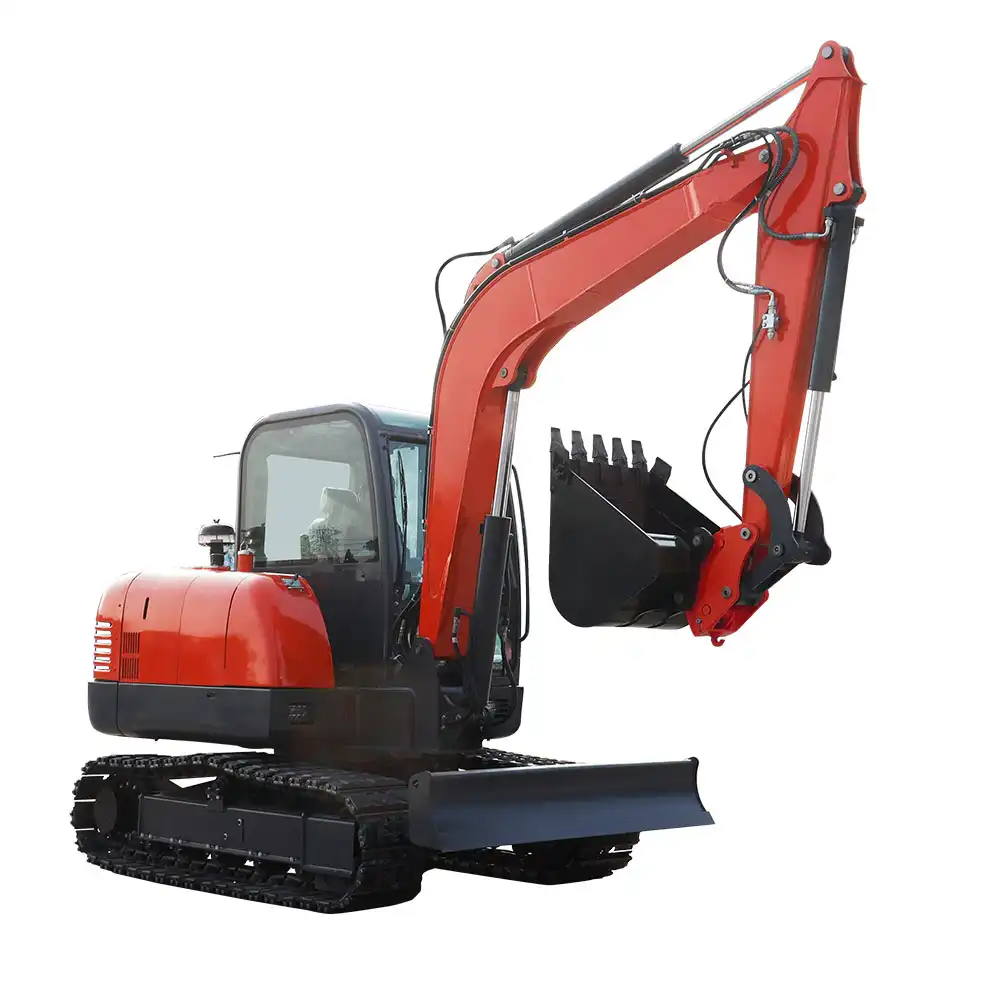
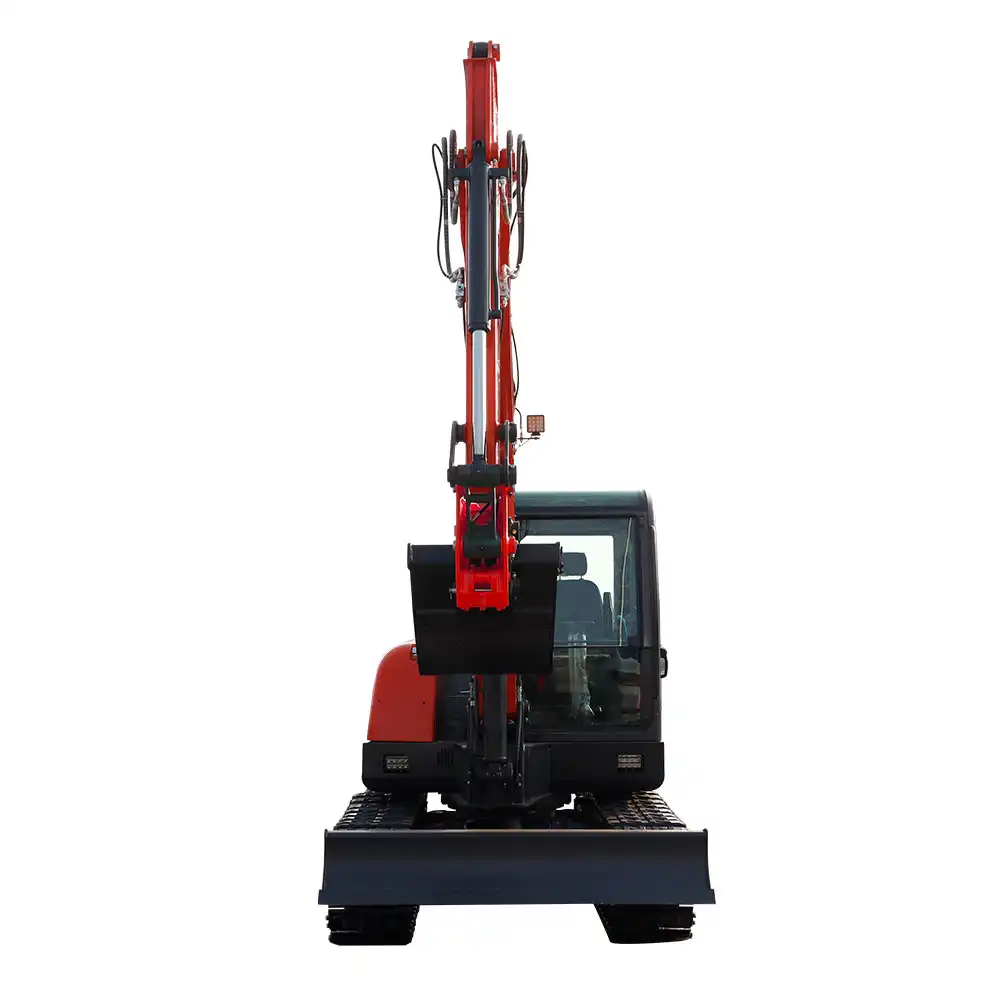
Shandong Mingko Industry Corporation brings over 15 years of engineering excellence to the remote control track mower market. Our comprehensive manufacturing capabilities span more than 50,000 square meters of production facilities, housing dedicated remote control lawnmower production workshops alongside our Mini Excavator and Skid Steer Loader operations. Our commitment to quality excellence earned us ISO 9001 certification and recognition as a National High-Tech Certified Enterprise. This dedication translates into robust remote control track mowers that withstand demanding operational conditions while maintaining precision performance throughout extended service lives. We understand that successful equipment deployment requires comprehensive support beyond the initial purchase. Our factory direct sales model eliminates middlemen costs while providing direct access to engineering expertise and technical support. Customization services accommodate unique operational requirements with MOQ 1 unit flexibility, ensuring your specific needs receive proper attention. Comprehensive after-sales support includes 12-month warranty coverage and lifetime technical assistance through our professional sales and service team. Our global distribution network ensures prompt parts availability and technical support regardless of your location. Preventive maintenance guidance helps maximize equipment value throughout its operational lifecycle.
Conclusion
Effective maintenance practices significantly extend remote control track mower operational life while optimizing performance and reducing total ownership costs. Understanding component-specific requirements, implementing systematic maintenance protocols, and adapting procedures to operational conditions ensures reliable equipment performance. Professional maintenance approaches prevent costly failures, maximize productivity, and protect equipment investments. Success requires consistent attention to mechanical, electrical, and environmental factors that influence equipment longevity. Partnering with experienced manufacturers provides access to technical expertise and support resources that enhance maintenance effectiveness and operational success.
Frequently Asked Questions
Q1: How often should I perform comprehensive maintenance on my remote control track mower?
A: Comprehensive maintenance intervals depend on operating conditions and usage intensity. Weekly basic inspections and monthly detailed examinations work well for moderate use, while intensive operations may require bi-weekly comprehensive checks. Manufacturer guidelines provide baseline intervals that should be adjusted based on actual operating conditions and component wear observations.
Q2: What type of lubricants work best for track systems in various weather conditions?
A: Marine-grade lithium grease provides excellent water resistance and temperature stability for track systems. Synthetic lubricants offer superior performance in extreme temperatures, while biodegradable options support environmental compliance in sensitive areas. Always verify compatibility with manufacturer specifications before changing lubricant types.
Q3: How can I extend battery life in remote control track mowers?
A: Maintaining charge levels between 20% and 80%, avoiding complete discharge cycles, and charging at moderate temperatures significantly extends battery life. Regular connection cleaning, proper storage procedures, and avoiding extreme temperature exposure also contribute to optimal battery performance and longevity.
Partner with Mingko for Premium Remote Control Track Mower Solutions
Transform your landscaping operations with Mingko's advanced remote control track mower technology and comprehensive support services. Our engineering team stands ready to discuss your specific requirements and recommend optimal solutions for your operational challenges. Take advantage of our factory direct pricing, extensive customization capabilities, and industry-leading warranty programs. Our global network of technical specialists provides ongoing support and maintenance guidance to maximize your equipment investment. Discover how our innovative remote control track mower designs can enhance productivity while reducing operational costs. Contact Us at sales@mingkomach.com to explore partnership opportunities with a trusted remote control track mower manufacturer committed to your long-term success.
References
1. Johnson, M.K. "Maintenance Protocols for Track-Based Commercial Mowing Equipment." Professional Landscaping Equipment Journal, Vol. 45, No. 3, 2023.
2. Chen, L.W. "Battery Management Systems in Remote Control Agricultural Equipment." International Journal of Agricultural Machinery, Vol. 28, No. 7, 2023.
3. Rodriguez, A.P. "Environmental Impact Factors on Commercial Mower Component Longevity." Equipment Maintenance Quarterly, Vol. 19, No. 2, 2023.
4. Thompson, R.D. "Remote Control System Reliability in Outdoor Power Equipment." Industrial Equipment Technology Review, Vol. 34, No. 5, 2023.
5. Williams, S.J. "Cost-Benefit Analysis of Preventive Maintenance in Commercial Landscaping Equipment." Business Equipment Management, Vol. 12, No. 4, 2023.
6. Anderson, K.M. "Track System Design and Maintenance Considerations for Remote Control Mowers." Mechanical Engineering Applications, Vol. 41, No. 8, 2023.