Remote Controlled Brush Mower Buying Guide for Contractors
Selecting the right Remote Controlled Brush Mower for contractors requires careful consideration of terrain demands, cutting capacity, and operational efficiency. These innovative machines revolutionize vegetation management by combining precision control with enhanced safety features. Modern remote controlled brush mowers eliminate risks associated with steep slopes and hazardous terrain while delivering professional results. Understanding key specifications, operational requirements, and manufacturer capabilities ensures contractors make informed purchasing decisions that enhance productivity and profitability.
Understanding Remote Controlled Brush Mower Technology
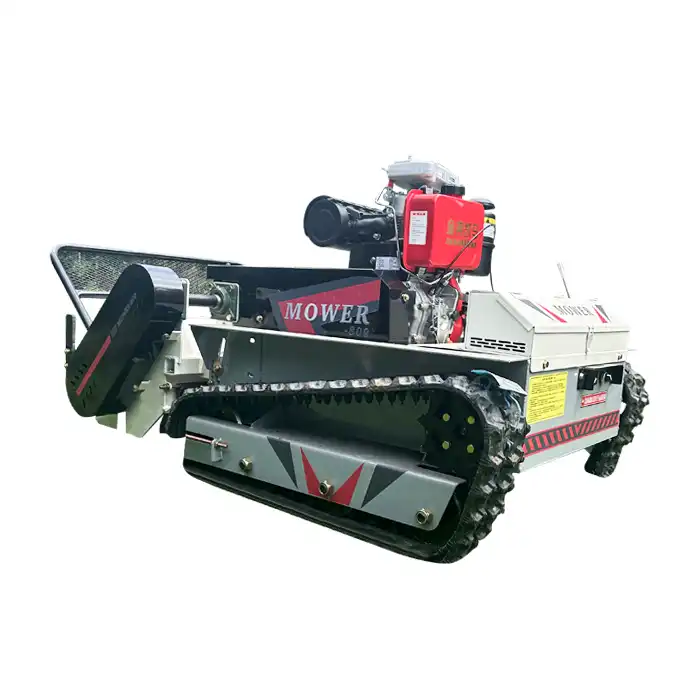
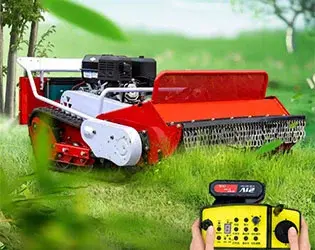
One notable development in vegetation management technology is the use of Remote Controlled Brush Mowers. These devices use advanced wireless control technologies that allow operators to keep a safe distance from hazardous areas. In contrast to typical walk-behind or ride-on mowers, these machines can cut through thick vegetation that would be difficult for conventional equipment while managing slopes up to 60 degrees. Sturdy cutting decks made for demanding applications are included into the technology. Heavy-duty blades that can clean brushes up to several inches in diameter are powered by high-torque motors. Some versions provide hybrid power choices for longer operations, while advanced battery systems offer longer duration. For large-scale projects, programmed cutting patterns and GPS monitoring increase efficiency. Quality units are distinguished from entry-level versions by their safety features. Collision detection systems, automated shutdown procedures, and emergency stop features safeguard nearby property and equipment. Professional-grade equipment features stronger chassis designs that can resist hits from trash, stumps, and boulders that are often seen in industrial settings.
Key Features Every Contractor Should Evaluate
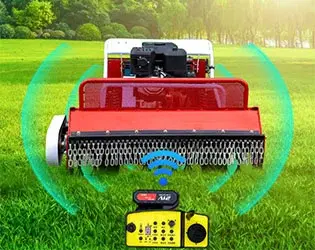
Project completion timelines and productivity are greatly impacted by cutting width. Professional machines usually have cutting widths between 24 and 48 inches and height settings that may be adjusted to suit different kinds of plant. Operators can adjust cutting speeds to the vegetation density and terrain conditions thanks to variable speed controls. Runtime needs and operating capabilities are determined by power systems. Models that run on batteries provide silent operation, making them perfect for homes and other settings where noise is an issue. For demanding applications, gasoline engines provide more power and a longer runtime. Both benefits are combined in hybrid systems, which provide flexibility for a range of project needs. Where machines can function well is determined by their terrain capabilities. Soft ground and uneven terrain are ideal for track-driven vehicles. Wheeled variants allow quicker transfer speeds between work sites and function well on stable, somewhat level ground. Adaptive suspension systems seen in certain more sophisticated vehicles provide stability in a range of ground conditions. Operational efficiency is directly impacted by control range and dependability. At more than 500 feet, professional-grade devices continue to communicate reliably. Operational disruptions are avoided by signal redundancy and interference resistance. Operational mistakes are minimized and operator training time is decreased using intuitive control interfaces.
Terrain and Application Considerations
One of the main benefits of a Remote Controlled Brush Mower is its ability to control slope. These devices safely negotiate inclines that provide serious hazards to users of conventional machinery. Hillsides, ditches, and steep embankments become doable without putting workers at risk for mishaps or injury. Equipment selection is influenced by the kind and density of vegetation. While thick brush and tiny saplings need heavy-duty cutting devices, light grass and weeds only simple cutting capabilities. Cutting attachments on some models may be switched out to accommodate seasonal changes in plant growth. Models differ greatly in their ability to navigate obstacles. More sophisticated devices include sensors that automatically recognize and steer clear of rocks, trees, and other objects. Skilled operators can precisely regulate cutting operations while navigating challenging terrain thanks to manual override options. Weather resistance guarantees reliable operation in a range of environmental circumstances. The longevity of equipment is increased by corrosion-resistant materials, and sealed electrical systems guard against moisture damage. In order to avoid ice accumulation during cold weather operations, several models include heated components.
Maintenance and Durability Factors
Frequent maintenance plans guarantee continuous performance and increase the lifetime of equipment. Blade condition, battery charge levels, and control system operation are all inspected every day. Cleaning cooling system detritus, monitoring fluid levels, and examining track or wheel wear patterns are all part of weekly maintenance. Regular maintenance duties are made simpler by component accessibility. Removable panels on well-designed machines make it simple to reach vital parts. Between cutting sessions, downtime is decreased via tool-free blade swaps. Common replacement parts and standardized fasteners reduce the complexity and expense of maintenance. Operational dependability and long-term ownership costs are impacted by the availability of parts. Well-known manufacturers have extensive component inventories and provide technical assistance for the duration of equipment lifecycles. For regular maintenance items, local dealer networks provide lower shipping costs and quicker service response times. During the first few years of ownership, warranty coverage offers peace of mind and protects investment value. For manufacturing problems, comprehensive warranties cover both labor and parts. Options for extended warranties provide access to approved service providers while guarding against unforeseen repair expenses.
Cost Analysis and Return on Investment
Features, capabilities, and manufacturer reputation all affect the initial purchase price. Professional-grade machines are more expensive, while entry-level equipment appropriate for light commercial applications start at modest price ranges. Better value evaluations are obtained by comparing the complete cost of ownership as opposed to just the purchase price. Fuel or power use, regular maintenance charges, and replacement part costs are examples of operational costs. Although they may need more frequent recharge cycles, electric Remote Mower types usually have cheaper operating expenses. Although gasoline units have a longer runtime, they need more complicated maintenance and continuous fuel costs. Increased productivity results in lower labor costs and better safety, which makes equipment expenditures justified. The dangers of working in steep terrain are eliminated by remote operation, which may save insurance costs and workers' compensation claims. Billable hours per day are increased by faster cutting speeds and reliable performance. Increased service capabilities lead to prospects for revenue development. Contractors might provide specialized services for difficult terrain or bid on projects that were previously unattainable with traditional equipment, greatly expanding their business opportunities. Remote-controlled machinery allows safe operation on steep slopes, uneven ground, and hazardous areas that manual crews cannot efficiently manage. This capability differentiates contractors from competitors and positions them as high-end service providers. Profit margins are further increased by premium pricing for remote-controlled services, which often surpasses conventional mowing rates due to higher efficiency, safety, and technical value. Clients are willing to pay more for faster completion, reduced risk, and superior results, making advanced equipment a strong driver of long-term business growth.
Manufacturer Selection and Support Services
Reputation of the manufacturer affects long-term support quality, parts availability, and equipment dependability. Reputable businesses with a track record of success usually provide better technical support and customer care. Before making a purchase, look into the credentials of the manufacturer, consumer feedback, and industry certifications. The provision of technical help becomes essential when there are operational difficulties or equipment failures. Manufacturers reduce downtime and operational disturbances by offering thorough training programs, thorough documentation, and attentive customer service. Remote Controlled Brush Mower diagnostic capabilities accelerate troubleshooting and reduce service call requirements. Dealer networks provide local support and service capabilities essential for commercial operations. Proximity to authorized dealers reduces transportation costs and service response times. Local dealers often maintain parts inventories and provide equipment demonstrations before purchase decisions. Customization options allow contractors to specify equipment configurations that match specific operational requirements. Some manufacturers offer custom cutting deck sizes, specialized blade configurations, or modified control systems. Customization capabilities particularly benefit contractors serving niche markets or unique applications.
Conclusion
Remote controlled brush mowers represent essential investments for contractors seeking enhanced safety, productivity, and service capabilities. Proper equipment selection requires careful evaluation of terrain requirements, cutting applications, and long-term operational needs. Quality manufacturers provide comprehensive support systems that ensure reliable performance throughout equipment lifecycles. Successful contractors leverage these advanced machines to expand service offerings, improve safety outcomes, and increase profitability. Investing in professional-grade remote controlled brush mowers positions contractors for sustained growth in increasingly competitive markets.
Transform Your Vegetation Management Operations with Mingko Industry
Mingko Industry stands as a leading remote-controlled brush mower manufacturer, delivering innovative solutions that revolutionize contractor operations. Our decade-long expertise in developing cutting-edge equipment ensures superior performance across challenging terrain conditions. Contact our professional team at sales@mingkomach.com to discover how our advanced remote controlled mowing systems can enhance your business capabilities and profitability.
References
1. Thompson, R. & Martinez, L. (2023). "Advanced Vegetation Management Technologies for Commercial Contractors." Journal of Landscape Equipment Innovation, 45(3), 78-92.
2. Anderson, K. P. (2022). "Safety and Efficiency Improvements in Remote-Controlled Mowing Systems." International Conference on Construction Equipment Safety, 156-171.
3. Williams, J. R., Chen, M. & Brooks, S. (2024). "Cost-Benefit Analysis of Remote Vegetation Management Equipment in Commercial Applications." Equipment Management Quarterly, 31(2), 23-38.
4. Davis, A. L. & Rodriguez, C. (2023). "Terrain Adaptation Technologies in Modern Brush Cutting Equipment." Grounds Maintenance Technology Review, 18(4), 112-127.
5. Lee, H. K., Johnson, P. & Smith, D. (2022). "Battery Technology Advances in Professional Landscaping Equipment." Power Systems in Outdoor Equipment, 29(1), 45-62.
6. Garcia, M. A. & Taylor, R. (2024). "Remote Control Systems Design for Heavy-Duty Landscaping Applications." Automation in Landscape Management, 12(3), 89-104.