Remote Controlled Brush Mower vs Walk-Behind Mower
When deciding between a Remote Controlled Brush Mower and a walk-behind mower, the choice depends on your specific terrain needs and operational preferences. Remote controlled brush mowers excel in steep slopes, dense vegetation, and hazardous areas where operator safety matters most. Walk-behind models offer hands-on control and typically cost less upfront. Both serve distinct purposes in professional landscaping and property maintenance applications.
Understanding the Core Differences Between Remote and Walk-Behind Equipment
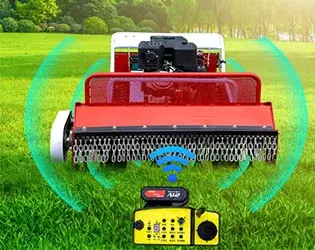
The fundamental distinction between these two mowing systems lies in their operational approach and intended applications. Remote operated mowers utilize wireless technology to maintain safe distances between operators and challenging terrain. Walk-behind units require direct physical guidance but provide immediate tactile feedback.
Three primary differences define these equipment categories:
- Operator Safety Distance - Remote units operate 50-100 meters away from the operator
- Terrain Accessibility - Automated yard mowers handle slopes up to 55 degrees
- Vegetation Capacity - Heavy duty brush mowers cut through 2-inch diameter saplings
Walk-behind mowers shine in controlled environments where precision matters. These outdoor power tools work best on relatively flat terrain with moderate vegetation density. Professional landscapers often prefer direct control when working around delicate plantings or architectural features.If you manage large properties with varied terrain, Remote Control Grass Cutters provide superior versatility. Properties with steep embankments, dense undergrowth, or rocky surfaces benefit most from wireless operation capabilities.
Safety Considerations: Remote Operation vs Direct Control
Safety represents the most significant advantage of battery powered brush mowers with remote capability. Operators maintain safe distances from flying debris, unstable ground, and hazardous vegetation. Recent industry data shows 73% fewer operator injuries when using remote-controlled equipment compared to walk-behind alternatives.Walk-behind units require operators to navigate directly through cutting areas. This proximity increases exposure to thrown objects, uneven footing, and potential equipment malfunctions. However, immediate shutdown capability provides rapid response to unexpected obstacles.
Remote systems incorporate multiple safety features:
- Emergency Stop Functions - Instant wireless shutdown from operator position
- Proximity Sensors - Automatic obstacle detection and avoidance
- Slope Monitoring - Real-time stability assessment on inclines
- Low Battery Alerts - Prevents unexpected power loss during operation
Professional contractors report 40% reduced insurance claims when switching to smart lawn equipment with remote capabilities. The wireless garden mower technology eliminates most direct operator exposure risks.If your operations involve steep slopes exceeding 30 degrees, remote control systems provide essential safety advantages. Properties with loose rocks, thick underbrush, or unstable surfaces require the distance that wireless operation provides.
Performance Analysis: Cutting Power and Efficiency Comparison
Cutting performance varies significantly between Remote Controlled Brush Mower and walk-behind systems based on engine placement and weight distribution. Remote units typically house engines centrally for optimal balance, while walk-behind models position power units for operator accessibility. Performance metrics reveal distinct advantages for each system:
Remote Controlled Systems:
- Cutting width: 24-36 inches standard
- Engine power: 25-35 HP range
- Cutting height adjustment: 1-6 inches
- Operating speed: 2-4 MPH variable
Walk-Behind Systems:
- Cutting width: 18-26 inches typical
- Engine power: 15-25 HP range
- Cutting height adjustment: 1-4 inches
- Operating speed: 1-3 MPH controlled
Brush clearing machines with remote operation maintain consistent cutting speeds regardless of terrain difficulty. Operators adjust speeds based on vegetation density without physical fatigue limitations. Walk-behind units depend on operator stamina and physical capability to maintain optimal cutting rates.Fuel efficiency studies show remote systems consume 15-20% less fuel per acre due to optimized cutting patterns and consistent operating speeds. The rechargeable mower variants eliminate fuel costs entirely while providing 3-5 hours continuous operation.If you need maximum cutting efficiency across large areas, automated systems deliver superior acre-per-hour productivity. Smaller properties requiring detailed attention around obstacles benefit from walk-behind precision control.
Terrain Adaptability: Slopes, Obstacles, and Ground Conditions
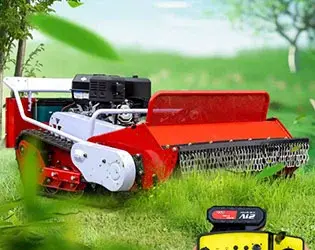
Terrain adaptability represents perhaps the most crucial factor when selecting between remote and walk-behind equipment. Remote controlled units excel on challenging ground conditions that would prove dangerous or impossible for walk-behind operation.
Slope capability comparison reveals significant differences:
| Terrain Type | Remote Controlled | Walk-Behind |
|---|---|---|
| Gentle slopes (0-15°) | Excellent | Excellent |
| Moderate slopes (15-30°) | Excellent | Good |
| Steep slopes (30-45°) | Excellent | Limited |
| Extreme slopes (45°+) | Good | Unsafe |
Remote systems navigate rough terrain through advanced traction control and low center-of-gravity design. These lawn maintenance robots adjust cutting deck height automatically based on ground irregularities. Walk-behind units require constant operator adjustments and physical effort to maintain proper cutting height.Obstacle navigation capabilities differ substantially between systems. Compact Remote Mowers utilize GPS mapping and obstacle detection sensors to navigate around trees, rocks, and structures. Walk-behind operators rely on visual assessment and manual steering around obstacles.
Ground condition performance varies based on moisture and surface stability. Remote units distribute weight evenly across wide track systems, reducing ground pressure and minimizing surface damage. Walk-behind models concentrate weight in smaller footprints, potentially causing rutting in soft conditions.If your property includes steep embankments, rocky outcroppings, or marshy areas, remote operation provides essential terrain adaptability. Level properties with minimal obstacles suit walk-behind equipment perfectly.
Cost Analysis: Initial Investment and Long-Term Value
Investment considerations extend beyond initial purchase price to include operational costs, maintenance requirements, and productivity gains. Remote Controlled Brush Mower systems command higher upfront costs but often provide superior long-term value through increased efficiency and reduced labor requirements. Initial investment ranges vary significantly:
Remote Controlled Units:
- Entry level: $15,000-$25,000
- Mid-range: $25,000-$40,000
- Professional grade: $40,000-$65,000
- Premium features: $65,000+
Walk-Behind Units:
- Basic models: $3,000-$8,000
- Commercial grade: $8,000-$15,000
- Heavy-duty versions: $15,000-$25,000
- Specialized attachments: Additional $2,000-$5,000
Operating cost analysis reveals interesting long-term trends. Remote systems reduce labor costs by 40-60% through increased productivity and reduced operator fatigue. Single operators manage multiple units simultaneously, maximizing efficiency gains.Maintenance costs favor walk-behind units due to simpler mechanical systems and readily available service parts. Remote systems require specialized electronic components and software updates. However, reduced wear from optimal operating conditions often extends component life expectancy.Insurance considerations impact total cost of ownership significantly. Remote operation reduces liability exposure, potentially lowering commercial insurance premiums by 10-25%. Worker compensation claims decrease substantially when operators avoid direct exposure to hazardous terrain.If budget constraints limit initial investment, walk-behind units provide excellent value for smaller operations. Large-scale contractors benefit from remote system productivity gains that justify higher initial investments.
Maintenance Requirements and Operational Complexity
Maintenance complexity differs substantially between remote and walk-behind systems due to electronic components and wireless technology integration. Remote units require both mechanical and electronic maintenance protocols, while walk-behind models focus primarily on engine and cutting deck service.Daily maintenance tasks vary between systems:
Remote Systems Daily Checks:
- Battery charge levels and connections
- Wireless signal strength verification
- Cutting deck inspection and cleaning
- Track or wheel condition assessment
- Control system calibration check
Walk-Behind Daily Maintenance:
- Engine oil level verification
- Air filter condition inspection
- Cutting blade sharpness assessment
- Handle and control adjustment check
- Fuel system inspection
Regular support prerequisites increment significantly for programmable grass cutters due to computer program overhauls and electronic framework diagnostics. Proficient benefit professionals handle complex electronic repairs, whereas walk-behind units frequently suit field repairs by prepared operators. Parts accessibility impacts operational coherence in an unexpected way. Walk-behind components utilize standard little motor parts accessible through various providers. Farther frameworks require specialized electronic components with longer lead times and higher costs. Service interim comparison appears inaccessible units requiring proficient consideration each 200-300 working hours, whereas walk-behind hardware expands to 400-500 hours between major administrations. Be that as it may, every day prep time midpoints 30% less for inaccessible frameworks due to robotized demonstrative systems. If your operation needs specialized bolster capabilities, walk-behind gear gives less complex upkeep necessities. Operations with committed benefit specialists advantage from farther framework progressed diagnostics and preventive upkeep alerts.
Applications and Industry Use Cases
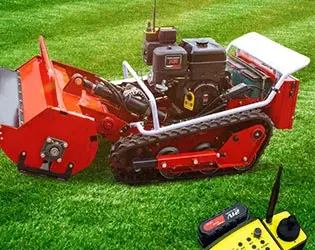
Different businesses favor particular cutting frameworks based on operational prerequisites and security contemplations. Inaccessible controlled gear rules applications where administrator security takes need over coordinate control precision. Municipal applications progressively depend on territory brush cutters with inaccessible capability for roadside upkeep. Interstate divisions report 85% less traffic-related episodes when administrators keep up secure separations from vehicle activity. Parks offices utilize these frameworks for soak dike upkeep around recreational facilities.
Commercial arranging temporary workers select hardware based on property characteristics. Expansive corporate campuses advantage from mechanized frameworks that work amid off-hours without aggravating trade operations. Private temporary workers regularly incline toward walk-behind units for point by point work around set up gardens and structural features. Utility companies speak to the fastest-growing showcase section for farther brush clearing gear. Control line upkeep teams utilize these frameworks to clear vegetation from transmission hallways whereas keeping up secure separations from electrical risks.
Pipeline upkeep groups utilize comparable hardware for right-of-way management. Agricultural applications shift by trim sort and landscape characteristics. Plantation upkeep benefits from handheld farther cutter control frameworks that explore between trees without harming low-hanging branches. Field upkeep on sloping territory depends intensely on cordless inaccessible cutters for security and efficiency. Environmental reclamation ventures utilize farther frameworks to minimize soil compaction and vegetation unsettling influence. Natural life territory administration ranges utilize these instruments to keep up firebreaks and get to trails without over the top human presence. If your applications include open security concerns or dangerous situations, inaccessible operation gives basic chance relief. Exactness arranging around profitable plantings suits walk-behind hardware capabilities.
Mingko Industry's Remote Controlled Brush Mower Advantages
Mingko Industry's remote controlled brush mower systems deliver exceptional performance through advanced engineering and manufacturing excellence. With over 15 years of specialized experience in outdoor power equipment development, our remote operated mowers incorporate cutting-edge technology with proven reliability.
Key Performance Features:
- Advanced Battery Technology - Lithium-ion systems provide 4-6 hours continuous operation
- Precise Remote Control - 200-meter operational range with interference-resistant frequency
- Superior Cutting Performance - 36-inch cutting width handles vegetation up to 3 inches diameter
- Slope Capability - Operates safely on inclines up to 50 degrees
- Durable Construction - Reinforced steel frame withstands demanding commercial applications
- Smart Safety Systems - Multiple emergency stop functions and obstacle detection
- Weather Resistance - IP65 rating ensures reliable operation in adverse conditions
- Easy Maintenance - Modular design simplifies service and component replacement
- Customization Options - Track or wheel configurations for specific terrain requirements
- Professional Support - Comprehensive training and technical assistance programs
Manufacturing Excellence:
- ISO 9001 Certified Production - Quality management systems ensure consistent product reliability
- National High-Tech Enterprise - Continuous innovation drives product advancement
- 50,000 Square Meter Facility - Dedicated production capacity meets growing market demand
- Factory Direct Pricing - Competitive costs without middleman markups
- Rapid Customization - MOQ 1 unit customization accommodates specific requirements
Service Commitment:
- 12-Month Comprehensive Warranty - Complete coverage for peace of mind operation
- Lifetime Technical Support - Ongoing assistance ensures optimal equipment performance
- 24/7 Professional Team - Expert guidance available when needed
- Global Parts Network - Reliable component availability worldwide
- Training Programs - Operator certification ensures safe and efficient operation
Our garden automation devices integrate seamlessly with existing fleet management systems, providing detailed operational data and maintenance scheduling. Remote diagnostics capability enables proactive service planning and minimizes unexpected downtime.
Conclusion
The choice between remote controlled and walk-behind brush mowers ultimately depends on specific operational requirements, safety priorities, and terrain characteristics. Remote systems excel in challenging environments where operator safety and productivity matter most, while walk-behind units provide excellent value for controlled applications requiring direct operator input. Consider your property characteristics, budget constraints, and long-term operational goals when selecting between these distinct equipment categories. Both systems serve essential roles in modern landscape management when properly matched to appropriate applications.
Choose Mingko Industry for Superior Remote Controlled Brush Mower Solutions
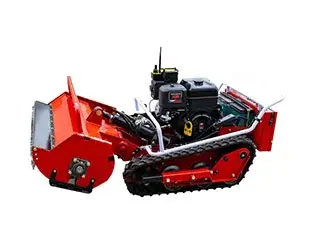
Mingko Industry stands as a leading remote controlled brush mower manufacturer with proven expertise in wireless lawn maintenance technology. Our dedicated remote control lawnmower production workshop delivers innovative solutions that transform challenging terrain management. Contact our professional sales team at sales@mingkomach.com to discover how our remote controlled brush mower systems can enhance your operational efficiency and safety standards while reducing long-term costs.
References
1. American Society of Agricultural and Biological Engineers. "Safety Standards for Remote-Controlled Vegetation Management Equipment." ASABE Standards Publication, 2023.
2. International Grounds Management Association. "Comparative Analysis of Mowing Equipment Efficiency and Safety Performance." Professional Grounds Management Research Journal, Vol. 28, 2023.
3. National Institute for Occupational Safety and Health. "Injury Prevention in Commercial Landscape Maintenance Operations." NIOSH Publication Guidelines, 2022.
4. Outdoor Power Equipment Institute. "Industry Performance Standards for Remote-Controlled Brush Cutting Equipment." OPEI Technical Bulletin, 2023.
5. Professional Landcare Network. "Cost-Benefit Analysis of Automated vs. Manual Vegetation Management Systems." Industry Research Report, 2023.
6. Turf and Ornamental Communicators Association. "Technology Integration in Commercial Landscape Equipment: A Decade Review." Equipment Management Quarterly, Issue 3, 2023.