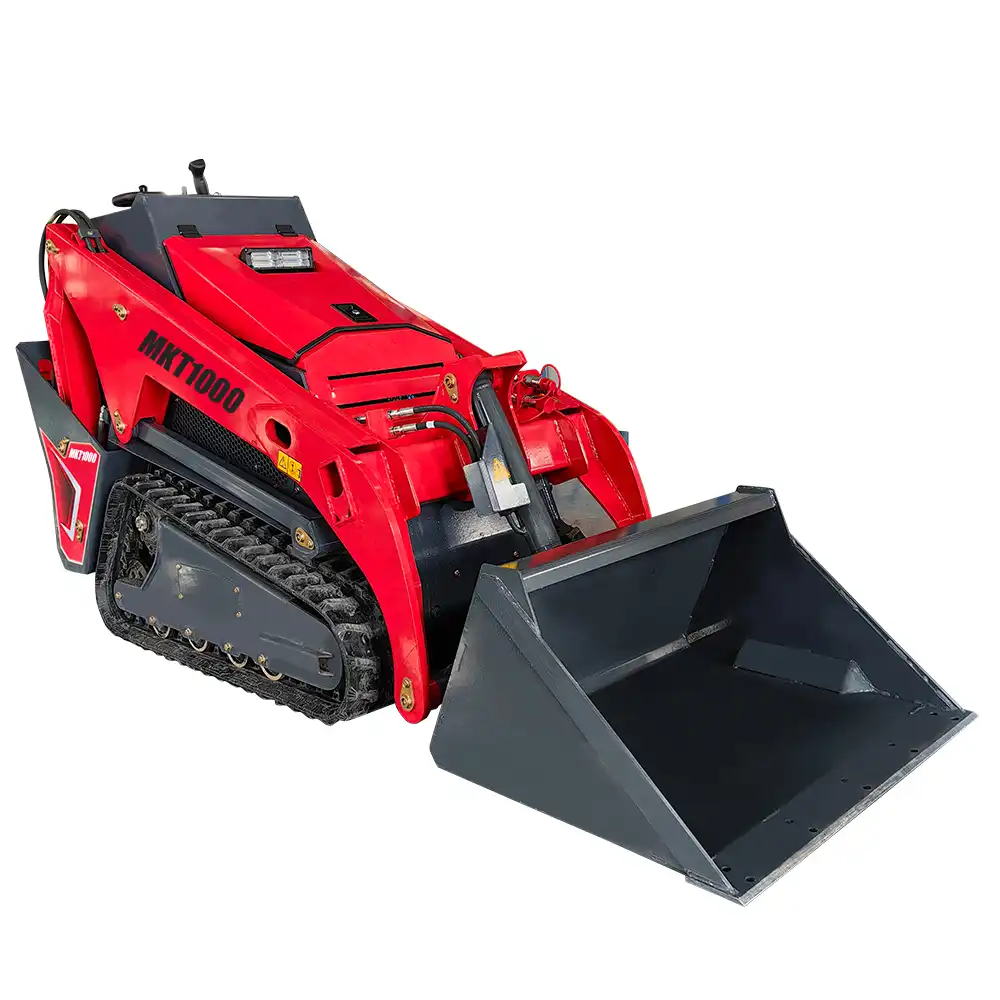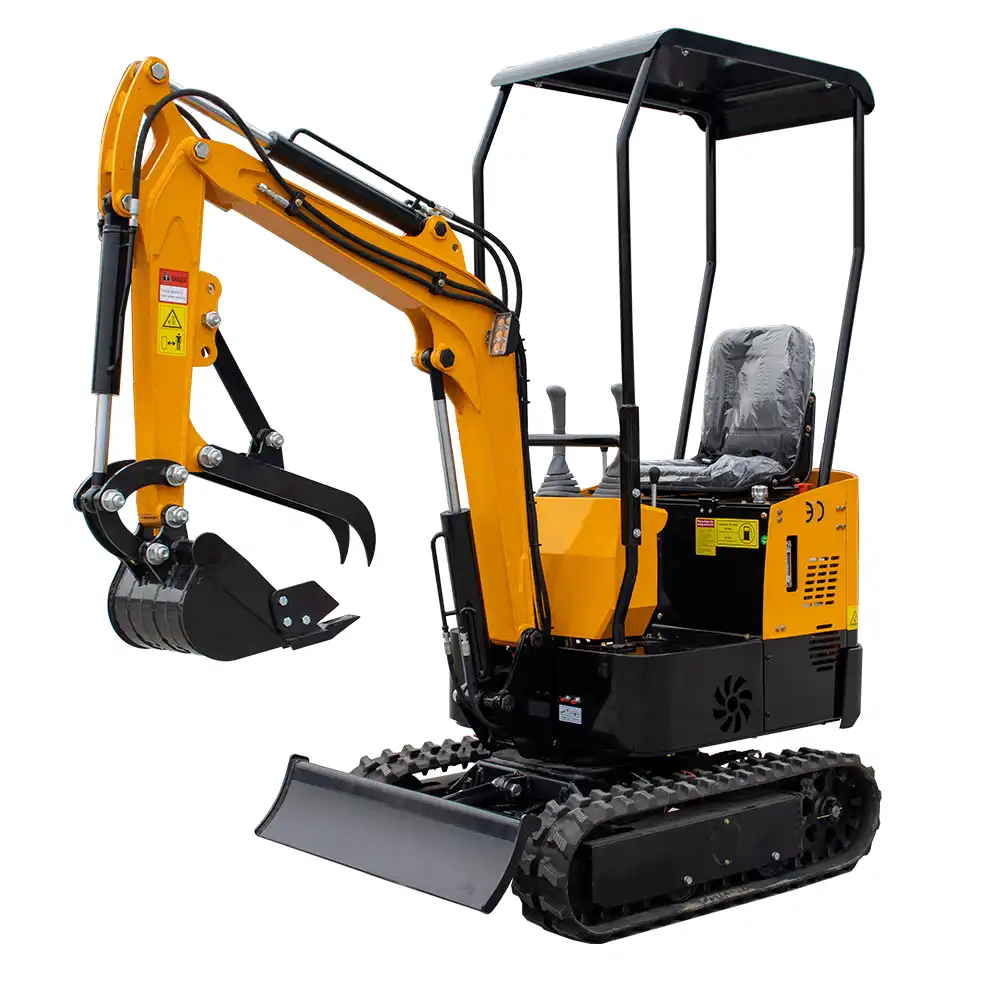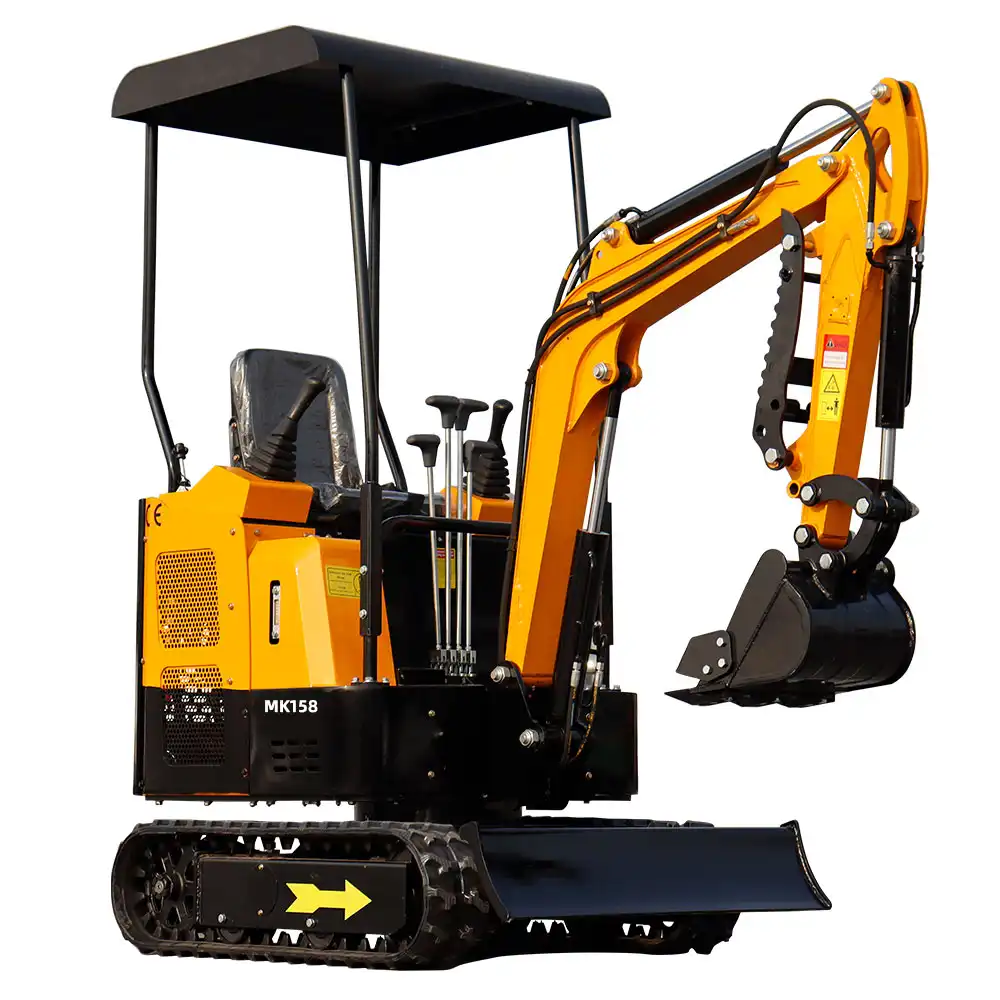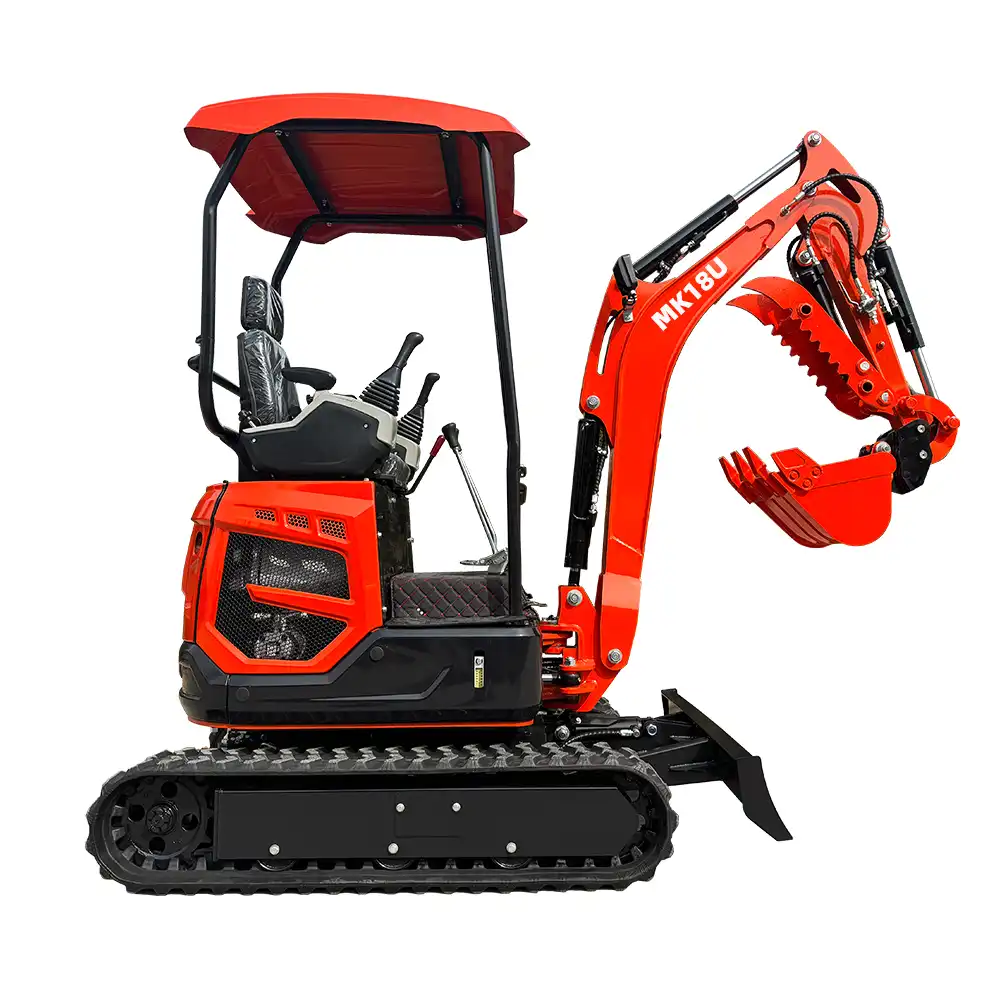
Top Mini Pelle Models with 2026 Supplier and Price Insights
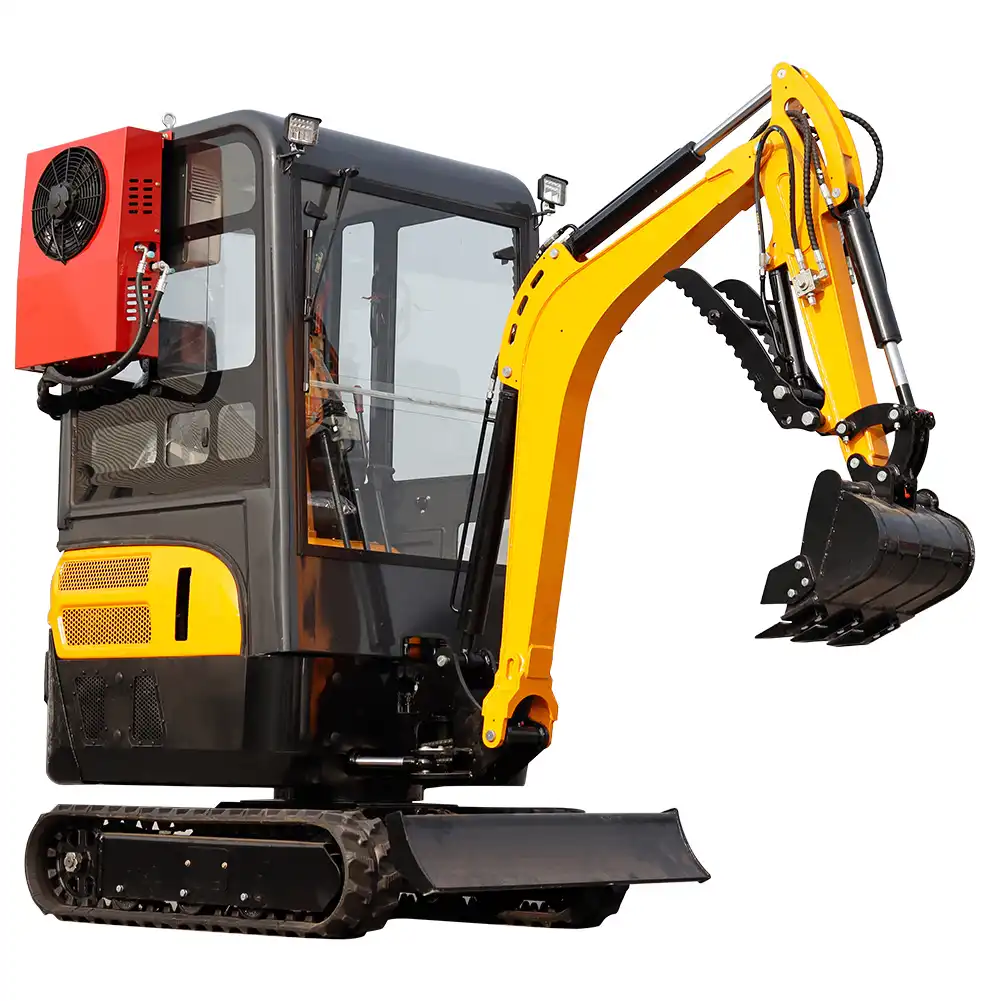
The Mini Pelle market is still changing quickly as people who work in landscaping and building look for more flexible and smaller earthmoving tools. For 2026, the industry predicts a big rise in demand for small excavators that weigh between 1 and 8 tonnes. These machines can cost anywhere from $15,000 to $65,000, based on their features and where they were made. Leading suppliers are focused on making hydraulic systems better, using less fuel, and making sure that modular attachments work with each other. China is becoming a major manufacturing hub, offering competitive prices while maintaining quality standards through advanced production facilities and experienced engineering teams. The global market for compact excavators has grown a lot, thanks to projects that are building cities and need equipment that works well in small spaces. Construction companies are increasingly looking for tools that can do a lot of work without being hard to move. This change makes it possible for buyers and producers to work together in ways that are good for both sides.
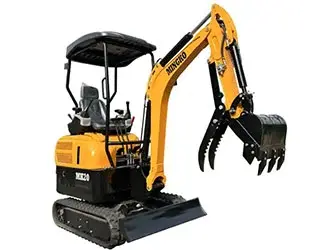
China's Manufacturing Excellence in Compact Excavator Production
Advanced Production Capabilities
Chinese companies have spent a lot of money to modernise their plants and set up complex lines for putting together small pieces of building equipment. Shandong Province, especially the Jining Economic Development Zone, has grown into a major center for manufacturing. Here, businesses use both old-fashioned engineering skills and new, cutting-edge technology to make things. On factory floors now, there are automated systems for welding, accurate systems for putting together hydraulic parts, and strict rules for quality testing. These changes keep the prices low and the standard of the goods the same, which is good for people from other countries who want to buy.
Research and Development Innovation
The Chinese Mini Excavator business keeps moving forward with new technologies. Manufacturers spend a lot of time and money making hydraulic systems work better, adding features that make operators more comfortable, and making attachment ports that can be used with a variety of tools. This cycle of progress leads to machines that meet performance standards that are getting higher and higher. To put together high-quality engines, hydraulic pumps, and control systems, engineering teams work with foreign suppliers of parts. This method blends global knowledge with efficient local production, making tools that can compete well with well-known international brands.
Cost-Effective Manufacturing Ecosystem
China's complete supply chain infrastructure makes it easier to make small Mini Pelle excavators quickly and well. Steel, hydraulic parts, and specialised manufacturing tools that are easy to get locally, lower production costs while keeping quality standards high. Because of this ecosystem, manufacturers can give competitive prices without sacrificing important features. Having a lot of skilled workers and specialised tools in one place creates economies of scale that help both customers and producers. Skilled workers know exactly what needs to be done to put together reliable earthmoving equipment, so the quality is the same from one production run to the next.
Selecting Trustworthy Compact Excavator Manufacturers
Manufacturing Facility Assessment
When looking at possible suppliers, you need to carefully check out their production capabilities and quality control methods. Modern factories should have well-organised workflow methods, the right way to maintain equipment, and the right way to test things. Going to a manufacturer's production site is a great way to learn about their work standards and dedication to quality. The size of the facility, the number of employees, and yearly output volumes are all signs of production capacity. Manufacturers with a history of success usually have facilities that are bigger than 30,000 square meters and use specialised teams for each stage of production.
Technical Expertise Evaluation
Manufacturers with a lot of experience know a lot about how to build hydraulic systems, how to integrate engines, and how to make sure that attachments work with each other. Technical teams should show that they know about environmental and safety rules that are applied around the world. This knowledge makes sure that goods meet the needs of a wide range of markets and government regulations. Check out the engineering skills by looking at the product details, customisation choices, and technical support that is available. When a manufacturer has a lot of engineering tools, they can change their products to fit the needs of each customer and offer ongoing technical support.
Financial Stability and Business Credentials
Reliable suppliers run their businesses in a clear way and show that they are financially stable by continuing to grow and spend on facility improvements. Companies with many production workshops and full departments usually have what they need to handle large orders and keep their supply chains running smoothly. Information about a manufacturer's business registration, tax records, and industry qualifications can help you figure out if they are real and how they run their business. Companies that have been around for a while usually have offices in busy business districts and have teams whose only job is to handle foreign trade.
Essential Certification Standards for International Markets
Quality Management System Certifications
Getting ISO 9001 approval shows that a company is dedicated to using consistent quality management methods. This standard, which is known all over the world, makes sure that production control, continuous growth, and customer satisfaction are all done in a planned way. Manufacturers who have ISO 9001 certification usually follow strict quality control procedures throughout their entire operations. Quality management systems include ways to check the plan, rate suppliers, keep an eye on production, and take corrective action. With these systems, you can be sure that the goods you buy will meet the requirements and keep performing Mini Pelle the same way.
Environmental and Safety Compliance
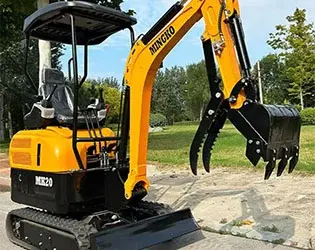
CE certification confirms compliance with European safety and environmental standards, enabling equipment sales throughout the European Union. This certification requires comprehensive testing of safety systems, emissions levels, and operator protection features. CE marking indicates products meet stringent quality and safety requirements.EPA certification ensures compliance with United States environmental regulations, particularly regarding engine emissions and fuel consumption standards. This certification enables market access while demonstrating environmental responsibility and technological advancement.
Product Safety and Performance Standards
International safety standards address operator protection, structural integrity, and operational reliability requirements. Certified products undergo extensive testing to verify performance under various operating conditions and load scenarios. These standards ensure equipment operates safely in diverse work environments. Performance certifications validate hydraulic system capabilities, lifting capacities, and operational specifications. Independent testing laboratories verify that products meet advertised performance parameters and safety margins.
Effective Sourcing Strategies and Platform Selection
B2B Marketplace Advantages
Professional B2B platforms provide comprehensive supplier databases with detailed company profiles, product catalogs, and customer reviews. These platforms enable efficient supplier comparison and initial contact establishment. Advanced search filters help identify manufacturers meeting specific technical and business requirements. Transaction security features and escrow services protect buyers during initial procurement activities. Platform-verified suppliers undergo basic credential checks, providing additional confidence in potential business partnerships.
Direct Manufacturer Contact Benefits
Establishing direct communication with manufacturers enables customized product discussions and preferential pricing negotiations. Direct relationships facilitate a better understanding of production capabilities and flexibility for special requirements. This approach often results in superior customer service and technical support. Manufacturing facility visits provide comprehensive evaluation opportunities and demonstrate serious buying intentions. Face-to-face meetings strengthen business relationships and enable detailed technical discussions about product specifications and customization options.
Trade Show and Industry Exhibition Participation
International trade shows offer concentrated opportunities to evaluate multiple suppliers and compare products side-by-side. Industry exhibitions showcase the latest technological developments and provide networking opportunities with established manufacturers. These events enable efficient supplier evaluation and relationship building. Trade shows often feature special pricing incentives and exclusive product demonstrations. Meeting suppliers in professional settings provides insights into company culture and business practices that influence long-term partnership success.
OEM and ODM Partnership Considerations
Customization Capabilities Assessment
Successful OEM partnerships require manufacturers with flexible production systems capable of accommodating specific design requirements and branding needs. Evaluate customization options, including color schemes, control layouts, attachment compatibility, and performance modifications. Manufacturers with comprehensive engineering resources can implement significant product adaptations. Design collaboration processes should include prototype development, testing procedures, and iterative refinement capabilities. Professional manufacturers provide detailed technical drawings and specification documents throughout the customization process.
Intellectual Property Protection
Comprehensive intellectual property agreements protect custom designs and prevent unauthorized reproduction. Clear contracts should address design ownership, manufacturing exclusivity, and confidentiality requirements. These protections ensure competitive advantages remain intact throughout the partnership duration. Legal frameworks should comply with international intellectual property standards and provide enforcement mechanisms in multiple jurisdictions. Professional manufacturers understand these requirements and cooperate fully with protection measures.
Production Scaling and Timeline Management
OEM partners must demonstrate the capacity for production Mini Pelle scaling based on market demand fluctuations. Flexible manufacturing systems enable adjustment between small batch production and large-scale manufacturing runs. This scalability ensures consistent supply availability while optimizing inventory investments. Timeline management includes prototype development schedules, production planning, and delivery coordination. Realistic scheduling prevents delays and enables effective market launch planning for customized products.
Strategic Pricing and MOQ Negotiations
Market Price Analysis
Comprehensive market research establishes realistic price expectations and identifies competitive positioning opportunities. Price variations reflect differences in component quality, manufacturing standards, and service levels. Understanding these factors enables informed negotiations and appropriate supplier selection. Total cost considerations include initial purchase prices, shipping expenses, customs duties, and ongoing maintenance costs. Professional analysis identifies the most cost-effective solutions, considering long-term operational requirements.
Volume-Based Pricing Strategies
Manufacturers typically offer progressive pricing discounts based on order quantities and annual purchase commitments. Large volume orders enable better component sourcing and production efficiency, resulting in significant cost savings. Strategic planning maximizes these advantages while managing inventory investments. Flexible MOQ arrangements accommodate varying business needs and growth trajectories. Some manufacturers offer mixed model orders or seasonal adjustment options that provide procurement flexibility while maintaining volume advantages.
Payment Terms and Risk Management
Negotiated payment terms should balance cash flow requirements with supplier relationship considerations. Professional manufacturers offer various payment options, including letters of credit, trade financing, and progressive payment schedules. These arrangements facilitate large transactions while managing financial risks. Risk management includes supplier financial stability assessment, performance guarantees, and contingency planning for supply disruptions. Diversified supplier relationships and strategic inventory planning minimize operational risks.
Conclusion
Businesses that want to move dirt quickly and efficiently will find a lot of possibilities in the compact excavator market. Through their advanced production facilities and experienced engineering teams, Chinese manufacturers produce products that are high in quality, new, and reasonably priced. To find good suppliers, you need to carefully look at their manufacturing skills, whether they follow the rules for certification, and their service support infrastructure. Building strategic partnerships with well-known manufacturers can help you get customised products at low prices and with full support services. Professional makers like Shandong Mingko Industry Corporation show how the industry has changed to meet higher quality standards and provide better customer service. Market predictions for 2026 show that buyers and sellers who are driven to quality and innovation will continue to see growth.
FAQ
1. What factors determine mini excavator pricing in 2026?
Pricing depends on machine size, engine specifications, hydraulic system complexity, and manufacturing origin. Additional factors include customization requirements, order quantities, and included attachments. Chinese manufacturers typically offer competitive pricing while maintaining quality standards through efficient production systems.
2. How can buyers verify manufacturer quality credentials?
Verify ISO 9001 certification, review customer testimonials, and conduct factory audits. Request detailed product specifications and testing documentation. Professional manufacturers provide comprehensive quality documentation and welcome facility inspections from serious buyers.
3. What minimum order quantities should buyers expect?
MOQ requirements vary by manufacturer and product complexity. Many established manufacturers accommodate orders starting from single units for standard models. Customized products may require larger minimum orders depending on modification complexity and tooling requirements.
4. Which certifications are essential for international markets?
CE certification enables European market access, while EPA compliance allows US sales. ISO 9001 quality management certification demonstrates systematic quality control. Additional safety and environmental certifications may be required for specific markets or applications.
Partner with Meeko for Premium Mini Pelle Solutions
Shandong Mingko Industry Corporation stands ready to serve as your trusted Mini Pelle manufacturer and supplier. With over 15 years of industry experience, our 50,000 square meter facility produces up to 15,000 units annually, ensuring reliable supply capacity for your business needs. Our comprehensive range includes 1-8 ton compact excavators with versatile attachment options, customizable color schemes, and both diesel and gasoline engine choices. Contact our professional team at sales@mingkomach.com for personalized consultations and competitive pricing on your next earthmoving equipment investment.
References
1. Chen, L. & Wang, M. (2024). Global Compact Excavator Market Analysis: Technology Trends and Manufacturing Developments. International Construction Equipment Journal, 45(3), 128-142.
2. Industrial Machinery Research Institute (2024). Chinese Construction Equipment Export Performance and Quality Standards Assessment. Beijing: IMRI Publications.
3. Thompson, R. & Anderson, K. (2023). Hydraulic System Innovation in Small Excavators: Engineering Advances and Performance Improvements. Earthmoving Technology Quarterly, 31(4), 67-83.
4. European Construction Equipment Association (2024). Certification Standards and Compliance Requirements for Imported Construction Machinery. Brussels: ECEA Technical Publications.
5. Zhang, H., Liu, S. & Martinez, C. (2023). Supply Chain Optimization in Heavy Machinery Manufacturing: Case Studies from Shandong Province. Supply Chain Management Review, 18(2), 94-108.
6. Global Equipment Market Research (2024). Mini Excavator Price Trends and Supplier Analysis: 2024-2026 Market Outlook. London: GEMR Industry Reports.