What Is a Mini Digger Excavator and How It Work?
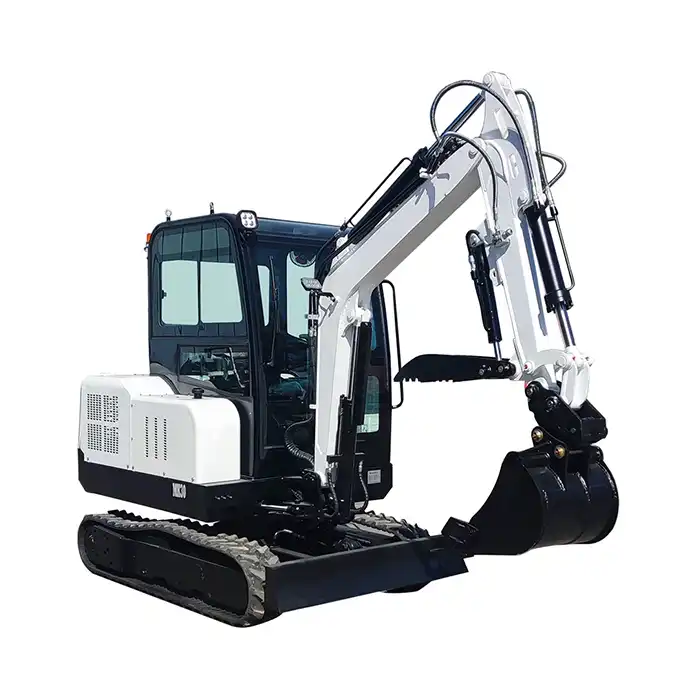
What Is a Mini Digger Excavator and How It Work? A mini digger excavator is a compact, hydraulic-powered construction machine designed for precise digging, trenching, and material handling in confined spaces. These versatile earthmoving machines operate through diesel engines that power hydraulic systems, enabling the boom, arm, and bucket to perform powerful digging motions while maintaining exceptional maneuverability. Mini diggers typically weigh between 1-8 tons, making them perfect for residential landscaping, utility work, and small construction projects where full-sized excavators cannot access or operate efficiently.
What is a Mini Digger Excavator?
Mini Digger Excavator: The Balance Between Power and Mobility
A mini digger excavator represents the perfect balance between power and mobility in construction equipment. These compact machines are designed to deliver the digging capabilities of larger excavators while fitting through standard garden gates and working in tight spaces. The core design focuses on maximizing functionality within a smaller footprint.
Hydraulic Systems and Versatility for Varied Applications
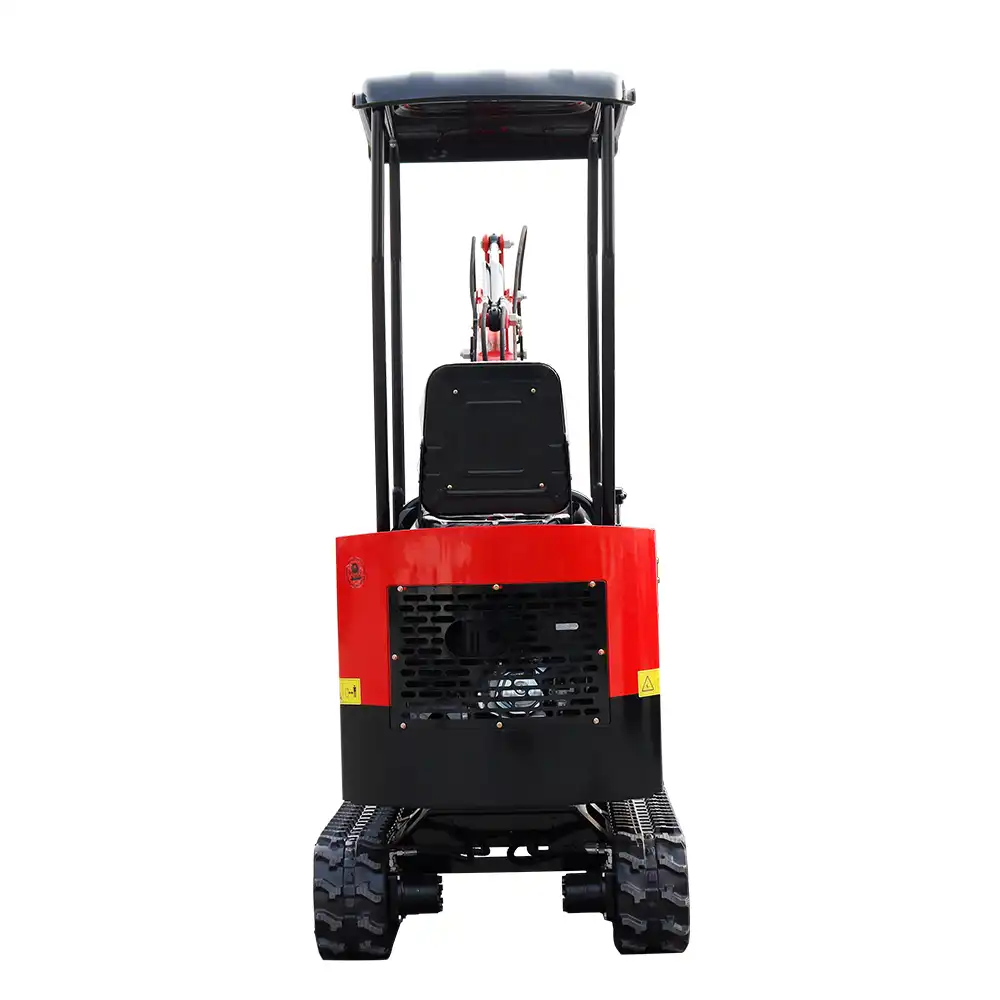
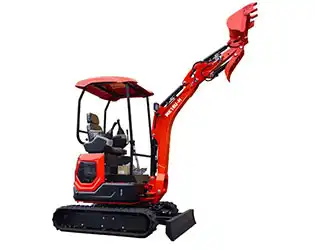
Most Mini Excavators feature rubber tracks instead of wheels, providing superior traction and reduced ground pressure. This design prevents damage to gardens, driveways, and finished surfaces while ensuring steady operation on various landscapes. The cab or operator stage offers 360-degree rotation capability, allowing operators to position loads precisely without repositioning the entire machine. Modern mini diggers integrate advanced hydraulic systems that deliver significant digging force relative to their size. The hydraulic flow controls multiple functions simultaneously, enabling smooth operation of the boom, dipper arm, bucket, and travel motors. Many models also feature hydraulic outputs for operating specialized attachments like breakers, augers, or grapples. Weight classifications typically range from mini excavators under 2 tons to larger compact models nearing 8 tons. Each size category serves specific applications, with smaller units excelling in residential work, while larger models handle commercial projects requiring greater reach and digging depth.
The Problem It Solves and Needs It Fulfills
Overcoming Space Limitations with Mini Digger Excavators
Traditional development and landscaping projects often face significant challenges when working in limited spaces. Full-sized excavators cannot access private backyards, maneuver through building structures, or operate efficiently in urban environments with confined areas. This accessibility gap leads to delays and increased project costs. Mini digger excavators address these challenges by combining effective digging capabilities with compact dimensions. Property owners can complete excavation work without disassembling fences or removing obstacles. Contractors reduce transportation costs as multiple mini excavators fit on a single trailer, and operators require less specialized training compared to larger equipment.
Enhanced Precision and Cost-Effectiveness
The precision offered by mini excavators proves invaluable for utility work. Digging around existing pipes, cables, and foundations requires careful control that larger machines cannot provide. The reduced swing radius and precise hydraulic control minimize the risks of accidental damage to surrounding infrastructure. Labor efficiency improves significantly when mini excavators replace manual digging. Projects that once required multiple laborers with shovels now complete faster with a single operator. The consistency of machine digging also results in better outcomes for foundation work, drainage systems, and landscaping installations. Cost-effectiveness extends beyond initial purchase prices. Mini excavators consume much less fuel than larger alternatives, with most models using only 1-3 liters per hour during operation. Maintenance requirements remain minimal, and replacement parts cost significantly less than those for full-sized machines.
Core Features & Functionality Deep Dive
Hydraulic System and Performance
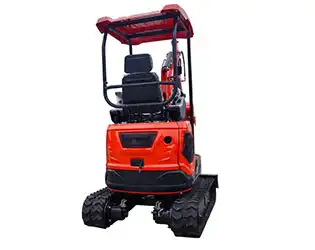
The hydraulic system forms the core of every mini digger excavator, converting engine power into precise mechanical movements. High-pressure hydraulic pumps generate fluid flow that operates multiple cylinders simultaneously. Advanced load-sensing systems adjust hydraulic pressure based on working conditions, optimizing fuel efficiency while maintaining consistent performance.
Boom, Arm, and Bucket Design
Boom and arm configurations vary between manufacturers, but most mini excavators use a two-piece articulated design. The boom connects directly to the machine frame and provides primary lifting capability. The arm connects to the boom and extends the reach while maintaining digging force. Together, these components create a working envelope that defines the machine's operational capabilities. The bucket design significantly impacts efficiency and application flexibility. Standard digging buckets feature aggressive tooth designs for breaking through tough soils and rough conditions. Specialized buckets include trenching designs, reinforced rock buckets, and tilting buckets for slope work.
Track System, Operator Comfort, and Technology Integration
Track systems provide mobility and stability during operation. Rubber tracks offer superior surface protection and lower noise levels compared to steel options. Track pressure systems maintain proper alignment and prevent premature wear. Independent track drive motors enable tight turning radii and precise positioning capabilities. Operator comfort and safety features continue to improve with each generation of mini excavators. ROPS (Roll-Over Protective Structure) certification provides essential operator protection. Ergonomic controls reduce fatigue during extended operation periods. Clear sightlines and strategically placed mirrors enhance visibility around the machine. Modern mini excavators increasingly integrate electronic monitoring systems. Hour meters track maintenance intervals, while diagnostic systems identify potential issues before failures occur. Some models include GPS tracking and telematics features for fleet management applications.
Technology Explained: Hydraulic Systems and Controls
Hydraulic System Overview
Understanding hydraulic technology helps operators maximize mini excavator performance and efficiency. The system begins with a variable displacement pump directly driven by the diesel engine. This pump generates pressurized hydraulic fluid that flows through a series of valves and cylinders to create mechanical movement.
Pilot Controls and Load-Sensing Power
Pilot controls represent a significant advancement in mini excavator operation. Instead of directly operating primary hydraulic valves, joystick movements control smaller pilot valves that signal the primary system. This arrangement provides precise control with minimal operator effort, reducing fatigue during long working sessions. Load-sensing power through pressure automatically adjusts system pressure based on operational needs. Light operations like positioning or travel consume minimal hydraulic flow, improving fuel efficiency, while heavy digging increases system pressure to maintain performance. This intelligent system optimization sets quality mini excavators apart from basic alternatives.
Auxiliary Circuits and Electronic Integration
Auxiliary hydraulic circuits enhance functionality by controlling specialized attachments. Quick-connect couplings enable fast attachment changes without tools, and variable flow controls allow operators to adjust hydraulic output for different attachment requirements. Advanced machines offer multiple circuits for complex attachments that require independent control functions. Electronic integration increasingly supplements traditional hydraulic controls. Joystick inputs convert to electronic signals that precisely control hydraulic valve positions. This technology enables programmable responses, automatic functions, and integration with GPS guidance systems for advanced applications.
Key Advantages and Selling Points
Versatility and Maneuverability
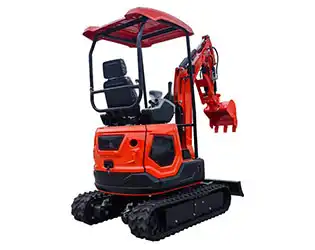
Versatility stands as the primary advantage of mini digger excavators. A single machine performs excavation, material handling, demolition, and precision placement tasks. Quick-change attachment systems expand capabilities to include breaking, drilling, cutting, and lifting operations. This versatility eliminates the need for multiple specialized machines on many projects. Maneuverability in confined spaces cannot be overstated. Standard mini excavators navigate through 36-inch gates and operate in basements, courtyards, and other restricted areas. Zero tail swing models eliminate rear overhang concerns, allowing operation against walls and obstacles. This capability opens opportunities unavailable to larger equipment.
Cost and Productivity Advantages
Operating cost advantages accumulate over time through reduced fuel consumption, lower transportation expenses, and minimal maintenance requirements. Insurance costs remain lower for compact equipment, and operator training requires less time and expense. These factors contribute to attractive total ownership costs. Productivity improvements result from consistent machine performance compared to manual labor. Weather conditions that halt hand digging often permit continued mini excavator operation. Precise control enables accurate work that reduces rework and material waste. Project completion times decrease while quality standards improve. Environmental benefits include reduced emissions compared to larger machines and minimal ground disturbance. Rubber tracks prevent lawn damage and eliminate the need for ground protection mats. Reduced noise levels permit operation in residential areas and noise-sensitive environments.
Potential Limitations & Considerations
Limitations in Size and Ground Conditions
Size limitations restrain smaller than expected excavator applications in large-scale ventures. Burrowing profundities regularly run from 6-12 feet depending on model size, which may prove insufficient for major exhuming work. Reach restrictions require frequent repositioning when working along expanded trenches or large uncovering areas. Ground conditions significantly affect mini excavator performance. Extremely delicate or mucky conditions may require track extensions or elastic cushions to distribute weight effectively. Rough terrain can accelerate track wear and reduce bucket life. Steep inclines may exceed the machine's stability limits, requiring alternative approaches.
Compatibility, Weather, and Financial Considerations
Attachment compatibility varies between manufacturers, potentially limiting rental options or increasing stock requirements. Hydraulic flow rates and pressure specifications must match attachment requirements for optimal performance. Some specialized attachments require specific machine configurations, adding complexity and cost. Weather restrictions influence operator comfort and machine performance. Open operator stations provide minimal protection from the elements. Extreme temperatures can affect hydraulic fluid performance and battery life in electronically controlled machines. Wet conditions may create visibility challenges and increase slip risks. Initial investment costs, though lower than full-sized excavators, still represent a significant capital requirement for small contractors. Financing and rental options help address this barrier, but cash flow impacts remain considerations for business planning.
Mini Digger Excavator vs. The Competition
Comparison of Skid Steer Loaders and Mini Excavators
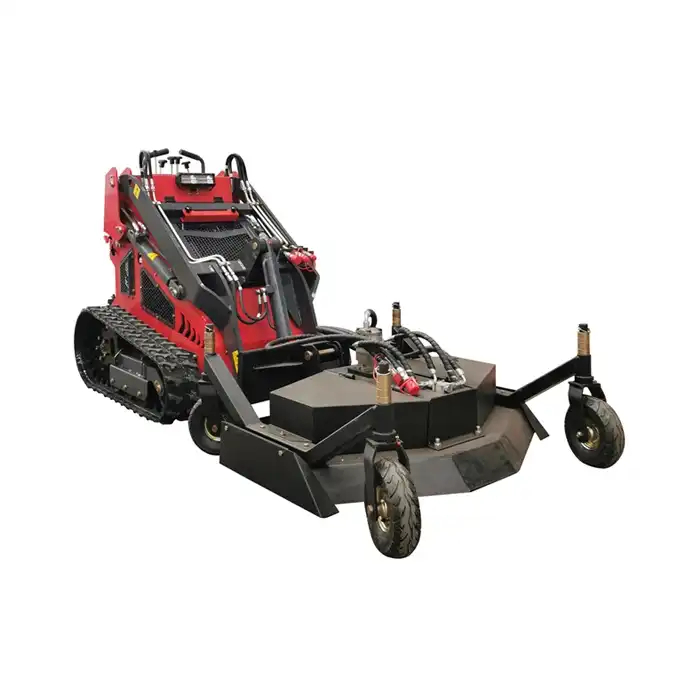
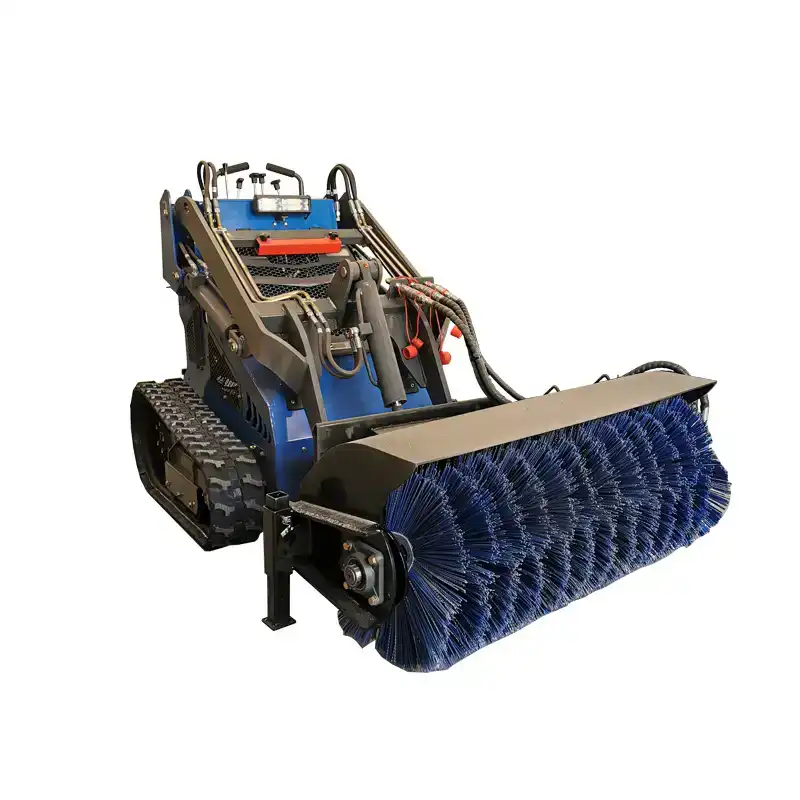
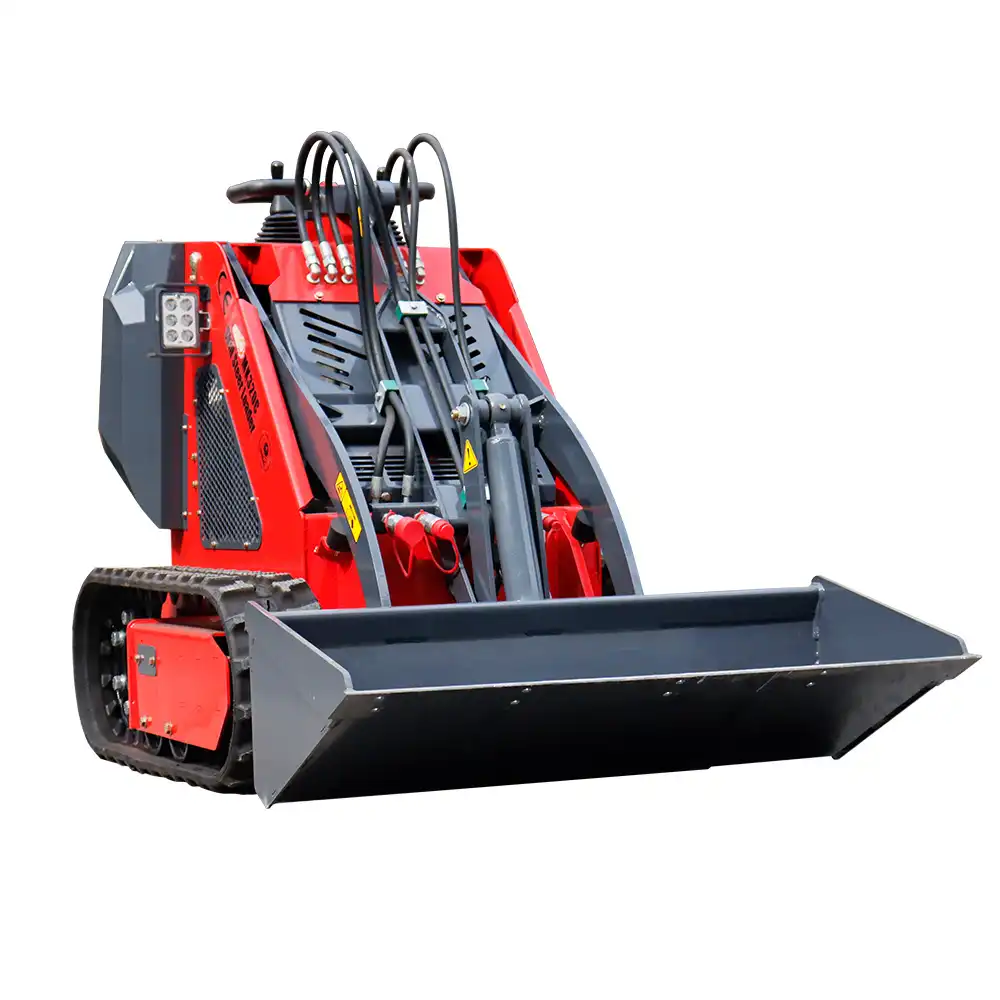
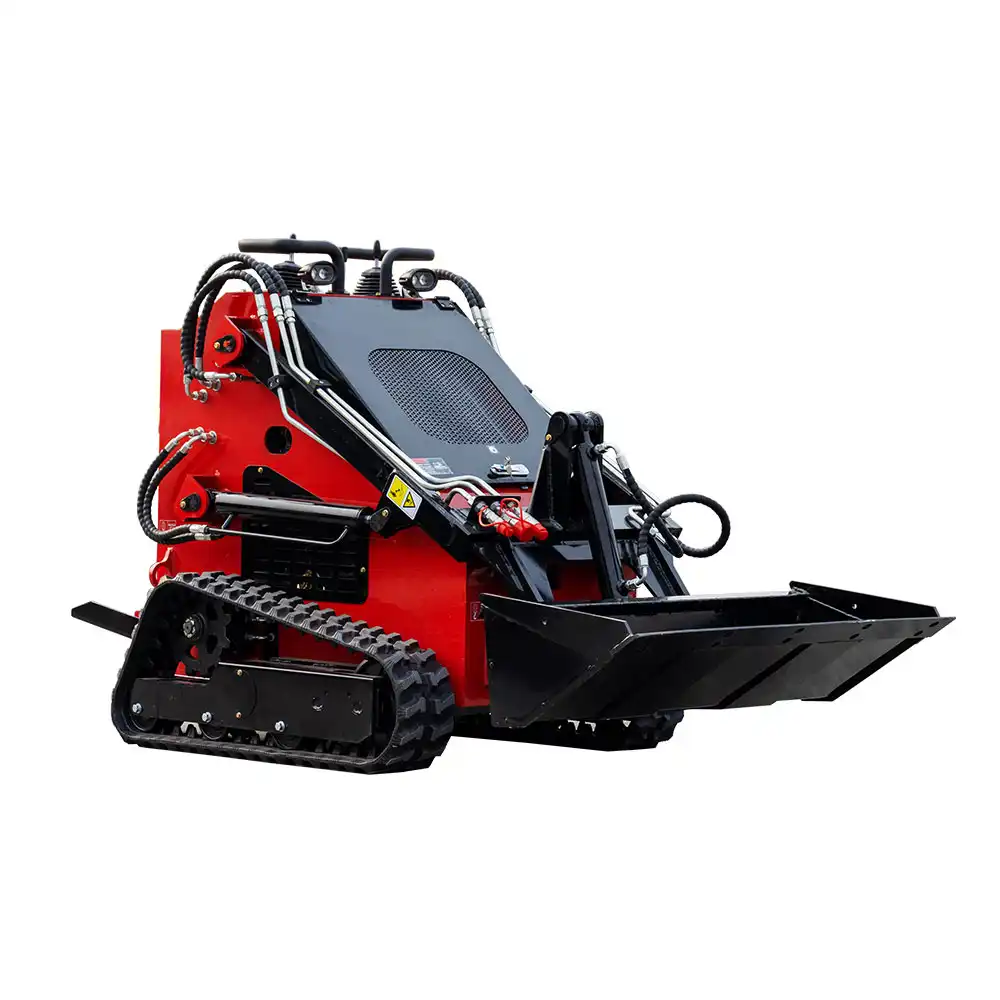
Skid Steer Loaders offer similar compact dimensions and attachment versatility but lack the digging performance of mini excavators. While skid steers excel at material handling and surface work, their limited lift height and digging depth restrict excavation capabilities. The wheeled design provides faster travel speeds but reduces stability during digging operations. Compact track loaders bridge the gap between skid steers and mini excavators with improved traction and flotation. These machines handle material handling tasks effectively but cannot match the digging performance and reach of dedicated mini excavators. The choice depends on primary application requirements and job site conditions.
Backhoe Loaders and Full-Sized Excavators
Backhoe loaders combine excavator and loader functions in larger packages suitable for road construction and utility work. However, their size prevents access to confined spaces where mini excavators excel. Operating costs increase due to larger engines and higher fuel consumption, while transportation requirements become more complex. Traditional full-sized excavators deliver superior digging performance and reach but cannot access restricted areas. Transportation costs increase significantly, and operating expenses remain higher. The decision between mini and full-sized excavators depends on project scale, access requirements, and budget considerations.
Target Audience & Ideal Use Cases
Primary Users of Mini Digger Excavators
Landscaping contractors represent the largest user group for mini digger excavators. These professionals require machines capable of installing drainage systems, planting large trees, creating water features, and performing site preparation work. The ability to access residential properties without damage makes mini excavators essential tools for quality landscaping operations. Utility companies rely on mini excavators for maintaining and installing underground infrastructure. Precise digging around existing utilities prevents costly damage while enabling efficient repairs and upgrades. The compact size allows operation on city streets and residential areas with minimal traffic disruption.
Mini Excavators in Various Sectors
General contractors use mini excavators for foundation work, site preparation, and material handling on residential and light commercial projects. The versatility of attachment options enables these contractors to handle diverse tasks with single machines, improving efficiency and reducing equipment investment requirements. Rental companies increasingly stock mini excavators to serve homeowner and contractor markets. The combination of user-friendly operation, diverse capabilities, and reasonable rental rates makes these machines attractive for occasional users. Property maintenance departments for municipalities, schools, and large facilities utilize mini excavators for ongoing infrastructure maintenance. Snow removal, drainage work, utility repairs, and landscaping maintenance benefit from the precision and efficiency these machines provide.
Conclusion
Mini digger excavators have revolutionized construction and landscaping industries by combining powerful capabilities with compact design. These versatile machines continue evolving with advanced hydraulic systems, electronic controls, and improved operator comfort features. The growing emphasis on urban development and infrastructure maintenance ensures continued demand for compact excavation equipment.Future developments will likely focus on electric powertrains, autonomous operation capabilities, and enhanced connectivity features. As environmental regulations tighten and technology advances, mini excavators will become even more efficient and capable while maintaining their essential advantage of accessing confined work spaces where larger equipment cannot operate.
Frequently Asked Questions
Q1: What size mini excavator do I need for residential projects?
A: Most residential applications work well with 2-4 ton mini excavators. These models provide sufficient digging depth (8-10 feet) and reach while fitting through standard gates. Consider your most demanding projects when selecting size, as renting larger units for occasional heavy work often costs less than purchasing oversized equipment.
Q2: Can mini excavators work on finished surfaces without damage?
A: Quality mini excavators with rubber tracks cause minimal surface damage when operated properly. Avoid sharp turns on pavement, maintain proper track tension, and use track pads when working on delicate surfaces. The low ground pressure (typically 3-5 PSI) compares favorably to human foot pressure.
Q3: How much does operating a mini excavator cost per hour?
A: Operating costs vary by machine size and fuel prices, but typically range from $15-40 per hour including fuel, maintenance, and depreciation. Smaller models consume 1-2 gallons per hour while larger units may use 3-4 gallons. Regular maintenance and proper operation significantly impact long-term costs.
Choose Mingko Industry for Premium Mini Digger Excavator Solutions
Mingko Industry stands as a trusted mini digger excavator manufacturer with over 15 years of specialized experience in compact construction equipment. Our state-of-the-art 50,000 square meter facility produces reliable 1-8 ton mini excavators that meet demanding job site requirements while delivering exceptional value. As an ISO 9001 certified enterprise with comprehensive after-sales support, we provide 12-month warranties plus lifetime technical assistance to ensure your investment delivers lasting performance. Whether you need a single unit or fleet quantities, Contact Us at sales@mingkomach.com" to discover how our factory-direct pricing and customization capabilities can enhance your operations.
References
1. Construction Equipment Magazine. "Compact Excavator Market Analysis and Growth Projections." Heavy Equipment Industry Report, 2023.
2. American Society of Civil Engineers. "Small Construction Equipment Applications in Urban Infrastructure Development." ASCE Construction Engineering Journal, Vol. 45, 2023.
3. International Association of Equipment Manufacturers. "Mini Excavator Technology Trends and Market Statistics." IAEM Annual Equipment Survey, 2023.
4. Hydraulic Systems Engineering Quarterly. "Advanced Hydraulic Control Systems in Compact Construction Equipment." HSE Technical Review, Issue 3, 2023.
5. Equipment Today Magazine. "Comparative Analysis of Mini Excavator Performance and Operating Costs." Construction Equipment Research, 2023.
6. National Association of Landscape Professionals. "Equipment Selection Guidelines for Landscape Construction Projects." NALP Best Practices Manual, 2023.