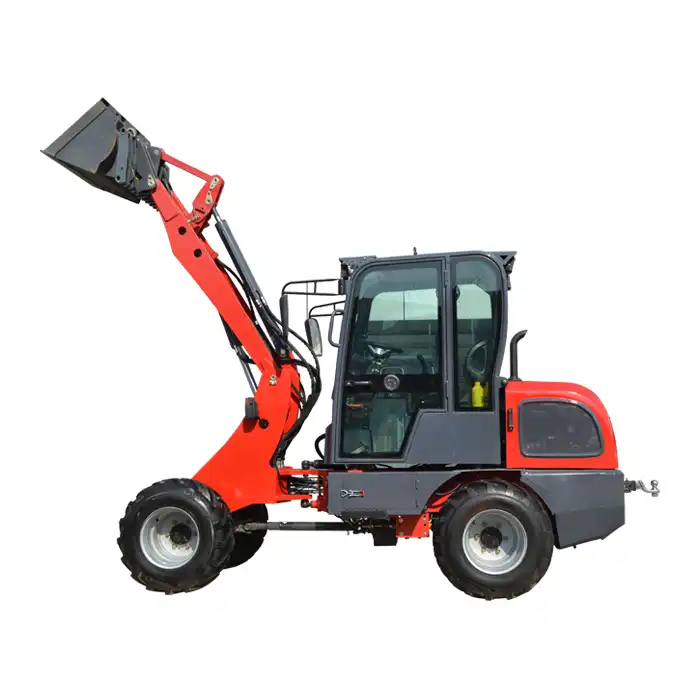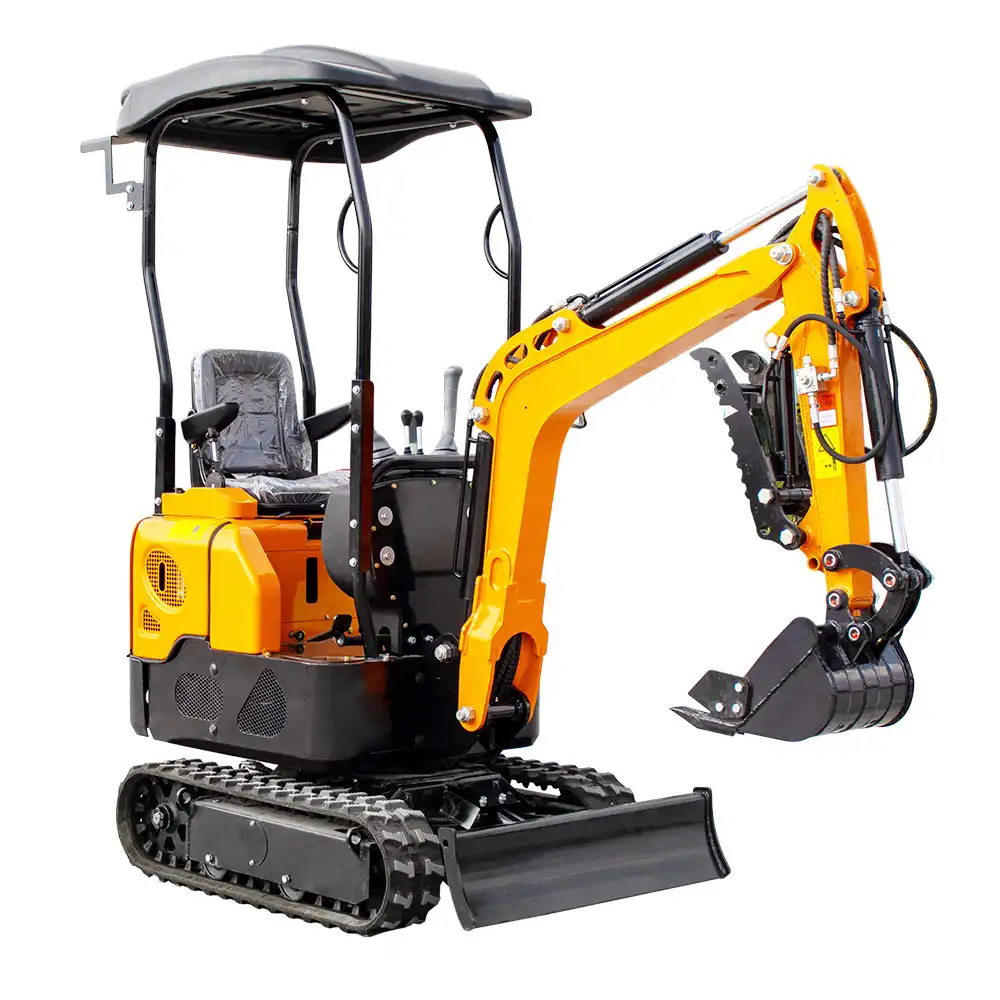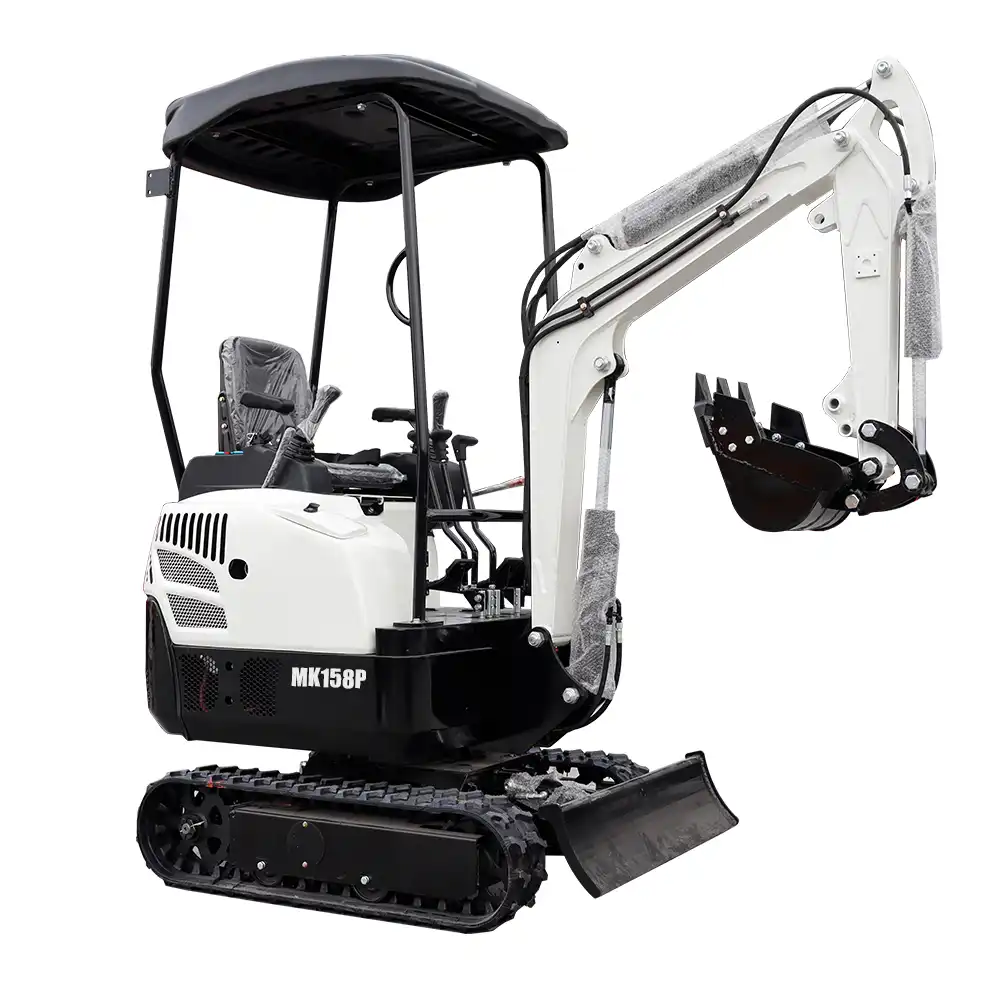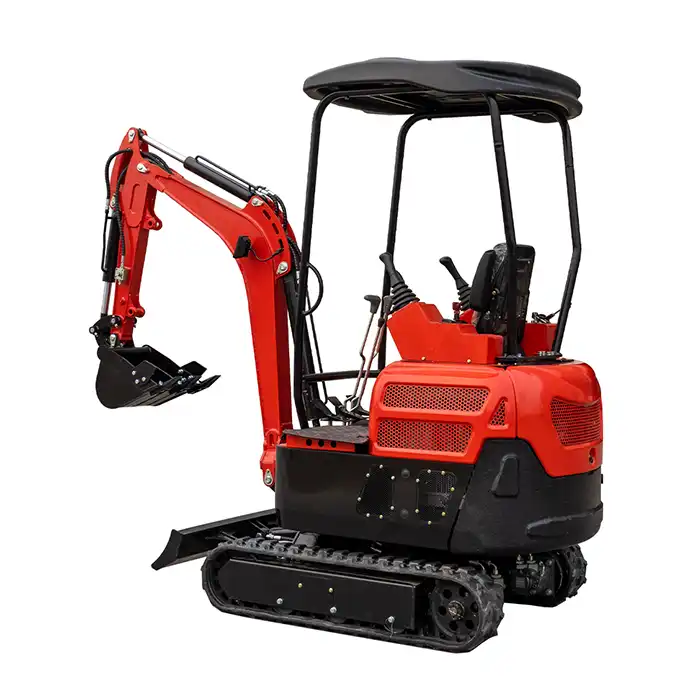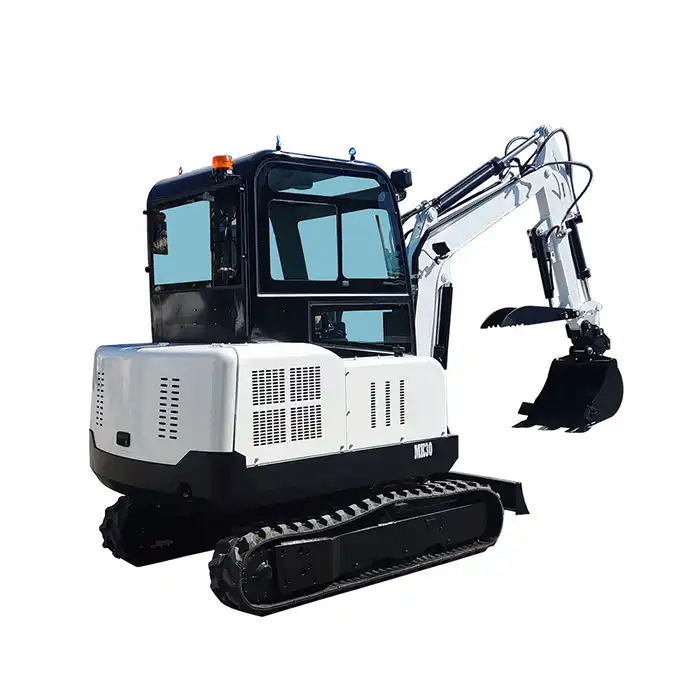
The Excavator 3 Ton models, often categorized as larger Mini Excavators or compact excavators, stand out for their remarkable power and capabilities in construction and landscaping arenas. Their ability to handle heavier loads and more demanding site preparation tasks makes them invaluable tools for landscapers aiming to improve efficiency and precision. This article explores what defines a 3-ton excavator, its robust features, and how it significantly benefits landscapers by offering versatile functions in various projects.
What Is Excavator 3 Ton?
An Excavator 3 Ton is a type of compact earthmoving machine that weighs approximately three metric tons, positioning itself between micro-excavators and larger standard excavators. Unlike smaller models such as 1.5-ton or micro excavators, 3-ton machines provide enhanced engine power, hydraulic system strength, and bucket capacity. These features enable them to undertake more demanding tasks such as light demolition, stump removal, and substantial landscaping projects. They operate with high versatility using similar controls and mechanics found in their larger counterparts but in a more compact and mobile form, making them ideal for tight urban spaces or rugged terrain. For example, the CASE CX28D model, a mid-range 3-ton excavator, features a diesel engine with 21.1 horsepower and an operating weight just above 3,000 kilograms, demonstrating the machine’s solid build and capacity for utility work. The blend of compact design and powerful performance distinguishes the 3-ton excavator in the construction equipment realm.
The Problem It Solves and the Need It Fulfills
Landscaping and light construction often involve tasks that standard-sized heavy equipment cannot perform efficiently due to size and maneuverability constraints. Large excavators excel in massive earthmoving but lack precision in smaller spaces, while micro-excavators have limited power for heavier jobs. This gap creates a demand for equipment that balances power and compactness, addressed aptly by the 3-ton excavator. Landscapers require machinery that can cope with diverse challenges such as digging trenches, removing stumps, shaping terrain, and handling materials without overwhelming the workspace. The 3-ton excavator’s presence fills this niche, providing adequate strength and reach for these intermediate-scale applications. Its versatility ensures fewer equipment transitions on job sites, reducing downtime and operational costs. By integrating a 3-ton excavator into their fleet, landscapers gain the ability to take on larger jobs that previously required renting bigger machines or outsourcing, thereby enhancing project control and profitability. This machine’s balance optimizes productivity in utility projects, site preparation, and material handling, creating new opportunities for landscapers to expand service offerings while maintaining cost-effectiveness.
Core Features & Functionality Deep Dive
The core of any 3-ton excavator comprises several well-engineered components designed to deliver efficiency and reliability in demanding environments. A prime feature lies in its hydraulic system, which governs the smooth movement of the boom, arm, and bucket. Precise hydraulic control improves digging depth and bucket capacity utilization, allowing landscapers to perform tasks like trenching, foundation work, and stump removal with greater ease and accuracy. Enhanced hydraulics also contribute to fuel efficiency and lower maintenance needs. Operating weight around 3,000 kg ensures these machines achieve a perfect balance between stability and transportability. Most models, including the CASE CX28D, use advanced diesel engines compliant with Stage 5 emission standards, providing clean yet powerful operation. Such engines deliver sufficient horsepower to power attachments and sustain prolonged operation without overheating. The versatility extends to track design, where compact track loaders or track excavators with rubber tracks ensure minimal ground disturbance — a critical advantage when working on delicate landscaping projects. The design facilitates maneuvering through confined spaces while maintaining traction on uneven or muddy terrain. Additionally, control cabins or canopies offer ergonomic operator environments with intuitive joysticks and machine control systems. These allow landscapers to precisely position the bucket and perform complex earthmoving operations effortlessly. Some advanced models also include features like auxiliary hydraulics for connecting additional tools, expanding the machine’s functionality beyond basic digging tasks.
Under the Hood: Technology Explained
The mechanical heart of the 3-ton excavator lies in its hydraulic and diesel engine technologies. The hydraulic system consists of variable displacement pumps, control valves, and cylinders that convert engine power into smooth mechanical motion. Variable displacement pumps adjust oil flow according to operational demand, improving fuel economy and responsiveness. The Kubota D1703-M-DI-E4B engine commonly found in 3-ton models is a testament to diesel power advancements. Its compact, turbocharged design generates fuel-efficient horsepower compliant with tight emission regulations, minimizing environmental impact during extended operation. The engine’s common rail direct injection ensures optimized combustion, resulting in lower noise levels and reduced smoke emissions — a crucial factor for urban landscaping projects. Track systems combine steel or rubber components with advanced suspension mechanisms to distribute weight evenly across the ground, reducing soil compaction. Some manufacturers incorporate electronics like load-sensing hydraulics and diagnostic systems that alert operators and technicians to maintenance needs, preventing unexpected downtime and ensuring continuous site productivity. Machine control technology integrates GPS or laser-guided systems on select 3-ton excavators, enabling precise digging depths and grading accuracy. Though optional, such features elevate landscaping quality and minimize human error, making the equipment a futuristic yet practical tool for modern landscapers.
Key Advantages of a 3 Ton Excavator
One standout benefit is the balance between size and capability. With dimensions compact enough to navigate tight areas yet powerful to handle medium-scale tasks, these machines fill a unique operational niche. Enhanced load capacity and greater digging depth compared to micro-excavators enable landscapers to tackle more demanding projects without resorting to larger, less maneuverable models. The robustness allows for multipurpose use, including light demolition and utility line installation, expanding the versatility of a landscaper’s toolkit. Reduced fuel consumption and emissions, thanks to modern diesel engine standards, support environmentally conscious business practices while keeping operational costs manageable. Additionally, ease of transport on trailers increases job site flexibility, letting landscapers move the excavator between locations efficiently. Ergonomically designed operator cabins contribute to user comfort during long workdays, reducing fatigue and improving precision in machine control. Comprehensive after-sales support and warranty provisions from reputable manufacturers further assure investors of the equipment’s longevity and reliable performance.
Potential Limitations & Considerations
Though highly capable, the 3-ton excavator has limitations that potential buyers should consider. Its intermediate size means it cannot substitute for heavy excavators in large-scale earthmoving or deep foundation jobs. Users may encounter capacity constraints on very tough demolition or excavation sites. The initial purchase and maintenance costs, while moderate compared to larger models, may present financial hurdles for small landscaping companies without immediate high-demand projects. Additionally, operator training is essential to maximize efficiency and safety, as the hydraulic system and advanced electronics require familiarity. Ground conditions may influence operational effectiveness; although rubber tracks lessen soil damage, extremely rocky or steep terrains may restrict the machine’s capabilities. Choosing the right attachments and maintaining regular servicing schedules are critical to avoiding downtime and ensuring the excavator performs optimally over time.
Excavator 3 Ton vs. The Competition
Comparing the 3-ton excavator to smaller units like 1.5-ton micro-excavators highlights significant differences in power and functional scope. Micro-excavators excel in highly restricted spaces but lack the torque and hydraulic capacity needed for tougher digging or lifting. Meanwhile, larger excavators offer unmatched strength but sacrifice mobility and cost efficiency on smaller projects. Against mid-range competitors, Shandong Mingko’s 3-ton models emphasize customization and technology integration, clearly differentiating themselves from less flexible models. Some competitors provide fewer after-sales support services or lack modern emission-compliant engines, which may affect long-term value and regulatory adherence. Additionally, Mingko’s direct factory sales model ensures competitive pricing unattainable by many indirect suppliers, presenting a compelling proposition for value-focused landscapers.
Target Audience & Ideal Use Cases
The 3-ton excavator appeals primarily to landscapers, small to mid-sized construction companies, utility service providers, and municipal workers tasked with site preparation and maintenance in environments demanding a blend of power and nimbleness. Typical use cases include landscaping ground sculpting, trench digging for irrigation or electrical conduits, stump and debris removal, and light demolition tasks. Users working in urban or suburban settings benefit from the machine’s compact track design and low emissions, aligning with local regulations and space restrictions. Property developers and general contractors also find value in adding such equipment to streamline project timelines and reduce outsourcing. Any scenario requiring quick transport, moderate earthmoving, and multi-attachment capabilities suits the Excavator 3 Ton perfectly.
Frequently Asked Questions
Q1: What tasks can a 3-ton excavator perform that smaller models cannot?
A: A 3-ton excavator can handle heavier materials, dig deeper trenches, and perform light demolition jobs more efficiently than smaller models like micro-excavators. It is ideal for medium-scale landscaping and construction tasks where enhanced power is necessary.
Q2: How does the operating weight affect an excavator’s performance?
A: Operating weight influences stability, digging depth, and load capacity. A 3-ton excavator’s weight balances mobility and strength, allowing it to operate safely on uneven terrain while managing larger loads compared to lighter machines.
Q3: Are 3-ton excavators suitable for residential landscaping projects?
A: Absolutely. Their compact size, low emissions, and versatility make them excellent for residential landscaping—especially for tasks like trenching for irrigation or removing tree stumps—without causing excessive ground damage.
Call to Action: Partner with Shandong Mingko Industry Corporation for Your Excavator 3 Ton Needs
Choosing Shandong Mingko Industry Corporation for your Excavator 3 Ton supply means investing in unmatched reliability and advanced engineering. Our factory-direct sales eliminate middlemen, delivering competitive pricing and customizable solutions starting from a MOQ of just one unit. With over 15 years of expertise, ISO 9001 certification, and high-tech innovation credentials, we assure you quality that stands the test of time.
Our professional sales and service team provides comprehensive after-sales support including a 12-month warranty and lifetime technical assistance. Easily reach us for inquiries or personalized consultations by contacting us atsales@mingkomach.com. Discover the difference that premium Excavator 3 Ton machines from an experienced manufacturer and supplier can bring to your landscaping or construction business.
Conclusion & Future Outlook
The Excavator 3 Ton occupies a crucial space in the construction machinery spectrum, harmonizing power with compact versatility. As landscaping demands grow in complexity and efficiency, this category of machines will likely evolve, integrating more advanced hydraulics, cleaner diesel technologies, and precision control systems. For landscapers seeking to enhance operational capabilities while maintaining agility, investing in a 3-ton excavator represents a strategic and profitable decision. The future promises ongoing innovation, making these machines even more indispensable for diverse ground and utility works.
References
1. CASE Construction Equipment D-Series Mini Excavators Technical Data Sheets
2. Kubota Diesel Engine Performance Reports and Environmental Compliance Documentation
3. International Construction Equipment Manufacturer Association Benchmark Studies
4. US Environmental Protection Agency (EPA) Stage 5 Emission Standards for Diesel Engines
5. Construction Machinery Safety and Operational Guidelines by OSHA
6. Industry Analysis Reports on Compact Excavator Market Trends and Landscaping Applications