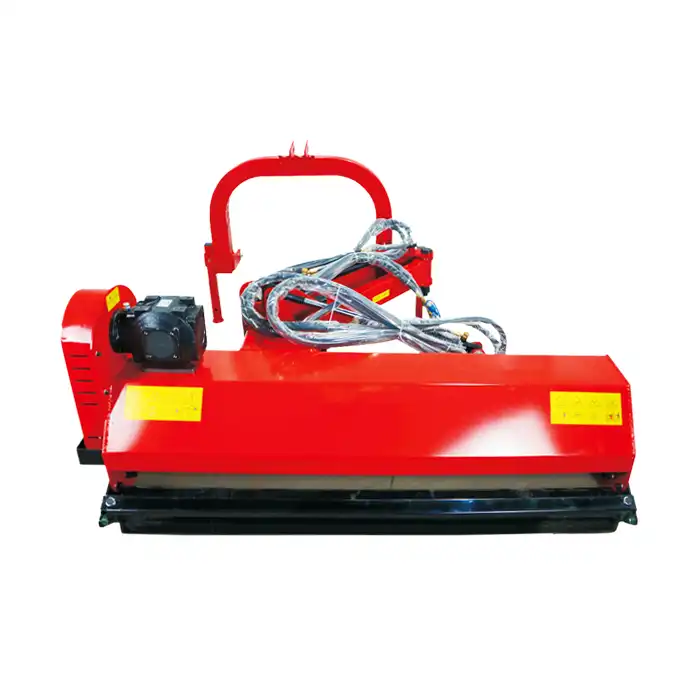
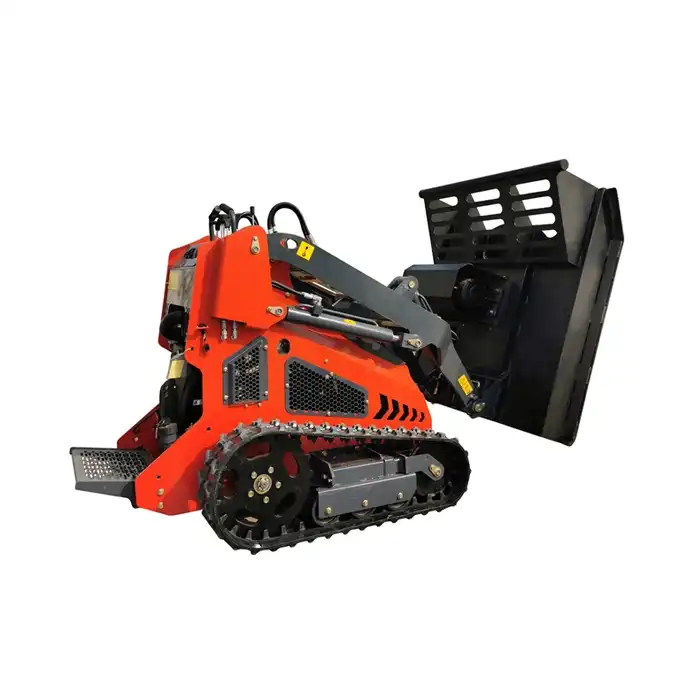
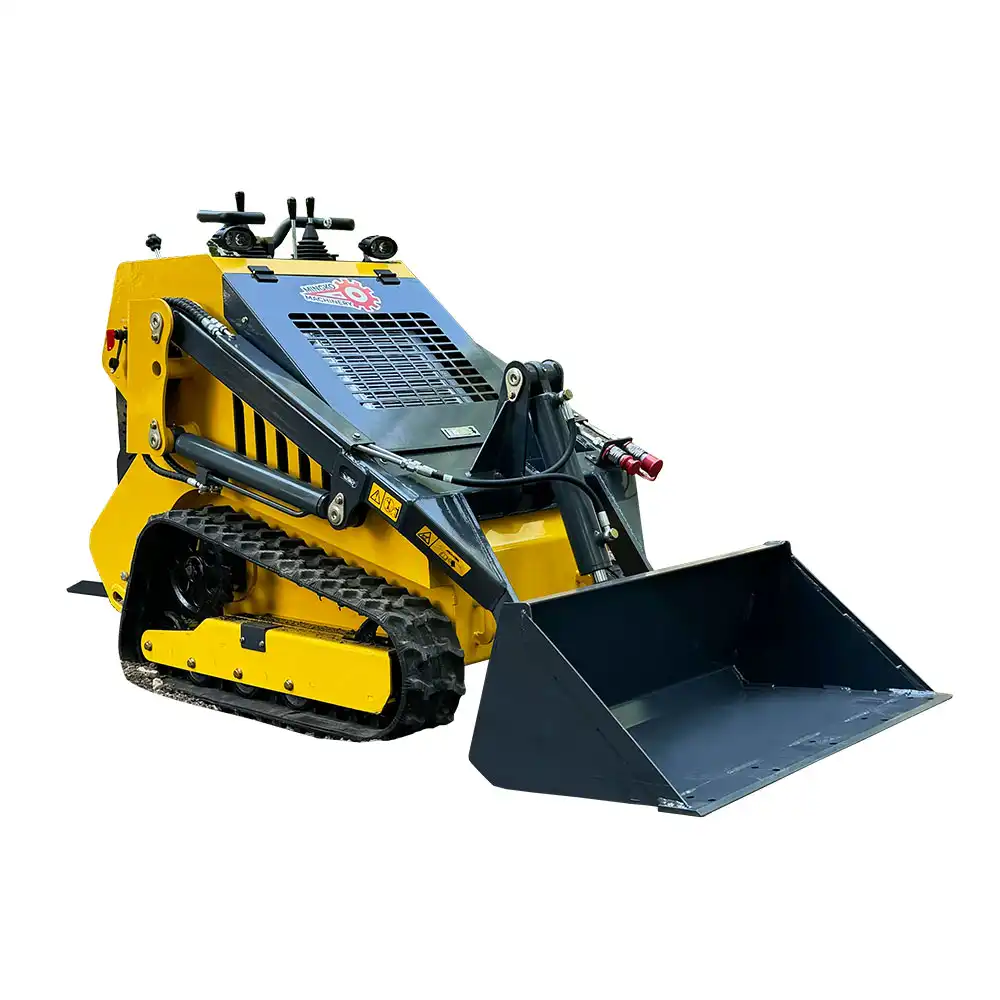
What is an RC Slope Mower and how does it work? An RC slope mower is a remote-controlled, battery-powered grass cutting machine specifically designed for maintaining steep terrain and challenging landscapes. These automated slope maintenance systems operate through wireless technology, allowing operators to safely control the mower from a distance while the machine handles inclines up to 45 degrees. The robotic hillside mower uses advanced traction systems and precision cutting decks to deliver consistent grass trimming results on slopes where traditional mowers would be dangerous or impossible to use.
What is RC Slope Mower?
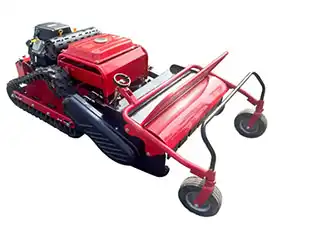
Remote Control Slope Cutters: A Revolutionary Advancement in Landscape Maintenance
Remote control incline cutters represent a progressive advancement in landscape maintenance technology. These remote incline cutters combine cutting-edge engineering with practical functionality to address one of the most challenging aspects of property upkeep: steep terrain grass cutting. At its core, an RC slope mower is a specialized piece of equipment that merges the convenience of remote operation with the powerful performance required for slope maintenance. Unlike traditional grass cutters that require physical presence and manual operation, these remotely-operated cutters allow users to maintain difficult landscapes from safe distances.
Safety, Efficiency, and Advanced Technology in Modern RC Slope Mowers
The primary design principle behind these machines focuses on safety and efficiency. Traditional slope maintenance often places operators at risk of falls, equipment rollovers, and physical strain. Remote control slope trimmers eliminate these risks by keeping operators on stable ground while the machine handles hazardous terrain. Modern RC slope mowers feature advanced control systems that provide precise maneuverability. The remote technology typically operates on frequencies that ensure reliable communication between the controller and the machine, even in challenging outdoor environments. Most systems offer ranges extending from 100 to 300 feet, giving operators considerable flexibility in positioning.
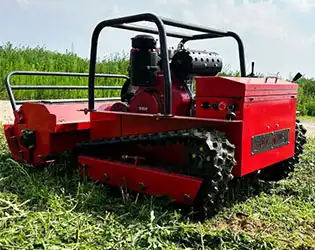
These machines emphasize durability and traction. Low centers of gravity, aggressive tire treads, and reinforced chassis designs enable these steep landscape cutters to maintain stability on slopes that would challenge even the most experienced equipment operators. Weight distribution plays a key role, with many models featuring optimal battery placement and component positioning to ensure balance. With advances in battery technology, lithium-ion systems now provide extended operational times while maintaining consistent power output, allowing modern battery-operated slope cutters to handle 2-4 hours of continuous operation, depending on terrain difficulty and cutting conditions.
The Problem It Solves
Steep incline upkeep has long been a challenge for property proprietors, frequently requiring unsafe manual labor, exorbitant proficient administrations, or neglecting excess growth. Remote-controlled cutters address these issues by progressing security, effectiveness, and accessibility. They reduce liability concerns by minimizing specialist risk and eliminating the need for costly landscape services. These systems also provide controlled cutting that avoids erosion, fire risks, and invasive species, while promoting healthy vegetation. Furthermore, remote cutters can access areas that traditional equipment cannot, completing tasks faster and more safely.
Core Features & Functionality Deep Dive
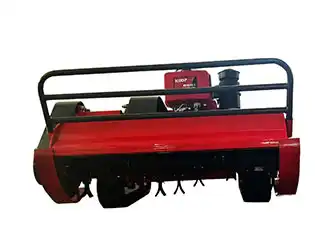
Modern remote-controlled slope cutters include advanced engineering for solid performance on challenging terrains. Key features include multi-blade cutting systems with shock absorption, hardened steel blades, and sealed gearboxes for torque and component protection. Traction control systems prevent wheel spin, while corresponding control systems enable precise speed and steering. Safety features like dead-man switches, tilt sensors, and obstacle detection enhance security. Weather-resistant designs ensure year-round operation, and battery management systems optimize performance with removable packs and smart charging to extend battery life.
Technology Explained
Remote-controlled incline cutters integrate advanced technologies from various engineering fields. Radio frequency communication, typically on 2.4GHz bands with frequency-hopping, ensures reliable operation. Brushless electric motors offer efficiency, low maintenance, and extended lifespan, while GPS enables features like boundary mapping and automated returns. Terrain adjustment systems use sensors to modify control and stability, preventing wheel slip. Streamlined cutting decks optimize airflow and power utilization, and adjustable heights cater to different grass types. Advanced lithium iron phosphate batteries improve cycle life, with smart management to prevent over-discharge.
Key Advantages
Remote-controlled slope mowers offer key advantages, particularly in safety, efficiency, and cost-effectiveness. By removing operators from hazardous terrain, they reduce the risk of slope-related injuries. Single operators can achieve 200-300% more productivity compared to traditional methods, while operating in weather conditions unsafe for manual work. These mowers also lower labor costs, insurance premiums, and equipment replacement. With precision cutting and environmental benefits, such as reduced soil compaction, lower fuel consumption, and zero emissions, they provide reliable, professional results across various property types.
Potential Limitations & Considerations
Remote-controlled slope mowers have limitations to consider, including weather dependency, with wet or icy conditions reducing traction and increasing risks. High initial costs, ranging from $15,000 to $45,000, may be a barrier for small operations. Terrain challenges like loose soil, rocks, or slopes over 45 degrees may require specialized equipment. Battery life can be affected by extreme temperatures, requiring backup power systems. A learning curve exists for operators transitioning from traditional equipment, and maintenance, though lower than gas models, requires attention to electrical systems and batteries.
RC Slope Mower vs. The Competition
Traditional Walk-Behind Cutters vs RC Slope Mowers
Comparing RC slope mowers against alternative slope maintenance solutions reveals distinct advantages and applications where remote control technology provides superior value propositions. Traditional walk-behind cutters represent the most common alternative but suffer from significant safety and productivity limitations on steep landscapes. Manual operation requires operators to maintain balance on unstable surfaces while controlling heavy equipment, creating considerable danger. Efficiency suffers as operators must work slowly to maintain safety, often requiring multiple passes to achieve satisfactory results. Walk-behind units also struggle with maintaining consistent cutting height on uneven terrain.
Robotic Cutters and Their Limitations
Robotic cutters offer automated operation but lack the precision control and steep-slope capabilities of RC units. Most automated systems are designed for relatively flat landscapes and cannot handle slopes exceeding 30 degrees safely. Their automated operation, while useful for routine maintenance, provides less flexibility for addressing specific problem areas or adapting to changing conditions. Battery life and charging logistics can also complicate their use in large or inaccessible areas, making them less suitable for challenging terrain maintenance.
Professional Landscape Services, Brush Pigs, and Hand Tools
Professional landscape services provide expertise and specialized equipment but at significant ongoing costs. Service planning may not align with optimal cutting conditions, and quality can vary between different teams or service providers. Property owners lose direct control over timing and methodology while incurring recurring costs that can exceed the purchase price of equipment over multi-year periods. Brush pigs and tractor-mounted gear offer high efficiency for large areas but cannot access steep or irregular terrain safely. Their size and weight limitations restrict them to relatively flat areas with adequate access routes. The aggressive cutting action may not be suitable for maintained grass areas requiring a finished appearance. String trimmers and hand tools provide extreme accuracy and access but require extensive labor and pose significant safety risks on steep inclines. Physical demands limit productive work periods, and repetitive motion injuries become common among workers performing extensive slope trimming. Labor costs for hand maintenance often exceed equipment costs within 2-3 years for most applications.
Target Audience & Ideal Use Cases
Municipal and Public Sector Applications
RC slope mowers serve diverse market segments, each with specific requirements and performance expectations that influence equipment selection and operational approaches. Municipal departments represent a growing market segment as cities and counties seek to improve worker safety while managing maintenance budgets effectively. Highway departments use these machines for maintaining steep roadside embankments that previously required dangerous manual work or expensive contractor services. Park and recreation departments deploy them for maintaining decorative hillsides, amphitheater slopes, and areas around water features where traditional equipment access is limited.
Commercial and Residential Applications
Commercial property managers increasingly recognize the value of RC slope mowers for maintaining corporate campuses, shopping centers, and industrial facilities with challenging landscape features. The professional appearance these machines can maintain helps preserve property values while reducing ongoing landscape service costs. Residential applications continue expanding as homeowners with steep lot characteristics seek alternatives to expensive landscape services or dangerous manual maintenance. Large residential properties, particularly in hillside developments, benefit from the safety and convenience remote control operation provides.
Agricultural and Institutional Applications
Agricultural applications include maintaining farm pond dams, irrigation channels, and terraced growing areas where vegetation control is necessary but traditional equipment access is challenging. Vineyard and orchard operations use them for maintaining steep access roads and erosion control areas. Institutional facilities, including hospitals, schools, and government complexes, often feature complex landscaping with steep decorative elements that require regular maintenance. RC slope mowers enable facility managers to maintain attractive grounds while protecting workers from injury risks associated with traditional slope maintenance methods.
Conclusion
RC slope mowers represent a transformative technology that addresses longstanding challenges in steep terrain maintenance while prioritizing operator safety and operational efficiency. These sophisticated machines combine advanced engineering with practical functionality, delivering professional-quality results across diverse applications from municipal facilities to residential properties. The compelling advantages of remote operation, enhanced safety, and improved productivity make these systems increasingly attractive to property owners and landscape professionals seeking reliable solutions for challenging maintenance requirements. As battery technology continues advancing and costs decrease, RC slope mowers will likely become the standard approach for safe, efficient steep terrain maintenance across various industries and applications.
Frequently Asked Questions
Q1: How steep of slopes can RC slope mowers safely handle?
A: Most quality RC slope mowers can safely operate on slopes up to 45 degrees (100% grade). However, actual performance depends on surface conditions, grass moisture, and soil stability. Dry, firm surfaces with established grass provide optimal traction. Operators should always test equipment on challenging slopes under favorable conditions before attempting operation in difficult weather or surface conditions.
Q2: What is the typical battery life and charging time for these machines?
A: Battery life varies by model and operating conditions, but most units provide 2-4 hours of continuous operation per charge. Charging times typically range from 4-8 hours for complete recharging. Many commercial operators invest in multiple battery packs to enable continuous operation through battery rotation. Cold weather can reduce battery life by 20-30%, while hot conditions may trigger protective shutdowns.
Q3: How much maintenance do RC slope mowers require compared to gas-powered equipment?
A: RC slope mowers generally require less maintenance than gas-powered alternatives since they lack engines, fuel systems, and associated components. Primary maintenance focuses on blade sharpening, battery care, and periodic lubrication of drive components. Most users perform basic maintenance monthly during active seasons, with annual comprehensive service recommended for optimal performance and warranty compliance.
Ready to Transform Your Slope Maintenance? Contact Mingko Industry Today
Mingko Industry brings over 15 years of specialized experience in manufacturing premium RC slope mowers designed for the demanding requirements of American commercial and residential markets. As a certified manufacturer and supplier, we offer factory-direct pricing, comprehensive customization services, and unmatched technical support. Our ISO 9001 certified facility produces cutting-edge Remote Control Mowers that combine safety, efficiency, and reliability for challenging terrain applications. Ready to discover how our innovative solutions can revolutionize your slope maintenance operations? Contact Us at sales@mingkomach.com for detailed specifications and competitive quotes.
References
1. American Society of Agricultural and Biological Engineers. "Safety Standards for Slope Mowing Equipment Design and Operation." ASABE Engineering Practices, 2023.
2. Johnson, Michael R. "Remote Control Technology in Landscape Maintenance: Safety and Efficiency Analysis." Journal of Grounds Management Technology, Vol. 45, No. 3, 2023.
3. National Institute for Occupational Safety and Health. "Preventing Injuries in Landscape and Horticultural Services." Publication No. 2023-108, Centers for Disease Control and Prevention, 2023.
4. Rodriguez, Elena M. and Thompson, David K. "Battery Technology Applications in Commercial Outdoor Equipment." International Review of Portable Power Systems, Vol. 12, Issue 4, 2023.
5. Sports Turf Managers Association. "Best Practices for Steep Terrain Maintenance in Professional Facilities." STMA Guidelines and Standards, 2023.
6. Wilson, Robert A. "Economic Analysis of Automated Slope Maintenance Systems in Municipal Applications." Public Works Management Journal, Vol. 78, No. 6, 2023.