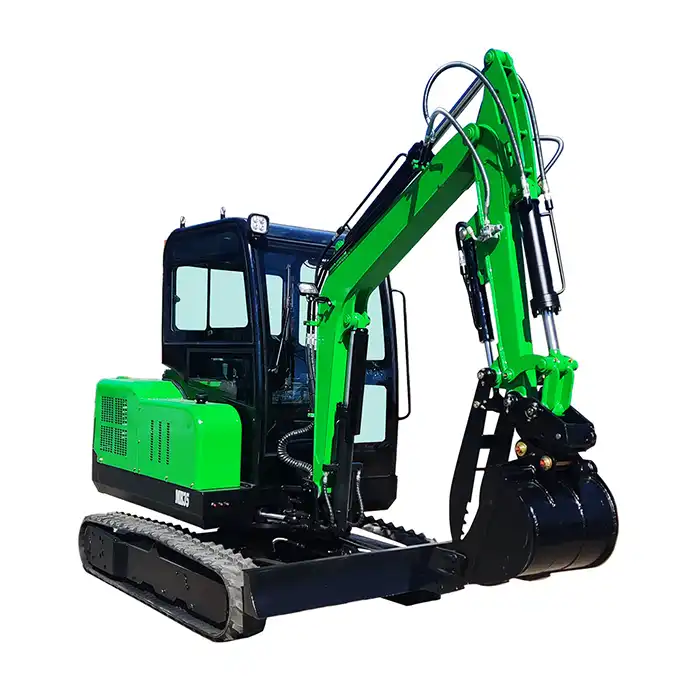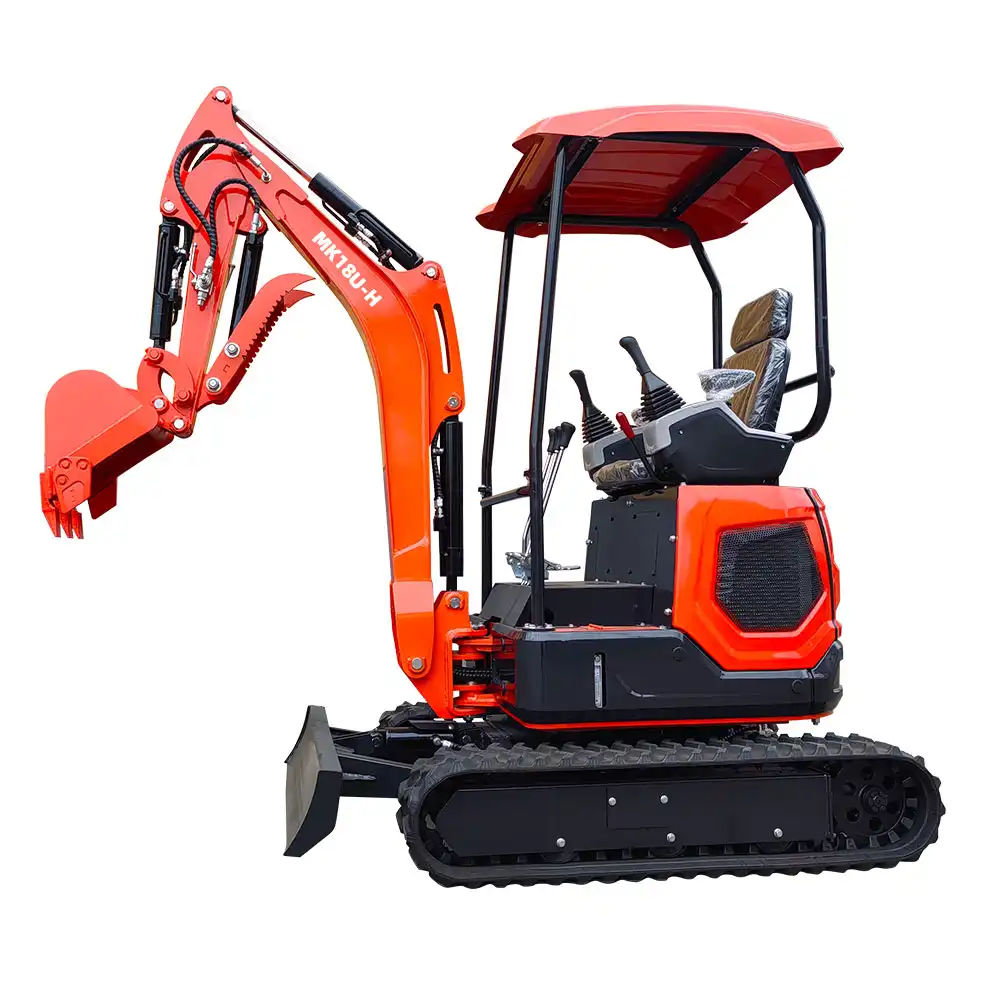
Where to Buy Mini Hydraulic Excavators with OEM and ODM Support
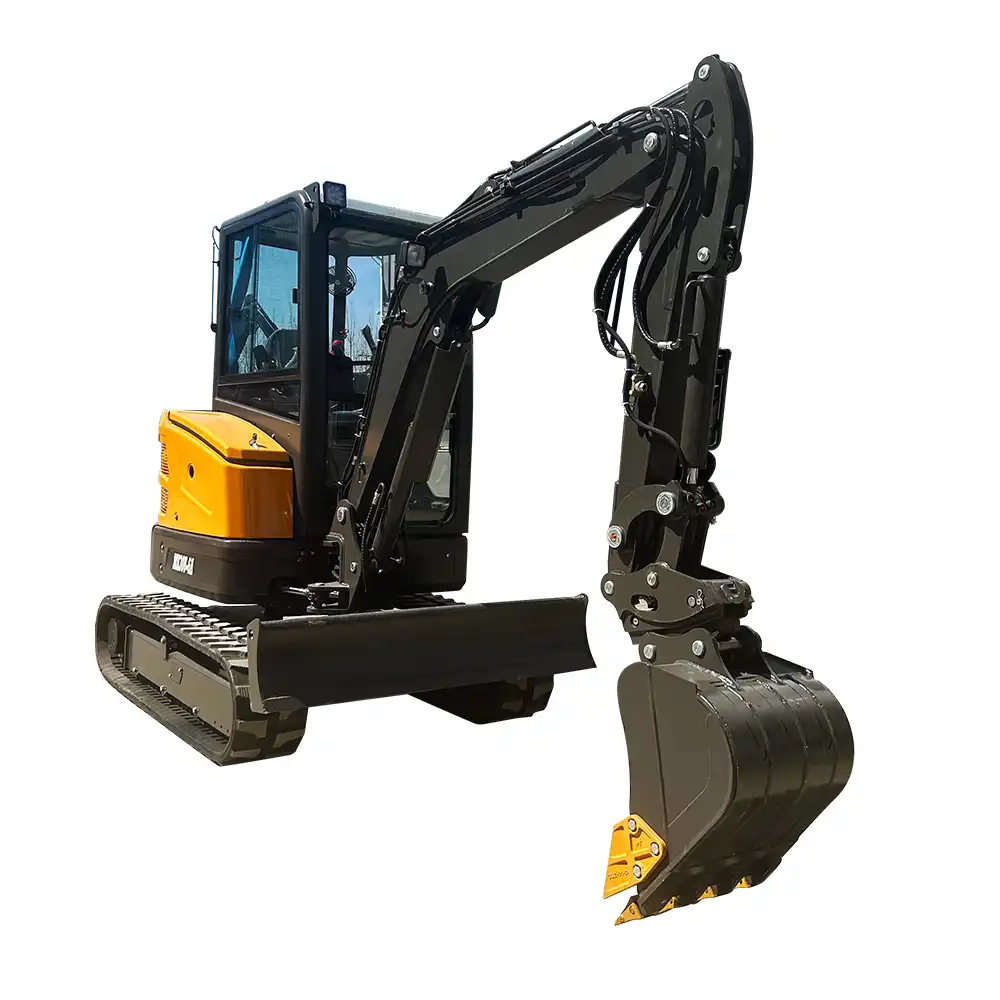
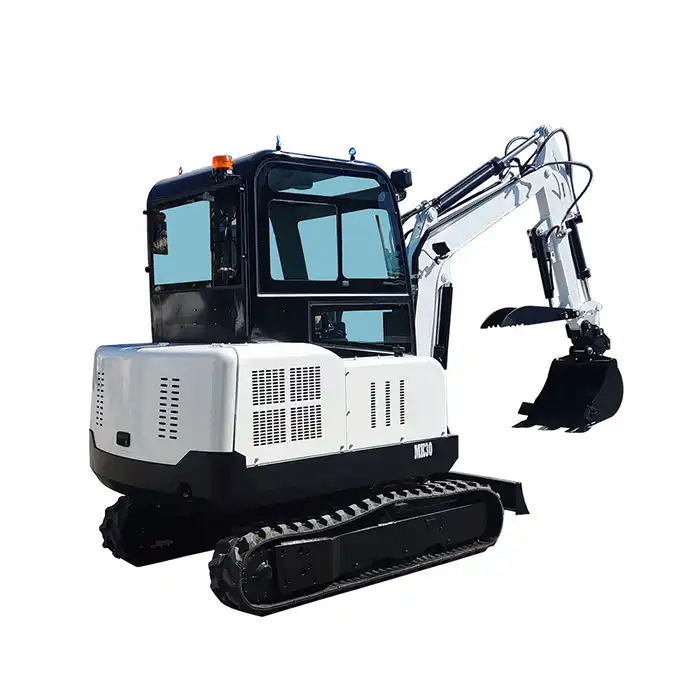
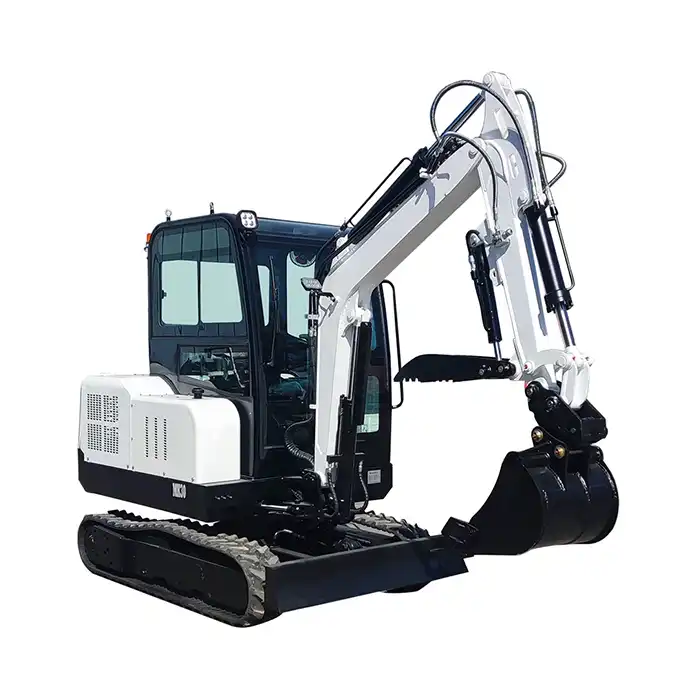
For companies that want to buy customised small Mini Hydraulic Excavator construction equipment, it's important to find reliable sources for Mini Hydraulic Excavators that offer full OEM and ODM support. If you're a contractor, landscaper, or construction company, working with well-known companies like Shandong Mingko Industry Corporation will give you access to high-quality hydraulic diggers weighing between 1 and 8 tonnes, as well as full customisation services and professional support after the sale to meet your specific needs. When you buy small excavators from around the world, you can get access to cutting-edge technology, low prices, and the ability to make unique products. But to work in foreign markets, you need to know how to check suppliers, follow quality standards, and think about logistics. This complete guide talks about the best ways to buy mini diggers, how the market works, and useful tips for buying them with professional help.
Understanding the Global Mini Hydraulic Excavator Market
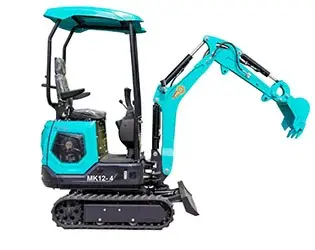
Market Dynamics and Growth Trends
The compact construction equipment market is steadily growing thanks to more people moving to cities, better infrastructure, and a desire for machines that can do more than one thing. Market analysts say that demand is consistently rising for residential construction, utility installations, and landscaping jobs around the world. Different regions have different tastes. For example, buyers in North America like zero-tail swing models for tight areas, buyers in Europe care more about meeting emission standards, and buyers in Asia want models that are cost-effective and can do more than one thing. When buyers understand these area differences, they can find the right suppliers and products.
Technology Advancement and Innovation
These days, mini earth movers have advanced hydraulic systems, engine technologies, and smart ways to direct them. Leading makers put a lot of money into research and development to make machines that use less fuel, make less noise, and are more comfortable for operators. Integration of Italian hydraulic technology, engines that meet EPA standards, and computerised control systems are the current standards in the business. These advances in technology mean that end users can be more productive, save money, and get more use out of their tools.
Applications and Advantages of Compact Excavators
Versatile Application Scenarios
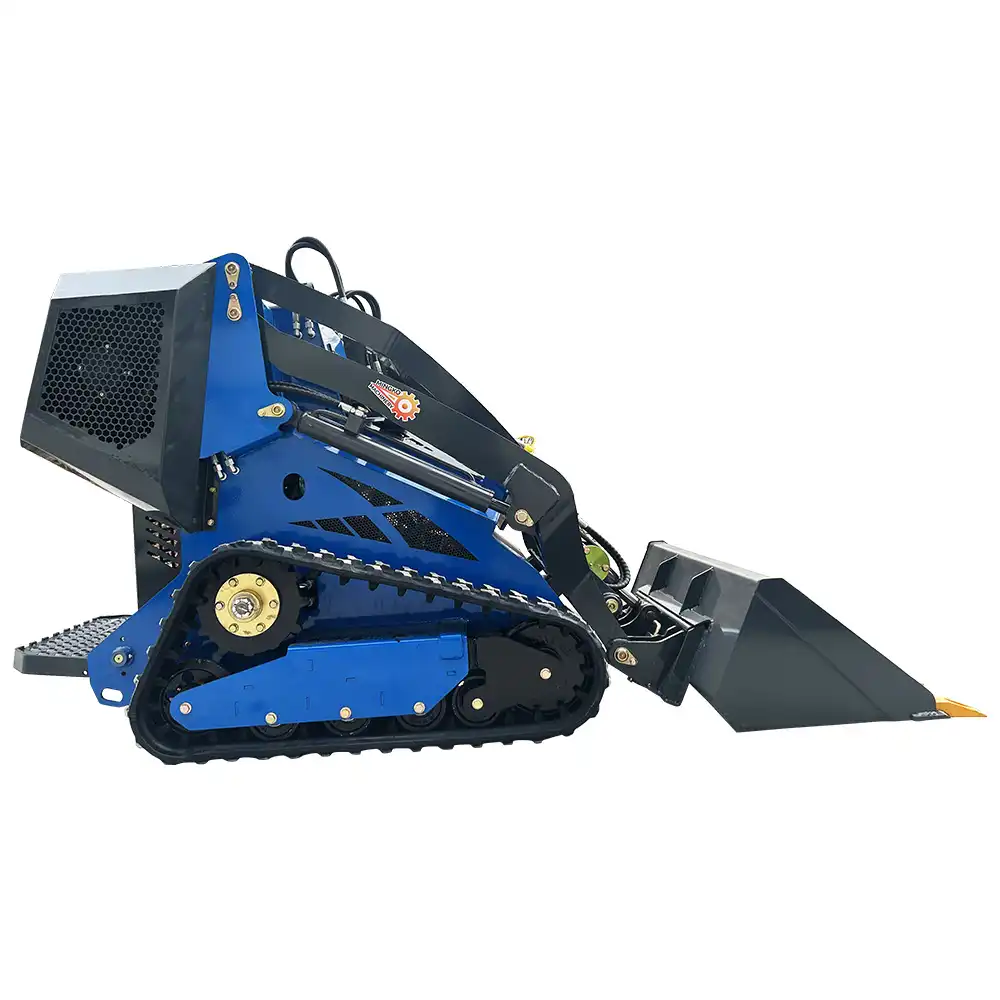
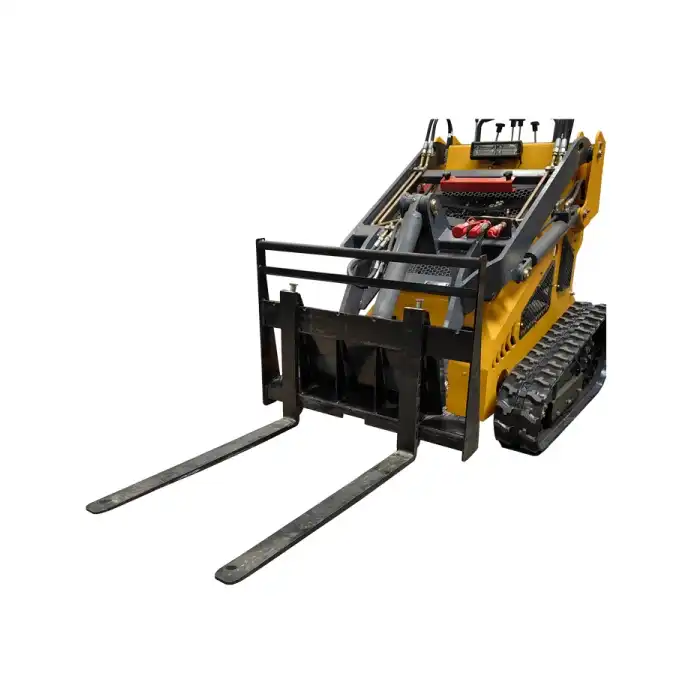
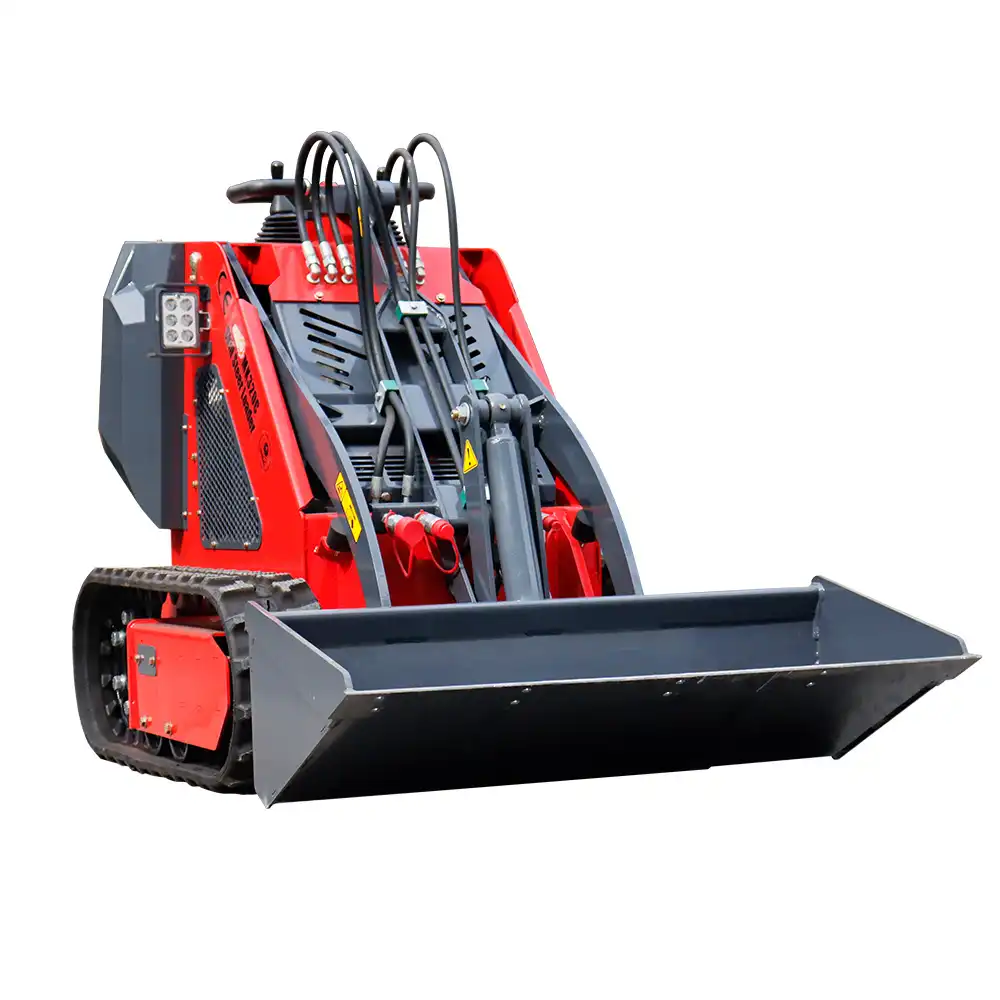
Small excavators work well in a wide range of situations where bigger machines wouldn't work. They are easy to move around on building sites in cities, and they are great for residential projects because they don't disturb the ground too much and can dig precisely. Professional landscapers use these tools to plant trees, put in gardens, and change the terrain. Utility companies use compact track loaders to lay cables, connect pipes, and do maintenance work in places that are hard to get to.
Operational Benefits and Cost Efficiency
There are big benefits to using compact diggers instead of traditional digging methods. Profitability goes up when less work needs to be done, projects are finished faster, and less fuel is used. Because they can work in small areas, they don't have to dig by hand in hard-to-reach places. Maintenance costs are still doable because parts are easy to get to and are available in standard sizes. Many models have service points that are easy for anyone to use, so regular upkeep can be done without needing to know a lot about technology.
Global Supply and Demand Analysis
Regional Production Capabilities
The Asia-Pacific area, especially China, has the most factories in the world. There are even industrial zones where construction equipment is made. Many specialised producers with modern factories that cover thousands of square meters can be found in Shandong Province. European makers focus on high-end markets, putting a lot of emphasis on being environmentally friendly and using the latest technology. North American production is focused on certain niche markets, with a stress on dealer networks, Mini Hydraulic Excavator, and service after the sale.
Market Demand Patterns
The demand for hydraulic diggers is directly affected by the cycles in the construction business. The market is growing thanks to programs that spend in infrastructure, build homes, and expand utilities. In different parts of the world, buying choices are affected by things like the economy, government policies, and the rate at which new technologies are adopted. The growth of the rental market opens up new demand pathways, as equipment rental companies look for long-lasting, dependable machines that can be used in a variety of ways by customers. This trend makes manufacturers focus on making products that are easy for people to use and last a long time.
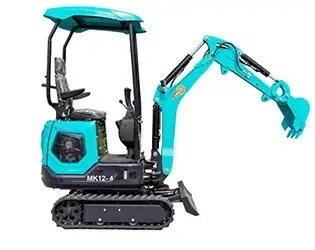
Comparing Different Procurement Channels
Direct Factory Sourcing
| Advantages | Disadvantages |
|---|---|
| Competitive pricing without middleman markup | Language barriers and time zone differences |
| Customization capabilities and OEM support | Longer communication cycles |
| Direct technical support and specifications | Higher minimum order quantities |
| Quality control visibility | Complex logistics coordination |
| Faster problem resolution | Payment security considerations |
Authorized Distributors and Dealers
Local distributors provide immediate availability, established service networks, and familiar business practices. They offer demonstration opportunities, local warranty support, and financing options. However, pricing typically includes distribution margins, and product selection may be limited to popular models. Regional dealers understand local regulations, emission requirements, and operational preferences. Their proximity enables rapid parts supply and technical assistance, valuable for businesses requiring immediate support.
B2B Platforms and Online Marketplaces
Digital procurement platforms link buyers with suppliers around the world and make prices clear. They also have systems for verifying suppliers. These sites let you compare prices and offer safety steps for transactions. Quality verification is still hard, though, and expert help may be limited. Online marketplaces let you find many sellers, but you need to carefully check out each one and make sure the quality is good. Payment security services and reviews from buyers can help lower the risks of procurement.
Supplier Verification and Quality Control
Essential Verification Steps
A thorough evaluation of a supplier starts with checking the supplier's business licence, visiting the production site, and reviewing the quality certification. ISO 9001 certification means that quality control systems are in place, and EPA and CE compliance mean that rules are followed. Factory trips, whether they are virtual or real, show how much can be made, how quality control is done, and how big the actual factory is. Asking for customer examples and case studies can help you figure out how reliable a supplier is and how well their products work.
Quality Control Checkpoints
Engine specs, the quality of the hydraulic parts, the structural stability, and the functionality of the safety features are some of the most important things that inspectors look at. Procedures for testing should check the system's working performance, load capacity, and ability to respond to different situations. A study of the documentation includes checking for technical details, warranty terms, the availability of spare parts, and the completeness of the repair manual. Misunderstandings can be avoided by being clear about what customisations are needed and when they need to be delivered.
Procurement Best Practices and Common Pitfalls
Minimum Order Quantities and Payment Terms
MOQ requirements vary significantly among suppliers. Established Mini Hydraulic Excavator manufacturers often accommodate single-unit orders for customized applications, while trading companies may require larger quantities. Understanding these requirements helps align procurement strategies with business needs. Payment terms typically involve deposit requirements ranging from 30-50% with the balance due before shipment. Letter of credit arrangements provide security for large orders, while smaller purchases may utilize trade assurance programs offered by B2B platforms.
Delivery Timelines and Logistics Considerations
Standard models usually ship within 15-30 days, while customized units require 45-60 days for production completion. International shipping adds 2-4 weeks, depending on destination and customs clearance procedures. Container optimization reduces shipping costs when ordering multiple units. Understanding import duties, taxes, and regulatory requirements prevents unexpected expenses and delivery delays.
Common Procurement Mistakes
Insufficient technical specification clarity leads to unsuitable equipment delivery. Buyers should provide detailed operational requirements, attachment needs, and performance expectations. Inadequate warranty understanding creates problems during equipment servicing. Overlooking spare parts availability and local service support results in extended downtime during maintenance periods. Establishing parts supply arrangements and identifying qualified service providers before purchase prevents operational disruptions.
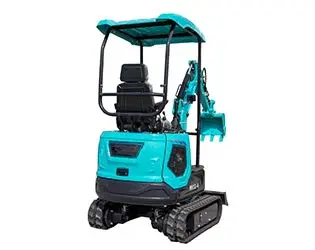
Conclusion
To buy a Mini Hydraulic Excavator successfully, you need to balance quality, cost, and support while also knowing how the global market works. When working with well-known manufacturers who have full production skills and quality certifications, direct factory partnerships are the best way to get the best prices and customisation. A good procurement process includes carefully checking the suppliers, communicating specifications clearly, and setting realistic deadlines. Understanding the needs of local markets, government rules, and transportation issues is important for making sure that transactions go smoothly and that equipment works well.
FAQ
1. What should I consider when choosing between different excavator sizes?
Excavator selection depends on project requirements, site access limitations, and operational versatility needs. One-ton models excel in landscaping and residential applications, while 3.5-ton units handle heavier construction tasks. Consider attachment compatibility, transport requirements, and operator licensing restrictions when making sizing decisions.
2. How do I verify supplier credentials and manufacturing capabilities?
Request business licenses, quality certifications, and customer references from potential suppliers. Conduct facility inspections through video calls or third-party services. Review production capacity, equipment age, and quality control processes. Verify export experience and international compliance standards before finalizing partnerships.
3. What warranty coverage should I expect for compact excavators?
Standard warranty periods range from 12 to 24 months, covering manufacturing defects and component failures. Comprehensive coverage includes engine, hydraulic systems, and structural components. Clarify warranty terms, service provider locations, and parts availability before purchase to ensure adequate post-sales support.
Partner with Meeko for Your Mini Hydraulic Excavator Needs
Meeko stands ready to serve as your trusted Mini Hydraulic Excavator supplier with over 15 years of manufacturing expertise and comprehensive OEM/ODM capabilities. Our Shandong facility produces quality compact construction equipment meeting international standards while offering competitive factory-direct pricing and customization services starting from single-unit orders.
Contact our professional sales team at sales@mingkomach.com for personalized consultations and detailed quotations.
References
1. Construction Equipment Magazine. "Global Compact Excavator Market Analysis and Growth Projections." Industrial Equipment Review, 2023.
2. International Construction Research Institute. "Mini Hydraulic Excavator Technology Trends and Manufacturing Standards." Construction Technology Quarterly, 2023.
3. Asia-Pacific Construction Equipment Association. "Regional Manufacturing Capabilities and Quality Standards in Compact Machinery." Equipment Manufacturing Report, 2023.
4. Global Construction Equipment Trade Association. "Procurement Best Practices for International Heavy Equipment Sourcing." International Trade Guidelines, 2023.
5. Construction Industry Research Foundation. "Market Demand Analysis for Compact Construction Equipment in Emerging Markets." Industry Development Studies, 2023.
6. Hydraulic Systems Technology Institute. "Advanced Hydraulic Technologies in Modern Mini Excavators." Technical Innovation Review, 2023.