Why Are Mini Small Excavators Popular with Contractors?
More and more contractors are choosing Mini Small Excavators because these small machines are very flexible and can work in tight spaces without sacrificing power. A mini small excavator works better in cities, private areas, and tight places where maneuverability is important than other types of heavy equipment. Transporting these machines is cheaper, they use less fuel, and they can quickly switch out attachments, which makes them essential for modern contracting work. Their rising success is part of a larger trend in the industry toward flexible, low-cost equipment that boosts output while reducing downtime.
Understanding Mini Small Excavators: Features and Benefits
The way builders work on difficult jobs in small spaces has changed because of compact excavation tools. These tools solve problems in the real world by combining precise engineering with useful features.
What Defines a Mini Small Excavator?
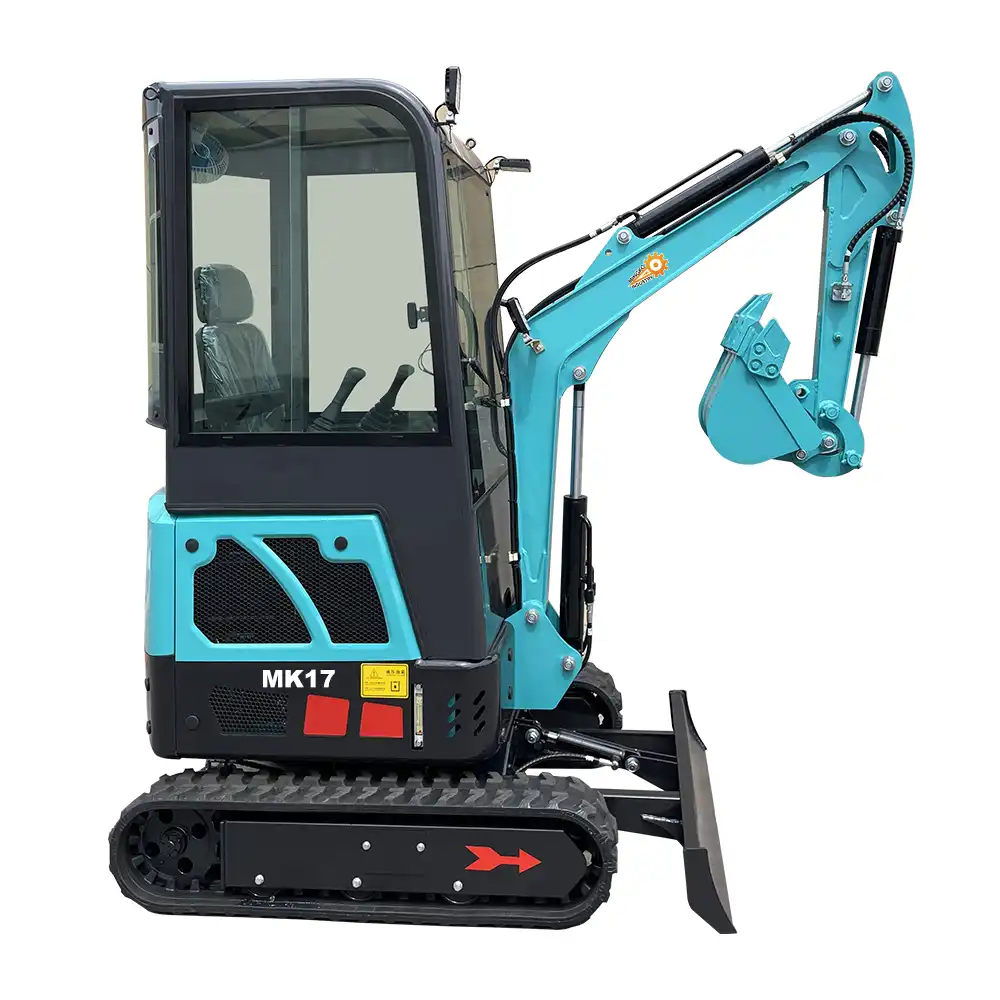
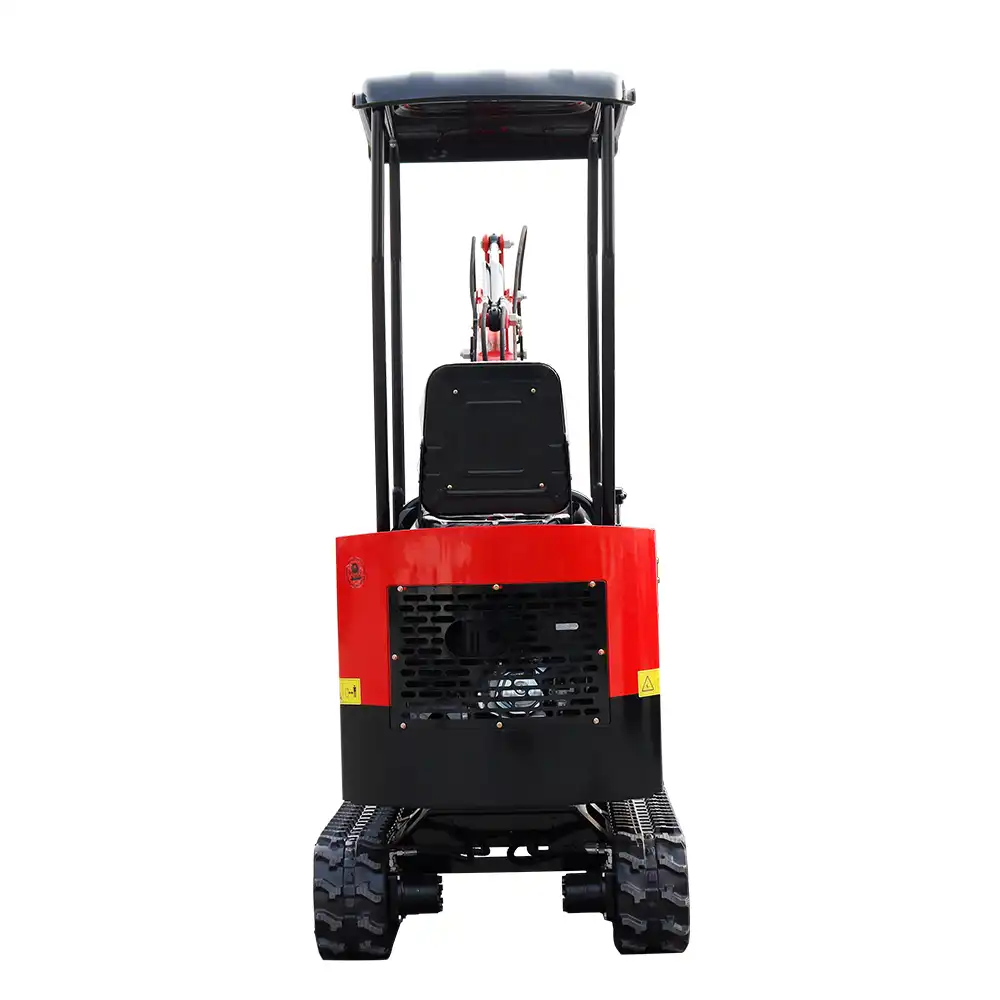
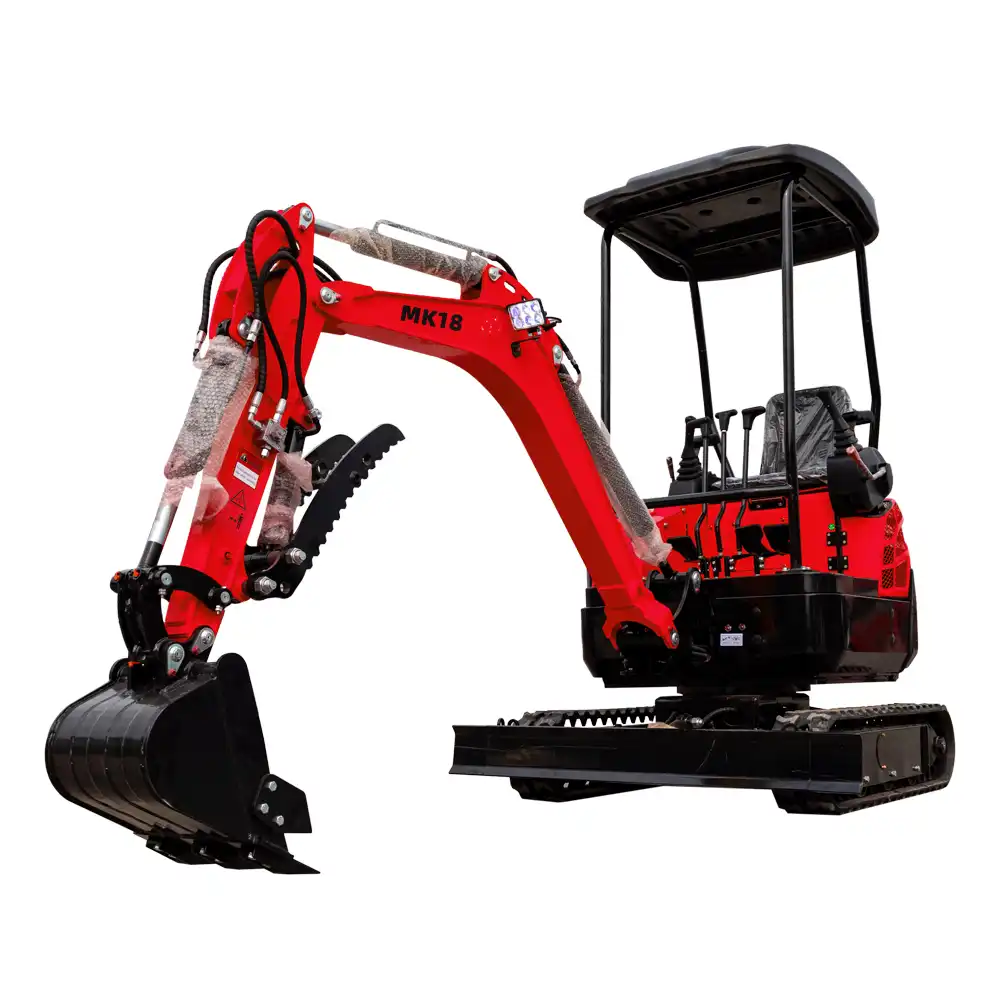
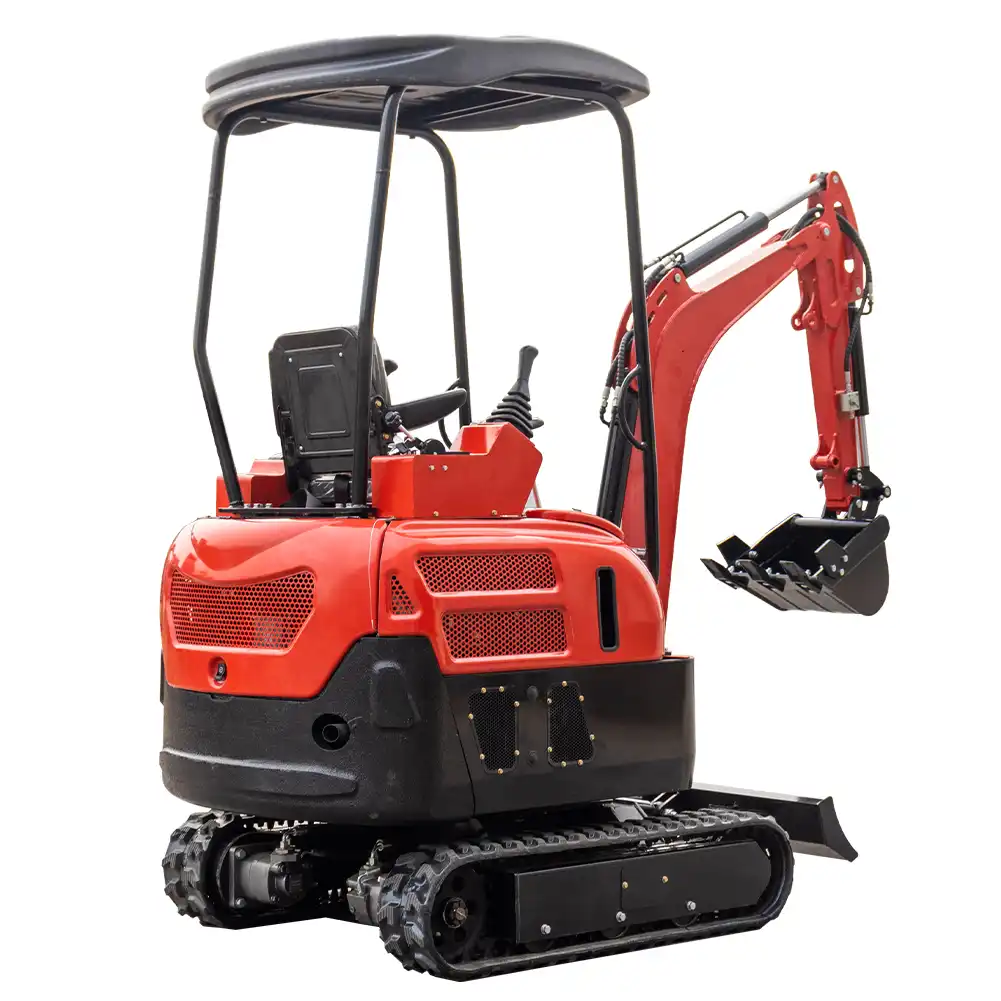
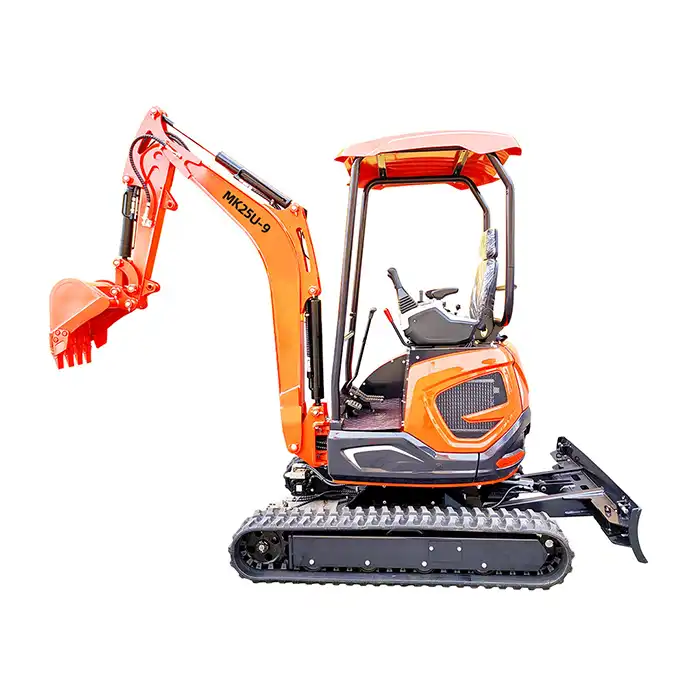
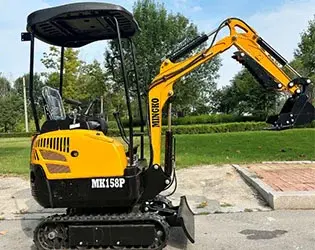
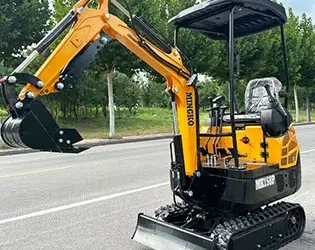
A mini small excavator usually weighs between 1 and 6 tons and has a small size that makes it ideal for tight job sites. The machines have strong hydraulic systems that give them a lot of digging power, even though they are smaller. They can fit through normal gates and narrow streets because most of them are less than 8 feet wide. Mingko offers a wide range of types, from 1 to 6 tons, all designed to mix power with precise handling. Many models have a zero-tail-swing design that keeps the back from going beyond the track width while the machine is turning. This protects nearby buildings and lets the machine work in very small spaces.
Core Advantages for Contracting Work
These tools have real benefits that are effecting project costs and timelines. By far, the best thing about mini small excavators is that they use 30 to 40 percent less gas than full-sized ones when they're working normally. It's a lot easier to move things when most of them fit on normal trailers and don't need special permits or plans for oversize loads. Wider tracks lower the ground pressure, which prevents lawns and surfaces from getting damaged. This is an important thing to keep in mind for home gardening and utility work. The Mini Small Excavators made by Mingko are very good at digging, moving, and swinging, which speeds up work in a wide range of situations.
You can't say enough good things about how flexible these machines' attachments are. By quickly changing out buckets, augers, hammers, grapples, or trenchers, contractors can turn a single digger into a number of different specialized tools. Because it can be used for different jobs, it doesn't need to be maintained separately, which saves money on both capital costs and upkeep costs. Operators like how easy it is to use the tools and how clear the view is from the cab, which makes work safer and more precise when working close to utilities or buildings.
Operational Flexibility in Diverse Environments
Mini small excavators are especially useful for building sites in cities. To dig ditches for utility lines, supports for additions, or to get rid of concrete in downtown areas, you need tools that won't get in the way of traffic or damage nearby properties. Landscapers use these tools to plant trees, level the ground, and set up watering systems with little damage to the grass. In agriculture, it's used for jobs like clearing land, draining, and moving things around that would be too hard for full-sized tools to handle. Road maintenance crews use mini small excavators to fix pavement, put in culverts, and do foundation work in places where bigger machines can't go.
Comparing Mini Small Excavators with Other Equipment
To choose the right machinery, you need to know how different types of machinery fit into different project needs and working situations.
Mini Excavators Versus Skid-Steer Loaders
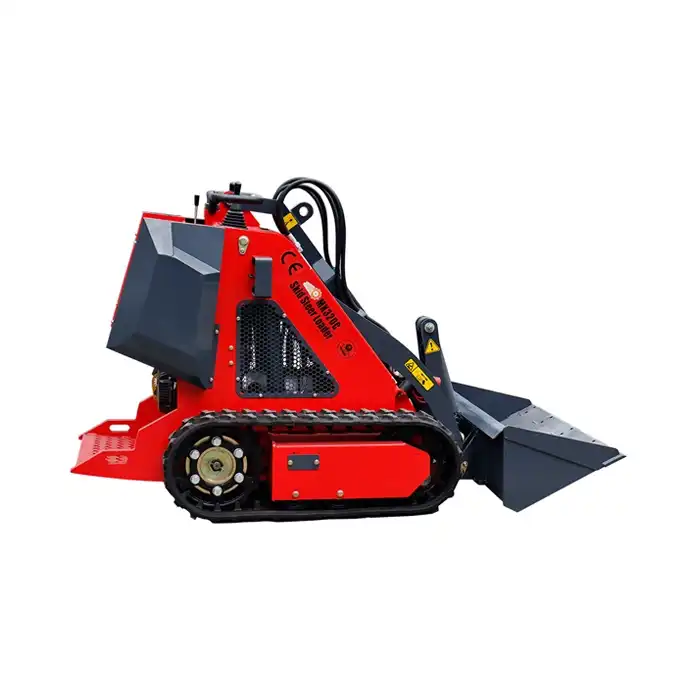
Both tools work well for workers, but they are best for different jobs because of how they are made. Skid Steer Loaders are great at moving things and clearing snow from flat areas because they can move loads more quickly when they are going horizontally. The wheels on them make them very easy to move on smooth, hard surfaces, but they have trouble on wet or uneven ground. When digging depth and vertical reach are important, mini small excavators are the best choice. The articulated boom of the digger can reach farther and dig deeper than extensions for skid steers. Track-based movement is better at gripping and staying stable on hills, soft ground, and uneven ground. Attachment systems are also different. Mini small excavators use pin-on links, while skid steers use quick-attach systems. Most of the time, contractors find that mini small excavators are more cost-effective for digging jobs, while skid steers are better for moving materials and preparing the ground.
Diesel Versus Electric Power Systems
When deciding between diesel and electric propulsion, there are many operational factors to consider besides the original buy price. Diesel engines always put out the same amount of power, no matter how long they're running, and they can be refueled quickly so they can keep working. These things work regularly in harsh environments and faraway places where there isn't access to electricity. Regularly changing the oil and filters and servicing parts on a regular basis are all maintenance tasks that workers who know how to use traditional tools already know how to do.
Electric mini small excavators don't give off any direct pollution, so they're great for removal jobs inside, in small spaces, or in places that are sensitive to the environment. Since electricity usually costs less than gasoline fuel per hour of running, operating costs go down by a lot. Noise levels drop a lot, which lets people work in home areas for longer periods of time without bothering their neighbors. Modern lithium-ion systems can run for 6 to 8 hours on a single charge, depending on how hard they are used. Battery technology is always getting better. Electric motors don't need oil changes, and because they have fewer moving parts, they wear out less quickly. Also, stop systems last longer because they can regenerate power. But the costs of charging facilities and new batteries must be added to the total lifecycle estimates.
Operating and Maintaining Mini Small Excavators Efficiently
To get the most out of your equipment, you need to follow the right working methods and maintenance schedules that make sure the machines last longer and keep the crew safe.
Safe Operation Best Practices
Before starting their shifts, operators should carefully check hydraulic lines for leaks, keep track of their state and tension, check fluid levels, and make sure the controls respond quickly. By making sure that lifted loads stay within the rated capacity across different boom positions and reach lengths, understanding load charts can help stop accidents where the boom falls over. Keeping three-point contact when getting in and out of the cab lowers the risk of injuries from falls, and workers should always wear seatbelts to protect themselves from sudden moves. To avoid expensive and dangerous utility hits, workers must use the right locating services to find underground utilities before they start digging. When working on hills, the mini small excavator needs to be lined up perpendicular to the slope, and the boom needs to be facing downhill for the best support. Setting up "exclusion zones" around the swing radius keeps people on the ground from getting caught in the swing while it's rotating.
Preventive Maintenance Schedules
Regular repair cuts down on unexpected problems and increases the life of parts. As part of daily checks, you should look for damage on the tracks, grease the pivot points, check the hydraulic oil level, and clean out the radiators and cooling systems. As part of weekly tasks, bucket teeth and cutting edges must be checked for wear, as well as pins and joints for too much play and battery connections on electric models. Safety systems like backup alarms and lights need to be tested every month, and hydraulic filters need to be changed. The swing bearing bolts also need to be checked for the right amount of force. Seasonal preparations matter too: winter operations require suitable hydraulic fluid viscosity and battery protection, while summer heat requires attention to cooling system capacity. Shandong Mingko Industry Corporation gives users detailed repair schedules and expert help for life, so operators can keep equipment running at its best for as long as they own it.
Attachment Selection and Utilization
Choosing the right extensions for a machine increases its output by making it more useful for specific jobs. There are different sizes of standard excavation buckets. Narrower ones are better for trenching utilities, while wider ones are better for doing a lot of digging. Concrete and rock can be easily broken with hydraulic tools, but they don't last forever if the nitrogen pressure and stroke are set correctly. Auger drives, which come in sizes from 6 to 36 inches, can put in fence posts, footings, and garden plants faster than people can do it by hand. Grapples are more accurate than buckets when it comes to moving brush, getting rid of trash, and sorting materials. Standard buckets can now hold things by adding thumbs, which makes them more useful for moving things around. Contractors should make sure that the attachment's weight stays within the mini small excavator's pulling capacity and that the hydraulic flow meets the requirements of the auxiliary circuit. Attachments like augers and hammers can be added to Mingko Mini small excavators, so workers can use a single base machine for various tasks.
Selecting the Best Mini Small Excavator for Your Business
To make sure long-term operational success and financial viability, strategic equipment buying needs to look at more than just the original purchase price.
Critical Evaluation Criteria
The choice of weight class relies on the needs of the project and the vehicle's ability to move it. One-ton models are good for landscapers who need to do light grading and planting, while three- to six-ton models are better for home base digging and utility installs. The type of engine affects how much fuel it uses, how well it meets pollution standards, and how much power it delivers in different situations. The specs of a hydraulic system determine its digging force, lift capacity, and extra flow for extensions, all of which have a direct effect on how much work can be done. Track width affects both stability and ground pressure. When the soil is soft, bigger layouts work better. Comfort in the cab is important for long periods of time of operation. Features like climate control, cushion seats, and good sight help keep operators from getting tired. With a wide range of capacities from 1 to 6 tons, Mingko makes sure that builders can find the right size for their mini small excavators.
Financial Considerations and Procurement Options
Strategies for buying equipment should be in line with how the business makes money and what projects are coming up. For workers with steady work and enough cash on hand, buying an object outright makes sense because they own it completely and can use it however they want. Financing plans spread out payments over a number of years while building equity, but the total cost goes up because of interest. Leasing may offer lower monthly payments and possible tax benefits, but it doesn't give you ownership rights and may have limits on miles or usage. Warranty coverage varies a lot from one company to the next. Comprehensive packages that cover important parts for 12 to 24 months are a good way to protect yourself from unexpected repair costs. Shandong Mingko Industry Corporation offers customization services with a low minimum order number of just one unit. They also offer a 12-month guarantee and technical support for life, making them a good choice for both big building companies and individual workers.
Trusted Manufacturers and Sourcing Strategies
That brand's image depends on how well it is made, how easy it is to get parts, and how well its dealers are supported. Well-known brands like Kubota and Caterpillar charge high prices but have large partner networks and high resale values. John Deere and Bobcat are both good mid-range choices that work well and have a good selection of parts. Mingko stays competitive by blending more than 15 years of experience making things with ISO 9001, CE, and EPA certifications that make sure their goods meet high-quality standards around the world. The company's factory-direct sales approach cuts out markups for middlemen, so prices are low without sacrificing quality. Their 50,000-square-meter factory has workshops just for mini small excavators and can accommodate more than 400 workers. This shows that they can make a lot of things and depend on them. Contractors gain from working directly with manufacturers who can make changes and provide quick expert help. It turns out that comparing after-sales service quality, parts availability timelines, and guarantee fulfillment processes is just as important when making choices about what to buy as comparing prices at first.
Case Studies and Testimonials: Real Contractor Experiences
Examples from real life show how compact excavation tools can be used to solve problems and provide measured returns in a variety of working situations.
Urban Utility Installation Success
A contractor working for the city's utilities had a hard time extending water lines through established areas with mature greenery and few entry points. Older machines couldn't get through small side yards or avoid hurting hardscaping and ornamental trees. Adding a 3-ton mini small excavator entirely changed the project's cost-benefit analysis. The small machine was able to go through 36-inch gates, dig holes next to existing buildings without any swing-radius problems, and finish installations 40% faster than planned. Less damage to the grass meant lower restoration costs, and being able to store waste in small places made project profits much better. The contractor said that the flexibility of their tools made it possible for them to take on jobs that they had turned down before because of access issues. This directly increased the number of people they could serve.
Landscaping Efficiency Improvements
A business gardening company switched from using people and small track loaders to Mini Excavators that are designed for installation work. Almost all service lines were more productive right away after the change. Tree planting jobs that used to take three-person teams working all day can now be done in half the time by two workers. One person drove the mini small excavator with an auger attachment while another set up and fixed the plants. The installation of irrigation systems also went faster, and trenching speeds tripled compared to walk-behind tools. The accuracy of the mini small excavator kept current plants and hardscaping from getting damaged, which cut down on expensive returns for repairs. Calculations of the return on investment showed that the tools paid for themselves in 18 months by saving time and making the project more productive. The company really liked how flexible the attachments were; they could use buckets for leveling, augers for planting, and grapples for clearing brush, all with the same base machine.
Overcoming Challenging Terrain Constraints
A country contractor who specialized in making changes to farms often ran into soft, muddy ground and steep slopes where wheeled equipment wouldn't work. Rubber tracks on small mini excavators gave them the grip and stability they needed to dig ponds, install drains, and clear land with rough terrain. The spread-out weight and large track area kept it from sinking in wet soils that would have stopped wheeled trucks in their tracks. With zero tail swing, it was possible to work close to barns and fence lines without needing a lot of space. The worker said that having the right tools for the job saved them a lot of money and time because they didn't have to rent tools. This made the clients happier and led to more business.
Conclusion
In conclusion, mini small excavators are popular with contractors because they can be used in a variety of situations and are flexible, efficient, and cost-effective. When used in small areas where bigger machines can't work well, these small machines give full-sized performance. Less fuel use, easier movement, and quick attachment changes all work together to meet core drivers of revenue while increasing the scope of projects that can be completed. Shandong Mingko Industry Corporation is dedicated to making high-quality products and has international certifications and full support to back this up. Contractors can trust that the tools they buy will last and improve their operational and economic position for years to come.
FAQ
What size mini excavator suits urban residential construction best?
Two- to three-ton types are the best mix between digging power and maneuverability for most domestic jobs, such as foundation digging, utility trenching, and landscaping. These sizes have enough breakout force for most types of dirt and can fit through normal gates and through side yards that aren't very wide. Mingko's range in this capacity works very well for builders who work with domestic markets. A mini small excavator in this size class ensures maximum productivity in tight quarters.
How do the upkeep needs of gasoline and electric cars compare?
Electric mini small excavators need a lot less regular maintenance because they don't need oil changes, fuel filter refills, or exhaust system maintenance. Battery management, which includes how to charge the battery correctly and when to replace it after 2,000 to 4,000 hours of use, becomes the most important thing to think about. Diesel types need to have their fluids changed and parts inspected on a regular basis, but they are reliable and easy for most workers to fix in the field.
Are rental options available for short-term project needs?
Renting equipment is a cost-effective option for workers who only need to do dig work sometimes or who are looking at equipment before buying it. Rental prices are usually between $200 and $400 per day, but this depends on the size of the machine and the state of the market in the area. When contractors need to use equipment for long periods of time, they should compare the costs of renting it to the costs of buying it. Buying equipment often becomes cheaper after 6 to 8 weeks of continuous use.
Partner with Mingko for Your Next Mini Small Excavator Investment
Mingko is ready to help you with your equipment needs by offering factory-direct mini small excavators that work well and are a great deal. With more than 15 years of experience making machines, we can guarantee that each one meets strict quality standards, which are backed up by ISO 9001, CE, and EPA certifications. Our method is flexible enough to fit projects of all sizes, whether you need a lot of equipment for a big building job or just one unit that is made to fit your needs. Contact our professional sales team at sales@mingkomach.com to talk about your specific needs. You can also look at detailed specifications at sdmkmachinery.com and find out why contractors all over the world choose Mingko as their top mini small excavator manufacturer for reliable equipment that comes with full 24/7 support and lifetime technical assistance.
References
1. Anderson, M. (2021). Compact Equipment Selection Guide for Modern Contractors. Construction Technology Press.
2. Chen, L., & Roberts, K. (2022). Hydraulic Systems in Mini Excavators: Performance and Efficiency Analysis. Journal of Construction Equipment Engineering, 18(3), 112-128.
3. Davidson, R. (2020). Total Cost of Ownership: Comparing Compact Construction Equipment. Heavy Equipment Management Quarterly, 45(2), 67-82.
4. Martinez, S. (2023). Electric Versus Diesel: The Future of Compact Excavation Machinery. International Journal of Construction Innovation, 11(1), 34-51.
5. Thompson, J., & Wu, H. (2022). Urban Construction Logistics: Equipment Selection for Confined Spaces. Urban Development and Infrastructure Review, 29(4), 201-218.
6. Williams, P. (2021). Attachment Versatility and Contractor Productivity in Small Excavation Equipment. Construction Business Management Journal, 37(3), 145-163.