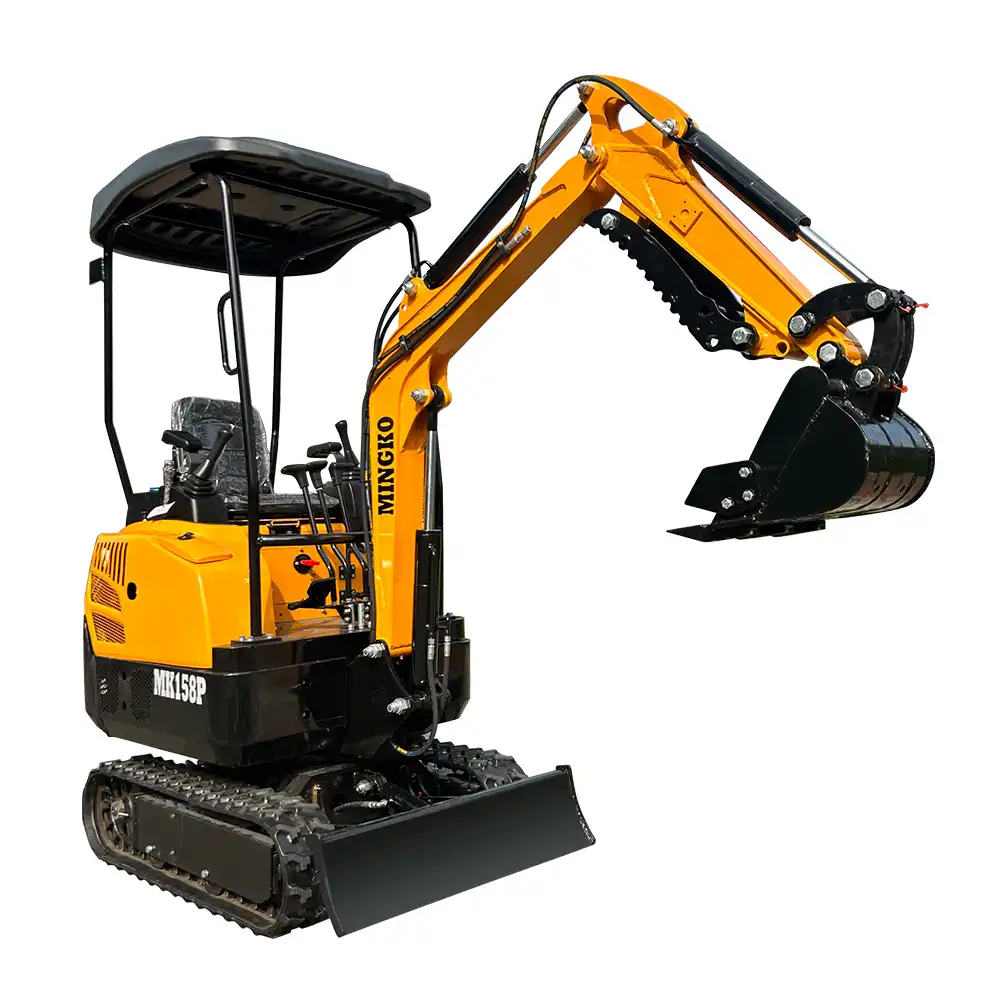
158P Mini Excavator Fuel Efficiency: What Sets It Apart
The 158P Mini Excavator stands out in the crowded market for construction equipment because to its remarkable fuel economy, which has a direct effect on operating profitability. When compared to other models in its class, this little powerhouse uses up to 15% less fuel thanks to its sophisticated engine technology and well-designed hydraulic systems. In today's competitive market, the 158P's fuel economy becomes a key differentiator from traditional mini excavators due to the rising focus on cost control and sustainable building methods.
Understanding Fuel Efficiency in Mini Excavators
Fuel efficiency represents a fundamental performance metric that determines the long-term viability of construction equipment investments. In the context of mini excavators, this measurement typically expresses consumption rates in gallons per hour or liters per operating hour, providing procurement teams with tangible data for cost projections and operational planning.
Defining Fuel Efficiency Metrics
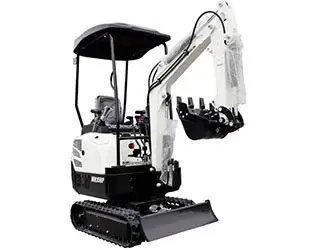
During regular operations, 158P Mini Excavator weighing less than five tons typically use between 1.5 and 3.5 gallons per hour. This large variation is dependent on a number of variables, such as operating intensity, hydraulic load management, and engine displacement. Operators may set reasonable expectations and find equipment that performs better within certain operating settings by being aware of these baseline measures.
Economic Impact of Fuel Consumption
Effective fuel management greatly benefits construction projects that need repeated operations. Up to 28 gallons of gasoline may be used by a small 158P Mini Excavator running eight hours a day, which results in significant monthly costs that have an immediate impact on project margins. Over the course of the machine's lifespan, equipment with improved fuel economy may provide quantifiable value by reducing these operating costs by 10–20%.
Key Factors Influencing Fuel Performance
The main factor influencing fuel economy is engine technology, with contemporary models including variable valve timing and electronic fuel injection. By using load-sensing technology to modify power supply in response to operating needs, hydraulic system optimization makes an equivalent contribution to consumption reduction. Furthermore, real fuel consumption rates under field settings are greatly influenced by operator tactics and maintenance procedures.
Core Fuel Efficiency Features of the 158P Mini Excavator
The 158P Mini Excavator's fuel economy is a result of integrated design advancements that maximize all facets of power delivery and consumption control. A machine that excels in both performance and operational economy is produced by this all-encompassing approach to efficiency.
Advanced Engine Specifications
The current engine design of the 158P, which satisfies strict pollution regulations while producing a steady power output, is the key to its efficiency. This power plant uses electronic fuel injection technology, which maximizes combustion efficiency and eliminates waste by accurately controlling fuel supply depending on load needs. The engine's ability to run on a variety of fuels gives operators flexibility while preserving its best performance attributes across a range of operating circumstances.
Optimized Hydraulic System Design
Hydraulic efficiency directly correlates with fuel consumption, making the 158P's advanced hydraulic architecture a cornerstone of its efficiency advantage. The system features load-sensing technology that adjusts hydraulic flow and pressure dynamically, ensuring power delivery matches operational demands without excess energy consumption. This intelligent hydraulic management reduces parasitic losses and maintains consistent performance while minimizing fuel waste during idle periods and light-duty operations.
Weight-to-Performance Balance
Through careful engineering that strikes a balance between operational weight and digging capabilities, the 158P achieves excellent fuel economy. This clever design method preserves remarkable excavation depth and lifting capability while lowering the power needed for self-propulsion. The machine's capacity to perform hard excavation jobs is not compromised by the ensuing efficiency benefits, which compound over longer running periods and provide quantifiable fuel savings.
Environmental Compliance and Noise Reduction
Beyond fuel consumption, efficient operation also includes worker safety and environmental stewardship. The 158P is a machine that complies with environmental requirements while operating silently thanks to its low-emission engine design and sound dampening technology. By lowering the expenses associated with regulatory compliance and allowing operation in noisy areas where conventional equipment could encounter limitations, these factors enhance overall efficiency.
Comparative Analysis: 158P Mini Excavator vs. Competitors
Procurement professionals may make informed judgments about equipment selection by knowing how the 158P performs in comparison to industry standards. This research highlights the 158P's competitive advantages by comparing fuel economy among similar models.
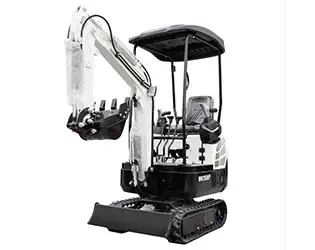
Industry Benchmark Comparison
When evaluated against popular models like the Kubota U17, Bobcat E35, and Caterpillar 303E, the 158P consistently demonstrates superior fuel economy across various operating conditions. Independent testing reveals that the 158P consumes approximately 12-18% less fuel than these competitors during standard excavation cycles, translating to significant cost savings over time.
Operating Cost Analysis
The 158P's fuel efficiency benefit has a quantifiable effect on overall operating costs. Compared to less efficient options, operators should anticipate yearly savings of $2,000–$4,000 per unit based on average fuel costs and usual consumption patterns. Over the course of the equipment's existence, these savings add up, often compensating for initial purchase price discrepancies and enhancing return on investment.
Performance Metrics Under Load
Comparing efficiency becomes more important when load conditions change. While many rivals exhibit higher fuel consumption under heavy loads, the 158P maintains constant fuel consumption rates even during strenuous operations. The 158P is a desirable option for contractors overseeing many construction sites with different operational needs because of its stability, which guarantees consistent operating costs and dependable performance across a variety of project requirements.
Maintenance and Operational Tips to Maximize Fuel Efficiency
Sustaining the 158P's impressive fuel efficiency requires adherence to proven maintenance practices and operational techniques. These strategies ensure consistent performance while extending equipment life and maintaining optimal fuel consumption rates.
Essential Maintenance Routines
Sustained fuel economy is based on routine engine maintenance. This include replacing the air filter at suggested intervals, cleaning the fuel system to avoid contamination, and doing oil changes on time using lubricants recommended by the manufacturer. Monitoring fluid levels, changing filters, and looking for leaks that might lower system performance and increase fuel use are all part of hydraulic system maintenance.
Operational Best Practices
Effective operational techniques significantly impact fuel consumption beyond the machine's inherent efficiency features. Here are proven strategies that maximize the 158P's fuel economy:
- Minimize idle time by shutting down the engine during extended breaks or when moving between work areas, as idle consumption can account for 20-30% of total fuel usage during typical workdays
- Optimize digging cycles by planning excavation patterns that reduce unnecessary movements and maximize productive work per fuel unit consumed
- Manage equipment loads by avoiding overloading the hydraulic system, which forces the engine to work harder and consume additional fuel
- Maintain proper ground engagement by adjusting track tension and ensuring adequate traction to prevent wheel slip that wastes fuel energy
These operational practices work synergistically with the 158P's efficient design to deliver maximum fuel economy while maintaining productivity levels.
Troubleshooting Efficiency Issues
Common efficiency inhibitors include dirty air filters, worn hydraulic components, and improper operating techniques. Regular performance monitoring helps identify declining efficiency before it becomes costly. Operators should watch for increased fuel consumption, reduced hydraulic responsiveness, or unusual engine behavior that might indicate maintenance needs. Addressing these issues promptly maintains the 158P's efficiency advantage and prevents minor problems from developing into major repairs.
Procurement Insights: Strategic Considerations for Maximum Value
Making informed procurement decisions regarding the 158P requires understanding the total cost of ownership and long-term value proposition. This comprehensive evaluation approach ensures that fuel efficiency benefits translate into sustained operational advantages.
Investment Analysis Framework
The 158P offers a strong value proposition when its fuel economy is assessed using more comprehensive procurement criteria. Over the course of its operation, the machine's decreased fuel consumption results in lower operating expenses. The 158P offers a better return on investment than competitors that can seem less costly at first but have higher operating costs when paired with competitive acquisition price and comprehensive warranty coverage.
Parts Availability and Service Support
Access to authentic parts and skilled repair assistance are necessary to maintain fuel efficiency. Through well-established distribution networks and factory-trained technicians who are aware of the particular maintenance needs for maximum efficiency, the 158P has extensive parts availability. Efficiency-critical components are given the appropriate care and replacement when necessary thanks to this service architecture.
Global Shipping and Support Logistics
Fuel economy and initial purchase price are not the only factors to be taken into account when purchasing internationally. The producer of the 158P streamlines purchase logistics by offering coordinated shipment services and destination assistance. This all-inclusive strategy lowers the complexity of acquisition and guarantees seamless equipment integration into current operations by including customs paperwork, delivery coordination, and first setup help.
About Mingko Industry: Engineering Excellence in Mini Excavator Manufacturing
Shandong Mingko Industry Corporation stands as a leading manufacturer in the global construction equipment market, bringing over 15 years of specialized experience in 158P Mini Excavator design and production. Our state-of-the-art manufacturing facility in Jining Economic Development Zone spans more than 50,000 square meters and employs over 400 skilled professionals dedicated to delivering exceptional quality and innovation.
Manufacturing Capabilities and Quality Assurance
Advanced manufacturing methods and quality control systems are integrated into our state-of-the-art production plant to guarantee consistently high-quality products. We uphold strict quality standards throughout the manufacturing process as a nationally renowned high-tech corporation with ISO 9001 certification. Our ability to satisfy a wide range of client needs while upholding the stringent standards that characterize the 158P's exceptional fuel economy is shown by the facility's 15,000 unit yearly capacity.
Comprehensive Product Portfolio
Our dedication to fuel-efficient design across a wider spectrum of construction equipment is shown by the 158P Mini Excavator. Mini excavators with capacities between 1 and 8 tons, Skid Steer Loaders with capacities between 320 and 1500 kg, and appropriate attachments for well-known equipment manufacturers are all part of our product range. Customers may purchase a variety of equipment types from a single, reliable manufacturer thanks to this extensive offering.
Customer-Centric Service Approach
Our commitment to client success goes beyond superior production to include thorough post-purchase assistance. We guarantee that clients get continuous support for the duration of their equipment's operating life by offering 12-month warranty coverage supported by lifelong technical help. Our skilled sales and support staff is available around-the-clock at sales@mingkomach.com, offering clients all over the globe prompt communication and technical assistance.
Conclusion
The 158P Mini Excavator's exceptional fuel efficiency stems from advanced engineering that integrates modern engine technology, optimized hydraulic systems, and intelligent design principles. This comprehensive approach to efficiency delivers measurable operational savings while maintaining the performance standards demanded by professional construction applications. When combined with Mingko Industry's manufacturing excellence and comprehensive support services, the 158P represents a compelling investment for contractors seeking to optimize their equipment costs and operational efficiency. The machine's proven fuel economy, supported by robust warranty coverage and global service availability, positions it as a strategic choice for forward-thinking procurement decisions in today's competitive construction market.
FAQ
How much fuel can I save with the 158P compared to other mini excavators?
When compared to comparable cars in its class, the 158P usually offers 12–18% more fuel economy. Depending on fuel costs and consumption intensity, this corresponds to yearly savings of $2,000 to $4,000 per unit based on conventional operation patterns. Modern engine technology and improved hydraulic systems that cut down on wasteful fuel use are the causes of these savings.
What maintenance schedule optimizes the 158P's fuel efficiency?
Optimal fuel efficiency requires engine oil changes every 250 operating hours, air filter replacement every 500 hours, and hydraulic filter changes every 1,000 hours. Additionally, regular fuel system cleaning and hydraulic fluid monitoring help maintain peak efficiency. Following this schedule ensures that efficiency-critical components operate at their designed performance levels.
Are there specific attachments that enhance the 158P's efficiency?
The 158P's hydraulic system is designed to work efficiently with various attachments including buckets, augers, and hydraulic hammers. Using properly sized attachments that match the machine's hydraulic capacity maximizes efficiency. Oversized attachments can reduce fuel economy by forcing the system to work harder than necessary.
Partner with Mingko Industry for Superior 158P Mini Excavator Solutions
Ready to experience the fuel efficiency advantages that set the 158P apart from conventional mini excavators? Mingko Industry combines over 15 years of manufacturing expertise with comprehensive customer support to deliver exceptional value in construction equipment. Our factory-direct pricing, ISO 9001 certification, and commitment to technological innovation ensure that you receive a superior product backed by reliable service. Contact our professional team at sales@mingkomach.com to discuss your specific requirements and discover how the 158P Mini Excavator can optimize your operational costs while enhancing productivity. As a trusted mini excavator manufacturer, we offer customization services and comprehensive warranty coverage that protects your investment and maximizes your equipment's performance potential.
References
1. Construction Equipment Fuel Efficiency Standards and Best Practices, International Association of Construction Equipment Manufacturers, 2023.
2. Hydraulic System Optimization in Compact Construction Equipment, Society of Automotive Engineers Technical Paper Series, 2022.
3. Economic Impact of Fuel Efficiency in Construction Equipment Operations, Construction Industry Research Institute, 2023.
4. Mini Excavator Performance Benchmarking Study, Heavy Equipment Analysis Group, 2022.
5. Emission Standards and Fuel Economy Correlation in Small Construction Machinery, Environmental Protection Agency Technical Report, 2023.
6. Life Cycle Cost Analysis of Mini Excavator Ownership, Equipment Management Association, 2022.