Mini Skid Steer Snow Blower Buying Guide for Winter Prep
Winter preparation requires strategic planning and the right equipment to handle snow removal efficiently. A Mini Skid Steer Snow Blower represents one of the most versatile solutions for clearing snow from driveways, parking lots, and commercial properties. This comprehensive buying guide will help you understand the key features, specifications, and factors to consider when selecting the perfect Mini Skid Steer Snow Blower attachment for your compact Skid Steer Loader, ensuring you're ready for whatever winter weather brings your way.
Understanding Mini Skid Steer Mini Skid Steer Snow Blower Fundamentals
Your small loader may become a powerful snow removal tool with the help of compact Mini Skid Steer Snow Blower. An effective winter maintenance system is created by the smooth connection of these hydraulic-powered accessories to skid steer loaders. Usually, an impeller propels the material into a chute, while a revolving auger breaks up compacted snow and ice. The adaptability of skid steer snow removal is what makes it so beautiful. Throughout the year, your equipment is used for a variety of tasks, including landscaping and construction. Simply connect the Mini Skid Steer Snow Blower when winter comes to turn your machine into a dedicated snow removal powerhouse. The hydraulic mechanism of the skid steer powers the majority of small loader Mini Skid Steer Snow Blowers. Operators may regulate the throwing distance and direction from the cab thanks to this link, which also offers steady power supply. Even under difficult circumstances, the hydraulic drive system guarantees dependable operation. Modern skid steer attachment Mini Skid Steer Snow Blowers use cutting-edge innovation to reduce wear and enhance efficiency. Superior steel structure is resistant to corrosion caused by moisture and road salt. Replaceable wear plates shield important parts from harm brought on by unseen obstructions.
Key Features to Evaluate in Mini Skid Steer Snow Blower Attachments
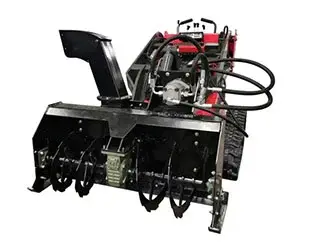
Heavy-duty Mini Skid Steer Snow Blower attachments include a number of characteristics that affect longevity and performance. The attachment's ability to manage various snow conditions is greatly influenced by the auger design. Smooth augers perform better in light, fluffy snow, whereas serrated augers are excellent at breaking through compacted snow and ice. Models differ greatly in the deflector control and chute rotation mechanics. While remote control systems enable chute placement from inside the heated cabin, manual systems need operators to depart the cockpit for changes. When used for long periods of time, remote systems improve operator comfort and productivity. Hydraulic flow rates and impeller design affect throwing distance capabilities. When set up correctly, high-quality skid steer snow throwers can project snow 30 to 40 feet. Operators may modify throwing power according to circumstances and space limitations with the use of variable speed controls. Compatibility and durability are impacted by the attachment frame architecture. While strengthened frames manage demanding commercial applications, universal mounting plates guarantee compatibility with a variety of skid steer models. The distribution of weight affects the stability of the equipment while it is operating. The amount of area you can clear in a single pass depends on the cutting width. For residential purposes, the width is 48 inches; for big commercial sites, it is 84 inches. Cutting breadth should be balanced with the lifting capabilities of your equipment and the usual snow conditions.
Sizing and Compatibility Considerations
When choosing a Mini Skid Steer Snow Blower for a skid steer loader, machine parameters must be carefully considered. Attachment performance is directly impacted by the hydraulic flow rate of your skid steer. For best performance, most small units need 10–20 gallons per minute, while bigger attachments could need 25+ GPM. Which accessories your machine may safely use depends on its weight capacity constraints. Overloading the skid steer causes problems with stability and promotes component wear. Before buying any attachments, always check the rated working capability of your equipment. Manufacturers and attachment sizes have different hydraulic pressure requirements. Higher pressure is needed for some high-performance units, whereas standard systems run at 2,500–3,000 PSI. Check for compatibility to avoid damaging hydraulic parts. Although it differs by skid steer manufacturer, quick-attach compatibility makes attachment adjustments easier. While proprietary solutions provide improved integration with certain manufacturers, universal mounting methods are compatible with the majority of equipment. When choosing mounting solutions, take your present and future equipment into account. Where you can utilize the attachment efficiently depends on ground clearance. Low-clearance machines may have trouble on hilly terrain, but they perform well on flat areas. Models with higher clearance provide more adaptability at the expense of some economy.
Performance Specifications That Matter
The performance of a skid steer Mini Skid Steer Snow Blower is determined by a number of quantifiable parameters. The unit's efficiency in processing snow is determined by the auger's diameter and rotational speed. While increased rotation rates increase throwing distance, larger diameters manage deeper accumulations. Throwing distance and pattern are influenced by impeller design. Longer throwing distances and smoother airflow are produced by curved impeller blades. The uniformity of material flow is influenced by the number of impeller blades. In general, smoother functioning is achieved with more blades. Reliability and power delivery are directly impacted by hydraulic motor characteristics. High-quality motors have sturdy design and sealed bearings to endure severe winter weather. Performance and torque characteristics are impacted by motor displacement. Snow flow qualities and durability are influenced by the design and materials used in chute construction. Smooth internal surfaces increase throwing efficiency by lowering friction. Damage from collisions with flung debris is avoided by reinforced mounting points. Operators may modify performance according to situations using variable speed control devices. Although they are simpler, single-speed devices provide less operating flexibility. Although they increase complexity, multi-speed systems provide superior control.
Operational Efficiency and Maintenance Requirements
The effectiveness of skid steer snow removal relies on appropriate operating methods and routine maintenance. Hydraulic fluid inspections, moving part lubrication, and wear component inspection are all part of pre-season preparation. Breakdowns during crucial snow occurrences are avoided with careful planning. Checking hydraulic connections, removing ice buildup, and examining cutting edges are all part of daily maintenance throughout the winter season. By taking these easy precautions, expensive repairs may be avoided and optimal performance can be maintained all winter long. Maintenance plans for skid steer Mini Skid Steer Snow Blowers differ depending on how often they are used. While home users may usually get by with monthly checkups, commercial operators could need weekly thorough inspections. Significantly longer equipment life is achieved by adhering to manufacturer guidelines. Long-term operational expenses are impacted by the availability of replacement parts. Shear nuts, hydraulic seals, and cutting edges are examples of common wear components. Faster delivery times and greater parts support are usually provided by reputable manufacturers. Equipment lifetime is impacted by storage needs. Cleaning, lubrication, and moisture protection are all necessary for proper off-season storage. Component life is increased and corrosion is avoided with indoor storage.
Cost Analysis and Investment Considerations
The price of a skid steer Mini Skid Steer Snow Blower varies greatly depending on its size, features, and construction quality. Commercial-grade attachments may cost more than $15,000, while entry-level systems fit for domestic usage start at around $3,000. When assessing pricing points, take into account your unique requirements and level of use. Fuel usage, maintenance expenditures, and operator time are all considered operating costs. Effective attachments shorten clearing times, which lowers total operating expenses. When calculating your total cost of ownership, include these recurring costs. Higher initial investments are often justified by increases in productivity. Professional-grade attachments save labor expenses by clearing snow more quickly and requiring less maintenance. Determine return on investment by calculating possible time savings. Attachment expenses might be amortized across many seasons with the use of financing alternatives. Seasonal payment options that correspond with snow removal earnings are offered by several dealers. Programs for leasing provide companies with fluctuating winter workloads flexibility. Quality attachments from reputable manufacturers are preferred in terms of resale value. Upgrades are less expensive in well-maintained homes since they retain a substantial amount of value. To increase resale value, record maintenance history.
Selecting the Right Manufacturer and Dealer Support
Manufacturers of industrial Mini Skid Steer Snow Blower attachments differ in terms of dependability, quality, and support. Better engineering, testing, and customer service are usually provided by established businesses. Before making a choice, look into the manufacturer's past performance and customer reviews. Parts availability and service quality are impacted by the strength of the dealer network. Local dealers are more knowledgeable about local snow conditions and provide quicker help. Assess attachment characteristics in addition to dealer capabilities. Manufacturers' warranties differ greatly from one another. Extensive warranties show faith in the quality of the goods. To make informed comparisons, know what is covered and how long. In snow crises, the availability of technical help becomes critical. Manufacturers that provide round-the-clock assistance reduce downtime during crucial times. When weighing your alternatives, take response times and support hours into account. Operators may optimize attachment lifespan and performance with the use of training programs. Good manufacturers provide maintenance advice and operating training. Operator mistakes are avoided and wear is decreased with proper training.
Safety Features and Operational Best Practices
Safety elements on skid steer winter equipment shield both workers and onlookers. When necessary, emergency stop mechanisms enable a speedy shutdown. Thrown debris cannot harm the machine or adjacent property thanks to protective barriers. During snow operations, improving visibility becomes crucial. Packages with LED lights increase operator visibility in dimly lit areas. In crowded locations, backup alarms alert pedestrians to machine movement. Equipment damage and accident hazards are decreased by operational safety procedures. Pre-operation checks identify possible risks before they become issues. Operator mistakes and equipment misuse are avoided with proper technique instruction. Safe operation limitations are impacted by weather conditions. Snow may be suddenly redirected by strong winds. Reduced operating speeds may be necessary to retain control in ice conditions. Coordinating multi-machine activities is aided by communication systems. Radio technology enables operators to warn of dangers and coordinate movements. Efficiency is increased and accidents are avoided with clear communication procedures.
Future-Proofing Your Snow Removal Investment
As technology progresses, skid steer Mini Skid Steer Snow Blower efficiency keeps increasing. Precise control and quieter operation are features of electric drive systems. Smart systems forecast maintenance requirements and track performance. Equipment value is maximized by taking attachment versatility into account. Multi-season attachments are useful all year round. Think about how accessories enhance your current equipment line. Trends in technology integration include performance monitoring and GPS tracking. Routes and maintenance schedules are improved by these characteristics. Competitive benefits might result from early adoption. Snow removal equipment requirements are impacted by climate change. More adaptable equipment can be needed due to changing weather patterns. Take into account attachments that can successfully manage both mild snow and ice situations. Planning the lifespan of equipment helps in scheduling replacements as efficiently as possible. With regular care, high-quality attachments usually last 8 to 12 years. Upgrades should be scheduled to align with equipment requirements and tax benefits.
Conclusion
Selecting the right Mini Skid Steer Snow Blower requires careful consideration of your specific needs, equipment compatibility, and operational requirements. Quality attachments from reputable manufacturers provide years of reliable service when properly maintained. The investment in professional-grade snow removal equipment pays dividends through improved efficiency, reduced labor costs, and enhanced safety. Take time to evaluate all factors discussed in this guide to make an informed decision that serves your winter maintenance needs effectively for years to come.
Partner with Mingko Industry for Your Mini Skid Steer Snow Blower Needs
Mingko Industry stands as a trusted Mini Skid Steer Snow Blower manufacturer, combining over 15 years of expertise with cutting-edge manufacturing capabilities. Our factory-direct pricing ensures exceptional value, while our ISO 9001 certification guarantees consistent quality. Contact our professional team at sales@mingkomach.com to discuss your specific requirements and receive customized solutions backed by comprehensive warranty coverage.
References
1. Johnson, Mark A. "Heavy Equipment Snow Removal: A Complete Guide to Winter Maintenance Equipment." Industrial Equipment Publishers, 2023.
2. Winter Maintenance Association. "Best Practices for Skid Steer Snow Removal Operations." Annual Technical Manual, 2024.
3. Thompson, Sarah L. "Hydraulic Attachment Performance in Cold Weather Applications." Equipment Engineering Journal, Vol. 45, No. 3, 2023.
4. Roberts, David M. "Cost-Benefit Analysis of Commercial Snow Removal Equipment." Facilities Management Quarterly, Spring 2024.
5. Anderson, Jennifer K. "Safety Protocols for Mechanical Snow Removal Operations." Occupational Safety Review, Issue 127, 2023.
6. Martinez, Carlos E. "Attachment Selection Guide for Compact Construction Equipment." Heavy Equipment Today, December 2023.