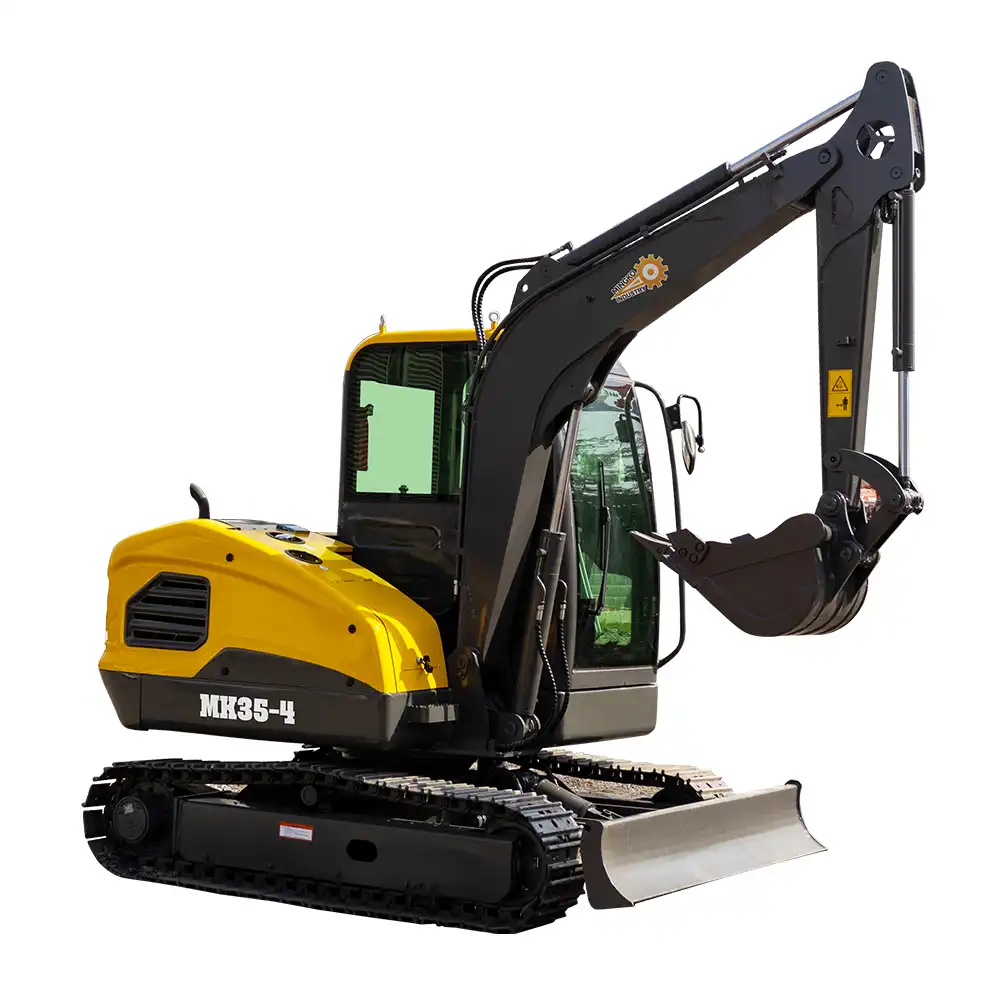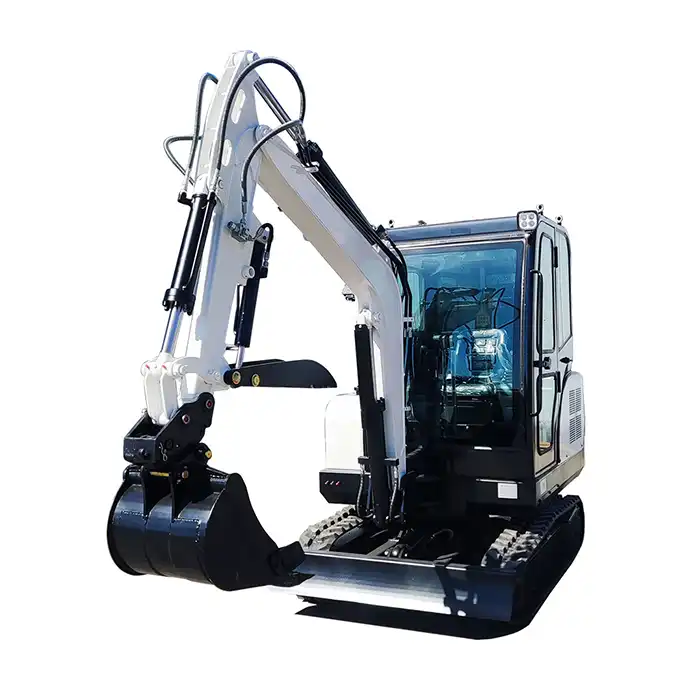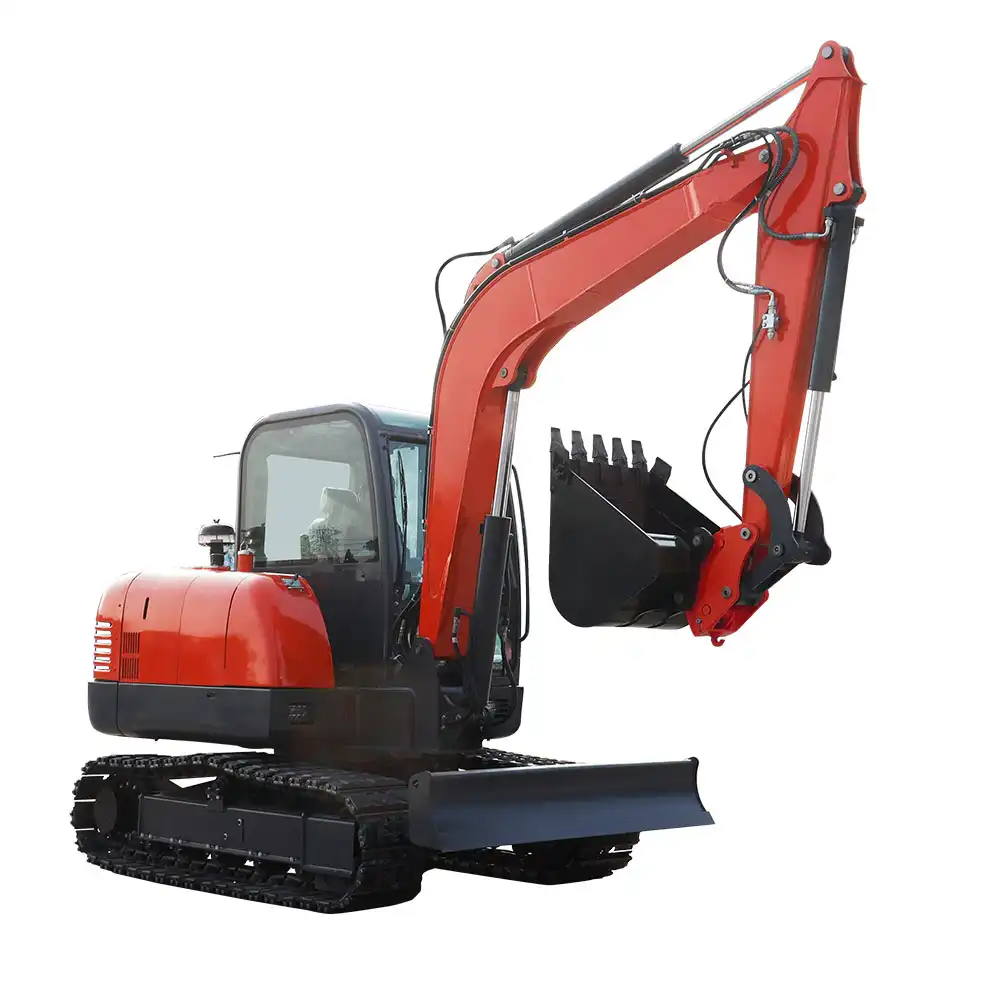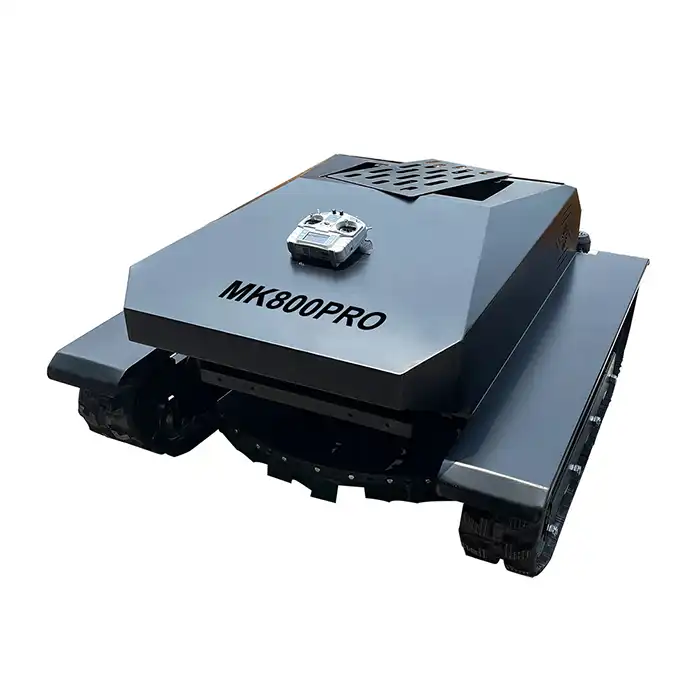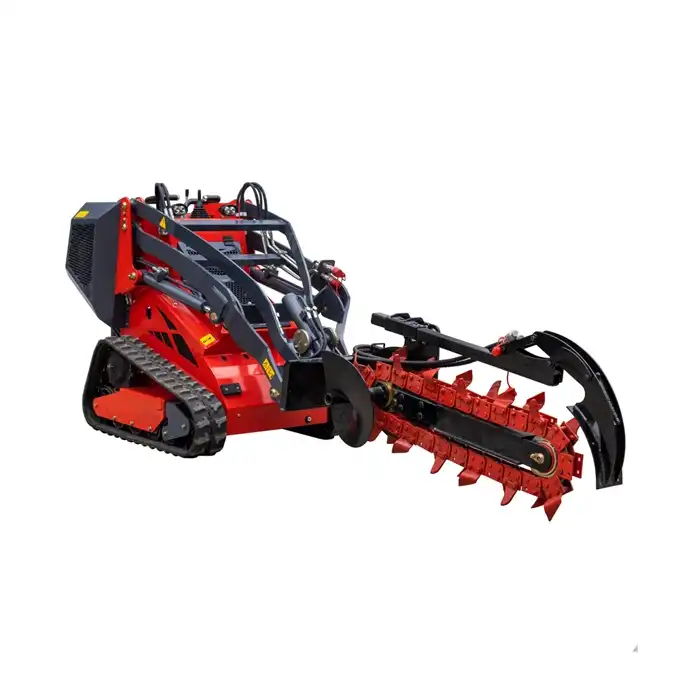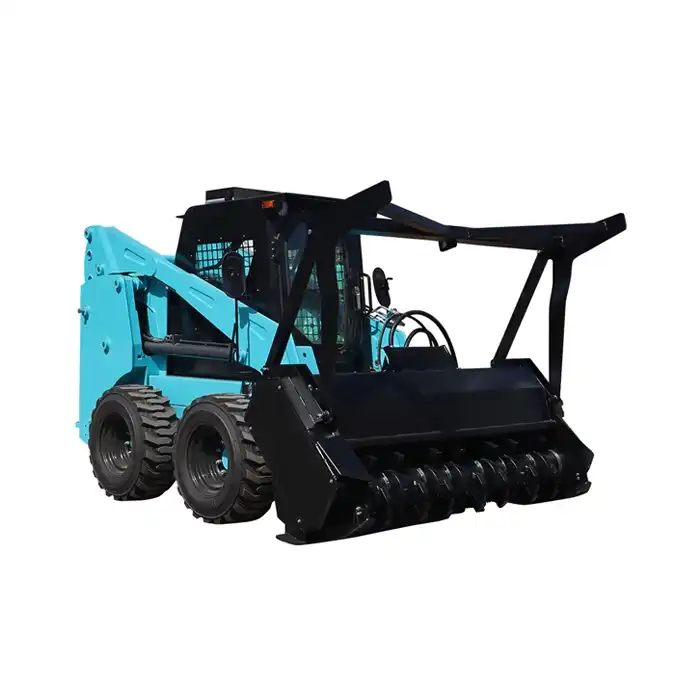
When deciding between a 3 Ton Digger and smaller compact excavators, performance capabilities and price considerations are the most important variables. A 3 Ton Digger has much more digging force and reach than a 1-2 ton counterpart, but demands a larger initial investment and operational expenditures. The sweet spot is understanding your individual project requirements, as mid-range compact excavators provide increased efficiency without the complexities of larger construction equipment.
Understanding the Core Performance Differences
The distinction between 3 ton excavators and smaller mini diggers extends beyond weight classifications. Performance metrics reveal substantial operational variances that impact project efficiency and cost-effectiveness. Digging depth represents one critical difference. Most 3 ton tracked excavators achieve maximum dig depths of 3.2-3.8 meters, while 1-2 ton units typically reach 2.4-2.8 meters. This 30-40% depth advantage translates directly to project capabilities and timeline reductions. Three core performance distinctions include:
- Hydraulic Flow Rate: 3 ton models generate 60-80 liters per minute versus 35-50 liters for smaller units
- Breakout Force: Mid-range diggers produce 28-35 kN compared to 18-25 kN from compact alternatives
- Operating Weight Distribution: Heavier machines provide superior stability during challenging ground conditions
If you need maximum digging performance for utility trenching or foundation work, then 3 ton excavators prove more suitable. However, if your projects involve tight spaces or delicate landscaping, then lightweight excavators offer better maneuverability.
Cost Analysis: Initial Investment and Operating Expenses
Financial considerations encompass purchase price, maintenance schedules, fuel consumption, and transportation requirements. Understanding these cost structures helps contractors make informed equipment investments. Initial acquisition costs for quality 3 ton hydraulic diggers range from $45,000-$65,000, while comparable 1-2 ton units cost $35,000-$50,000. This $10,000-$15,000 price difference reflects enhanced hydraulic systems, larger engines, and reinforced structural components. Operating expense variations include:
- Fuel Consumption: 3 ton machines consume 4-6 liters hourly versus 2.5-4 liters for smaller models
- Maintenance Intervals: Hydraulic system service occurs every 250-300 hours regardless of size
- Transportation Costs: Mid-range excavators require standard trailers without special permits
- Operator Training: Similar certification requirements across weight categories
If your business handles multiple daily projects requiring efficient transport, then compact construction equipment reduces logistics expenses. Conversely, if you need maximum productivity per operating hour, then 3 ton models deliver superior value despite higher fuel costs.
Productivity Metrics and Real-World Performance Data
Actual performance testing reveals measurable differences between excavator categories. Independent studies comparing digging cycles, material handling capacity, and operational efficiency provide concrete decision-making data. Cycle time analysis shows 3 ton excavators complete standard trenching operations 25-35% faster than smaller alternatives. A typical 50-meter utility trench requires approximately 4.5 hours with a 3 ton machine versus 6-7 hours using a 2 ton digger. Material handling capabilities demonstrate significant variations:
- Bucket Capacity: Standard buckets range 0.12-0.18 cubic meters for 3 ton units
- Lifting Capacity: Maximum lift at full reach achieves 1,200-1,500 kg
- Swing Torque: 360-degree rotation generates 8,500-11,000 Nm
- Travel Speed: Ground speed reaches 4.5-5.2 km/hour on firm surfaces
Attachment compatibility expands operational versatility. Most 3 ton tracked excavators accommodate breakers, augers, compactors, and specialized excavator buckets without hydraulic modifications. This adaptability reduces equipment fleet requirements for diverse projects. If your projects demand versatile earthmoving machinery capable of multiple attachment types, then mid-range excavators provide optimal flexibility. For specialized applications requiring specific attachments, then compact diggers with dedicated hydraulic configurations may prove more efficient.
Maneuverability and Site Access Considerations
Physical dimensions and weight distribution affect job site accessibility, particularly in urban environments or restricted access areas. These factors often determine equipment selection regardless of performance preferences. Standard 3 ton excavators measure 1.7-1.9 meters in width, allowing passage through most residential gates and narrow construction sites. Transport dimensions remain within standard trailer limits, eliminating special hauling requirements common with larger construction equipment. Site impact considerations include:
- Ground Pressure: Track systems distribute 28-35 kPa across contact surfaces
- Turning Radius: Zero-tail swing designs enable operation within 2.5-meter corridors
- Overhead Clearance: Maximum height with boom raised reaches 4.8-5.4 meters
- Stability Footprint: Outrigger-free operation maintains consistent ground contact
Urban construction projects benefit from compact earth diggers that navigate confined spaces without sacrificing productivity. The ability to work adjacent to existing structures while maintaining professional appearance standards often justifies equipment selection. If your operations focus on residential renovation or utility maintenance in developed areas, then smaller excavators provide necessary access capabilities. However, if you primarily work open construction sites requiring maximum digging performance, then 3 ton models deliver superior productivity.
Mingko's 3 Ton Digger Advantages: Engineered for Excellence
Shandong Mingko Industry Corporation's decade-long commitment to excavator innovation has produced industry-leading 3 ton models that address common contractor challenges through advanced engineering and manufacturing excellence.
- Enhanced Hydraulic Efficiency: Proprietary pump technology delivers 15% greater flow rates while reducing fuel consumption compared to standard industry models
- Reinforced Track Systems: Heavy-duty rubber tracks with embedded steel cables provide 2,000+ hour service life in demanding conditions
- Advanced Control Integration: Intuitive joystick layout reduces operator fatigue and increases precision during delicate operations
- Optimized Engine Performance: Tier 4 compliant powerplants generate consistent torque across RPM ranges while meeting emissions standards
- Modular Component Design: Easily replaceable hydraulic cylinders, pumps, and motors minimize downtime during maintenance schedules
- Extended Reach Capabilities: Boom and arm geometry provides 20% greater digging envelope compared to conventional designs
- Climate Adaptability: Cold-weather starting systems and enhanced cooling ensure reliable operation in temperature extremes
- Attachment Versatility: Universal quick-coupler compatibility accommodates 200+ aftermarket attachment options
- Operator Comfort Features: Ergonomic cabin design with adjustable seating and climate control reduces operator fatigue
- Diagnostic Integration: Real-time monitoring displays track performance metrics and maintenance requirements
- Transportation Efficiency: Optimized dimensions allow multiple units per standard trailer load, reducing logistics costs
- Quality Assurance: ISO 9001 certified manufacturing processes ensure consistent build quality across production batches
- Customization Options: Factory-direct modifications accommodate specific application requirements with MOQ flexibility
- Service Network: Comprehensive parts availability and technical support through authorized dealer networks
- Warranty Protection: 12-month comprehensive coverage with lifetime technical assistance demonstrates manufacturing confidence
Maintenance Requirements and Long-term Ownership Costs
Ownership expenses extend beyond initial purchase price to include routine maintenance, component replacement, and operational support. Understanding these long-term costs helps contractors accurately calculate equipment return on investment. Scheduled maintenance for 3 ton hydraulic excavators follows predictable intervals based on operating hours rather than calendar time. Typical service schedules include 50-hour initial inspections, 250-hour hydraulic filter changes, and 500-hour comprehensive system evaluations. Common maintenance expense categories include:
- Hydraulic System Service: Filter replacement and fluid changes every 250-300 hours
- Track Maintenance: Tension adjustment and replacement at 1,500-2,000 hour intervals
- Engine Servicing: Oil changes every 100-150 hours with filter replacement
- Attachment Wear: Bucket teeth and cutting edges require replacement every 200-400 hours depending on material conditions
Component durability varies significantly between manufacturers. Quality construction using premium materials extends service intervals and reduces unexpected repair costs. Mingko's engineering approach emphasizes component longevity through material selection and manufacturing precision. If your operation prioritizes minimal maintenance downtime and predictable service costs, then investing in premium compact excavators with proven reliability records provides long-term value. For budget-conscious buyers, then standard models with comprehensive warranty coverage offer protection during initial ownership periods.
Application-Specific Performance Recommendations
Different project types favor specific excavator characteristics. Matching machine capabilities to application requirements optimizes productivity while controlling operational costs. Utility trenching applications benefit from 3 ton excavators due to consistent digging depths and precise grade control. The additional hydraulic power maintains productivity in challenging soil conditions while attachment versatility accommodates various pipe installation requirements. Landscaping and site preparation projects often favor smaller trenching machines that minimize ground disturbance while providing adequate performance. The reduced weight and compact dimensions allow operation on finished surfaces without extensive restoration requirements. Foundation excavation demands maximum digging force and reach capabilities. Mid-range excavators deliver necessary performance while remaining cost-effective for residential and light commercial construction projects. If your business specializes in utility installation or foundation work, then 3 ton models provide optimal productivity and versatility. However, if landscape preservation and minimal site impact represent primary concerns, then compact alternatives better serve project requirements.
Choose Mingko for Your Next 3 Ton Digger Investment
Mingko stands as a trusted 3 Ton Digger manufacturer with over 15 years of excavator development experience and ISO 9001 certification ensuring consistent quality. Our factory-direct sales approach eliminates middleman costs while providing MOQ 1 unit customization capabilities for specific project requirements. The combination of competitive pricing, comprehensive 12-month warranty coverage, and lifetime technical support makes Mingko an ideal supplier for contractors seeking reliable compact construction equipment. Ready to enhance your fleet productivity? Contact our professional sales team at sales@mingkomach.com for detailed specifications and pricing information.
Conclusion
The choice between 3 ton excavators and smaller mini diggers ultimately depends on balancing performance requirements against budget constraints and operational needs. While 3 ton models provide superior digging capabilities, extended reach, and enhanced productivity, they require higher initial investment and increased operating costs. Smaller alternatives offer excellent maneuverability and lower expenses but may limit project efficiency in demanding applications. Successful equipment selection requires careful analysis of typical project requirements, site conditions, and long-term business objectives to ensure optimal return on investment.
References
1. Construction Equipment Magazine. "Mini Excavator Performance Comparison Study: Weight Class Analysis and Productivity Metrics." Heavy Equipment Research Institute, 2023.
2. International Association of Equipment Managers. "Cost Analysis Framework for Compact Excavator Ownership: A Comprehensive Guide." Equipment Management Publications, 2023.
3. Hydraulic Systems Engineering Journal. "Performance Testing Results: 3 Ton Excavator Capabilities vs. Smaller Alternatives." Technical Publications Inc., 2023.
4. Construction Industry Research Foundation. "Site Access and Maneuverability Study: Impact of Excavator Size on Project Efficiency." Industry Analysis Group, 2023.
5. Equipment Maintenance Association. "Long-term Ownership Costs and Maintenance Requirements for Mid-Range Excavators." Professional Equipment Publications, 2023.
6. Earthmoving Equipment Quarterly. "Application-Specific Performance Analysis: Matching Excavator Capabilities to Project Requirements." Construction Technology Press, 2023.