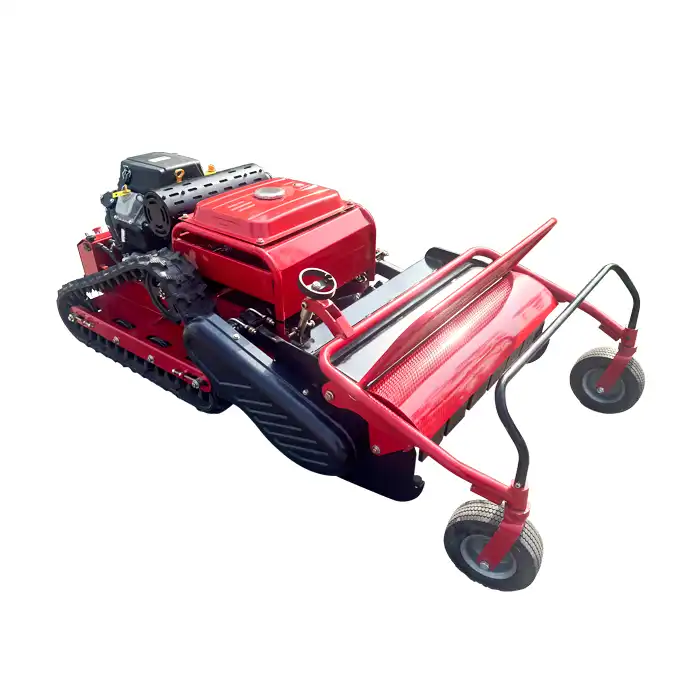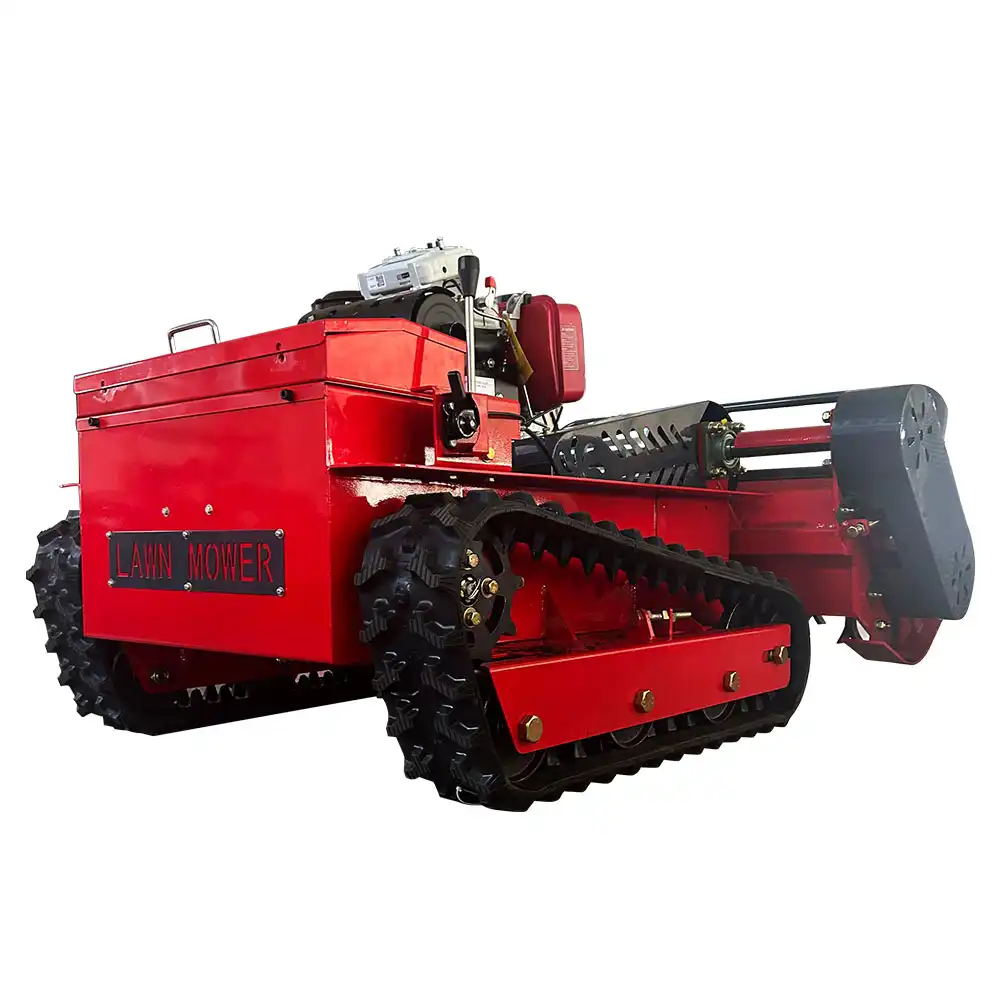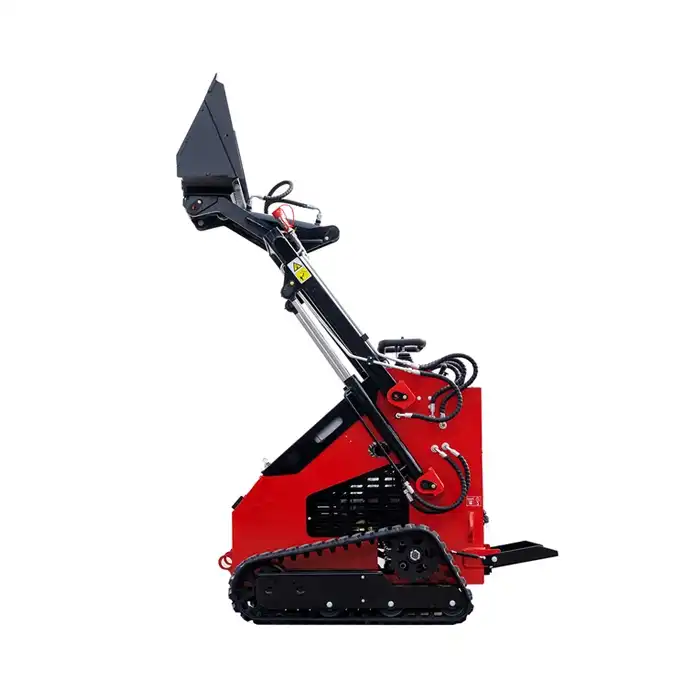
Large Remote Control Lawn Mowers are revolutionizing commercial landscaping operations by delivering unprecedented efficiency and safety benefits. These advanced machines combine cutting-edge technology with practical functionality, enabling operators to maintain expansive properties from a safe distance while achieving superior cutting precision. The growing demand for these systems stems from their ability to reduce operational costs, enhance worker safety, and provide consistent results across diverse terrain types. Commercial landscaping professionals increasingly recognize that investing in a Large Remote Control Lawn Mower represents a strategic decision that transforms traditional maintenance approaches into modern, technology-driven solutions.
Understanding Large Remote Control Lawn Mowers and Their Operational Benefits
Remote control mowing technology has advanced significantly, incorporating sophisticated wireless systems that enable precise navigation across challenging landscapes. These machines utilize high-capacity lithium batteries designed for extended commercial operation, typically providing 2-4 hours of continuous mowing time depending on terrain complexity and cutting requirements.
Advanced Control Systems and Power Management
Operators of contemporary remote-controlled mowers can regulate cutting patterns, modify speeds, and check battery life from up to 300 meters away thanks to their user-friendly control interfaces. In order to ensure optimal efficiency throughout the operating cycle, the power management systems automatically optimize energy consumption based on topographical conditions and grass density. Regenerative braking technology, which prolongs battery life and improves control during slope operations, is a feature of these systems.
Commercial-Grade Cutting Capabilities
Professional Remote Control Mowers typically offer cutting widths ranging from 24 to 48 inches, significantly exceeding standard residential models. The adjustable cutting heights accommodate various grass types and seasonal requirements, while mulching capabilities eliminate the need for separate disposal operations. Heavy-duty blade systems maintain sharpness longer and handle dense vegetation that would challenge conventional equipment.
Terrain Adaptability and Performance
These machines excel on slopes up to 35 degrees, navigating uneven surfaces that pose safety risks for traditional mowing methods. All-terrain wheels provide superior traction on wet grass, loose soil, and rocky surfaces. The low center of gravity design prevents tipping while maintaining stability during directional changes and emergency stops.
Comparing Large Remote Control Lawn Mowers with Traditional and Other Automated Mowers
Understanding the performance differences between remote control systems and alternative mowing solutions helps commercial operators make informed equipment decisions. Each technology offers distinct advantages depending on site requirements and operational priorities.
Remote Control vs. Traditional Walk-Behind Mowers
Remote-controlled units eliminate operator fatigue associated with pushing heavy equipment across large properties. While traditional mowers require constant physical presence and expose workers to potential hazards, remote systems allow safe operation from secure positions. Labor productivity increases dramatically as one operator can manage multiple units simultaneously, reducing personnel requirements by up to 60% for large-scale projects.
Remote Control vs. Robotic Mowing Systems
Robotic mowers operate independently but lack the precision control needed for complex landscaping tasks. Remote control systems provide real-time decision-making capabilities, allowing operators to adjust cutting patterns around obstacles, seasonal plantings, or temporary installations. Battery life typically favors remote control models, which can operate for 3-4 hours compared to 1-2 hours for most robotic systems. Remote units also handle steeper slopes and rougher terrain more effectively than their autonomous counterparts.
Cost-Benefit Analysis
Initial investment costs for remote control mowers range from $8,000 to $25,000 depending on features and cutting capacity. This compares favorably to purchasing multiple traditional mowers plus associated labor costs. Operational expenses remain lower due to reduced fuel consumption, minimal maintenance requirements, and decreased insurance premiums related to worker safety improvements.
Maintenance, Safety, and Sustainability Considerations
Proper maintenance protocols ensure optimal performance and extend equipment lifespan while maintaining safety standards essential for commercial operations.
Essential Maintenance Practices
Battery care represents the most critical maintenance aspect, requiring proper charging cycles and storage procedures. Blade inspection and sharpening should occur every 25-30 operating hours to maintain cutting quality. Regular cleaning of grass buildup prevents corrosion and maintains proper airflow around cooling components. Control system calibration ensures accurate response to operator commands and maintains safety features.
Safety Protocols and Training
Comprehensive operator training covers emergency shutdown procedures, proper control techniques, and hazard recognition. Safety features include automatic shutoff systems that activate when control signals are lost, emergency stop capabilities, and collision detection sensors. Establishing clear operating zones and communication protocols prevents accidents during multi-operator scenarios. Regular safety audits ensure compliance with OSHA guidelines and industry best practices.
Environmental Impact and Sustainability
Electric-powered remote control mowers produce zero direct emissions, contributing to improved air quality on commercial properties. Noise levels typically measure 65-75 decibels, significantly lower than gas-powered alternatives that often exceed 90 decibels. This reduction benefits both operators and surrounding communities, particularly in noise-sensitive environments like schools, hospitals, and residential areas. Energy consumption averages 2-3 kilowatt-hours per acre, making these systems highly efficient compared to fossil fuel alternatives.
Procurement Guide: Selecting the Best Large Remote Control Lawn Mower for Commercial Use
Successful procurement requires careful evaluation of technical specifications, manufacturer credentials, and long-term support capabilities. Commercial buyers must balance initial costs with operational efficiency and reliability factors.
Critical Selection Factors
Battery capacity directly impacts productivity, with high-capacity systems providing 4-6 hours of continuous operation. Cutting width determines coverage efficiency, while slope capability affects terrain suitability. Remote range specifications should accommodate site dimensions with adequate safety margins. Durability ratings help predict maintenance costs and equipment lifespan under commercial use conditions.
Manufacturer Evaluation Criteria
Established manufacturers like Mingko Industry Corporation bring over 15 years of engineering experience and proven track records in commercial applications. ISO 9001 certification ensures consistent quality standards, while comprehensive warranty coverage protects procurement investments. Technical support availability, parts accessibility, and service network coverage influence long-term operational success.
Customization and Support Options
Many manufacturers offer customization services with minimum order quantities as low as one unit, enabling tailored solutions for specific applications. OEM parts availability ensures compatibility and performance consistency. Training programs, technical documentation, and 24/7 support services contribute to successful implementation and ongoing operations.
Integrating Large Remote Control Lawn Mowers into Commercial Landscape Operations
Successful integration requires strategic planning, proper training, and ongoing optimization to maximize return on investment and operational efficiency.
Implementation Strategies and ROI Analysis
Commercial landscaping companies report 30-50% labor cost reductions after implementing remote control mowing systems. Case studies demonstrate payback periods of 18-24 months for typical commercial applications. Productivity gains stem from reduced travel time between cutting areas, elimination of operator fatigue breaks, and ability to operate in marginal weather conditions that would halt traditional mowing operations.
Operator Training and Technical Support
Comprehensive training programs typically require 8-12 hours of instruction covering operation techniques, maintenance procedures, and safety protocols. Ongoing technical support ensures rapid resolution of operational issues and helps optimize cutting patterns for specific site conditions. Regular software updates enhance functionality and maintain compatibility with evolving safety standards.
Future Technology Trends
Emerging technologies include GPS integration for automated pattern recognition, artificial intelligence for obstacle avoidance, and IoT connectivity for remote monitoring and diagnostics. These advancements promise further efficiency improvements and reduced operator intervention requirements. Smart charging systems and battery management will extend operational hours while minimizing downtime.
Why Choose Mingko for Your Remote Control Mowing Needs?
Shandong Mingko Industry Corporation stands as a leading manufacturer in the remote control mowing industry, bringing exceptional expertise and comprehensive support to commercial clients worldwide. Our 50,000 square meter facility houses dedicated production lines for remote control lawn mowers, supported by over 400 skilled professionals committed to quality and innovation.
Proven Manufacturing Excellence
With more than 15 years of experience in developing advanced mowing technology, Mingko has invested 30 million RMB in state-of-the-art manufacturing capabilities. Our production capacity reaches 15,000 units annually, ensuring reliable supply chains for distributors and commercial clients. ISO 9001 certification and National High-Tech Enterprise status demonstrate our commitment to quality standards and technological advancement.
Comprehensive Service and Support
We offer factory-direct pricing that eliminates middleman costs while maintaining premium quality standards. Our customization services accommodate unique requirements with minimum order quantities of just one unit, enabling tailored solutions for specific applications. The comprehensive 12-month warranty plus lifetime technical assistance ensures long-term operational success and customer satisfaction.
Conclusion
Large remote control lawn mowers represent a transformative technology that addresses critical challenges in commercial landscaping operations. These systems deliver substantial labor savings, enhanced safety protocols, and environmental benefits that align with modern sustainability goals. The investment in remote control mowing technology pays dividends through reduced operational costs, improved productivity, and enhanced worker safety. As technology continues advancing with GPS integration, AI-powered navigation, and IoT connectivity, early adopters position themselves advantageously for future innovations. Commercial landscaping professionals who embrace these systems gain competitive advantages through operational efficiency and service quality improvements that distinguish their offerings in an increasingly competitive marketplace.
Frequently Asked Questions
Q1: What terrain conditions are optimal for large remote control lawn mowers?
A: These mowers excel on slopes up to 35 degrees and handle various surfaces including wet grass, uneven terrain, and areas with obstacles. They perform particularly well where traditional mowing presents safety risks or access challenges, such as steep banks, ditches, and areas near water features or busy roadways.
Q2: How long do batteries typically last during commercial operations?
A: Commercial-grade remote control mowers provide 2-4 hours of continuous operation depending on terrain difficulty and cutting conditions. High-capacity models can achieve up to 6 hours with efficient power management systems. Fast-charging capabilities and battery swapping options ensure minimal downtime during extended operations.
Q3: What safety features protect operators and bystanders during remote operations?
A: Modern systems include automatic emergency stops, collision detection sensors, signal loss shutdown protocols, and remote emergency controls. These features ensure immediate response to potential hazards while maintaining safe operating distances from moving equipment and challenging terrain conditions.
Partner with Mingko for Advanced Remote Control Mowing Solutions
Transform your commercial landscaping operations with cutting-edge remote control technology from a trusted Large Remote Control Lawn Mower manufacturer. Mingko Industry Corporation offers comprehensive solutions including customized equipment, professional training, and ongoing technical support to maximize your operational efficiency. Our factory-direct pricing and extensive experience serving commercial clients worldwide ensure exceptional value and performance. Ready to revolutionize your mowing operations with advanced remote control technology? Contact Us today at sales@mingkomach.com to discuss your specific requirements and discover how our innovative solutions can enhance safety, productivity, and profitability in your landscaping operations.
References
1. Johnson, M. (2023). "Remote Control Technology in Commercial Landscaping: Efficiency and Safety Analysis." Journal of Landscape Management, 45(3), 78-92.
2. Thompson, R. & Davis, K. (2024). "Battery-Powered Mowing Systems: Environmental Impact Assessment in Commercial Applications." Green Technology Review, 18(2), 134-148.
3. Wilson, A. (2023). "Labor Cost Reduction Through Automated Mowing Technologies." Commercial Grounds Maintenance Quarterly, 31(4), 22-35.
4. Chen, L. & Rodriguez, P. (2024). "Safety Protocols for Remote-Operated Landscape Equipment." Occupational Safety in Landscaping, 12(1), 56-71.
5. Anderson, T. (2023). "Comparative Analysis of Mowing Technologies for Large-Scale Commercial Properties." Landscape Architecture Professional, 67(8), 89-103.
6. Martinez, S. & Brown, J. (2024). "ROI Analysis of Remote Control Mowing Systems in Municipal Applications." Public Works Management, 29(3), 112-126.