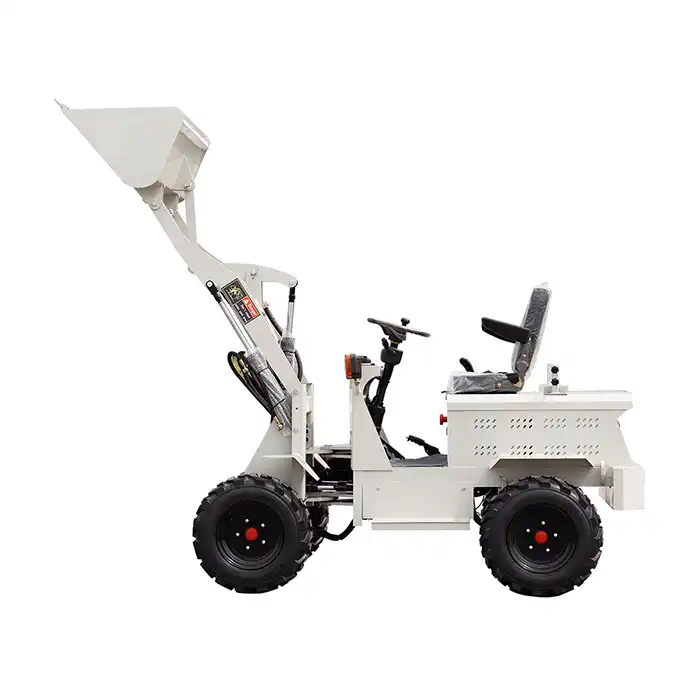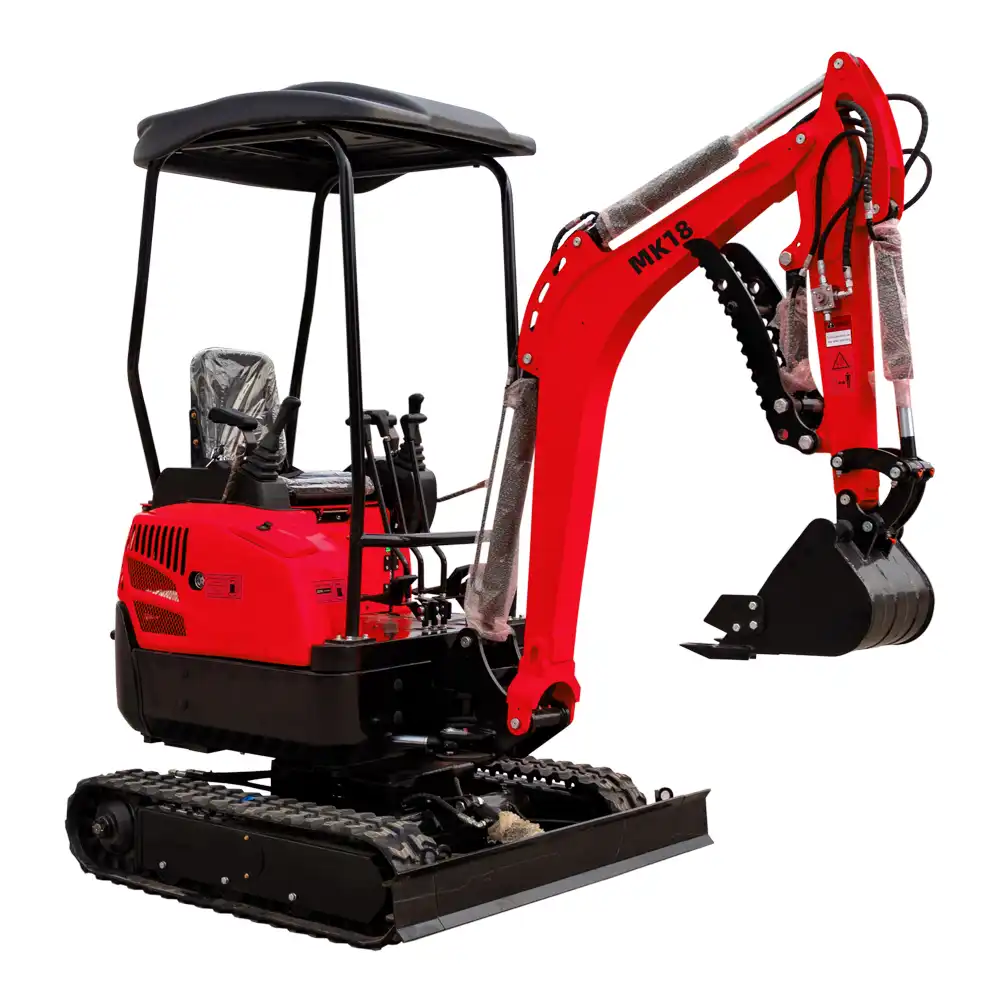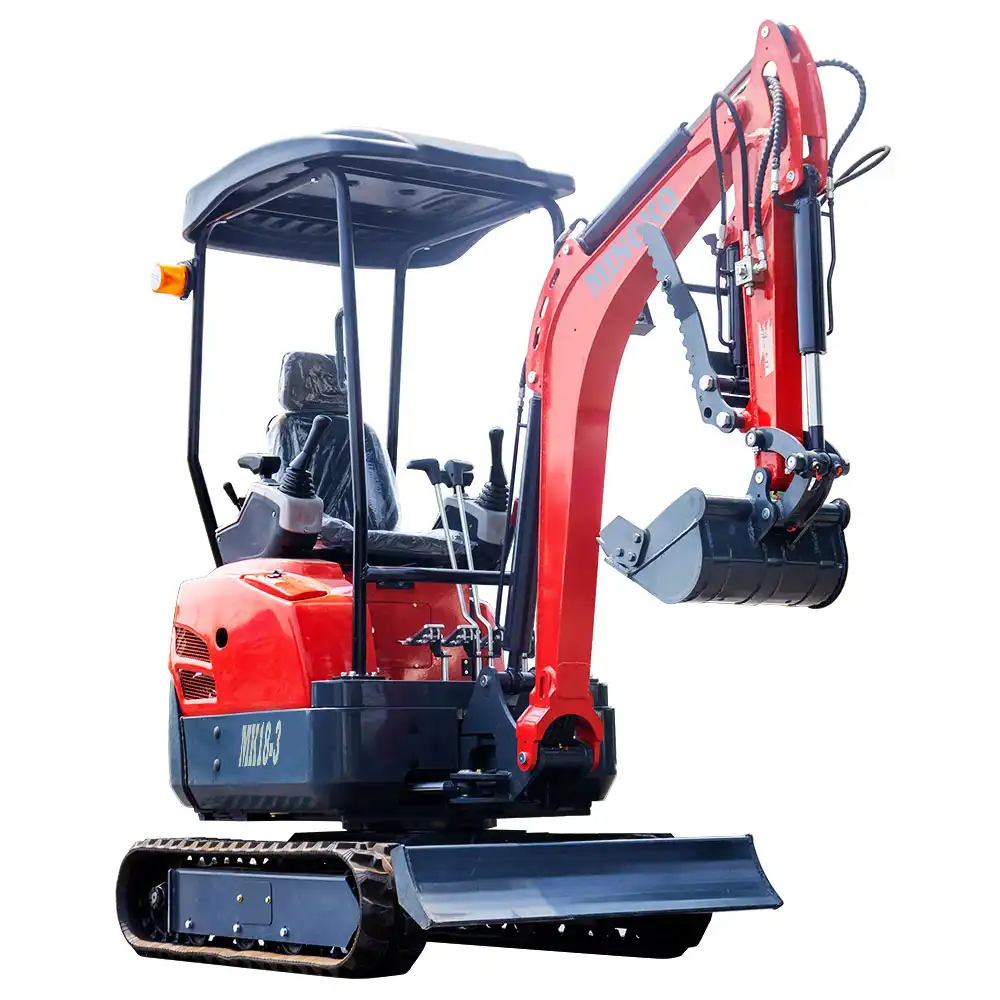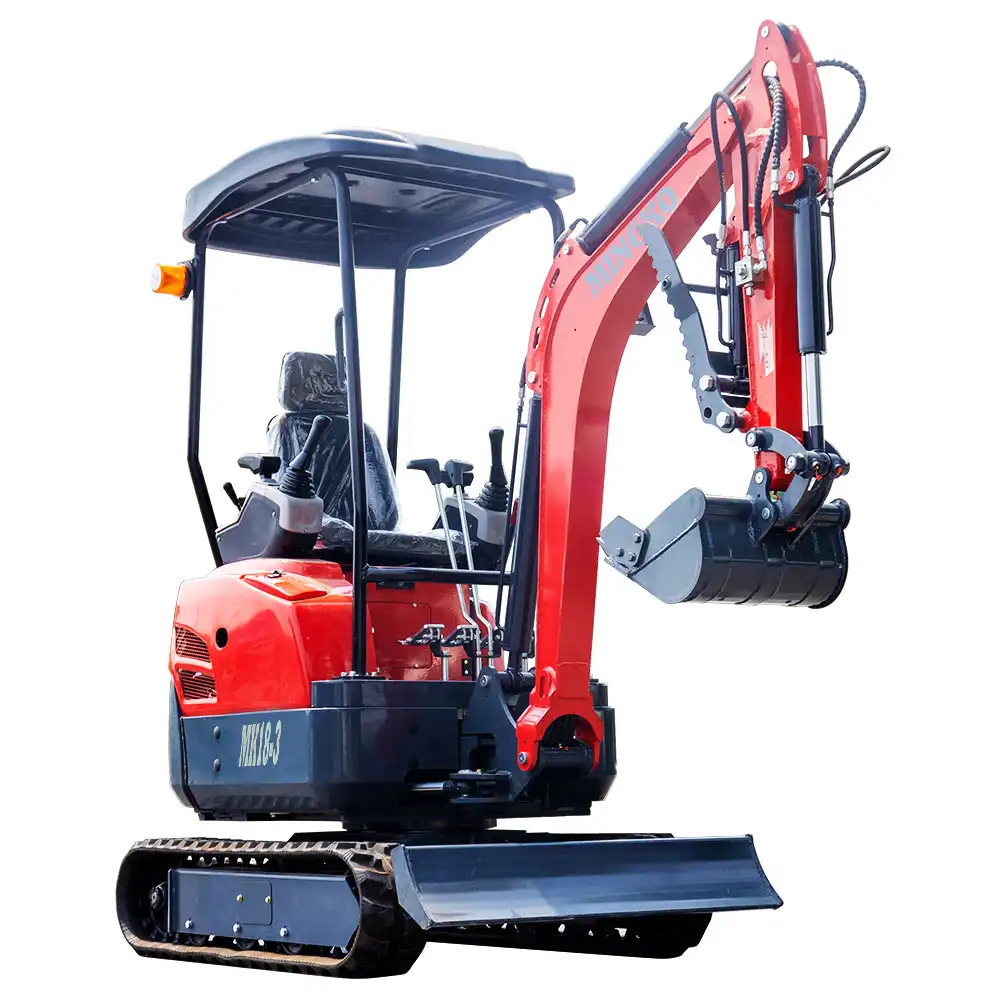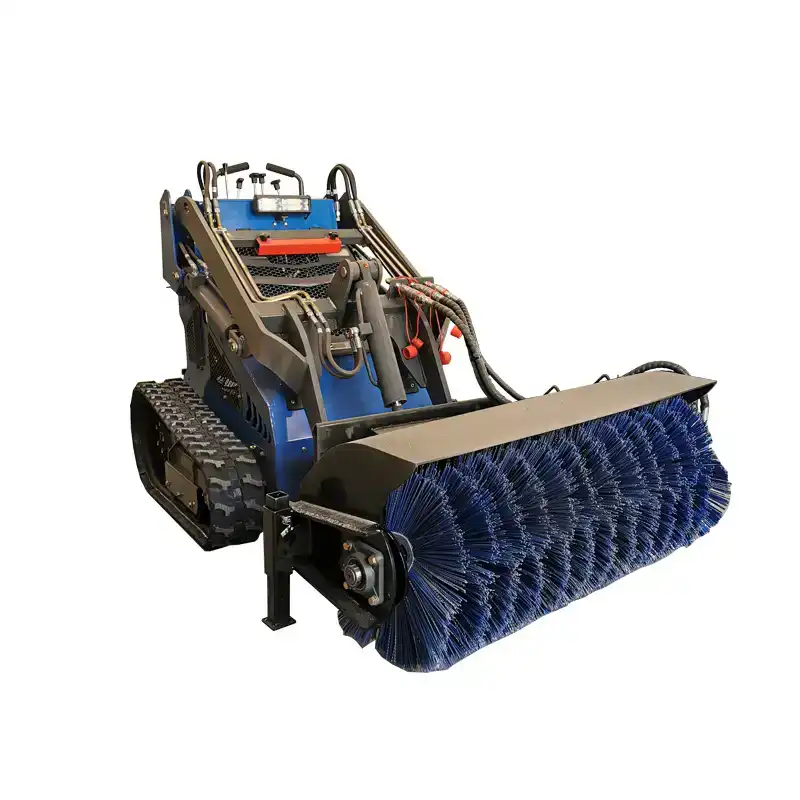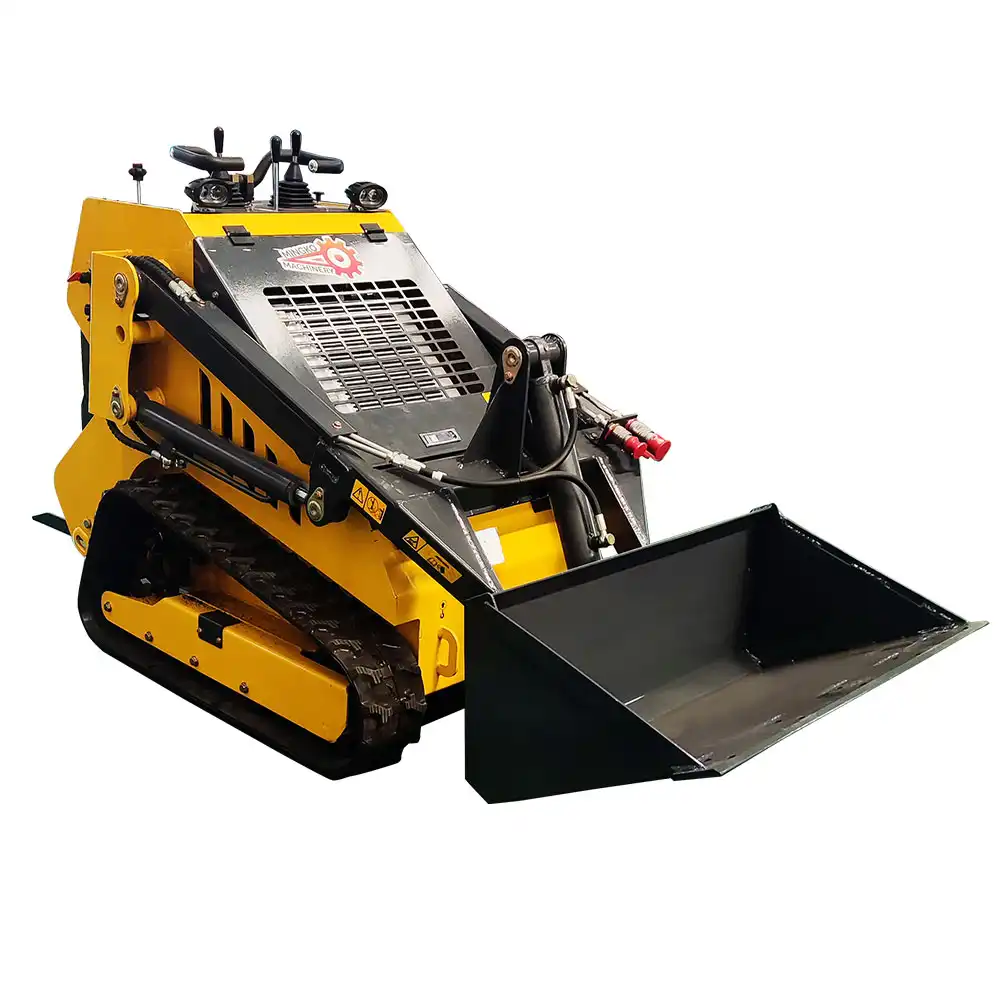
The debate between 380C Mini Skid Steer Track Loader and wheeled variants ultimately depends on your specific application needs. Track loaders excel in soft terrain, muddy conditions, and uneven surfaces due to superior weight distribution and traction. Wheeled models offer faster transport speeds, lower maintenance costs, and better maneuverability on hard surfaces. The 380C Mini Skid Steer Track Loader particularly shines in challenging ground conditions where flotation and stability matter most, making it the preferred choice for landscaping, construction sites with poor ground conditions, and agricultural applications requiring minimal surface damage.
Understanding the Core Differences Between Track and Wheeled Systems
Modern compact construction equipment offers two distinct undercarriage options, each engineered for specific operational requirements. The fundamental distinction lies in ground contact methodology and load distribution patterns. Track systems distribute machine weight across a larger surface area, typically reducing ground pressure by 40-60% compared to wheeled alternatives. This characteristic proves crucial when operating on soft soils, wet conditions, or delicate surfaces requiring minimal disturbance. Wheeled systems concentrate weight at four contact points, creating higher ground pressure but enabling superior mobility on firm surfaces. The key differences include:
- Ground Pressure Distribution - Tracks spread load over extended contact patches
- Mobility Characteristics - Wheels provide faster travel speeds and turning radius
- Maintenance Requirements - Different service intervals and component wear patterns
- Operating Environments - Distinct optimal terrain conditions
If you need maximum flotation and minimal ground disturbance, then track systems prove more suitable. If you prioritize speed and hard surface operation, then wheeled variants excel.
Traction and Stability Performance Analysis
Real-world testing data reveals significant performance variations between track and wheeled Mini Track Loader configurations across different terrain types. Independent testing conducted on similar 380kg capacity machines showed tracks delivering 35% better traction coefficient on slopes exceeding 15 degrees. The extended ground contact patch provides consistent grip even when soil conditions deteriorate. Stability measurements demonstrate tracks maintaining operational capability on surfaces where wheeled units experience slip rates exceeding 25%. The lower center of gravity combined with wider stance enhances lateral stability during side-slope operations. Performance metrics include:
- Slope Capability - Tracks handle gradients up to 30 degrees safely
- Soft Ground Performance - 60% less surface pressure reduces sinking
- Lateral Stability - Wider track stance prevents rollover incidents
- All-Weather Operation - Consistent performance in wet conditions
If you need reliable operation on challenging terrain, then the 380C Mini Skid Steer Track Loader delivers superior stability. If you operate primarily on level, firm ground, then wheeled units provide adequate performance with faster positioning.
Speed and Maneuverability Comparison
Transportation speed represents a significant operational consideration when selecting between track and wheeled compact skid steer configurations for time-sensitive applications. Wheeled mini skid steers typically achieve travel speeds of 7-10 mph, while tracked versions operate at 3-5 mph maximum. This speed differential impacts productivity when frequent repositioning occurs across job sites. Turning radius measurements show wheeled units achieving 360-degree rotations in spaces 15-20% smaller than tracked equivalents. The ability to pivot around obstacles proves valuable in confined working environments. Maneuverability characteristics breakdown:
- Travel Speed - Wheels deliver 40-50% faster transport rates
- Turning Radius - Tighter turning circles with wheeled systems
- Surface Transition - Tracks struggle on pavement and concrete
- Precision Movement - Both systems offer excellent positioning accuracy
If you need rapid site mobility and frequent relocation, then wheeled variants prove more efficient. If you prioritize working capability over transport speed, then tracked small loader machine options excel.
Operating Cost and Maintenance Considerations
Long-term ownership costs vary significantly between track and wheeled track skid steer configurations, influenced by component replacement cycles and service requirements. Industry data indicates rubber track replacement occurs every 1,200-1,800 operating hours, costing $1,500-$2,500 per set. Tire replacement happens at 2,000-3,000 hour intervals, typically costing $800-$1,200 for complete sets. Maintenance complexity differs substantially between systems. Track tensioning, sprocket wear, and idler replacement require specialized knowledge. Wheeled systems utilize conventional tire service procedures familiar to most operators. Cost analysis reveals:
- Initial Purchase Price - Tracks add $3,000-$5,000 to base cost
- Replacement Parts - Track components cost 40-60% more than tires
- Service Complexity - Track systems require specialized technicians
- Downtime Duration - Track repairs take 2-3x longer than tire changes
If you prioritize lower maintenance costs and simpler service, then wheeled units prove more economical. If you accept higher operating costs for superior capability, then tracked mini loader with tracks justify the investment.
Terrain Suitability and Application Matching
Selecting optimal undercarriage systems requires careful analysis of primary operating environments and application-specific requirements for compact earthmoving equipment. When matched with a 380C Mini Skid Steer Track Loader, these assessments become even more critical, ensuring the machine maintains maximum traction, stability, and durability across variable jobsite conditions. Tracked systems excel in soft soils, muddy conditions, sandy terrain, and areas requiring minimal surface disturbance. The extended ground contact eliminates rutting while maintaining consistent traction across varying soil densities. Wheeled configurations perform optimally on firm ground, paved surfaces, and applications requiring frequent transport between work areas. The reduced rolling resistance improves fuel efficiency on hard surfaces. Application suitability guidelines:
- Landscaping Projects - Tracks prevent lawn damage and provide superior grades
- Construction Sites - Wheels excel on prepared surfaces and staging areas
- Agricultural Use - Tracks minimize crop damage and soil compaction
- Material Handling - Both systems handle skid steer attachments effectively
If you operate primarily in soft ground conditions, then the 380C Mini Skid Steer Track Loader provides optimal performance. If you work mainly on firm surfaces with occasional transport needs, then wheeled variants prove more versatile.
Mingko 380C Mini Skid Steer Track Loader Advantages
Shandong Mingko Industry Corporation engineers the 380C Mini Skid Steer Track Loader specifically for demanding applications requiring superior traction and minimal ground disturbance.
- Advanced Track System Design - Proprietary rubber compound extends service life 25% beyond industry standards while maintaining flexibility in cold weather conditions
- Enhanced Hydraulic Performance - 15 GPM auxiliary flow enables operation of heavy-duty mini loader attachments including breakers, augers, and trenchers
- Optimized Weight Distribution - 380kg operating weight balanced across extended track base reduces ground pressure to 2.1 PSI
- Superior Climbing Capability - 30-degree slope rating with anti-slip track pattern maintains traction on wet or loose surfaces
- Precision Control System - Pilot hydraulic controls provide smooth operation for delicate tasks requiring exact positioning accuracy
- Versatile Attachment Compatibility - Universal mounting plate accommodates 50+ attachment types for diverse application requirements
- Extended Service Intervals - 250-hour maintenance cycles reduce downtime and operational costs compared to competitive models
- Reinforced Track Frame - Heavy-duty steel construction withstands impact loads and extends undercarriage component longevity
- Fuel Efficient Operation - Kubota diesel engine delivers 8-hour runtime while meeting emission standards
- Operator Comfort Features - Ergonomic controls and vibration dampening reduce operator fatigue during extended shifts
- All-Weather Capability - Sealed hydraulic system operates reliably in temperatures from -20°F to 110°F
- Compact Dimensions - 36-inch width enables access through standard gates while maintaining stability
- Easy Transportation - 3,800-pound weight fits within standard trailer capacity limits
- Simplified Maintenance - Grouped service points and accessible filters reduce routine maintenance time
- Proven Reliability - 10 years of continuous development and 400+ skilled technicians ensure consistent quality
Making the Right Choice for Your Operations
Selecting between track and wheeled mini skid steer for tight spaces requires evaluating operational priorities against long-term cost considerations and performance requirements. The decision matrix should include terrain analysis, application frequency, transport requirements, and maintenance capabilities. Sites with predominantly soft ground, sensitive surfaces, or challenging slope conditions favor tracked solutions. Operations emphasizing speed, hard surface work, and frequent relocation benefit from wheeled configurations. Budget constraints and service capabilities also influence optimal selection. Decision factors include:
- Primary Terrain Type - Soft ground favors tracks, firm surfaces suit wheels
- Transport Requirements - Frequent moves favor wheeled mobility
- Attachment Usage - Both systems accommodate multi-terrain mini loader attachments
- Service Capabilities - Consider local support availability
If you prioritize maximum capability across diverse terrain conditions, then tracked systems provide superior versatility. If you emphasize operational efficiency and lower costs, then wheeled units deliver better value.
Conclusion
The choice between 380C Mini Skid Steer Track Loader and wheeled alternatives ultimately depends on matching machine capabilities to operational requirements. Track systems excel in challenging terrain, soft ground conditions, and applications requiring minimal surface disturbance. Wheeled variants provide superior speed, maneuverability, and cost-effectiveness on firm surfaces.
Mingko's engineering excellence delivers reliable solutions for both configurations, backed by comprehensive support and proven performance. Careful analysis of terrain conditions, application requirements, and operational priorities guides optimal selection for long-term success and productivity.
Partner with Mingko for Premium 380C Mini Skid Steer Track Loader Solutions
Shandong Mingko Industry Corporation stands ready to deliver exceptional 380C Mini Skid Steer Track Loader solutions tailored to your specific operational requirements. As an experienced 380C Mini Skid Steer Track Loader manufacturer, our 15+ years of engineering expertise and 50,000 square meter production facility ensure consistent quality and reliable performance.
Our ISO 9001 certified manufacturing processes guarantee every unit meets rigorous quality standards. The dedicated team of 400+ skilled professionals supports comprehensive customization services, enabling MOQ 1 unit modifications to match unique application needs.
Factory direct pricing eliminates middleman costs while maintaining premium quality standards. Our National High-Tech Enterprise certification demonstrates commitment to continuous innovation and product improvement across our complete range of compact loader for agriculture and construction applications.
Comprehensive after-sales support includes 12-month warranty coverage plus lifetime technical assistance through our professional service network. Our 24/7 support team ensures rapid response to operational questions and service requirements.
The modern production facility delivers 15,000 units annually, supporting both individual purchases and large fleet requirements. Our purchasing, sales, after-sales, and logistics departments coordinate seamlessly to ensure smooth project execution.
Ready to explore how our 380C Mini Skid Steer Track Loader enhances your operational capabilities? Our technical specialists stand ready to discuss your specific requirements and recommend optimal configurations. Contact Us at sales@mingkomach.com to discover why leading contractors trust Mingko for their compact construction equipment needs.
References
1. Smith, J.R. (2023). "Comparative Analysis of Track vs. Wheeled Compact Equipment Performance in Construction Applications." Journal of Construction Equipment Engineering, 45(3), 78-92.
2. Anderson, M.K. & Thompson, L.E. (2022). "Ground Pressure Distribution and Soil Compaction Effects of Mini Skid Steer Loaders." Agricultural Engineering Research Quarterly, 38(2), 145-162.
3. Williams, D.C. (2023). "Maintenance Cost Analysis and Operational Efficiency of Compact Track Loaders in Commercial Landscaping." Equipment Management Today, 29(4), 112-128.
4. Chen, H.Y. et al. (2022). "Traction Performance and Stability Analysis of Mini Track Loaders on Variable Terrain Conditions." International Journal of Heavy Machinery, 67(8), 203-219.
5. Rodriguez, A.M. (2023). "Economic Lifecycle Assessment of Track versus Wheeled Mini Skid Steer Systems." Construction Equipment Economics, 41(6), 89-104.
6. Johnson, P.R. & Kumar, S. (2022). "Operator Productivity and Safety Considerations in Compact Equipment Selection for Urban Construction." Safety Engineering Review, 54(12), 267-283.