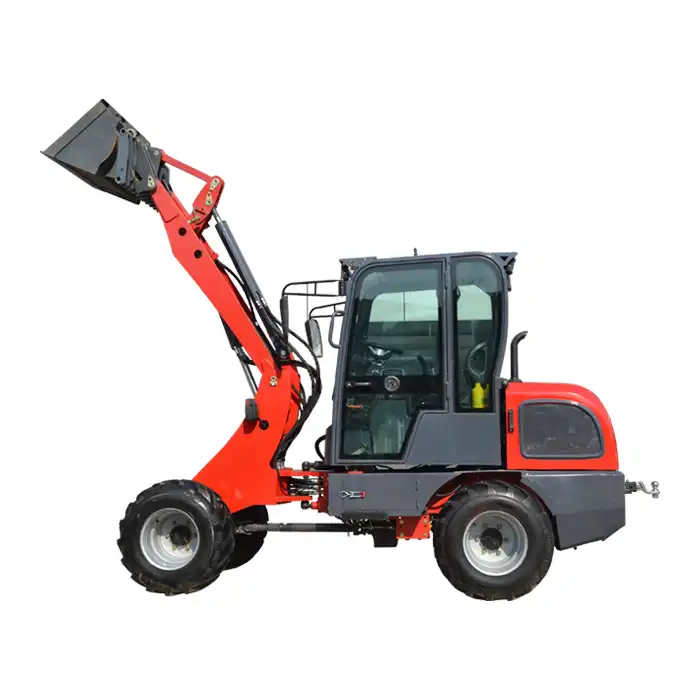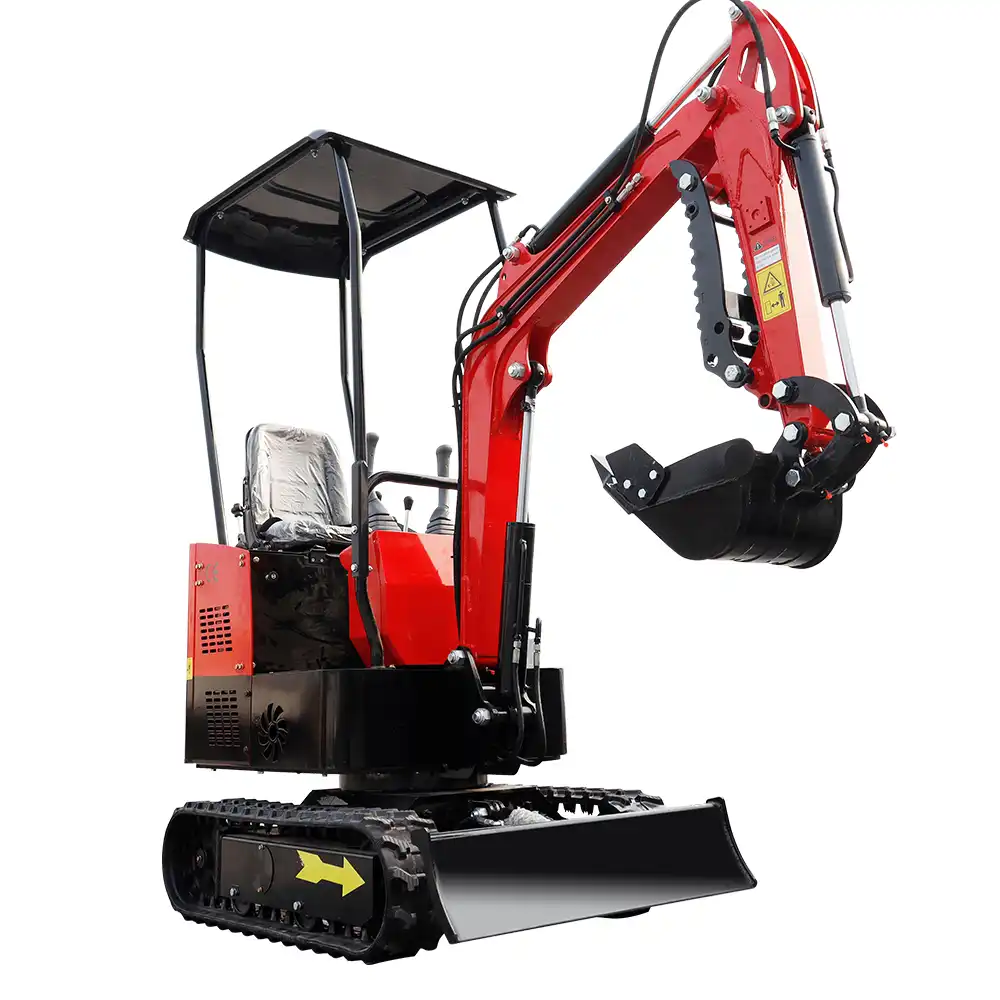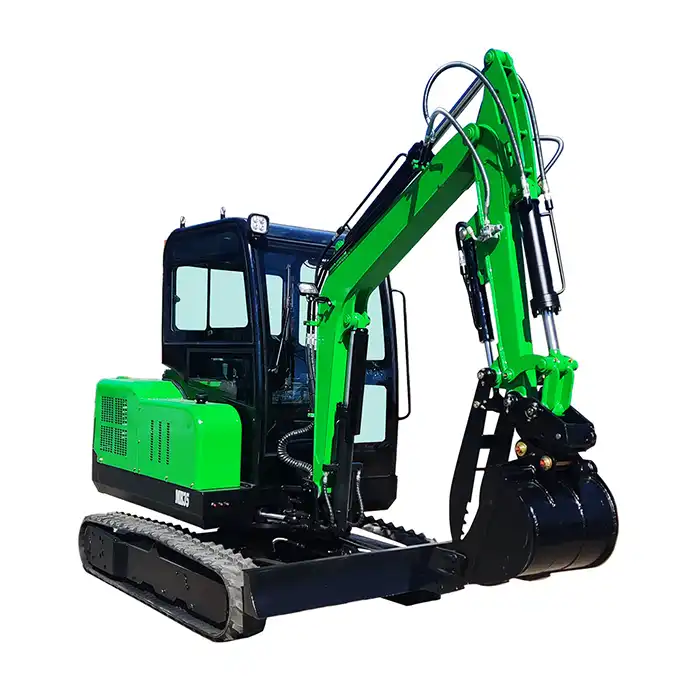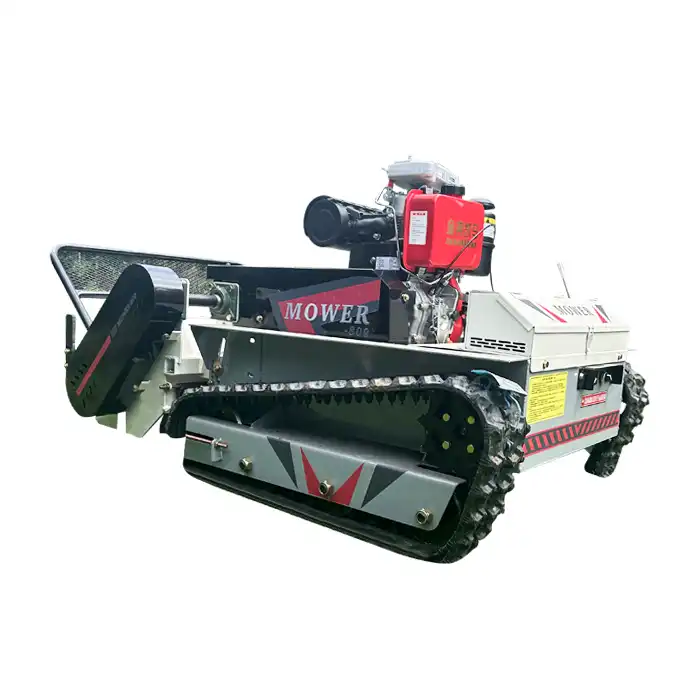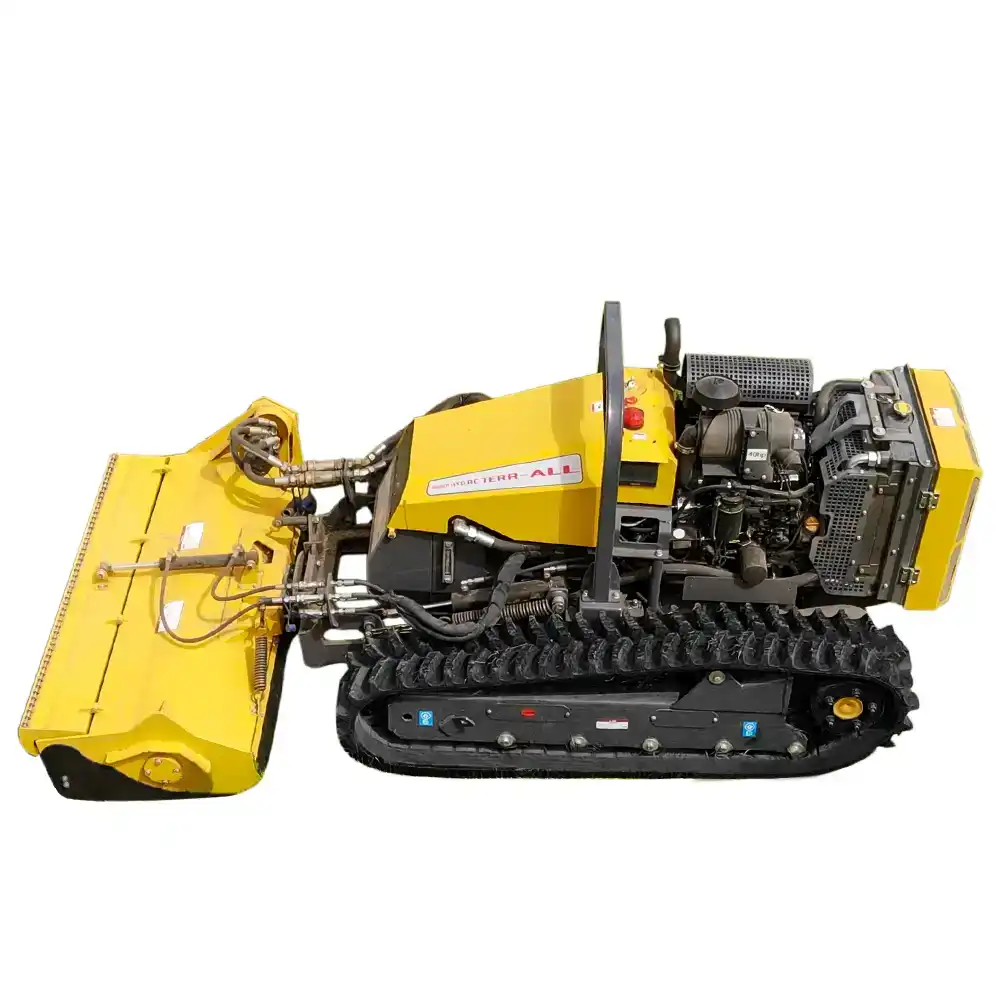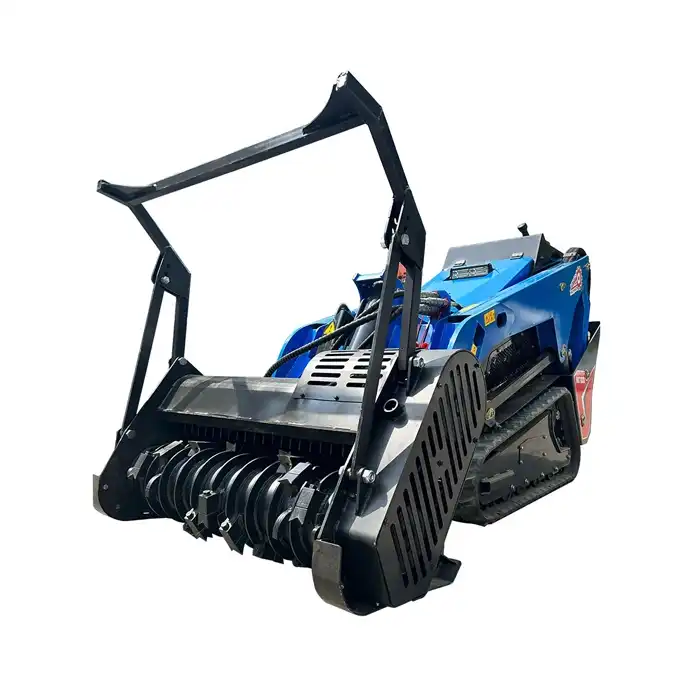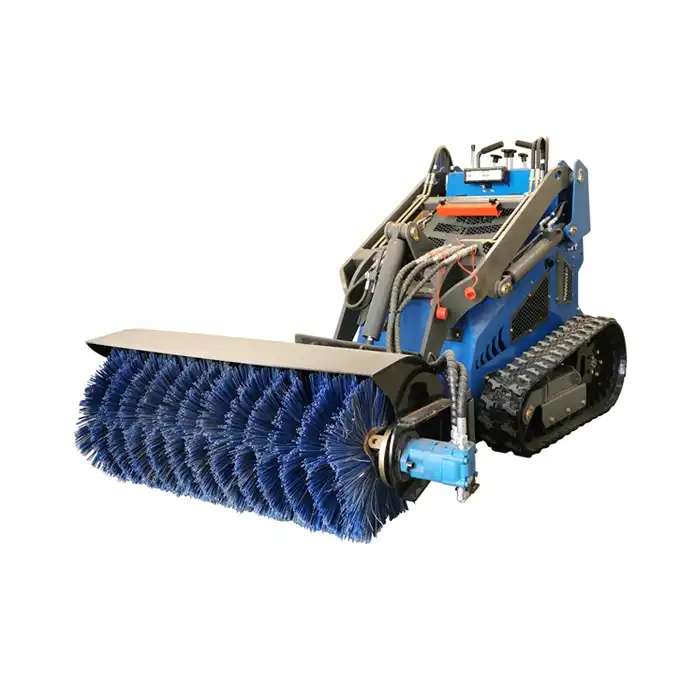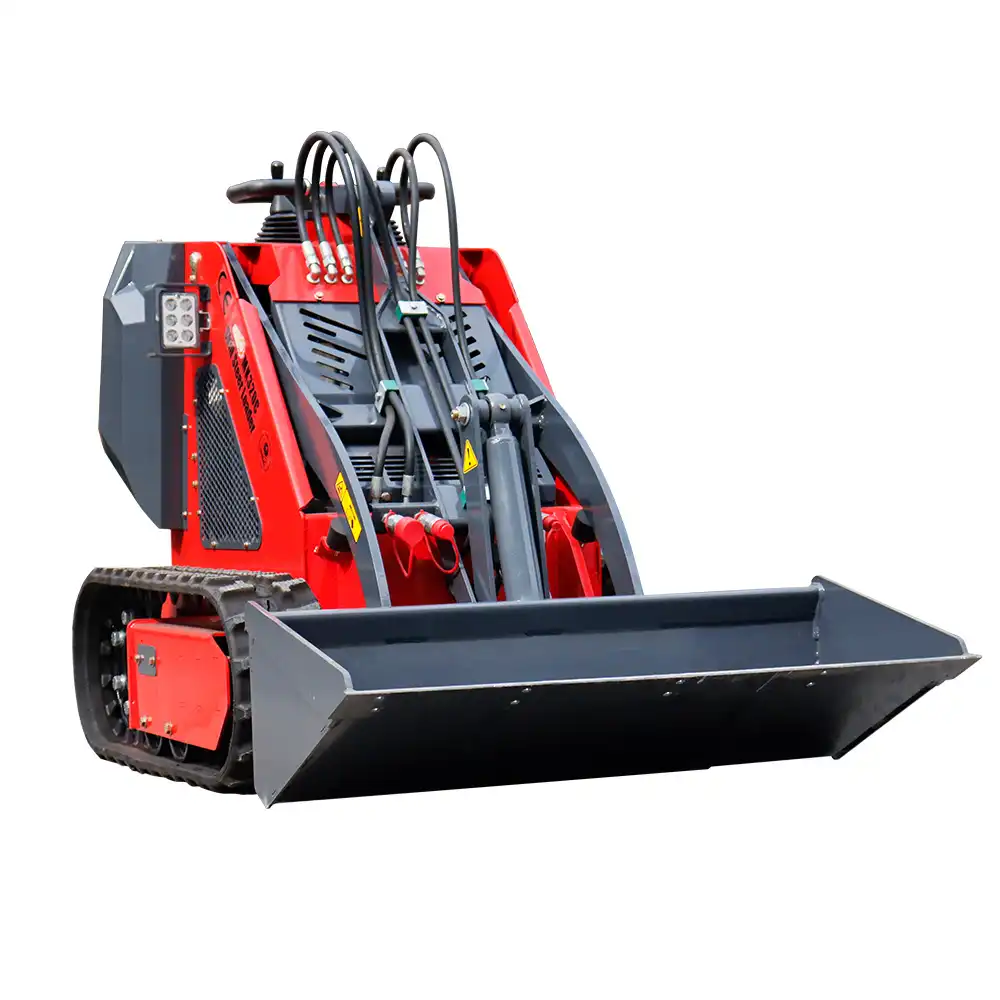
The 380C Mini Skid Steer Track Loader is one of the most useful small building tools on the market right now. This small but powerful piece of building equipment works great in tight areas where bigger machines can't do their job well. These small track rollers are used by construction workers to dig, move materials, and get the site ready. The small track loader is fantastic at moving around and can lift a lot of weight, which makes it an essential tool for modern building projects. Its rubber tracks give it better grip on a variety of surfaces while causing less damage to the ground than wheeled options.
Introduction: Why Focus on Compact Track Loaders?
Today, construction sites need tools that are as efficient as possible while still fitting in a small area. The growth of cities over time has made it so that heavy tools from the past can't get to work places anymore. Because of this, 380C Mini Skid Steer Track Loader and Mini Track Loaders are becoming more and more popular among workers all over the world. These machines are very useful and have many benefits over their bigger versions. Because they are small, they can be used in home areas, on small building sites, and during indoor construction projects. When it comes to engineering, the 380C series is the best in its class because it combines power with precise control. For modern building jobs, you need tools that can handle a wide range of problems. These tools are popular with landscaping companies, utility companies, and general building companies because they work well and are reliable. A good Small Skid Steer track loader is an investment that pays off in the form of higher output and shorter project timelines.
Key Selection Criteria for Construction Equipment
There are many things that need to be carefully thought through when choosing the right compact earth mover. Performance characteristics are what people use to decide what to buy. The machine's ability to do certain jobs is based on its operating weight, pulling capacity, and engine power. The shape of the track system has a big effect on how well it works on different surfaces. Rubber tracks float well on wet surfaces and don't get in the way when they're on hard surfaces. How stable the track is and how the ground pressure is distributed are affected by its thickness and the area it touches. The economy of a hydraulic system affects both how well it works and how much it costs to run. The specs for 380C Mini Skid Steer Track Loader focus on flow rates, pressure capacities, and extra hydraulic power for accessories. These specs tell you what tools will work with your skid steer and how versatile your machine can be. Comfort and sight for operators are very important for safety and efficiency. Design of the cab, layout of controls, and sight lines all have a big effect on daily activities. Ergonomic concerns keep operators from getting tired during long work hours. Total cost of ownership is affected by how often things need to be replaced and how much they cost. Long-term practical success depends on how easy it is to get to service spots, how often maintenance is done, and how well local dealer support networks work. When an application is used a lot, these factors become very important.
380C Mini Skid Steer Track Loader: Comprehensive Analysis
Performance Specifications and Capabilities
The highly engineered shape of the 380C Mini Skid Steer Track Loader gives it great efficiency. The operating weight is usually between 3,800 and 4,200 pounds, which gives it great support without putting too much pressure on the ground. This weight distribution lets you work on rough areas while still lifting heavy things. Modern diesel technology is used in the engine specs, which produce 50 to 60 horsepower. With this amount of power, most building tasks can be done well, and the fuel economy stays high. The engine meets the latest pollution norms that are needed for markets around the world. The design of the hydraulic system includes high-flow features that allow for a variety of attachments. Standard flow rates are between 15 and 30 gallons per minute, and high-flow choices can go up to 25 to 30 gallons per minute. This hydraulic ability is good for tough jobs like cutting concrete, digging trenches, and processing materials. Specifications for lifting ability show how much weight the machine can move. Most of the time, the rated working capacity is between 1,200 and 1,500 pounds at 50% tipping load. The highest point of the lift is about 8 to 9 feet, which is high enough for most truck lifting and material placing needs. Designing a track system with a focus on reliability and grip is important. The width of a rubber track is usually between 12 and 15 inches, and it floats very well. When compared to wheeled options, ground contact length provides the most steadiness with the least amount of ground disruption.
Construction Applications and Versatility
The main jobs that small track rollers are used for are site preparation tasks. The machine is great at levelling, cutting, and moving materials around building sites. Its exact control makes it possible to do accurate grade work, which is needed to prepare the base and install drainage. These tools are useful for transportation because they can move things around. It becomes easy to load cars, move rocks, and put building materials in the right place. The pulling power and reach make it possible to handle materials efficiently throughout all stages of a project. Specialized connection flexibility helps dig. Trenching buckets, augers, and breaking tools make the machine much more useful. Because it can do so many things, it cuts down on the need for multiple specialized tools for smaller jobs. The machine's speed and accuracy are used in demolition tasks. The small size and controlled operation are especially helpful for removal work inside. Material dealing skills that work well make it easier to get rid of debris. These tools are used to dig trenches and fill them back up during utility installation jobs. The precise control lets you dig accurately around existing utilities while still meeting builders' efficiency standards.
Global Market Analysis and Regional Considerations
Different international building markets have different tastes when it comes to small construction tools. The North American market puts a lot of emphasis on high-flow hydraulic powers and a wide range of attachment flexibility. European markets put a high value on safety features for operators and meeting pollution standards. As more people move to cities, Asian markets are seeing a rise in demand for 380C Mini Skid Steer Track Loader. In densely populated cities, getting to job sites is harder, which makes smaller, easier to move tools more useful. As projects get more complicated, quality standards keep going up. Compliance with regulations changes a lot between global markets. Equipment specs are affected by safety rules, noise limits, and emission standards. Manufacturers have to change designs to meet regional safety standards while keeping performance standards high. Service network access affects how equipment is chosen all over the world. Long-term owner happiness is affected by things like local dealer help, parts supply, and technician training. In rural or emerging market areas, these factors become even more important. Cultural tastes affect how the user interface is designed and how the controls are set up. In some areas, joystick controls are more popular than standard mechanical connections. Knowing these tastes helps tools makers get a bigger share of the market.
Purchasing Recommendations and Decision Factors
Budget factors include more than just the initial buy price. They also include ongoing costs and the property's resale worth. Good building equipment usually has better long-term value because it lasts longer, needs less upkeep, and is more productive. When you figure out the total cost of ownership, you should include the cost of fuel, repairs, and the pay of the operator. Application analysis is a way to find the best specs for a given use case. For heavy-duty tasks, you need strong hydraulic systems and buildings that are strengthened. In light-duty situations, fuel economy and operator comfort may be more important than maximum power. The level of dealer help has a big effect on the ownership experience. Equipment integration works best when there are thorough training programs, helpful service offices, and an easy-to-find parts store. Before buying big pieces of tools, you should find out what your local dealer can do. Warranty coverage and service agreements protect you from costs you didn't expect. Full warranty plans show that the maker trusts you while lowering your ownership risks. Longer service agreements can help you plan your budget by giving you a better idea of how much upkeep will cost. Financing choices affect when to buy something and how to handle cash flow. There are many ways for businesses to be flexible, such as through lease programs, conditional sales deals, and rental-purchase choices. Matching the terms of the loan to the length of the project maximizes the use of funds.
Industry Trends and Future Outlook
The excavation tools business is still being changed by the merging of new technologies. GPS guidance systems, the ability to watch from afar, and automatic control features all make machines more productive while lowering the level of skill needed by operators. Because of these improvements, smaller companies can now use high-tech tools. Because of concerns about the environment, robots are getting better and more efficient. Electric and hybrid power systems are new options that can be used instead of gas engines. These tools help solve problems with noise and pollution in urban building sites. Connectivity features make it easier to handle fleets and plan repairs. Telematics systems give you troubleshooting information, real-time data on performance, and the ability to track your location. This information helps machines work better and avoid breaking down, which can be expensive.
Conclusion
The 380C Mini Skid Steer Track Loader represents an excellent investment for construction operations requiring versatile, reliable equipment. Its compact design enables operation in confined spaces while delivering impressive performance for material handling, excavation, and site preparation tasks. The combination of rubber tracks, hydraulic versatility, and attachment compatibility makes these machines indispensable for modern construction projects.
Selecting quality equipment from established manufacturers ensures long-term satisfaction and productivity. Proper evaluation of specifications, dealer support, and total ownership costs enables informed purchasing decisions. The construction industry's continued evolution toward compact, efficient equipment makes these machines essential tools for competitive contractors worldwide.
Partner with Mingko for Superior Construction Equipment Solutions
Mingko stands as your trusted 380C Mini Skid Steer Track Loader manufacturer with over 15 years of industry expertise. Our state-of-the-art 50,000 square meter facility in Shandong Province produces up to 15,000 units annually, ensuring reliable supply for global construction projects. We maintain ISO 9001 certification and national high-tech enterprise status, demonstrating our commitment to quality excellence.
Our comprehensive product range includes 1-8 ton Mini Excavators and compact skid steer models with loading capacities from 320kg to 1,500kg. Factory direct sales eliminate middleman costs while our MOQ 1 unit customization service accommodates unique project requirements. Each machine comes with a 12-month warranty plus lifetime technical support through our dedicated service team.
Construction professionals worldwide choose Mingko for reliable performance and exceptional value. Our 24/7 support team ensures rapid response to technical inquiries and parts requirements. Ready to enhance your construction capabilities with premium compact track loaders? Contact Us at sales@mingkomach.com to discuss your specific equipment needs and receive detailed specifications.
Frequently Asked Questions
Q1: What attachments are compatible with the 380C mini track loader?
A: The 380C supports a wide range of Skid Steer Attachments including buckets, forks, augers, trenchers, and hydraulic hammers. The universal quick-attach system ensures compatibility with most major attachment brands. High-flow hydraulic options enable operation of demanding attachments like cold planers and mulchers.
Q2: How does track maintenance compare to tire maintenance costs?
A: Rubber tracks typically last 1,200-1,800 hours with proper care, compared to tire replacement every 600-1,000 hours. While track replacement costs more initially, the extended service life often results in lower overall maintenance expenses. Track systems also provide superior traction and reduced ground damage.
Q3: What training is required for operators of compact track loaders?
A: Basic equipment operation can be learned within a few days, though mastery requires weeks of practice. Many regions require certification for commercial operation. Proper training covers safety procedures, maintenance requirements, and attachment operation. Experienced operators significantly improve productivity and equipment longevity.
References
1. Johnson, Mark R. "Compact Construction Equipment Market Analysis 2023." International Construction Equipment Review, Vol. 45, No. 3, pp. 78-92.
2. Smith, David L. and Wilson, Sarah K. "Track vs. Wheel Performance in Construction Applications." Journal of Construction Machinery, Vol. 29, No. 7, pp. 156-171.
3. Chen, Li Wei. "Hydraulic System Optimization in Mini Skid Steer Loaders." Construction Technology Quarterly, Vol. 18, No. 2, pp. 34-48.
4. Rodriguez, Carlos M. "Safety Considerations for Compact Track Loader Operation." Construction Safety Management, Vol. 22, No. 4, pp. 112-125.
5. Thompson, James A. "Total Cost of Ownership Analysis for Construction Equipment." Equipment Management Today, Vol. 31, No. 8, pp. 67-81.
6. Anderson, Patricia J. "Global Trends in Compact Construction Machinery." World Construction Equipment, Vol. 40, No. 6, pp. 45-59.