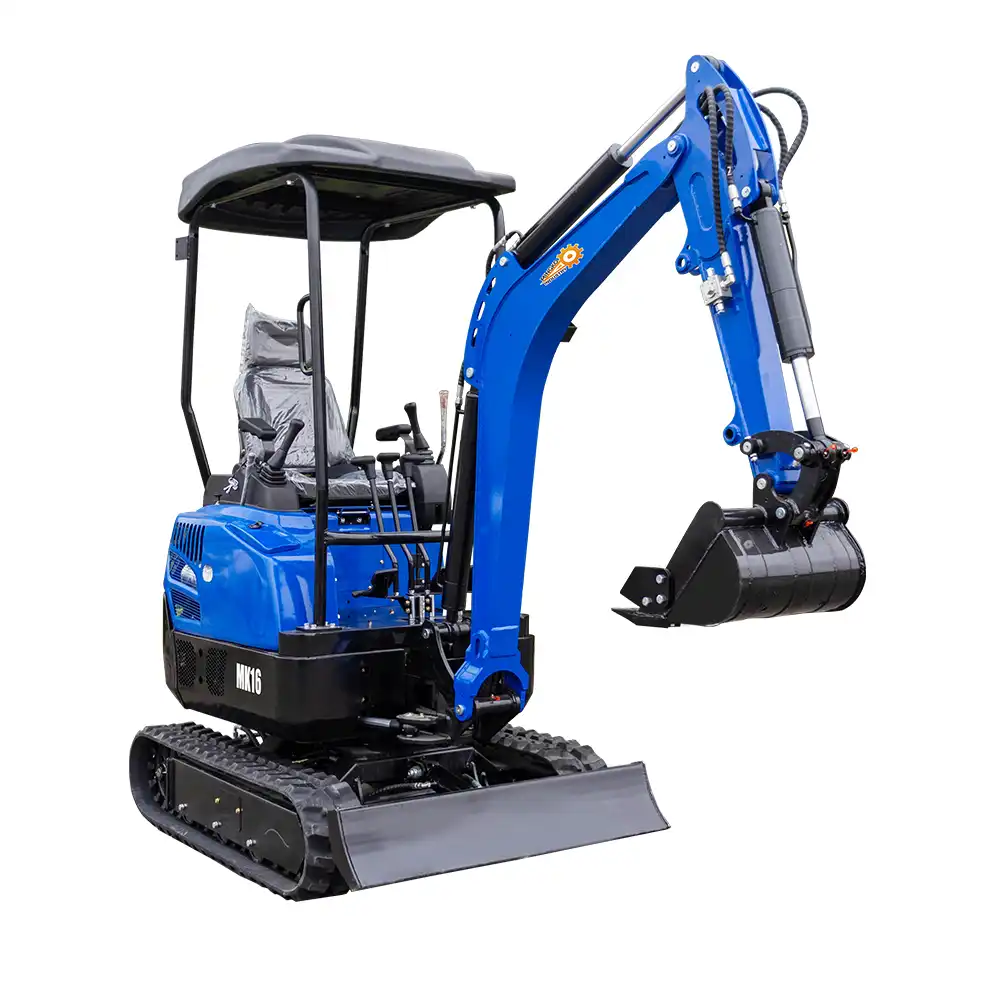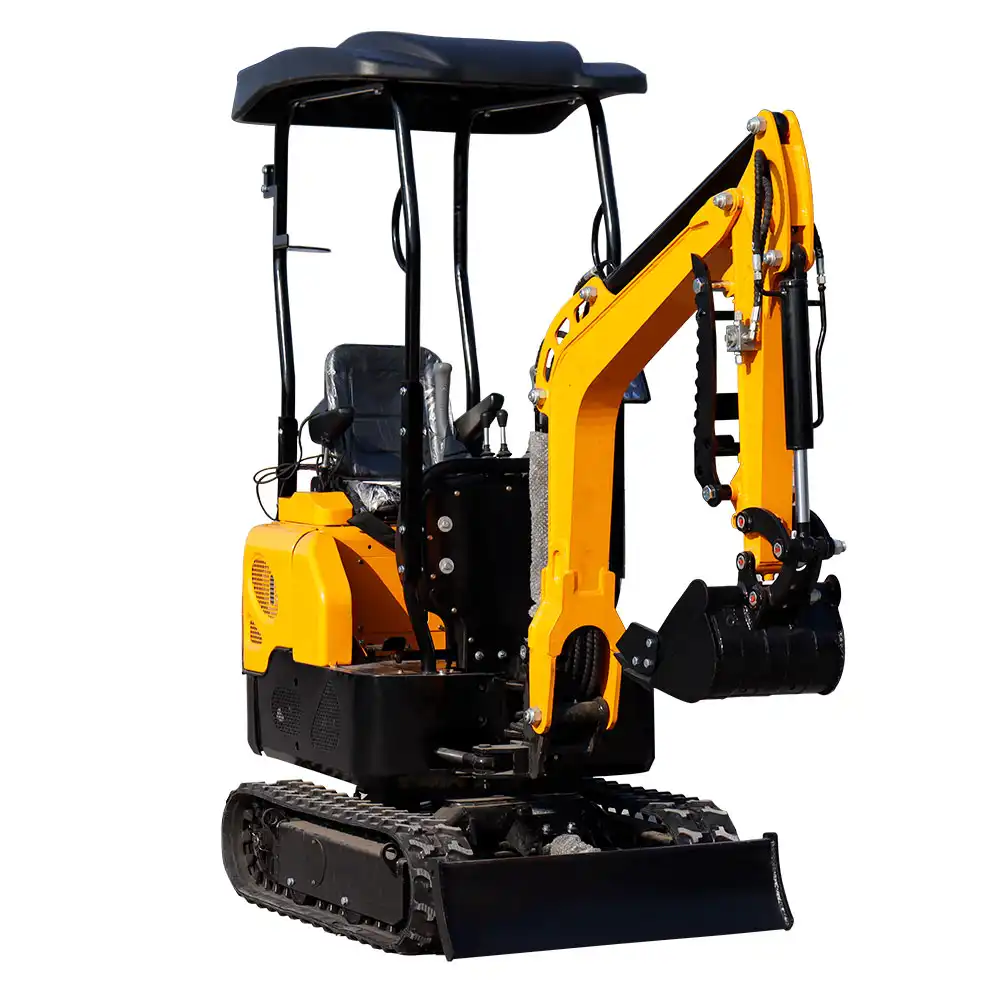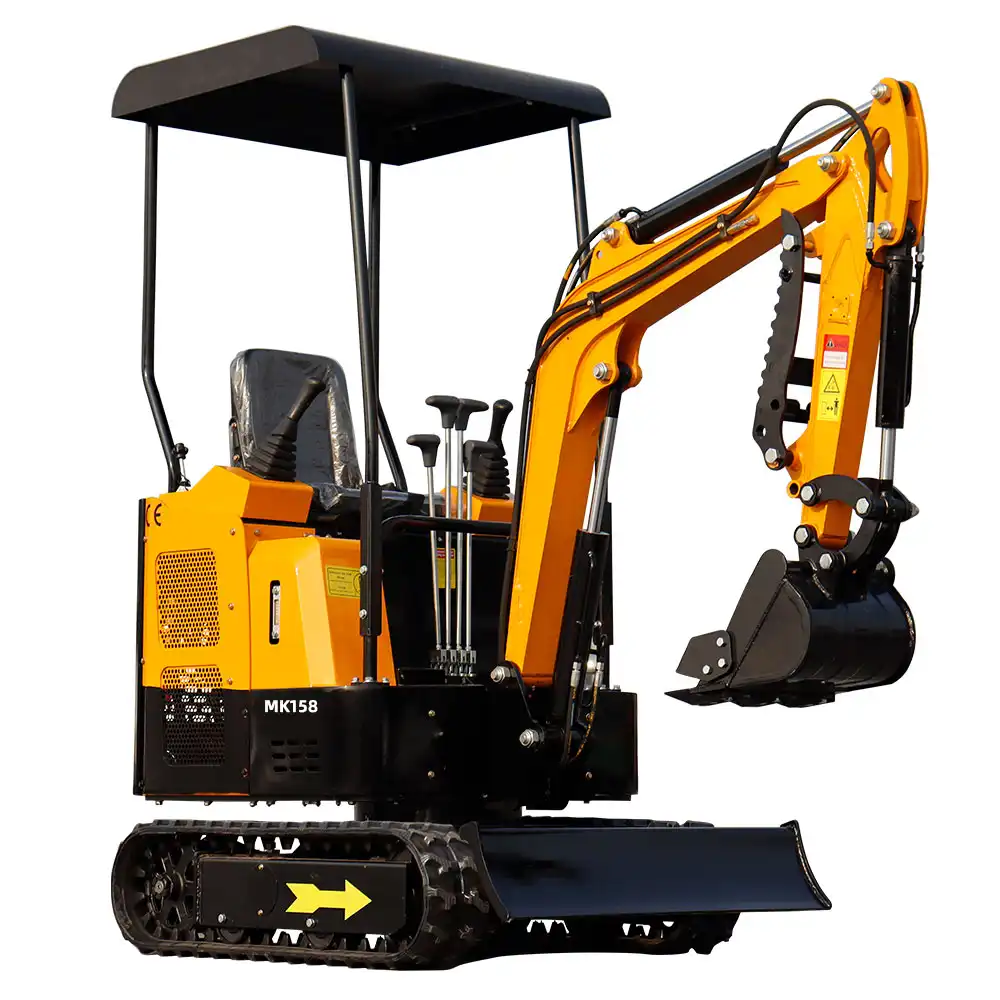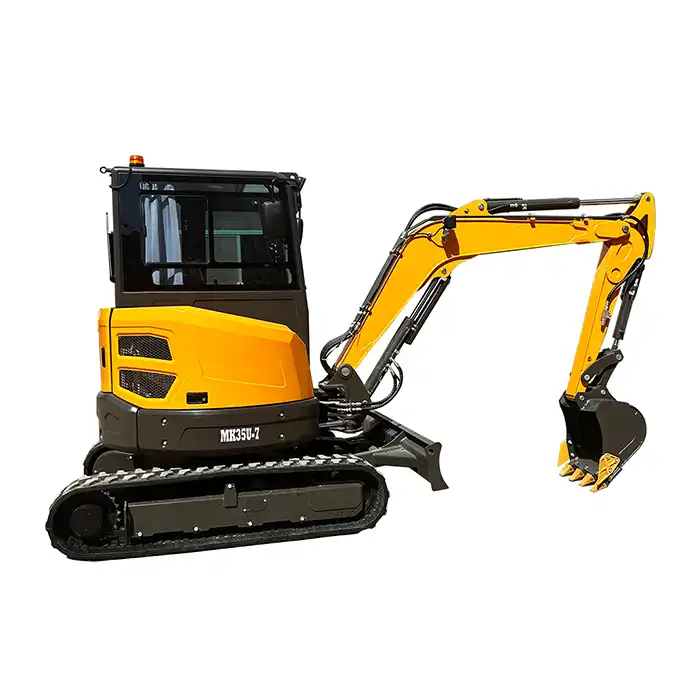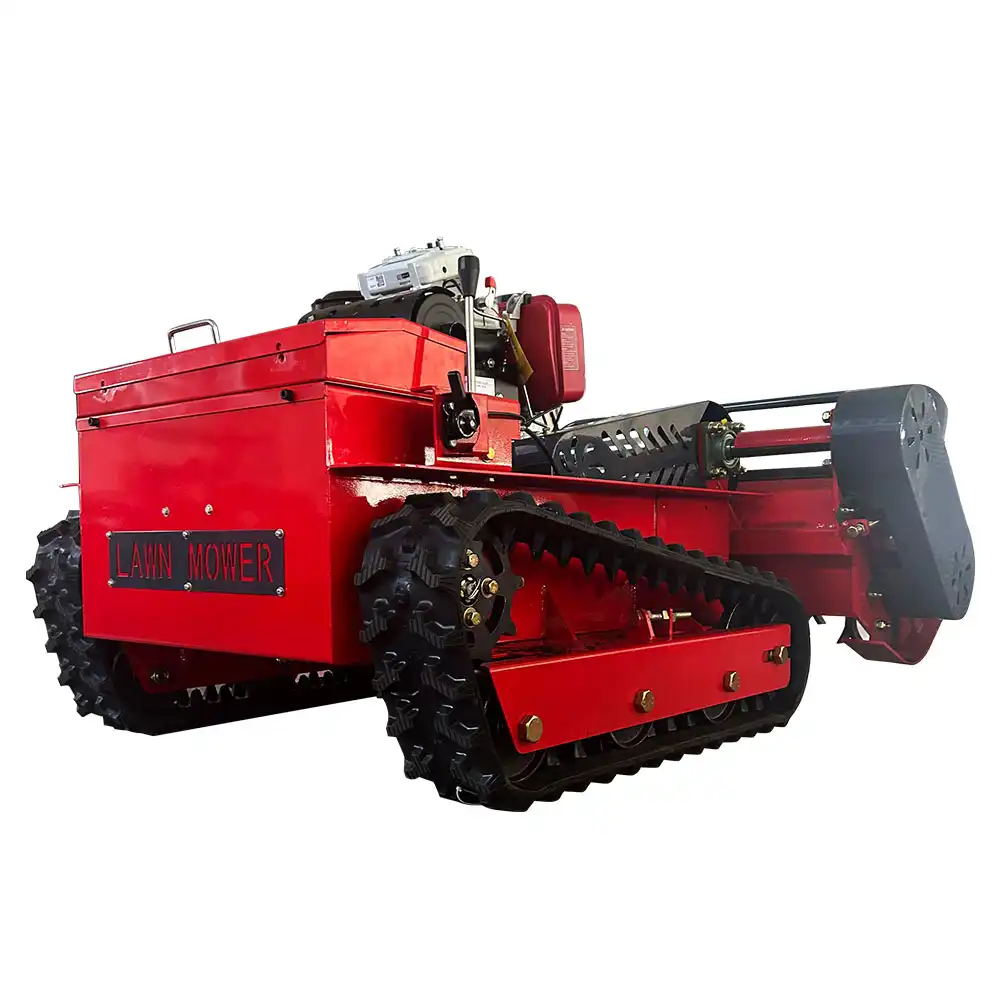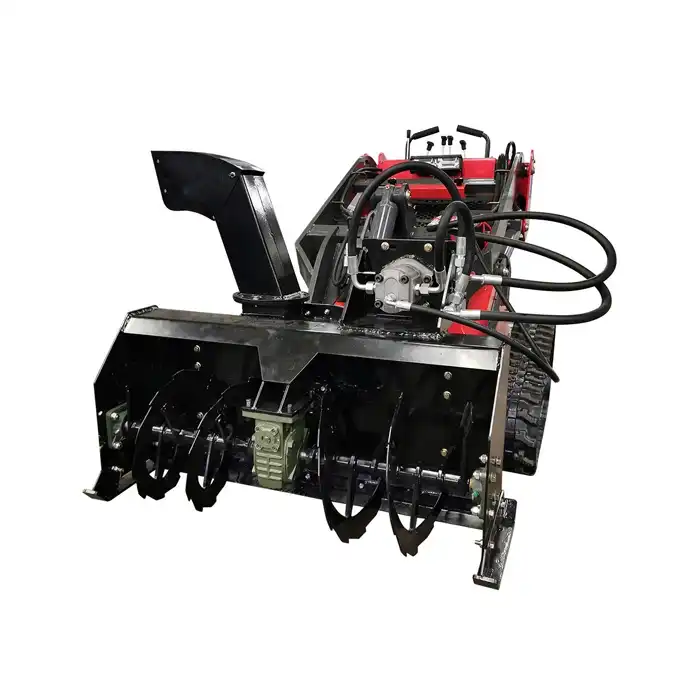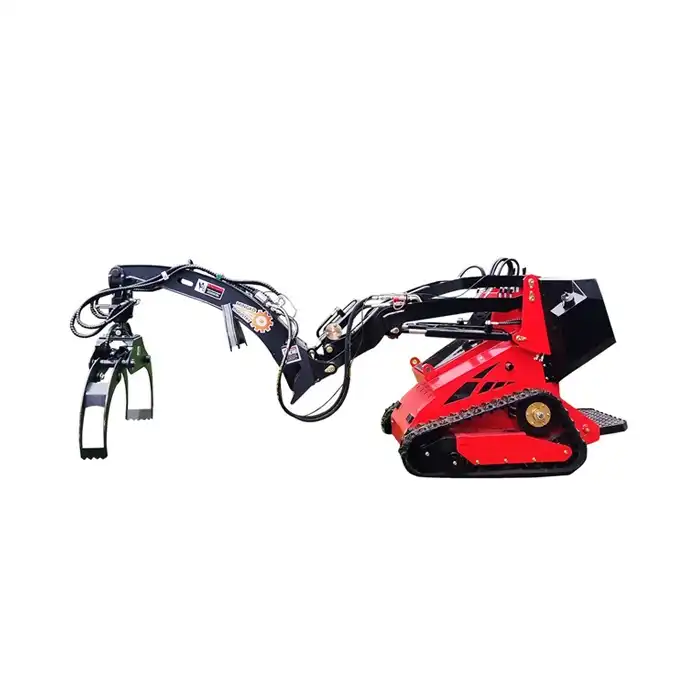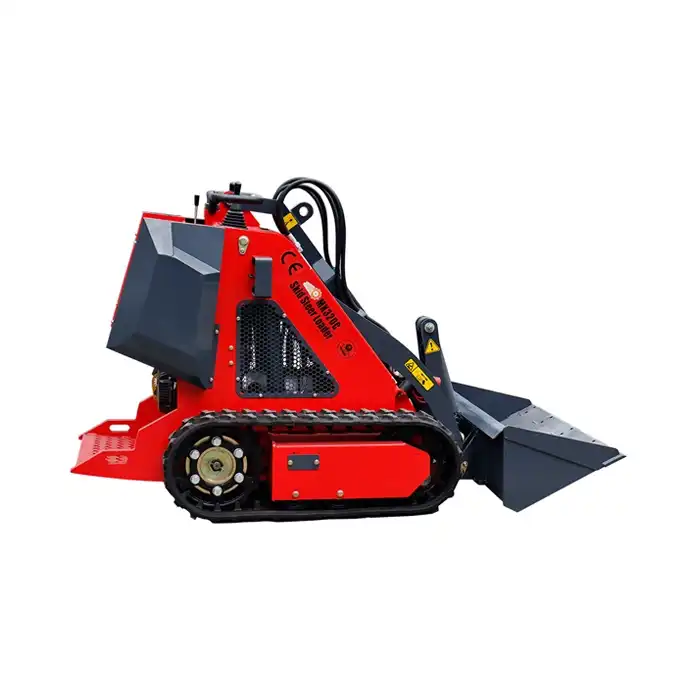
A Mini Excavator 3.5 Ton provides numerous benefits for modest building sites, landscaping tasks, and utility work. This tiny excavator has a lot of digging power but is also very maneuverable in tight situations. With its balanced weight distribution and hydraulic efficiency, this earthmoving machinery is perfect for home building, garden installations, and underground utility repairs when limited space prevents larger equipment access.
Key Parameters and Performance Indicators
Understanding the technical specifications helps contractors make informed decisions about compact construction vehicles. A 3.5-ton mini digger typically features an operating weight between 3,200-3,800 kg, providing stability during excavation tasks. The digging depth reaches approximately 2.8-3.2 meters, while maximum reach extends to 4.5-5.2 meters horizontally.Engine power ranges from 18-28 horsepower, delivering sufficient force for demanding excavation work. The hydraulic system operates at 140-180 bar pressure, enabling smooth operation of the excavator arm and various excavator attachments. Track width measures 230-300mm, distributing weight evenly to minimize ground pressure and protect delicate surfaces. Travel speed reaches 2.5-4.5 km/h, allowing efficient movement between work areas. The swing radius typically measures 1.4-1.6 meters, crucial for operations near buildings or obstacles. Fuel consumption averages 2-4 liters per hour, depending on workload intensity and operator technique.
Core Benefits for Small Site Operations
Compact excavators excel in environments where traditional heavy machinery cannot operate effectively. Their reduced footprint allows access through standard residential gates and narrow pathways. This accessibility eliminates the need for manual digging in confined spaces, significantly reducing labor costs and project timelines. The precise control offered by hydraulic excavator systems enables delicate work around existing structures and utilities. Operators can perform trenching equipment functions with millimeter accuracy, essential for installing water lines, electrical conduits, and drainage systems without damaging surrounding infrastructure. Versatility stands out as a primary advantage through interchangeable excavator attachments. Standard excavator buckets handle general digging tasks, while specialized attachments transform the machine into a breaker, auger, or grapple. This adaptability eliminates the need for multiple pieces of equipment on small sites. Transportation convenience simplifies logistics significantly. Most 3.5-ton units fit on standard trailers without special permits, reducing mobilization costs. Quick setup times mean operators can begin productive work within minutes of arrival.
Mingko's 3.5 Ton Mini Excavator Advantages
Mingko's construction equipment incorporates advanced engineering from our decade-long research and development program. Our mini excavators feature enhanced hydraulic systems that deliver 15% more digging force compared to standard models in this weight class. This improvement translates to faster excavation cycles and improved productivity on demanding projects. Durability receives special attention through reinforced track frames and strengthened excavator arm assemblies. Our manufacturing facility implements rigorous quality control measures, ensuring each digging machine meets ISO 9001 standards. Components undergo extensive testing to verify performance under extreme operating conditions. Operator comfort enhances productivity through ergonomic cabin design and intuitive controls. Vibration dampening systems reduce fatigue during extended operation periods. Clear sight lines provide excellent visibility around the work area, improving safety and precision. Our zero tail swing design maximizes operational efficiency in tight spaces. Unlike conventional models that require clearance behind the machine, Mingko excavators rotate within their track footprint. This feature proves invaluable for site excavation projects near walls, fences, or parked vehicles. Maintenance accessibility receives careful consideration in our design process. Service points cluster in easily accessible locations, reducing routine maintenance time. Extended service intervals minimize downtime while maintaining peak performance standards.
Maximizing Benefits Through Proper Operation
Achieving optimal performance requires understanding proper operating techniques and maintenance practices. Pre-operation inspections should include checking hydraulic fluid levels, track tension, and attachment security. These simple steps prevent costly breakdowns and ensure safe operation. Efficient digging techniques maximize productivity while minimizing fuel consumption. Operators should plan excavation sequences to minimize travel distance and avoid unnecessary repositioning. Utilizing the excavator's reach effectively reduces the need for frequent machine movement. Proper attachment selection improves performance significantly. Narrow buckets work best for trenching equipment applications, while wider buckets excel at general excavation tasks. Matching bucket size to soil conditions optimizes digging efficiency and reduces wear on hydraulic components. Regular maintenance extends equipment life and maintains peak performance. Daily lubrication of grease points prevents premature wear of pivot points and bearings. Weekly hydraulic filter inspections ensure system cleanliness and prevent contamination damage. Operator training investments pay dividends through improved productivity and reduced maintenance costs. Skilled operators complete tasks faster while placing less stress on mechanical components. Understanding machine capabilities prevents overloading and extends component life.
Important Considerations and Usage Guidelines
Site conditions significantly impact mini excavator performance and safety. Soft or unstable ground may require track mats to distribute weight and prevent sinking. Steep slopes demand extra caution, as the machine's center of gravity shifts during digging operations. Underground utility location remains critical before beginning excavation work. Contact local utility marking services well in advance of project start dates. Use hand digging techniques when working near marked utilities to prevent costly and dangerous damage. Weather conditions affect operating capabilities and safety. Wet conditions reduce traction and increase the risk of sliding on slopes. Frozen ground may require specialized attachments or modified techniques to achieve desired results. Regular operator breaks prevent fatigue-related accidents and maintain productivity levels. Continuous operation in confined spaces can lead to decreased alertness and poor decision-making. Implementing scheduled rest periods improves overall job site safety. Proper transportation and storage protect equipment investments. Secure attachments and lower the excavator arm during transport to prevent damage from road vibrations. Covered storage prevents weather-related deterioration of hydraulic seals and electrical components.
Frequently Asked Questions
Q1: What ground conditions can a 3.5-ton mini excavator handle effectively?
A: These compact excavators perform well on most stable ground conditions including clay, sand, and mixed soils. Soft or muddy conditions may require track mats for support. Rocky terrain is manageable with appropriate bucket selection, though production rates may decrease.
Q2: How much space is needed to operate a mini excavator safely?
A: A 3.5-ton mini excavator requires approximately 3 meters of width for safe operation, including swing clearance. Zero tail swing models like Mingko's design need minimal rear clearance, making them ideal for tight spaces near buildings or fences.
Q3: What maintenance schedule should be followed for optimal performance?
A: Daily checks include fluid levels and visual inspections. Every 50 hours, change engine oil and hydraulic filters. Track tension should be checked weekly, and annual comprehensive inspections ensure all systems operate safely and efficiently.
Partner with Mingko for Premium Mini Excavator Solutions
Mingko stands ready to provide superior earthmoving machinery solutions for your small site projects. Our Mini Excavator 3.5 Ton models combine proven reliability with innovative engineering to deliver exceptional value. As a leading mini excavator 3.5 ton manufacturer, we offer comprehensive support including customization services starting from just one unit. Take advantage of our factory-direct pricing and 12-month warranty coverage. Our experienced team provides lifetime technical assistance to maximize your equipment investment. Ready to enhance your project capabilities? Contact Us at sales@mingkomach.com to discuss your specific requirements today.
Conclusion
The benefits of a Mini Excavator 3.5 Ton for small sites extend far beyond simple excavation capabilities. These versatile machines deliver exceptional value through their compact design, powerful performance, and operational flexibility. Whether handling residential construction, landscaping projects, or utility installation, a quality mini excavator transforms project efficiency while reducing labor costs. Mingko's commitment to engineering excellence and customer support ensures your investment delivers reliable performance for years to come. The combination of advanced hydraulic systems, durable construction, and comprehensive service support makes these machines essential tools for modern construction professionals.
References
1. Johnson, Michael A. "Compact Equipment Applications in Urban Construction." Journal of Construction Engineering and Management, Vol. 145, No. 8, 2019.
2. Williams, Sarah K. "Hydraulic System Efficiency in Small Excavators." Construction Equipment Technology Review, Issue 23, 2020.
3. Chen, David L. "Site Access Solutions for Residential Construction Projects." International Construction Equipment Magazine, Vol. 78, No. 4, 2021.
4. Thompson, Robert J. "Cost-Benefit Analysis of Mini Excavator versus Manual Labor." Construction Economics Quarterly, Vol. 34, No. 2, 2020.
5. Martinez, Elena R. "Safety Protocols for Compact Excavator Operations." Heavy Equipment Safety Journal, Issue 67, 2021.
6. Anderson, Kevin P. "Maintenance Strategies for Extended Equipment Life in Construction." Equipment Management Today, Vol. 29, No. 6, 2022.