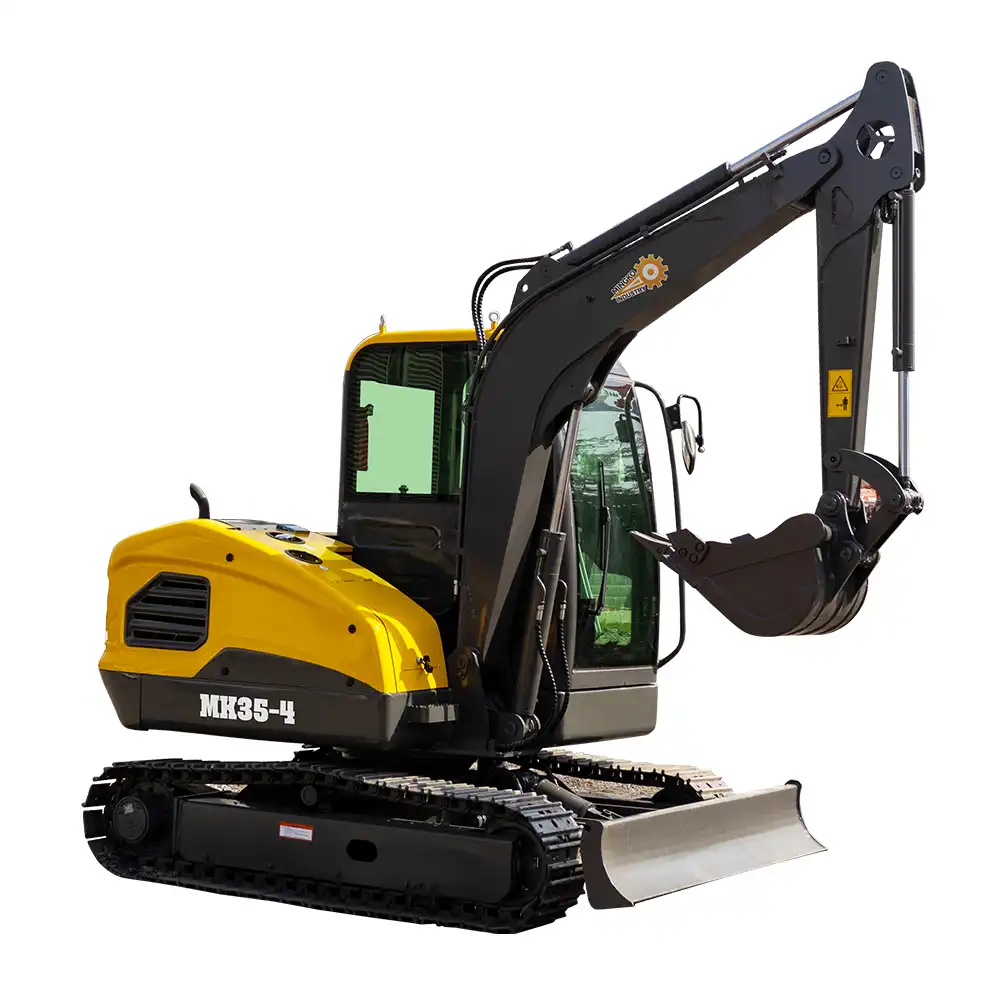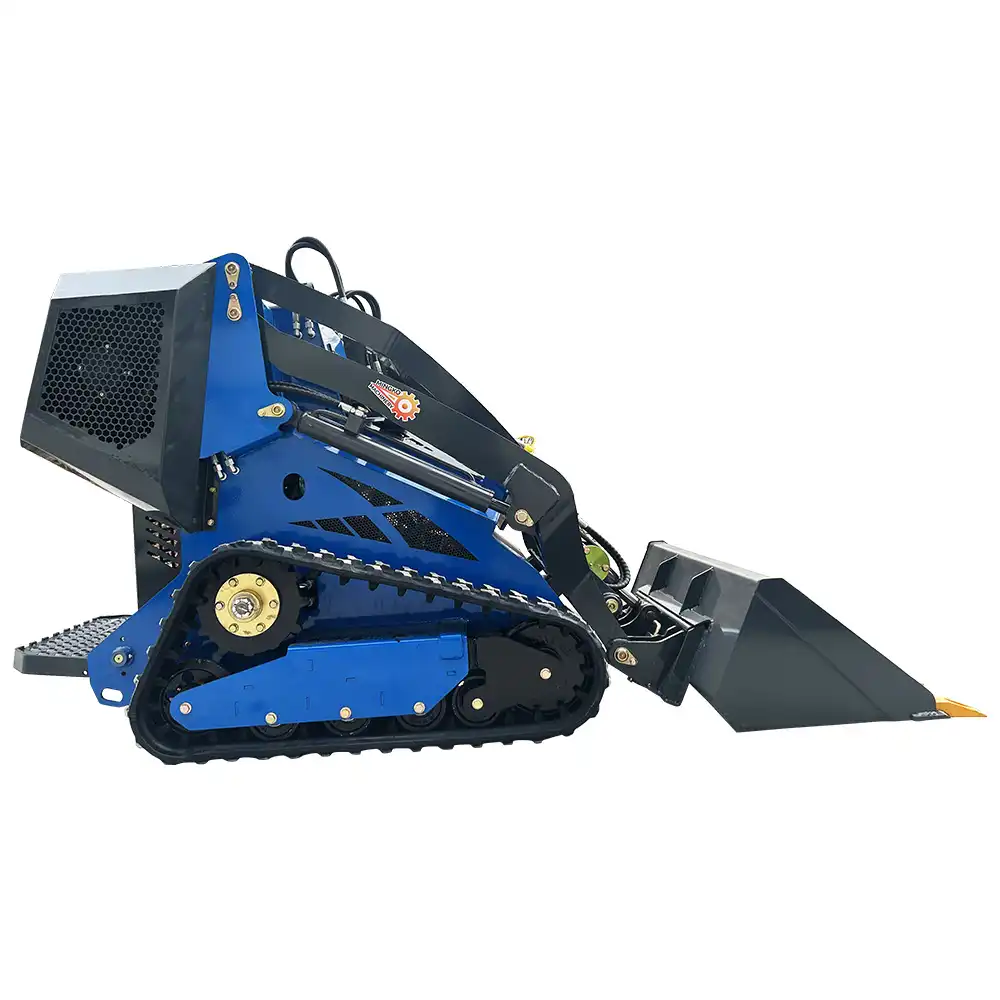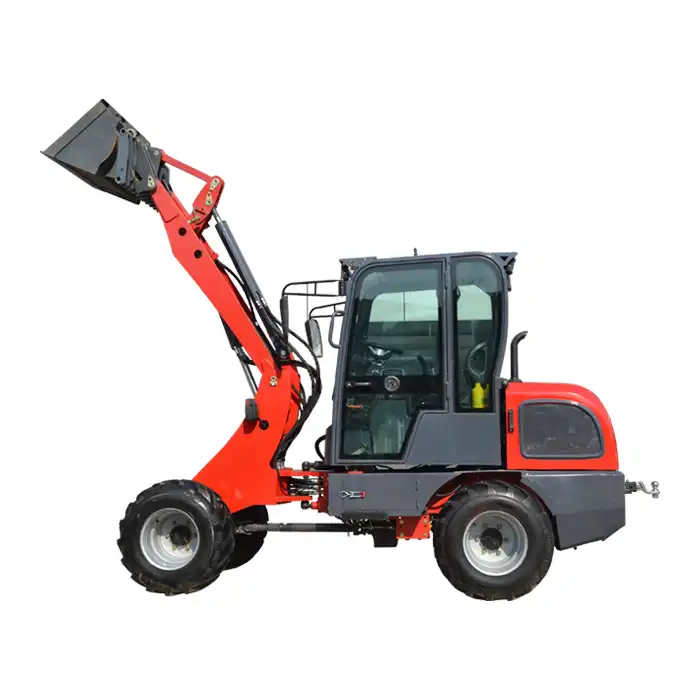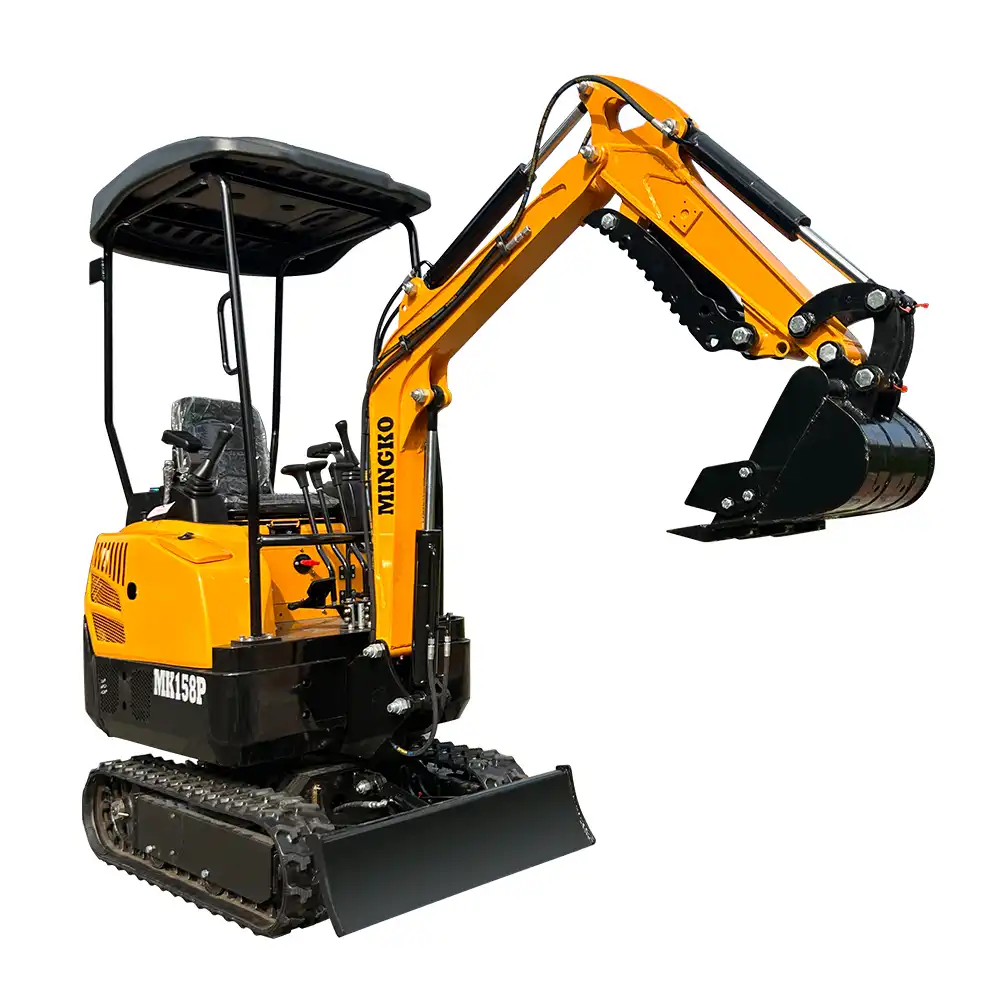
Purchasing a Mini Small Excavator represents a significant investment that can transform your construction, landscaping, or utility projects. Before committing to any compact excavator, you need to evaluate several critical factors including operating weight capacity, hydraulic performance, manufacturer reputation, and long-term support availability. Understanding these essential elements ensures you select the right small construction equipment that matches your specific operational requirements while delivering exceptional value for years to come.
Understanding Your Project Requirements
Identifying your individual demands is the foundation of any successful excavator purchase. Projects vary greatly in scope, terrain, and operating requirements. Residential landscaping demands different skills than commercial site preparation or utility installation labor. The operating weight capacity has a direct impact on the machine's stability and digging capability. Compact excavators typically range from 1-ton equipment suitable for small residential spaces to 8-ton versions capable of large-scale earthmoving jobs. Consider the greatest depth and reach needed for your normal projects. Site access limitations often dictate machine selection. Narrow gates, low overhead clearances, and weight-restricted surfaces require careful consideration. Many compact digger models feature retractable undercarriages and reduced tail swing designs specifically addressing these challenges. Attachment versatility expands machine capabilities significantly. Modern mini excavator attachments include buckets, augers, hammers, and grapples. Evaluate whether your chosen manufacturer offers comprehensive attachment compatibility and hydraulic flow rates supporting diverse tool requirements.
Evaluating Machine Performance and Specifications
Engine performance characteristics determine operational efficiency and fuel consumption patterns. Examine horsepower ratings, torque curves, and emission compliance standards. Tier 4 Final engines provide environmental compliance while delivering robust performance across various operating conditions. Hydraulic system design affects digging force, cycle times, and overall productivity. Multi-function hydraulic systems enable simultaneous operations, reducing cycle times and improving efficiency. Auxiliary hydraulic circuits support specialized attachments requiring independent hydraulic power. Travel speed and maneuverability impact job site productivity significantly. Rubber track systems provide superior traction and surface protection compared to steel tracks. Two-speed travel systems offer enhanced mobility between work areas while maintaining precise control during detailed operations. Cab comfort and operator visibility influence productivity and safety outcomes. ROPS/FOPS certified operator stations protect against falling objects and rollover incidents. Ergonomic controls reduce operator fatigue during extended operation periods.
Manufacturer Reputation and Support Network
Manufacturer experience and market presence indicate long-term viability and support availability. Companies with extensive industry experience typically offer superior product development, quality control, and customer service capabilities. Research manufacturer histories, customer testimonials, and industry recognition. Production capacity and quality certifications demonstrate manufacturing capabilities. ISO 9001 certification ensures consistent quality management systems throughout the production process. High-volume manufacturing facilities often provide better parts availability and cost efficiencies. Geographic service network coverage affects maintenance convenience and downtime minimization. Local dealer networks provide faster response times for routine maintenance, emergency repairs, and operator training programs. Evaluate service technician certification levels and parts inventory management systems. Warranty coverage and after-sales support protect your investment while ensuring optimal machine performance. Comprehensive warranty programs covering major components provide peace of mind during initial operation periods. Extended warranty options may justify additional investment for high-utilization applications.
Cost Analysis and Financing Considerations
Purchase price comparisons require careful evaluation of included features, warranty coverage, and delivery terms. Factory direct sales eliminate middleman markups while providing direct manufacturer communication channels. Compare similar specifications across multiple manufacturers ensuring accurate cost assessments. Operating cost projections include fuel consumption, maintenance requirements, and replacement part pricing. Fuel-efficient engines reduce long-term operating expenses while meeting environmental regulations. Maintenance schedules and service interval requirements affect overall ownership costs significantly. Financing options and lease programs provide flexible acquisition strategies. Equipment financing terms vary based on creditworthiness, down payment amounts, and repayment periods. Lease programs may offer tax advantages while preserving capital for other business investments. Resale value considerations affect total cost of ownership calculations. Popular brands and models typically retain higher resale values compared to lesser-known manufacturers. Well-maintained machines with complete service records command premium pricing in secondary markets.
Quality Assurance and Reliability Factors
Component quality and durability standards determine long-term reliability and maintenance requirements. Premium hydraulic components, reinforced structures, and quality control processes contribute to extended service life. Research component suppliers and manufacturing processes employed by potential manufacturers. Testing and validation procedures ensure machines meet performance specifications under real-world conditions. Extensive field testing programs identify potential weaknesses before market introduction. Quality assurance programs monitoring production consistency prevent defective units reaching customers. Customer feedback and reliability data provide insights into real-world performance characteristics. Industry publications, online forums, and user reviews offer valuable perspectives on machine reliability, service experiences, and overall satisfaction levels. Parts availability and supply chain management affect maintenance scheduling and downtime minimization. Manufacturers maintaining comprehensive parts inventories reduce service delays and operational interruptions. Global supply chain capabilities ensure parts availability regardless of geographic location.
Technology Features and Innovation
Modern small excavation equipment incorporates advanced technology improving productivity, efficiency, and operator comfort. Electronic control systems optimize engine performance while reducing fuel consumption and emissions output. GPS tracking capabilities provide fleet management insights and theft protection. Hydraulic innovations include load-sensing systems automatically adjusting flow rates based on operational demands. Variable displacement pumps optimize energy usage while maintaining consistent performance across different operating conditions. Advanced filtration systems extend hydraulic fluid service intervals. Operator assistance features enhance safety and productivity outcomes. Automatic grade control systems maintain precise excavation depths and slopes. Integrated telematics provide remote monitoring capabilities including maintenance alerts, operating hours tracking, and performance analytics. Attachment quick-coupling systems reduce changeover times while improving versatility. Universal mounting systems accommodate attachments from multiple manufacturers expanding operational capabilities without restricting equipment choices.
Inspection and Pre-Purchase Verification
Physical inspection procedures verify machine condition and identify potential issues before purchase completion. Examine structural components for cracks, excessive wear, or repair evidence. Hydraulic cylinder chrome condition indicates maintenance quality and remaining service life expectations. Operational testing confirms all systems function properly under load conditions. Test hydraulic responsiveness, travel mechanisms, and auxiliary functions during actual operation cycles. Unusual noises, vibrations, or performance irregularities require investigation before purchase completion. Documentation review includes service records, warranty information, and operator manuals. Complete maintenance histories demonstrate proper care while identifying recurring issues or neglected service intervals. Verify warranty transferability and remaining coverage periods. Professional inspection services provide expert evaluation for significant purchases. Certified technicians identify hidden problems potentially costing thousands in future repairs. Independent inspections offer objective assessments unbiased by sales considerations.
Choose Mingko as Your Trusted Mini Excavator Supplier
Mingko Corporation delivers exceptional value through 15 years of manufacturing expertise and innovative small earthmoving equipment solutions. Our ISO 9001 certified production facility produces 15,000 units annually, ensuring consistent quality and reliable delivery schedules. With comprehensive customization services supporting single-unit orders and 12-month warranty coverage backed by lifetime technical assistance, we provide unmatched customer support. Ready to invest in proven compact excavation technology? Contact Us at sales@mingkomach.com for detailed specifications and competitive pricing.
Conclusion
Selecting the right compact digger requires careful evaluation of multiple factors including performance specifications, manufacturer reputation, cost considerations, and long-term support availability. Understanding your specific project requirements enables informed decision-making while avoiding costly mistakes. Quality manufacturers offering comprehensive warranties, extensive service networks, and proven track records provide the best value propositions. Thorough pre-purchase inspections and documentation reviews protect your investment while ensuring optimal machine performance. Partner with experienced manufacturers committed to innovation, quality, and customer satisfaction for the most successful excavation equipment acquisition.
References
1. Construction Equipment Magazine. "Compact Excavator Buyer's Guide: Key Features and Selection Criteria." Heavy Equipment Industry Publications, 2023.
2. National Association of Heavy Equipment Dealers. "Mini Excavator Performance Standards and Evaluation Methods." Industrial Equipment Assessment Manual, 2023.
3. International Construction Equipment Research Institute. "Hydraulic System Design and Performance Analysis for Compact Earthmoving Equipment." Technical Engineering Review, 2022.
4. Heavy Machinery Maintenance Association. "Cost Analysis and Total Ownership Evaluation for Small Construction Equipment." Equipment Management Quarterly, 2023.
5. Construction Industry Safety Board. "Operator Safety Standards and Certification Requirements for Mini Excavation Equipment." Safety Protocol Guidelines, 2023.
6. Equipment Financing Association. "Capital Investment Strategies and Financing Options for Construction Equipment Acquisition." Financial Planning Review, 2022.