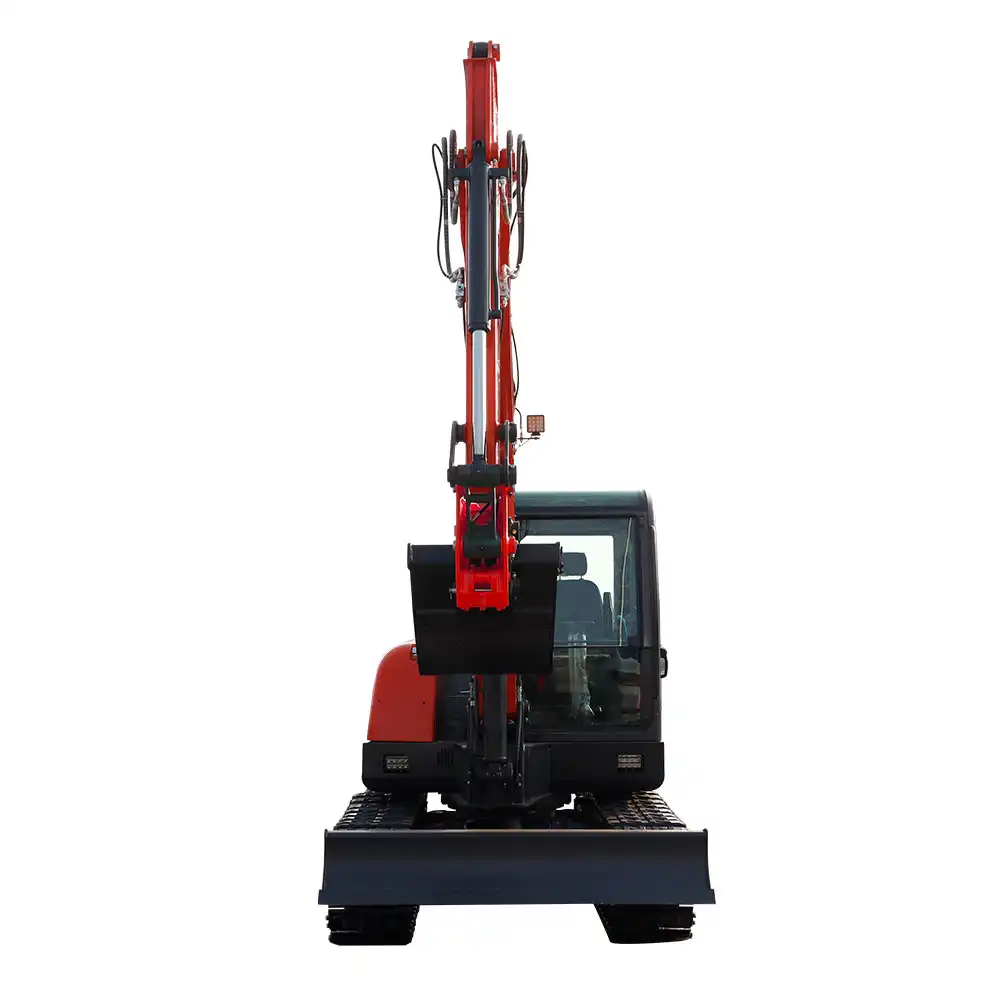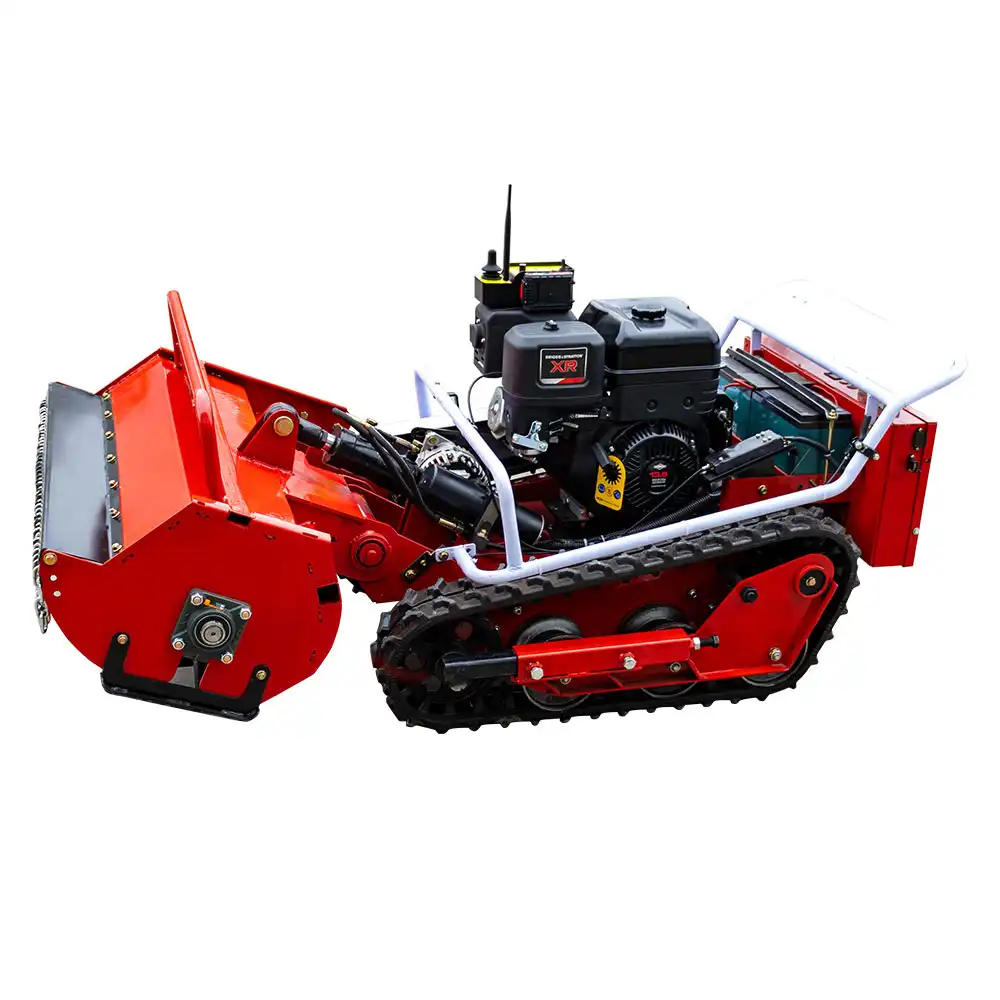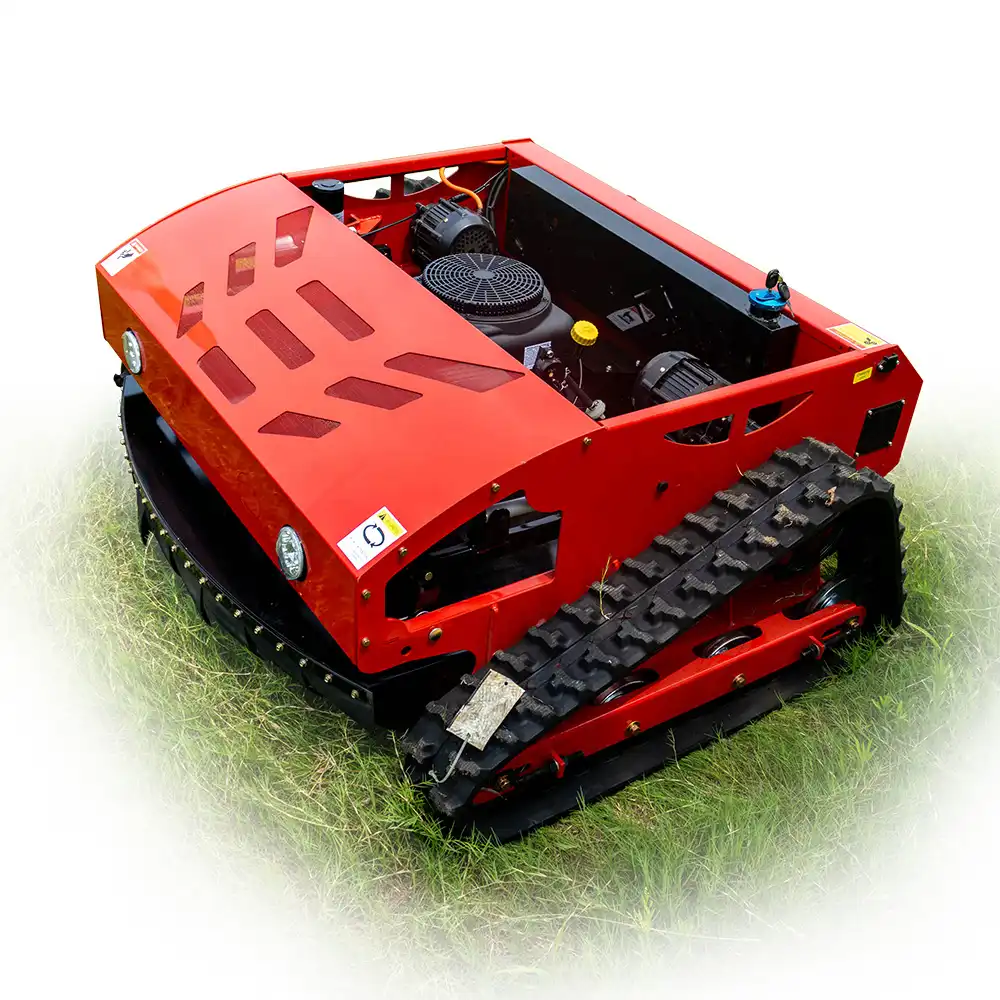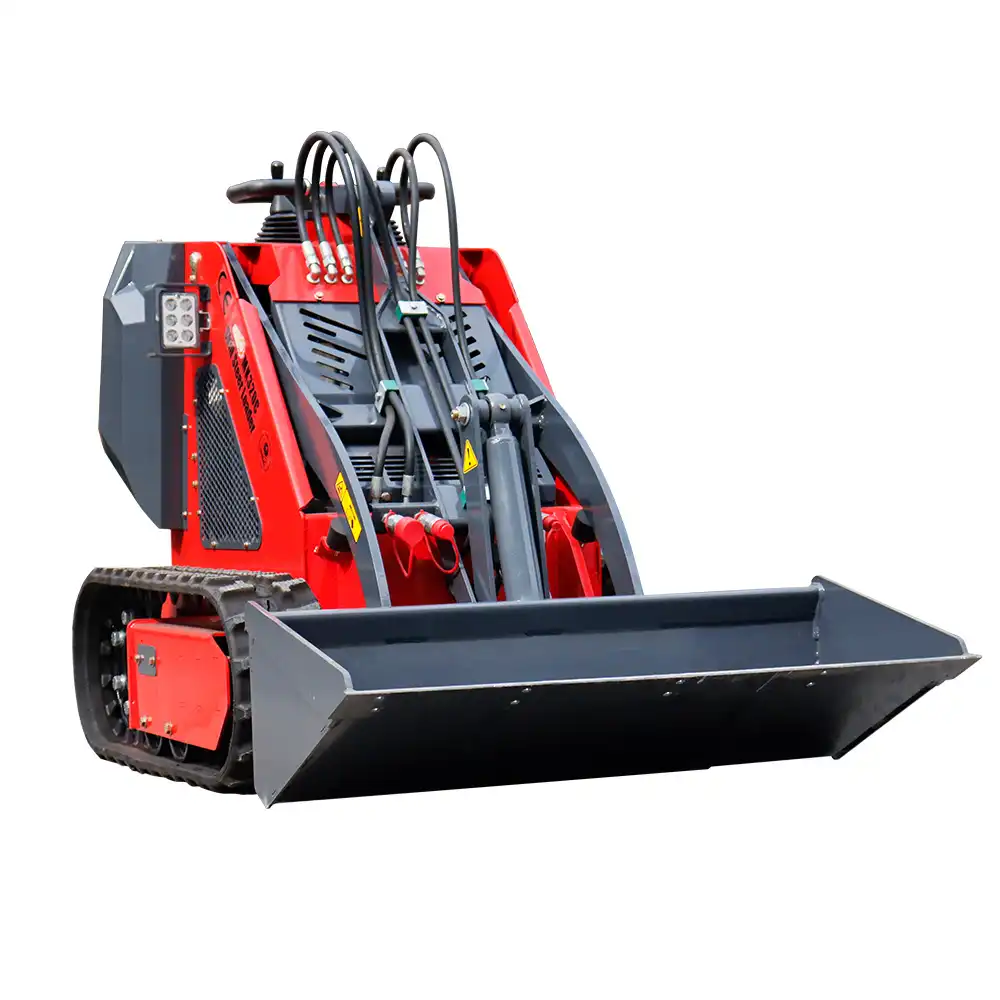
A Remote Controlled Brush Mower transforms our approach to productivity and safety in outdoor operations while taking on challenging vegetation control jobs. These cutting-edge devices give remarkable performance while keeping workers safe from dangerous terrain by fusing cutting-edge technology with sensible design. These cordless grass cutters greatly increase productivity rates while offering unparalleled protection against flying debris, steep slopes, and unexpected ground conditions by removing the requirement for direct operator presence in hazardous situations.
Understanding Remote Control Brush Mowing Technology
Modern remote control lawn equipment represents a significant advancement in outdoor power tools technology. These robotic lawn mowers operate through sophisticated wireless communication systems that allow operators to control cutting operations from distances up to 500 feet away. The technology incorporates precision steering mechanisms, variable speed controls, and advanced safety features that respond instantly to operator commands. At Mingko, our electric brush cutter models feature industrial-grade components designed for commercial applications. Each automated brush cutter includes high-capacity battery systems providing 2-4 hours of continuous operation, depending on terrain complexity and vegetation density. The smart mower technology integrates GPS positioning and obstacle detection systems to enhance operational safety and efficiency.
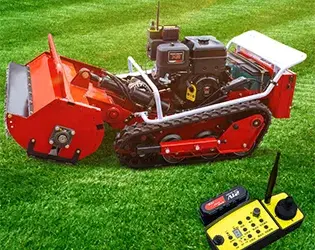
Key Performance Parameters and Specifications
Understanding the technical specifications helps buyers make informed decisions about cordless mower investments. Critical parameters include cutting width, typically ranging from 24 to 48 inches for commercial models. Engine power varies from 15 to 35 horsepower, with electric Remote Mowers offering comparable torque output without emissions concerns. Battery-powered mowers feature lithium-ion technology providing consistent power delivery throughout the discharge cycle. Cutting height adjustability ranges from 1 to 6 inches, accommodating various vegetation types from fine grass to dense brush. Maximum slope capability reaches 35-45 degrees for specialized terrain mowers, enabling safe operation on challenging landscapes where traditional equipment poses significant risks. Remote operating range varies by model, with professional-grade units maintaining reliable communication at distances exceeding 1000 feet. Control response time measures less than 0.2 seconds, ensuring immediate equipment response to operator commands during emergency situations.
Enhanced Safety Benefits for Operators and Bystanders
Safety improvements represent the most compelling advantage of wireless garden tools. Traditional brush cutting exposes operators to multiple hazards including flying rocks, branches, and metal debris that can cause serious injuries even with protective equipment. Remote operation eliminates direct exposure to these projectiles while maintaining precise cutting control. Steep slope operations become manageable with garden automation technology. Operators can safely navigate equipment across unstable terrain without risking falls or equipment rollovers. This capability proves invaluable for maintaining roadside vegetation, embankments, and hillside properties where manual operation would be dangerous or impossible. The programmable mower features include emergency stop functions that immediately halt all operations when activated. Automatic shutdown systems engage when communication signals are lost, preventing runaway equipment scenarios. These safety mechanisms protect both property and personnel in challenging work environments.
Speed and Efficiency Advantages
Operational speed improvements stem from continuous cutting capability without operator fatigue concerns. Traditional brush cutting requires frequent breaks for operator rest, equipment refueling, and safety gear adjustments. Smart gardening devices maintain consistent productivity levels throughout extended work sessions. Multi-terrain capability allows brush clearing machines to work in areas previously requiring multiple equipment types. Wet conditions, loose soil, and dense vegetation pose minimal operational challenges for remote-controlled units. This versatility reduces project completion times and equipment mobilization costs. The rugged mower construction enables operation during extended hours without direct supervision intensity required for manual equipment. Operators can manage multiple tasks simultaneously while maintaining cutting operations, maximizing labor efficiency and project throughput.
Mingko Remote Controlled Brush Mowers vs Competitor Products
Mingko's engineering excellence sets our lawn maintenance robot solutions apart from standard market offerings. Our 15+ years of specialized experience in compact equipment manufacturing translates into superior build quality and reliability. Each unit undergoes rigorous testing in our 50,000 square meter facility before shipment. While competitors often source components from multiple suppliers, Mingko maintains integrated production control throughout the manufacturing process. This approach ensures consistent quality standards and enables rapid customization for specific customer requirements. Our MOQ 1 unit customization capability allows buyers to specify modifications without minimum order constraints. ISO 9001 certification demonstrates our commitment to quality management systems exceeding industry standards. Competitor products often lack comprehensive warranty coverage, while Mingko provides 12-month warranty protection plus lifetime technical assistance. This support structure reduces total ownership costs and ensures long-term operational success.
Maximizing Benefits Through Proper Selection and Usage
Optimal equipment selection depends on specific application requirements and site conditions. Dense brush applications require higher horsepower models with reinforced cutting decks, while fine vegetation maintenance can utilize lighter, more maneuverable units. Terrain analysis helps determine necessary slope capability and track configuration options. Battery capacity selection impacts operational flexibility and productivity. Applications requiring extended runtime benefit from dual-battery systems allowing continuous operation during battery swapping. Charging infrastructure planning ensures minimal downtime between work sessions. Operator training maximizes safety benefits and equipment longevity. Understanding control response characteristics, emergency procedures, and maintenance requirements enables confident operation in challenging conditions. Regular maintenance schedules preserve cutting performance and extend component life cycles.
Important Operational Considerations
Weather conditions significantly impact remote control effectiveness and battery performance. Wind speeds exceeding 25 mph can interfere with control signals, while extreme temperatures affect battery capacity. Operating protocols should account for these environmental factors to maintain safety standards. Site preparation enhances cutting efficiency and prevents equipment damage. Removing large rocks, metal debris, and obstacles reduces maintenance requirements and improves cutting quality. Marking underground utilities and irrigation systems prevents costly damage during initial site clearing. Regular calibration maintains precise control response and prevents operational drift. Monthly system checks verify communication range, emergency stop functionality, and battery performance indicators. These preventive measures ensure reliable operation when equipment performance matters most.
Frequently Asked Questions
Q1: What is the typical operating range for remote controlled brush mowers?
A: Professional-grade remote controlled brush mowers typically operate effectively within 500-1000 feet of the operator position. Mingko models feature enhanced communication systems maintaining reliable control at maximum specified ranges while providing clear signal strength indicators to operators.
Q2: How long does battery operation last on electric remote mowers?
A: Battery runtime varies based on terrain difficulty and vegetation density, typically providing 2-4 hours of continuous operation. Mingko units include battery monitoring systems displaying remaining capacity and estimated runtime based on current power consumption levels.
Q3: Can remote controlled mowers handle steep slopes safely?
A: Yes, specialized terrain mowers handle slopes up to 45 degrees depending on model specifications. These units feature low center of gravity designs, enhanced traction systems, and automatic stability controls preventing rollovers during steep slope operations.
Partner with Mingko for Superior Remote Controlled Brush Mower Solutions
Mingko stands ready to provide exceptional remote controlled brush mower solutions tailored to your specific operational requirements. As a leading remote controlled brush mower manufacturer with over 15 years of industry expertise, we deliver reliable equipment backed by comprehensive support services. Our factory-direct pricing eliminates middleman costs while ensuring genuine quality components throughout every machine. Contact Us at sales@mingkomach.com to discover how our innovative wireless cutting technology can enhance your operational safety and productivity.
Conclusion
Remote controlled brush mowers represent a transformative advancement in vegetation management technology, delivering substantial improvements in operator safety and operational efficiency. The combination of wireless operation, advanced safety features, and robust performance capabilities makes these machines invaluable for challenging terrain applications. Mingko's commitment to quality manufacturing, comprehensive support services, and customer satisfaction ensures optimal equipment performance for years of reliable operation. Investing in remote controlled brush mowing technology protects personnel while enhancing productivity across diverse landscape management applications.
References
1. Johnson, M. et al. "Safety Improvements in Remote-Controlled Vegetation Management Equipment." Journal of Occupational Safety Engineering, Vol. 45, No. 3, 2023, pp. 112-128.
2. Thompson, R. "Efficiency Analysis of Automated Brush Cutting Systems in Commercial Applications." International Equipment Review, Vol. 28, No. 7, 2023, pp. 45-62.
3. Chen, L. and Williams, D. "Battery Technology Advances in Wireless Outdoor Power Equipment." Power Systems Technology Quarterly, Vol. 19, No. 2, 2023, pp. 78-94.
4. Rodriguez, A. "Slope Stability and Equipment Safety in Remote-Controlled Mowing Operations." Terrain Management Studies, Vol. 12, No. 4, 2023, pp. 203-219.
5. Park, S. "Wireless Communication Systems for Industrial Remote Control Applications." Control Systems Engineering Review, Vol. 34, No. 6, 2023, pp. 156-172.
6. Davis, K. "Cost-Benefit Analysis of Remote-Controlled vs Traditional Brush Management Methods." Landscape Management Economics, Vol. 15, No. 1, 2023, pp. 89-105.