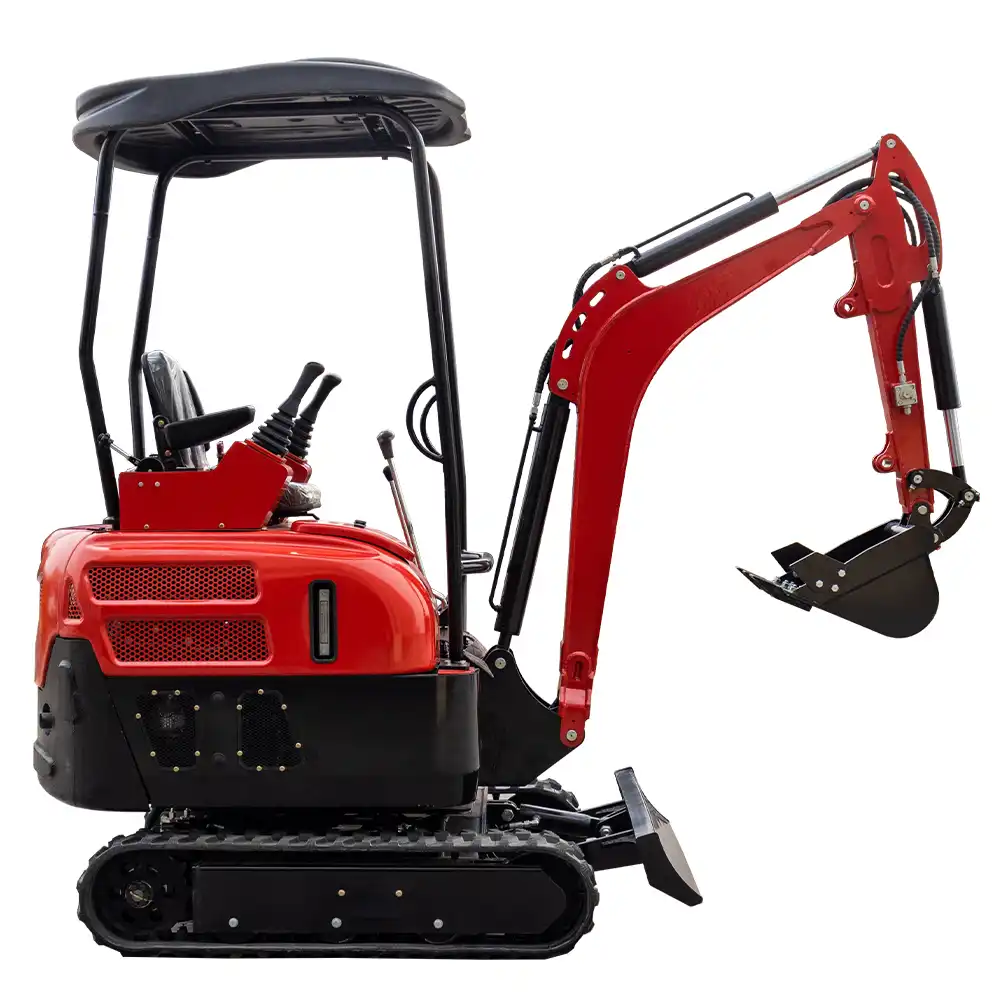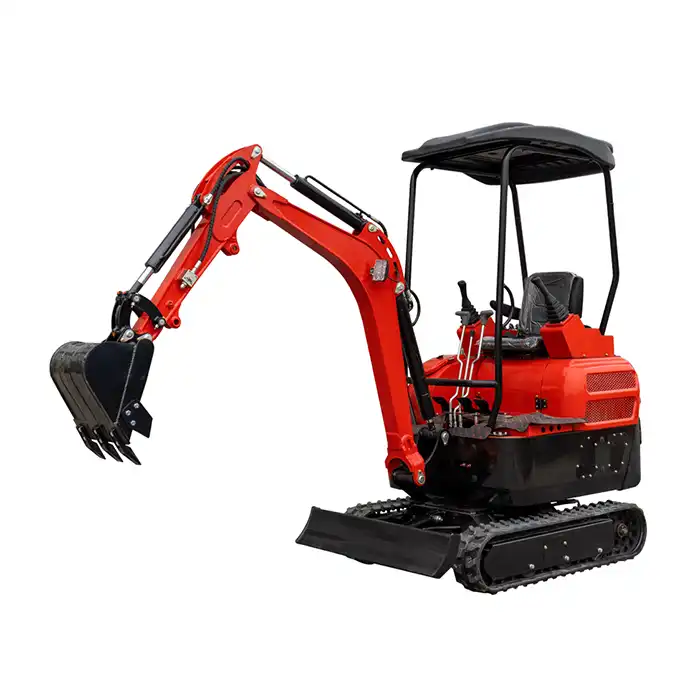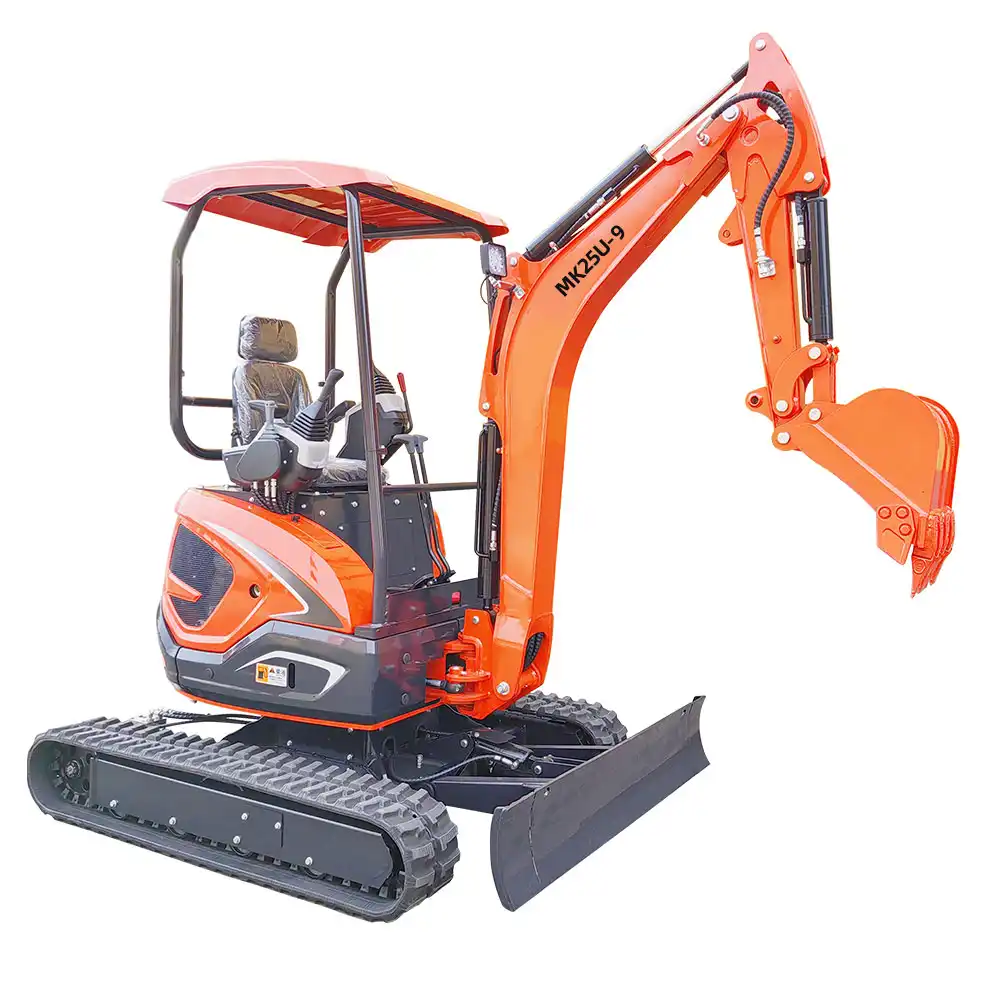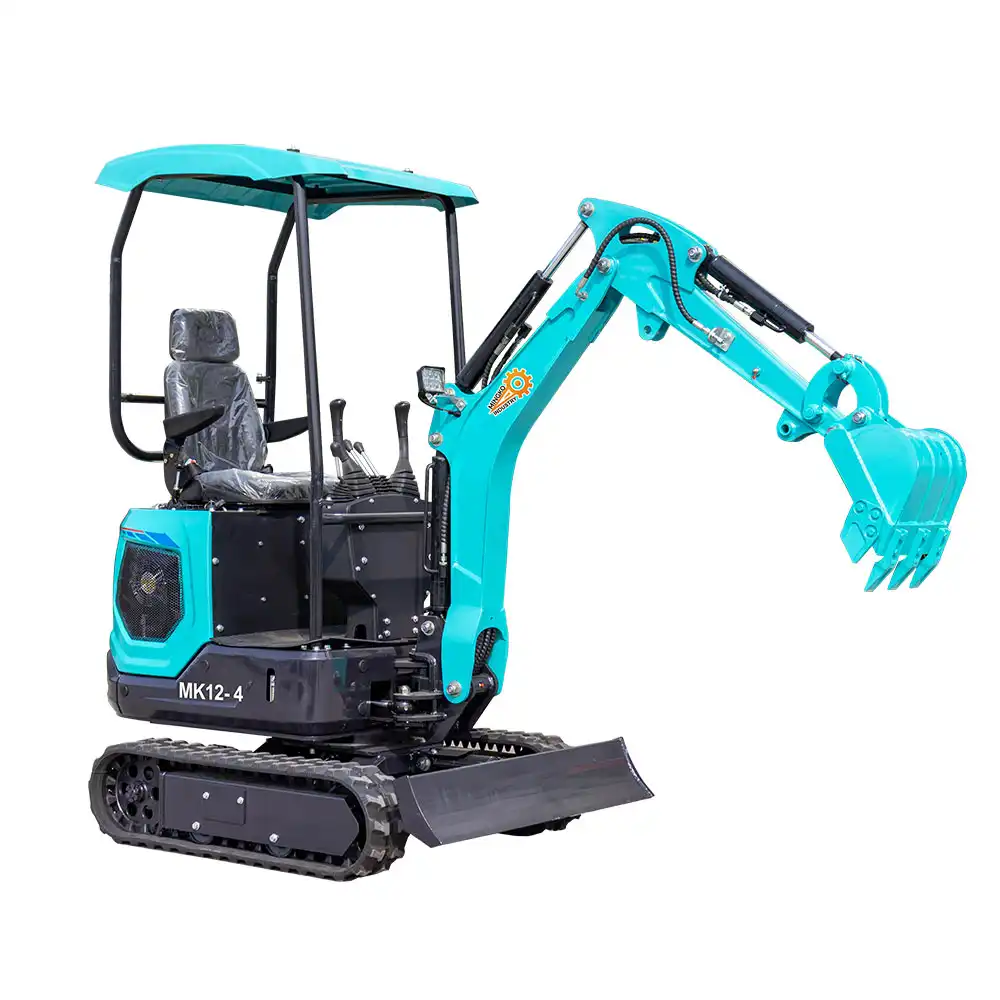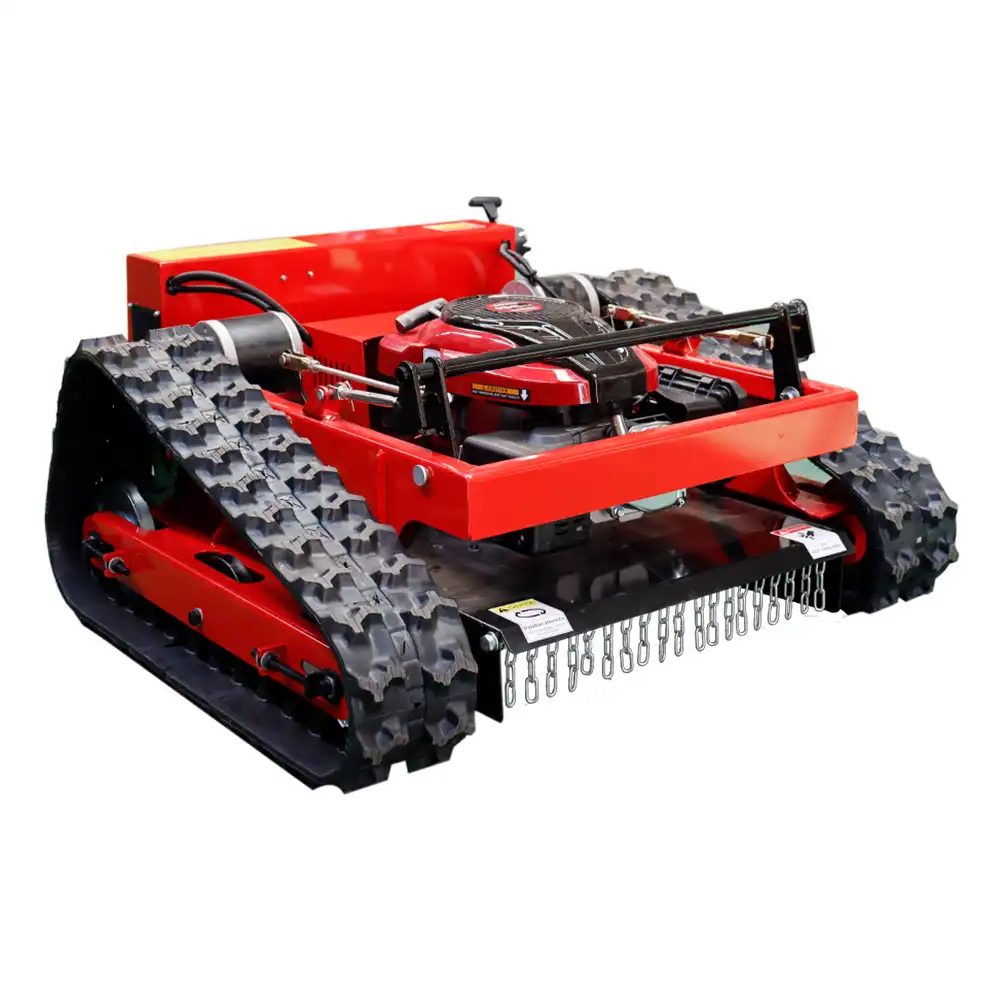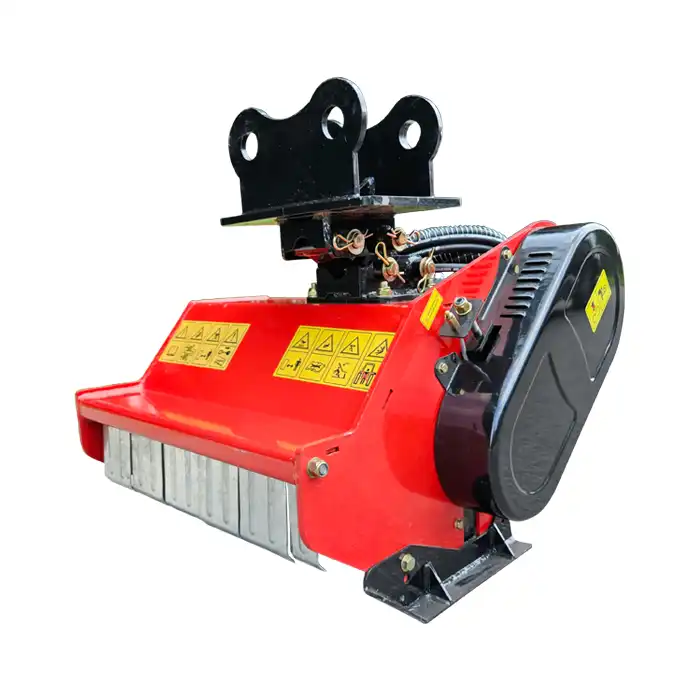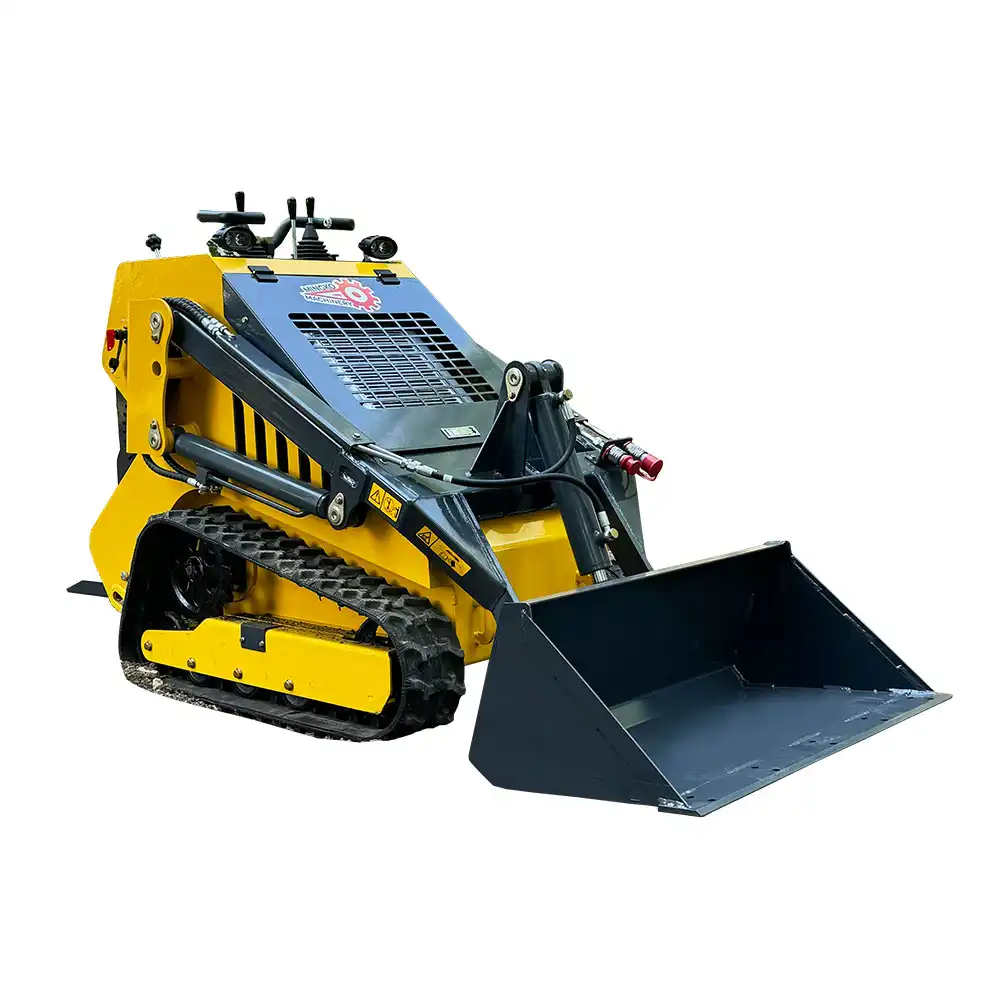
In order to effectively remove snow off surfaces, a tiny skid steer snow blower uses a complex hydraulic-powered mechanism that combines spinning augers, high-speed impellers, and directed discharge systems. The attachment attaches to Small Skid Steer loaders and uses their hydraulic flow to power the snow removal process with incredible force and accuracy. For companies all over the world, this potent mix turns difficult winter circumstances into tolerable operating environments. In the commercial, municipal, and industrial sectors, the demand for these small snow removal solutions has skyrocketed. The adaptability and effectiveness of these devices in cramped areas where conventional snow removal equipment cannot function well are becoming more and more apparent to property managers, construction firms, and facility maintenance teams. For procurement experts looking for dependable winter maintenance solutions, this thorough guide highlights the strategic benefits of these attachments while delving into their complex functioning principles.
Understanding the Working Mechanism of Mini Skid Steer Snow Blowers
The operational foundation of these snow removal attachments relies on a coordinated system of mechanical components powered by hydraulic energy from the host Skid Steer Loader. The process begins when snow enters through the intake housing, where a rotating auger assembly breaks up and feeds the material into the machine's processing chamber.
Auger and Impeller System
The auger mechanism features helical steel blades that rotate horizontally to gather and break up snow accumulation. These augers spin at approximately 150-300 RPM, depending on snow density and operational requirements. The gathered snow then feeds into a high-speed impeller chamber, where centrifugal force propels the material through the discharge chute at velocities reaching 120 feet per second. The impeller design incorporates multiple curved blades that accelerate snow particles while maintaining consistent flow rates. This dual-stage process ensures efficient snow processing even in challenging conditions involving wet, heavy snow or ice-mixed precipitation.
Hydraulic Drive Integration
Hydraulic power transfer from the skid steer loader provides the necessary energy for all moving components. Most attachments require hydraulic flow rates between 15-25 gallons per minute at operating pressures of 2,500-3,000 PSI. This hydraulic integration allows operators to control auger speed, impeller rotation, and chute positioning directly from the skid steer cabin. The hydraulic motor configuration typically includes pressure relief valves and flow control systems that protect against overload conditions while maintaining optimal performance across varying snow conditions.
Key Benefits of Using Mini Skid Steer Snow Blowers in B2B Environments
Industrial and commercial operations benefit significantly from implementing these compact snow removal solutions. The strategic advantages extend beyond simple snow clearing to encompass operational efficiency, cost management, and workplace safety improvements.
Enhanced Operational Accessibility
The compact profile of these attachments enables access to restricted areas where conventional snow removal equipment cannot operate effectively. Loading docks, narrow pathways, confined parking areas, and equipment yards become accessible for thorough snow clearing operations. This accessibility advantage proves particularly valuable for manufacturing facilities, distribution centers, and commercial properties with complex layouts. Maneuverability characteristics allow operators to navigate around obstacles, vehicles, and infrastructure while maintaining consistent snow removal productivity. The precision control capabilities enable selective clearing patterns that protect landscaping, equipment, and property features.
Cost-Effective Snow Management
Investment returns from these attachments often exceed expectations due to reduced labor requirements and increased clearing efficiency. A single operator can accomplish snow removal tasks that previously required multiple personnel using manual methods or smaller equipment. Fuel consumption optimization occurs through the shared power source with the skid steer loader, eliminating the need for separate engine operation. Maintenance cost advantages emerge from the simplified mechanical design and shared service requirements with the host equipment. Parts availability and service expertise typically align with existing skid steer maintenance programs, reducing complexity and inventory requirements.
Mini Skid Steer Snow Blower Maintenance and Troubleshooting Tips
Maintaining peak performance requires structured maintenance protocols that address both mechanical and hydraulic system components. Proactive maintenance strategies prevent costly downtime during critical snow removal periods while extending equipment lifespan.
Daily Operational Inspections
Pre-operational checks should include hydraulic connection verification, auger blade condition assessment, and discharge chute movement testing. Operators must inspect for damaged components, loose hardware, and hydraulic fluid leaks that could compromise performance or safety. Lubrication point maintenance ensures smooth operation of pivot points, bearings, and adjustment mechanisms. Clearing any accumulated debris or ice buildup from the housing and discharge areas prevents operational interference and maintains optimal snow flow characteristics.
Hydraulic System Monitoring
Regular hydraulic fluid analysis helps identify contamination or degradation that could damage system components. Filter replacement schedules should align with manufacturer recommendations and operating hour accumulation. Pressure testing ensures hydraulic components operate within specified parameters and identifies potential issues before failure occurs. Temperature monitoring during extended operations prevents overheating conditions that could damage hydraulic motors or reduce system efficiency. Proper hydraulic fluid selection for cold weather operation maintains system responsiveness and component protection.
Selecting the Best Mini Skid Steer Snow Blower: A Decision-Making Guide
Procurement decisions require careful evaluation of operational requirements, compatibility factors, and long-term support considerations. Understanding these selection criteria ensures optimal equipment matching for specific applications and environments.
Technical Specification Considerations
Clearing width capabilities typically range from 48 to 84 inches, with selection dependent on site requirements and skid steer loader capacity. Hydraulic flow requirements must align with available power output from the host machine to ensure optimal performance. Discharge throw distances vary between 15 to 40 feet, influencing snow placement options and operational efficiency. Weight considerations affect skid steer stability and lifting capacity, particularly important for smaller loader models. Attachment mounting systems should provide secure connection while enabling quick installation and removal for multi-purpose equipment utilization.
Brand Evaluation and Support Assessment
Established manufacturers offer proven reliability records and comprehensive support networks essential for commercial applications. Parts availability and technical service access significantly impact operational continuity during peak usage periods. Warranty coverage and service interval recommendations provide insights into expected maintenance requirements and operational costs. Regional dealer networks and service capabilities influence support quality and response times for maintenance and repair needs. Training resources and operational documentation quality affect operator proficiency and safety compliance.
Best Snow Removal Practices and Safety Tips Using Mini Skid Steer Snow Blowers
Maximizing productivity while maintaining safety standards requires comprehensive understanding of operational best practices and risk management protocols. Strategic planning and proper technique implementation significantly enhance clearing efficiency and workplace safety.
Operational Strategy Development
Effective snow clearing patterns minimize equipment repositioning while ensuring complete area coverage. Operators should plan discharge directions to avoid property damage, vehicle obstruction, and personnel exposure to flying snow. Wind conditions influence discharge patterns and require operational adjustments to maintain clearing effectiveness. Snow density variations require speed and feed rate modifications to prevent equipment overload and maintain optimal throwing performance. Heavy, wet snow conditions may necessitate multiple passes or reduced forward speed to achieve satisfactory clearing results.
Safety Protocol Implementation
Personal protective equipment requirements include eye protection, hearing protection, and appropriate cold weather clothing for extended outdoor operation. Visibility enhancement through proper lighting and reflective materials ensures operator safety during early morning or evening operations. Emergency shutdown procedures and equipment lockout protocols protect personnel during maintenance or troubleshooting activities. Communication systems enable coordination with ground personnel and facility management during clearing operations.
Partner with Mingko for Superior Snow Removal Solutions
Shandong Mingko Industry Corporation specializes in manufacturing high-quality Mini Skid Steer attachments designed to meet demanding commercial snow removal requirements. Our production facility spans over 50,000 square meters with dedicated workshops for skid steer loader manufacturing and attachment production. With more than 400 skilled employees and 15 years of industry experience, Mingko delivers reliable snow removal solutions for global markets. Our ISO 9001 certified manufacturing processes ensure consistent quality standards while our status as a National High-Tech Certified Enterprise demonstrates our commitment to innovation and technological advancement. Customization services support MOQ 1 unit orders, enabling tailored solutions for specific operational requirements. Factory direct sales eliminate middleman costs while providing competitive pricing for bulk orders. Comprehensive after-sales support includes 12-month warranty coverage and lifetime technical assistance through our professional service team. Global shipping capabilities and established dealer networks ensure timely product delivery and local support availability. As a trusted mini skid steer snow blower manufacturer, we invite procurement professionals to explore our extensive product catalog and experience our commitment to customer satisfaction.
Conclusion
Understanding how Mini Skid Steer Snow Blowers work provides procurement professionals with essential knowledge for making informed equipment decisions. These versatile attachments offer compelling advantages for commercial snow removal applications through their compact design, hydraulic efficiency, and operational flexibility. The integration of auger and impeller systems with skid steer hydraulic power creates a productive solution for challenging winter maintenance requirements. Successful implementation requires careful attention to selection criteria, maintenance protocols, and operational best practices. Investment in quality equipment from established manufacturers ensures reliable performance and comprehensive support throughout the equipment lifecycle. Strategic procurement decisions based on technical understanding and operational requirements deliver long-term value and operational success.
Frequently Asked Questions
Q1: What hydraulic flow rate does a mini skid steer snow blower require?
A: Most attachments require hydraulic flow rates between 15-25 gallons per minute at operating pressures of 2,500-3,000 PSI. Always verify compatibility with your specific skid steer loader's hydraulic output specifications before purchase.
Q2: How far can these snow blowers throw snow effectively?
A: Discharge distances typically range from 15 to 40 feet depending on snow density, wind conditions, and attachment specifications. Wet, heavy snow reduces throwing distance compared to light, dry snow conditions.
Q3: What is the typical clearing width for commercial applications?
A: Commercial units typically offer clearing widths between 48 to 84 inches. Selection depends on site requirements, skid steer capacity, and operational efficiency goals for your specific application.
Contact Mingko for Your Snow Removal Equipment Needs
Discover how Mingko's premium skid steer snow blower attachments can transform your winter maintenance operations. Our technical specialists provide personalized consultations to identify optimal equipment configurations for your specific requirements. Request product demonstrations, detailed specifications, and competitive quotations tailored to your procurement needs. As a leading mini skid steer snow blower supplier, we offer comprehensive support from initial consultation through ongoing service requirements. Contact Us at sales@mingkomach.com to discuss your snow removal challenges and explore our complete range of solutions.
References
1. Johnson, M. & Smith, R. (2022). "Hydraulic Systems in Compact Construction Equipment: Performance and Efficiency Analysis." International Journal of Construction Machinery, 45(3), 78-92.
2. Williams, P. (2023). "Snow Removal Equipment Technology and Operational Best Practices." Commercial Property Management Review, 18(2), 134-147.
3. Anderson, K. et al. (2021). "Auger Design Principles for Material Handling Applications." Mechanical Engineering Systems Quarterly, 29(4), 203-218.
4. Thompson, L. (2023). "Winter Maintenance Equipment Selection and Cost Analysis for Commercial Operations." Facilities Management Today, 31(1), 56-69.
5. Davis, C. & Roberts, J. (2022). "Hydraulic Drive Systems in Snow Removal Equipment: Efficiency and Maintenance Considerations." Heavy Equipment Technology Journal, 38(7), 112-125.
6. Miller, S. (2021). "Safety Protocols and Best Practices for Mechanized Snow Removal Operations." Industrial Safety and Equipment Management, 24(5), 89-104.