Can a Mini Crawler Excavator Handle Heavy-Duty Tasks?
When procurement professionals think about buying small construction tools, they often have the same question: can machines that weigh less than two tons safely do hard digging work? The answer rests on how we describe "heavy-duty" and how well the specifications of the machine match the needs of the job. A Mini Crawler Excavator, especially one in the 1.5- to 2-ton range, can definitely handle heavy digging, trenching, and moving materials, but only if it has the right hydraulic systems, long-lasting parts, and realistic ideas about how much it can carry. Knowing what these machines can really do helps companies avoid buying expensive equipment that isn't right for the job. It can also help them get amazing results in crowded cities, on farmland, and in utility installs.
Understanding Mini Crawler Excavators: Features and Capabilities
In the past ten years, Mini Crawler Excavators have changed a lot. Modern designs combine advanced hydraulic controls for the pilot valve with powerful engines that use little fuel, giving them speed that belies their small size.
Core Components That Drive Performance
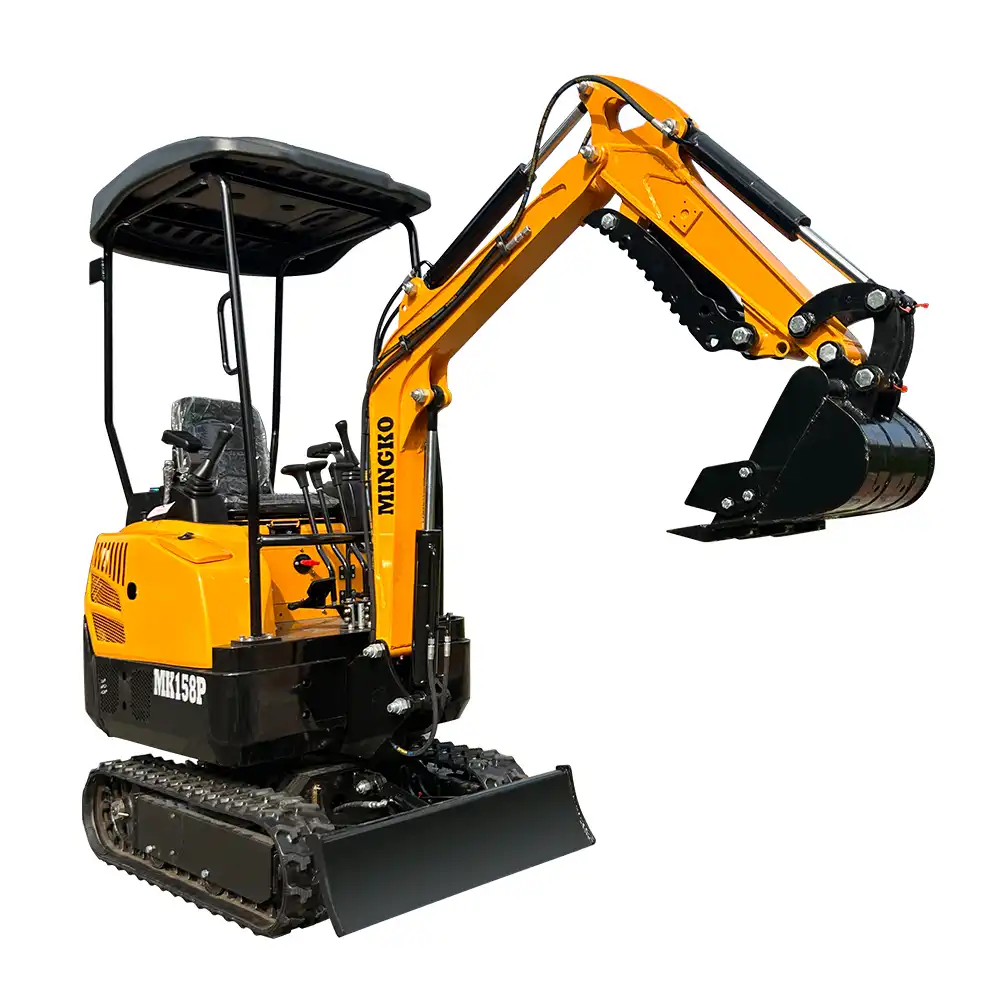
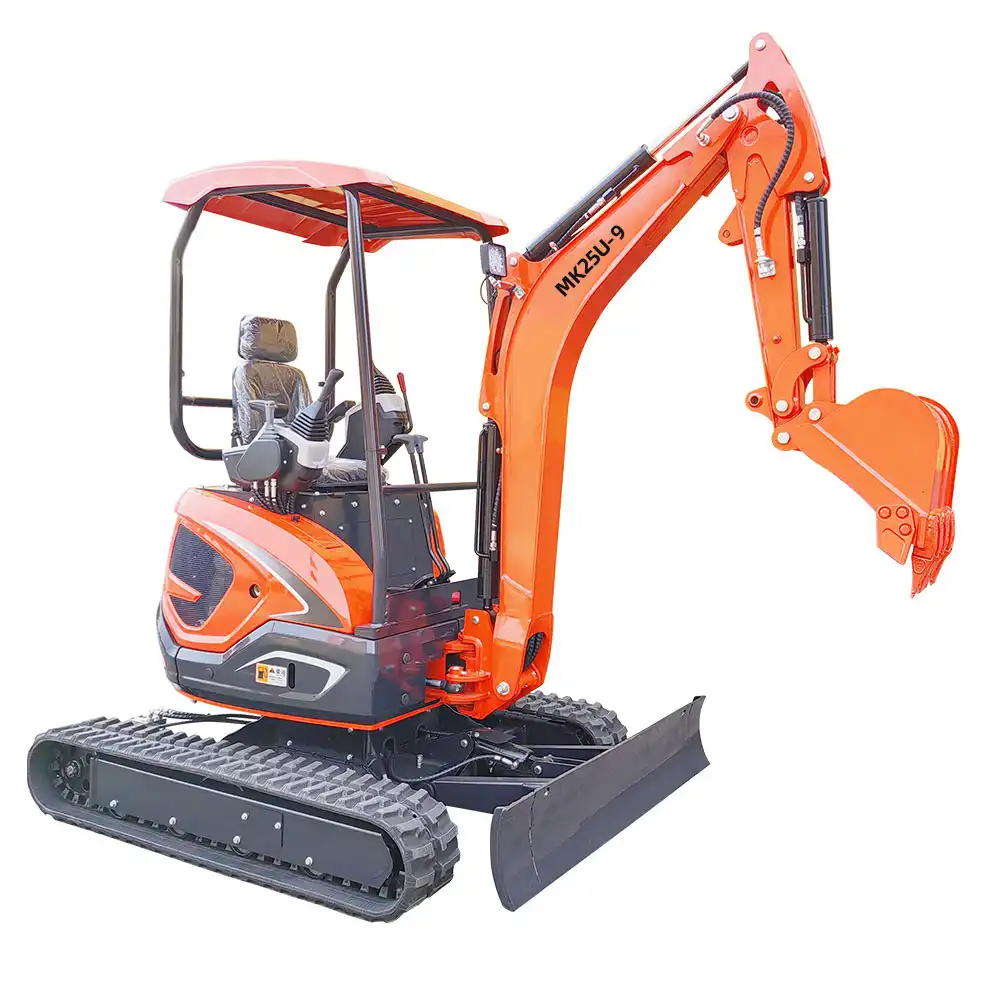
The fixed base makes the machine stable and evens out the ground pressure, which is very important for working on rough or soft ground. Rubber tracks keep the floor from getting damaged and keep the wheels from slipping on slopes up to 30 degrees. The machine's muscles are its hydraulic systems. The pilot valve technology lets workers exactly control the movements of the boom, arm, and bucket by using a joystick. This hydraulic power comes from engines like the EPA-compliant Kubota D722, which makes 10.2kw of power, which is enough for continuous digging rounds without using too much fuel.
Technical Specifications That Matter
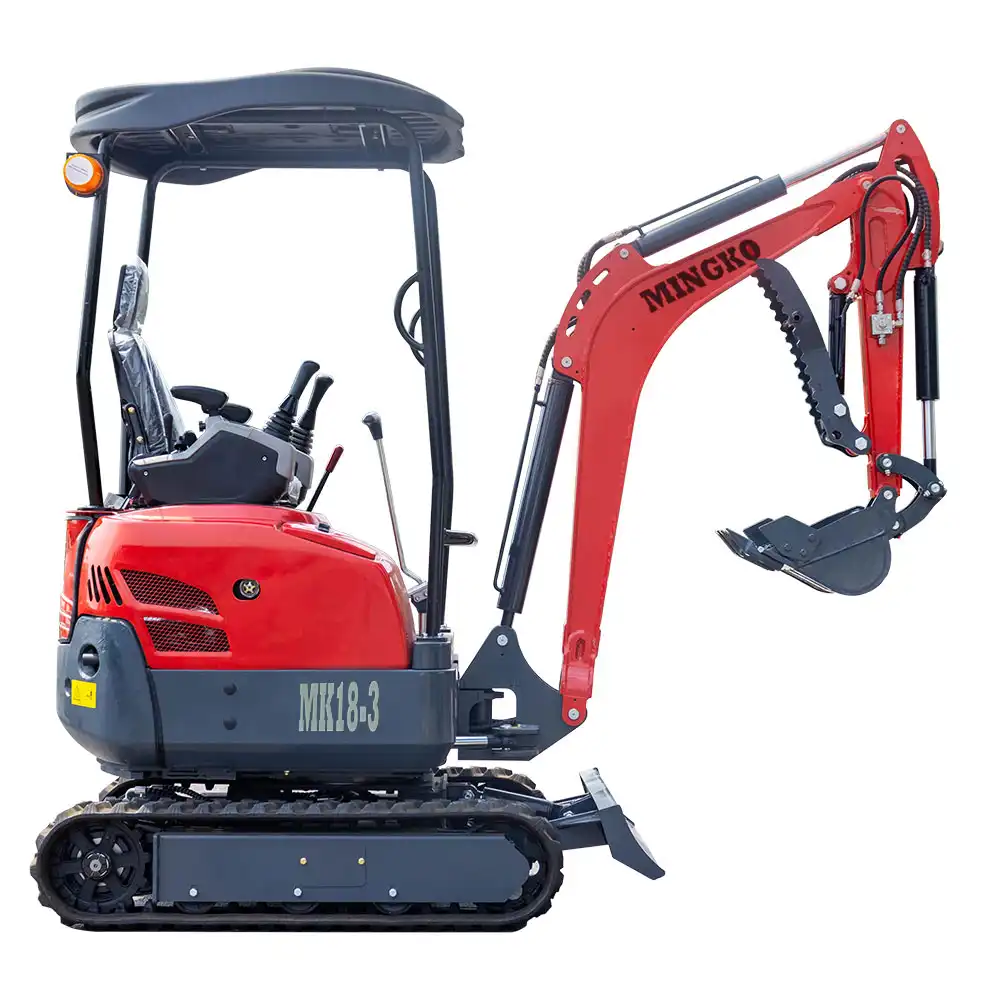
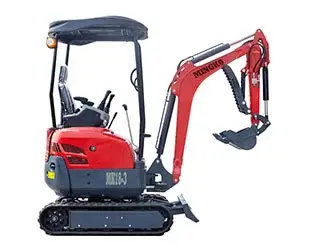
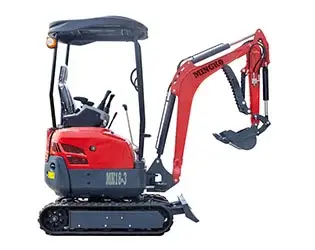
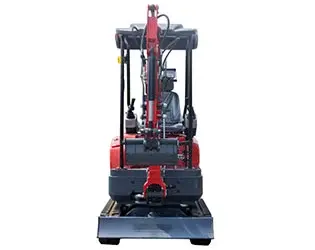
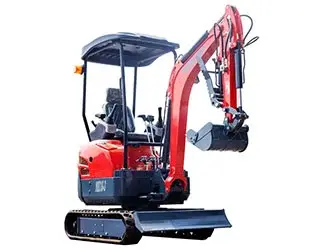
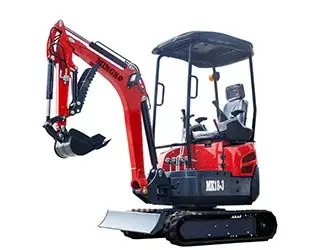
Shandong Mingko Industry Corporation's MK18-3 model shows how careful engineering can solve problems in the real world. This machine can dig as deep as 2,060 mm and as high as 2,580 mm. Its working weight is 1,800 kg, and its bucket can hold 0.03 cubic meters of dirt. The small size—only 1,100 mm wide—allows it to go through normal residential gates and narrow construction passageways that bigger machines can't get through. The iron shell balancer keeps the machine stable during high-reach tasks, keeping it from falling over, which can happen with machines that aren't balanced properly.
Operational Mobility and Versatility
Being able to travel at two speeds lets you quickly move between work zones, cutting down on the idle time that hurts the revenue of routes with multiple stops. The 75-degree left and 45-degree right swing curves of the boom give you a great working range without having to move the machine around all the time. Because of these specs, labor costs can be cut in half because one person can do chores like digging foundations, trenching for utilities, and compacting backfill that would normally take several people using hand tools.
Evaluating the Ability of Mini Crawler Excavators to Perform Heavy-Duty Tasks
To define heavy-duty work, you need to know what it is. For landscapers, that could mean digging through packed clay for ten hours a day. For utility companies, putting in underground lines could mean cutting through asphalt and rock. The Mini Crawler Excavator works well in these situations as long as the users know what its limits are.
Load Capacity and Operational Intensity
When properly kept, machines in the 1.8-ton class keep their digging force constant over long shifts. The pressure in the hydraulic system stays the same even during long breakout operations. This lets workers work on dense soils and broken rock. Real-world data from farming clients shows that these tools can dig irrigation trenches 40% faster than people can, and they only use an average of 2.5 liters of fuel per hour.
Real-World Case Studies
In the southwestern United States, a city contractor used similar Mini Crawler Excavators to fix utilities under sidewalks in historic areas. With a turning radius of only 1,711mm, it was possible to work on streets lined with trees, where bigger tools would damage the roots or need to close lanes. In six months, the team fixed more than 200 sites with no reports of property loss, which is impossible with normal tools.
In California's Central Valley, vineyard owners use 1.8-ton excavators for replanting because they allow for exact trenching that doesn't damage the current irrigation system. The hydraulic pilot control lets workers work just centimeters away from underground drip lines. This makes it 75% less likely that the lines will break by mistake than with bigger equipment. These tools work regularly in temperatures above 40°C, showing that they are thermally stable in tough situations.
Performance Metrics Under Sustained Load
Digging depth has a direct effect on how quickly a job is finished. The depth requirement of 2,060 mm lets plumbing systems, electricity ducts, and drainage pipes be installed in homes without having to change any equipment. With a maximum digging distance of 3,160mm, the working reach is increased. This means that the machine doesn't have to be moved around as often, which increases hourly output rates.
Comparison of Mini Crawler Excavators with Alternative Equipment for Heavy-Duty Tasks
When you compare Mini Crawler Excavators to other similar pieces of equipment, it's easier to make choices about what to buy.
Mini Crawler Excavators vs. Mini Skid Steers
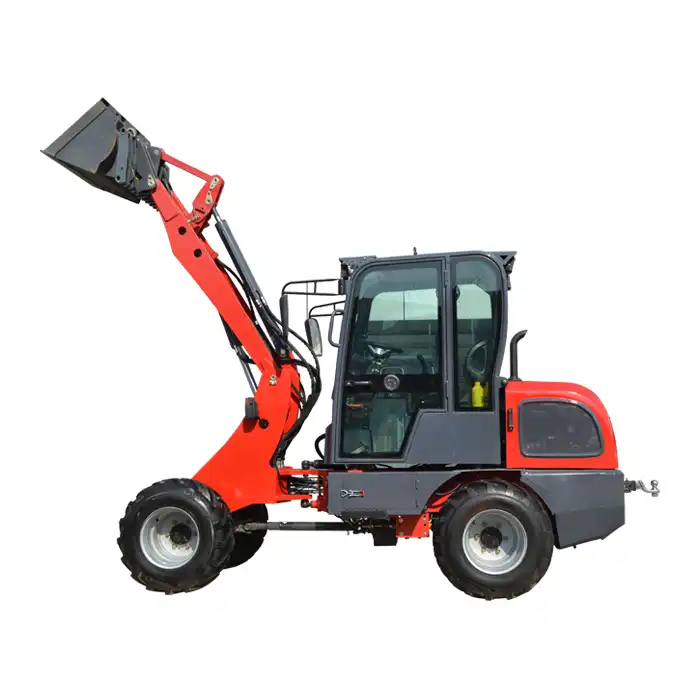
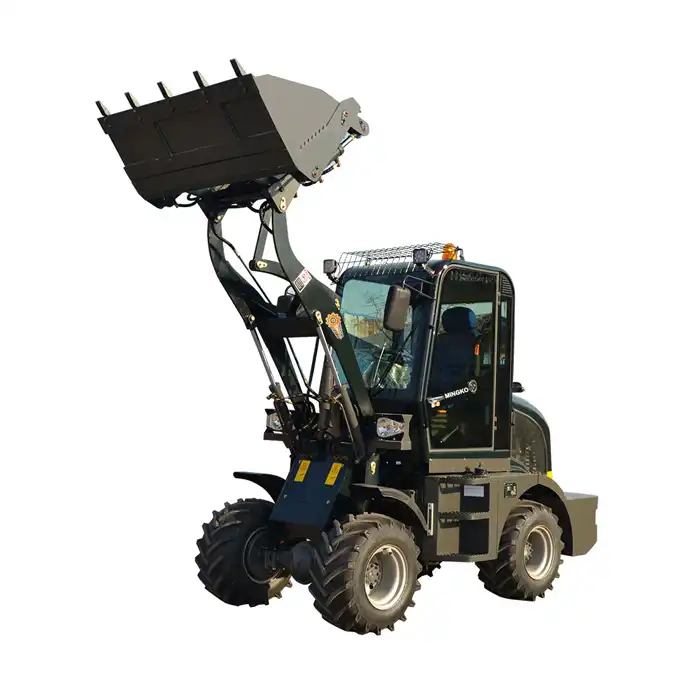
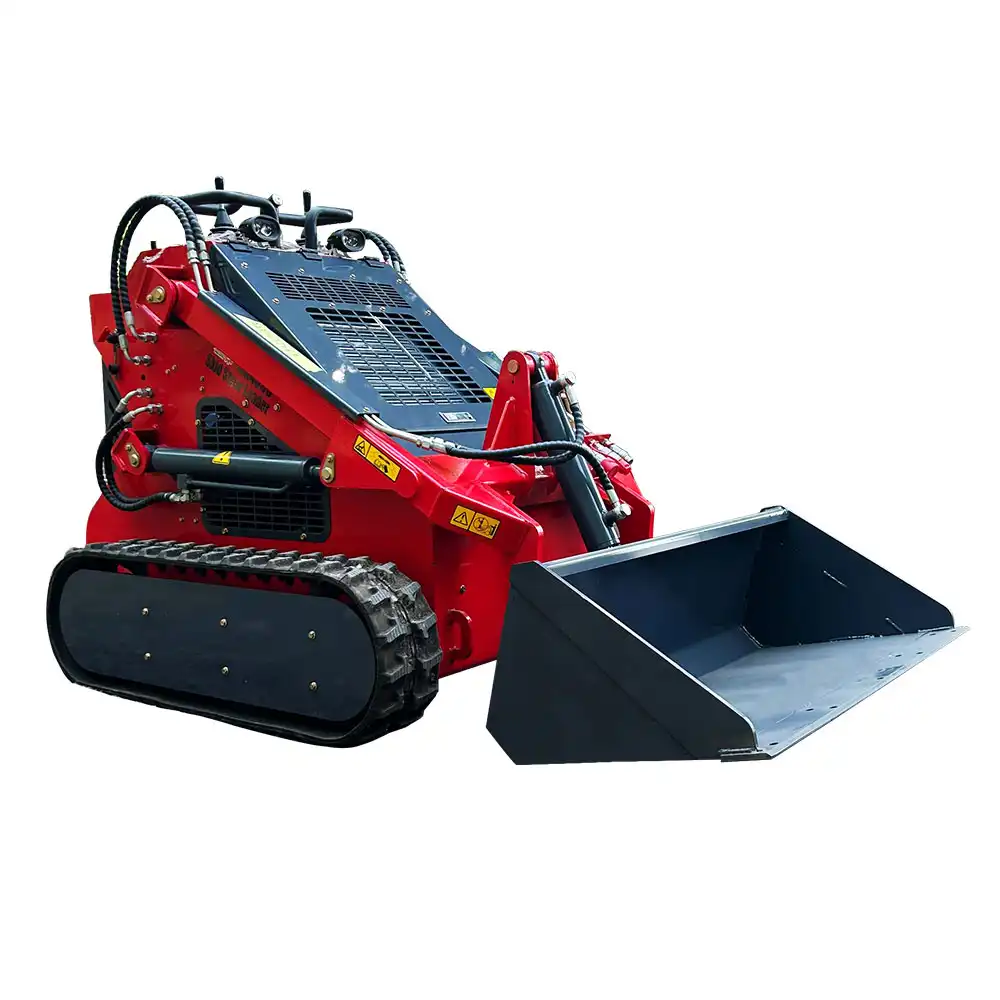
Skid Steer Loaders are great at moving things and leveling, but they can't dig as deeply or as precisely as tracked excavators can. A skid steer that can carry between 320 and 1,500 kg can't dig deeper than 2 meters, which is what utility work needs. Tracked excavators also spread their weight out more evenly, which keeps finished landscapes from getting damaged turf. This is a huge benefit for home builders who have to deal with expensive restoration claims.
The tracked design makes it more stable on hills and rough ground. Skid steers have trouble on grades higher than 15 degrees, but good Mini Crawler Excavators can work safely on 30-degree slopes. This skill is very important for building on hillsides, stabilizing embankments, and farming on terraces.
Diesel Engine Advantages for Demanding Applications
Electric versions get a lot of attention because they don't produce any pollution and are quiet, which makes them perfect for destruction inside or in noise-sensitive urban areas. Diesel engines, like the Kubota D722, are still the best choice for heavy work outside, though. They give out the same amount of power no matter what the temperature is outside, don't need to be charged, and have better torque at lower RPMs, all of which are important for all-day excavation rounds.
Total cost of ownership is higher for diesel cars in rural and farming areas with few electrical outlets. Quality diesel engines don't need to be serviced for 500 hours or more if the fluids are managed correctly, and parts are easy to get through established dealer networks, so there isn't much downtime.
Leading Manufacturers and Innovation Trends
Shandong Mingko Industry Corporation is a way of making things that focuses on useful dependability instead of extraneous complexity. The company makes 15,000 units of Mini Crawler Excavators, skid steer loaders, and other specialty equipment every year in a modern 50,000-square-meter factory with more than 400 workers. With ISO 9001 approval, quality control is always in place during the whole manufacturing process.
The company's 30 million RMB investment in its Jinxiang industrial park shows that it is committed to increasing output and improving technology. After ten years of constant research and development, their machines now include lessons learned from being used around the world. This has led to designs that balance speed with ease of maintenance.
Maintaining Performance and Safety During Heavy-Duty Operations
Reliability in tough situations relies on both how the Mini Crawler Excavator is built and how well it is used. Without proper upkeep, even the toughest equipment breaks down early.
Preventive Maintenance Protocols
The quality of hydraulic fluid has a direct effect on how long a device lasts. Before each shift, operators should check the fluid levels and keep an eye out for signs of contamination, such as particles or colors that don't seem right. Changing the oil and filter every 250 hours stops valve wear that makes control less accurate. It only takes thirty minutes to grease pivot points, check track tension, and look for cracks or bulges in hydraulic lines. Doing these things regularly saves thousands of dollars in replacement costs and lost productivity.
The Kubota D722 engine needs regular upkeep on its air filter, especially in dusty construction or farming areas. An air filter that is clogged can cut power output by up to 20% and make the car use a lot more fuel. Checking the cooling system's parts on a regular basis keeps it from getting too hot during long periods of high load.
Safety Features and Operator Training
When moving big things or working on slopes, stability controls are very important. The iron shell balance on the MK18-3 lowers the center of gravity, but users still need to know how much weight they can safely lift and not go beyond those limits. Modern machines have ROPS (Roll-Over Protective Structures) that keep users safe when the machine tips over, but this doesn't happen if workers are properly trained.
Certification programs teach operators how to spot dangerous ground conditions like soft fill, secret voids, and being close to buildings that need different methods. Companies that spend money on thorough training report 60% fewer accidents and much lower insurance costs.
Procurement Considerations for B2B Clients: Making the Right Choice
When you buy strategic Mini Crawler Excavators, you weigh the initial cost of the purchase against the long-term costs of operations and the needs for capability.
Total Cost of Ownership Analysis
Prices for good 1.8-ton excavators range from $18,000 to $28,000, based on the features and tools that come with the machine. Costs can be spread out over 36 to 60 months with rates usually between 4% and 7% APR. This lets businesses keep their cash for other investments. Operating costs, which include fuel, repairs, and pay for the user, are about $45 to $60 per hour. This means that these machines can be used for projects that need more than 500 hours of operation each year.
For pieces that have been well taken care of, residual values stay high. Five- to six-year-old machines from reputable brands still have between 55 and 65% of their original value. This gives businesses that change their equipment often ways to get out of their contracts.
Matching Equipment to Application Requirements
Urban workers can work in private areas without bothering people because the machines are small and make less noise. Clients in agriculture care most about using little fuel and doing easy repairs that field workers can do without special tools. For utility companies to work safely near current infrastructure, they need to be able to precisely control the depth of their work and be stable.
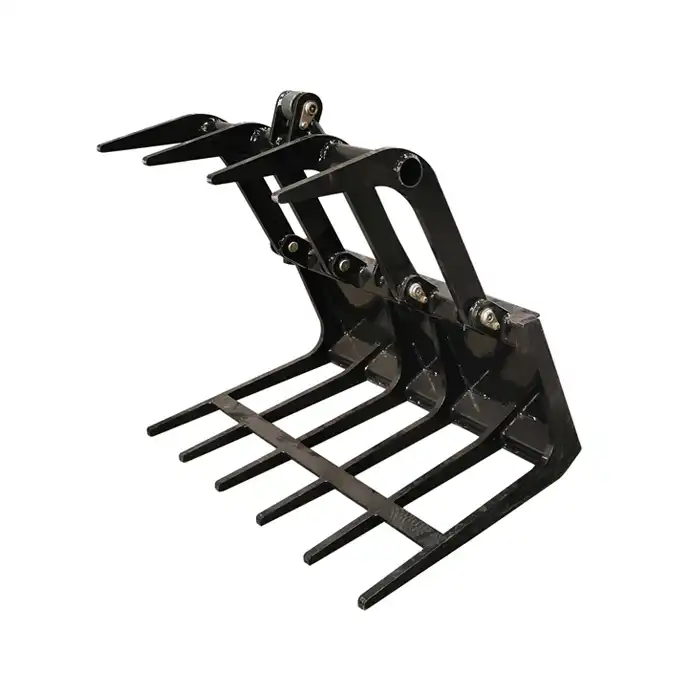
Attachment flexibility makes machines more useful. With hydraulic breaks, excavators can be turned into tools for tearing down concrete structures. Attachments for augers let you put up fence posts and dig holes in the ground for foundations. With grapples, you can clear brush and sort things. When clients buy an all-in-one connection package, they often get rid of several specialized machines and replace them with a single, flexible base.
Supplier Reliability and Support Infrastructure
When it comes to small equipment markets, manufacturer knowledge is very important. Because Shandong Mingko has been in foreign trade for more than 15 years, they know the rules in each market, can help customers with technical issues in the language they prefer, and can make sure that all the necessary paperwork is done for customs approval. Their fully-equipped buying, sales, after-sales service, and logistics teams work together to give customers support that independent dealers can't match.
Warranty terms show how confident the maker is. Meeko has a guarantee that lasts for 12 months and offers lifetime technical help. Access to parts through established distribution networks cuts down on downtime, which is very important for businesses because machine outages directly hurt profits. Companies should make sure that their sellers keep enough extra parts on hand and can ship important parts quickly.
Conclusion
Mini Crawler Excavators have grown into a category that can really do a lot of work when companies match the machine's specs to the needs of the job. The 1.8-ton class has a great digging depth, a lot of hydraulic power, and a lot of different ways to use it. It can also fit into spaces that bigger machines can't reach. Understanding the limits of these machines' performance is important for success. They are great at long-term digging in the right soil conditions, but they shouldn't be used instead of heavy equipment for large-scale earthmoving. These machines are very useful in building, agriculture, gardening, and utilities, as long as they are well maintained, operators are trained, and the right machine is matched to the job. When procurement professionals look at the total cost of ownership, the dependability of the provider, and the long-term support infrastructure, they make investments that improve business capability while keeping costs low.
FAQ
Can mini crawler excavators operate continuously on heavy-duty projects?
When workers stick to preventative maintenance plans, quality Mini Crawler Excavators in the 1.8-ton class keep working reliably during full-shift operations. Long rounds don't affect hydraulic systems, but workers should let them cool down for a short time when the temperature outside is very high. Consistent success on difficult projects is possible with good fluid control and component inspection.
How does fuel efficiency compare between diesel and electric models for intensive work?
Under normal load conditions, diesel engines like the Kubota D722 use about 2.5 liters of fuel per hour, but they have longer run times without having to wait for a reload. Electric types work well indoors and in places with noise restrictions, but they can't be used for long periods of time outside because the batteries don't hold enough power and there isn't a good way to charge them. Diesel will always be more useful for farming and building in rural areas.
What size excavator do I need for utility trenching and foundation work?
The 1.8-ton class can dig up to 2,060 mm deep, which is deep enough for home utility installs, irrigation systems, and light foundation work. Larger tools may be needed for projects that need ditches deeper than 2 meters, or that need to break up a lot of rock. Talking to suppliers with a lot of knowledge can help you match the machine's ability to the soil and the scope of the job.
Partner with a Trusted Mini Crawler Excavator Manufacturer
Businesses that want reliable small excavation equipment can get it from Meeko through Shandong Mingko Industry Corporation. Our production methods are ISO 9001-certified, and we are a National High-Tech Enterprise, which shows that we are committed to quality and new ideas. The MK18-3 type combines the dependability of a Kubota engine with the accuracy of a hydraulic pilot valve, giving Mini Crawler Excavators performance that goes above and beyond in tough situations.
We offer factory-direct prices, customization for as few as one unit, and full after-sales support, including a 12-month warranty and expert help for life. Our team knows how complicated business-to-business buying can be and can offer options that are flexible enough to fit your needs. Whether you need a single unit or a whole fleet, our experienced sales consultants will give you clear information, cheap quotes, and detailed specs throughout the whole buying process.
Get in touch with us at sales@mingkomach.com to talk about your project needs and find out how our Mini Crawler Excavators are a great deal. You can find full technical documentation, application videos, and customer reviews at sdmkmachinery.com. These show how the machines work in a variety of real-world settings.
References
1. Construction Equipment Association (2023). "Compact Excavator Performance Standards for Commercial Applications." Technical Publication Series, Volume 47.
2. Johnson, M. & Patterson, R. (2024). "Hydraulic System Efficiency in Small-Frame Excavation Equipment." Journal of Construction Machinery Engineering, 31(2), 145-167.
3. National Association of Equipment Distributors (2023). "Total Cost of Ownership Analysis for Compact Construction Equipment." Industry Research Report.
4. Reynolds, T. (2024). "Tracked vs. Wheeled Compact Equipment: A Comparative Study of Stability and Ground Pressure." Agricultural Engineering Quarterly, 58(3), 89-104.
5. United States Environmental Protection Agency (2023). "Engine Emission Standards for Off-Road Construction Equipment." Regulatory Compliance Guidelines, EPA-420-B-23-001.
6. Williams, S. & Chen, L. (2024). "Maintenance Protocols for Extended Equipment Life in High-Utilization Environments." Equipment Management Journal, 19(1), 23-41.