What Makes a Mini Excavator 3.5 Ton Ideal for Versatile Use?
The Mini Excavator 3.5 Ton is a great choice if you're looking for small building tools that can do a lot of different jobs without sacrificing power. This type of machine hits the perfect mix between portability and functionality, offering strong digging power in a size small enough to easily handle backyards, urban renovation sites, and farmland. Larger excavators are hard to move, and smaller ones don't have enough reach and depth. The 3.5-ton group, on the other hand, has hydraulic power similar to mid-sized equipment while still being maneuverable enough to keep projects moving quickly. For builders and landscaping experts alike, this flexibility means lower costs and a wider range of services.
Key Specifications That Define the 3.5 Ton Mini Excavator
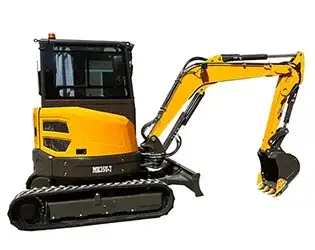
To understand what makes this machine unique, we must first look at the technical foundations that allow it to work well in a variety of settings.
Engine Performance and Fuel Efficiency
Modern small excavators in this weight range usually have diesel engines with 18 to 25 horsepower. These engines are carefully tuned to give the most torque at lower RPM levels, which is needed for digging jobs that need steady power. The Kubota D1703 engine in our MK35U-7 model from Shandong Mingko Industry Corporation makes 18.2kW (25HP) at 2200rpm and meets both Euro 5 and EPA4 emission standards. This water-cooled, three-cylinder engine makes 97.4N.m of torque at 1500rpm, giving you the low-end grunt you need for bucket exit force without using too much fuel.
When comparing running costs across types of tools, fuel economy is especially important. Diesel units this size use about two to three gallons of fuel per eight-hour shift in normal working conditions, which is a lot less than small track loaders or skid steers that do the same kind of ground work. The 40-liter fuel tank lets the vehicle run for a whole day without stopping to refuel. This means that teams can work from morning until afternoon without having to worry about logistics.
Advanced Hydraulic Systems and Control Precision
The core nervous system of tunneling work is the hydraulic system. The MK35U-7 works with a system pressure of 22.5Mpa. Fluid power flows through pilot-operated control valves that turn user commands into smooth, proportional actions of the bucket and boom. When compared to older equipment with direct-acting mechanical systems, this pilot valve design makes control much more precise while requiring less physical effort at the joysticks.
The bucket's digging force is 30.4kN and the arm's is 18.2kN. These specs make it possible for the machine to easily break through hardened clay, broken rock, and root-bound dirt. The 44-liter hydraulic oil tank keeps the fluid at a steady temperature, even during long digging rounds. Heat exchangers protect the oil from changing viscosity and make parts last longer. This thermal control is especially important in the summer, when high temperatures can make hydraulic systems less effective on tools that aren't well-equipped.
Digging Depth, Reach, and Working Envelope
The working area tells you where your machine can do useful work from where it is. With a maximum digging depth of 3208 mm and a maximum reach of 5480 mm, this type of equipment can reach trenching depths that are good for installing utilities in homes, doing foundation work, and installing drainage systems without having to move around between passes. The maximum digging depth is 4800 mm, which lets workers load cars or get to higher grading levels.
When working in places with limited room, Mini Excavator 3.5 Ton measurements give them effective benefits over heavier excavators. With an 860mm tail radius, the zero-tail-swing design lets it work close against walls, fences, or other structures that are already there, without the rear balance hitting anything while it turns. This feature alone makes it possible to bill for work on renovation projects and indoor demolition jobs that would not be possible with bigger tools.
Practical Advantages of 3.5 Ton Mini Excavators in Various Applications
Beyond the technical specs, how versatile these tools are in the real world depends on how well they handle the different problems builders face every day.
Compact Maneuverability in Confined Spaces
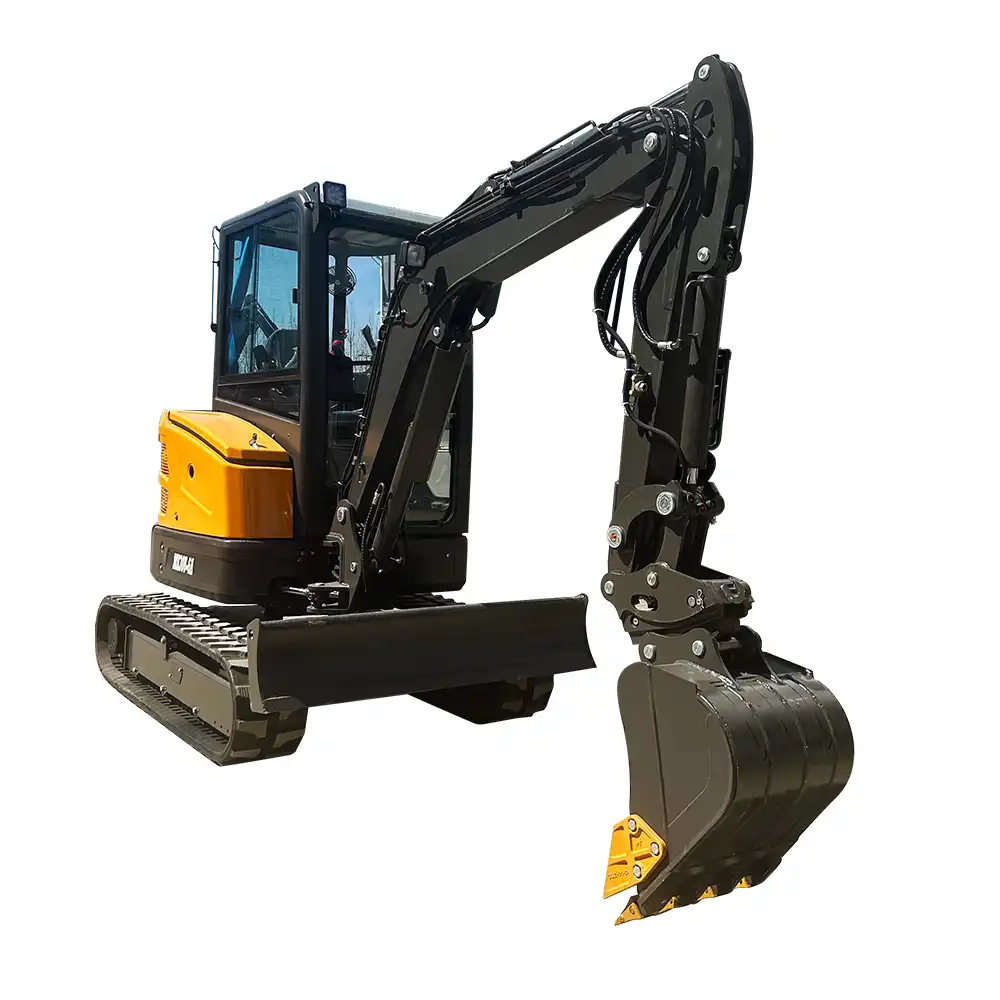
When working on construction or landscaping projects in cities or neighborhoods, people often have to go through gated properties, between buildings, or along small entryways where the size of their tools makes the job impossible. The MK35U-7 is 4915 mm long, 1720 mm wide, and 2525 mm high. These are normal trailer sizes that don't need any special permits for shipping, and they also fit through standard gate openings.
The 1420mm track gauge and 300mm steel track shoes spread the 3810kg working weight so that only 32kPa of ground pressure is created. This is less than many other choices for walk-behind equipment. This low ground pressure keeps grass from getting damaged on gardening sites and lets people work on sloped areas or areas that have just been backfilled without worrying about sinking. The turning radius for operators is less than 4.5 meters, which cuts down on the time needed to adjust and lets them get work done in places where bigger loaders would take too long to get around.
Fuel Economy and Lifecycle Cost Comparison
Operating costs decide how profitable a business is over the life of its tools. When compared to skid steers that are used for excavation work, small tractors use less fuel per cubic meter of material moved. When skid steers are attached to excavators, they usually use 30–40% more fuel because the power is sent through auxiliary hydraulic lines that are built for loader work less efficiently.
Maintenance times make operations even more cost-effective. Under normal conditions, the Kubota diesel engine needs oil and filter cleaning every 5,000 to 7,500 kilometers. Major component overhauls usually don't need to be done until 8,000 to 10,000 running hours. Fluids should be changed every 2,000 hours, and filters should be replaced every 1,000 hours as part of hydraulic system upkeep. These are simple steps that keep downtime to a minimum. Undercarriage parts like track rollers and drive sprockets last between 3,000 and 4,000 hours in normal dig work, which is a lot longer than the rubber tires on rival types of equipment.
Attachment Compatibility and Multi-Task Capability
Quick-attach methods let you change tools quickly without getting out of your seat, which makes equipment more useful. Standard buckets with profiles range from 0.12 m³ for general use to narrow trenching profiles can handle most excavation needs. Specialty additions can turn the machine into completely different tools.
The excavator can be turned into a concrete demolition platform by hydraulic breakers. These breakers are driven by the machine's hydraulic system and can break through reinforced foundations or broken rock. Auger attachments drill holes for fence posts, signs, or foundation piers. They can turn through dirt and clay with more power than hand tools can handle. Grapples make it easier to clear brush, get rid of storm debris, and sort materials, all of which are tasks that bucket ends aren't good at.
With this connection environment, you can replace several specialized tools in your fleet with a single machine. This saves you money on capital and gives you more scheduling options. Contractors with a variety of tools can take on a wider range of projects, which directly improves their income without raising the cost of the equipment or the amount of training needed for operators.
Operation and Maintenance Best Practices for Long-Term Reliability
Setting up regular operational and service routines from the moment machines come on site is key to making sure they last as long as possible and having as little unexpected downtime as possible.
Safety Protocols and Operator Training
To use a Mini Excavator 3.5 Ton correctly, you must first know what it can and can't do. Before setting up equipment, operators should make sure the ground is stable. This is especially important on sloped areas or near ends of excavations where the dirt may not be able to support as much weight. The MK35U-7 can work on steep hills because its maximum grade ability is 58% (30°), but users must check to see if the soil conditions allow safe operation at these angles.
Daily checks before operations start take about 10 to 15 minutes and help find problems before they get worse and cause crashes. Before you start working, check the hydraulic lines for wear or leaks, look at the track's state and tension, make sure all the fluids are at the right level (engine oil, coolant, and hydraulic reservoir), and make sure all the controls work. These preventative checks cut down on breakdowns in the middle of the shift that waste time and cause emergency calls by a huge amount.
Scheduled Maintenance and Parts Sourcing
The maintenance plans that makers set up are based on engineering studies of how parts wear and fail. Following these schedules protects the guarantee and makes sure the product works well. When you change the motor oil and filter every 250 hours, you need about 7 liters of high-quality diesel engine oil that meets API CJ-4 or similar standards. When you change the hydraulic oil every 2,000 hours, you have to empty the 44-liter system tank and put in new suction and return filters.
Buying original parts from approved dealers makes sure that the specs of the parts match the standards set by the original equipment. Aftermarket options might be cheaper at first, but they often skimp on material quality or size tolerances, which can cause early fails or damage to other parts that fit together. Through our logistics service center, Shandong Mingko Industry Corporation keeps a large collection of parts on hand. This makes sure that repair items and important parts are always available.
Troubleshooting Common Issues and Support Resources
Even equipment that has been well taken care of sometimes has problems. Loss of hydraulic power is often caused by dirty fluid or worn-out pump parts, which can be found by testing the pressure at key circuit spots. Systematic tests can find problems like a contaminated fuel system, a clogged air filter, or an increase or decrease in the speed of fuel injection that can make the engine work less well.
This instant access to factory knowledge cuts down on downtime compared to depending only on local service providers who might not know enough about the model in question. The 12-month warranty covers both parts and work for problems caused by mistakes in the production process. You will also get free technical support for life, so you will never have to deal with problems on the job without help from a professional.
Buying Guide: Choosing the Right 3.5 Ton Mini Excavator for Your Business Needs
Making smart choices about what building tools to buy can have long-lasting effects on how well it works and how much money it makes, so it's important to do your research.
Comparing Manufacturers and Dealer Networks
There are well-known names like Kubota, Caterpillar, and Bobcat in the small excavator market, as well as niche manufacturers like Shandong Mingko Industry Corporation. Established names have large dealer networks that make service available in a lot of different areas. This is helpful for workers who work in more than one state or country. But these networks usually come with higher prices that reflect how the brand is positioned and how dealers make money.
When you deal directly with the maker, like when you buy from Mingko, you don't have to pay markups to middlemen. You can also make changes that aren't possible through dealer routes. Our 50,000-square-meter factory in the Jining Economic Development Zone makes 15,000 excavators every year, including both regular models and changes made just for each customer. Because of this production capacity, wait times stay the same even when demand goes up and dealers run out of stock.
Certification compliance gives you concrete proof of quality. The CE mark shows that the product meets European safety standards, and the EPA mark shows that the emission control system works. Our ISO 9001 registration and recognition as a National High-Tech Certified Enterprise show that we are dedicated to quality management systems and methods for constant improvement that keep your tools safe.
Evaluating Purchase, Lease, and Rental Options
The acquisition plan is based on how the assets will be used and how much cash they will bring in. When working hours are more than 800 to 1,000 hours per year, it makes economic sense to buy the machine outright. This way, the costs of the capital can be spread out over a large enough amount of useful work. New 3.5-ton excavators cost between $28,000 and $45,000 on the market right now, based on the level of specifications, the brand placement, and the attachments that come with the machine.
Leasing structures spread costs over 36 to 60 months, so businesses can keep their current cash for other needs and know exactly how much they will have to pay each month. Maintenance packages are often included in lease agreements to cover unexpected repair costs. However, the total amount paid over the lease time is usually 15–25% more than the outright buy price. This extra cost gives you freedom and risk transfer, which is useful for businesses that don't know what long-term property needs they will have.
Rental works best for jobs with clear deadlines, and few times they need to dig again. Daily rental rates of $250 to $350 or weekly rates of $900 to $1,200 give you entry without having to put down any money, but long-term leases quickly exceed the cost of buying. Smart buying often mixes a core fleet that is owned with rental vehicles to help out during times of high demand.
Warranty Coverage and Post-Purchase Support
The warranty terms for a Mini Excavator 3.5 Ton have a direct effect on the total cost of ownership because they say who is responsible for problems or breakdowns that happen before they should. Standard guarantees protect against problems with the materials and labor during the first 12 months or 2,000 hours of use, whichever comes first. For an extra 3 to 6 percent of the purchase price, extended protection choices cover you for an extra 12 to 24 months, protecting you against major component failures during the important early ownership period.
Support after the guarantee period is what sets special makers apart from commodity sellers. Mingko offers free technical support for life, no matter how old your equipment is. This makes sure that you always have access to fixing help and parts. Because we can ship parts all over the world, new parts get to you quickly, no matter where you work in the world or in the United States. This cuts down on downtime that hurts project profits.
Why the 3.5 Ton Mini Excavator is the Preferred Choice for Versatile Industry Use
This type of equipment is still in high demand in the building, landscaping, utilities, and farming industries because it successfully addresses basic productivity issues that other machine types fail to do.
When building irrigation systems, retaining walls, or drainage improvements, landscaping contractors say that using machines cuts down on project finish times by 40 to 50 percent compared to digging by hand. With precise control and the right amount of digging depth, you can make correct trenches that require less repair work, which directly increases the project's profit margins. Specialists in home renovation can get to backyards and rooms inside homes that need tracked entry, taking on jobs that rivals with only wheeled equipment would have to turn down.
Controlled digging forces help utility installation teams get to underground utilities without damaging them. This keeps projects on schedule and saves money on fixes. The zero-tail-swing feature lets you work along roads without closing lanes or putting up a lot of traffic control, which makes following the rules easier and speeds up project timelines.
Conclusion
The Mini Excavator 3.5 Ton has the best mix of power, accuracy, and mobility, making it the all-around workhorse that modern builders need. Every feature, like the strong Kubota engine, the hydraulics that are controlled by a pilot, the zero-tail-swing design, and the wide range of attachments that can be used with it, makes it more productive in the real world. When it comes to managing urban repair projects, home landscaping setups, or utility work in tight areas, this class of equipment lets you get things done quickly without giving up the maneuverability that bigger machines need. With regular upkeep and help from the maker, these excavators will work well for many years, which will help your business make money and stay ahead of the competition.
FAQ
What is the typical operating cost per hour for a 3.5-ton excavator?
Taking into account fuel use, regular upkeep, and chassis wear, operating costs range from $15 to $25 per hour on average for a Mini Excavator 3.5 Ton. Diesel fuel is the most variable cost, at about $8 to $12 an hour in normal working conditions. Hydraulic fluid, filters, and lubrication add another $3 to $5 an hour when spread out over repair intervals. Undercarriage parts like track rollers add $2 to $4 per hour, depending on how much they usually cost to repair and how long they last (3,000 hours).
Can these excavators operate in extreme temperature conditions?
When they are well taken care of, modern compact loaders can work reliably in temperatures from -25°C to 45°C. In the winter, cold-start systems and high-CCA batteries make it possible to run, and in the summer, heat exchanges and the capacity of the cooling system handle the heat loads. To get the best performance in all kinds of weather, operators should use hydraulic fluid viscosity grades and engine water formulas that are right for the season.
How does transport logistics work for international purchases?
Standardized export packing, like wooden boxes and steel framing, is used for international shipping to keep equipment safe during water transport. Mingko handles customs paperwork, freight handling, and tracking deliveries, which makes the process of importing easier for clients from other countries. Transit times are usually between 20 and 35 days, but rely on the port of arrival. During the whole delivery process, you can see exactly where your shipment is at all times.
Partner with Meeko for Your Excavator Investment
Shandong Mingko Industry Corporation can help you with your equipment needs by giving you direct access to high-performance small excavators that are designed for tough professional uses. The design and production of our MK35U-7 Mini Excavator 3.5 Ton have been improved over 15 years. It is backed by ISO 9001 approval and is a recognized National High-Tech Enterprise. As both a maker and a supplier, we cut out the middleman and can offer customization services starting with orders of just one unit. This gives us more freedom than partner networks can offer. Our 400-person team is made up of committed sales, after-sales service, and transportation professionals who will make sure you get full support from the first time you ask for help until years of operations. Talk to our team at sales@mingkomach.com about your unique project needs and find out how our factory-direct prices, 12-month warranty, and lifetime expert support can save your business a lot of money.
References
1. Construction Equipment Guide. (2023). "Compact Excavator Specifications and Performance Analysis." Construction Industry Technical Publications.
2. American Society of Agricultural and Biological Engineers. (2022). "ASABE Standards: Hydraulic Excavator Performance Criteria." ASABE Technical Standards Division.
3. Diesel Engine Manufacturers Association. (2024). "Emission Standards Compliance for Off-Road Equipment." DEMA Environmental Affairs Committee.
4. National Institute for Occupational Safety and Health. (2023). "Equipment Operation Safety Guidelines for Construction Machinery." NIOSH Construction Safety Program.
5. International Organization for Standardization. (2022). "ISO 9001:2015 Quality Management Systems Requirements for Manufacturing." ISO Technical Committee 176.
6. Equipment Leasing and Finance Association. (2024). "Construction Equipment Financing Trends and Market Analysis." ELFA Research Department.