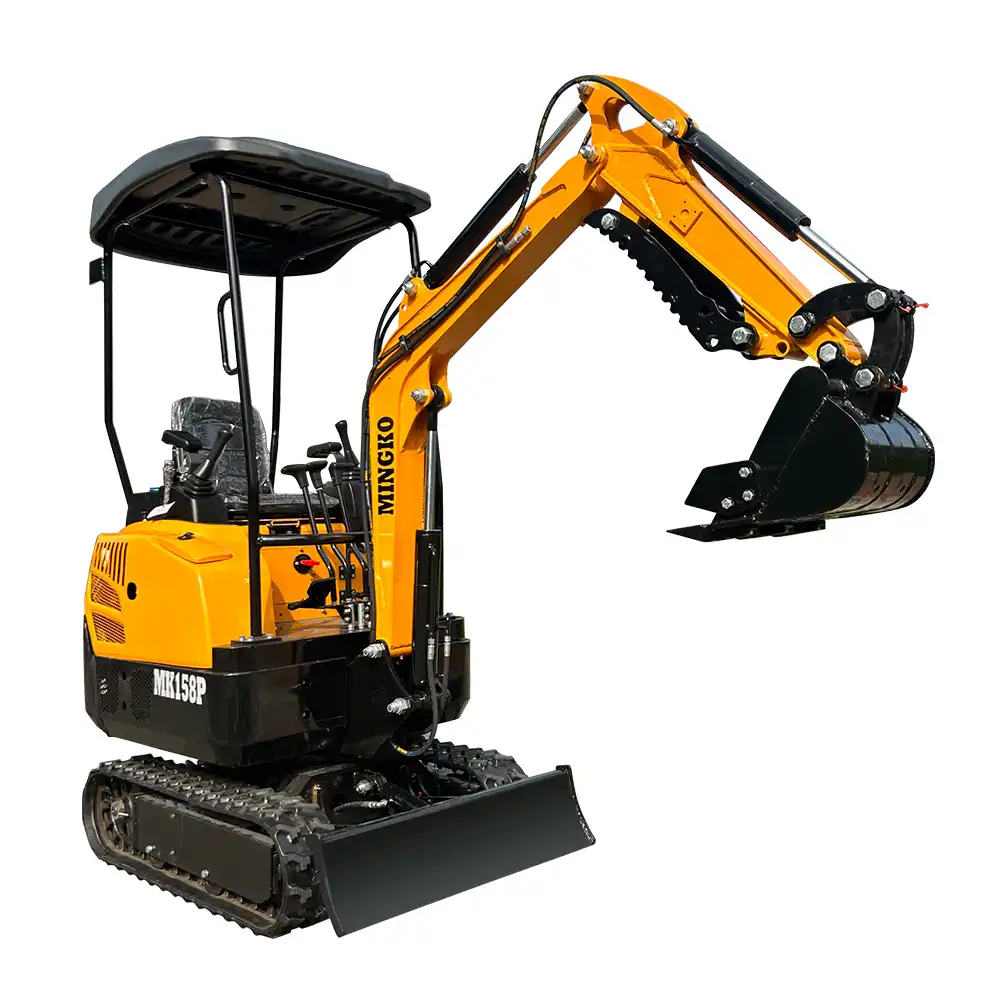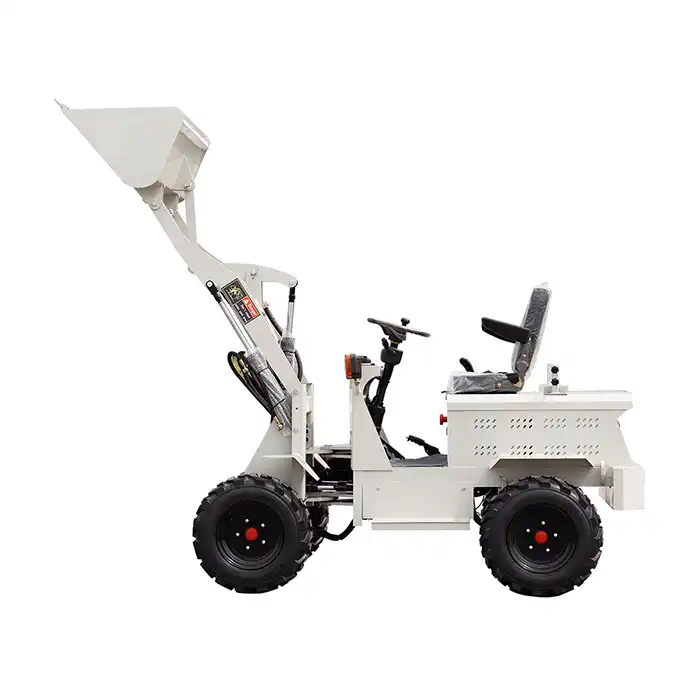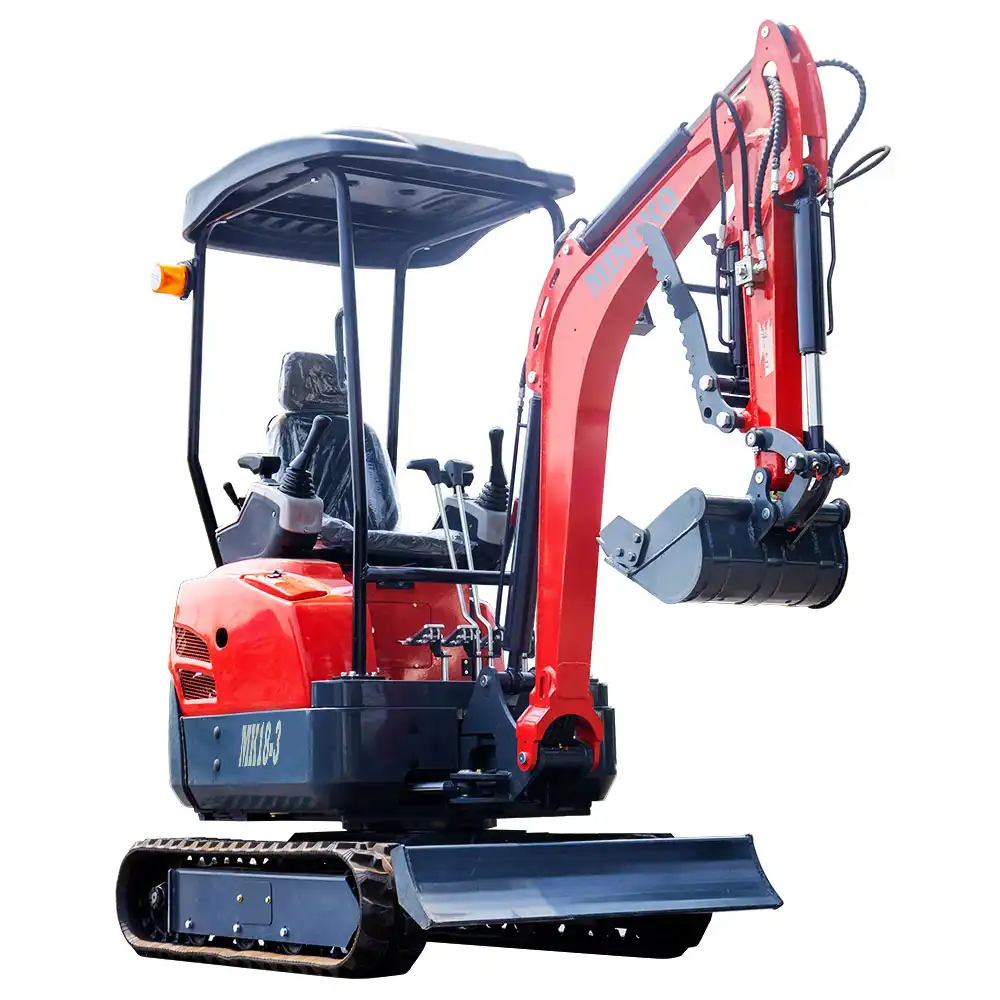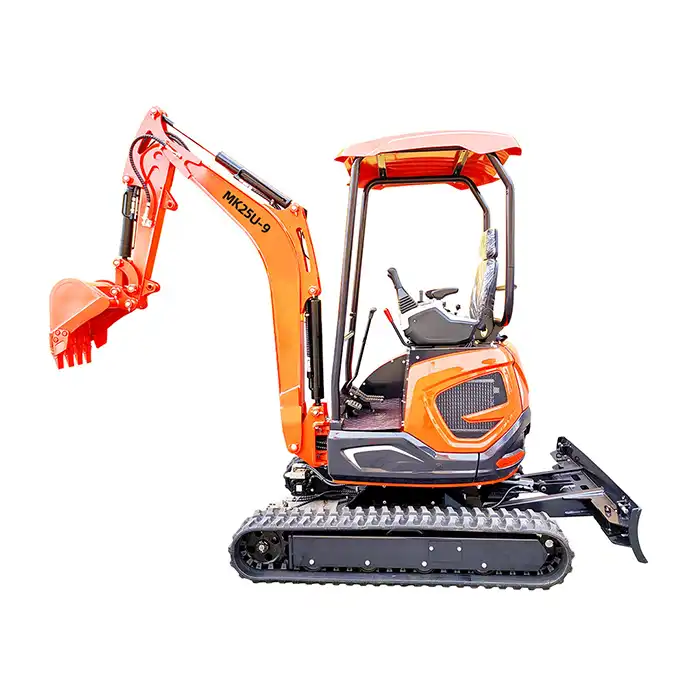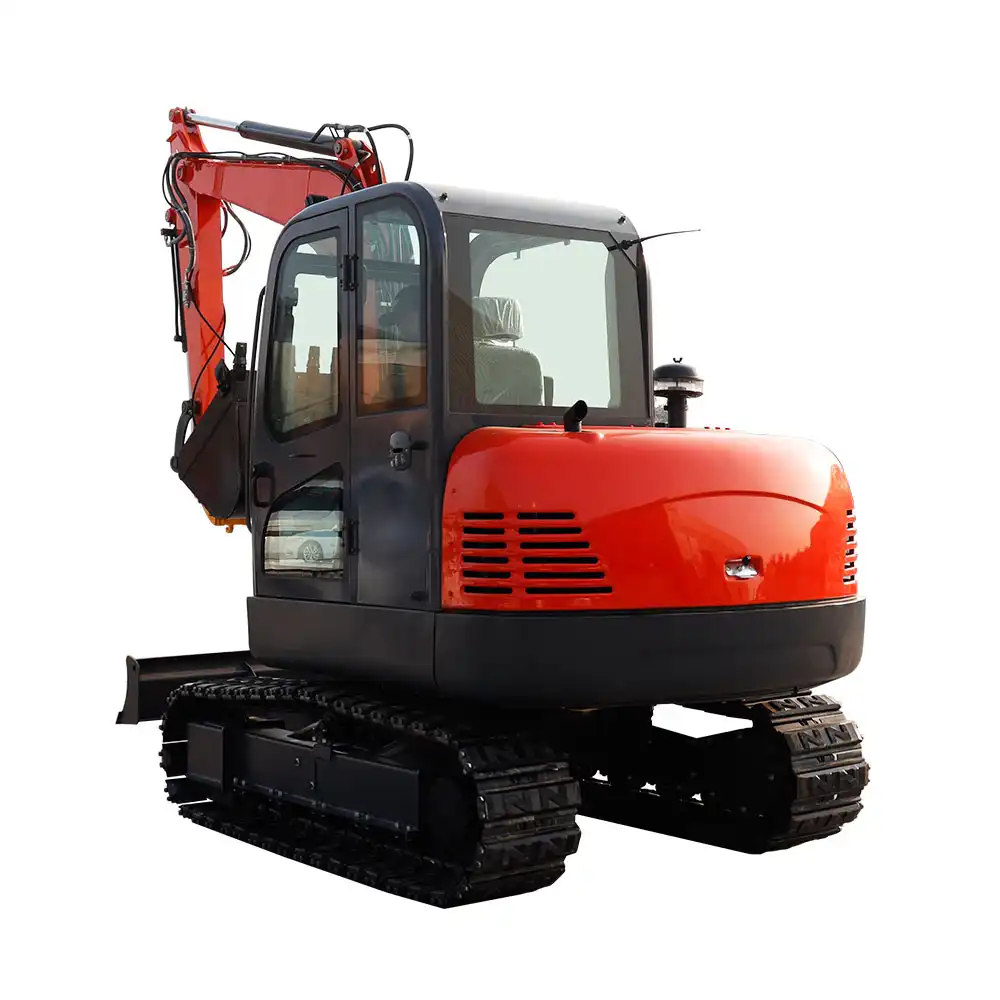
Why Choose a 3.5 T Digger for Small to Medium Job Sites?
Choosing the right mining tools is one of the most important parts of any project, from small to medium-sized ones. Contractors and procurement managers want a 3.5 T Digger because it has the best mix of movement, digging power, and low operating costs. Larger excavators have trouble working in tight areas, and smaller units don't have enough reach. However, compact excavators in this weight class are amazingly flexible and can do a wide range of jobs, from digging foundations to installing utilities. This guide talks about the technical specs, operating benefits, and buying options for compact excavation equipment that will make it a good investment for U.S.-based building companies, gardening companies, and equipment hire companies.
Understanding the Capabilities of a 3.5 T Digger
Modern 3.5 T Diggers are a great mix of engineering perfection and useful features that make them useful on the job site. Knowing these things about the skills helps procurement teams choose equipment that meets practical needs.
Advanced Engine Technology and Hydraulic Performance
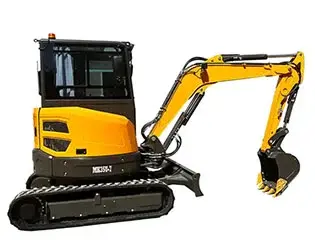
Shandong Mingko Industry Corporation's MK35U-7 is a great example of how modern engineering should be in this type of equipment. This unit has a Kubota D1703 engine that meets Euro 5 and EPA4 pollution standards. It makes 18.2 kW of power at 2200 rpm and 97.4 N.m of torque at 1500 rpm. Its three-cylinder, water-cooled design makes it reliable in a wide range of working situations. The hydraulic pilot valve control system works at 22.5 MPa, turning the power from the engine into exact moves of the bucket and flexible arm joints. This hydraulic efficiency makes the bucket dig with a maximum force of 30.4 kN and the arm dig with a maximum force of 18.2 KN. This is enough for digging in tough dirt and some rock.
The two-speed travel method gives you options for a variety of site situations. When exact placing is needed, operators can switch to low-speed mode at 2.4 km/h. For quick moving across larger work areas, they can switch to high-speed travel at 4.4 km/h. The 300 mm steel track shoes spread out the machine's 3,810 kg working weight so that the ground pressure is only 32 kPa. This means that sensitive landscapes or finished surfaces are less likely to be damaged.
Operational Reach and Working Range Specifications
The usefulness of a project is directly related to its dimensional powers. The MK35U-7 can dig as deep as 3208 mm, which is deep enough for normal utility ditches, home foundation work, and drainage systems. The maximum digging height is 4805 mm, and the maximum digging radius is 5480 mm. This means that a single machine position can cover a large area for work. The dumping height of 3406 mm makes it easy to put materials quickly into normal dump trucks without having to move the equipment.
The zero-turn tail design is very helpful for job sites that aren't very big. With a tail swing radius of only 860mm, operators can work right up against walls, fences, or other structures that are already there without worrying about damage from the back counterweight swing that happens on most excavators. This feature is very helpful for construction jobs in cities, backyards, and renovations where room is limited and equipment choices are limited.
Comparing Performance Across Excavator Categories
To choose the right equipment, you need to know where each type of machine works best. One- to two-ton compact excavators are easier to move around and can fit through small gates, but they don't have the digging depth or bucket capacity to move materials quickly on bigger jobs. Units between 5 and 8 tons have more power and reach, but they are harder to move around and usually need special transport. The 3.5 T Digger group is in the middle, giving you good digging ability while still letting you use the machine in a variety of situations. The 0.12 m³ bucket size can handle large amounts of material without taking too long to cycle, which is a good mix between output and machine responsiveness.
Operational Efficiency and Maintenance Best Practices
To get the most out of your tools, you need to know both how to make it work more efficiently and how to keep it in good shape so that it lasts longer and needs less upkeep.
Fuel Efficiency and Cost Management Strategies
The 40-liter fuel tank and efficient Kubota engine design of a 3.5 T Digger allow for longer periods of operation without stopping to refuel. Under normal working conditions, this type of equipment uses an average of 3 to 5 liters of fuel per hour. However, the actual amount used depends on the dirt, the operator's skill, and the needs of the job. Fuel economy is directly related to how well hydraulics work. The MK35U-7's pump and valve system is perfectly matched, so it loses less energy as heat. This means that more of the engine's power can be used for work.
Operators who want to save money can do a number of things to save fuel. By adjusting the engine's speed to the needs of the job instead of leaving it going at full power all the time, extra fuel can be saved. Planning work routines to cut down on journey and moving time saves fuel that could be used for more useful things. Regular upkeep of the quality of the hydraulic fluid, air filters, and parts of the fuel system keeps the engine running at its best for as long as the equipment is in use.
Essential Maintenance Protocols for Maximum Uptime
Schedules for regular inspections are the basis for making sure that equipment works reliably. As part of daily walkaround checks, hydraulic lines should be checked for wear or leaks, track tension and condition should be checked, bucket teeth and cutting edges should be inspected, and fluid levels should be checked across all systems. The 7-liter motor oil capacity needs to be checked often, and oil changes are usually planned every 250 hours of operation, but this can change based on the conditions of the job and the quality of the oil.
The 44-liter hydraulic oil tank needs to have its fluids checked and its filter changed regularly. When hydraulic fluid is contaminated, it speeds up the wear on parts and increases the chance of system breakdowns that stop activities. Every 250 hours, the hydraulic system filter should be checked and changed as directed by the maker. The 3.8-liter radiator needs to have its cooling fans cleaned and the coolant mixture checked on a regular basis. This is especially important in dusty or very hot or cold places.
Safety Guidelines and Operator Training Requirements
Safe use of equipment starts with giving the user thorough training that covers the machine's features, how to use the controls, and how to spot hazards. The MK35U-7 can handle grades of up to 58%, or 30 degrees, so operators need to know how to use the right attachments and how much weight the machine can hold. The 295mm ground clearance is enough to get around obstacles in most situations, but the user needs to be aware of uneven terrain.
Operators can fix small problems right away when they know how to resolve them. Knowing the signs of contaminated hydraulic fluid, how to shut down in an emergency, and how to spot strange sounds or movements in the machine lets you act quickly before small problems turn into big ones. Operators and repair staff should talk to each other often so that new problems are dealt with quickly.
How to Make the Right Procurement Decision for Your Business
When buying strategic equipment, you have to look at financial models, check the state of the equipment and make sure the warranty covers it, and choose sellers who offer full support throughout the ownership lifecycle.
Evaluating Purchase, Rental, and Leasing Options
Businesses that regularly use their tools and have long-term project plans are good candidates for ownership through direct buy. Buying gets rid of ongoing rental costs and adds value to an asset on balance sheets, but it takes a one-time capital investment and upkeep and depreciation costs. Rental agreements give you the freedom to do short-term projects or adjust to changes in seasonal demand without having to make a long-term commitment. Leasing arrangements are a good middle ground because they spread the cost of buying over time and keep the money available for other business needs.
Businesses of all sizes can often benefit from renting equipment when they don't know how long a project will last or when their equipment needs change a lot from one contract to the next. When yearly use goes over 800 to 1000 hours, ownership costs fall below total rental costs, making buying the more cost-effective option. Leasing is good for businesses that want to know their regular costs and have the choice to buy at the end of the deal.
New Equipment Versus Used Equipment Considerations
When you buy new tools from a company like Mingko, you get a full warranty that usually covers defects for 12 months and includes expert help for life. Buyers get machines that have never been used before, have the newest safety features, and meet all current emission standards. The regular servicing plan and lack of hidden wear problems make the higher price worth it for procurement teams that don't like taking risks and are responsible for meeting tight project deadlines.
Used equipment costs less up front, but you don't know how well it was maintained in the past, how worn out parts are, or how long it will last. It's important to do full checks before buying, checking the state of the hydraulic system, engine compression, track wear, and the strength of the structure. Most warranties on used items only cover a small amount of damage, so the buyer takes on that risk. People who want to buy used technology should be able to do their own maintenance and be able to handle any downtime that might come up during repairs.
Selecting Reliable Manufacturers and Authorized Dealers
A manufacturer's image for a 3.5 T Digger has a big effect on how happy long-term owners are with their purchases. Well-known names like Kubota, Caterpillar, and JCB got where they are in the market by providing steady quality and having large networks of dealers. New companies like Mingko use modern factories and low prices to make their products, and they're also building up their service networks to help customers all over the world. Mingko's 50,000-square-meter production plant and 15 years of experience making things show that they have a lot of operating capacity and a dedication to the market.
Authorized store networks are very helpful because they offer parts, trained service techs, and management of warranties. Procurement teams should check to see how close dealers are to where the business is located, how many parts they have in stock, and how available expert help is. Being able to quickly find real new parts keeps equipment from being down for long periods of time, which hurts its ability to make money. Concerns that foreign buyers have about import processes and logistics are eased by Mingko's committed after-sales service department and help with customs clearance.
Comparing Market Options: Finding the Best Compact Excavator for Your Needs
To make an informed choice about what tools to buy, you need to look at the features, prices, warranties, and customer service networks of all the options on the market right now.
Leading Models and Specification Comparison
There are a lot of different small excavators on the market, with different price ranges and feature sets. Premium makers usually price units in this weight class between 45,000 and 65,000 USD. This is because they have a strong name, a large network of dealers, and a well-established supply chain for parts. Value-focused makers like Mingko offer competitive alternatives. They use efficient production and direct sales models to give similar specs at lower prices, without sacrificing important performance features.
Customer Experience and Performance Validation
Real-world performance validation from current users gives us useful information that goes beyond what the maker says. Buyers always say that dependability, fuel economy, and ease of repair are the most important factors in their happiness. Downtime for equipment has a direct effect on how much money the project makes, so reliable operation and quick fix turnaround are important factors for evaluation. Mingko's ISO 9001 license and status as a National High-Tech Enterprise show that the company is dedicated to quality management systems and methods for ongoing growth.
Parts Availability and Service Network Strength
A full supply of parts keeps small component failures from causing long periods of downtime. Operators should make sure that replaceable parts like filters, bucket teeth, and hydraulic lines are still easy to get from local sources or by setting up fast shipping. Clear supply routes and acceptable wait times are needed for major parts like hydraulic pumps, final drives, and engine parts.
Strategic Benefits of Integrating Compact Excavators into Your Fleet
Investing in equipment is eventually based on measurable results and making sure that the investment is in line with business goals and customer needs.
Productivity Gains and Project Timeline Acceleration
Because they can do a lot of different things, compact tractors make operations more efficient by reducing the need to move tools around. Excavation, material loading, grading with a blade extension, and demolition can all be done by a single 3.5 T Digger, so there are no delays caused by switching between pieces of equipment. The 0.12 m³ bucket size can move a lot of material while still letting you keep accurate control for final grading work. Project managers can shorten timelines by using one machine and operator to do multiple jobs instead of organizing a number of specialized units.
The zero-turn design makes it possible to do useful work in places that needed to be dug up by hand or with smaller, less effective tools before. Renovating homes, fixing utilities in cities, and working on business sites with limited space can all be done by machines, which greatly reduces the amount of work that needs to be done and the physical demands that must be met. Because of this capability growth, contractors can now bid fairly on projects that needed higher prices before because of access issues.
Return on Investment Analysis
For full ROI estimates of a 3.5 T Digger, you need to include the costs of buying the property, its upkeep, and its ultimate selling value over the expected ownership time. Assuming that hire rates for mining services are competitive in the market, a new compact excavator usually makes money when it is used for more than 800 hours per year. Fuel, regular maintenance, and repair reserves make up about 15 to 25 USD of running costs per hour, based on how hard the work is done and how well the maintenance is done.
When it comes to quality compact tractors, they usually lose 15 to 20 percent of their value in the first year, and then 10 to 12 percent each year from the second year onward. Well-kept units have a good resale value. In busy used equipment markets, five-year-old excavators fetch 35 to 45 percent of the original purchase price. This residual value lowers the total cost of ownership and lets you get your money back when you buy a better model.
Building Business Reputation Through Quality Equipment
The equipment you choose shows current and potential clients that you are skilled and able to do the job. When contractors show up to job sites with new, well-kept equipment, it boosts their trustworthiness and project management skills. Clean, well-functioning tools show that the business is doing a great job and paying attention to every detail, which includes the quality of the work. On the other hand, tools that are old or not well taken care of make people worry about the reliability of contractors and the quality of project completion.
Buying tools from well-known companies with strong support networks shows that you are careful with your purchases and aware of the risks involved. Clients like workers who keep projects running smoothly by offering reliable tools and quick service networks. Choosing high-quality equipment has benefits for your image that go beyond individual jobs. It gives you long-term competitive advantages in the way contractors are chosen and opens the door to repeat business.
Conclusion
The 3.5 T Digger class of compact excavators is the best deal for small to medium-sized job sites because they have the right amount of digging power, operational freedom, and low cost. The technical specs, zero-turn design benefits, and tried-and-true engine technology in models like the MK35U-7 solve problems that workers face every day. When making strategic purchasing decisions, it's important to think about the pros and cons of buying vs. renting, buying new vs. used equipment, and choosing a manufacturer. These choices have a direct effect on long-term equipment happiness and revenue. The market is very competitive, so buyers can find choices at a range of price points and with a wide range of features. This lets buyers find equipment that perfectly fits their needs and their budget. Comprehensive maintenance, investments in training for operators, and strong support relationships with manufacturers all work together to get the most out of equipment uptime and return on investment over the life of the asset.
FAQ
What features should buying teams look at first when they are choosing small excavators?
The working weight, engine power and pollution compliance, maximum digging depth and reach, bucket capacity, tail swing characteristics, and hydraulic system pressure are some of the most important specs. The zero-turn tail design of the MK35U-7, its 3208mm digging depth, and the fact that its Kubota engine meets current pollution standards make it a competitive piece of equipment in its class.
How often does repair for a small excavator need to be done?
Depending on the needs of the system and its parts, routine repair is usually done every 50, 250, or 500 hours of operation. Every day, the fluid levels and overall health are checked, and every 250-hour service includes oil changes, filter repairs, and lubrication. Every year, thorough checks of the most important parts are done, no matter what time the business is open.
What kinds of projects are better suited to small tractors versus bigger ones?
Compact excavators are great for building homes, digging utility trenches, gardening, building small business foundations, and home renovations where bigger machines can't get to the job site easily. Larger equipment classes may be better for projects that need to dig deeper than 4 meters or have ongoing bucket sizes greater than 0.15 m³.
Partner with Mingko for Your Compact Excavator Needs
Do business with Mingko for your 3.5 T Digger needs. As its main business, Mingko makes dependable small excavators that are made for difficult small to medium-sized job sites. Our MK35U-7 model has a proven Kubota engine, a new zero-turn design, and low prices, making it a great choice for builders and companies that rent out equipment. Our 50,000 square meter production plant, which makes up to 15,000 units a year, ensures consistent quality and dependable delivery schedules as a 3.5 T Digger maker with more than 15 years of experience. We offer full customization services with a minimum order quantity of just one unit, so you can get solutions that work for your specific needs that aren't available off the shelf. For full specs, competitive quotes, and specialized help choosing the best equipment configuration for your project needs and budget, please email our technical team at sales@mingkomach.com.
References
1. Anderson, M. (2023). Compact Excavator Selection Guide for Commercial Contractors. Construction Equipment Publishing.
2. Chen, L. & Williams, R. (2024). Hydraulic System Efficiency in Modern Mini Excavators. International Journal of Construction Machinery, 45(2), 112-128.
3. Equipment Management Council. (2023). Total Cost of Ownership Analysis for Construction Equipment Fleets. Associated General Contractors of America.
4. Morrison, J. (2024). Emission Standards and Engine Technology in Compact Construction Equipment. Journal of Construction Engineering and Technology, 38(1), 67-82.
5. Thompson, K. (2023). ROI Optimization Strategies for Small Equipment Fleets. Equipment World Press.
6. Zhang, H. & Patterson, D. (2024). Maintenance Best Practices for Hydraulic Excavators Under 5 Tons. Construction Maintenance Quarterly, 29(3), 45-61.