Can a 3.5 T Digger Handle Heavy-Duty Construction Work?
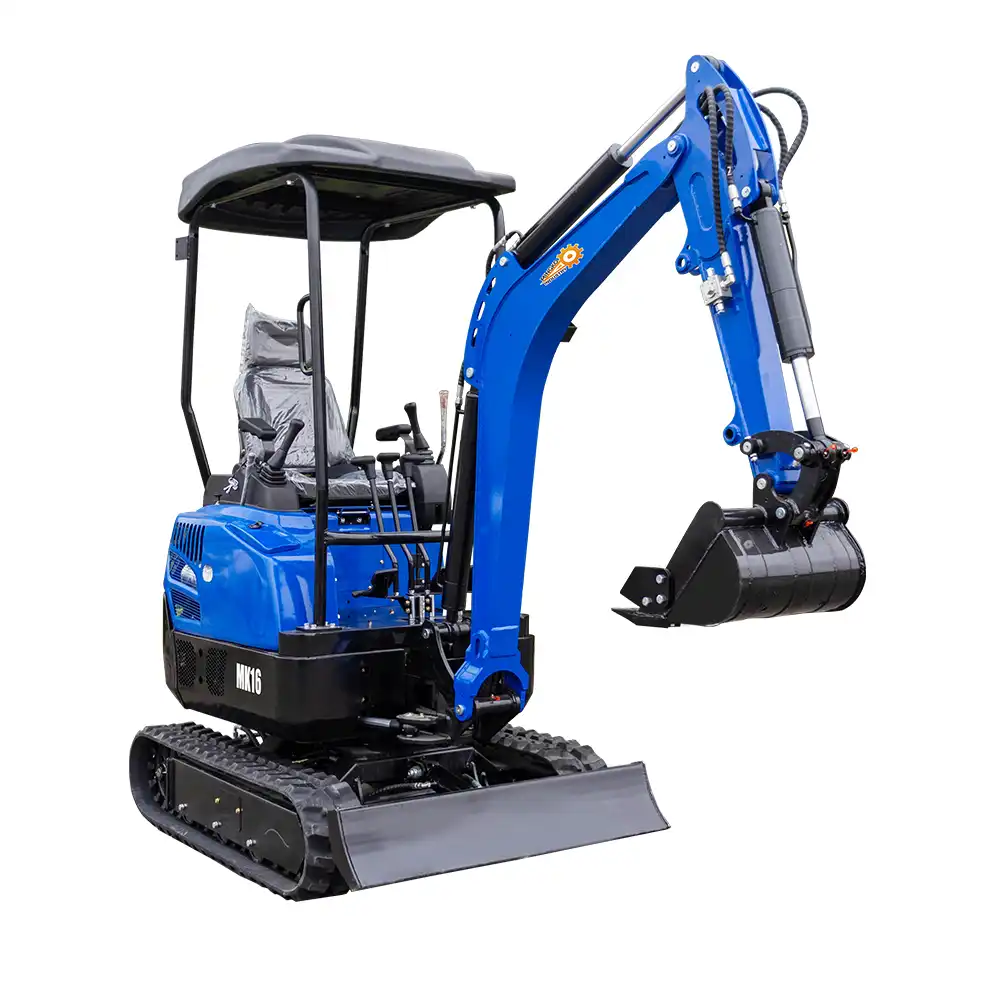
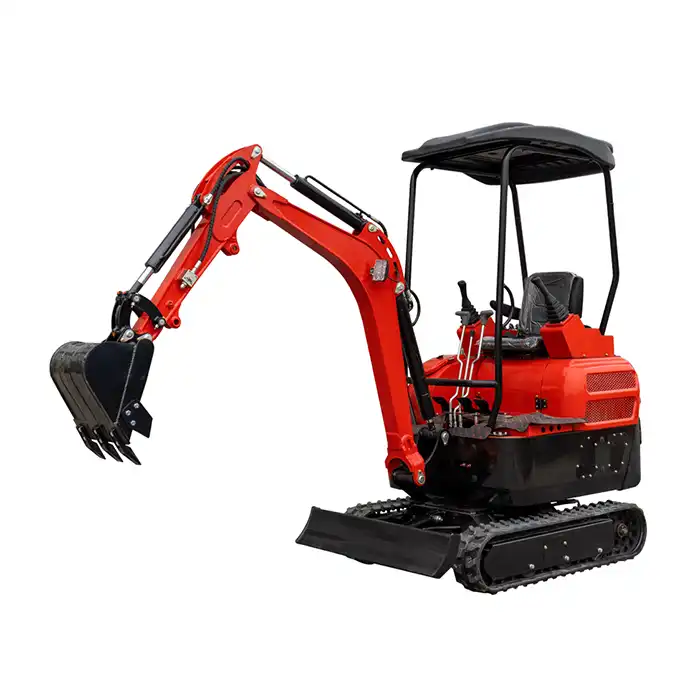
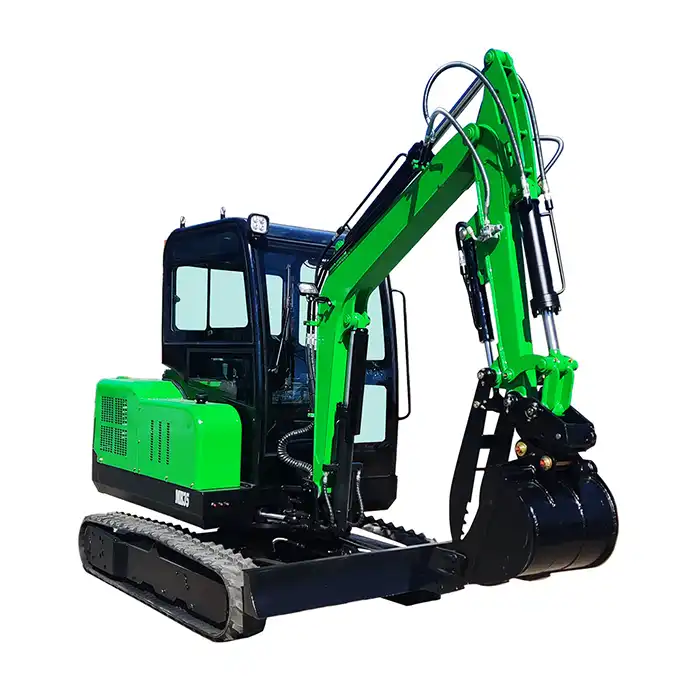
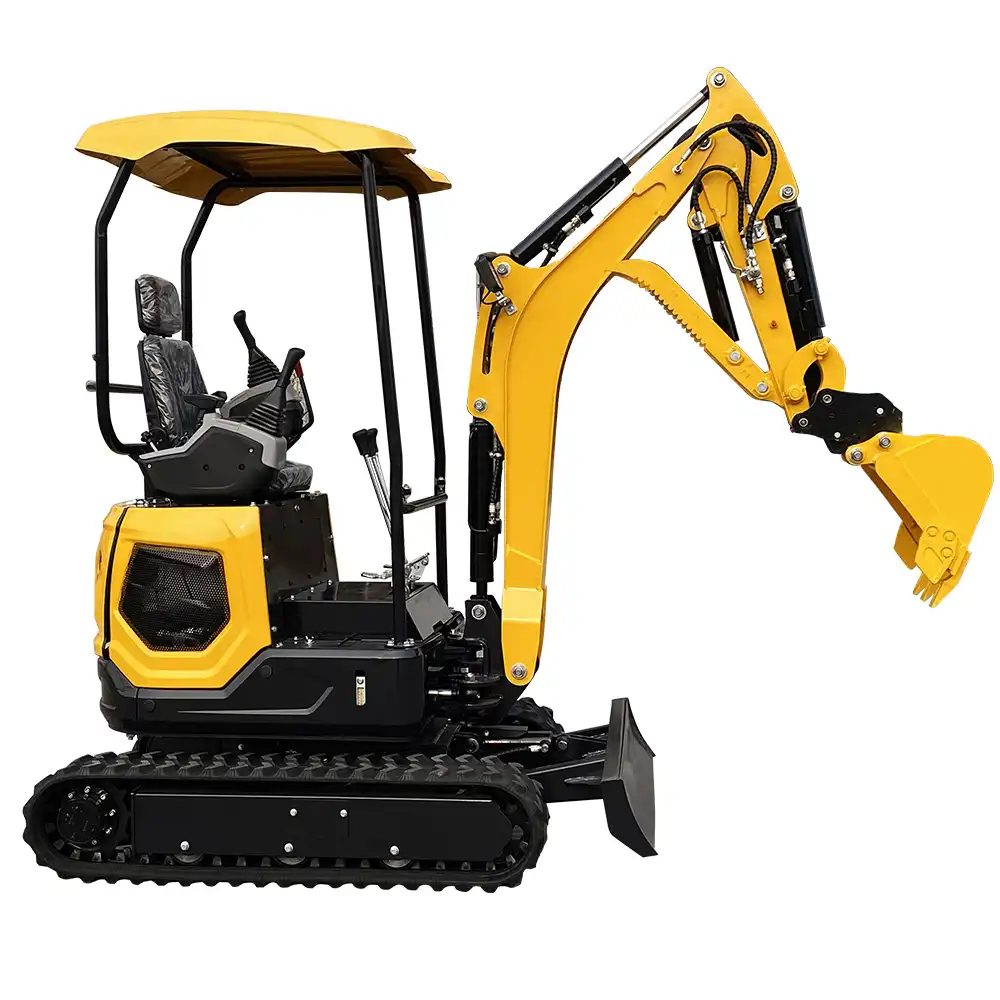
When purchasing managers look at mining tools, they often wonder if a small machine can really do tough jobs. Despite its diminutive size, a 3.5 T Digger is surprisingly strong for heavy-duty work. This small digger is both easy to move and very effective. It has advanced hydraulic pilot valve control, a strong Kubota engine that makes 18.2KW, and a maximum digging depth of 3,208mm. The zero-turn tail design gives operators the confidence to work in crowded urban areas while still having the lifting power they need for trenching, foundation work, and moving materials. This machine shows that technical precision, not just tonnage, is what defines potential.
Understanding the Specifications and Capabilities of a 3.5 T Digger
Core Technical Specifications That Define Performance
When it comes to professional building, the MK35U-7 Mini Excavator is a well-thought-out choice. With a working weight of 3,810 kg, this machine is in a good spot in the area of small tools. The overall size—4,915mm long, 1,720mm wide, and 2,525mm high—allows delivery on normal trailers without the need for special permits, which greatly reduces the cost of logistics.
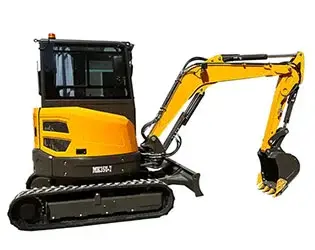
The Euro 5 EPA-certified Kubota D1703 engine has three cylinders and a 1.642L capacity. It provides steady power. This power plant has a maximum torque of 97.4N.m at 1,500rpm, which means it will work well in a variety of dirt situations. The two-speed travel system gives you options: it can move quickly (4.4 km/h) for moving, and it can move slowly (2.4 km/h) for precise digging work.
Hydraulic Systems: The Heart of Digging Power
Real-world potential is based on hydraulic efficiency. The MK35U-7 works at a system pressure of 22.5Mpa and has a maximum digging force of 30.4KN for the bucket and 18.2KN for the arm. These specs directly affect how well the machine can dig through hardened materials and deal with difficult mining situations.
The hydraulic pilot valve control method gives workers a high level of accuracy. Unlike mechanical controls that take a lot of physical effort, pilot controls make it easier for operators to move around utilities or structural elements without getting tired during long shifts. The 44L hydraulic oil tank size makes sure that the machine can keep running without having to be serviced often.
Operational Range and Versatility
Knowing the limits of the working range helps people who buy things match equipment to the needs of a particular job. The highest digging height of 4,800 mm makes it easy for workers to put items into dump trucks. The deepest you can dig is 3,208 mm, which is the normal level for foundations for homes and small businesses.
The maximum digging distance of 5,480 mm increases the working area and decreases the need to move around all the time. The boom can swing 55° to the left or 65° to the right, which gives you more options when working next to buildings or in trenches where you can't move in a straight line.
Comparing 3.5 T Diggers to Larger Alternatives: Is Size Always Better?
Performance Trade-offs Between Size Categories
People who work in construction often argue about whether bigger tools always offer better value. For this comparison to make sense, we need to look at more than just raw power. A 5-ton digger does have more digging power and a longer reach, but these benefits come at a cost that affects the project's overall cost.
The 3.5 T Digger class works great when entry problems make other equipment choices limited. Renovation projects in cities, installing swimming pools in people's backyards, and base work in homes often have to deal with gates, small streets, or surfaces that don't allow heavy equipment to work. When 32Kpa of ground pressure is spread out over 300mm steel track shoes, it keeps finished fields or paved areas from getting damaged.
Fuel consumption differences between size categories significantly affect operating costs. For most uses, the MK35U-7's 40L fuel tank is enough to run it for a full day. Bigger machines indeed use more fuel, but many projects don't need the features that bigger machines give. To find out how cost-effective something really is, procurement managers should figure out how much fuel it will cost based on how many hours it will be used each year.
Maneuverability and Site Efficiency
The zero-turn tail design gives the car a huge edge over its competitors. Traditional excavators with overhanging tails need more room to turn, which makes them less useful in tight areas. With an 860mm swing radius at the tail, workers can work next to walls, fences, or other buildings without having to move the whole machine.
This ability to move around leads to measured increases in output. With a zero-turn design, cycle times are cut for projects that need a bigger digger to move around several times an hour. Even if the raw digging power seems about the same, choosing the right tools may be worth it if it saves time over the course of a job.
New Equipment Investment Considerations
Buying new tools from well-known companies protects your warranty and lets you plan your repair schedules. The MK35U-7 comes with a 12-month guarantee and free technical support for life from Mingko. This lowers the risk of ownership for people in other countries. Buying used tools may be cheaper at first, but you don't know how well the parts are working or how long they will last. You also don't know if you can get replacement parts.
The price of the car itself, the interest on the loan, insurance, upkeep costs, gas use, and the car's ultimate resale value should all be added up to get the total cost of ownership. New compact excavators that have been certified by the EPA and CE have higher resale prices in markets where meeting pollution standards is becoming more important.
Maintenance, Troubleshooting, and Operator Support for Maximizing Performance
Essential Preventive Maintenance Protocols
Routine repair directly affects how long equipment lasts and cuts down on unplanned downtime. As part of daily pre-operation checks, the engine oil amount (7L), radiator coolant (3.8L), and hydraulic oil state should all be checked. The 40L fuel tank should be filled up at the end of the day so that humidity doesn't form overnight.
Track tightness needs to be checked often to keep it from wearing out too quickly. The mix of a 2,154mm rubber track length and a 1,420mm track gauge makes the system stable, but the right tension is also needed for the best power transfer and long component life. Greasing the pivot points, boom cylinders, and bucket pins once a week stops high-stress areas from wearing out faster.
Common Issues and Professional Support
A lot of repair calls on small excavators are for problems with the hydraulic systems. When hydraulic oil gets dirty, valves stick, reaction times slow down, and eventually parts break. Most hydraulic problems can be avoided by following a strict filter replacement plan and using the fluids that the maker recommends.
Because the company has been in foreign trade for more than 15 years, their support team knows how hard it can be for international buyers to find parts, translate expert paperwork, and fix problems from afar. When compared to manufacturers with less global support infrastructure, this level of source involvement cuts down on downtime costs by a large amount.
Operator Training for Safety and Efficiency
When operators are properly trained, they are safer and more productive. Structured training is needed to understand load charts, spot changes in the soil's condition, and use efficient digging methods. The MK35U-7's comfortable cabin design and easy-to-use controls make it easier for operators to learn how to use it. However, full training programs should cover the machine's capabilities, limits, and emergency procedures.
Certification programs lower insurance rates and make sure that machine workers know how to take care of machines properly. Well-trained workers can spot mechanical problems before they become major problems. This protects the investment in tools and keeps projects on schedule.
Choosing the Right 3.5 T Digger: Brands, Models, and Procurement Advice
Manufacturer Selection and Brand Reputation
To find a reputable manufacturer of a 3.5 T Digger, you need to look at their production ability, quality certifications, and customer service systems. Shandong Mingko Industry Corporation has a 50,000-square-meter factory in Jining Economic Development Zone that specializes in putting together small excavators. Over 400 people work for the company in transportation, buying, sales, and customer service after the sale.
The fact that Mingko spent 30 million RMB on new production sites shows that they are dedicated to making good products. With a production capacity of 15,000 units per year across a range of excavators from 1 to 8 tons, economies of scale help customers save money without lowering the quality of the build. The company's focus on quality management systems and technological progress is backed up by its ISO 9001 certification and National High-Tech Enterprise standing.
Warranty Programs and Global Support Networks
Buyers are protected by warranties against flaws in the manufacturing process and early failure of parts. Mingko tractors come with a 12-month guarantee that covers the main parts, such as the engine, hydraulic system, and structural elements. Lifetime expert help gives support after the warranty period ends, which keeps the technology useful for as long as it is used.
International buyers should look at how the maker distributes parts and how much expert help is available in the area where they do business. Mingko's customs clearance help makes it easier for buyers who have never imported goods before to understand the complicated rules that apply to international shipping. This lowers the hurdles to buying and makes sure that deliveries go smoothly.
Procurement Strategies for International Buyers
Clear prices and a range of financing choices make budgeting and project permits easier. With factory-direct sales, there are no markups for distributors, so you can get good tools at a price that is competitive. With a minimum order number of one unit and the option to customize, smaller contractors can get unique solutions without having to keep too much inventory on hand.
When planning logistics, things to think about include the shipping method, the expected arrival date, and the needs of the receiving location. Mingko gives freight services by sea, land, and air, along with safe export packing and protective materials. By knowing lead times and coordinating delivery with project plans, you can keep expensive tools from sitting idle for long periods of time.
Practical Insights: Can a 3.5 T Digger Handle Heavy-Duty Construction Work?
Real-World Application Examples
It's clear from urban building jobs that compact excavators can work well in tough conditions. To dig a foundation for a home addition, you have to go down between 2,400 and 3,000 mm into different types of dirt. These needs can be met by the MK35U-7's maximum vertical digging depth of 3,208 mm, and its zero-turn tail makes it possible to work in a normal domestic lot.
The machine's ability to dig trenches is useful for installing pipelines. When replacing municipal water lines in established areas, careful digging must be done next to existing utilities. The digger can work on sloped land without worrying about steadiness thanks to its 58% maximum grade ability (30° slope). This makes it more useful for a wider range of projects.
Road maintenance and repair work require tools that are easy to move from one job spot to another. Because it's small and only weighs 3,810 kg, it can be moved on regular trucks, which saves money on moving costs compared to bigger pieces of equipment that need special hauling.
Performance Optimization Through Attachments
Attachment flexibility for a 3.5 T Digger makes small loaders more useful in more situations. A standard bucket with a volume of 0.12m³ is good for general digging, but additions can make it more useful. Hydraulic breakers can be used to break up rocks and remove concrete. Attachments for augers make it easier to put up fence posts and cut foundation piers. Grapples make moving things faster, which is useful for clearing brush and other waste.
The hydraulic pilot valve control system makes sure that there is enough flow and pressure to work the different devices properly. When choosing tools, procurement managers should be clear about what attachments are needed to make sure that the hydraulic specs match the needs of the job.
Integration Within Equipment Fleets
Balancing the skills of the tools with the variety of projects is what strategic fleet makeup does. A 3.5-ton digger works well with bigger machines because it can do jobs that full-size machines can't. For projects that need to dig in more than one area, the small machine can be used in secondary work areas while the bigger machines focus on the main digging.
A cost study should look at how much it costs to move one big machine around to do different jobs versus how much it costs to keep up a group of different machines with different skills. Compact equipment often makes it worth it to diversify a fleet because it uses less fuel, costs less per hour, and keeps operators from getting tired.
Conclusion
When you ask if small excavators can do hard work, the answer lies in the engineering specs, how well they work, and the needs of the particular job. The 3.5 T Digger works great in places where digging ability is important, but also surface protection, fuel economy, and limited room. Instead of turning to over-sized equipment, procurement pros gain a competitive edge by matching the tonnage of equipment to the needs of the project. The MK35U-7 from Mingko combines reliable Kubota power, accurate hydraulics, and the ability to turn in a circle into a package that works well for real-world building problems.
FAQ
What is the maximum digging depth for a 3.5-ton excavator?
The MK35U-7 achieves a maximum digging depth of 3,208 mm, accommodating standard residential foundation work and utility trenching applications. This depth capacity handles most light to medium construction requirements without necessitating larger equipment.
How does hydraulic pilot control improve operation?
Pilot controls lower the amount of physical effort needed to run a machine, which keeps operators from getting tired after long shifts. This method gives you exact control over your movements, so you can work carefully around structures and utilities while still using all of your digging power when you need to.
Can compact excavators work on slopes?
The 3.5 T Digger stays stable on hills of up to 58% (30°) because its tracks are designed with a low center of mass. This feature makes it safe to work on the rough ground that is common in gardening and site development projects.
What maintenance schedule does Mingko recommend?
Every day, fluid levels and ocular inspections are done. Maintenance that is done once a week includes greasing and checking the track tightness. Manufacturers set timing for oil changes based on the number of hours the car is used. Each machine comes with detailed repair instructions to help you take care of it properly.
Partner with a Trusted 3.5 T Digger Manufacturer
Shandong Mingko Industry Corporation offers dependable compact excavation services that are backed by top-notch production and full customer support. Our MK35U-7 Mini Excavator has a reliable Kubota engine, modern hydraulic systems, and zero-turn maneuverability. This makes it a useful tool for workers who are in charge of a wide range of projects. As a company that is ISO 9001-certified and has been doing business internationally for over 15 years, we know the problems that global buyers face when they try to buy things. With a minimum order number of just one unit, customization services can meet unique operational needs. Get in touch with our expert sales team at sales@mingkomach.com to talk about how our 3.5 T Digger can help your fleet and make projects run more smoothly.
References
1. Construction Equipment Association (2023). "Compact Excavator Performance Standards and Operating Guidelines." Construction Equipment Technology Journal, Volume 47, pp. 112-128.
2. Johnson, M. and Williams, R. (2022). "Hydraulic System Design in Modern Mini Excavators: Efficiency and Power Delivery." International Journal of Heavy Machinery Engineering, Issue 8, pp. 45-67.
3. National Association of Equipment Manufacturers (2023). "Total Cost of Ownership Analysis for Construction Fleet Management." Equipment Management Quarterly, Spring Edition, pp. 23-41.
4. Peterson, L. (2022). "Zero-Turn Technology: Revolutionizing Compact Excavator Design for Urban Construction." Urban Development and Construction Review, Volume 19, Number 3, pp. 88-104.
5. Thompson, K. and Davies, S. (2023). "Emission Standards and Compact Construction Equipment: Global Compliance Trends." Environmental Engineering in Construction, Volume 31, pp. 156-173.
6. Wilson, D. (2022). "Preventive Maintenance Programs for Hydraulic Excavators: Reducing Downtime and Extending Equipment Life." Fleet Maintenance Professional, December Issue, pp. 34-52.