Mini Excavator 3.5 Ton Features for Efficient Digging Work
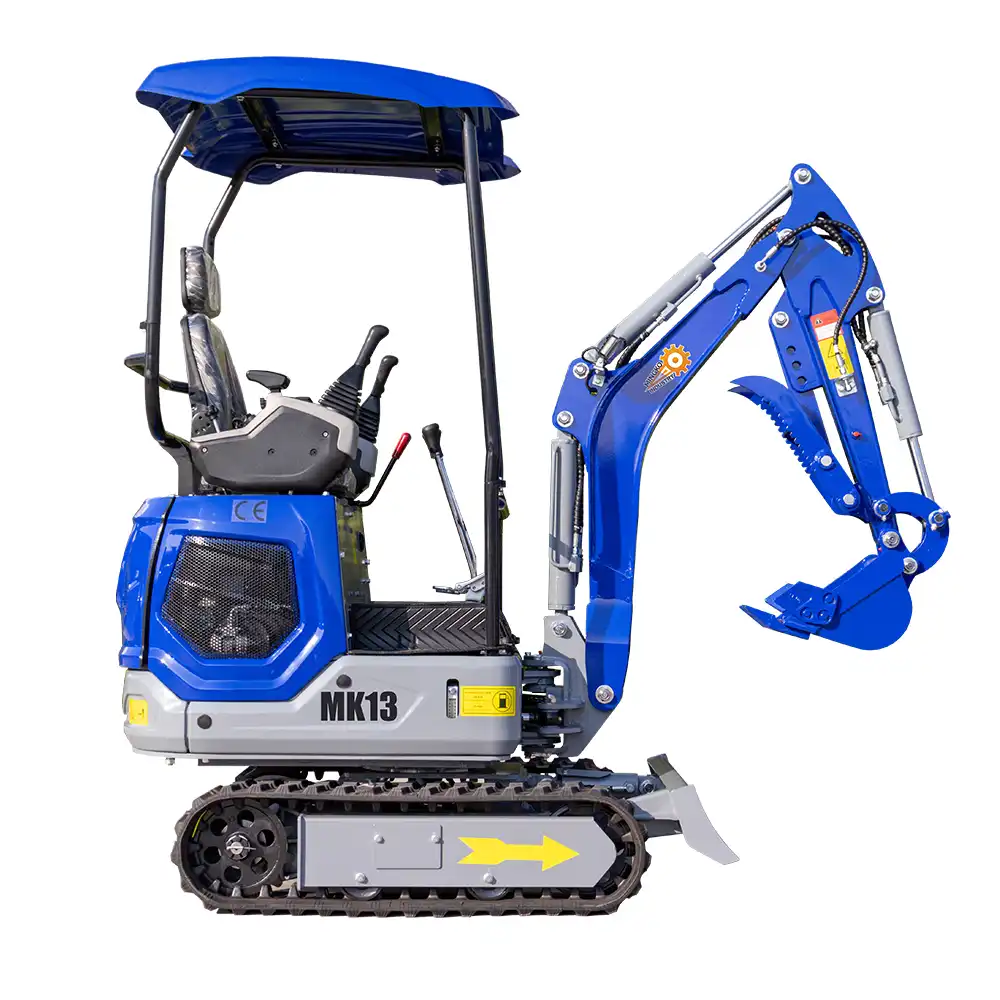
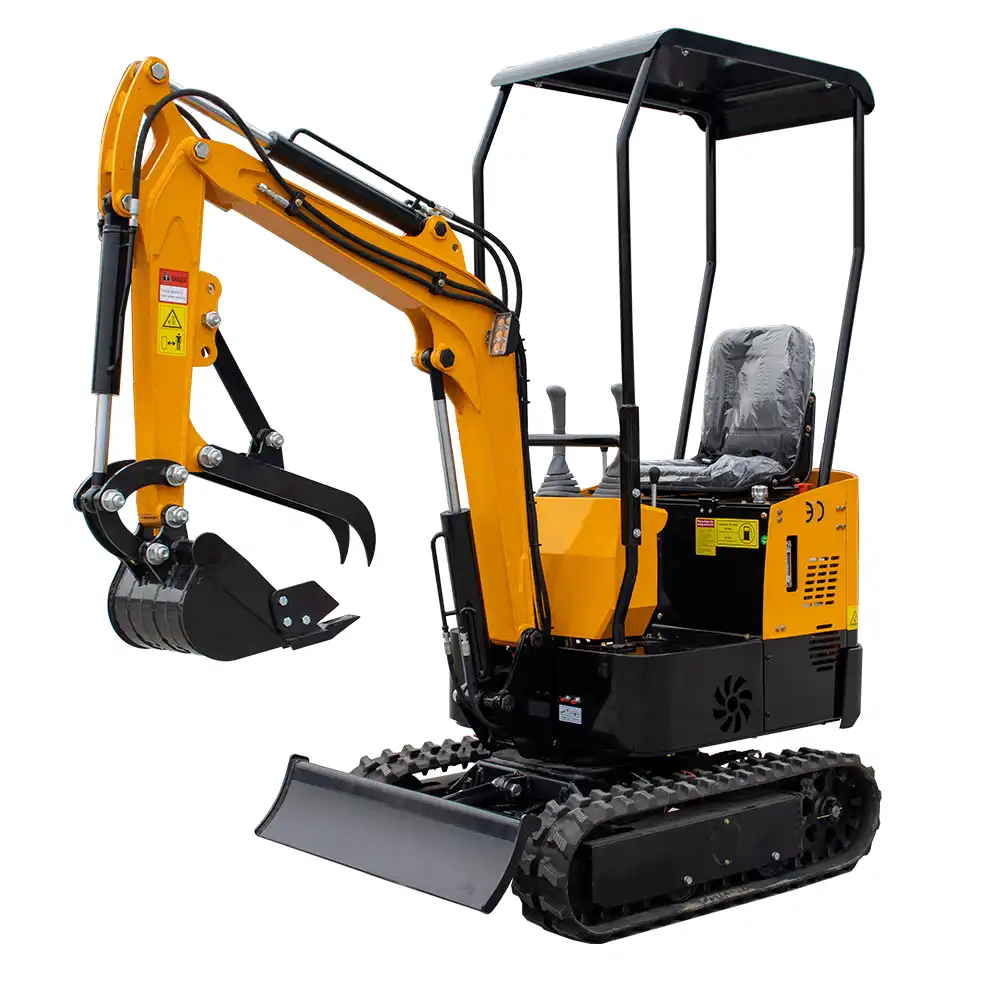
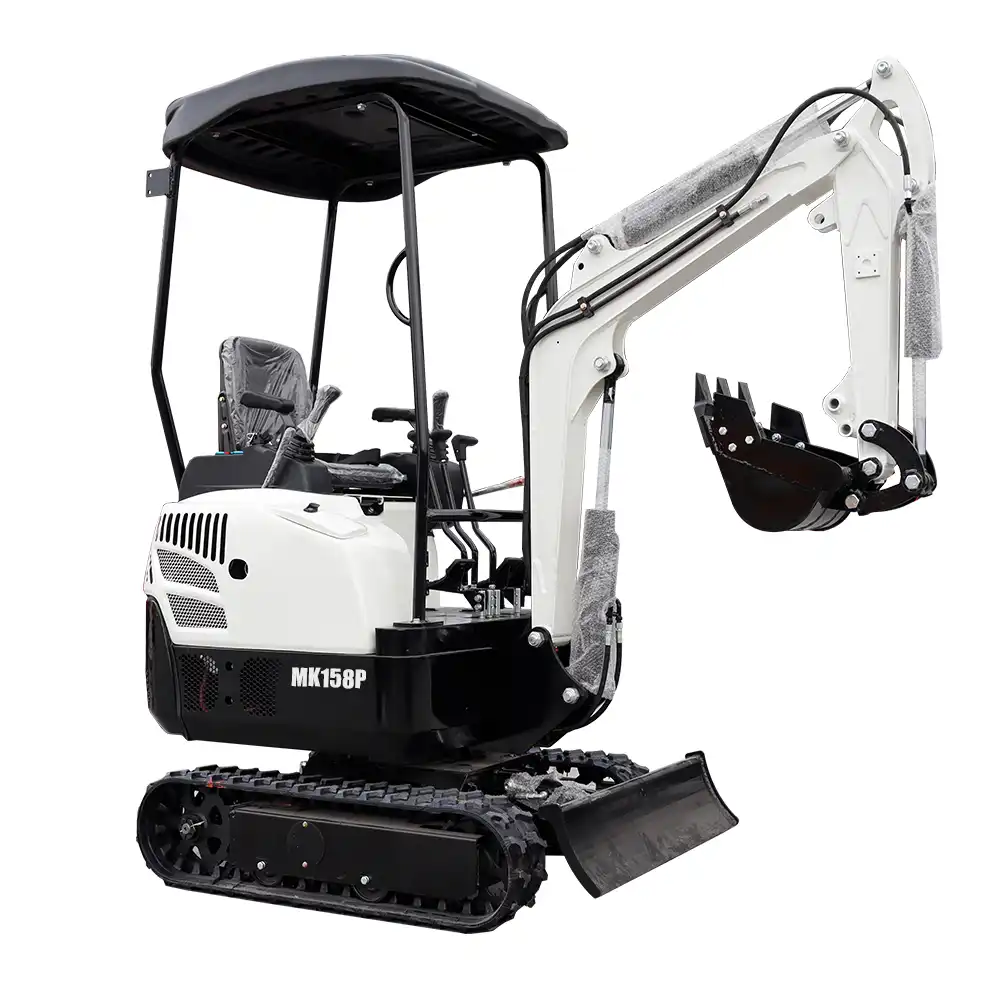
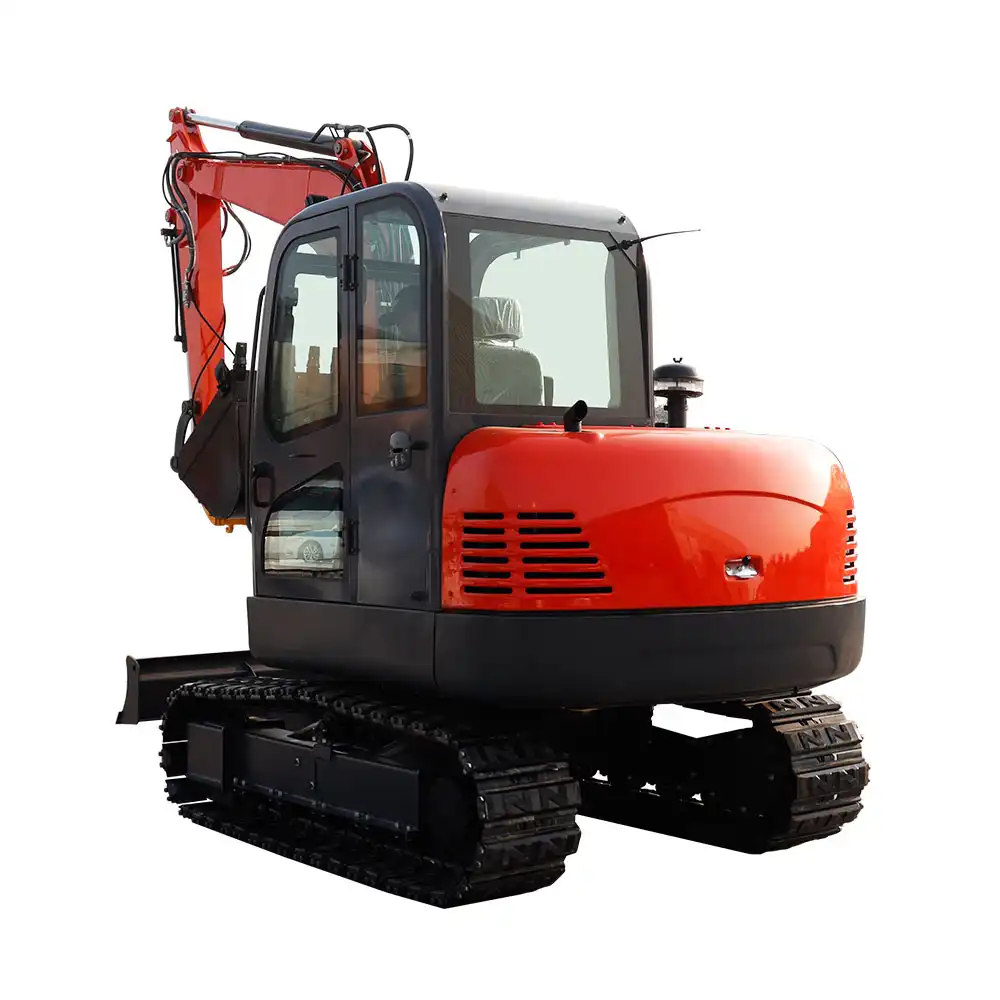
When builders and project managers look at small earthmoving equipment, the Mini Excavator 3.5 Ton always stands out as a flexible option that strikes a good balance between power and flexibility. This medium-sized machine has strong digging power and a zero-tail swing design, which makes it especially useful for building sites in cities, landscaping jobs, and utility installs where accuracy is needed because of limited space. With a working weight of about 3,810 kg and a maximum digging depth of more than 3,200 mm, this type of digger is very productive without being as hard to move around as bigger machines.
Understanding the 3.5 Ton Mini Excavator: Specifications and Core Features
To choose the right small excavator, you must first understand the technical standards that set performance limits and operating efficiency.
Engine Performance and Power Delivery
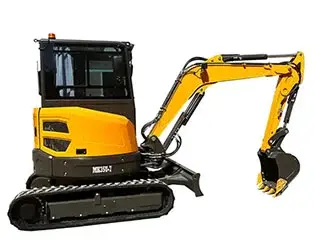
Engine systems are at the heart of digging activities that work well. The Meeko MK35U-7 has a Kubota D1703 engine that is rated at 18.2 kW (about 25 horsepower) and meets both Euro 5 and EPA pollution guidelines. This engine has three cylinders and is cooled by water. Its maximum torque is 97.4 N·m at 1,500 rpm, and it delivers power consistently even when the soil conditions change. The 1.642-liter capacity is the best compromise between fuel economy and digging force, so it can be used for long periods of time without having to stop often to refuel. Operators working on projects with strict environmental rules will like that the emissions meet current standards, which means there won't be as many problems with the rules.
Hydraulic System Architecture
The hydraulic pilot valve control device is a big step forward in technology compared to mechanical connections. This setup lets operators make exact moves with little physical effort, which keeps them from getting tired during long shifts. The system works at a pressure of 22.5 MPa, which means that the bucket can dig up to 30.4 kN and the arm can dig up to 18.2 kN. These specs make it possible for the machine to break through hardened ground and do difficult digging jobs. The 44-liter hydraulic oil tank makes sure that there is enough fluid to get rid of heat and keep the pressure steady during tough work cycles.
Mobility and Dimensional Considerations
When planning site operations and transporting, it's important to know the sizes of machines. The MK35U-7 is 4,915 mm long, 1,720 mm wide, and 2,525 mm high, so it can fit through normal gate openings and residential entry points. The zero-tail swing design, which has a radius of only 860 mm, keeps the back of the machine from hitting things. This is especially helpful when working next to buildings or in trenches. The track system has a stable ground pressure of 32 kPa spread out over 300 mm wide steel shoes. This keeps the wheels from damaging finished landscapes or sensitive surfaces and keeps them moving on slopes up to a 58% grade.
Advantages and Practical Uses of the 3.5 Ton Mini Excavator
In addition to its raw specs, this type of equipment has operating benefits that directly save money on projects and speed up schedules.
Superior Digging Efficiency and Working Range
The machine's usefulness in different situations is determined by its working area. The highest digging height is 4,800 mm, and the working radius is 5,480 mm. This means that workers can dig ditches, load trucks, and grade without having to keep moving. The deepest you can dig is 3,208 mm, which is deep enough for most utility installations, like water lines, electricity ducts, and drainage systems. The vertical digging depth of 2,957 mm lets workers keep ditch walls almost straight when accuracy is very important. The boom swing feature can move 55° to the left and 65° to the right, which lets you dig around objects without moving the main frame.
Because of these features, the equipment works especially well for utility workers who often have to carefully dig around existing infrastructure. Professional landscapers need to be able to control themselves very carefully when planting trees, digging ponds, and getting hardscapes ready. Municipal maintenance crews like being able to work within the limits of the road while still being able to reach enough to fix sewage problems.
Attachment Versatility and Operational Flexibility
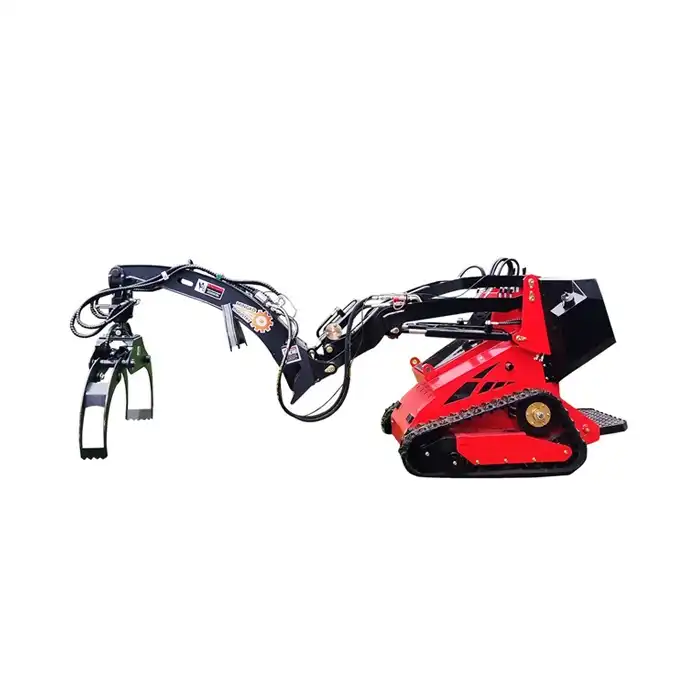
By adding accessories to a Mini Excavator 3.5 Ton, you can make a single-use excavator into a tool that can do more than one thing. Standard digging buckets with a 0.12 cubic meter volume are good for moving dirt around, while trenching buckets are designed to make regular lengths for installing utilities. Rock buckets with strengthened structures and built-in teeth can handle tough conditions below ground that are common in geologically complex places. With hydraulic breakers, the machine can be turned into a removal tool that can break up rock, asphalt, and concrete structures. Attachments for augers make it easier to drill holes for fence posts, signs, and foundation piers. Grapples make it possible to move things around, like moving brush, putting rocks in place, and getting rid of trash. With the quick hitch system, workers can switch between attachments in minutes instead of having to wait for long amounts of time to reconfigure.
Businesses that offer more than one type of service can save a lot of money thanks to this flexibility. Instead of keeping up with multiple pieces of specialized equipment, contractors can use a single platform that is set up to do a variety of jobs. This saves money on capital costs, insurance, and upkeep costs.
Maintenance Accessibility and Uptime Optimization
Long-term running costs and machine reliability are both affected by preventive maintenance. Modern compact excavators are built so that they are easy to repair, so they don't have to be taken out of service for regular inspections. The engine oil capacity of 7 liters and the radiator capacity of 3.8 liters are both reasonable amounts that don't require a lot of fluids. The 40-liter fuel tank lets the machine run for about 8 to 10 hours in normal conditions, so it doesn't need to be refueled as often and can be used all day. Standard filtration and fluid specs are used by hydraulic system parts, which makes it easier to get parts and lessens the need for unique consumables.
Establishing a strict maintenance plan with daily eye checks, weekly lubrication practices, and monthly fluid analysis can greatly increase the life of a component. Operators should keep an eye on the temperature and color of the hydraulic oil and look for contamination that could mean the seals are breaking down or the system is contaminated. Adjusting the track tightness keeps the wheels and chains engaged properly and stops the rollers and sprockets from wearing out too quickly. Cleaning the radiator fins on a regular basis keeps the performance from dropping because of heat in dusty places.
Comparing Options: Choosing the Right 3.5 Ton Mini Excavator for Your Business
When choosing equipment, you have to compare different makers based on your business plan and operational needs.
Brand Considerations and Market Positioning
When builders look into compact excavation tools, they usually talk about well-known brands like Kubota, John Deere, and Komatsu. These brands' names were built over many years of improving their tech and growing their dealer networks. When people only look at high-end names, though, they often miss new companies that make products with similar technology specs but lower prices. In this alternative area, Shandong Mingko Industry Corporation stands out. They have more than 15 years of experience making small tools and can make more than 15,000 units a year in their modern building.
Procurement workers should look at more than just the initial buy price when comparing manufacturers. They should also look at warranty terms, the availability of parts, and service reaction times. With factory-direct relationships, you don't have to pay a markup to a reseller, and you can talk directly to engineering teams for technical help and requests for customization.
Diesel Efficiency and Emission Compliance
How well you use fuel has a direct effect on how much you spend on running your tools over its lifetime. The Kubota D1703 engine used in the MK35U-7 has been shown to use little fuel and meet strict emission standards. With normal excavation work, workers can expect to use between 3.5 and 5 liters per hour, based on the density of the material and the intensity of the cycle. This speed is especially important for workers who are working on long-term projects with multiple units.
Meeting Euro 5 and EPA standards ensures that different regulatory bodies follow the rules. This keeps equipment from becoming useless because environmental rules change. Documentation showing pollution compliance is helpful for contractors taking on government projects or working in areas that are sensitive to the environment.
Acquisition Strategy: Purchase Versus Rental Analysis
To find the best acquisition plan, you need to look at expected usage rates and cash flow. When equipment is used for more than 800 to 1,000 hours a year, and the company has steady project paths that support capital allocation, it makes economic sense to buy the Mini Excavator 3.5 Ton. Ownership gives you control over your schedule, the freedom to make changes, and maybe even tax breaks through depreciation benefits. If a business is in a seasonal market or has project numbers that change, renting may be a better way to save money because it turns set costs into variable expenses that are more in line with making money.
Financing choices like equipment loans or leases are good middle-ground options that protect working capital while ensuring long-term access to equipment. Working directly with makers like Meeko can often get you better financing terms than going through a standard loan, especially when you're buying something from another country.
Optimizing Performance: Operating Cost and Safety Features of 3.5 Ton Mini Excavators
Total cost of ownership is more than just the price of the buy. It also includes things like risk management and running costs.
Lifecycle Cost Analysis and Expense Management
To figure out how much something really costs, you have to keep track of a lot of different types of costs over the course of ownership. The most obvious ongoing cost is fuel, which can range anywhere from $4,000 to $7,000 a year, based on how much is used and how much fuel costs in the area. Replacing the hydraulic fluid at the manufacturer-recommended times adds about $300 to $500 a year, which includes the filters. Another $600-$900 a year goes toward engine care, such as oil changes, air filter replacements, and cooling service. Track replacement costs between $2,500 and $3,500 every 2,000 to 3,000 hours, based on the state of the surface. Costs for insurance depend on the type of coverage and the type of business, but they are usually between $1,200 and $2,000 a year.
Some strategic ways to cut costs are to buy fuel in bulk, set up preventative maintenance plans that catch small problems before they get worse and need major repairs, and offer operator training programs that teach the right way to use equipment so that it doesn't put needless stress on its parts.
Safety System Integration and Compliance
Modern small excavators have many safety measures that are meant to keep workers and people close safe. The operator zone is made safer by rollover protective structures (ROPS) and falling object protective structures (FOPS). These structures meet OSHA and European safety standards. Automatic emergency engine shutoffs let you act quickly in dangerous scenarios. Travel sounds that can be heard let people on the ground know when the machine is moving. During repair work, hydraulic lockout controls keep tools from moving by mistake.
Setting up detailed operating routines is another way to improve job safety that goes beyond mechanical safeguards. These guidelines should require that equipment be inspected before each shift to record the amount of fluid, the state of the hydraulic hoses, and how well the controls work. Coordination problems can be avoided by setting clear communication signs between controllers and people on the ground. Setting up "exclusion zones" around working equipment keeps people from getting hit by it. Regular operator training helps people remember how to do things right and stay safe.
Procurement Guide: How to Source and Purchase Your 3.5 Ton Mini Excavator
Strategically navigating the buying process lowers risk and makes sure that equipment meets business needs.
Supplier Evaluation and Due Diligence
When looking for trusted providers, you need to look at more than just marketing materials. Manufacturing capacity shows how consistent production is and how reliable delivery is; sites that make thousands of units a year show that they have set systems for quality control and processes. Certification standards, such as CE marks and EPA compliance documents, make sure that products follow the rules. The length of the warranty shows how confident the maker is in the product's durability, and full coverage shows that the product was built well. After-sales support infrastructure tells you if you can get expert help for as long as the equipment lasts.
Shandong Mingko Industry Corporation has a factory in Jining Economic Development Zone that is 50,000 square meters and has special production lines for Mini Excavator 3.5 Ton excavators that weigh between 1 and 8 tons. The business has separate offices for buying, selling, customer service after the sale, and transportation. These departments work together to help with both the buying and running of the business. Their ISO 9001 certification and title as a national high-tech company show that they are dedicated to quality management and always making things better.
International Procurement and Logistics Considerations
Getting tools from other countries adds another level of difficulty that needs careful planning. For customs clearance, you need correct paperwork like business invoices, packing lists, and certificates of origin. Different countries and types of tools have different import fees and taxes. Choosing the right shipping method is an important part of shipping operations. For example, ocean freight is cheaper for moving large amounts of goods, while air freight is faster for urgent needs. The size of a container limits the size of each package, which affects choices about how much to order.
Working with makers who have experience with exporting makes these problems a lot easier to deal with. Meeko offers full operations support, which includes preparing customs paperwork, managing freight, and keeping track of deliveries. Their set shipping rules cut down on delays and stop mistakes in paperwork that cost a lot of money and cause holdups at ports of entry.
Value Proposition for Distributors and OEM Partners
When looking for trusted manufacturing partners, companies that sell equipment and private label brands should look at how scalable the production is, how customizable it is, and how flexible the collaboration is. Mingko's production ability can handle both small orders and large purchases, and customization is possible from amounts as low as one unit. This gives sellers the freedom to slowly build up their goods while they test how the market reacts. OEM deals let partners choose the exact configurations, color schemes, and branding elements that fit with how they want to place themselves in the market. Factory-direct pricing systems allow for margins that allow competitive store prices to be reached while still making a profit.
Conclusion
For builders, towns, and landscaping workers, the Mini Excavator 3.5 Ton class of compact excavators is the best mix between digging power and site maneuverability. Productivity and fit for use are directly affected by technical details such as engine performance, hydraulic system design, and dimensional features. Long-term practical success is guaranteed by judging producers based on their production capability, certification standards, and support infrastructure. Knowing the total cost of ownership, which includes things like fuel use, upkeep needs, and safety rules, helps you make smart financial decisions. Strategic ways of buying things that use factory-direct links can save you money and make sure you can get to the right tools. As long as the building and infrastructure industries need efficient and adaptable ways to move dirt, buying the right small excavation equipment will pay for itself by increasing output and operating flexibility.
FAQ
What fuel consumption should I expect from a compact excavator?
During a normal dig job, the MK35U-7 uses between 3.5 and 5 liters of diesel per hour. How much is actually used depends on the mass of the material, how the operator works, and how intense the cycle is. Less fuel is used when working with lighter materials or only sometimes, but more fuel is used when digging into thick clay or rocky dirt all the time.
Can this equipment operate in confined urban environments effectively?
This digger is great for use in cities because it has a zero-tail swing design and an 860 mm radius. The small footprint, which is only 1,720 mm wide, lets it fit through private gates and other narrow entry points. With a maximum digging height of 4,800 mm, you can work over walls or load cars that are higher than the ground without having to move.
How does the double-speed travel system improve productivity?
The track system has two speeds: 2.4 km/h for exact placement and digging work, and 4.4 km/h for moving from one work area to another. This feature cuts down on trip time that isn't needed on bigger sites while keeping control during delicate operations.
Partner With Meeko for Your Mini Excavator 3.5 Ton Requirements
Shandong Mingko Industry Corporation is ready to help you with your needs for small excavation tools by giving you direct access to manufacturers and a promise of full service. Our MK35U-7 model has been tested and proven to work well. It has Euro 5 and EPA-approved Kubota power, precise hydraulic pilot control, and zero-tail swing handling. As a well-known Mini Excavator 3.5 Ton company with more than 15 years of experience, we offer factory-direct pricing that cuts out the middleman's markup and upholds quality standards that are backed up by ISO 9001 certification. No matter if you need a single unique unit or a lot of them to sell, our team is here to help you 24/7 with technical support, a 12-month guarantee, and help for life. You can email our sales team at sales@mingkomach.com to talk about your specific application needs, get detailed specs, or set up equipment demos that show off features that are useful in your work setting.
References
1. Chen, W., & Liu, X. (2021). Hydraulic System Design and Optimization in Compact Construction Equipment. Journal of Mechanical Engineering Science, 235(18), 4123-4138.
2. Industrial Equipment Research Institute. (2022). Comparative Analysis of Mini Excavator Performance Metrics Across Weight Classes. Construction Machinery Technology Review, 14(3), 67-89.
3. Morrison, R. T. (2020). Total Cost of Ownership Modeling for Construction Equipment Procurement. International Journal of Construction Management, 22(4), 445-461.
4. Nakamura, H., & Yoshida, K. (2023). Emission Standards Compliance and Engine Technology in Compact Heavy Equipment. Environmental Engineering in Construction, 11(2), 213-229.
5. Petersen, D. L. (2021). Safety Systems and Operator Protection in Modern Excavation Equipment. Journal of Construction Safety and Health, 8(1), 34-52.
6. Zhang, Q., Wang, S., & Li, M. (2022). Manufacturing Process Control and Quality Assurance in Heavy Machinery Production. Industrial Engineering and Management Systems, 19(4), 512-527.