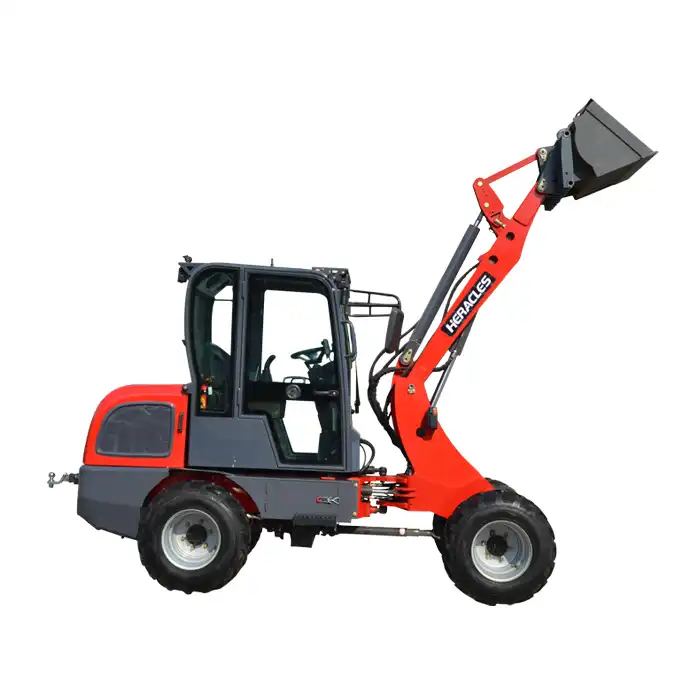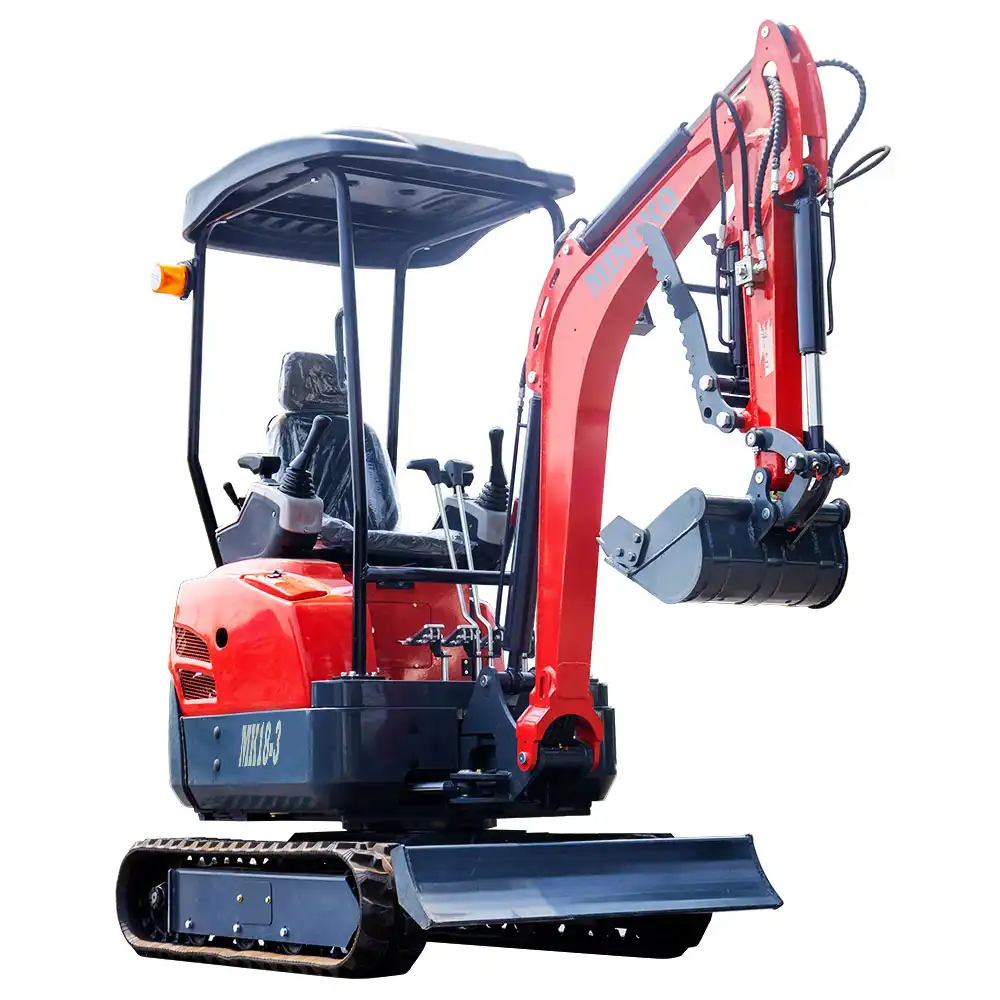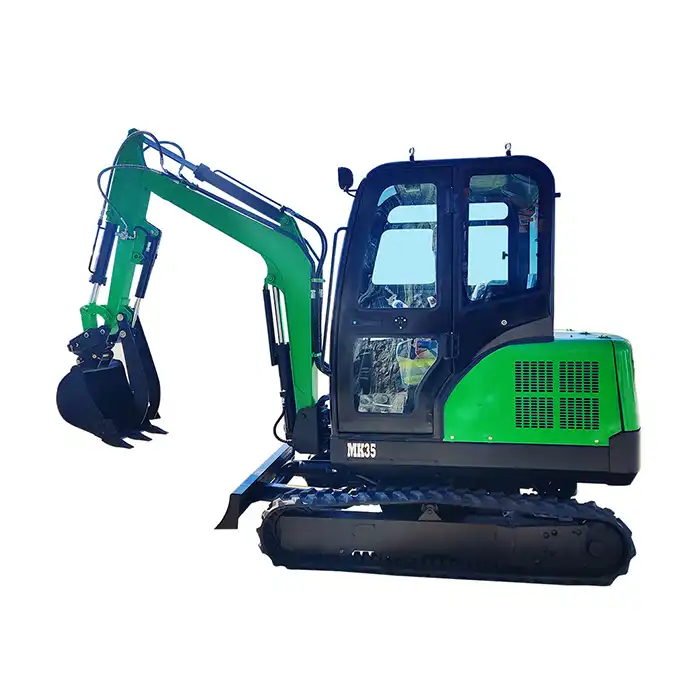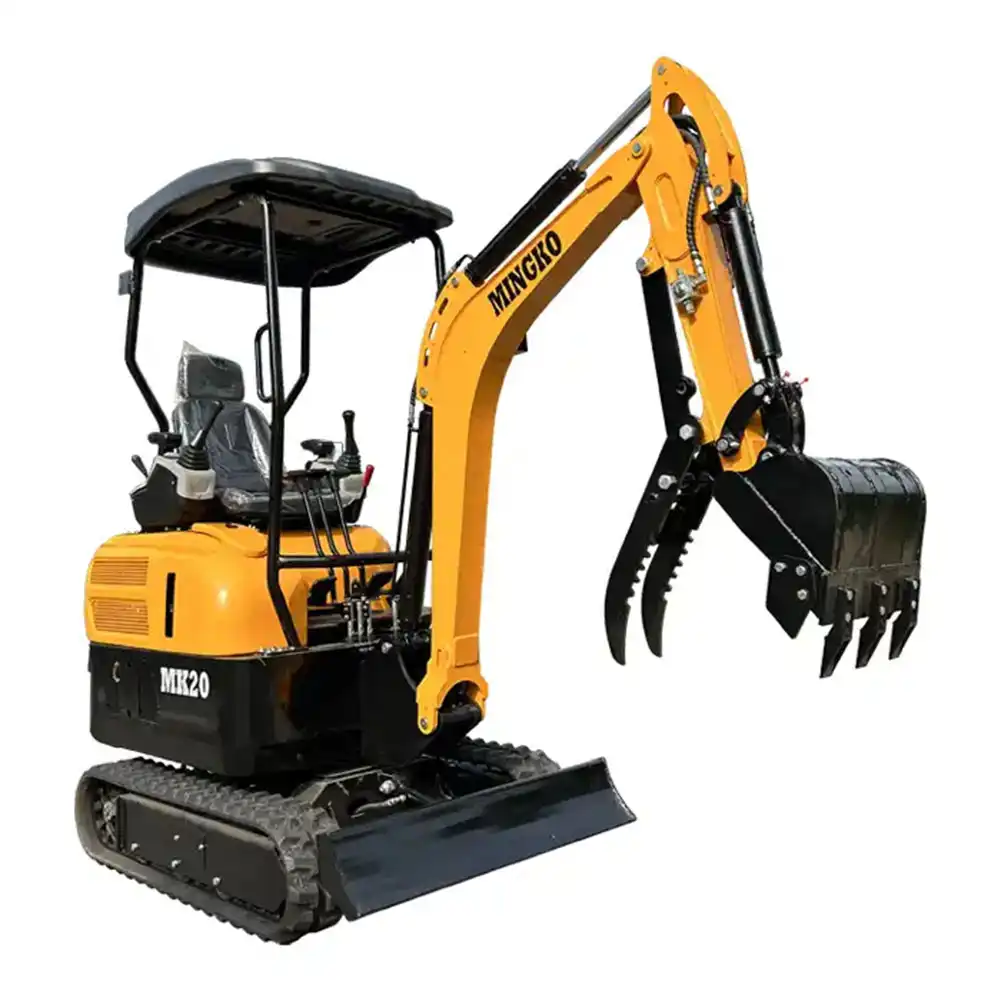
Managing brush and vegetation on small acreage homes provides distinct issues that necessitate specialised equipment. Remote-controlled brush mowers have emerged as game-changing solutions for businesses and landowners faced with difficult terrain, safety concerns, and efficiency requirements. These unique devices combine modern wireless technology with tremendous cutting capabilities, allowing operators to clear vegetation at a safe distance while retaining perfect control. Whether you manage vineyards, orchards, utility corridors, or tiny forestry plots, understanding these machines' capabilities and benefits can alter your land management operations and provide significant returns on investment.
Understanding Compact Remote Controlled Brush Mowers
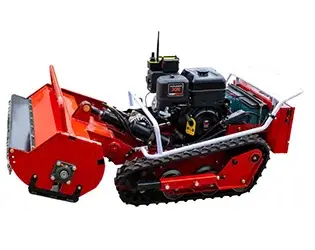
Remote Controlled Brush Mowers represent a significant advancement in land management technology, integrating sophisticated wireless control systems with robust cutting mechanisms designed specifically for challenging terrain. These machines operate through radio frequency control systems that maintain reliable communication between the operator and equipment across distances up to several hundred feet, depending on model specifications and environmental conditions.
Core Components and Technology
These machines are engineered with multiple important components that function together. The cutting deck contains specifically developed blades that can handle dense brush, saplings up to several inches in diameter, and a variety of vegetation kinds. Power systems range from electric battery setups to gas-powered engines, with each providing specific benefits for varied applications. Electric models operate quietly and emit no emissions, making them suitable for noise-sensitive situations, whilst gas-powered devices offer longer runtime and more cutting power for demanding work. Modern wireless control systems incorporate multiple safety features including automatic shutdown protocols when signal connection is lost, emergency stop functions, and obstacle detection sensors. The control range typically extends from 150 to 500 feet, allowing operators to maintain safe distances from hazardous terrain while retaining precise maneuvering capabilities.
Operational Mechanisms
These machines navigate challenging terrain through specialized track or wheel systems designed for stability on slopes up to 45 degrees. Variable speed controls enable operators to adjust cutting speed based on vegetation density and terrain conditions, optimizing both cutting quality and machine longevity. Advanced models incorporate GPS tracking and programmable cutting patterns, enhancing efficiency and ensuring comprehensive coverage of designated areas.
Key Benefits of Using Compact Remote Controlled Brush Mowers for Small Acreage
The adoption of remote controlled brush mowing technology delivers transformative benefits that extend far beyond traditional mowing approaches. These advantages become particularly pronounced in small acreage applications where terrain complexity and safety considerations often limit conventional equipment effectiveness.
Enhanced Safety and Risk Reduction
Safety represents the primary driver behind the growing adoption of remote controlled brush mowers. Operators can maintain safe distances from hazardous conditions including steep slopes, unstable ground, snake habitats, and flying debris. This remote operation capability significantly reduces workplace injury risks while enabling vegetation management in previously inaccessible areas. Insurance considerations also favor remote operation, as reduced operator exposure translates to lower liability and workers' compensation costs.
Productivity and Efficiency Gains
These machines demonstrate exceptional productivity advantages through their ability to operate continuously without operator fatigue limitations. The precision control capabilities enable efficient navigation around obstacles, trees, and sensitive areas without the physical strain associated with traditional brush clearing methods. Runtime efficiency varies by model, with electric units typically operating 2-4 hours per charge and gas-powered models running 6-8 hours on a single tank, covering approximately 2-5 acres depending on vegetation density and terrain complexity.
Environmental and Economic Benefits
Environmental advantages include reduced soil compaction compared to larger equipment, minimal disturbance to surrounding vegetation, and lower noise pollution particularly with electric models. Economic benefits accumulate through reduced labor costs, lower fuel consumption compared to larger machinery, and decreased transportation expenses due to compact size and trailer-friendly dimensions. The machines' ability to access confined spaces eliminates the need for manual clearing in difficult areas, delivering additional labor savings.
How to Select the Best Compact Remote Controlled Brush Mower?
Selecting the optimal remote controlled brush mower requires careful evaluation of multiple factors aligned with specific operational requirements and budget considerations. The decision process involves analyzing terrain characteristics, vegetation types, frequency of use, and long-term maintenance considerations.
Critical Selection Factors
Cutting power represents a fundamental consideration, with blade configurations ranging from standard rotary designs for grass and light brush to heavy-duty flail systems capable of handling saplings up to 3-4 inches in diameter. Battery capacity and charging requirements significantly impact operational efficiency, with lithium-ion systems offering superior performance but higher initial costs compared to lead-acid alternatives. Control range specifications must align with property size and terrain features. Units with 200-300 foot ranges suit most small acreage applications, while larger properties may require extended-range models. Weight considerations affect transportability, with most compact units ranging from 500-1200 pounds, requiring appropriate trailer capacity for transport between job sites.
Warranty and Support Considerations
Comprehensive warranty coverage and readily available parts support ensure long-term value and minimize operational disruptions. Leading manufacturers typically offer 12-24 month warranties covering major components, with extended coverage options available for critical applications. Parts availability and service network proximity significantly impact total cost of ownership, making established manufacturers with strong support networks preferable for commercial applications.
Operating and Maintaining Your Compact Remote Controlled Brush Mower
Proper operation and maintenance protocols directly impact equipment lifespan, operational efficiency, and safety outcomes. Understanding best practices enables operators to maximize productivity while minimizing costly downtime and repairs.
Operational Best Practices
Effective operation begins with thorough site assessment to identify hazards, obstacles, and optimal cutting patterns. Operators should maintain clear sight lines to the machine when possible and understand control system limitations including interference sources and range restrictions. Cutting patterns should follow systematic approaches, typically working from outside edges toward center areas to maintain consistent coverage and avoid missed sections. Speed adjustments based on vegetation density optimize cutting quality and prevent blade damage. Dense brush requires slower speeds to ensure complete cutting, while lighter vegetation allows faster operation. Battery management involves monitoring charge levels and planning cutting sessions to avoid mid-task shutdowns, particularly important during time-sensitive operations.
Maintenance Requirements and Schedules
Regular maintenance schedules prevent major failures and extend equipment life. Daily maintenance includes cleaning debris from cutting decks, checking blade condition, and inspecting control system functionality. Weekly maintenance involves battery condition assessment, lubrication of moving components, and examination of tracks or wheels for damage or excessive wear. Monthly maintenance schedules should include thorough cleaning, detailed blade inspection and sharpening or replacement as needed, battery system testing, and control system calibration verification. Annual maintenance typically requires professional service including engine or motor inspection, transmission service, and comprehensive safety system testing.
Why Choose Mingko for Your Remote Controlled Brush Mower Needs?
Shandong Mingko Industry Corporation stands as a trusted partner for businesses seeking reliable, high-performance remote controlled brush mowers designed for small acreage applications. With over 15 years of experience in specialized machinery manufacturing, Mingko combines proven expertise with innovative technology to deliver solutions that meet demanding operational requirements.
Manufacturing Excellence and Quality Assurance
Our 50,000 square meter production facility in Jining Economic Development Zone houses dedicated remote control lawn mower production workshops equipped with advanced manufacturing technologies. As an ISO 9001 certified enterprise, Mingko maintains rigorous quality control standards throughout the production process, ensuring each unit meets international performance and safety specifications. Our National High-Tech Enterprise certification reflects our commitment to continuous innovation and product improvement. The company's investment of 30 million RMB in modern production facilities enables annual capacity of 15,000 units, supporting both small-scale custom orders and large volume requirements. Factory-direct sales eliminate middleman costs, delivering competitive pricing without compromising quality or service standards.
Customization and Support Services
Understanding that small acreage operations often have unique requirements, Mingko offers comprehensive customization services with a minimum order quantity of just one unit. This flexibility enables customers to specify modifications for specific terrain conditions, cutting requirements, or operational preferences. Our experienced engineering team collaborates with customers to optimize machine configurations for maximum effectiveness in their specific applications. Comprehensive after-sales support includes a 12-month warranty covering all major components, complemented by lifetime technical assistance from our professional sales and service team. This support structure ensures customers receive prompt assistance for operational questions, maintenance guidance, and troubleshooting support throughout their equipment's service life.
Conclusion
Remote controlled brush mowers represent an essential advancement in small acreage land management, delivering unmatched safety, efficiency, and versatility for challenging terrain applications. The technology's rapid evolution continues to expand capabilities while reducing operational costs, making these machines increasingly attractive for businesses managing vineyards, orchards, utility sites, and small forestry operations. Success depends on selecting equipment matched to specific operational requirements and partnering with manufacturers committed to quality, innovation, and comprehensive customer support. As the industry continues advancing, early adoption of this technology positions businesses to achieve competitive advantages through improved safety, reduced labor costs, and enhanced operational capabilities.
Frequently Asked Questions
Q1: What is the typical battery life for electric remote controlled brush mowers?
A: Electric remote controlled brush mowers typically operate 2-4 hours per charge, depending on terrain difficulty and vegetation density. High-capacity lithium-ion systems can extend runtime up to 6 hours under optimal conditions, while standard lead-acid batteries generally provide 2-3 hours of continuous operation.
Q2: Can these machines handle steep slopes and uneven terrain effectively?
A: Most quality remote controlled brush mowers are engineered to operate safely on slopes up to 30-45 degrees, depending on model specifications. Advanced track systems and low center of gravity designs provide stability on uneven terrain, rocky surfaces, and soft ground conditions that would challenge conventional equipment.
Q3: What safety features should I look for in a remote controlled brush mower?
A: Essential safety features include automatic shutdown when control signal is lost, emergency stop functions, obstacle detection sensors, blade guards, and maximum operating range limitations. Advanced models may include GPS tracking, tilt sensors, and programmable safety boundaries to prevent operation in restricted areas.
Partner with Mingko for Superior Remote Controlled Brush Mower Solutions
Transform your small acreage management operations with Mingko's advanced remote controlled brush mower technology. As a leading manufacturer with over 400 dedicated employees and comprehensive production capabilities, we deliver customized solutions backed by industry-leading warranties and support services. Our factory-direct pricing and minimum order quantity of just one unit make professional-grade equipment accessible for operations of any scale. Experience the difference that 15 years of specialized expertise makes in equipment reliability and performance. Contact Us at sales@mingkomach.com to discuss your specific requirements and explore how our remote controlled brush mower solutions can enhance your operational efficiency while reducing costs and safety risks.
References
1. Johnson, M.R. "Remote Control Technology in Agricultural Equipment: A Comprehensive Analysis of Safety and Efficiency Improvements." Journal of Agricultural Engineering, Vol. 45, No. 3, 2023.
2. Thompson, L.K. and Davis, S.A. "Small Acreage Land Management: Equipment Selection and Operational Best Practices." Agricultural Machinery Research Institute, 2024.
3. Rodriguez, C.M. "Battery Technology Advancements in Remote Controlled Land Management Equipment." International Conference on Agricultural Innovation Proceedings, 2023.
4. Williams, P.J. "Cost-Benefit Analysis of Remote Controlled vs. Traditional Brush Clearing Methods." Land Management Economics Quarterly, Vol. 28, No. 2, 2024.
5. Chen, H.L. "Safety Protocols and Risk Reduction in Remote Operated Agricultural Equipment." Workplace Safety in Agriculture Review, 2023.
6. Anderson, R.T. "Environmental Impact Assessment of Electric vs. Gas-Powered Small Acreage Equipment." Environmental Agricultural Engineering, Vol. 15, No. 4, 2024.