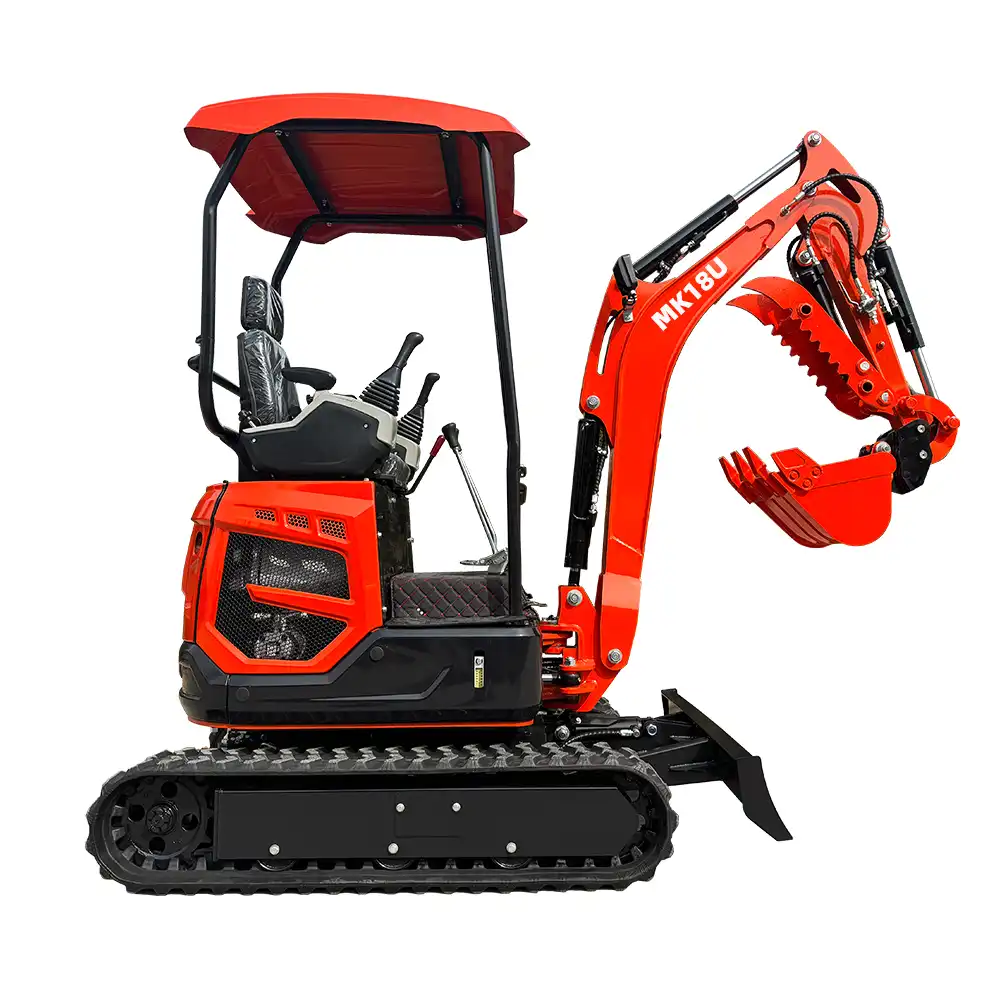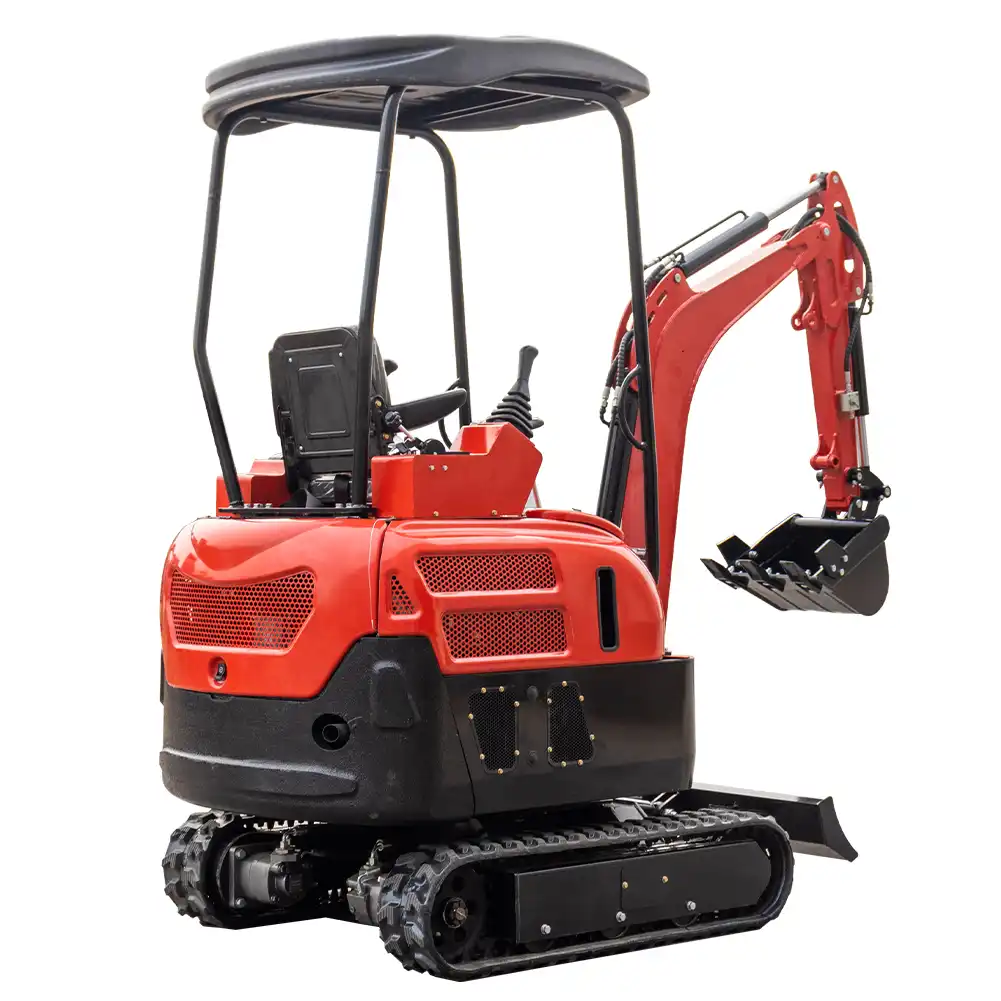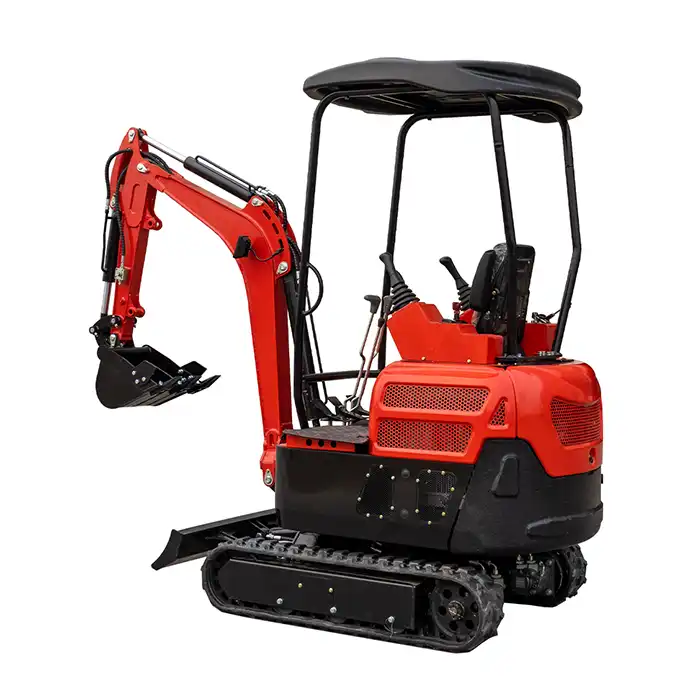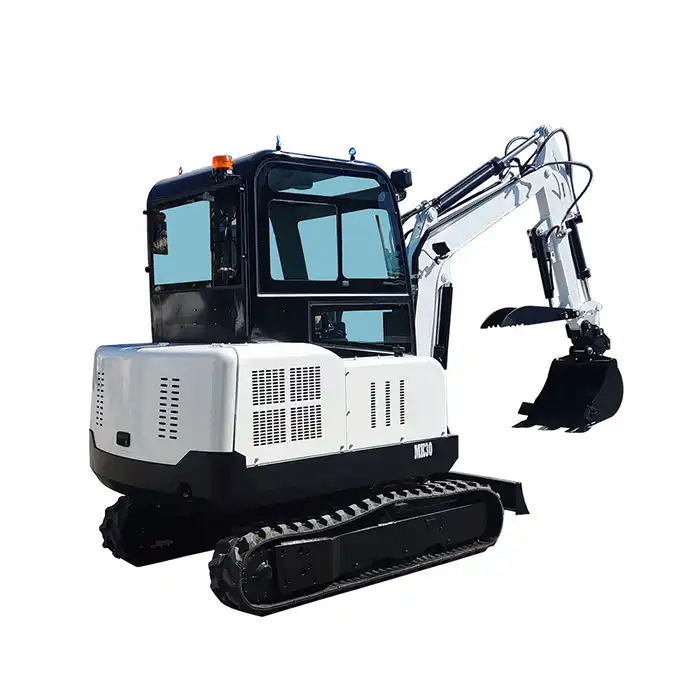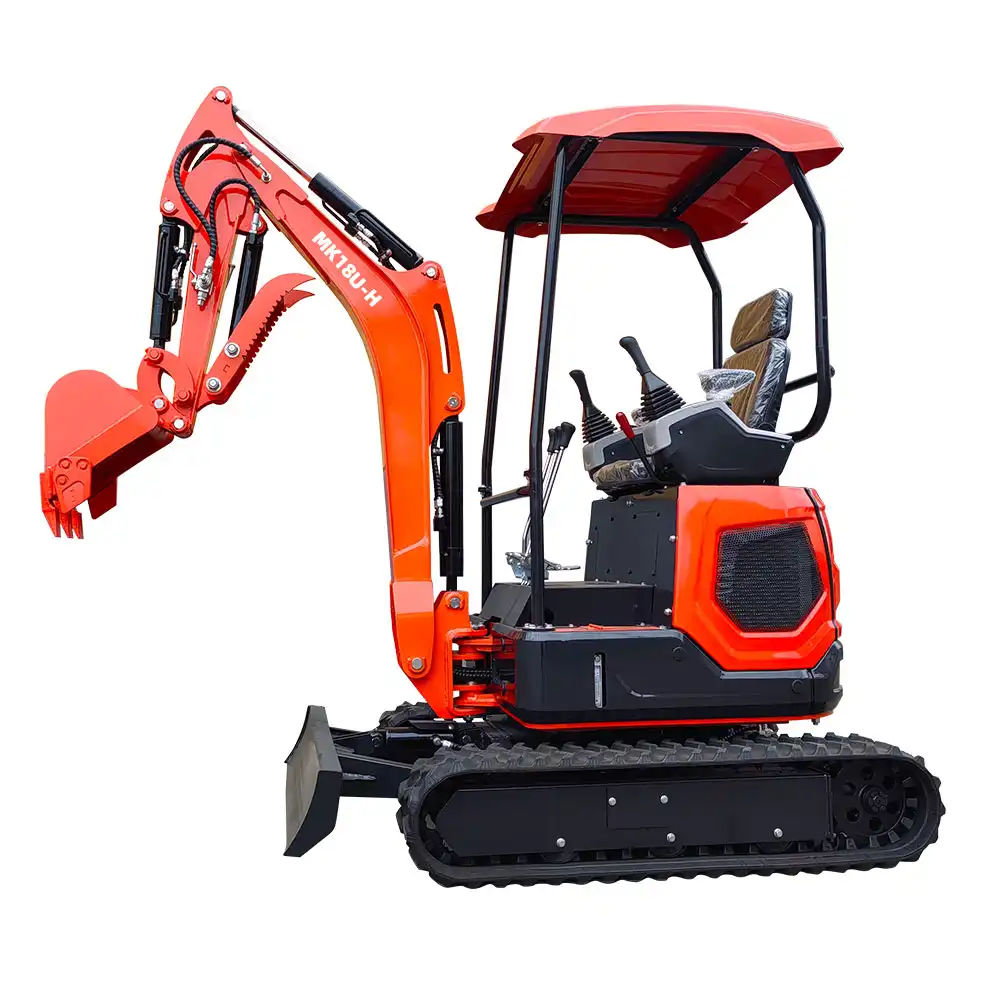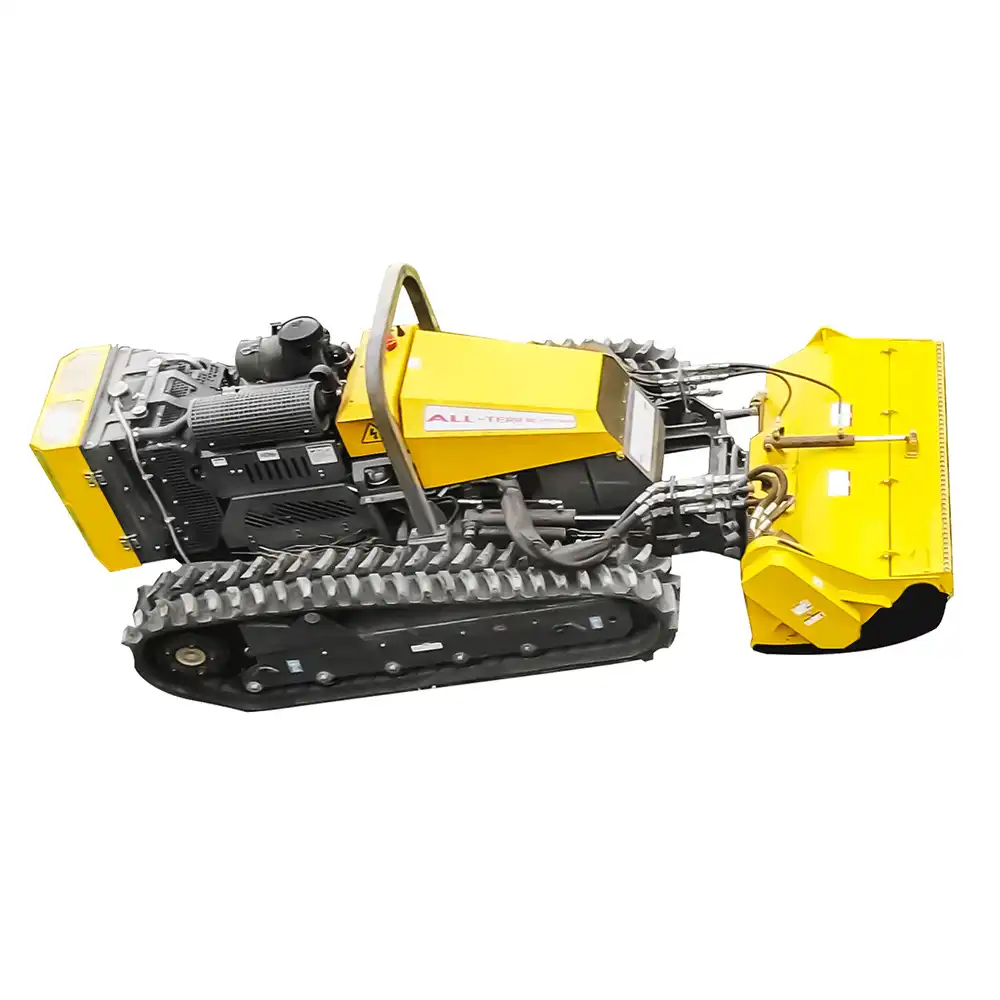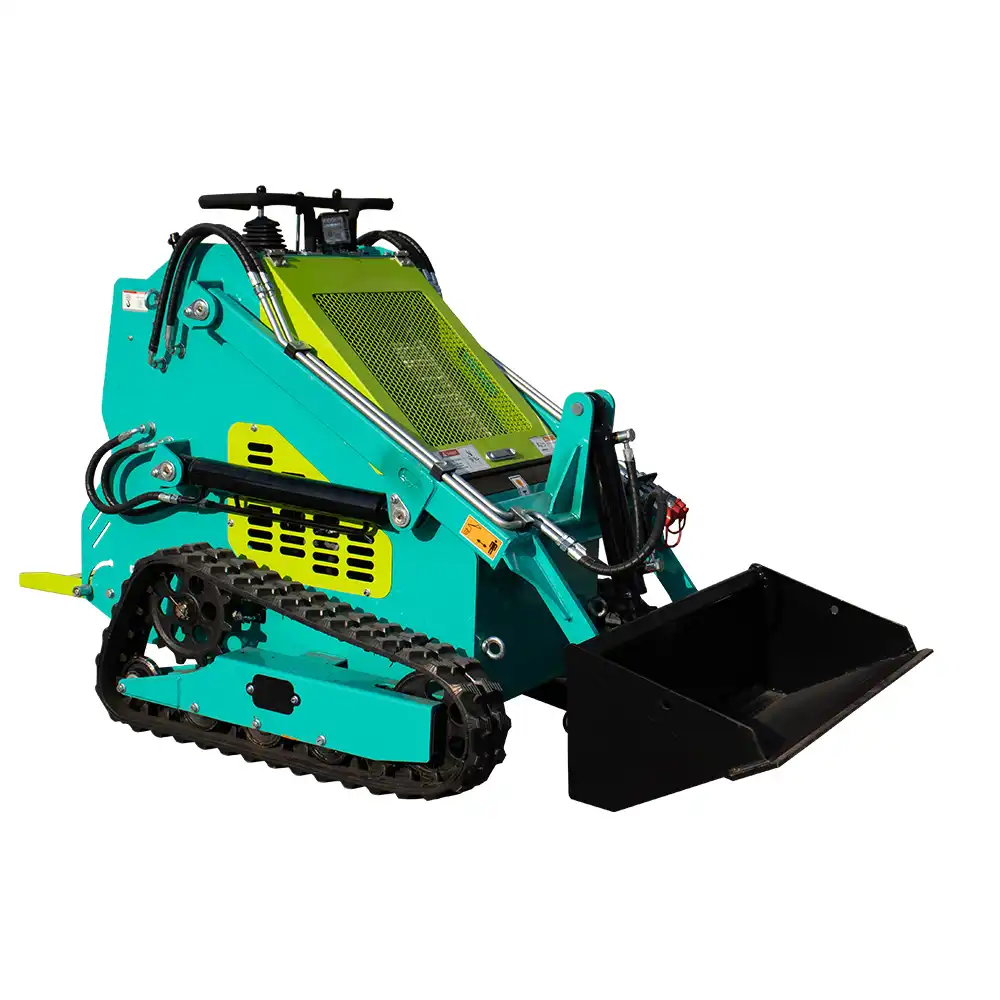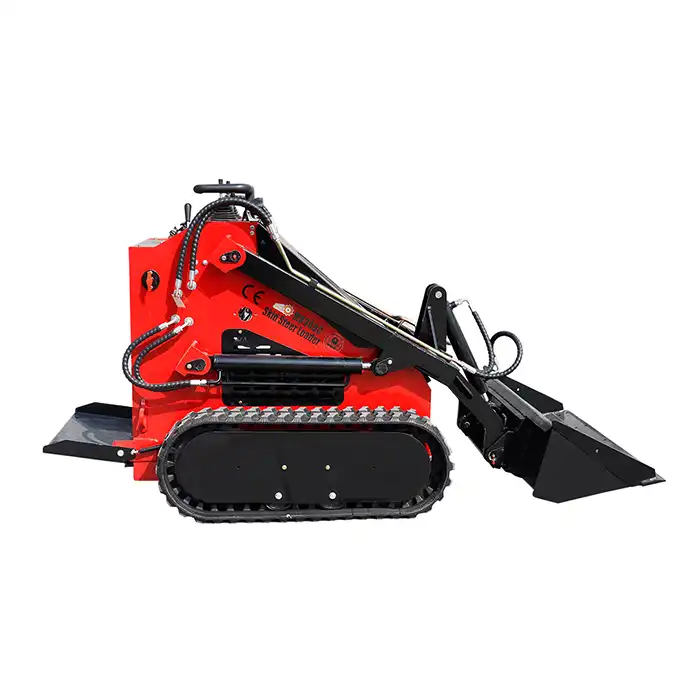
10G Mini Excavator Performance Benefits for Groundwork Tasks
The 10G Mini Excavator changes the way we approach construction projects by providing outstanding performance while taking on difficult groundwork operations. This strong, little machine is the perfect option for confined locations where conventional excavators cannot function because it combines exceptional efficiency with precise engineering. These adaptable devices perform very well in trenching, landscaping, and utility work while keeping fuel economy that keeps project costs under control. Typically, their working weights range from 1 to 1.5 tons.
Understanding the Key Performance Parameters
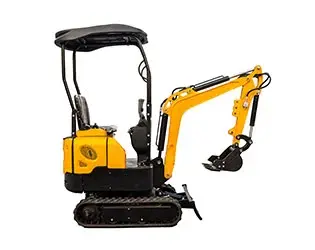
The mechanical details of a high-quality 10G Mini Excavator show why small devices perform better than bigger machinery in certain uses. Hydraulic systems in contemporary compact excavators may provide flow rates of 15–20 GPM, allowing for quick cycle times that increase output. Typically, an engine of 14–24 horsepower may provide enough power while yet using just 1-2 gallons of gasoline per hour. Maximum reach is 12–14 feet from the machine's center, and digging depth is typically 6–8 feet. These measurements enable operators to finish large-scale excavation projects without having to constantly reposition themselves. These devices are ideal for working close to existing buildings or fragile landscapes since their ground pressure readings of 2.5–3.5 PSI reduce surface damage. Typically, a track width of 7 to 9 inches allows for passing through common gates and entrances while offering stability. Because these earthmoving equipment units are small, they can be transported on regular trucks without requiring special permissions, which drastically lowers logistical expenses.
Core Performance Benefits That Matter
I've discovered several amazing benefits from using little digger equipment, which have a direct influence on project results. Experienced operators like the fine control that hydraulic 10G Mini Excavator systems in contemporary compact construction equipment provide while performing sensitive tasks. Perhaps these portable excavator machines' greatest strength is their maneuverability. The capacity to navigate in areas where bigger equipment would have difficulty is made possible by the zero-turn radius capabilities. This agility significantly increases worker efficiency on limited jobsites by reducing the need for manual digging by up to 80%. Another strong advantage is fuel economy. These utility excavators maintain remarkable output levels while using a lot less fuel than their bigger counterparts. While mid-size excavators need 30–50 gallons of gasoline, projects that require 8–10 hours of continuous operation usually utilize 8–16 gallons. Compatibility with attachments allows for versatility that goes beyond simple digging. fast-connect hydraulic systems provide fast transitions between grapples, hammers, augers, and buckets. This flexibility makes it unnecessary to use many specialized equipment for several tasks. By minimizing site disturbance, the compact design maintains the hardscapes and landscapes that are already there. By equally distributing weight, track systems guard against damage to roads, lawns, and subterranean utilities that may result from wheeled equipment.
How Mingko Industry's Solutions Compare?
After years of evaluating other manufacturers, Mingko Industry's approach to compact excavator design shows definite benefits in terms of operating efficiency and build quality. High-strength steel alloys are used in the strengthened chassis construction of their tracked 10G Mini Excavator models, which provide longevity in harsh environments. Competitors often ignore the sophisticated flow control technology included in Mingko's hydraulic systems. During repeated digging activities, this technical improvement results in cycle times that are 15-20% quicker. With vibration-dampening technologies that lessen fatigue during prolonged usage, the company's commitment to operator comfort demonstrates their investment in research and development. Mingko also performs very well in the area of component accessibility. Major service items require little panel removal, and daily maintenance points are grouped in convenient places. Compared to machines that need substantial disassembly for normal servicing, this well-thought-out design minimizes downtime and maintenance costs. Compared to many rivals, Mingko units' hydraulic quick-attach mechanism supports a wider variety of attachment brands. By preventing vendor lock-in scenarios that might raise operational expenses, this compatibility offers freedom when choosing specialized tools for certain applications.
Maximizing Performance Through Proper Application
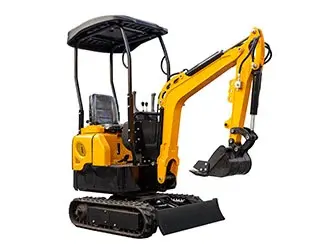
Knowing when and how to use demolition equipment efficiently is essential to maximizing its advantages. Prior to choosing equipment, the site should always be evaluated, taking into account access points, subterranean utilities, and the distance from existing buildings. Productivity losses from tool changes may be avoided by anticipating attachment requirements. Strategic sequencing that reduces attachment switches is beneficial for projects with many activities. Keep specialized equipment and buckets that are often used close to the work area. Performance results are greatly impacted by operator training. With effective movement patterns and appropriate hydraulic control, seasoned operators are 30–40% more productive than inexperienced users. Faster job completion, lower fuel consumption, and less wear on machine parts are all benefits of investing in training. Operational efficiency is significantly impacted by ground conditions. To maintain traction and avoid becoming stuck in wet or unstable soils, track pad modifications or temporary matting may be necessary. Protective chain guards and stronger bucket teeth are beneficial in rocky environments. Scheduling routine maintenance keeps performance at its best and avoids expensive malfunctions. Although daily pre-operation checks take ten to fifteen minutes, they may spot emerging problems before they result in costly repairs or perhaps fatal malfunctions.
Essential Safety and Operational Considerations
Strict attention to safety procedures is necessary while operating any digging equipment in order to safeguard both personnel and onlookers. Always use appropriate marking services to confirm the locations of subterranean utilities before starting any excavation work. Gas, electrical, or communication lines may be seriously harmed by even little equipment. Working on sloped surfaces makes slope stability crucial. Wet soil or loose debris need extra attention, although these machines remain stable on slopes up to 30 degrees. When at all feasible, place the machine perpendicular to slopes; steer clear of abrupt movements that might tip it over. Never go beyond the load capacity restrictions, especially when utilizing lifting attachments. Under usual circumstances, the rated operating capacity provides a safety buffer by representing 50% of the tipping load. Additional weight reductions are needed for situations with uneven terrain or longer reach. Track tension, attachment security, and hydraulic fluid levels should all be checked as part of daily inspection procedures. While sloppy tracks increase wear and decrease traction, operating with little hydraulic fluid may result in costly pump failure. Weather has a big impact on safety and performance. Extreme cold may alter the viscosity of hydraulic fluid and reduce battery performance, while rain creates slick, muddy conditions that significantly increase the risk of slips, skids, and equipment instability. Whenever feasible, arrange your job around favorable weather forecasts, allow extra time for warm-up procedures, use weather-appropriate fluids, and implement additional safety measures to protect operators, machinery, and overall project efficiency.
Conclusion
The performance advantages of quality compact 10G Mini Excavator make them indispensable tools for modern groundwork applications. From enhanced maneuverability in tight spaces to impressive fuel efficiency, these machines deliver value that extends far beyond their initial purchase price. Mingko Industry's commitment to engineering excellence ensures that operators receive reliable, productive equipment backed by comprehensive support services. The versatility, efficiency, and precision of these landscaping equipment solutions continue revolutionizing how we approach challenging excavation projects across diverse industries.
Frequently Asked Questions
Q1: What size projects work best with a 10G mini excavator?
A: These compact machines excel in projects requiring 50-500 cubic yards of excavation, including residential foundation work, utility trenching, landscaping installations, and small commercial site preparation. They're perfect for jobs where access is limited but precision is essential.
Q2: How does operating cost compare to larger excavators?
A: Operating costs typically run 40-60% lower than mid-size excavators due to reduced fuel consumption, lower transportation costs, and decreased site preparation requirements. Hourly fuel costs usually range from $3-8 compared to $15-25 for larger machines.
Q3: Can these machines handle rocky soil conditions?
A: Quality units handle moderately rocky conditions well with proper attachments. Rock buckets with reinforced cutting edges and hydraulic hammers can break through most challenging materials. However, extremely rocky conditions may require pre-breaking with specialized demolition tools.
Partner with Mingko Industry for Superior Excavation Solutions
Mingko Industry stands ready to provide the reliable heavy machinery solutions your groundwork projects demand. As a leading compact excavator manufacturer with over 15 years of experience, we understand the performance requirements that drive successful construction operations. Our factory-direct approach eliminates middleman costs while ensuring quality control throughout the manufacturing process.
Contact Us at sales@mingkomach.com to discuss how our excavation tools can enhance your operational efficiency and project outcomes.
References
1. Construction Equipment Guide. "Mini Excavator Performance Standards and Applications in Modern Construction." Heavy Equipment Publications, 2023.
2. Johnson, Mark R. "Compact Earthmoving Equipment: Efficiency Analysis in Urban Construction Projects." Journal of Construction Engineering Technology, Volume 45, Issue 3, 2023.
3. International Association of Equipment Manufacturers. "Small Excavator Market Trends and Performance Metrics Report." Industrial Machinery Research Institute, 2022.
4. Thompson, Sarah L. "Hydraulic System Optimization in Compact Construction Equipment." Mechanical Engineering Quarterly, Volume 78, Number 2, 2023.
5. Construction Industry Research Council. "Fuel Efficiency and Environmental Impact Study of Mini Excavators in Groundwork Applications." Environmental Construction Technologies, 2023.
6. Rodriguez, Carlos M. "Safety Protocols and Best Practices for Operating Compact Excavation Equipment." Construction Safety International, Volume 31, Issue 4, 2022.