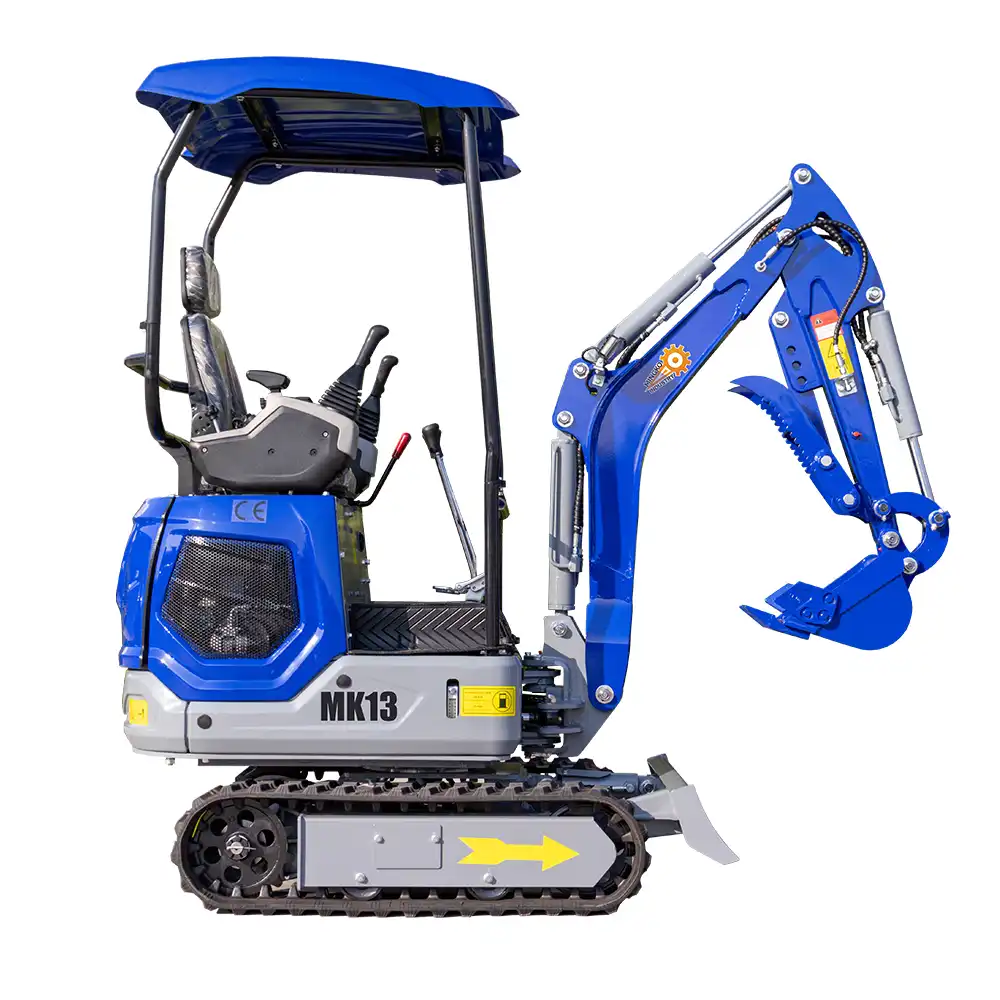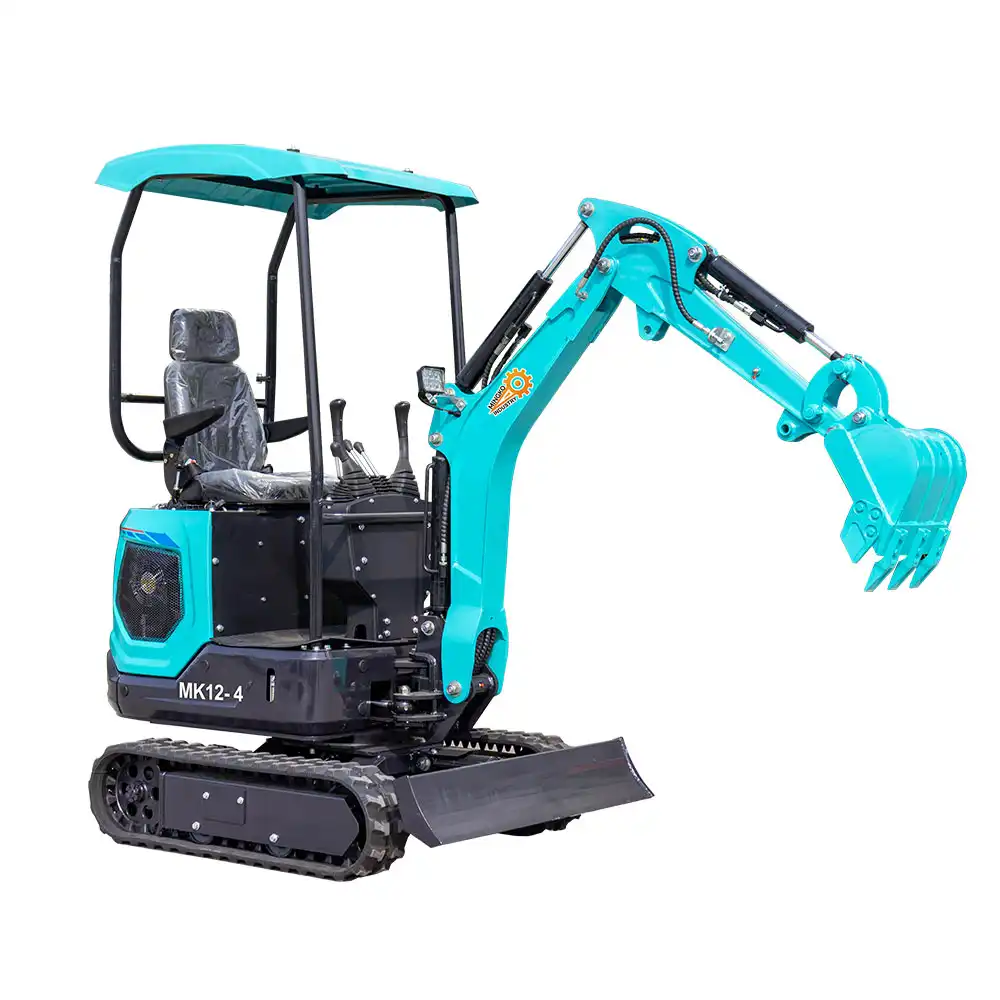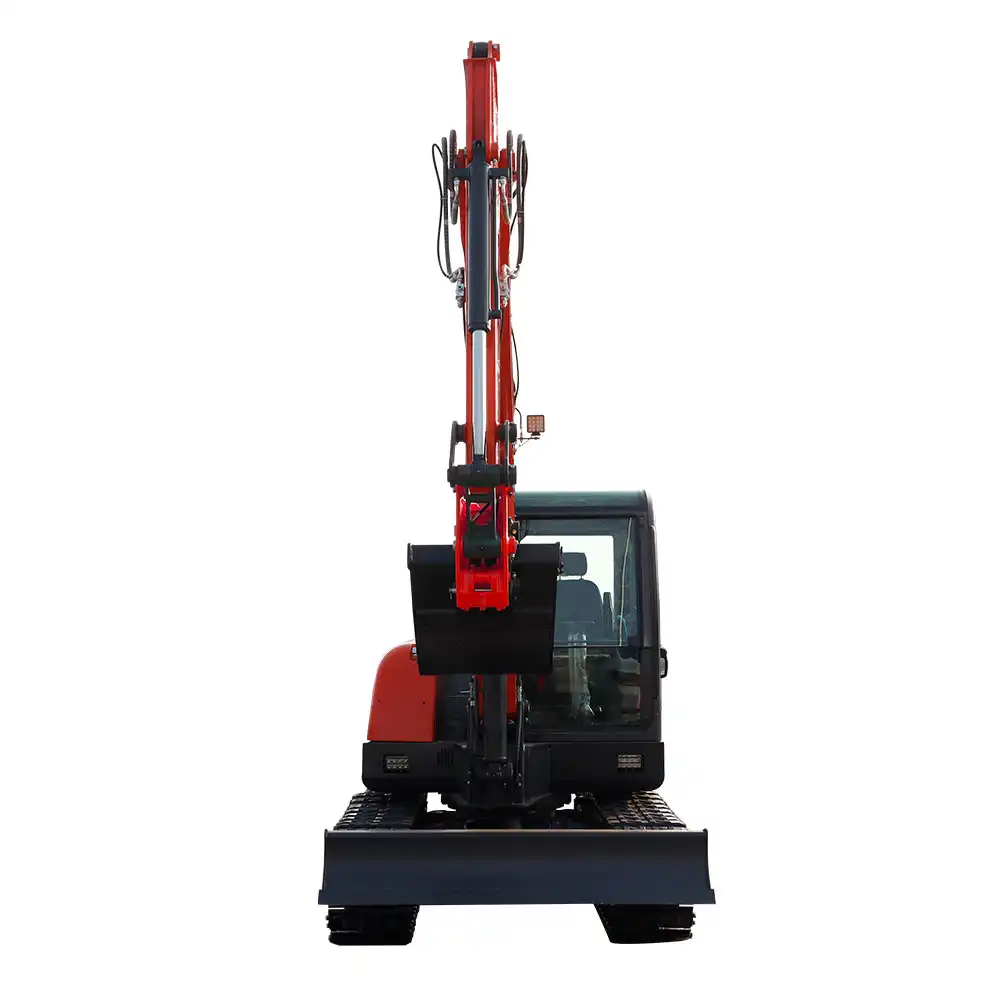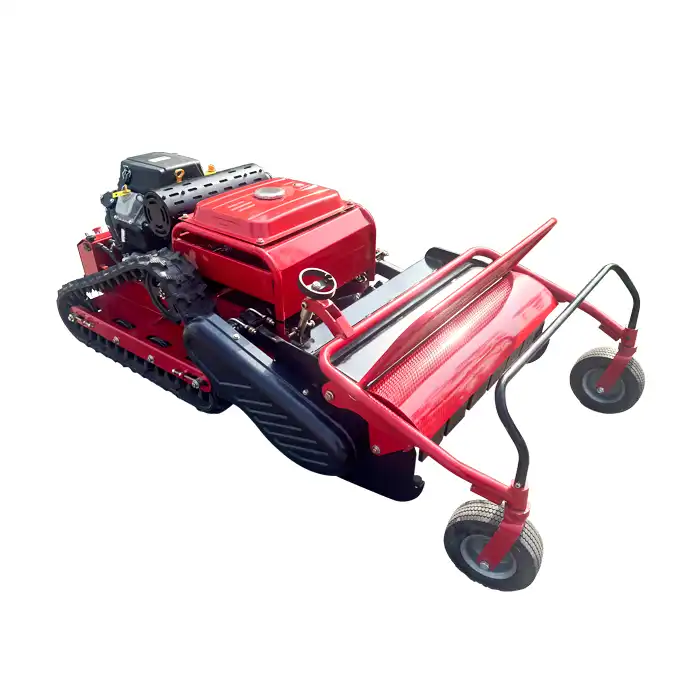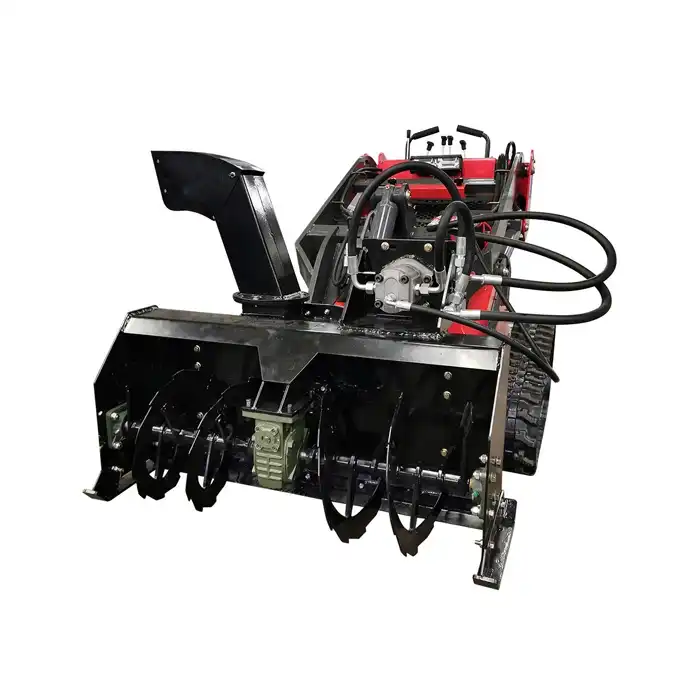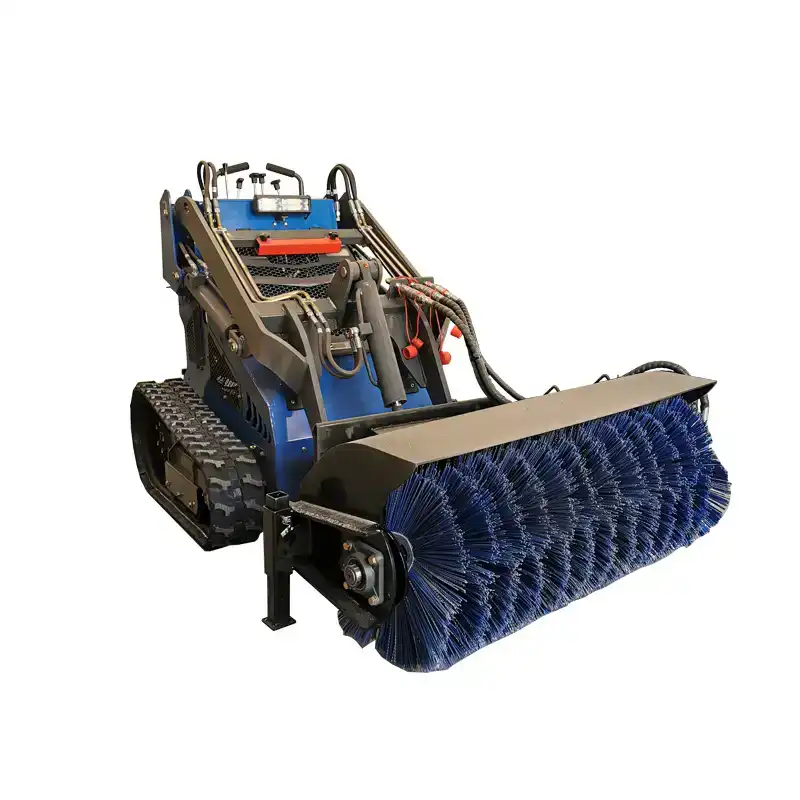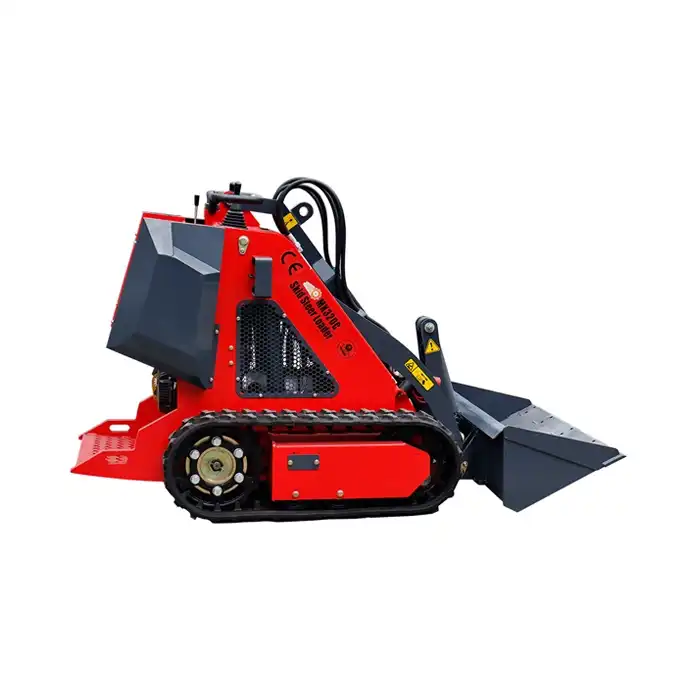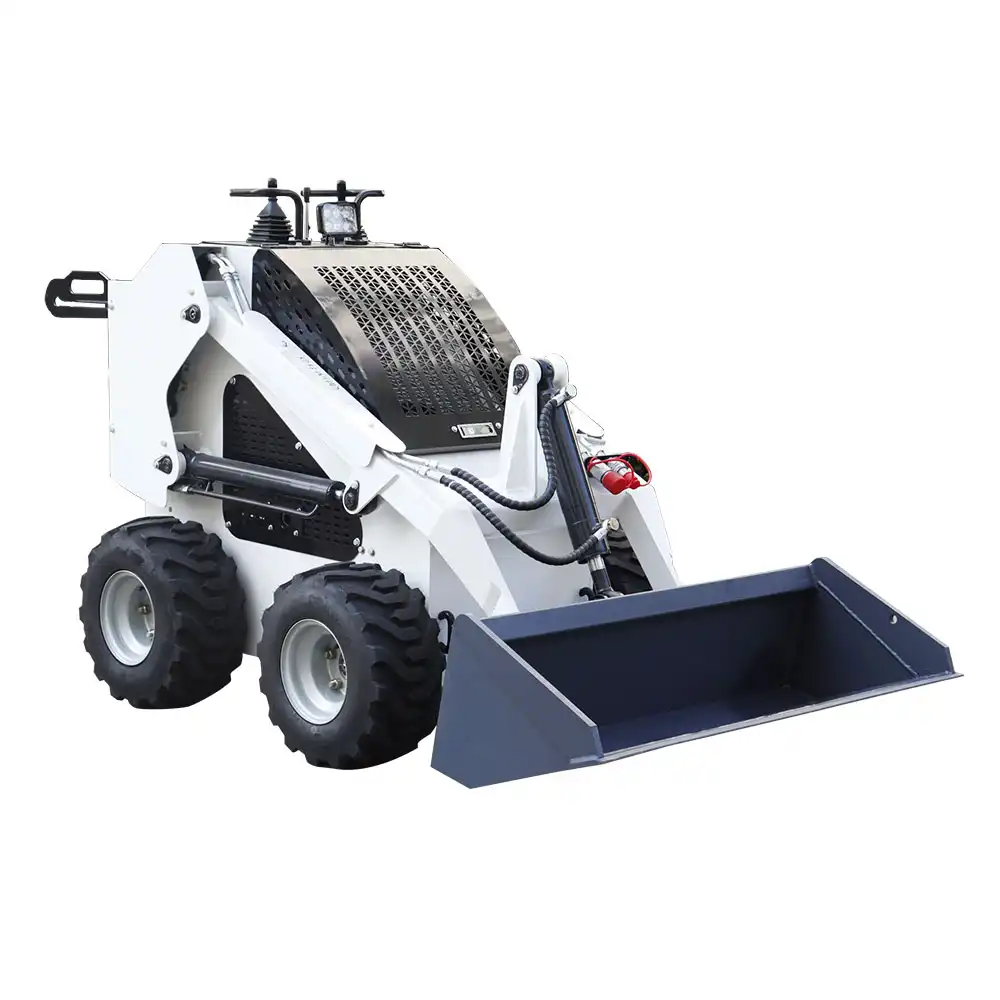
Matching your Mini Skid Steer Angle Broom to specific tasks requires understanding surface conditions, debris types, and operational environments. The key lies in selecting appropriate brush materials, considering hydraulic versus electric power systems, and evaluating attachment compatibility with your Skid Steer Loader. Proper task-specific matching ensures optimal cleaning efficiency while minimizing equipment wear and operational costs across diverse industrial applications.
Understanding Mini Skid Steer Angle Brooms and Their Working Principles
Mini skid steer angle brooms represent sophisticated cleaning attachments engineered to transform compact loaders into powerful sweeping machines. These versatile tools consist of rotating brush assemblies mounted on adjustable frames, enabling operators to tackle diverse cleaning challenges with remarkable precision and efficiency.
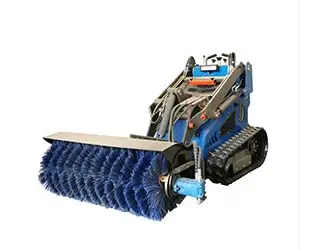
Core Components and Design Features
A number of essential elements that determine performance capabilities are part of the basic architecture of angle brooms. The main cleaning component is the brush assembly, which has interchangeable brush segments that come into direct touch with surfaces. Electric or hydraulic motor systems supply rotating power, and mounting brackets guarantee a safe connection to skid steer quick-connect systems. For tough outdoor applications, hydraulic drive systems are perfect since they usually produce better torque output. These systems offer reliable power delivery under a range of operating conditions by integrating easily with the current skid steer hydraulic circuits. Electric alternatives are especially useful in noise-sensitive situations since they provide precise speed control and quieter operation.
Operational Mechanics and Efficiency Benefits
The sweeping mechanism relies on controlled brush rotation combined with forward machine movement. Brush bristles engage debris at optimal angles, directing material toward collection areas or designated disposal zones. Angular adjustment capabilities allow operators to modify brush contact pressure and sweeping patterns based on surface conditions and debris characteristics. Performance advantages include enhanced productivity compared to manual sweeping methods, reduced labor costs, and consistent cleaning quality. The compact design enables access to confined spaces where larger equipment cannot operate effectively, making these attachments particularly valuable for urban maintenance and industrial facility management.
Matching Angle Broom Types and Brush Materials to Your Specific Tasks
Successful task matching depends on understanding the relationship between brush characteristics, surface materials, and debris types encountered in your operations. Different environments demand specific brush configurations to achieve optimal results while protecting underlying surfaces.
Brush Material Selection Criteria
Polypropylene brushes excel in general-purpose cleaning applications, offering excellent durability and chemical resistance. These synthetic bristles maintain stiffness across temperature variations while providing gentle surface contact suitable for painted or delicate surfaces. The material's resistance to moisture and chemicals makes it ideal for industrial environments where exposure to various substances occurs regularly. Steel wire brushes deliver aggressive cleaning action necessary for removing stubborn debris, rust, or accumulated materials from concrete and asphalt surfaces. Their rigid construction enables effective scraping action while maintaining brush geometry under heavy use. However, steel brushes require careful application to prevent surface damage on softer materials. Blended fiber brushes combine multiple materials to balance cleaning effectiveness with surface protection. These hybrid designs incorporate both synthetic and natural fibers, creating brushes that adapt to various debris types while minimizing wear on cleaned surfaces.
Power System Considerations
Hydraulic drive systems provide robust performance for outdoor applications requiring high torque output. These systems maintain consistent brush speed regardless of debris load, ensuring uniform cleaning results across varying conditions. Hydraulic models typically feature simpler maintenance requirements and longer operational lifespans compared to electric alternatives. Electric drive systems offer precise speed control and quieter operation, making them suitable for indoor applications or noise-restricted environments. Advanced electric models include variable speed controls that allow operators to adjust brush rotation based on specific cleaning requirements, optimizing performance while extending brush life.
Practical Use Cases and Task-Specific Matching
Real-world applications demonstrate the importance of proper equipment matching to achieve desired cleaning outcomes. Different environments present unique challenges that require specific brush configurations and operational approaches.
Construction Site Applications
Construction sites generate diverse debris types, from fine dust particles to larger concrete chunks and metal shavings. Steel wire brushes prove most effective for removing embedded materials from concrete surfaces, while polypropylene brushes handle dust control and general cleanup tasks. The ability to quickly change brush types allows contractors to adapt equipment to evolving site conditions throughout project phases. Dust suppression becomes critical in urban construction environments where air quality regulations apply. Angle brooms equipped with water spray systems can significantly reduce airborne particles while maintaining cleaning effectiveness. This combination approach addresses both cleanliness and environmental compliance requirements.
Municipal Maintenance Operations
Street sweeping and parking lot maintenance require equipment capable of handling mixed debris loads including leaves, litter, sand, and small rocks. Blended brushes provide optimal performance in these applications, offering sufficient stiffness to move heavy debris while protecting asphalt surfaces from excessive wear. Seasonal considerations influence brush selection strategies. Winter applications may require stiffer brushes to handle salt residue and sand accumulation, while spring cleaning operations benefit from softer brushes that effectively collect organic debris without damaging landscaped areas.
Industrial Facility Management
Manufacturing facilities present unique cleaning challenges related to specific production processes. Metal working operations generate chips and shavings requiring steel brushes for effective removal, while food processing facilities need brushes compatible with sanitation requirements and chemical cleaning agents. Warehouse environments typically require quiet operation during business hours, making electric drive systems preferable despite potentially higher initial costs. The investment in noise reduction often pays dividends through improved worker satisfaction and compliance with occupational health standards.
Maintenance Tips and Cost-Effective Upkeep to Extend Equipment Life
Proactive maintenance strategies significantly impact equipment longevity and operational reliability. Understanding wear patterns and implementing preventive measures helps maximize return on investment while minimizing unexpected downtime.
Brush Inspection and Replacement Protocols
Regular brush condition assessment involves monitoring bristle length, stiffness retention, and overall brush geometry. Worn brushes exhibit reduced cleaning effectiveness and may cause damage to cleaned surfaces through uneven contact patterns. Establishing replacement schedules based on operational hours rather than calendar time ensures consistent performance levels. Documentation of brush performance across different applications provides valuable data for optimizing replacement intervals and brush selection decisions. This information helps procurement teams make informed decisions about brush inventory levels and supplier relationships.
Drive System Maintenance Requirements
Hydraulic systems require regular fluid level checks and filter replacements to maintain optimal performance. Contaminated hydraulic fluid can damage internal components and reduce system efficiency, leading to costly repairs and operational delays. Following manufacturer-recommended service intervals prevents most hydraulic-related problems. Electric drive systems benefit from periodic electrical connection inspections and motor housing cleaning. Accumulated debris around electrical components can cause overheating and premature failure, particularly in dusty environments where angle brooms typically operate.
How to Choose the Best Mini Skid Steer Angle Broom: A Procurement Guide?
Procurement decisions require careful evaluation of multiple factors beyond initial purchase price. Understanding total cost of ownership helps organizations make informed choices that deliver long-term value and operational efficiency.
Technical Specification Analysis
Compatibility verification ensures seamless integration with existing skid steer fleets. Hydraulic flow requirements must match skid steer capabilities to achieve optimal performance without overstressing either component. Weight considerations affect overall machine balance and operator comfort during extended use periods. Brush width selection impacts productivity and maneuverability in confined spaces. Wider brushes cover more area per pass but may limit access in tight quarters common in urban environments. Balancing productivity gains against operational flexibility requires careful consideration of typical use scenarios.
Supplier Evaluation Criteria
Manufacturer reputation and service support capabilities significantly impact long-term satisfaction with equipment purchases. Established suppliers typically offer better parts availability and technical support compared to newer market entrants. Warranty terms and service network coverage should factor into procurement decisions, particularly for organizations operating in remote locations. Customization capabilities enable organizations to specify equipment configurations that match unique operational requirements. Suppliers offering modification services provide added value through tailored solutions that off-the-shelf products cannot deliver.
Why Choose Mingko for Your Mini Skid Steer Angle Broom Needs?
Shandong Mingko Industry Corporation brings over 15 years of specialized experience in manufacturing high-quality mini skid steer attachments, including advanced angle broom systems. Our extensive 50,000 square meter facility houses dedicated production lines staffed by over 400 skilled professionals committed to delivering exceptional products that meet diverse industrial requirements.
Manufacturing Excellence and Innovation
Our ISO 9001 certified manufacturing processes ensure consistent quality across all production runs. As a National High-Tech Certified Enterprise, we continuously invest in research and development to enhance product performance and reliability. This commitment to innovation has resulted in angle broom designs that exceed industry standards for durability and operational efficiency. Factory direct sales eliminate intermediary markups, providing customers with competitive pricing while maintaining superior quality standards. Our comprehensive quality control procedures verify each attachment meets specifications before shipment, ensuring reliable performance from the initial installation.
Customization and Support Services
We offer extensive customization services with a minimum order quantity of just one unit, enabling organizations to obtain precisely configured equipment for specific applications. Our engineering team works closely with customers to develop solutions that address unique operational challenges while maintaining cost-effectiveness. Comprehensive after-sales support includes a 12-month warranty backed by lifetime technical assistance. Our professional sales and service team provides 24/7 support through multiple communication channels, ensuring prompt resolution of any technical questions or service requirements that may arise during equipment operation.
Conclusion
Successfully matching Mini Skid Steer Angle Broom attachments to specific tasks requires understanding the interplay between brush materials, drive systems, and operational environments. Proper selection considers surface types, debris characteristics, and environmental constraints to achieve optimal cleaning results while minimizing equipment wear and operational costs. Investment in quality equipment from established manufacturers like Mingko ensures long-term reliability and performance. Our comprehensive approach to manufacturing, customization, and support services provides customers with complete solutions tailored to their unique requirements, backed by extensive industry experience and commitment to excellence.
Frequently Asked Questions
Q1: How do I determine the correct brush stiffness for my cleaning applications?
A: Brush stiffness selection depends on surface hardness and debris type. Soft brushes work best on delicate surfaces and fine particles, while stiff brushes excel at removing embedded debris from concrete and asphalt. Consider starting with medium stiffness brushes for general applications, then adjusting based on performance observations.
Q2: What maintenance schedule should I follow for hydraulic drive angle brooms?
A: Hydraulic systems require monthly fluid level checks and annual filter replacements under normal operating conditions. Inspect hydraulic connections for leaks during weekly equipment inspections. Replace hydraulic fluid every 1,000 operating hours or annually, whichever occurs sooner, to prevent component damage.
Q3: Can angle brooms be used effectively on gravel or unpaved surfaces?
A: Yes, angle brooms perform well on gravel surfaces when equipped with appropriate brush types and operated at reduced speeds. Steel wire or stiff synthetic brushes provide better debris movement on loose surfaces. Adjust brush pressure to prevent excessive gravel displacement while maintaining cleaning effectiveness.
Partner with Mingko for Superior Mini Skid Steer Angle Broom Solutions
Transform your cleaning operations with Mingko's industry-leading angle broom attachments designed for exceptional performance and reliability. Our expert team understands the challenges facing procurement professionals and offers customized solutions that deliver measurable results across diverse applications. With factory direct pricing and comprehensive support services, we provide unmatched value for organizations seeking dependable Mini Skid Steer Angle Broom supplier partnerships.
Experience the difference that 15 years of manufacturing expertise makes in equipment quality and customer satisfaction. Our ISO certified production processes and National High-Tech enterprise status ensure you receive cutting-edge technology backed by proven reliability. Contact Us at sales@mingkomach.com to discuss your specific requirements and discover how our angle broom solutions can enhance your operational efficiency.
References
1. Johnson, M. & Smith, R. (2023). "Industrial Cleaning Equipment Selection: A Comprehensive Guide to Skid Steer Attachments." Equipment Management Journal, 45(3), 78-92.
2. Anderson, K. (2022). "Hydraulic vs Electric Drive Systems in Compact Construction Equipment." Construction Technology Review, 38(7), 156-168.
3. Williams, D. et al. (2023). "Brush Material Performance Analysis in Municipal Maintenance Applications." Public Works Engineering Quarterly, 29(4), 203-215.
4. Thompson, L. (2022). "Cost-Benefit Analysis of Preventive Maintenance Programs for Skid Steer Attachments." Fleet Maintenance Today, 51(9), 112-125.
5. Davis, P. & Chen, H. (2023). "Surface Protection Strategies in Mechanical Sweeping Operations." Industrial Cleaning Science, 18(2), 89-104.
6. Rodriguez, C. (2022). "Equipment Procurement Best Practices for Municipal and Industrial Applications." Procurement Professional, 34(6), 45-58.