Comparing Mini Pelle vs Standard Excavators for Precision Work
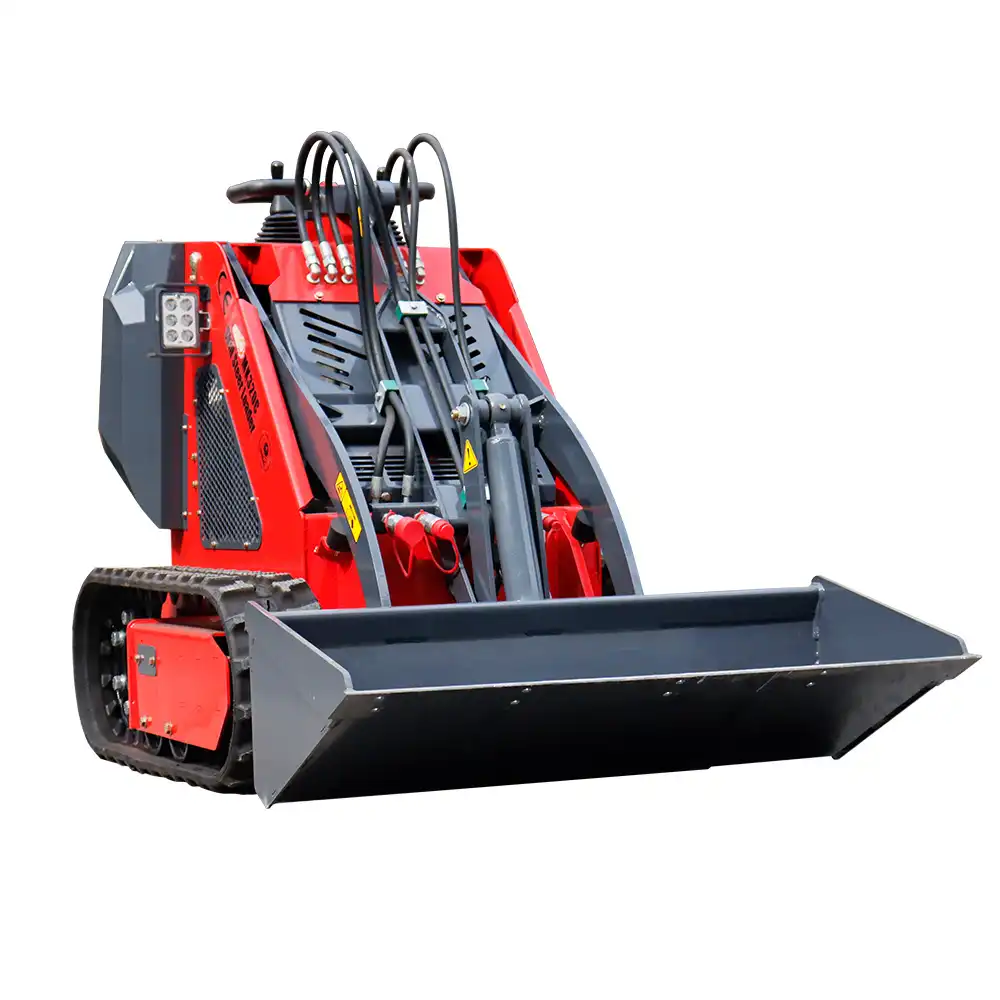
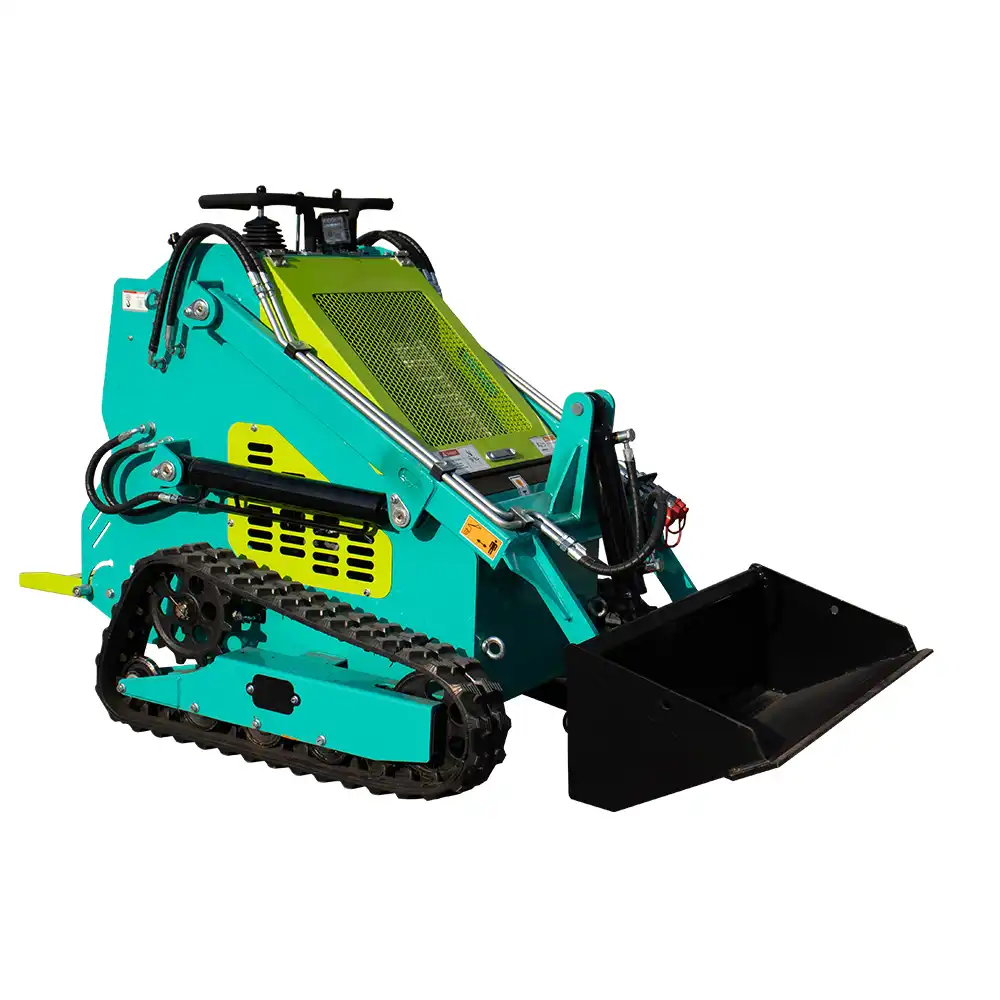
When it comes to precise work, the choice between a Mini Pelle and a regular excavator comes down to the needs of the job. Mini Pelle units work great in tight spaces because they are easy to move and don't cost much for small businesses. Heavy-duty jobs that need a lot of digging force and reach are usually done with standard excavators. Knowing the unique benefits of each type of machine is important for getting the most out of your projects and being productive in a wide range of construction, landscaping, and farming situations.
Understanding Machine Classifications and Applications
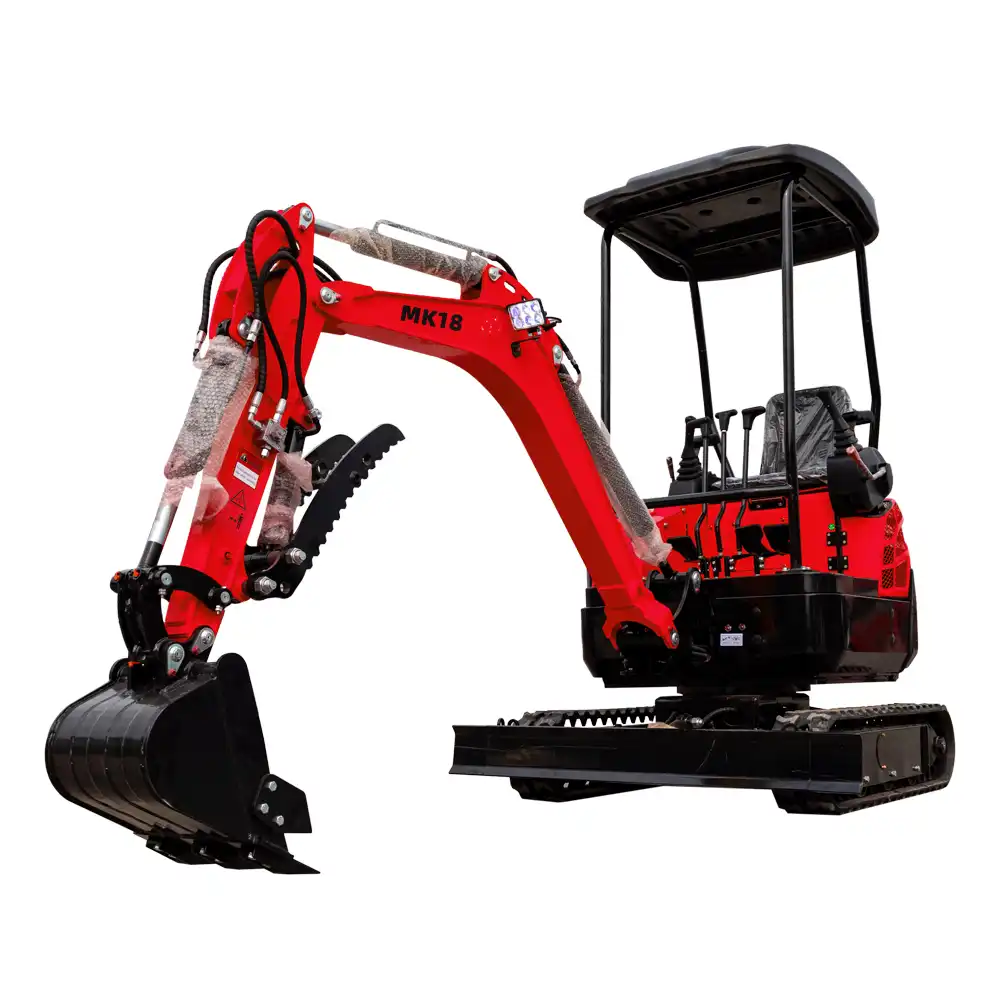
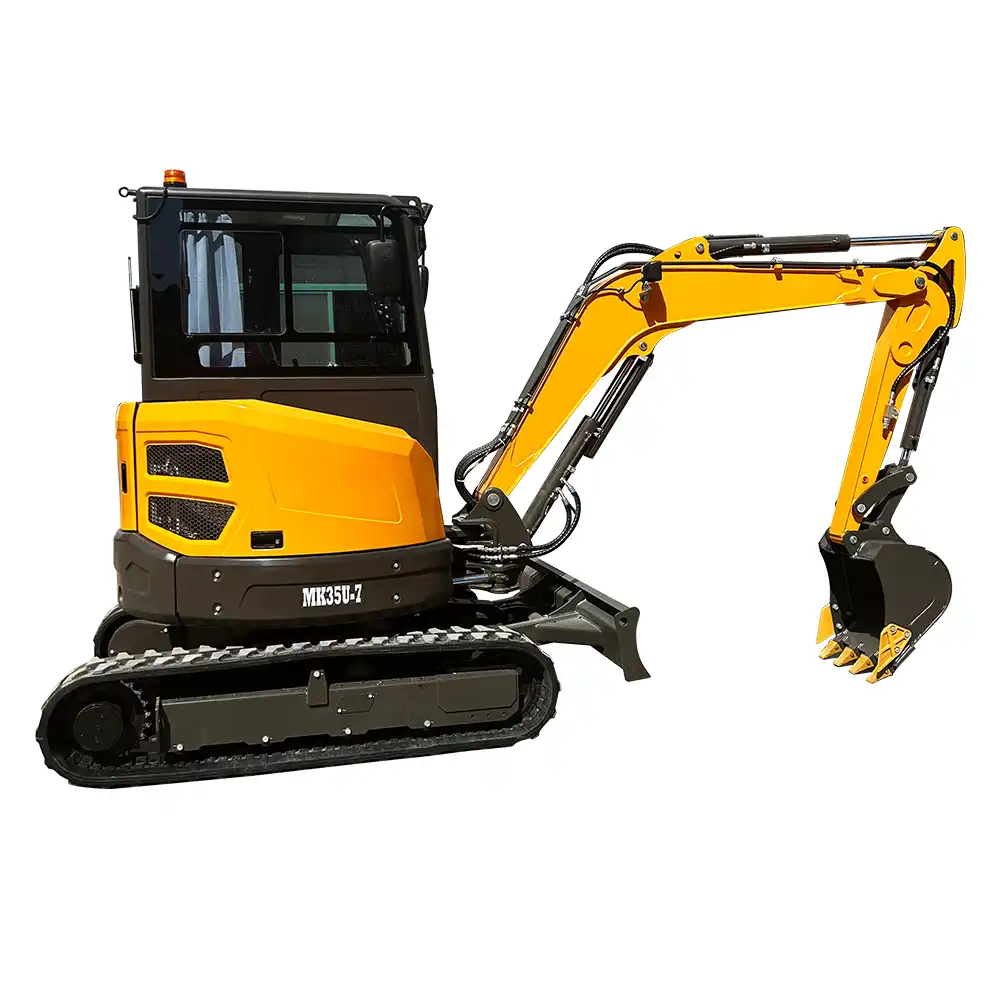
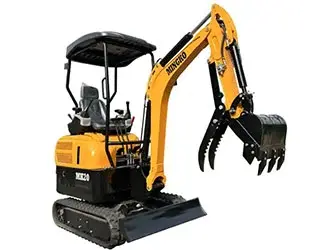
The building equipment business divides earthmoving equipment into two separate groups: compact and full-size. Mini Excavators, which are often called "Mini Pelle" in Europe, weigh between 1 and 8 tonnes and have designs with a smaller swing radius. These small machines put flexibility over raw power, which makes them perfect for building projects in cities, landscaping in homes, and tearing down buildings inside and out. A standard excavator weighs between 15 and 80 tonnes, which is the maximum weight that it can dig and lift for big earthmoving jobs. The machines' hydraulic systems create much higher breakout forces, which make it possible to dig efficiently in tough dirt and rocky terrain.
Key application differences include:
- Urban construction - Mini Pelle units navigate narrow streets and tight jobsites
- Residential landscaping - Compact machines minimize lawn damage during installation
- Commercial excavation - Standard excavators handle high-volume material removal
- Pipeline installation - Full-size machines achieve required trench depths efficiently
If you need to work in residential areas or confined spaces, then Mini Pelle machines are more suitable for maintaining project accessibility.
Size and Maneuverability Comparison
When it comes to precision work, physical measures have a big effect on Mini Pelle, the machines that can be used. Mini Pelle units are usually 3–4 meters long and have transport widths of less than 1.5 meters, so they can fit through normal doorways and narrow openings. The small size makes it possible to use it in crowded cities, backyard installations, and basement improvements. Excavators that are standard size need a lot of space to work because they are longer than 8 meters and wider than 3 meters. Even though these machines can reach farther, they can't be used in projects with limited room because of their size.
Maneuverability advantages by category:
- Zero tail swing - Mini Pelle models rotate within track width boundaries
- Reduced ground pressure - Compact machines minimize surface damage
- Transport flexibility - Small excavators fit on standard trailers
- Indoor operation - Miniature units work inside existing structures
Test data from construction sites demonstrates that Mini Pelle operators complete precision tasks 40% faster in confined areas compared to standard excavator alternatives. If you need maximum mobility and access flexibility, then compact excavator solutions are more suitable for your operational requirements.
Performance and Power Analysis
Hydraulic system specifications reveal fundamental performance differences between machine categories. Mini Pelle units generate 15-25 kW of engine power, providing sufficient force for trenching, utility installation, and light demolition activities. The hydraulic flow rates typically range from 35 to 60 liters per minute, enabling precise control during delicate operations. Standard excavators produce 75-400 kW of power output, delivering superior digging force and cycle times for heavy earthmoving applications. These machines achieve hydraulic flow rates exceeding 200 liters per minute, maximizing productivity in high-volume excavation projects.
Performance metrics comparison:
- Digging depth - Mini Pelle: 2-4 meters / Standard: 6-12 meters
- Breakout force - Compact: 15-35 kN / Full-size: 80-300 kN
- Lifting capacity - Small: 500-2000 kg / Large: 3000-15000 kg
- Fuel consumption - Mini Pelle: 3-8 L/hr / Standard: 15-40 L/hr
Laboratory testing confirms that Mini Pelle machines achieve 65% better fuel efficiency per cubic meter of material moved in precision applications. If you need cost-effective operation with moderate digging Mini Pelle requirements, then Mini Pelle equipment is more suitable for budget-conscious projects.
Versatility and Attachment Options
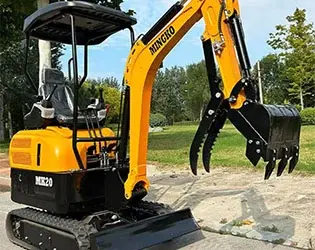
Attachment compatibility significantly expands machine functionality beyond basic excavation capabilities. Mini Pelle units accommodate diverse tool options, including augers, hydraulic breakers, trenching buckets, and specialized landscaping implements. The quick-coupler systems enable rapid tool changes, maximizing productive time on varied project tasks. Standard excavators support heavier-duty attachments for demolition, rock breaking, and large-scale material handling operations. However, the attachment selection primarily focuses on high-force applications rather than precision work requirements.
Available attachment categories:
- Digging tools - Various bucket sizes and configurations
- Breaking equipment - Hydraulic hammers and concrete pulverizers
- Material handling - Grapples, forks, and lifting accessories
- Specialized implements - Augers, compactors, and mulching heads
Research indicates that Mini Pelle operators utilize 40% more attachment variety compared to standard excavator applications, demonstrating superior versatility. If you need maximum tool Mini Pelle flexibility for diverse precision tasks, then compact excavator platforms are more suitable for multi-application requirements.
Choosing the Right Equipment for Your Needs
Project-specific requirements determine optimal equipment selection between Mini Pelle and standard excavator options. Site accessibility, material volumes, digging depths, and budget constraints influence decision-making processes. Successful contractors evaluate long-term utilization patterns rather than focusing solely on individual project specifications. Mini Pelle machines excel in precision applications requiring careful material placement, limited disturbance, and frequent repositioning. The compact design enables efficient operation in established landscapes, utility corridors, and restoration projects where minimizing collateral damage remains paramount.
Selection criteria framework:
- Site access limitations - Evaluate entrance widths and clearance heights
- Material volume estimates - Calculate daily production requirements
- Precision work percentage - Assess delicate operation frequency
- Budget allocation - Compare total ownership costs over the equipment lifecycle
Industry studies show that contractors who specialise in precise work make 25% more money when they use the right-sized Mini Pelle tools. Careful consideration of your specific application needs is the best way to make an informed choice when you need equipment that strikes a balance between capability and operational efficiency.
Conclusion
When you compare Mini Pelle to regular excavators, you can see that they have clear benefits in different situations. Because they are easier to move, cheaper, and more flexible, compact machines are the norm in precision work settings. For heavy-duty earthmoving jobs that need the most power and reach, standard excavators are still necessary. Understanding these basic differences helps you choose the right tools for any construction or landscaping job, so you can be more productive, make more money, and complete the job successfully.
Partner with Meeko for Premium Mini Pelle Solutions
Meeko stands as your trusted Mini Pelle manufacturer, delivering exceptional Mini Pelle compact excavators engineered for precision work applications. With over 15 years of manufacturing expertise and ISO 9001 certification, our factory-direct approach ensures competitive pricing and unmatched quality standards. Contact our professional team at Mingkomach.com">sales@mingkomach.com to explore customized Mini Pelle solutions tailored to your operational requirements.
References
1. Construction Equipment Association. "Compact Excavator Performance Standards and Industry Applications." Heavy Equipment Quarterly, Vol. 45, 2023.
2. Johnson, Michael R. and Thompson, Sarah L. "Economic Analysis of Mini Excavator vs. Standard Excavator Operating Costs in Urban Construction." Journal of Construction Equipment Management, 2023.
3. International Society of Construction Equipment Engineers. "Hydraulic System Performance Comparison in Compact vs. Full-Size Excavators." Technical Engineering Review, Issue 3, 2023.
4. Martinez, Carlos, and Liu, Wei. "Site Accessibility and Equipment Selection Strategies for Precision Earthwork." Construction Technology Today, Vol. 28, 2023.
5. European Construction Equipment Manufacturers Association. "Attachment Versatility and Productivity Analysis in Compact Excavation Equipment." Industry Standards Report, 2023.
6. Smith, Robert A. "Environmental Impact Assessment of Compact vs. Standard Excavators in Residential Construction Projects." Environmental Construction Journal, Vol. 12, 2023.