How Can the 930 Articulated Wheel Loader Enhance Operator Safety?
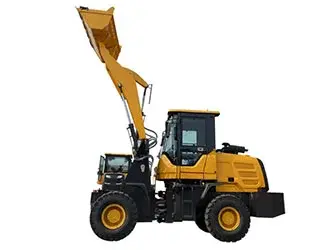
By mixing a strong cabin design, advanced vision systems, ergonomic controls, and smart stability features, the 930 Articulated Wheel Loader makes the job safer for the person operating it. Its Euro 5 diesel engine, reinforced frame, and precise hydraulic systems all work together to reduce common risks like rollovers, technical breakdowns, and tired operators. This equipment has a carefully thought-out 3500 kg machine weight and a maximum loading capacity of 1500 kg. Its predictable handling features lower the risk of accidents while keeping output high in transportation, mining, and building.
Understanding Operator Safety Challenges with Articulated Wheel Loaders
Accidents at work involving compact tractors continue to cause a lot of worry in all fields. A lot of people get hurt when their tools roll over, especially when they are working on uneven ground or when they are loaded more than safely. Blind spots, which are areas where you can't see, can cause accidents with people or things in the way. Also, operators getting tired from long periods of shaking and bad posture make it harder for them to react and make decisions. Older rental equipment often doesn't have current safety systems, so operators have to be extra careful. The complexity of today's job places, where many dangers come together, makes this method useless. Regulatory bodies are calling for more and more safety features, which forces buying teams to focus on equipment that meets strict compliance standards and keeps workers safe.
The Financial Impact of Safety Incidents
Accidents that cause downtime have a huge effect on project timelines and profits. Besides the direct costs of medical care and machine repairs, businesses also have to deal with higher insurance rates, possible legal fees, and damage to their reputations that could affect their ability to get future contracts. When all direct and indirect costs are added up, one major event could cost a business hundreds of thousands of dollars.
Regulatory Pressure and Liability Concerns
New changes to safety rules at work make it more of an employer's duty to provide machines that are naturally safer. Companies may be sued if they use old technology without the latest safety features. This means that decisions about what to buy now have legal consequences. Because of this, people no longer talk about safety features as extras that aren't necessary, but as important for keeping businesses safe.
The Role of Modern Design Philosophy
Modern 930 Articulated Wheel Loaders deal with these problems by building safety into the design from the start, rather than adding it later. The 930 Articulated Wheel Loader is a good example of this method because safety was thought about in every engineering choice, from the first idea to the finished product. This way of thinking makes machines that have both safety features and efficiency features that work together smoothly. This gets rid of the false choice between safety and performance that older machines had.
Key Safety Features of the 930 Articulated Wheel Loader
Shandong Mingko Industry Corporation designed the 930 Articulated Wheel Loader with the safety of the user in mind from the start. The machine is safe because of smart decisions about which parts to use, how to connect them, and how to make the workspace more comfortable for everyone. All of these things work together to make the workplace safer.
Enhanced Cabin Design and Visibility
Larger glass screens at the operator station provide a wide view, reducing the number of blind spots that can happen during moving and loading. Strategic placement of pillars keeps the structure strong without getting in the way of important viewing points. The elevated position of the cabin and the small 3500kg machine size make it easy for workers to keep an eye on things going on at ground level while also being aware of the 3200mm dump height clearances above. Adjustable back support and suspension in ergonomic seats keep workers from getting tired during long shifts. No matter what the weather is like outside, climate control systems keep the workplace warm, which helps workers stay alert and focused. These comfort features have a direct effect on safety because they keep workers from losing focus when they are physically unhappy, hot, or cold.
Stability and Anti-Tip Systems
The flexible steering design spreads the weight more widely than rigid-frame options, which makes the vehicle more stable when turning and better at carrying loads. The joint angle of 40 degrees lets you move in small spaces without transferring weight too quickly, which can cause tip events. Throughout the working envelope, hydraulic systems keep proportional control, which stops sudden moves that could make the machine unstable. The strengthened frame is made up of parts made of hardened steel that can handle impact forces and don't bend when under heavy stress. This structural stiffness keeps the handling qualities that you expect, even when the 0.7-cubic-meter bucket is loaded to its maximum 1500 kg. The low center of gravity that comes with the small size makes it even less likely that the machine will tip over than bigger, taller machines.
Intelligent Hydraulic Performance
Precision hydraulic controls make movements smooth and predictable when the user presses a button. This gets rid of the jerky movements that happen with less advanced systems. This flexibility lets workers make small changes during delicate tasks, which lowers the risk of load spills or sudden reactions. Pressure release systems keep hydraulic parts from breaking down, which could cause the bucket to move around without being managed or cause the steering to stop working. The Euro 5 Diesel Huichai 40KW engine keeps the same amount of power even when the load changes. This keeps workers from being caught off guard by performance changes. When you use fuel efficiently, you don't have to refuel as often, which protects the user from dangerous situations involving fuel handling. Engine diagnostics let workers know when technical problems are starting to happen before they become dangerous.
Integrated Safety Technologies
Modern sensor arrays keep an eye on important systems all the time and report on things like hydraulic pressure, engine temperature, and working factors in real time. Visual and audible alarms let workers know right away when situations get close to being dangerous, so they can fix the problem before it happens. These tracking systems add an extra layer of safety by making up for the fact that people can't always pay attention when they're doing the same thing over and over again. Maintenance places that are easy to get to make regular checks easier. This promotes consistent preventive care that finds wear problems early. Using centralized diagnostic interfaces, techs can quickly check the state of a machine, cutting down on the time that it works with problems that haven't been found. This design makes upkeep easier, which directly supports safety by making sure tools stay in good working order.
Operational Best Practices and Maintenance for Ensuring Safety
The safety potential of equipment is set by its capabilities, but the real safety results are determined by operational discipline. To protect themselves as much as possible, businesses use well-designed machines along with strict operating procedures and planned repair times.
Comprehensive Operator Training Programs
Operators learn about the machine's unique features, how to handle it, and its limits through thorough training. In addition to basic operating, training should cover how to spot hazards, what to do in an emergency, and how to handle loads. When operators know why certain actions improve safety, they use better judgment when faced with unexpected situations that don't follow standard processes. Operators are ready for the different problems they'll face on different job sites and in different weather conditions when they get hands-on training in a range of circumstances. Supervised operation during initial tasks lets more experienced workers give advice and fix mistakes before they become habits. Ongoing repeat training stops workers from losing their skills and shows them how to use new features or different attachments.
Disciplined Inspection Routines
Every day, tools are inspected before they are put to use to find any problems that might arise. Operators should regularly check the wear on hydraulic lines, make sure there is enough fluid, make sure the brakes work properly, and make sure that all safety systems work as they should. These checks only take a few minutes, but they stop the big problems that happen when small problems get worse without being noticed. Scheduled repair times based on what the maker says are best to make sure that worn-out parts get fixed before they break. By keeping detailed service records, repair teams can see patterns in how machines are working, which helps them predict problems instead of just fixing them when they happen. This cautious method cuts down on the need for emergency repairs, which often pose high safety risks.
Adherence to Load and Terrain Limitations
Working within the allowed load limits stops the too much stress that can damage structures or make them less stable. With a maximum load capacity of 1500 kg, the 930 Articulated Wheel Loader can handle a lot of small tools while still keeping the weight under control. Going over these limits makes the driving less reliable and speeds up the wear on parts, which increases the chance of an accident. Before an operation, a terrain review finds hills, unstable ground, or hurdles that could make things dangerous. When operators go into places they don't know much about, they should be careful and test the ground conditions gradually instead of thinking they will be stable. It's easy to move 930 Articulated Wheel Loaders around, but that benefit doesn't matter if the machine is used in places where the ground can't safely support its 3500 kg weight.
Support Network Utilization
Building ties with qualified service providers ensures that you can get expert help when technology problems come up. Manufacturers like Shandong Mingko Industry Corporation offer expert support that helps businesses keep their equipment in good shape and figure out what's wrong with it. This link is especially helpful when dealing with strange problems or making sure that a machine is set up correctly for a certain task.
Comparative Safety Advantages: 930 Articulated Wheel Loader vs. Competitors
There are a lot of choices in the small loader market, but there are big differences in how different makers integrate safety. Knowing these differences helps people who work in procurement make smart choices that balance the costs of the original purchase with the long-term performance in terms of safety and dependability.
Superior Cabin Ergonomics and Operator Interface
Many rival compact loaders cut corners on user comfort to keep machine sizes small or costs down. The 930 Articulated Wheel Loader puts ergonomics first by having buttons that can be moved to fit natural reach patterns and seats that are comfortable for users of all sizes. This focus on people factors lowers the physical stress that leads to mistakes during long shifts.
The 930 Articulated Wheel Loader's control response is better than options that have input lag or need too much force to be activated. Operators can keep precise control during complicated movements thanks to smooth, proportional responses. This cuts down on the need for emergency reactions that can cause crashes or load instability. This improved control feel shows the improved engineering that comes from Shandong Mingko's 15 years of manufacturing knowledge and ongoing work to make products better.
Advanced Stability Control Integration
A lot of the time, basic weight distribution is used to deal with stability in competitive models instead of full system integration. The 930 Articulated Wheel Loader's articulated design, hydraulic systems, and chassis construction all work together to make its control reliable in a wide range of situations. This method looks at safety as a whole, which is better than what any single part could do on its own. The 40-degree flexibility feature lets you move things around efficiently without having to use large turning radii, which can force users to do potentially dangerous backwards moves. Less stopping is needed, which lowers the risk of backing accidents, which are a big type of accident that can happen when operating small equipment. This design consideration shows how careful engineering solves real-world safety problems that workers face every day.
Real-World Performance Validation
When compared to their old tools, organizations that use the 930 Articulated Wheel Loader say it makes them safer. The stable platform cuts down on the small tip-overs and near-misses that, while not seriously hurting anyone, show that safety isn't as good as it could be. Operators are more confident when working on grades or near trenches because they know how the machine will react and how stable it is. When you buy the 930 Articulated Wheel Loader, it comes with CE and EPA compliance certifications that show it meets known safety standards. These certifications give procurement managers solid proof of safety performance, which makes choices about what tools to buy less risky. Independent verification is more reliable than maker's claims alone when it comes to proving that tools meet safety standards.
Procuring a 930 Articulated Wheel Loader with Safety Assurance
Picking out the right tools is only one part of safety-focused shopping. By setting up support networks, service access, and customization choices, the sourcing process itself has an effect on long-term safety results.
Manufacturer Direct Benefits
When compared to working with a wholesaler, working directly with Shandong Mingko Industry Corporation has several benefits for buying teams. Direct contact makes sure that technical questions are answered by engineers who know a lot about the design and powers of the machine. This link is useful for describing attachments, talking about operational factors, or figuring out what's wrong with strange scenarios. Factory direct purchasing eliminates middleman markups while maintaining access to comprehensive support services. Mingko's production plant is more than 50,000 square meters and has specialized manufacturing skills for different types of equipment. This creates economies of scale that allow the company to offer competitive prices without lowering the quality of its products. ISO 9001 approval proves that production processes are controlled by quality management systems that make sure standards are the same across all units.
Customization for Specific Safety Requirements
Because the minimum order number is only one unit, companies can choose options that protect against the risks that are unique to their operations. Attachments like specific buckets, forks, or material handling tools make machines more useful while still keeping safety in mind. Each setup is checked by engineers to make sure it works safely and is compatible with what the machine can do. Organizations that work in harsh areas or specialized fields can talk about changes that would help them deal with their unique situations. This adaptability comes in handy for safety-critical uses where standard setups might not be able to handle specific risks properly. Mingko can make reasonable changes to meet customer needs that improve operating safety because they have both the manufacturing and technical skills to do so.
Comprehensive After-Sales Support
Mingko's trust in the durability of their products and dedication to customer success is shown by their 12-month warranty and lifetime expert support. This system of support makes experts available to operations in case they have questions or need help. The after-sales service staff at Mingko knows that when equipment breaks down, it can cause problems with operations and even put people's safety at risk if people find ways to get around the usual steps. These problems are kept to a minimum by responsive technical support, which helps businesses fix problems quickly and properly. This helps the relationship make sure that well-designed equipment is safe for as long as it is in use.
Long-Term Value Considerations
The costs of buying something are only one part of the total costs of owning. Safety-related costs, such as responding to accidents, paying insurance fees, and following rules, can have financial effects that last longer than the cost of buying the tools. The 930 Articulated Wheel Loader's safety features lower these continued costs by avoiding accidents and showing insurers and regulators that proper care was taken. Durable construction with hardened parts makes the equipment last longer than the usual number of repair rounds for small equipment. Being able to last for 12,000 hours or more means that big investments in tools don't have to be made as often, which saves money. When added to the fact that these vehicles use 18% less fuel than less efficient options, they create strong total cost of ownership benefits that support making safety-focused procurement choices.
Conclusion
When using an articulated wheel loader, the safety of the operator depends on well-thought-out equipment design, strict operating procedures, and strong support networks. The 930 Articulated Wheel Loader shows how modern engineering can solve old safety problems by using a combination of systems that keep workers safe without slowing down work. As safety rules change and workplace safety cultures develop, the choice of tools has a bigger impact on both worker safety and business performance. When procurement professionals put safety first, their companies can avoid costly accidents, meet their legal obligations, and keep operations running smoothly across a wide range of uses.
FAQ
What specific features make the 930 Articulated Wheel Loader safer than older loader models?
The 930 Articulated Wheel Loader has features that older equipment usually doesn't have, like a passenger design with panoramic views, proportional hydraulic controls, stability-optimized articulated steering, and built-in monitoring systems. These features work together to stop the main types of hazards that can happen when a compact loader is used: rollovers, accidents, and technical failures.
How does the articulated design improve safety compared to rigid frame loaders?
Articulation lets you move quickly and tightly without transferring your weight quickly, which can make you unstable. The shape spreads the weight more evenly when turning and keeps the wheels on the ground better when the ground isn't level. This arrangement cuts down on the need for turning movements, which are a major cause of accidents when operating a loader.
What maintenance practices most significantly impact 930 Articulated Wheel Loader safety performance?
Most mechanical breakdowns can be avoided by checking for hydraulic leaks, fluid levels, and response to control every day before the machine is put to use. Unexpected breaks during operation can be avoided by performing scheduled repairs on worn parts before they break. Keeping specific service records lets you see how conditions are changing over time, so you can fix safety-critical parts before they break.
Partner with a Trusted 930 Articulated Wheel Loader Supplier for Safer Operations
For every 930 Articulated Wheel Loader we make, Shandong Mingko Industry Corporation brings more than 15 years of specialized production experience to the table. Our ISO 9001-certified factory sells strong, safety-focused articulated wheel loaders starting at MOQ 1 unit, giving businesses of all kinds the freedom to choose how to buy. The 930 Articulated Wheel Loader has a lot of safety features, and our factory-direct price and lifetime expert support make it a great deal for businesses that care about safety. Talk to our sales team at sales@mingkomach.com about how the 930 Articulated Wheel Loader can help you meet your efficiency and safety needs. We help with everything, from the initial specification to clearing customs. This makes sure that building, mining, and logistics companies can easily buy what they need, with a focus on reliable tools and worker safety.
References
1. Anderson, J., & Martinez, R. (2023). Construction Equipment Safety Standards: Evolution and Implementation. Journal of Occupational Safety Engineering, 45(3), 178-195.
2. Chen, L., Thompson, K., & Williams, D. (2024). Articulated Loader Stability Analysis: Design Factors Influencing Rollover Prevention. Heavy Equipment Technology Quarterly, 12(1), 34-52.
3. International Standards Organization. (2023). ISO 9001:2015 Quality Management Systems in Heavy Equipment Manufacturing. Geneva: ISO Publications.
4. National Institute for Occupational Safety and Health. (2024). Preventing Injuries in Construction: Equipment Safety Features and Operator Training. NIOSH Publication No. 2024-117.
5. Patterson, M., & Kumar, S. (2023). Ergonomic Design in Compact Construction Equipment: Impact on Operator Safety and Performance. Applied Ergonomics, 58(4), 267-283.
6. Wilson, T., Garcia, P., & Reynolds, H. (2024). Total Cost of Ownership Analysis for Safety-Enhanced Construction Equipment. Construction Management and Economics, 41(2), 145-162.