How Can a Midi Excavator Boost Small-Scale Project Efficiency?
Midi Excavators are very useful for small projects because they are the perfect mix of being easy to move around and having a lot of power. Instead of big machines that have trouble working in small areas or weak machines that move slowly, these flexible units improve workflow by being able to connect to multiple attachments, using less fuel, and responding better to hydraulics. Their ability to work in tight urban areas while keeping dig depth and reach directly helps contractors manage planting, demolition, and infrastructure work; finish projects faster; save money; and better use their resources.
Understanding the Midi Excavator: Definition and Core Specifications
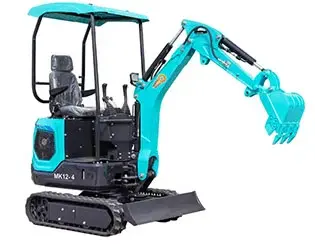
MIDI excavators are a specific type of earth-moving tool that is between small machines and large building units. These tools, which usually weigh between 5 and 10 tons, can dig deeply without making the spot less mobile.
What Defines a Midi Excavator?
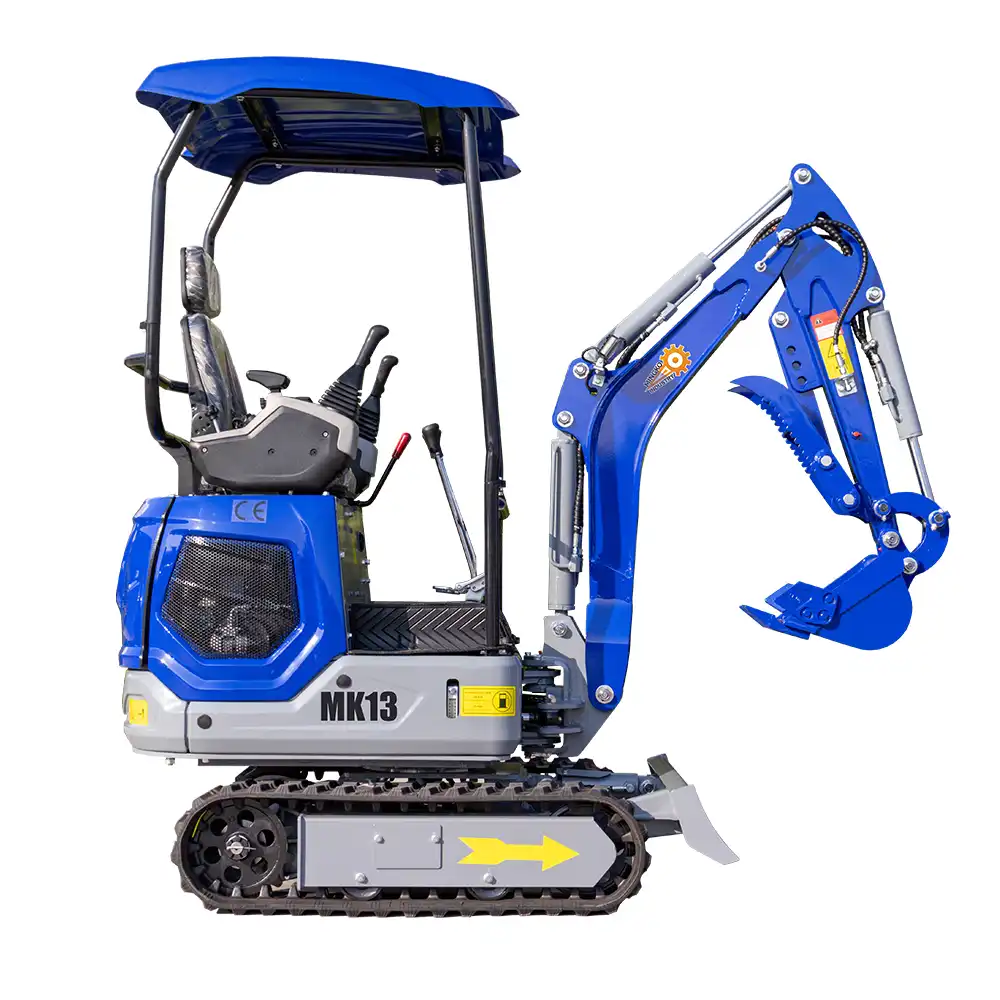
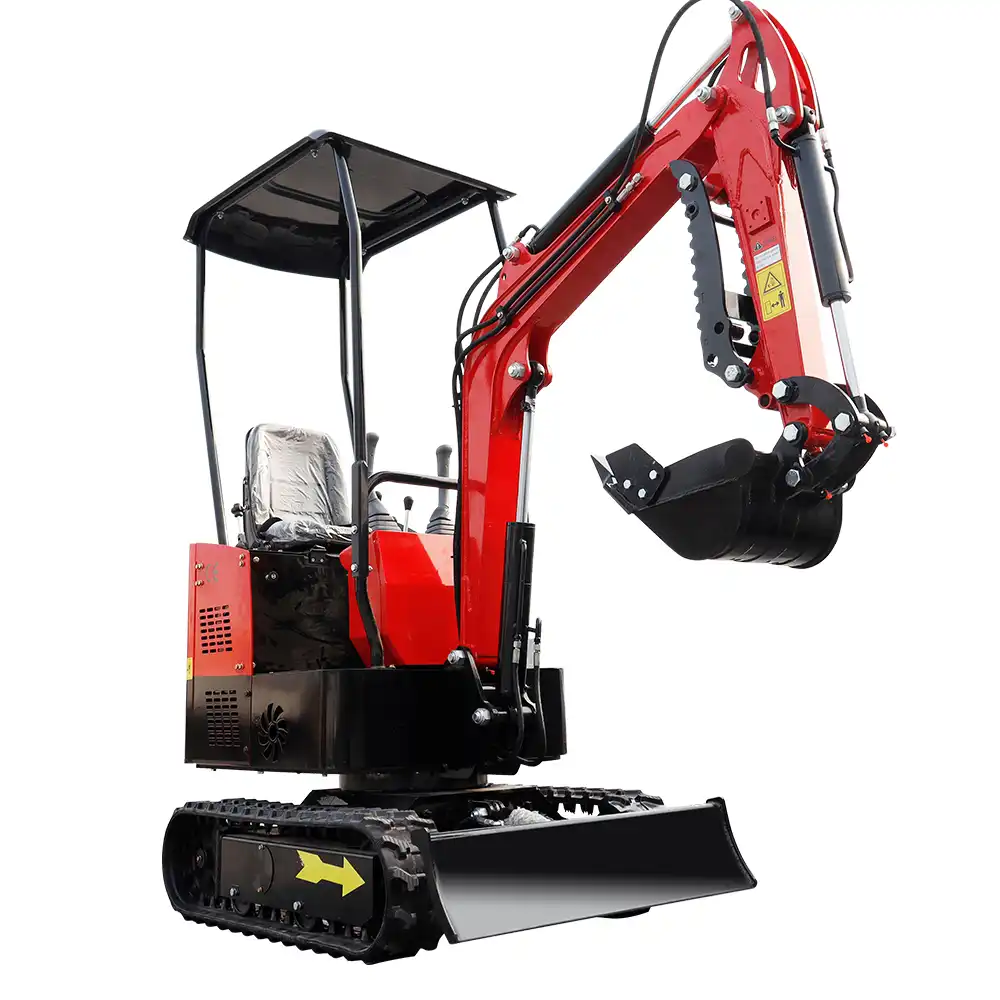
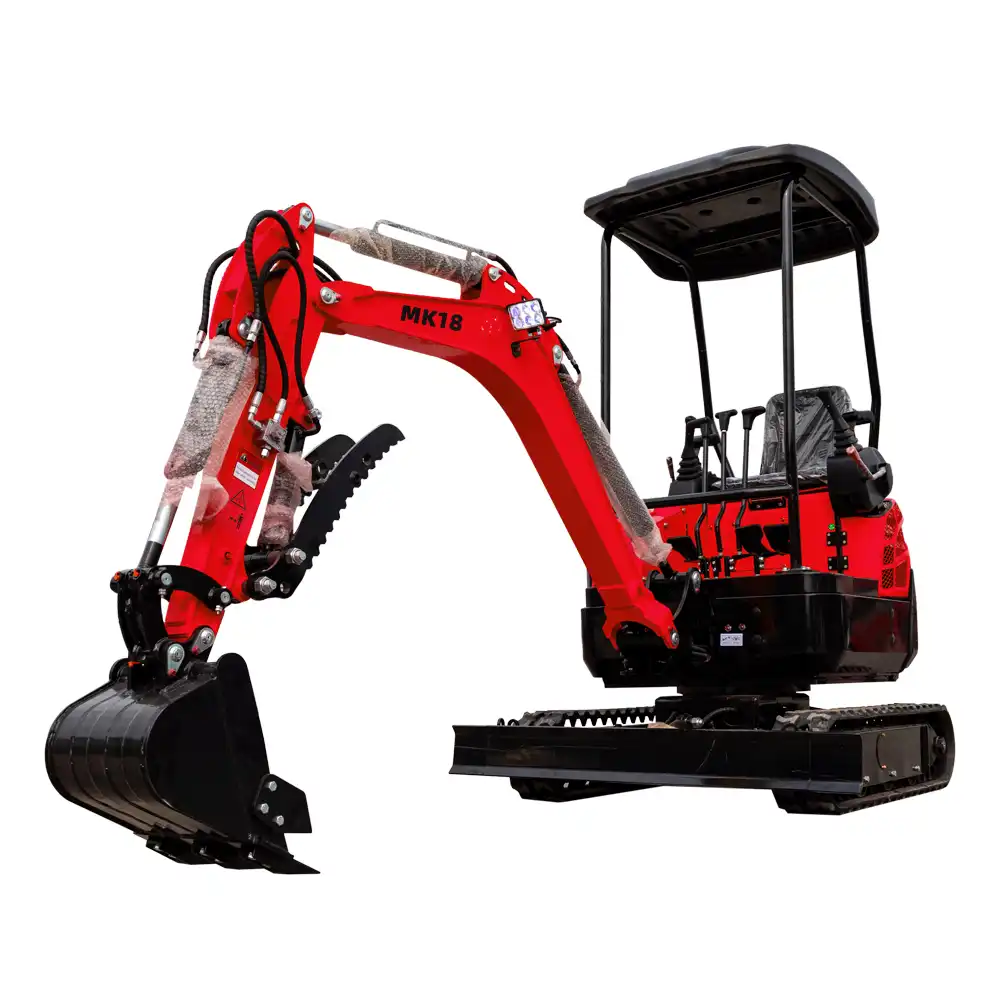
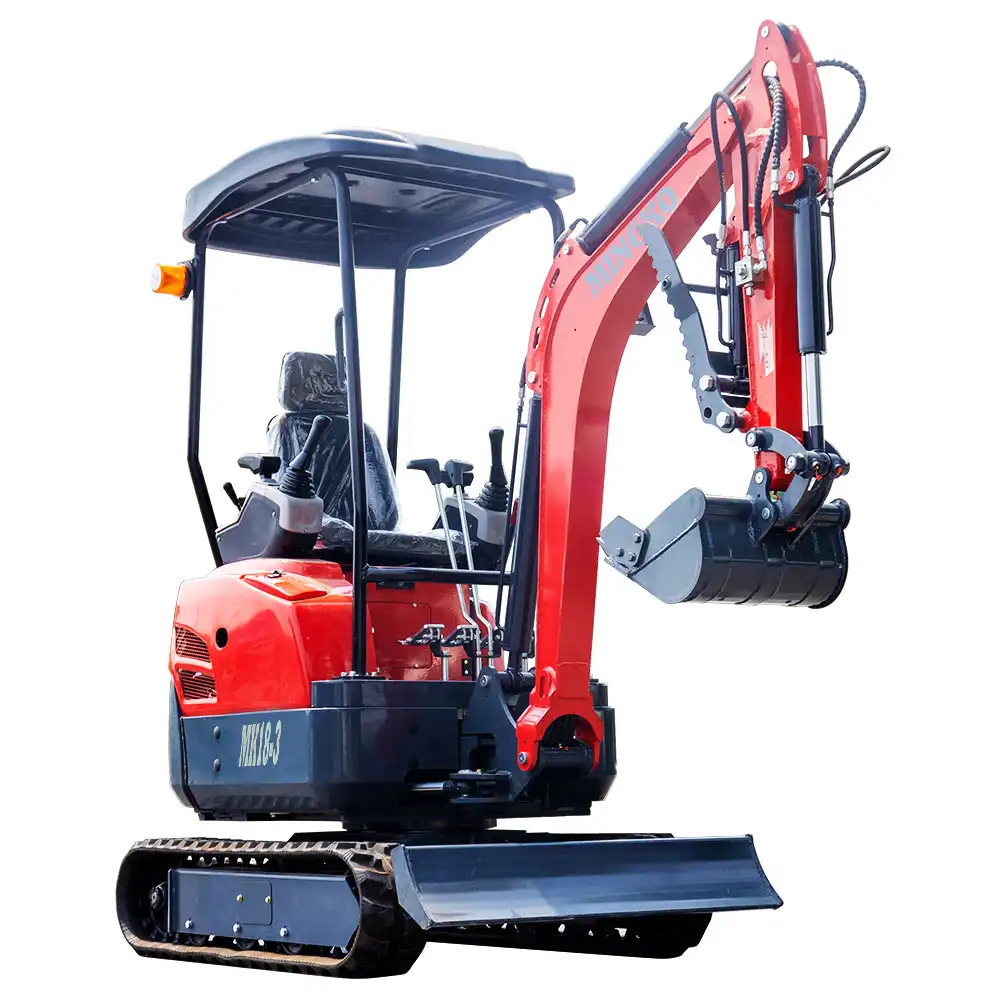
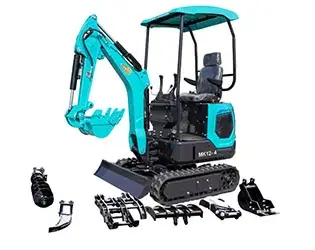
Instead of just looking at the size and shape, the ranking is based on practical weight and performance capabilities. A midi excavator usually has a working weight of between 5 and 10 tons, but some makers put machines in this range with a weight of 4 to 8 tons. The Meeko MK12-4 type, which weighs 1,200 kg, is the lightest of these options. It is very useful for projects that need both accuracy and speed in small spaces.
Engine Power and Hydraulic Efficiency
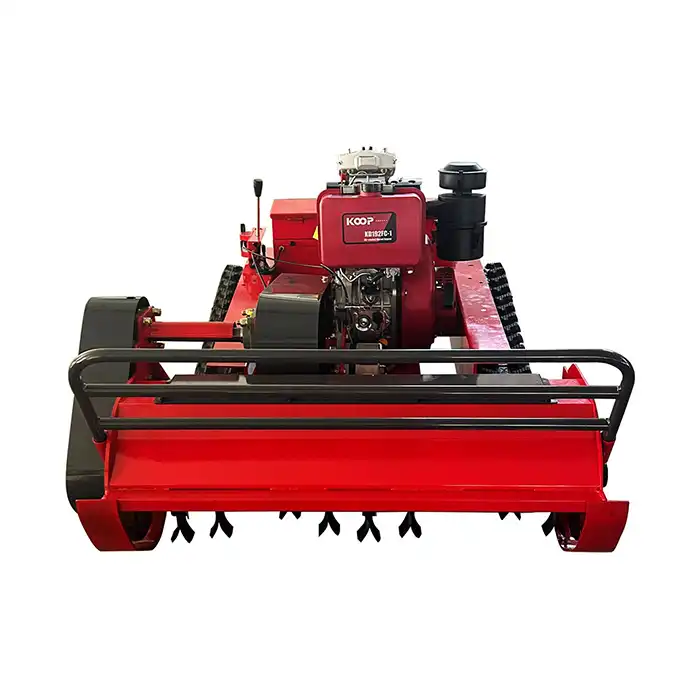
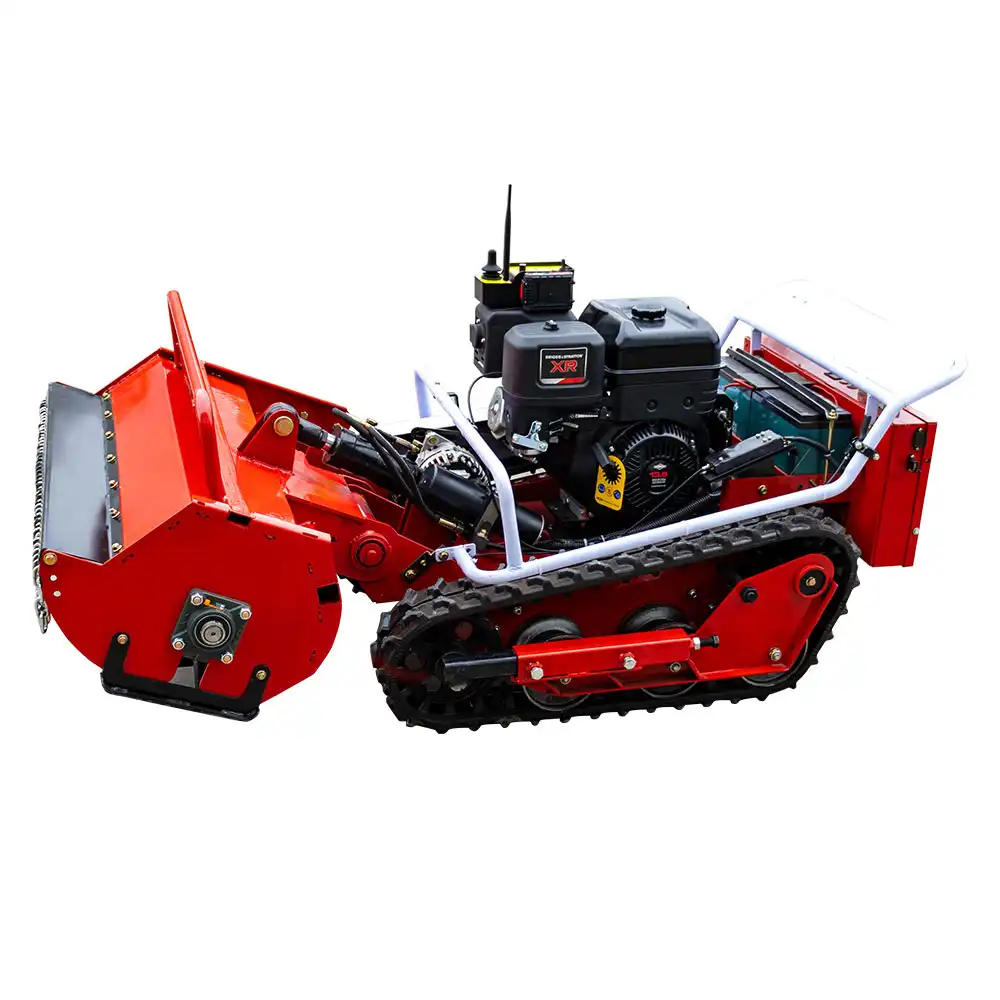
Modern midi excavators have advanced engine technology that makes the best use of fuel while maintaining steady performance. Shandong Mingko Industry Corporation's MK12-4 has several engine choices, such as the EPA-approved B&S 13.5 HP gas engine, the Euro 5 Koop 192F 7 KW engine, and the Japan Kubota engine. This flexibility gives buyers the freedom to choose power plants that meet local emission standards and their own unique operating needs. Modern models have hydraulic systems with quick controls and enough flow rates to work with a wide range of tools, from standard buckets to specialized breakers and augers.
Key Specifications That Impact Performance
Key performance indicators show how well a midi excavator works in real-life situations. The maximum digging depth, reach height, bucket capacity, and swing radius directly affect productivity. The MK12-4 can dig as deep as 1,700 mm and as high as 2,500 mm, and its bucket can hold up to 0.025 cubic meters of dirt. These specs work well for home landscaping, installing utilities, and light demolition jobs where bigger tools can't go because of a lack of room. The cast one-piece body design makes the structure stronger, which means you need less upkeep and the machine lasts longer.
How does a MIDI excavator address common challenges in small-scale projects?
There are specific practical problems that can go wrong with small building and landscaping jobs that can throw off schedules and budgets. Choosing the right equipment is a big part of whether you can solve these problems or they become too much to handle.
Solving Space Constraints Without Sacrificing Capability
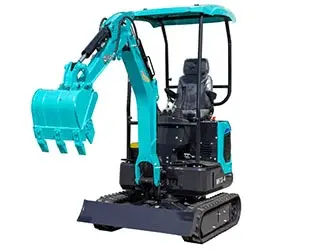
A lot of private and urban projects have restricted work areas. Large, traditional excavators can't get into side yards that aren't wide enough, inner gardens, or landscapes that are already there without doing a lot of damage to other areas. This problem can be solved by midi excavators, which are small enough to fit through normal gates and between buildings while still having enough digging power to do serious excavation work. The MK12-4 is designed to work well in small areas, like gardening, planting, and demolition sites, where being able to move around is important for making a job possible.
Reducing Operational Costs Through Efficiency
For contractors with small profit margins, fuel costs and repair downtime are big cost issues. Mini Excavators use a lot less fuel than full-size excavators, and they also need fewer replacement parts and less regular service. The 13.5HP B&S gas engine gives steady power and reasonable fuel needs, so it can be used for longer periods of time before it needs to be refueled. Less operating weight means less ground pressure and tire wear, which lowers the total cost of ownership over time even more. These gains in speed add up over many projects, which raises the overall profit.
Multi-Attachment Versatility for Diverse Tasks
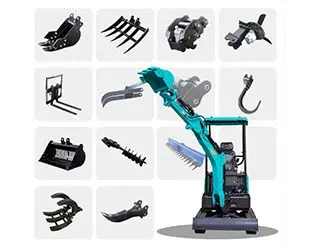
The needs of a project often change between digging, moving materials, tearing things down, and precise measuring. Bringing more than one specialized machine to a job site makes planning more difficult and costs more in tools. This is taken care of by midi excavators that have quick-change connection systems that can use buckets, breakers, augers, and grapples. The MK12-4 has extra hydraulics that can be controlled with the foot, so workers can use tools like spiral drills and breaking hammers without using their hands. With this feature, a single machine can become a multifunctional worker that adapts to the changing needs of the project throughout the day.
Real-World Performance Evidence
When contractors working on home development switch from hand-digging methods or equipment that isn't the right size to midi excavators, their output goes up by 25–40%. A gardening company in Oregon found that digging for a backyard pool took 2.5 days with a midi excavator and 4 days with a rented compact loader. This meant that 37% less work was needed, which saved the company money. Similar improvements are seen in projects to fix up infrastructure in urban areas. For example, utility workers can finish trenching 30% faster and need less surface repair because their equipment doesn't take up as much space.
Procurement Considerations for Maximizing Midi Excavator Value
When investing in building equipment, it's important to think about how the money will be used, how the maker will help, and how the equipment will hold its value over time. Strategic choices about buying separate businesses that are making money from those that are having trouble with assets that aren't working well.
Evaluating Purchase Versus Rental Options
How to buy equipment depends on job duration and available funds. When yearly use goes over 800 hours and projects last for more than one year, it makes financial sense to buy. Owning your equipment lets you set your own schedule and avoid extra rental fees during busy times. On the other hand, renting is better for occasional users or people who want to try out tools before buying it. Manufacturer-arranged financing can help with both of these choices by spreading out the cost of the buy and building equity at the same time. Shandong Mingko Industry Corporation allows customization of 1-unit MOQs and offers factory-direct prices that cut out markups for distributors, making ownership easier to get.
Warranty Coverage and After-Sales Support
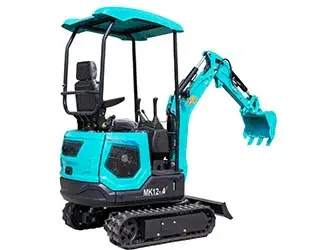
When important parts of a project break down at the worst possible times, it causes delays and costs more money. A full warranty and quick expert help can reduce these risks. As part of its 12-month guarantee, Meeko provides lifetime expert support to ensure that any mechanical problems are fixed quickly. This promise shows faith in the quality of the product while safeguarding buyer investments. The company has separate offices for buying, selling, and customer service after the sale. Over 400 people staff its 50,000-square-meter production center. When compared to getting parts from outside sources, getting real replacement parts through established logistics routes cuts down on downtime.
Understanding Total Cost of Ownership
The cost of buying tools is only one part of the total cost. Fuel use, upkeep times, supply of parts, and resale value all affect how much it really costs to own a car. Mini excavators with tried-and-true engine designs, like Kubota or B&S powerplants, have known repair needs and are easy to find parts for. Shandong Mingko Industry Corporation's ISO 9001 certification shows that they follow quality control methods that lower the number of defects and warranty claims. Instead of just looking at the price at first, buyers should compare models based on expected upkeep costs, insurance fees, and depreciation plans to find the real value.
Optimizing Midi Excavator Performance On-Site
Getting the right tools is only the first step toward making a job run smoothly. Whether tools work at full capacity throughout their working life depends on how well people maintain and run them.
Daily Pre-Operation Inspections and Maintenance
Mechanical breakdowns are usually caused by neglecting regular upkeep, rather than by design flaws. Using structured daily checking routines helps identify problems early on, before they get worse and cost a lot to fix. Operators should check the amount of hydraulic fluid, look for wear or leaks in the lines, make sure the track tension is correct, and look for damage to the bucket teeth. It is important to monitor the engine oil level, the condition of the air filter, and the quality of the fuel, especially when machines are used in dirty or dusty places. These checks only take 10 to 15 minutes, but they keep expensive breakdowns from happening that can keep teams from working for days while they wait for parts or a technician to arrive.
Leveraging Attachments to Compress Project Timelines
Being able to switch between specialized tools without having to change machines greatly speeds up work. For normal home utility work, you might need to dig a trench, lay pipes, fill it in, and grade the surface. Using a single MIDI excavator with the right-sized buckets, a compaction wheel, and grading tools cuts down on the time needed to move and change equipment. The foot-controlled secondary hydraulics on the MK12-4 make it simple to use breakers to remove concrete or augers for post-hole digging. When contractors buy quality extensions that work with their base machine, they say that projects take 20 to 35 percent less time than when they only use standard buckets.
Operator Training and Certification Requirements
Equipment capabilities don't mean much without trained workers who know how to use the machine most effectively and within its limits. When we train workers, they do their jobs more quickly and accurately, and they also keep equipment in better shape by using it correctly. Users learn about safety rules, controls made by the maker, and upkeep duties through certification programs. The money spent on official training usually pays off in the first few jobs through better work quality, less fuel use, and fewer repairs. Shandong Mingko Industry Corporation helps customers succeed by providing expert support 24 hours a day, seven days a week at sales@mingkomach.com. This helps workers get the most out of their machines.
Here are the core operational advantages that distinguish well-maintained midi excavators in field conditions:
- Fuel Efficiency Through Proper Operation: Keeping the engine's RPM low during light-duty jobs and limiting rest time can cut fuel use by 15 to 25 percent. These days, engines like the ones in the MK12-4 work best within certain RPM bands that balance power output with fuel economy.
- Extended Component Life via Preventive Care: Hydraulic systems stay clean by changing their filters regularly and storing them properly. Track systems last 40% longer when you keep them at the right tension and clean them after using them in rough circumstances.
- Enhanced Safety Through Awareness: Operators who finish training programs know how to avoid site dangers, keep machines in the right place, and know how much weight they can carry. Being aware of this stops mistakes that hurt people and damage tools.
These operating practices are put together to turn equipment from simple tools into strategic assets that give steady returns. When you combine Meeko's high-quality manufacturing with disciplined field practices, you get results that are better than what either factor could have done on its own.
Future Outlook: Trends Shaping Midi Excavator Use in Small-Scale Projects
The building-tools business is constantly changing because of new technologies and changing consumer needs. Procurement workers can make smart investment choices that will still be useful as industry standards rise by understanding new trends.
Technological Integration and Telematics
Increasingly, modern MIDI excavators have digital systems that monitor the machine's health, record how it's being used, and predict what repairs it will need before they break down. Telematics platforms let fleet managers see where their vehicles are at all times, how much fuel they're using, and what diagnostic trouble codes they are showing. This information lets service planners plan, which avoids unplanned downtime and makes the best use of repair funds. As these systems stop being extras and become normal, buyers should choose makers who are committed to improving technology. Shandong Mingko Industry Corporation is a national high-tech enterprise, which shows that the company is dedicated to constant innovation that keeps goods competitive as digital integration speeds up.
Emission Standards and Environmental Sustainability
In North America and Europe, rules about building-machine emissions are getting stricter all the time. The fact that the MK12-4 has engine choices that meet Euro 5 and EPA standards shows that the company is aware of how these standards are changing. For projects to happen in places with strict environmental rules, the equipment needs to meet or go beyond the current emission limits. In addition to meeting regulation requirements, contractors are becoming more aware that tools that use less fuel and produce fewer fumes lower operating costs and support companies' efforts to be more environmentally friendly. The market is clearly moving in the direction of companies that spend in power plants and water systems that don't harm the environment.
Growing Demand in Urban Construction Markets
In places with limited space, the concentration of people in cities drives infrastructure development, utility upgrades, and domestic building. For these kinds of projects, it makes sense to use equipment that is both small and powerful. According to research into the industry, the need for tools weighing between 3 and 8 tons is growing at a rate of 6 to 8 percent per year in developed countries. This growth pattern says that good midi excavators bought today will keep their value well when they come time to sell. By working with well-known companies like Meeko, which makes everything from 1-ton excavators to 8-ton excavators, buyers can get tried-and-true tools with stable, long-term support.
Conclusion
Because they are so maneuverable, powerful, and flexible, midi excavators improve the efficiency of small jobs in a measurable way. These machines solve the problems that contractors face in household, landscaping, and light business jobs where they need to make the best equipment decisions because of limited room and rising costs. The Meeko MK12-4 shows how careful engineering can create value by offering multiple engine choices, easy-to-use controls, and a strong build that can handle tough field conditions. When you combine disciplined operating practices with strategic buying that looks at total ownership costs instead of just purchase price, you get the best return on investment over the life of the equipment.
FAQ
What weight range defines a midi-excavator?
Most midi excavators weigh between 5 and 10 tons, but some makers include machines that weigh as little as 4 to 8 tons in this group. At 1,200 kg, the Meeko MK12-4 is a small model in this category of flexible equipment that can be used in both home and light business settings.
How does fuel efficiency compare between midi and standard excavators?
When doing similar jobs within their range of capabilities, midi excavators use 40–60% less fuel than full-size machines. The lower operating weight and smaller engines immediately lead to lower hourly fuel costs while still having enough power for small-scale trenching, digging, and moving materials.
What financing options exist for purchasing mini excavators in 2024?
There are many ways to get equipment. Manufacturer programs, business leasing agreements, and standard bank loans are all options. Shandong Mingko Industry Corporation accepts a variety of payment methods and gives factory-direct prices, so companies of all business sizes can own their own products.
Can one MIDI excavator replace multiple pieces of equipment?
A single MIDI excavator can do mining, trenching, demolition, material handling, and grading work well when it has the right tools. The extra hydraulics on the MK12-4 support breakers, augers, and special buckets that make it more useful without needing extra tools.
Contact Meeko for Your Midi Excavator Supplier Needs
Shandong Mingko Industry Corporation has been making small excavation equipment for more than 15 years, and they know how to make it work in tough field conditions. Meeko is an ISO 9001-certified and National High-Tech Enterprise that sells midi excavators that are both powerful and affordable. They do this by selling them directly from the factory, so there are no markups for distributors. Our modern 50,000-square-meter factory makes 15,000 units a year, and we can customize as few as one unit to help both individual workers and big fleet purchases. The warranty lasts for 12 months and includes expert help for life, so you can be sure that your investment will keep working for as long as it does. Get in touch with us at sales@mingkomach.com to talk about how the MK12-4 or any of our other 1–8 ton excavators can help your project run more smoothly. You can look at full specs and learn why contractors all over North America choose Meeko as their main midi excavator source at sdmkmachinery.com.
References
1. Construction Equipment Guide. "Selecting the Right Excavator for Residential and Light Commercial Projects." Construction Equipment Magazine, 2023.
2. Johnson, Michael R. "Operational Cost Analysis of Compact Construction Equipment in Urban Environments." Journal of Construction Engineering and Management, vol. 149, no. 3, 2023, pp. 112-128.
3. National Association of Equipment Distributors. "2024 Equipment Ownership and Operating Cost Analysis: Excavators 3-10 Tons." NAED Research Division, 2024.
4. Peterson, Sarah L., and David K. Martinez. "Hydraulic System Efficiency in Modern Compact Excavators." International Journal of Heavy Machinery Technology, vol. 31, no. 2, 2023, pp. 87-104.
5. Thompson, Robert A. "Environmental Regulations and Emission Standards for Off-Road Construction Equipment." Environmental Engineering and Policy Review, vol. 18, no. 4, 2024, pp. 201-219.
6. United States Environmental Protection Agency. "Nonroad Diesel Engines and Equipment: EPA Emission Standards Reference Guide." EPA Office of Transportation and Air Quality, 2023.