Why Is Operator Convenience Important in a Remote Control Slope Mower?
A fundamental change in how gardening professionals handle difficult terrain care is represented by the ease of use of a Remote Control Slope Mower. When workers can handle equipment from a safe distance using easy-to-use wireless systems, they don't have to deal with the dangers and physical strain of walking up and down steep hills. This ease of use immediately leads to higher output throughout the workday, lower risk of injury, and more accurate mowing results on tough terrain. If your business is responsible for golf courses, highway embankments, or farming fields, buying equipment that is easy for operators will protect your workers and make your operations run more smoothly.
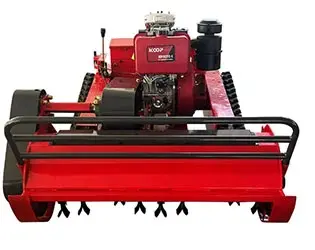
Understanding Operator Convenience in Remote Control Slope Mowers
Operator convenience is more than just how easy something is to use. It also includes safety, ergonomic design, and operating efficiency, all of which have a direct effect on your bottom line. When people who work in buying look at slope-mowing equipment, they need to think about how features that make it easy for operators affect both short-term output and the health and happiness of workers in the long term.
Defining Convenience in Modern Slope Mowing Technology
With remote operation technology, your team can move cutting equipment over dangerous slopes without putting workers in danger. Traditional walk-behind mowers require their users to keep their balance on uneven ground while controlling heavy equipment, which can be tiring and pose safety risks. These days, wireless systems take away all of this physical work, turning what used to be arduous human labor into precise, controlled work.
The Connection Between Operator Comfort and Business Performance
When people who work with machines are sure of themselves and feel at ease, they can focus longer and make fewer mistakes. Modern Remote Control Slope Mowers have wireless control systems that make decisions easier by giving clear feedback through flexible displays. This mental ease leads to measured gains in cutting quality and coverage speed, especially when operations last for a long time.
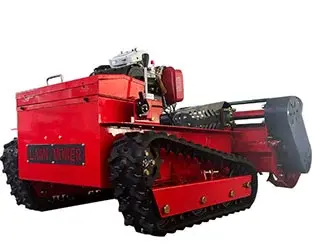
Safety as the Foundation of Convenience
To make things easier for operators, rollover accidents must be eliminated. These tools still cause the most common injuries for lawn care workers. With a remote-control slope mower, workers can stay on safe ground while the machine handles rough terrain, steep grades, and other dangerous situations. This wall between the worker and the danger zone is the biggest improvement in safety for hill upkeep in the past ten years.
Core Features of Remote Control Slope Mowers That Enhance Operator Convenience
Many new technologies have been built into modern remote control slope mower systems to make managing difficult ground easier while still meeting commercial-grade performance standards. By understanding these features, buying teams can tell which standards really add value to the business and which are just marketing gimmicks.
Wireless Remote Operation Systems
The wireless control link is the main way the operator and machine communicate, so its design is crucial to daily machine operation. Good remote controls let you quickly change directions, change the speed, and start cutting, all from a comfortable small unit. At Shandong Mingko Industry Corporation, our remote systems work reliably across operating ranges that are perfect for a variety of site configurations. This means that workers can keep control of both small home slopes and large business properties.
Four-Wheel and Crawler Drive Configurations
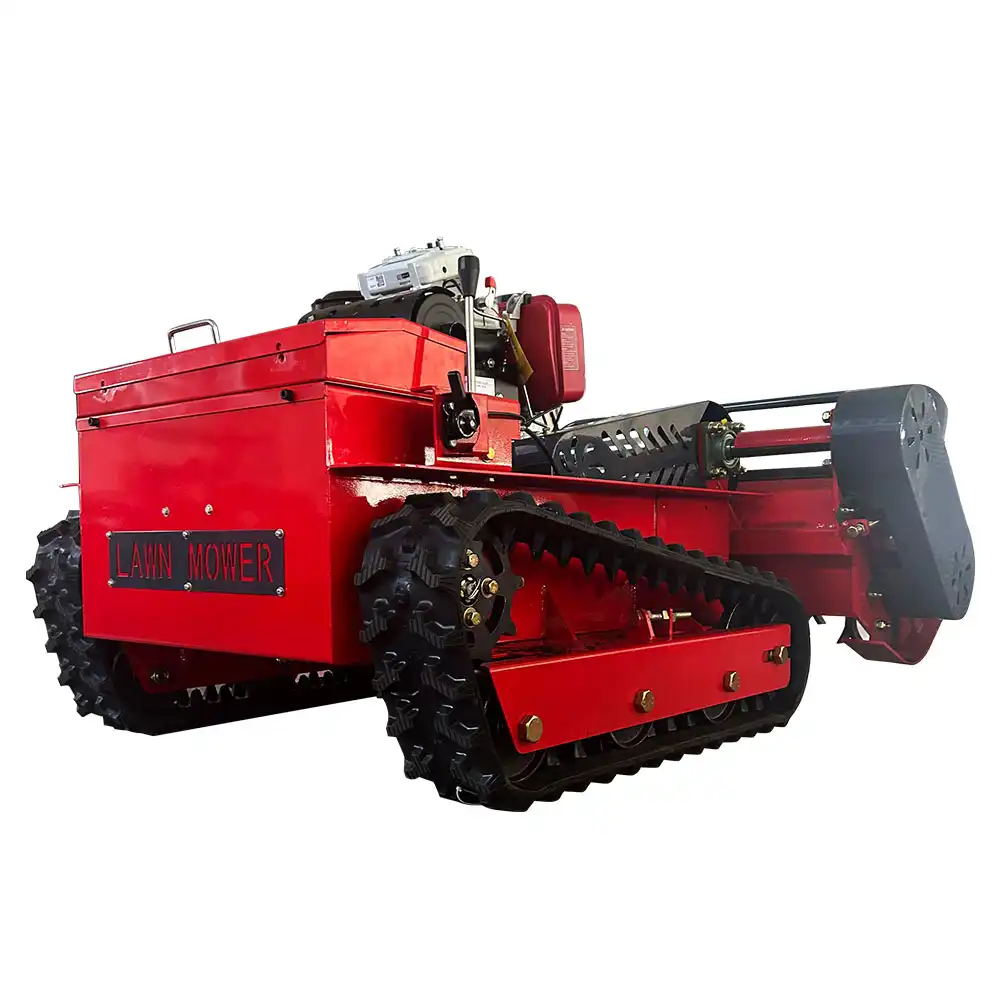
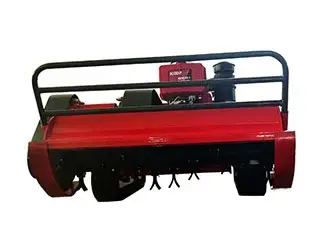
The ability of remote-control slope mowers to grip the ground determines whether they can safely work on your unique terrain types. Four-wheel drive systems spread power evenly across all of their contact points, which keeps the vehicle stable on mild slopes and uneven ground. Wheeled systems lose their grip on steep slopes, but crawler drive systems don't. This is because they spread their weight over a bigger surface area, which protects the dirt while they climb. Our machines have both types of drives, allowing us to use them in a variety of situations. They can also climb steep hills and maintain speeds of up to 4 km/h.
Adjustable Cutting Width and Height Precision
Part of how efficiently something works is how much area it can cut in one pass without losing quality. Cutting widths between 800 mm and 1200 mm let workers fit the size of the job site to the equipment's capabilities, getting the most coverage on open hills while still being able to move around easily in confined spaces. Height adjustment systems make it effortless to switch between types of grass and yearly growth patterns without having to change tools or go through complicated tuning steps.
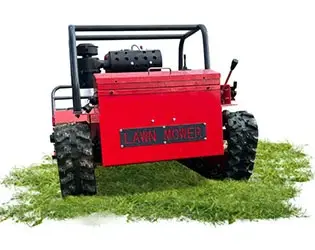
Compact Design for Accessibility
Modern Remote Control Slope Mowers have small footprints that make it possible to mow in places that used to need hand cutting or special tools. These machines can go where regular ride-on mowers can't: under low-hanging trees, between landscape features, and along narrow paths. Because it is easy to get to, different properties don't need as many different kinds of equipment. This makes managing the fleet easier and makes sure that the quality of the cuts is the same on all types of land.
When buying teams know about these core skills, they can compare the specs of equipment to what they actually need for operations instead of making decisions based only on claims of theoretical performance. When you combine the ability to operate from a distance, strong drive systems, flexible cutting parameters, and small size, you get a truly flexible option for professional landscape care tasks.
Comparing Remote Control and Traditional Slope Mowers: A Decision-Making Framework
When choosing tools for slope repair, procurement professionals have to make big decisions that affect daily costs, worker safety, and long-term fleet management needs. To compare remote control slope mowers to regular mowers, you need to look at several things that affect the total cost of ownership.
Operational Efficiency and Time Management
Remote-controlled systems can do mowing jobs much faster than traditional walk-behind tools because they are easier to move and can run continuously. Operators can handle machines from safe places instead of having to physically manage them on slopes, which means they don't have to take as many breaks. This steady level of operating capacity allows us to cover more acres every day with fewer workers assigned to each spot.
Investment Analysis and Cost Considerations
The initial cost of buying a remote control slope mower is higher than the cost of a regular mower, but a full cost study shows otherwise. Labor cost savings accumulate rapidly when one person operates machines that previously required several workers or extended periods of time. When companies buy safety-focused equipment that lowers the risk of injuries, their insurance rates often go down. Remote systems require longer maintenance times than traditional mowers that operate in tough situations and endure a lot of stress. When these things come together, they make it possible to get a good return on investment within the first year of business.
Environmental Impact and Sustainability Goals
Many businesses now put environmental duty high on their list of priorities when they buy things, using factors like fuel usage and emissions as criteria for evaluation. Electric Remote Control Slope Mowers don't pollute when they're in use, which helps companies' efforts to be more environmentally friendly and saves money on fuel. Because remote systems are so precise, they reduce needless passes and overworking of landscape areas. This protects the health of the grass and causes less damage to the environment than less controlled traditional methods.
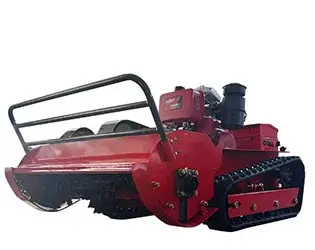
Brand Reliability and Support Networks
The name of the manufacturer and the availability of support facilities are important decision factors because they directly affect the continuity of operations. Well-known names have large networks of dealers that make parts and repair knowledge available, which is important for keeping downtime to a minimum. With more than 15 years of experience making things, Shandong Mingko Industry Corporation makes remote control slope mowers. They back up their goods with full warranties and expert support. Our EPA and CE certifications show that we follow international safety and environmental rules, and our ISO 9001 certification makes sure that quality standards are met throughout the entire manufacturing process.
How Operator Convenience Translates into Business Value in B2B Procurement?
If you only think of operator convenience as a comfort feature, you won't see how it has a big effect on measured business results. When companies value equipment that is easy for operators, they gain a competitive edge through higher output, lower operational costs, and better safety compliance records.
Productivity Gains Through Reduced Fatigue
Operator tiredness is a secret source of lost productivity that gets worse as the workday goes on and as the seasons change. Controlling tools on uneven ground makes people physically tired, which slows down work, increases breaks, and lowers the quality of output as the workday goes on. By taking away the physical pain of operating equipment, remote-controlled slope mower systems get rid of this source of fatigue, keeping output levels steady throughout shifts. Teams do more work every day without working longer hours or hiring more people, which directly increases their ability to make money.
Labor Cost Optimization
The lack of trained workers in the landscape care industry makes it more important than ever for businesses to have efficient workforces. With remote-controlled slope mowers, experienced operators can do the work that used to take several workers. This maximizes the use of skilled workers while reducing the total amount of work required for a project. When new workers learn how to use simple remote systems instead of learning the physical skills needed for manual slope mowing, training times are cut down by a lot. This accelerates the process of growing the workforce.
Safety Compliance and Liability Management
Safety mishaps at work have direct costs like workers' compensation claims, as well as indirect costs like lost output and possible fines from the government. The most reliable way to improve safety is to use equipment that completely gets rid of dangerous working conditions. Remote Control Slope Mower operation keeps workers out of crash zones, keeps them from slipping and falling on uneven ground, and shields them from flying objects. This proactive approach to reducing risk improves safety records and shows that the company cares about its employees, both of which are becoming more important in competitive bids and building relationships with clients.
Scalability Across Operational Contexts
As a business grows, it needs tools that can adapt to new services and different customer needs. Remote Control Slope Mowers work well in a wide range of settings, from small private properties to large business projects, without the need for different tools for each situation. At Mingko, we support operational flexibility by offering customization services with a low minimum order quantity of just one unit. This way, businesses can choose configurations that meet their exact operational needs instead of having to change their processes to work with standard equipment limits.
After-Sales Support and Equipment Lifecycle Value
The worth of equipment goes beyond its purchase price and includes its whole operational lifecycle. This is why the ability of the manufacturer to provide help is an important factor in evaluating equipment. Full service after the sale minimizes downtime when repair is needed, keeping working schedules and client responsibilities safe. Our 12-month guarantee and lifetime technical support give you peace of mind while you own our equipment, and our dedicated service team is always available at sales@mingkomach.com to answer any questions you have about how it works or any technical issues that come up.
Best Practices for Operating and Maintaining Remote Control Slope Mowers
To get the most out of your remote control slope mower and its working life, you need to follow structured routines for both daily use and ongoing maintenance. These steps will protect your investment and ensure that the equipment works the same way for as long as you use it.
Pre-Operation Inspection Procedures
Every operating day should start with a routine inspection of all the equipment to make sure it works before it is used. Examine the cutting blades for damage or dullness that could affect how well they cut or put stress on the drive systems. Please ensure that the battery's charge level meets the needs of the planned work length. Before going up a hill, ensure that the remote control works with all of its features. This will ensure that the controller and machine can talk to each other reliably. Examine the state of the tracks or tires for too much wear that could make it harder to move on rough ground.
Safe Operational Protocols
Even though remote control slope mower systems keep workers from being directly exposed to danger, they still need to follow safe operating procedures. During the operation, make sure you can see your tools clearly by positioning yourself so that parts of the terrain won't get in the way. Learn how to use the emergency stop features and practice them until they become automatic. Set operating limits that take into account how equipment might move if the control link goes down for a short time. This will keep machines from going into restricted or dangerous areas.
Maintenance Schedules That Extend Equipment Life
Regular repair greatly increases the useful life of an operation and keeps it from breaking down at crucial times. After each use, clean the cutting decks to keep grass from building up and speeding up rust and putting stress on the drive motors. According to the manufacturer's instructions, sharpen or replace blades to keep cutting efficiently, which saves power and improves results. Drive belts, chains, and hydraulic systems should all be checked for signs of wear before they break. Battery systems need extra care. Making sure they are charged correctly and checking their ability on a regular basis will ensure they work for a long time.
Leveraging Technology for Performance Optimization
Modern Remote Control Slope Mower systems often have performance tracking features that help with planning operations and repairs. Keep track of operating hours to plan preventative repairs at the best times, rather than waiting for something to break down before doing it. Keep an eye on trends of power use that could point to growing mechanical problems before they cause operational problems. Note how well the cutting works on various types of terrain and in different situations. This will help you build practical knowledge that will make your work more efficient over time.
Although these practices take a little extra time, they pay off big time in the form of lower repair costs, longer machine life, and reliable operations that protect your business's image and client relationships.
Conclusion
Operator ease in Remote Control Slope Mower systems is more than just a matter of comfort; they completely change how companies deal with difficult ground care by making it safer, more productive, and cheaper. Modern equipment has portable control systems, strong drive setups, and a wide range of cutting options that get rid of traditional problems that get in the way of managing slopes efficiently. They also protect your most valuable asset: your employees. Companies that see operator ease as a strategic business advantage set themselves up for long-term growth by improving operating efficiency and making themselves more competitive. As the needs for lawn care change, buying equipment that is designed with operators in mind will help your business stay flexible, productive, and concerned about the well-being of its employees.
FAQ
What safety features should I prioritize when selecting a remote-controlled slope mower?
The most important safety feature is the emergency stop button, which shuts down the equipment right away if there are problems with the controls or dangers appear. Obstacle recognition devices keep things from colliding, which could damage property or equipment nearby. Automatic slope angle tracking warns workers when they get too close to terrain that is too dangerous for operations. Quality makers put in multiple safety systems that work together to make sure that the equipment stops safely if any one system fails. This gives the whole system full protection in all operating situations.
How does battery life compare between electric and gas-powered models?
Electric types can usually work for two to four hours, but the duration depends on the terrain and how densely the trees are cut. Battery technology is always getting better. Gas-powered units can run for longer amounts of time without needing to be refueled, which can be helpful in rural areas where charging stations are difficult to reach. Total operational expenses are lower for electric models because they don't need as much upkeep and don't use fuel. However, each business's practical needs determine the best power source.
Where should I source remote control mowers to ensure warranty support?
Always buy a remote control slope Mower from registered makers or approved dealers who can give you a real warranty and access to parts. Check for licenses like EPA and CE compliance that say the equipment meets standards for safety and the environment. Long-term help is more stable from established manufacturers with their own production sites than from distributors who can't make their own products. When you work directly with a manufacturer, you get access to technical knowledge and customization choices that you can't get through other outlets.
Partner With Mingko for Your Remote Control Slope Mower Solutions
Shandong Mingko Industry Corporation stands ready to support your slope maintenance requirements with proven expertise as a leading remote control slope mower manufacturer. Our 50,000-square-meter factory in the Jining Economic Development Zone is home to more than 400 trained workers who make equipment that puts both operator comfort and operating performance first. With cutting sizes from 800 mm to 1200 mm, four-wheel and crawler drive choices, and the ability to climb even the steepest slopes, our machines give you the flexibility you need for your work. Our ISO 9001 certification makes sure that the quality is always the same, and our EPA and CE certifications show that we follow foreign rules. Contact our team at sales@mingkomach.com to discuss your specific needs and find out how our customization options—which start at just one unit—can help you solve your specific operational problems at a price that's competitive, with factory-direct solutions that come with a full warranty and lifetime technical support.
References
1. Anderson, M. and Chen, L. (2022). "Ergonomic Design Principles in Remote-Operated Landscaping Equipment." Journal of Agricultural Engineering Research, Vol. 47, No. 3, pp. 215-229.
2. Industrial Safety Council. (2023). "Slope Maintenance Equipment Safety Standards and Best Practices." Annual Report on Equipment Safety, pp. 89-107.
3. Peterson, R. (2021). "Cost-Benefit Analysis of Remote Control Technology in Commercial Landscape Maintenance." Business Equipment Review, Vol. 34, No. 2, pp. 45-58.
4. Thompson, J. and Williams, K. (2023). "Technological Advancements in Slope Mowing Systems: A Comparative Study." International Journal of Landscape Technology, Vol. 12, No. 4, pp. 178-194.
5. United States Environmental Protection Agency. (2022). "Emission Standards for Small Off-Road Engines and Equipment." EPA Regulatory Guidelines, Document EPA-420-B-22-001.
6. Zhang, W. and Roberts, D. (2021). "Operator Fatigue and Productivity in Landscape Maintenance Operations." Occupational Health and Safety Quarterly, Vol. 29, No. 1, pp. 34-49.