What Makes a Midi Excavator Ideal for Urban Construction Sites?
When building in cities, special problems arise that require specialized tools capable of performing well within the available space. Midi Excavators have become the best option because they are in the middle of small mini models and big machines. These machines can do many different jobs. They are flexible enough to work in crowded cities and have enough digging power and operating capacity to handle tough jobs. Midi excavators are essential for workers in urban areas across the United States who must comply with strict rules and varied project requirements, as they produce less pollution and noise and can be attached to a variety of tools.
Understanding Midi Excavators: Definition, Size & Core Specifications
Defining the Midi Category in Construction Equipment
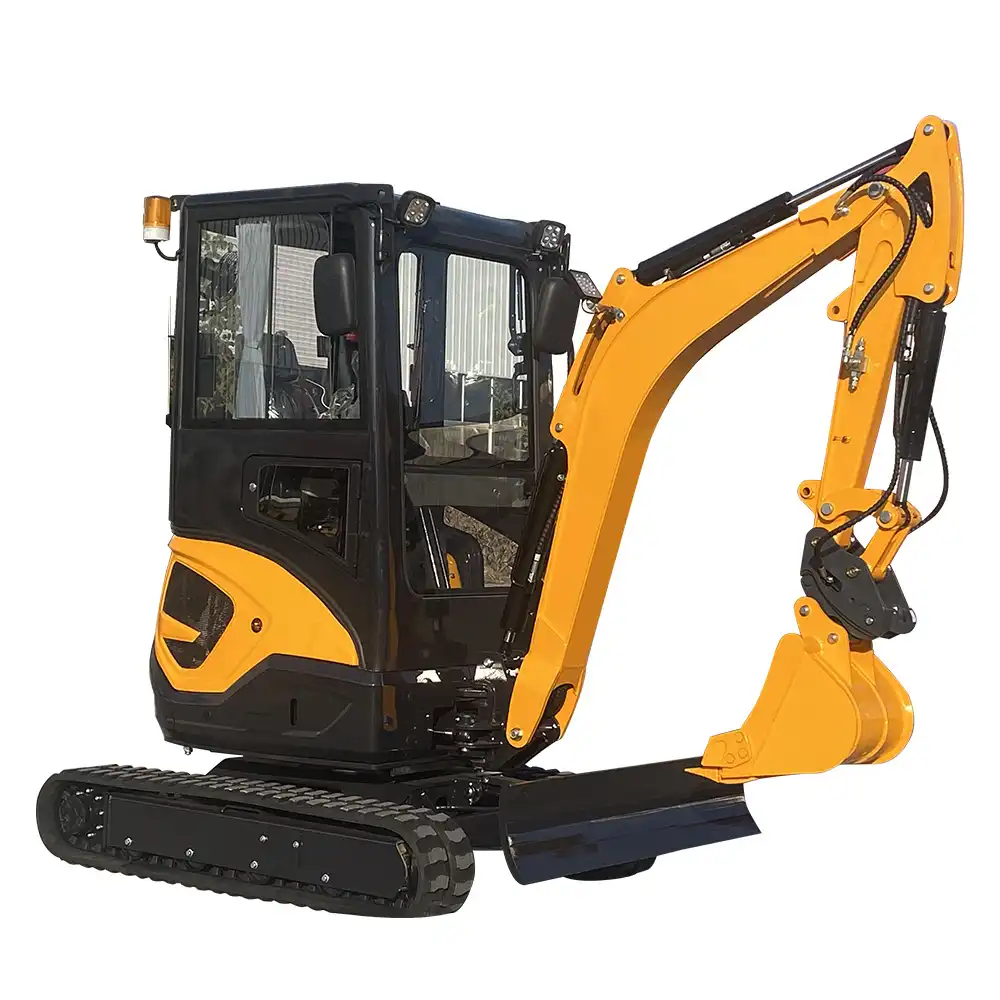
Midi Excavators usually have a working weight range of 5 to 10 tons, but some makers call machines as light as 3 tons midi excavator models. This classification sets them apart from small excavators, which weigh less than 2 tons, and normal excavators, which weigh more than 10 tons. This category is for specific operational needs where small units lack sufficient power, and full-size equipment is impractical due to its weight or restrictions that prevent easy access to the job site.
Technical Specifications That Define Performance
Engine power is an important feature. Mini Excavator models usually have engines with 30 to 70 horsepower that balance fuel economy with the needs of the hydraulic system. Diesel particulate filters and selective catalytic reduction systems are built into modern units to meet EPA Tier 4 Final emissions guidelines. Digging depths can be between 8 and 15 feet, and reach can be between 15 and 20 feet. This gives you a lot of space to work on jobs like digging, trenching, and moving things around.
Attachment Versatility Enhancing Operational Value
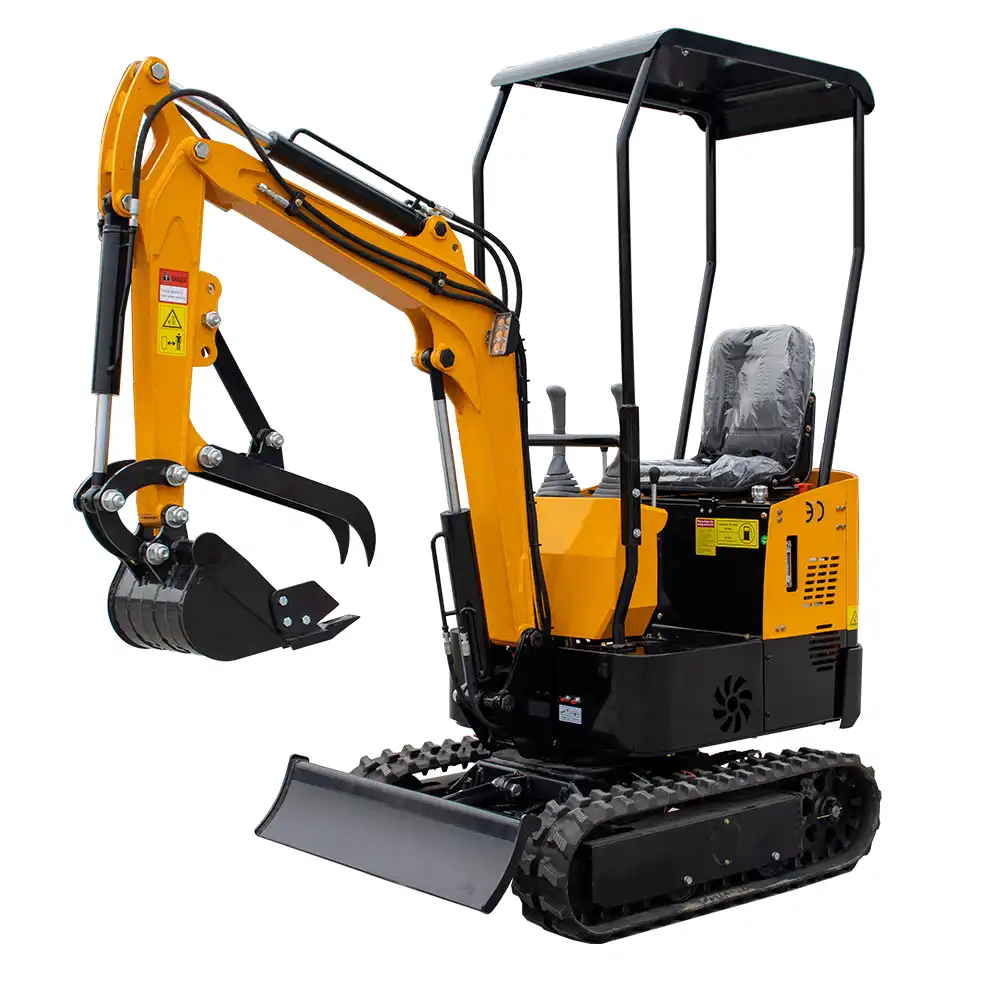
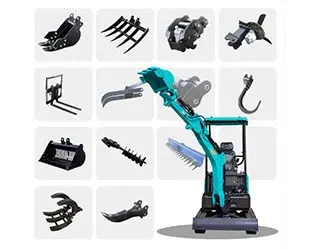
Mini excavators have hydraulic systems that support extra channels that send 15 to 35 gallons per minute, which lets different tools work. Contractors often use 12 to 24 inch buckets, hydraulic breakers to break up concrete, augers to drill holes in foundations, and grapples to sort materials. This adaptability turns a single machine into a tool that can do more than one thing. Such versatility lowers the size of the fleet needed and improves the costs of the project.
Why Are Midi Excavators Perfect for Urban Construction Sites?
Spatial Efficiency in Congested Environments
Access to urban job sites is often limited by small alleys, under overpasses, or in established areas where property lines make it difficult to move around. Mini excavators keep their lengths between 6 and 8 feet by using swing booms that descend into the track profile. This keeps the tail from sticking out when the machine is turning. This zero-tail-swing, or minimal-overhang, design lets workers go next to buildings, fences, and stopped cars without worrying about hitting them. This greatly increases productivity in small spaces where full-size equipment can't go.
Regulatory Compliance and Community Relations
Cities with many people have strict noise laws that usually limit building work to 85 decibels during the day and 75 decibels during sensitive times. When midi excavators with covered cabs and rubber tracks are used, they make a lot less noise than bigger tracked units, which lowers the risk of complaints and tickets from the community. Their engines donot pollute the air and comply with the standards of the Clean Air Act. This helps with environmental justice issues in areas with many people, where air quality directly affects them.
Performance Balance for Diverse Applications
Mini excavators are good at gardening and making links to utilities, but they have trouble with bigger holes and heavier materials. On the other hand, standard excavators are better at digging large holes, but they cost more to operate and move each hour. MIDI excavator types have a digging force of 10,000 to 18,000 pounds, which is enough to break up hardened soils, dig basements, and load dump trucks. They also use only 2 to 4 gallons of fuel per hour. This performance-to-efficiency ratio makes the best use of project budgets for jobs like laying foundations, installing utilities, and getting the site ready for construction that are popular in urban development.
Comparison Insights: Midi Excavators vs Mini, Compact & Full-Size Models
Size and Weight Distinctions Impacting Deployment
The selection of equipment rests a lot on how easy it is to move and get to the spot. Mini excavators that weigh less than 2 tons can be pulled by pickup trucks pulling light trailers. Midi Excavators, on the other hand, need tandem-axle trailers and three-quarter-ton vehicles. Standard loaders need special lowboy trucks and permits to haul business goods. For workers who work on multiple urban sites every day, midi excavator models are easier to move around without having the strict payload limits of small equipment. Their working weights range from 12,000 to 22,000 pounds, which means they can be used on improved surfaces without a lot of ground preparation. This is different from normal units that weigh 40,000 pounds and could damage underground utilities or finished pavement.
Operational Cost Analysis Across Equipment Classes
Depending on the features and tools, midi excavators can cost anywhere from $60,000 to $120,000 to buy. For quality mini excavators, the price range is between $25,000 and $50,000, and for standard excavators, it's between $150,000 and $300,000. Fuel, filters, and regular upkeep cost an average of $18 to $28 per hour for midi excavator units, $12 to $18 per hour for minis, and $35 to $55 per hour for standard equipment. Over a five-year service life with 1,200 working hours per year, midi excavators offer a better return on investment for workers whose projects include both precise utility work and large amounts of excavation that are too big for mini excavators.
Performance Parameters Defining Capability
The digging depth is one of the most important specs. Mini excavators can only dig up to 6 to 8 feet deep, midi excavator units can dig up to 10 to 15 feet deep, and normal excavators can dig up to 20 feet deep. Breakout force, or the amount of hydraulic power at the bucket, is between 6,000 and 8,000 pounds for minis, 12,000 to 18,000 pounds for midi excavators, and 25,000 to 40,000 pounds for normal types. When working on urban projects that need to dig basements, dig deep utility trenches, or load materials, midi excavators are a good choice because they have more power without taking up as much space or costing as much.
Procurement Considerations for B2B Buyers and Fleet Managers
Purchase Versus Rental Decision Framework
When choosing acquisition methods, fleet managers need to look at project length and utilization rates. When midi excavators are used for more than 800 hours a year on regular jobs, it makes financial sense to buy them because ownership gives you control over operations and depreciation. Rental agreements are good for short-term needs or testing out tools. Daily rates run from $250 to $450, based on the type and length of the rental. Lease-to-own deals are a middle ground that lets you keep your capital while building equity through monthly payments that can be used toward ultimate ownership.
Warranty Coverage and Service Support Infrastructure
Comprehensive warranty programs protect investments in capital and keep unexpected costs to a minimum during critical operating times. Standard coverage for important parts like engines, hydraulic pumps, and structural elements usually lasts for 12 months or 1,000 hours. Longer warranties offer more security, which is especially helpful for workers who use heavy equipment in busy cities with lots of transportation cycles. Dealers with established parts stocks and mobile service options have less downtime, which has a direct effect on how quickly projects are finished and how happy customers are.
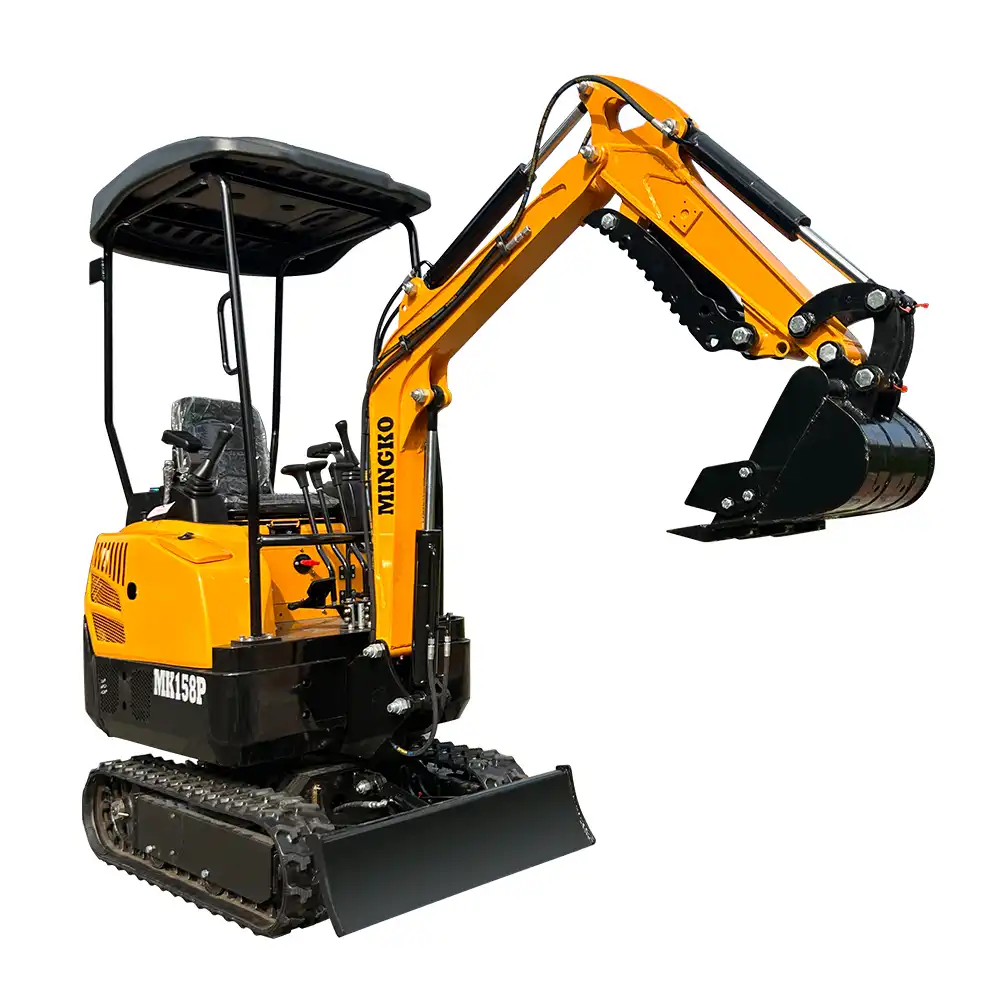
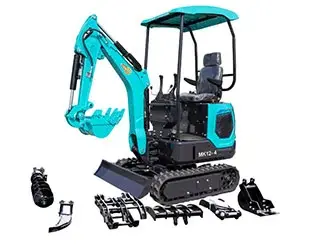
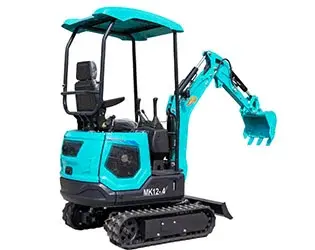
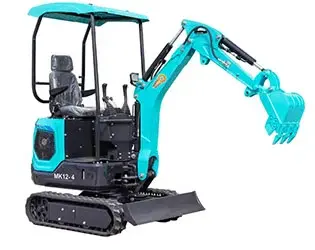
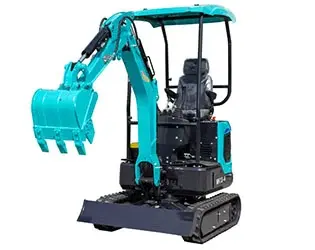
Shandong Mingko Industry Corporation knows these goals when it comes to buying things, and our business plan is based on helping contractors all the way through the lifecycles of their equipment. Our factory, which is ISO 9001-certified, makes midi excavators and mini excavators that are built to work reliably in tough situations. The MK12-4 model is a great example of our engineering theory. It has a one-piece stamped body design that makes it stronger and requires less upkeep. This 1,200 kg midi excavator comes with either an EPA-compliant B&S 13.5 HP or a Euro 5 Koop 7 kW engine. It can dig 1.7 meters deep and has a bucket capacity of 0.025 cubic meters, making it a good choice for gardening and installing utilities in cities.
Manufacturer Selection and Long-Term Partnership Value
When picking equipment providers, you need to look at their production experience, quality certifications, and commitment to customer service after the sale. Shandong Mingko Industry Corporation has been developing excavators for more than 15 years and has been recognized as a National High-Tech Enterprise, which shows that we are committed to scientific progress. Our 50,000-square-meter production center in the Jining Economic Development Zone has dedicated production lines that make 15,000 units a year. This makes sure that quality control is always in place and that deliveries are always on time. With factory-direct sales, you don't have to pay markups to distributors. This saves you money and puts you ahead of the competition while keeping your high standards for building.
Operating and Maintaining Midi Excavators in Urban Settings
Maximizing Fuel Efficiency and Reducing Operating Costs
Technique has a big effect on how much fuel is used and how much work gets done each hour. If you use power modes correctly, like moving to economy settings for light jobs like grading or backfilling, you can save 15 to 20 percent on fuel compared to running on high power all the time. Choosing the right attachments can also affect efficiency. For example, buckets that are too big will lengthen cycle times and use more fuel without increasing work by the same amount. Telematics systems that track idle time can help people change their habits, since idling for no reason can waste a lot of fuel on urban job sites where work is frequently interrupted.
Preventive Maintenance Protocols Extending Equipment Lifespan
Regular repair stops major problems before they happen and keeps the item's resale value high. As part of daily walkarounds, hydraulic lines should be checked for wear, track tension, pad state, and the amount of fluid in all systems. Every 250 hours, the engine oil and filter need to be changed, the hydraulic filter needs to be replaced, and 15 to 25 hinge points need to be greased, depending on the type. During yearly checks, the pressure in the hydraulic system should be checked, the swing bearings should be looked at, and the bucket pins should be measured to find wear before they cause problems.
The Midi Excavator MK12-4 is designed to be easy to maintain. For example, service spots are grouped, and filter areas are easy to get to, which cuts down on service time. Our engineering team created foot-controlled extra features that let workers control attachments like hydraulic breakers and augers while still using the main boom controls. This makes demolition and drilling tasks, which are popular in urban renovation projects, more productive. This careful attention to operator comfort and easy access for upkeep shows that we care about real-world usefulness beyond basic specs.
Attachment Management and Operational Versatility
Having a wide range of attachments for excavators that can be used as specialized tools is helpful for urban builders. Attachment changes can be made in less than two minutes with quick-coupler systems. This means that the same machine can do both trenching with a narrow bucket and breaking up concrete with a hydraulic hammer during the same shift. Attachments last longer and don't need to be replaced as often if they are stored and maintained properly. This includes cleaning the hydraulic connections and checking for wear on parts. Keeping track of how attachments are used on different types of jobs gives information that can be used to improve future tool choices and attachment purchases.
Conclusion
Midi excavators are the best piece of equipment for urban building companies that need to balance performance needs with limited space and rules and regulations. Their 5 to 10 ton working weights give them a lot of digging power and operational capacity while still letting them move easily through tight job sites. When compared to mini excavators, midi excavator models are more productive and flexible. When compared to normal excavators, they have lower running costs and better access to the job site. In competitive metropolitan markets, smart buying choices that take into account total ownership costs, manufacturer support capabilities, and project-specific needs get the best returns on investment and improve operating efficiency.
FAQ
What fuel consumption should I expect from midi excavators in urban applications?
Fuel economy depends on the size of the engine, how hard it is working, and how the person is using it. Most midi excavators use between 2 and 4 gallons of fuel an hour when they are working in normal city building conditions and digging, loading, and moving materials. Projects that need a lot of power all the time or have a lot of free time may use more power at the higher end of this range. Light-duty tasks like gardening or utility finishing use less power at lower rates. Choosing the right-sized tools for the job improves fuel economy over the course of a project's lifecycle.
Can mini excavators accommodate specialized attachments for urban projects?
Modern MIDI excavators have hydraulic extra circuits that let them connect different kinds of attachments. For example, hydraulic breakers can be used to break up concrete, augers can be used to drill foundations, grapples can be used to sort garbage, and special buckets can be used for trenching or grading. Compatibility depends on the hydraulic flow rates and pressures that are needed. Usually, 15 to 35 gallons per minute are needed for proper operation. By looking at the manufacturer's specs, you can be sure that the attachment will work with your backhoe. This will protect the hydraulic systems and give you the most options for how you can use the machine.
How does purchasing compare to renting midi excavators for project economics?
When equipment is used for more than 800 hours a year across multiple projects, it makes financial sense to buy it. This gives you control over operations and lowers the cost of depreciation. Rental agreements are good for short-term needs, testing equipment, or adding more space during busy times. Daily rates run from $250 to $450, based on the details. To find the best buying strategies that fit business models and project pipelines, compare the total ownership costs, which include repairs, storage, insurance, and depreciation, to the total hire costs over the expected service life.
Partner with a Trusted Midi Excavator Manufacturer
Shandong Mingko Industry Corporation is ready to help you with your needs for urban building tools. They offer factory-direct prices and great customer service. As a well-known midi excavator supplier with more than 15 years of experience, we offer high-quality machines with 12-month warranties and professional help for life. Our MK12-4 model is a great deal for builders who need reliable performance in tight-access areas. It has a strong one-piece body construction and a variety of engine choices, including EPA-compliant powerplants. Our sales and service team is available 24 hours a day, seven days a week at sales@mingkomach.com to talk about your unique project needs, give you thorough quotes, and set up equipment demonstrations. Contact Us today to find out how our collection of midi excavators for sale can help your fleet and project make more money.
References
1. Construction Equipment Guide, "Selecting the Right Size Excavator for Your Project," Construction Industry Publication, 2023.
2. Associated Equipment Distributors, "Urban Construction Equipment: Compliance and Performance Standards," Industry White Paper Series, 2022.
3. American Society of Civil Engineers, "Best Practices for Excavation Safety and Efficiency in Metropolitan Areas," Technical Manual Publication, 2023.
4. National Association of Equipment Manufacturers, "Equipment Operating Cost Guidelines for Construction Professionals," Annual Industry Report, 2024.
5. Environmental Protection Agency, "Off-Road Diesel Engine Emission Standards: Tier 4 Compliance Requirements," Federal Regulatory Documentation, 2022.
6. International Journal of Construction Equipment and Management, "Comparative Analysis of Excavator Classes in Urban Infrastructure Projects," Peer-Reviewed Research Article, Volume 15, 2023.