How Can a Mini Small Excavator Cut Project Downtime?
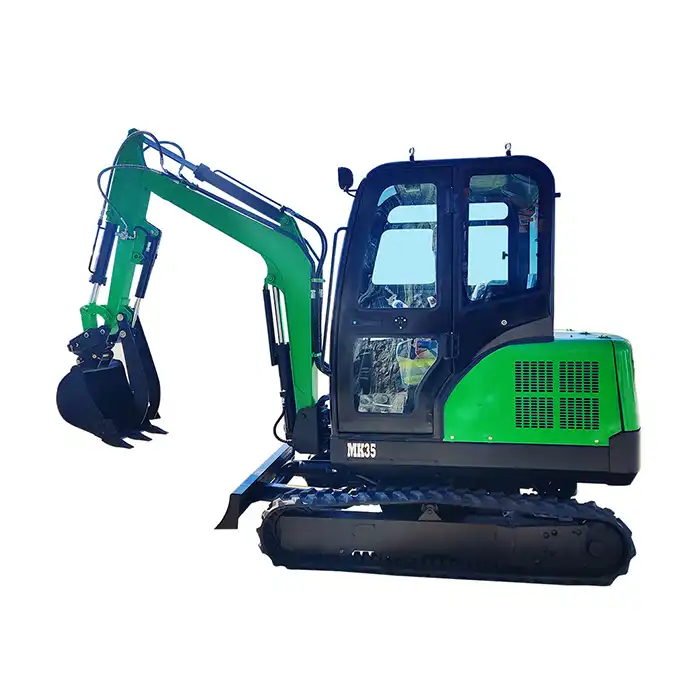
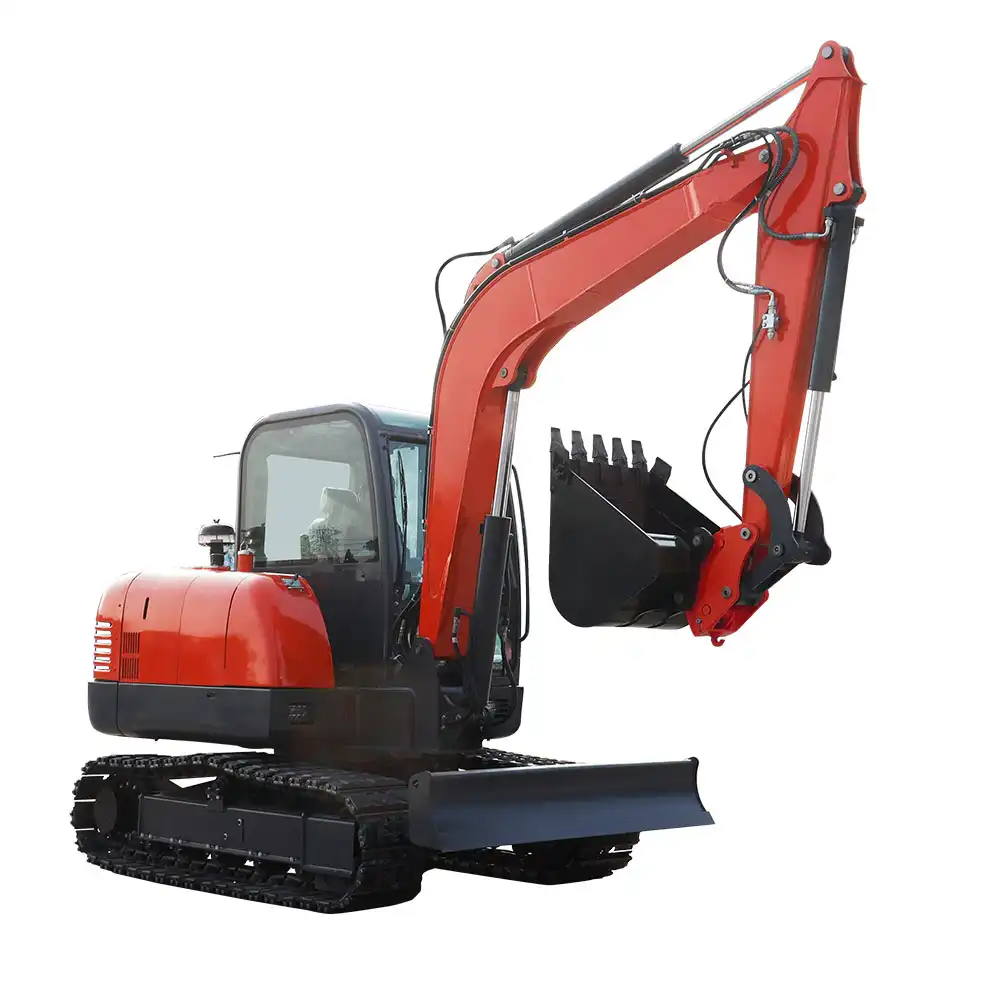
A Mini Small Excavator greatly reduces project downtime by allowing quick deployment, excellent maneuverability in tight areas, and attachment compatibility that removes the need to change equipment. The small size of these machines cuts down on setup time and shipping delays. They can also work well in places where regular excavators can't, so work can continue as usual. Their fuel-efficient engines and simplified repair schedules further avoid costly operational stoppages, making sure that building teams can keep going and meet targets even when conditions on the job site change.
Understanding Project Downtime and Its Impact on Construction Efficiency
In modern buildings, project slowdown is one of the most expensive problems that can happen. When mining work stops or slows down without warning, it affects far more than just the machines that aren't being used. Labor costs keep going up while output stays the same, subcontractors have trouble making schedules, and clients are unhappy because of missed deadlines. According to research from people who work in the building business, unplanned equipment downtime can make projects cost 15 to 30 percent more than planned. This can turn profitable contracts into financial burdens.
Common Causes of Equipment-Related Downtime
Failures of equipment don't happen by themselves. Poor repair practices are often to blame for mechanical problems, and in cities, oversized equipment makes it hard to get to places. Traditional excavators have a hard time working in utility paths, private backyards, and tight alleyways where they can't get enough space to move. Transportation procedures make these problems even worse. Moving heavy equipment from one place to another takes hours of valuable time and requires special permits that slow down project phases.
The Financial Toll of Interrupted Workflows
Every hour of downtime directly leads to less money coming in. Contractors are fined if they finish projects late, teams are paid even if they don't do any work, and rental equipment costs add up even if it's not used. When you add up the costs of labor, overhead, and lost opportunities, one day of unexpected downtime on a medium-sized business job can add up to $15,000. More and more, procurement managers are realizing that the choice of tools has a direct effect on the performance of operations and the bottom line.
How Do Mini Small Excavators Address Downtime Challenges?
Mini small excavators have changed over time to understand why projects are taking so long. Modern mini small excavators are a remarkable example of how engineering accuracy and operating flexibility can work together to keep work moving forward, even when conditions are tough.
Rapid Deployment and Site Mobility
You can't say enough good things about how easy it is to move mini small excavators. A mini small excavator from Mingko that weighs between 6 and 12 tons can easily fit on normal trailers and doesn't need special permits for large loads. Crews move these tools from one job site to another in a single day, which makes the best use of the equipment. Setting up doesn't take hours but minutes. Operators can drive straight from the trailer to the hole, so they don't have to go through complicated placement steps that take up morning work hours.
Operating in Space-Constrained Environments
Urban building sites have unique space problems that can't be solved with regular tools. Mini Excavators can get through private entrances and pedestrian gates and work under low-clearance buildings while big machines are parked outside. Because it's easy to get to, mining work can go on at the same time as other trades, avoiding the delays that usually cause projects to take longer than planned. When putting irrigation systems around existing buildings or growing trees in established neighborhoods, landscaping workers really like how easy it is to move around.
Fuel Efficiency and Extended Operating Cycles
Modern mini small excavators have engines that use less fuel, which means they can work for longer amounts of time before they need to be refueled. Models from Mingko get great gas mileage without giving up hydraulic power, so users can finish a full day's work on a single tank. This consistency keeps the digging phases on schedule by preventing the breaks that happen in the middle of shifts when equipment often needs to be refueled.
Attachment Versatility Eliminates Equipment Swaps
When you can quickly switch out tools on a mini small excavator, it can do many different jobs. It takes less than two minutes for workers to switch from digging buckets to augers, breakers, or grapples thanks to hydraulic quick couplers. Because it's so flexible, it gets rid of the need to rent expensive tools for different jobs, which used to take hours and cause schedule delays. During the whole job cycle, contractors installing utilities can use the same machine to dig ditches, break up pavement, and put in pipes.
Practical Applications and Use Cases of Mini Small Excavators in Reducing Downtime
Real-life examples show how mini small excavators turn theoretical benefits into measurable time savings in a wide range of fields.
Urban Infrastructure Projects
Municipal workers are always under pressure to cause as little trouble as possible in populated places. With mini small excavators, utility teams can dig waterline ditches next to busy streets while still letting people walk, and parking lots stay open. The smaller footprint means that work zones take up less street frontage, which speeds up the permit process and lessens the effect on the neighborhood. One contractor for the city said that switching to mini small excavators for home service lines cut average utility repair times by 40%.
Residential Construction and Landscaping
Mini small excavators are used by home builders in subdivisions to dig holes for foundations, set up drainage systems, and level yards on several lots at the same time. The machines can easily move from one property to another without ruining finished planting or closing streets to make way. Professional landscapers use these tools to dig up areas for pools, build retaining walls, and do large-scale yard renovations where entry issues would normally require a lot of hand digging.
Agricultural and Rural Applications
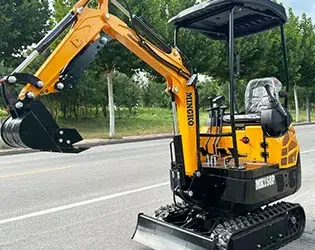
Mini small excavators are useful on farms and other rural sites in ways that contractors in cities might not quickly see. Installing irrigation systems, digging ponds, and clearing land all go faster when equipment can move quickly along small farm roads and work around crops that are already there without needing large turning circles. Mini small excavators made by Mingko that weigh between 1 and 6 tons are the right size for a wide range of jobs, from small residential plots to large business farms.
Emergency Repair and Maintenance Operations
Mini small excavators are useful for service workers who need to do quick fixes because they can be set up quickly. When fixing broken water mains, drainage systems that have fallen, or storm damage, mini small excavators can get to the scene of the problem quickly and get to work right away. This response cuts down on the length of service interruptions for customers who are affected while also keeping labor costs low by getting tasks done quickly.
Comparing Mini Small Excavators With Alternative Equipment
To choose the right mini small excavators, you need to know how different types of machines work in different situations and how your choices affect the project's consistency.
Mini Excavators vs. Compact Track Loaders
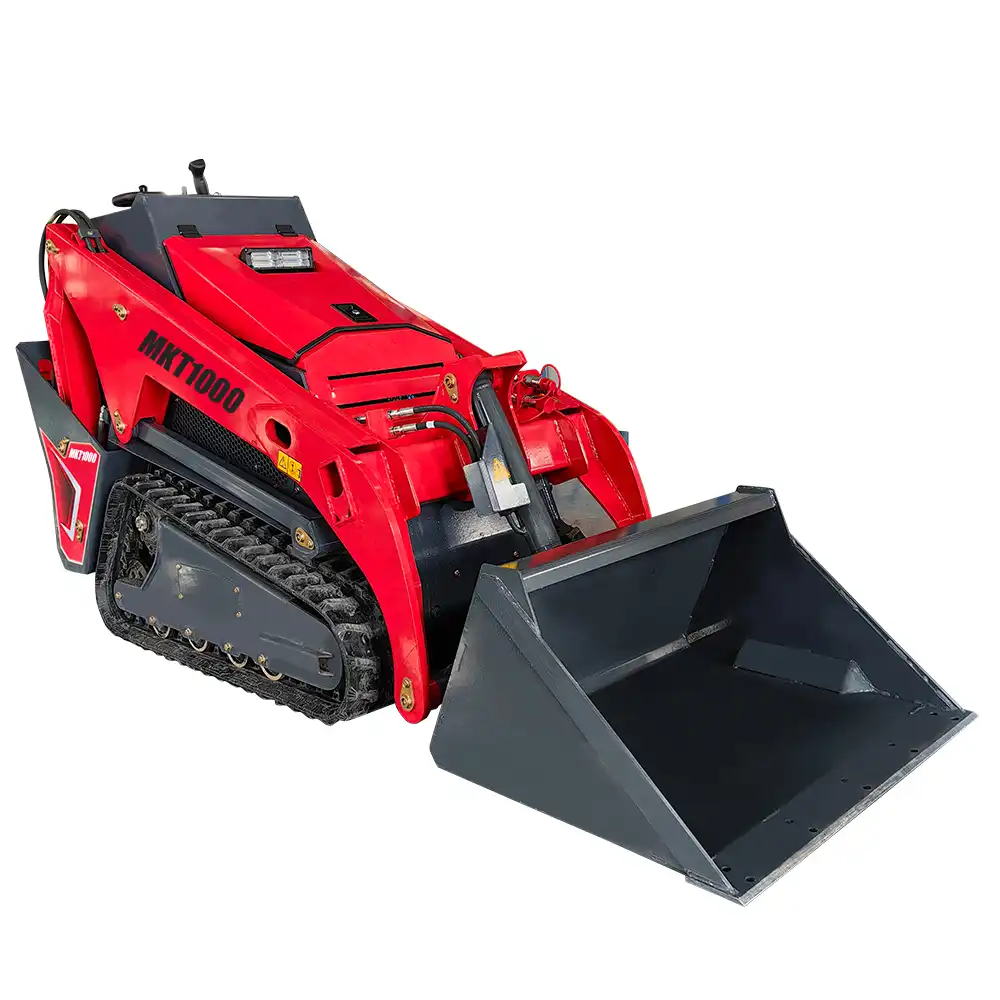
Both types of building tools are useful, but they are best at different tasks. Skid steers and compact track loaders are better at moving materials and leveling surfaces, but they can't dig as deeply or as far as mini excavators can. Traditionally, projects that needed both tasks used both types of machines, which made transporting them more difficult and made scheduling harder. When equipped with the right bucket attachments, mini small excavators can handle light grading work well, lowering the need for multiple pieces of equipment and the time lost when switching them out.
Size Class Considerations for Optimal Performance
The size of the equipment has a direct effect on how well it works. Undersized machines make projects take longer because they have to be dug up more than once, and large machines make them harder to move and harder to get to. Mingko's range of 1 to 6 tons lets contractors fit the exact size of the machine to the needs of the job. A 2-ton machine is good for utility work around the house, and 5–6-ton models are good for business excavation without the problems that come with standard 8–10-ton excavators.
Rental vs. Ownership Economics
The choice of whether to rent or buy equipment has a big effect on the supply of equipment and the control of project schedules. While renting tools gives you more options, it also makes you more vulnerable during busy building seasons, when supplies are limited and prices go up. If you own the equipment and follow the care instructions, it will always be ready for when you need it for a job, and you won't have to wait for rentals to become available. Shandong Mingko Industry Corporation solves this problem by offering flexible payment choices starting at a single unit, so even small companies looking for reliable schedules can own their own products.
Maintenance, Procurement, and Support Strategies to Maximize Uptime
To keep mini small excavators working, you need to be cautious and stop problems before they mess up projects.
Preventive Maintenance Protocols
Reliability in technology is built on regular repair intervals. Daily walk-around checks find hydraulic leaks, wear, and problems with fluid levels before they get worse and cause breakdowns. Mingko Mini Small Excavators have service spots that are easy for workers to get to. This means that basic maintenance can be done quickly and without special tools, which cuts down on the time that equipment has to be left idle for regular checks. Unexpected breakdowns during key project phases can be avoided by replacing parts on a schedule based on working hours instead of making fixes as they happen.
Supplier Selection and Service Network Strength
When you buy tools from a company with a strong support network, you can avoid long periods of downtime when fixes are needed. Shandong Mingko Industry Corporation offers full support after the sale, including warranties that last for 12 months and expert help that lasts a lifetime. This promise makes sure that parts are always available and professional support is always available throughout the lifecycle of the equipment. This is in contrast to imported names, where parts lead times can last weeks and leave machines not working.
Training and Operator Competency
Well-trained workers keep equipment from being abused, which can cause it to break down early. When you use the right methods, you can make parts last longer, use less fuel, and keep up the same level of output between shifts. When manufacturers include operator training with the purchase of equipment, they add value beyond the machine itself by making sure that teams use the machines in the best way possible to get the most uptime.
Strategic Parts Inventory Management
Contractors who use a lot of mini small excavators should keep a stock of important extra parts for parts that wear out quickly. Buying hydraulic lines, filters, and cutting edges is a relatively small investment that keeps work from stopping for days at a time while emergency parts are shipped. This proactive method works especially well when standardizing groups of equipment around types that are compatible and share common parts.
Conclusion
One of the most predictable but often poorly managed cost factors in building is still project downtime. Mini small excavators solve this problem by having features that are designed to keep the workflow going. For example, they can be quickly deployed, can adapt to different spaces, use little fuel, and can connect a variety of tools. The 1-6 ton range from Mingko offers the right-sized options for household, industrial, and agricultural uses where standard equipment causes delays.
Successful contractors know that choosing the right tools isn't just about how much horsepower they have; it's also about how they will affect the whole process. Machines that can get to job sites quickly, work in tight spaces, and switch between tasks without having to change tools just put in more useful hours each year. This edge in uptime builds over multiple projects, which have a direct effect on standing in the market and making money. When you prioritize practical stability in your strategic buying choices, you get benefits that go far beyond the initial purchase considerations.
FAQ
How does compact size actually reduce project delays?
Because they are small, mini excavators can get to tight job sites where bigger machines can't. This cuts down on delays caused by moving equipment or switching out workers. Transporting goods between places only needs standard trailers and no special permits. This allows work to be done at multiple sites on the same day, which makes the best use of tools. Setup time is cut down by a huge amount—operators can start digging as soon as they get there, instead of waiting hours for bigger machines to be put in place.
What attachment options expand mini-excavator capabilities?
With hydraulic quick-couplers, you can quickly switch between augers, buckets, breakers, rippers, and grapples. Because they are so flexible, single machines can finish whole project steps without having to switch out any equipment. One mini small excavator can do all of these jobs: trenching, boring, breaking up ground, and moving materials. This is faster and easier to schedule than using separate machines for each job.
Do mini excavators require specialized maintenance that creates downtime?
Maintenance needs for good mini small excavators are still easy to understand and get to. It only takes a few minutes to do daily checks, and based on the conditions, service intervals are usually between 250 and 500 working hours. Mingko designs have service spots that are easy to get to so that regular repairs can be done without taking off panels or using special tools. This keeps machines running and reduces the number of service-related interruptions.
Partner With a Trusted Mini Small Excavator Manufacturer
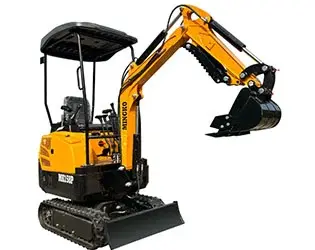
Shandong Mingko Industry Corporation has been making specialized products for more than 15 years and offers compact mining solutions. Our ISO 9001, CE, and EPA certifications show that we are committed to quality standards that make sure our products work reliably in a wide range of challenging situations. We know that choices about what to buy have an effect on the long-term success of a business. That's why we offer single-unit minimum orders with full customization options, whether you're buying your first mini small excavator or adding to an existing fleet.
Our 50,000-square-meter factory makes 15,000 units a year in our 1-6-ton range. This keeps supplies on hand and prevents shipping delays from happening. You can still get help from our expert support team 24 hours a day, seven days a week when you buy directly from the factory. We want sourcing managers, contractors, and equipment sellers to learn more about how Mingko mini small excavators for sale can help your projects run more smoothly. Email our team at sales@mingkomach.com to talk about your unique needs and find solutions that will help you reach your business goals.
References
1. Construction Equipment Magazine, "Impact Analysis of Equipment Downtime on Project Profitability," 2022 Industry Report on Construction Efficiency Metrics.
2. Associated General Contractors of America, "Compact Equipment Utilization Trends in Urban Construction," 2023 Annual Equipment Survey Results.
3. Journal of Construction Engineering and Management, "Comparative Performance Analysis of Compact Excavation Equipment in Confined Site Conditions," Volume 148, Issue 6.
4. National Association of Home Builders, "Equipment Selection Strategies for Residential Construction Efficiency," Technical Research Publication 2023.
5. International Journal of Heavy Machinery Operations, "Maintenance Protocol Optimization for Extended Equipment Uptime," Spring 2023 Edition.
6. Equipment World Magazine, "Total Cost of Ownership Comparison: Compact vs. Standard Excavators in Multi-Site Operations," December 2022 Procurement Special Report.