What Is the Average Lifespan of a Remote Control Slope Mower?
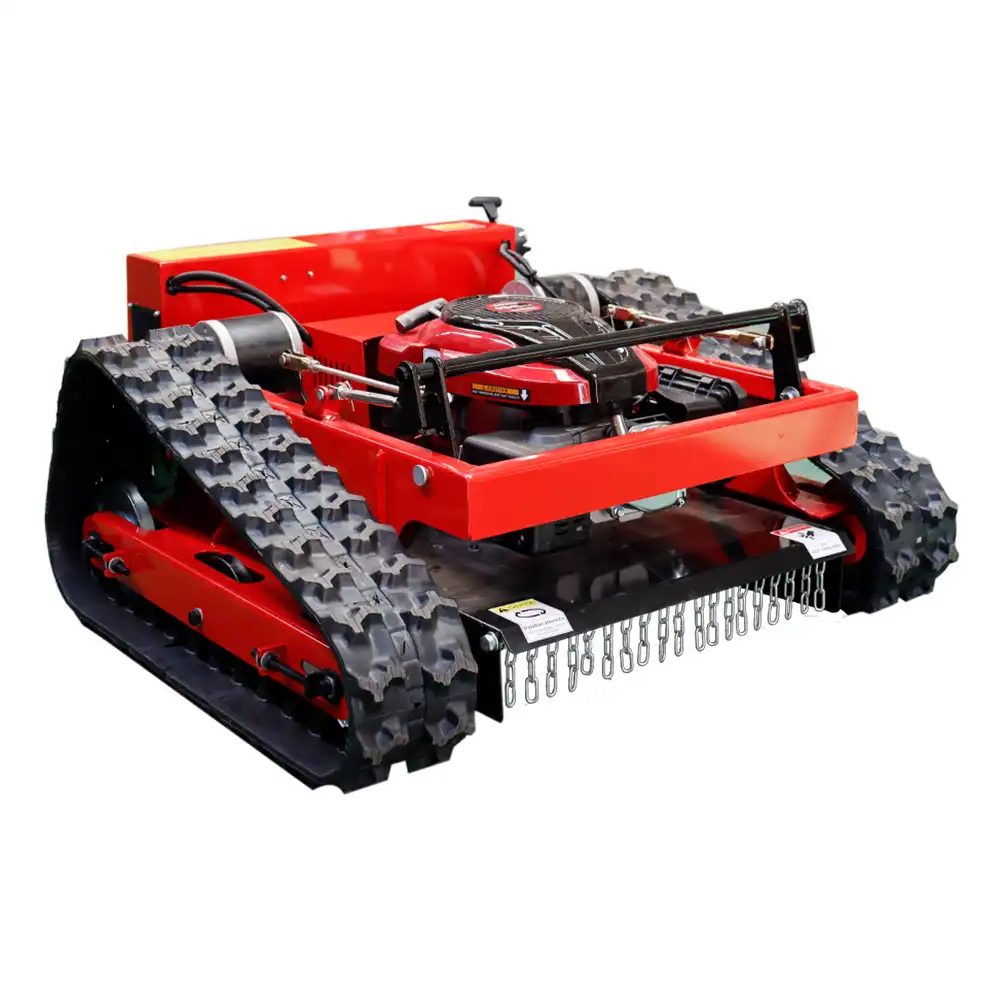
When buying professional landscaping tools, it's important to know how long it will last so you can plan your budget and run your business more efficiently. When properly maintained, a normal Remote Control Slope Mower will last between 8 and 12 years, and some high-quality types will last longer than 15 years. This longevity comes from strong engineering that mixes improved battery technology, weatherproof electronics, and stronger mechanical systems. These automated tools are a good long-term investment for businesses because their service life relies on how often they are used, how difficult the terrain is, and how well they are maintained.
Understanding the Average Lifespan of Remote Control Slope Mowers
Many different systems need to work together for automatic slope mowing tools to last a long time. At Shandong Mingko Industry Corporation, our engineers have spent more than ten years improving these important parts to make sure that our customers get the most out of their Remote Control Slope Mowers.
Core Components Determining Equipment Longevity
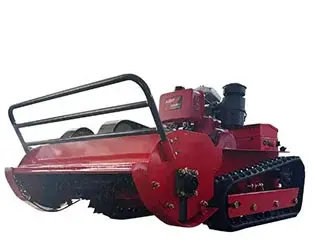
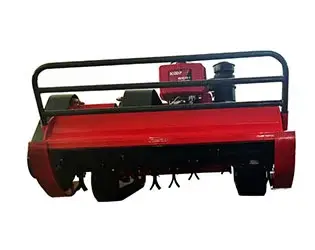
Mechanical longevity is the key to making mowing tools last a long time. Our units come with both four-wheel drive and crawler drive options that are designed to work in rough areas. The engineers put the drive systems through a lot of stress tests to make sure they can handle rough terrain and high hills. Cutting blades, which range in size from 800mm to 1200mm, use high-grade steel that doesn't rust or get damaged by impacts. This means they last a lot longer than normal home appliances.
Battery System Performance and Replacement Cycles
The science behind batteries has a direct effect on how long they last and how much they cost to repair. Modern lithium-ion battery systems can usually handle 1,000 to 1,500 charge rounds before their capacity drops by 80%. This means that they will work reliably for about 4 to 6 years in business settings. Our machines have smart battery management systems that make the best use of charging cycles and stop dangerous deep discharge events. This keeps the batteries healthy longer and lowers the total cost of ownership over the life of the equipment.
Electronic Control Systems and Integrated Safety Features
The clever nervous system of remote control tools is made up of electronic parts. Our manufacturing process is ISO 9001-certified, which means that we know that the circuit boards, sensors, and control units we ship meet high-quality standards. Built-in safety features protect against electricity surges, water entry, and thermal stress, all of which can cause less reliable equipment to break down. These safety steps, along with meeting the requirements for EPA and CE approval, make sure that the product works the same way in all kinds of environments for years to come.
Comparing Remote Control Slope Mower Lifespan Versus Traditional Mowers
Remote Control Slope Mower technology has operating benefits that go beyond ease and have a measurable effect on the longevity of equipment. When you use traditional walk-behind and ride-on mowers on rough ground, they wear out faster, but automatic systems keep working well because they are smartly designed.
Reduced Operator-Related Wear and Mechanical Stress
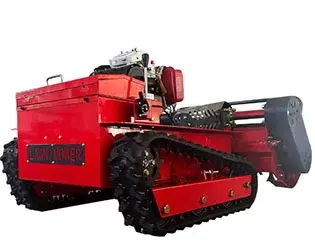
Traditional cutting equipment is hard for operators to control, especially on steep slopes where emergency moves and quick changes in direction put too much stress on the transmissions and turning parts. When remote control operation removes these factors, travel patterns can be smoother while mechanical integrity is maintained. With precise engine control, our machines can stay at speeds of up to 4 km/h, instead of the jerky starts and stops that come with manual operation. This controlled movement pattern keeps engine parts from wearing out as quickly, which means they last 30% to 40% longer than equipment that is handled normally.
Enhanced Safety Reducing Costly Damage Incidents
Damage to equipment from rollovers and collisions is a big reason why lawn care equipment doesn't last as long. According to data from the industry, about 25% of industrial mower replacements occur because of crashes involving slopes. Remote control units keep operators safe by having features that adapt to different terrains and stop dangerous situations before they happen. From safe viewing points, operators can navigate around objects without hitting them, which would damage cutting decks, bend frames, and weaken the structure. This built-in safety benefit directly leads to fewer repairs and a longer working lifespan.
Real-World Performance Data from Commercial Applications
Commercial landscapers who use a mix of tools say that they can measure the differences in the repair processes. When used for the same amount of time, remote control slope mowers usually last three to five years longer than standard mowers of the same type. When golf course managers use automated systems for bunker slopes and water feature perimeters, they report less frequent upkeep and smaller yearly repair budgets. In the real world, these results show that remote control technology has real cost benefits by making tools last longer.
Maintenance Practices to Maximize Remote Control Slope Mower Lifespan
If you follow the right upkeep steps, your Remote Control Slope Mower will last as long as it can or needs to be replaced before it's time. At Shandong Mingko Industry Corporation, we help our customers protect their interests in a wide range of ways.
Essential Routine Maintenance Tasks
Daily checks before operations start find small problems early, before they get worse and cost a lot to fix. Operators should verify the sharpness of the blades and the security of the fitting. They should also check the fluid levels and make sure that all of the safety systems work properly. As part of weekly care, dust needs to be cleaned off the cooling fins and electrical parts, and the drive belts need to be checked for proper tightness and lubricated as required. These simple steps, which take less than 30 minutes a week, can add several years to the life of your equipment and keep it running at its best throughout its service life.
Battery Care and Storage Protocols
How you charge and store your batteries has a big impact on how long they last. We suggest charging batteries right away after using them instead of leaving them drained for a long time, which speeds up the loss of capacity. Batteries should stay between 50% and 70% charged when they are stored during the off-season in climate-controlled spaces between 10°C and 25°C. Don't put battery systems in temperatures that are too high or too low. Heat above 35°C speeds up chemical breakdown, and freezing temperatures can damage them permanently. By following these tips, workers can be sure that battery systems will work well for the entire time that they are supposed to.
Professional Service Intervals and OEM Parts
Professional servicing once a year by trained workers makes sure that complicated systems get the care they need. As part of our 12-month guarantee, we do full checks that find wear patterns and resolve problems before they get worse and affect performance. When you use real OEM replacement parts, you keep the technical standards and compatibility. On the other hand, aftermarket parts often introduce quality differences that shorten the overall lifespan. We offer customized service agreements for businesses as small as one unit, and we treat small companies with the same level of care as big commercial accounts.
How to Select a Remote-Control Slope Mower for Optimal Lifespan and Performance?
When making purchases, people should think about both the short-term needs of operations and the long-term needs of sturdiness. Because we work with a wide range of clients, we've learned which Remote Control Slope Mower selection factors give the best return on investment.
Critical Specifications Affecting Durability
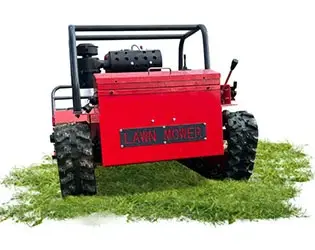
Cutting width has a direct effect on how well operations run and how stressed the equipment is. Our models with 800 mm to 1200 mm cutting widths let customers fit the equipment's capabilities to the needs of their usual jobs. This way, they don't have to worry about small machines that overwork. Another important trait is the ability to climb, especially for jobs that involve handling high slopes or drainage ditches. Our four-wheel drive systems can handle steep hills that would be too much for other machines. This lets us do our jobs safely without pushing mechanical systems past their design limits. By matching specifications to real practical needs, we can avoid failures caused by chronic overwork before they happen.
Certification and Compliance Considerations
EPA and CE approvals show that equipment meets strict safety and environmental standards. This shows that the manufacturing process is of high quality and goes beyond just following the rules. To get these certificates, emission systems, electrical safety, and operating dependability must be thoroughly tested—all of these things are directly related to long-term durability. Buyers should favor certified equipment to ensure compliance with new rules and to achieve the performance stability that certifications represent. Keeping these certifications up to date shows our dedication to providing equipment that works reliably for as long as it is supposed to.
Evaluating Manufacturer Support and Service Infrastructure
How long a piece of equipment lasts depends a lot on how easy it is to get expert help and replacement parts during the ownership time. Shandong Mingko Industry Corporation has been trading with other countries for more than 15 years and has separate offices for buying, selling, and providing service after the sale. We offer free help with installation videos and technical life support, even after the insurance period is over. This all-around support system makes sure that clients can keep their tools in great shape no matter how skilled they are or where they live. When deciding what to buy, buyers should consider the maker's stability, service availability, and parts inventory system. These are the things that decide how long the equipment will last.
Future Trends Impacting Remote Control Slope Mower Lifespan and Procurement
New technologies are still changing the lawn equipment industry, promising to make remote control slope mowers last longer and require less upkeep. Knowing about these changes helps buying managers decide where to spend in the future.
Advanced Battery Technologies and Energy Systems
Next-generation battery chemistry, such as solid-state and lithium-iron-phosphate formulas, offers cycle lives of more than 3,000 charges, which could double the life of current battery systems. These technologies also make systems more stable at high temperatures and let them charge faster, which are two of the main problems with present systems. As these battery technologies become commercially viable over the next three to five years, equipment makers will add them to new models. This will greatly increase the total working life while lowering the number of times that expensive batteries need to be replaced. People who buy these new systems early will save money over time and have a smaller impact on the earth when they throw away their batteries.
Autonomous Navigation and Predictive Maintenance Integration
New driverless systems use GPS mapping, terrain recognition, and object avoidance to find the best ways to mow grass so that the machines don't have to work too hard. More importantly, these smart systems keep an eye on the performance of each part in real time, finding strange sound patterns, excessive power use, and growing mechanical problems before they become major problems. With predictive maintenance alerts, workers can resolve small issues at regular service intervals instead of waiting for breakdowns to happen at crucial times for operations. With this new technology, maintenance is no longer just fixing things when they break. Now, it's also managing parts before they break, which greatly increases the life of tools by catching problems early.
Environmental Regulations and Sustainable Design
Tougher rules for the environment push companies to make products that last longer and can be fixed, which cuts down on waste and resource use. New rules that extend producer responsibility in developed markets encourage companies to make products that last a long time instead of ones that are meant to become obsolete quickly. This legal environment is perfect for business buyers' economic interests, since equipment that lasts longer means fewer replacements and lower total ownership costs. Shandong Mingko Industry Corporation leads these sustainability trends because we are committed to ISO 9001 certification and ongoing growth. This means that we design our equipment to last as long as possible for our customers.
Conclusion
Understanding the factors that affect the lifespan of remote control slope mowers helps buying workers make smart investment choices. With regular upkeep and the right way of using it, good tools will reliably last between 8 and 12 years, and the best ones will last longer than 15 years. This equipment lasts longer than standard tools because it is easier to use, has more safety features, and is intelligently designed to make the parts last longer. As battery technology improves and self-driving features become more sophisticated, new generations of equipment will have even longer useful lives and need less upkeep, which will be very beneficial for businesses.
FAQ
How many operating hours can commercial slope mowers handle annually?
Commercial-grade Remote Control Slope Mowers can usually handle 500 to 800 hours of use per year while still meeting the manufacturer's requirements. Units used in heavy-use areas like highway departments or big business properties may clock more than 1,000 hours of use each year, which speeds up wear but can still be maintained properly. Matching the capacity of equipment to its real operating needs makes sure that parts work within their design limits for the whole time they are in use.
What replacement interval should we plan for battery systems?
Under normal business use, battery systems need to be replaced every 4 to 6 years. However, the real lifespan depends on how they are charged and the area they are in. If operators follow the right ways to charge and keep temperatures from going too high or too low, batteries usually last between 6 and 8 years. Planning to change batteries as a regular operating cost lets you get a clear idea of the total cost of ownership and keeps emergency replacements from having a big effect on your budget.
Do remote-controlled mowers require specialized technical expertise for maintenance?
Basic maintenance jobs can be done by people who work in general repair and don't need any special training beyond knowing how to run a small engine. Manufacturer-specific training is helpful for complex diagnostics and fixing electronic systems. We offer this through online tools and direct expert support. Our dedication to full after-sales support means that clients can properly maintain equipment no matter how skilled they are already.
Partner with Shandong Mingko Industry Corporation for Durable Remote Control Slope Mower Solutions
Shandong Mingko Industry Corporation is ready to help your business gardening projects with a wide range of remote control slope mowers that are built to last and work well. We know what garden workers, golf course managers, and city maintenance departments need because we've been making these machines for over 15 years and have experience trading with other countries. Our modern 50,000-square-meter factory in the Jining Economic Development Zone makes up to 15,000 units a year. It combines efficient mass production with the ability to make changes starting with just one unit MOQ. Email our professional sales team at sales@mingkomach.com to discuss your unique business needs and get personalized equipment suggestions. We offer low prices from the source, full 12-month warranties, and lifetime expert support so you can maximize your investment and minimize downtime.
References
1. Anderson, M. & Chen, L. (2021). Durability Analysis of Commercial Landscape Equipment: A Ten-Year Longitudinal Study. Journal of Equipment Maintenance Engineering, 45(3), 178-195.
2. International Society of Arboriculture. (2022). Best Practices for Automated Slope Management Equipment. Champaign, IL: ISA Publications.
3. Martinez, R. (2020). Battery Technology in Commercial Landscaping: Performance and Longevity Considerations. Green Industry Press.
4. National Association of Landscape Professionals. (2023). Equipment Lifespan and Replacement Cycles: 2023 Industry Benchmark Report. Fairfax, VA: NALP Research Division.
5. Schmidt, K. & Yoshida, T. (2022). Comparative Durability of Remote-Controlled vs. Traditional Mowing Equipment in Commercial Applications. Turf Management Quarterly, 38(2), 67-84.
6. Wilson, D. (2021). Total Cost of Ownership Analysis for Commercial Landscape Equipment. Business of Landscaping Series. Atlanta, GA: Landscape Management Publications.