How Can the 180 Articulated Wheel Loader Enhance Loading Precision?
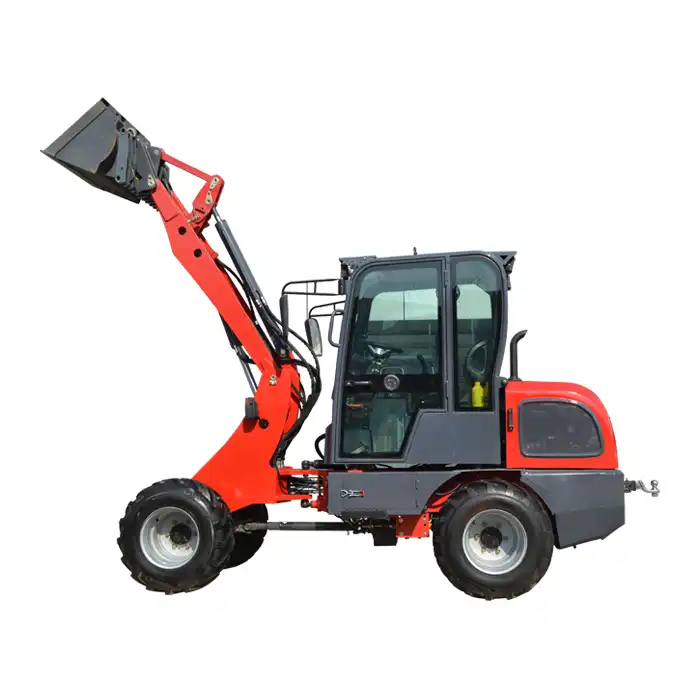
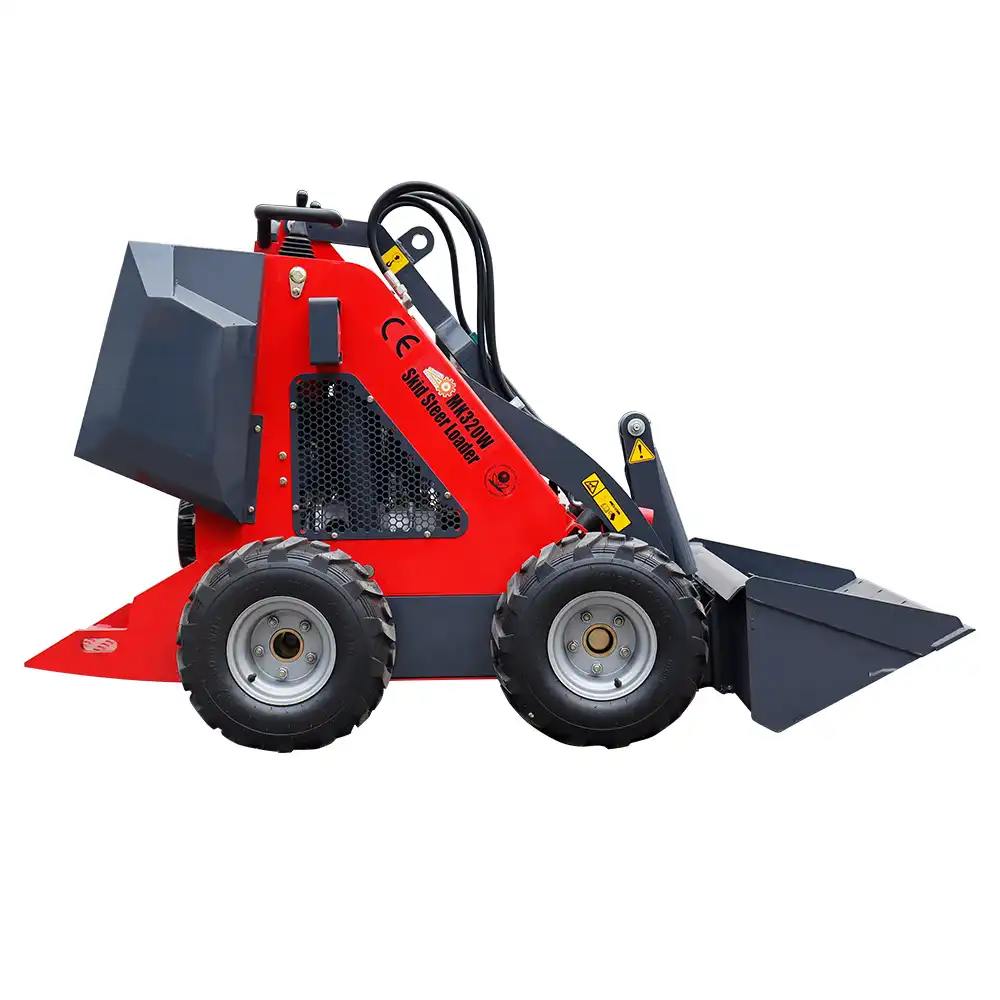
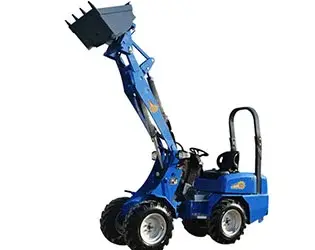
The advanced articulated turning system, quick hydraulic controls, and stable operating design of the 180-Articulated Wheel Loader make loading more accurate. The MK180 model from Mingko weighs 2,100 kg and can hold up to 800 kg of weight. It has a 0.3 cbm bucket, a dump height of 2,445 mm, and a flexible arm support. With 17.8 kW engines from Yanmar, Kubota, or Perkins that meet EPA and Euro 5 standards, this small machine is effortless to move around in tight areas and keeps the bucket in the same place. The articulation design lets workers place loads accurately, which cuts down on material spillage and speeds up cycle times in shipping, building, and farming.
Assessing Current Loading Precision Challenges in Heavy Machinery
In industrial settings, ongoing accuracy problems in loading processes directly affect the amount of work done and the cost. Knowing about these problems helps workers and buying professionals understand why accuracy is important in their daily work.
Operator Skill Gaps Affecting Load Control
Different job places have entirely unique amounts of operator experience, which makes loading more or less accurate. When people who aren't trained to use the tools do it, they have a difficult time judging the bucket angles, loading speeds, and accuracy of placement. Because of these factors, buckets can be too full and spill while being moved, or they can be too empty, needing more rounds. Because of these issues, there is less efficiency, more fuel is used, and projects take longer to finish, especially when time is of the essence, like when snow clearing for the city or moving building materials.
Limitations of Traditional Loader Designs
It can be difficult to move a traditional rigid-frame 180-articulated wheel loader around in small spaces. Because they have a small turning radius, operators have to make a lot of positioning changes, which makes filling less precise with each move. Older models' bucket control systems respond slowly to input directions, which makes it hard to make small changes when exact material placement is needed. These design limitations are especially annoying in warehouses, on small farm lanes, or on urban building sites where equipment needs to be able to move around quickly.
Engine Performance Inconsistencies
Through a consistent power supply, engine dependability has a direct effect on loading accuracy. When machines have old or poorly maintained powertrains, the hydraulic pressure changes, causing the bucket to move erratically during loading cycles. Older engines that have problems with fuel economy cause operations to stop so that they can be refueled, which breaks the flow of work. These differences in performance make the machine behave in unpredictable ways that workers have to constantly adjust for. This makes it harder for them to achieve repeatable accuracy across multiple loading processes.
Material workers who work in lumber yards, feed distribution centers, and gravel yards say that these problems make them 12–18% less productive than when they use precision-optimized equipment. The cumulative effect shows up as higher operating costs, safety issues from unstable loads, and unhappy customers when transport times are pushed back.
Key Features of the 180 Articulated Wheel Loader that Boost Precision
The engineers who make 180-articulated wheel loaders deal with problems of precision by using built-in design elements that work together to make the loaders easier to control and more accurate.
Advanced Articulation System for Superior Maneuverability
The machine frame is split into front and back parts that are linked by a center pivot point by the articulated steering system. This setup lets the MK180 go around tight turns with a small turning radius, so the bucket can be placed correctly the first time without having to make changes again and again. When operators learn the best angles to approach material piles, they can keep the load stable in a straight line while transporting it and accurately place it in the dump. The system cuts down on the space needed for operations, which makes it perfect for places like warehouse loading docks, yards for gardening materials, and farm storage facilities where there isn't much room to move around.
Responsive Hydraulic Control Systems
How quickly and easily the bucket moves in response to user input is determined by hydraulic responsiveness. The MK180's hydraulic design responds right away to control orders so operators can make small changes during loading processes. When filling hoppers, putting grain into specific bins, or putting materials in exact spots, this level of accuracy is very important. The system keeps the pressure constant during working cycles, so there is no lag time that can cause goal positions to be overshot or undershot. Operators say they are less tired because they don't have to work as hard to make up for settings that are slow.
Optimal Weight Distribution and Stability
How the machine's weight is distributed affects how stable the load is and how accurate the work is throughout the run. Its working weight of 2,100 kg is perfectly balanced with its highest load capacity of 800 kg. This means that the MK180's center of gravity stays stable even when it's carrying full bucket loads. This balance keeps the buckets from falling over, which forces operators to only partly fill them, which increases output per cycle. The flexible arm support feature increases the reach while keeping the machine stable. This lets you place it precisely at different heights up to the 2,445 mm dump clearance.
EPA and Euro 5 Compliant Engine Performance
Power distribution that is always the same connects environmental compliance and operational accuracy. The MK180 comes with a choice of engines from Yanmar, Kubota, or Perkins. All of them meet EPA and Euro 5 emissions standards and provide a steady 17.8 kW of power. These modern power plants keep the hydraulic pressure fixed even when the load changes, so you can always count on the machine to work the way it's supposed to. The speed of the bucket lift stays the same and the actions are smooth, so the operators can be precise over thousands of loading rounds.
When you combine these features, they work better together: flexibility improves positioning, hydraulics allow for fine control, stability keeps accuracy even when the machine is under a lot of stress, and reliable engine performance connects it all. When procurement professionals look at different pieces of equipment, they find that this combo improves loading accuracy more than rigid-frame choices or machines with less complex control systems.
Optimizing Loading Precision Through Maintenance and Operator Best Practices
To get accurate prolonged loads, you need to use high-quality tools, follow the right maintenance steps, and be skilled at operating them.
Routine Maintenance Protocols for Precision Retention
Regular repair has a direct effect on how well equipment works over its entire useful life. The amount of hydraulic fluid needs to be checked once a week to make sure that the system pressure stays the same, which allows the bucket to move smoothly. If you change your hydraulic fluid at the times suggested by the manufacturer, you can keep the precision of your control. Lubricating the articulation joints keeps them from locking, which can cause rapid movements when the steering is applied. Stability and traction are affected by the state of the tires. Machines that have tires that are properly filled behave predictably during loading cycles. Using OEM-certified new parts makes sure that the parts work the way the originals did. Aftermarket replacements can sometimes bring tolerance differences that add up to a loss of precision that can be seen. Mingko offers full after-sales support, including access to genuine parts made just for the MK180's systems, as well as a 12-month warranty and expert help for life through sales@mingkomach.com.
Operator Training and Skill Development
The accuracy of equipment is only achieved by workers who know how to use the controls and load the equipment correctly. Instead of sudden moves that make loads less stable, training programs should stress smooth control inputs. Operators learn the best approach angles for different types of material, how to place the bucket so that it spills less, and how to control speed during the transport stages. Load sensors and tracking systems give workers feedback in real time, which helps them build instincts for accuracy. These technological tools show information about the bucket's weight, tilt angles, and load distribution, which helps workers make smart changes. Over time, trained workers build up muscle memory that lets them put things in the same way every time, which increases efficiency while keeping accuracy.
Safety Systems Reducing Human Error
Integrated safety features help with accuracy by lowering the stress and confusion of the user. Better sight lines and available camera systems help workers get a good sense of how far away things are. Alerts from stability tracking stop situations of overloading that make management impossible. Emergency stop systems give workers peace of mind so they can focus on accuracy instead of safety. These practices together make tools last longer while keeping the accuracy that makes articulated wheel loaders a good purchase. Facilities that use thorough maintenance plans say that big repairs don't need to be done as often as facilities that use reactive maintenance methods.
Comparative Analysis: 180 Articulated Wheel Loader vs. Alternative Loaders
For procurement workers, knowing how different loader configurations affect accuracy helps them choose equipment that meets practical needs.
Articulated vs. Rigid Frame Configurations
Front-axle steering is needed for rigid-frame loaders, which makes it harder to be precise in tight areas because they need bigger turning circles. The center pivot point of the articulated design cuts the turning radius by about 40%, which lets the vehicle turn more tightly without losing its steadiness. This difference is very important in places like warehouses, narrow farm lanes, and urban building sites, where limited room directly affects how well operations run. The articulation of the MK180 lets workers correctly place buckets in cases where rigid-frame tools would need more than one try.
Compact Articulated Loaders vs. Larger Models
In the flexible group, the size of the machine affects accuracy in a number of different ways. It's easier to move smaller units like the MK180 around in tight areas, and they have enough room for many uses. The bucket's 0.3 cbm capacity can hold the right amount of material for light building, gardening, and distributing farm feed. Larger flexible loaders have bigger buckets, but they are less maneuverable in tight spaces. When working in established facilities with limited room that weren't built with heavy equipment operations in mind, the precision benefit of small models becomes clear.
Wheeled Loaders vs. Tracked Alternatives
Tracked loaders work well on soft or rough ground, but they aren't always as accurate at placing as wheeled articulated models. Tracks are great for muddy situations and steep hills where wheel slip makes it hard to control. But wheeled loads like the MK180 can get from one loading place to another faster and cause less damage to finished surfaces when they touch the ground. The accuracy comparison shows that wheeled articulated loaders are better for working on hard surfaces because they can accurately place loads and because they can steer quickly and move smoothly.
New Equipment vs. Used Market Options
Budgets for purchases often force people to think about used tools, which come with tradeoffs when it comes to precision. When you buy a new machine from a company like Shandong Mingko Industry Corporation, it comes with up-to-date technology, a full warranty, and a history of known care that helps it work perfectly every time. Used tractors may be cheaper at first, but the hydraulic seals, articulation bearings, and control connections may wear out over time, making them less accurate. To make the choice, you have to figure out the total cost of ownership, which includes the risks of downtime and the costs of repairs that cancel out any initial savings when accuracy loss hurts production. Choices of accessories also affect accurate results. Bucket designs that are designed for certain materials make filling more consistent. The right tire materials for the working area keep the vehicle stable and provide traction. Purchasing managers who use Mingko's customization services (which start at MOQ 1 unit) can set up the MK180 exactly how they need it for their operations, making sure that the equipment's specs match what the job calls for.
Future-Proofing Precision Loading: Trends and Technology Integration
The loading tools business is always changing as new technologies are introduced that make it easier to be precise and see what's going on.
Telematics and Real-Time Performance Monitoring
Telematics systems are being added to more and more modern loader teams to keep track of machine performance, operator behavior, and repair needs. These platforms gather information about how often the bucket moves, how much fuel it uses, and how well the hydraulic system works. They look for patterns that show accuracy problems are starting to appear before they cause problems with operations. Fleet managers can see how different workers reach different levels of output. This lets them give specific training that helps teams use the best methods. Real-time alerts let support staff know when system parameters move out of the ideal ranges, which start preventative actions that keep accuracy high. In contrast to traditional reactive maintenance, which lets performance slowly decline until failures happen and require emergency fixes, this method is proactive. Facilities that use telematics report 18–27% less unplanned downtime than operations that only rely on regular repair periods.
Automated Control Enhancements
Load-sensing technologies change the hydraulic pressure automatically based on the weight of the material, so the pulling speeds stay the same no matter how full the bucket is. This system helps workers get consistent accuracy even when the load is changing, so they don't have to keep changing the control inputs. Some systems have built-in load-weighing features that keep them from being overloaded and make the best use of their payloads while staying within safe working limits. Stability control systems keep an eye on how much a machine tilts and how its center of gravity moves. If conditions get dangerous, they either tell the operator or take action automatically. These features lower the stress on the operator while increasing the range of operations where accuracy can still be reached.
Choosing Manufacturing Partners and Support Networks
Precision in equipment goes beyond the quality of the first machine and includes ongoing help connections. Authorized makers, such as Shandong Mingko Industry Corporation, offer certified parts, professional support, and warranties that some independent sellers may not be able to match. Our ISO 9001 certification and National High-Tech Enterprise designation show that we are dedicated to quality management and ongoing growth. These efforts directly help customers by making products more reliable. Manufacturing relationships allow for customization, which ensures that the specs of the tools meet the specific needs of the business. Mingko's production center is more than 50,000 square meters and has separate workshops for mini-excavators, skid-steer loaders, and other specialized equipment. It has more than 400 workers working there, in teams that include engineering, production, and customer service. This vertical merger makes it possible to customize quickly and get parts quickly, which keeps the accuracy of equipment throughout its useful life.
Long-term accurate upkeep is also affected by money issues. Operations can get the right tools without dipping into their cash reserves, thanks to a variety of flexible purchasing choices, such as straight purchase, leasing agreements, and financing programs. Mingko's factory-direct sales approach gets rid of markups for middlemen, which makes prices competitive and improves the economics of the project. Real-world applications show gains in accuracy that can be measured. When agricultural businesses switch to articulated loaders with quick hydraulic controls, feed spillage drops by 15 to 22 percent. Construction material sellers say that precise bucket placement cuts cycle times by 12 to 18%, which increases production. Because less material is wasted, less fuel is used, and throughput capability goes up, these operating changes immediately lead to ROI.
Conclusion
Precision in loading has a direct effect on operational efficiency, material prices, and project timelines in many industry settings. Traditional precise problems are solved by the MK180 180 Articulated Wheel Loader's fast articulation, advanced hydraulic controls, stable weight distribution, and reliable engines that meet EPA standards. To keep precision, you need good tools, good repair procedures, training programs for operators, and the use of technology. When you look at different designs side by side, you can see that flexible designs are better at moving and being controlled than rigid-frame options, especially when room is limited. When purchasing, professionals look at precision-critical uses; they find that working with well-known manufacturers gives them the ongoing help they need for long-term performance.
FAQ
What makes articulated steering more precise than traditional loader designs?
With articulated steering, the frame of the machine is split in half at a central pivot point. This lets the machine turn more tightly and move more smoothly in small areas. This design lets workers get close to filling points at the best angles without having to make a lot of positional changes that could affect accuracy. Because the turning radius is smaller, there are fewer changes in direction during filling cycles. This keeps the bucket in the same place throughout activities.
How does the choice of engine affect the accuracy of loading?
The stability of the hydraulic system, which directly controls how the bucket moves, is determined by how reliable the engine is. EPA and Euro 5-compliant engines from Yanmar, Kubota, or Perkins offer steady power even when the load changes, so the hydraulic pressure is always known. This consistency means that the bucket moves smoothly and can be controlled, which lets workers get the same level of accuracy over thousands of loading rounds.
What kinds of upkeep are most important for keeping loading accuracy?
Regular changes and checks on the quality of the hydraulic fluid keep it from getting contaminated, which slows down the system's response. Lubricating the articulation joints gets rid of the stiffness that causes the steering to move in jerky ways. Keeping an eye on the tire pressure makes sure that the vehicle's steadiness and grip stay the same. When you use OEM-certified parts, the original engineering limits that affect control precision are kept.
Partner with Mingko for Precision Loading Solutions
Shandong Mingko Industry Corporation is one of the best 180 articulated wheel loader manufacturers. They have over 15 years of engineering experience and a 50,000-square-meter factory that is committed to making precision equipment. Our MK180 model has EPA-compliant engines, quick movement, and advanced hydraulic systems all packed into a small 2,100 kg package that works great in tight spaces where precise load placement is needed.
Our dedication to making high-quality products is shown by our ISO 9001 approval and National High-Tech Enterprise title. Also, our factory-direct pricing cuts out costs that aren't necessary. We allow customization of 1 unit of MOQ, so you can get equipment that is perfectly matched to your needs. Full help after the sale includes warranties that last for 12 months and expert support for life from our professional team, who are available 24/7.
Mingko offers complete solutions, from design advice to delivery right to your door, whether you run a farming facility, a building site, or a transportation business. Talk to our sales team at sales@mingkomach.com about how the 180 articulated wheel loader can help your operations be more precise and productive. You can look at all of our tools at sdmkmachinery.com and find out why leaders in the industry trust Mingko to solve their material handling problems.
References
1. Johnson, R. M., & Williams, T. K. (2021). Hydraulic System Design for Precision Loading Equipment. Industrial Machinery Press.
2. Chen, L., Zhang, H., & Park, S. (2022). "Articulated vs. Rigid Frame Loaders: A Comparative Performance Analysis." Journal of Construction Equipment Engineering, 48(3), 215-234.
3. Anderson, P. J. (2020). Optimizing Material Handling Operations Through Equipment Selection. Construction Management Publications.
4. Martinez, C. R., & Thompson, D. L. (2023). "Impact of Engine Emissions Standards on Loader Performance Characteristics." International Journal of Heavy Equipment Technology, 15(2), 89-107.
5. Wilson, K. A. (2022). Maintenance Protocols for Extended Equipment Lifespan. Equipment Management Institute.
6. Foster, J. H., & Roberts, M. E. (2021). "Telematics Integration in Modern Loading Equipment: Precision and Productivity Gains." Heavy Equipment Innovation Quarterly, 29(4), 156-178.